Learn the most important SEO glossary terms including domain authority, search engine rankings, and backlinks — and understand how each one impacts your website's organic growth.
SEO Glossary Terms Domain Authority Ranking Backlinks Importance
Search engine optimization can feel like learning a new language. Terms like domain authority, backlinks, and rankings get thrown around constantly, yet many website owners never fully understand what they mean or how they connect. If you have ever wondered why your competitor outranks you despite having similar content, the answer often lies in these foundational SEO concepts. This guide breaks down the most critical SEO glossary terms in plain language so you can make smarter decisions about your digital presence.

Whether you are a small business owner, a content creator, or a marketing professional, understanding these terms is not optional anymore. It is the difference between a website that attracts organic traffic and one that quietly collects digital dust. At ZoneTechify, we work with businesses at every stage of their SEO journey, and the first step is always vocabulary. Let us get into it.
What Is Domain Authority and Why Does It Matter?
Domain authority (DA) is a score developed by Moz that predicts how likely a website is to rank on search engine results pages (SERPs). The scale runs from 1 to 100, with higher scores indicating greater ranking potential. New websites typically start around 1, while established giants like Wikipedia or Amazon sit close to 100.
It is important to understand that domain authority is not a metric Google directly uses in its algorithm. However, it serves as a useful benchmark when evaluating your own site's strength or comparing it to competitors. If your DA is 20 and your competitor's is 55, that gap explains a lot about the ranking difference you are experiencing.
What Affects Domain Authority?
Several factors influence your DA score:
- Backlink quantity and quality — More high-quality backlinks from reputable sites push your DA higher.
- Linking root domains — The number of unique websites linking to you matters more than total links.
- Site age and history — Older domains with clean histories tend to score better.
- Internal linking structure — A well-organized site passes authority efficiently between pages.
DA is calculated using a logarithmic scale, which means jumping from 10 to 20 is considerably easier than jumping from 70 to 80. Early gains come quickly with focused effort, but improvement slows as you reach higher scores.
Understanding Search Engine Rankings
Rankings refer to the position your web pages hold in search engine results for specific queries. Ranking on page one, especially in the top three spots, captures the vast majority of organic clicks. Studies consistently show that the first organic result receives roughly 27-30% of all clicks for a given query, while results on page two receive almost none.

Key Ranking Factors
Google uses hundreds of signals to determine rankings. The most influential include:
- Content relevance and quality — Does your page genuinely answer what the user searched for?
- Backlink profile — How many credible sites link to your page?
- Page experience — Core Web Vitals, mobile-friendliness, and HTTPS status all count.
- E-E-A-T — Experience, Expertise, Authoritativeness, and Trustworthiness, especially for health, finance, and legal content.
- Search intent match — Informational queries need different content than transactional ones.
Rankings are not static. Algorithm updates, competitor activity, and changes to your own site all cause fluctuations. Monitoring your rankings weekly helps you catch drops early and respond before traffic loss becomes significant.
The Role of Keywords in Rankings
Keywords are the phrases users type into search engines. Targeting the right keywords means finding terms your audience actually uses, with a search volume worth chasing and a competition level your site can realistically compete for. Long-tail keywords (three or more words) often convert better because they reflect more specific intent.
What Are Backlinks and Why Are They So Important?
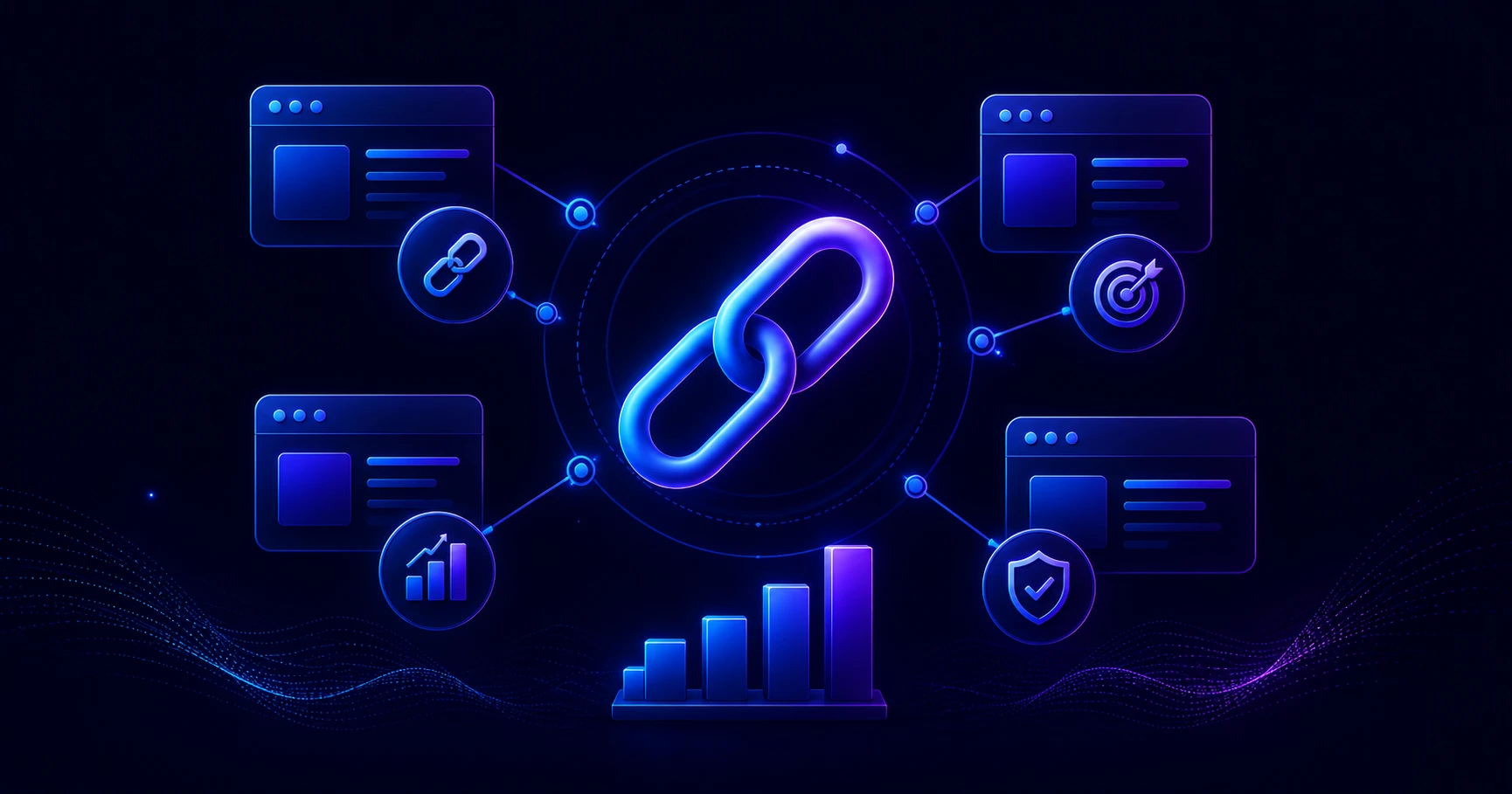
Backlinks are links from external websites pointing to your site. Think of them as votes of confidence. When a respected website links to your content, it signals to search engines that your page is trustworthy and worth showing to users. Backlinks remain one of the most powerful ranking factors across all major search engines.
Not all backlinks are equal. A single link from a high-authority news site can do more for your rankings than a hundred links from low-quality directories. Quality always trumps quantity when it comes to link building.
Types of Backlinks
Dofollow links pass link equity (often called "link juice") from the linking site to yours. These are the links that directly influence rankings.
Nofollow links include a tag telling search engines not to pass authority. While they do not directly boost rankings, they can still drive referral traffic and diversify your link profile.
Sponsored and UGC links are specifically tagged for paid placements and user-generated content respectively, helping search engines understand the nature of the link.
How to Build Quality Backlinks
Earning backlinks requires a combination of excellent content and deliberate outreach:
- Create link-worthy assets — Original research, comprehensive guides, and free tools attract links naturally.
- Guest posting — Contributing articles to relevant, reputable sites earns editorial backlinks.
- Digital PR — Getting mentioned in news articles and industry publications builds authority fast.
- Broken link building — Finding broken links on other sites and suggesting your content as a replacement is a practical white-hat tactic.
- HARO and media queries — Responding to journalist requests positions you as an expert and earns press coverage.
Avoid purchasing links or participating in private blog networks. Google's Penguin algorithm is specifically designed to detect and penalize manipulative link schemes, and a manual penalty can set your rankings back significantly.
Other Essential SEO Glossary Terms You Should Know
Beyond domain authority, rankings, and backlinks, a handful of other terms come up constantly in SEO conversations.
Crawlability refers to how easily search engine bots can access and navigate your site. Blocked pages, broken links, and poor site architecture hurt crawlability and limit what gets indexed.
Indexability means whether a page can be stored in Google's index and served in search results. Pages blocked by noindex tags or canonical issues will never rank regardless of their quality.
Anchor text is the clickable text in a hyperlink. Descriptive, keyword-rich anchor text helps search engines understand what the linked page is about.
Page authority (PA) is similar to domain authority but measures the ranking strength of individual pages rather than the entire domain.
Organic traffic refers to visitors who arrive through unpaid search results. Unlike paid ads, organic traffic compounds over time with sustained SEO effort.
SERP features include elements like featured snippets, People Also Ask boxes, local packs, and image carousels that appear above or alongside traditional results. Appearing in these features often generates more clicks than a standard ranking.
Bounce rate measures the percentage of visitors who leave after viewing only one page. A high bounce rate on a landing page can signal content-intent mismatch or poor user experience.
Dwell time is how long a visitor stays on your page before returning to search results. Longer dwell times suggest the content satisfied the user's intent, which can positively influence rankings.
Putting It All Together: A Practical SEO Framework
Understanding individual terms matters, but the real value comes from seeing how they connect. A high domain authority makes it easier for all your pages to rank. Strong rankings generate organic traffic. Quality content earns backlinks, which raise your domain authority further. It is a reinforcing cycle that, once in motion, becomes increasingly difficult for competitors to disrupt.
The businesses that win at SEO are not necessarily the ones with the biggest budgets. They are the ones that understand these fundamentals and execute consistently over time. If you are ready to build that kind of compounding SEO advantage, explore the professional SEO services at ZoneTechify to see how a structured, data-driven approach can transform your search visibility.
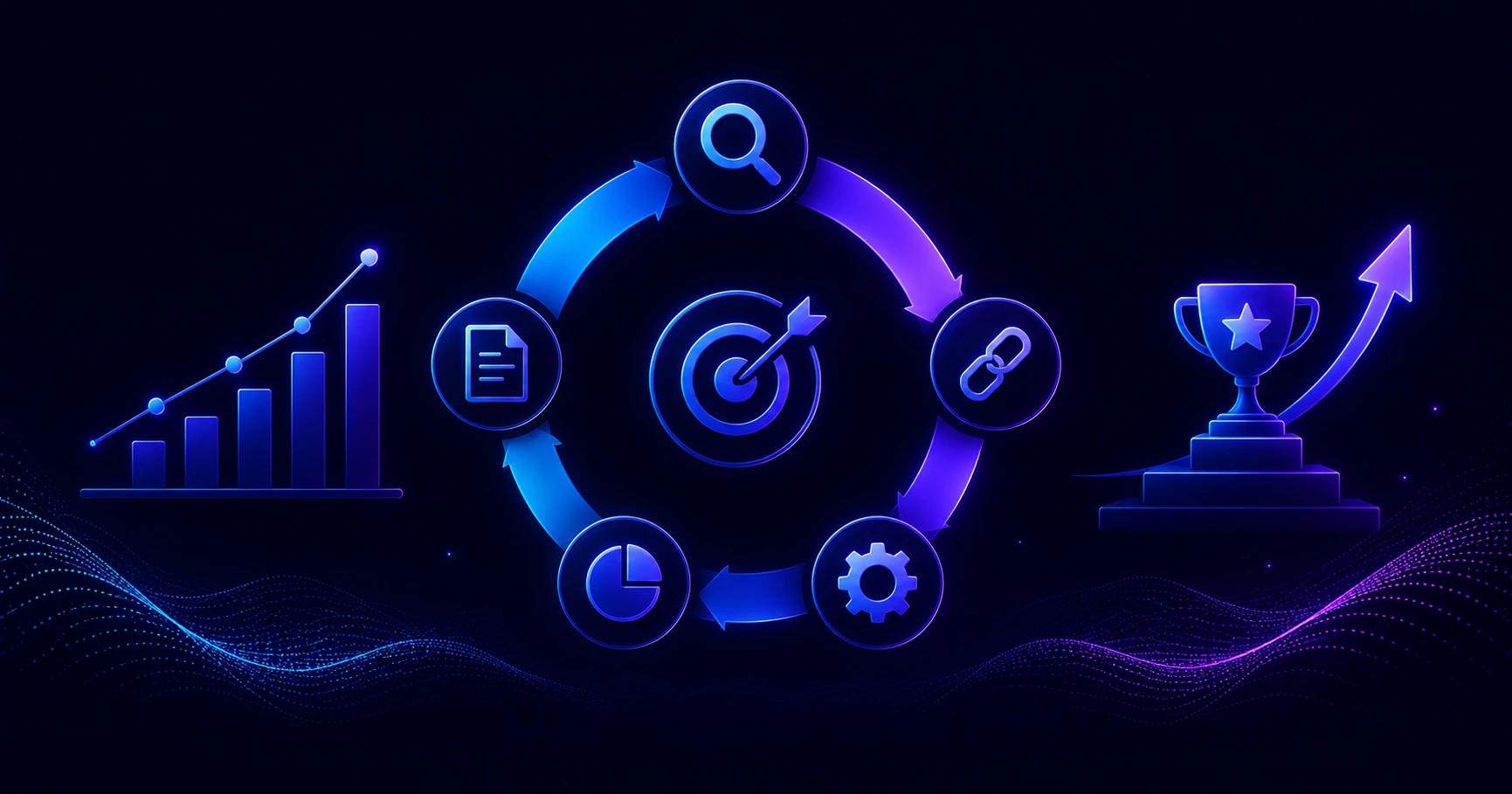
Start with an audit of your current domain authority and backlink profile. Identify the keywords your target audience is searching for. Build content that genuinely answers those queries better than what already exists. Then promote that content to earn the backlinks that lift your authority and your rankings together.
SEO is not magic. It is methodology. And it starts with understanding the language.