A complete on-page SEO checklist covering title tags, meta descriptions, headings, speed, and more. Learn how professional SEO services accelerate your rankings.
On-Page SEO Checklist & Professional Service – Get Found Online
On-page SEO is the foundation of every successful digital presence. While off-page tactics like link building get a lot of attention, the truth is that no amount of backlinks will save a page that is poorly structured, slow to load, or confusing to both users and search engines. If your website is not getting the organic traffic it deserves, there is a good chance your on-page fundamentals need work.
This guide walks you through a practical, actionable on-page SEO checklist — the same one used by professional SEO teams — so you can audit your site, fix what is broken, and start climbing the rankings with confidence.
What Is On-Page SEO and Why Does It Matter?
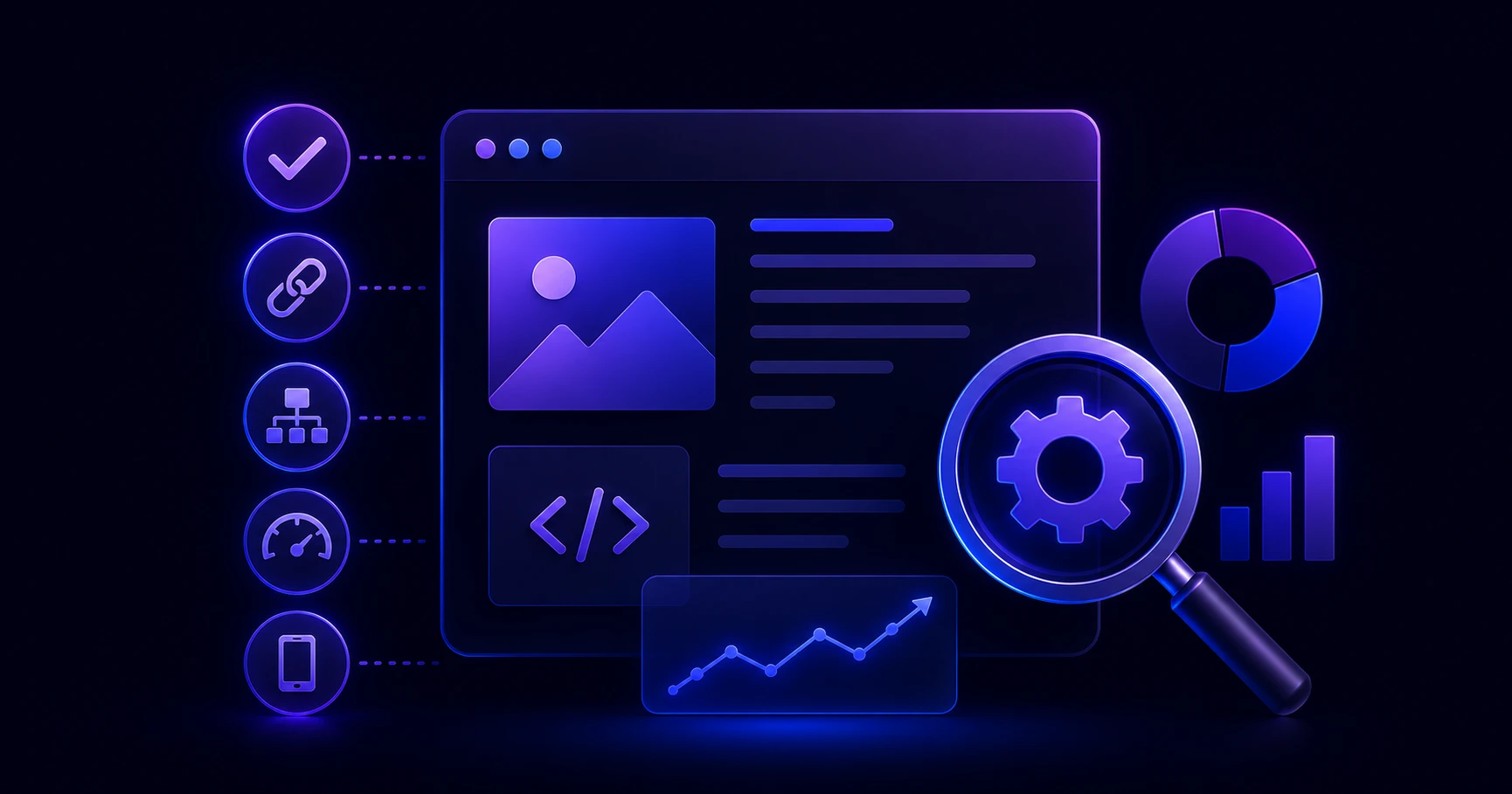
On-page SEO refers to all the optimizations made directly on a webpage to improve its visibility in search engine results. This includes your content, HTML source code, page structure, internal links, and technical elements that search engines crawl and evaluate.
Google's algorithms have grown increasingly sophisticated. They no longer just look for keywords — they evaluate relevance, authority, user experience, and content quality together. A page that satisfies search intent, loads quickly, and is easy to navigate will consistently outperform one that simply repeats a keyword dozens of times.
The business case is clear: higher rankings mean more impressions, more clicks, and ultimately more revenue. Businesses that invest in professional SEO services see compounding returns over time because organic traffic, unlike paid advertising, does not stop when your budget runs out.
The Complete On-Page SEO Checklist
1. Conduct Thorough Keyword Research
Before you write a single word, you need to know what your target audience is searching for. Identify primary keywords, secondary keywords, and long-tail variations. Consider search intent — are users looking to learn, compare, or buy? Your content must match that intent precisely.
Use tools like Google Search Console, Ahrefs, or Semrush to find keywords with realistic difficulty levels and meaningful search volume. Prioritize terms that your competitors are ranking for but you are not — these represent quick-win opportunities.
2. Optimize Your Title Tag
The title tag is one of the most powerful on-page ranking signals. It appears in search results as the clickable blue headline and sets the first impression for both Google and your potential visitors.
Keep your title tag between 50–60 characters. Include your primary keyword as close to the beginning as possible. Make it compelling enough to earn the click — because a high ranking with a low click-through rate still fails to drive traffic.
3. Write a Compelling Meta Description
The meta description does not directly influence rankings, but it heavily impacts click-through rate, which is a behavioral signal Google tracks. Write a 150–160 character description that summarizes the page, includes your keyword naturally, and offers a clear reason to click.
4. Use Proper Heading Structure (H1–H6)
Every page should have exactly one H1 that contains the primary keyword. Use H2s for major sections and H3s for supporting subsections. This hierarchy helps search engines understand the structure and relevance of your content, and it makes your page far easier to read.
5. Optimize Your URL Slug
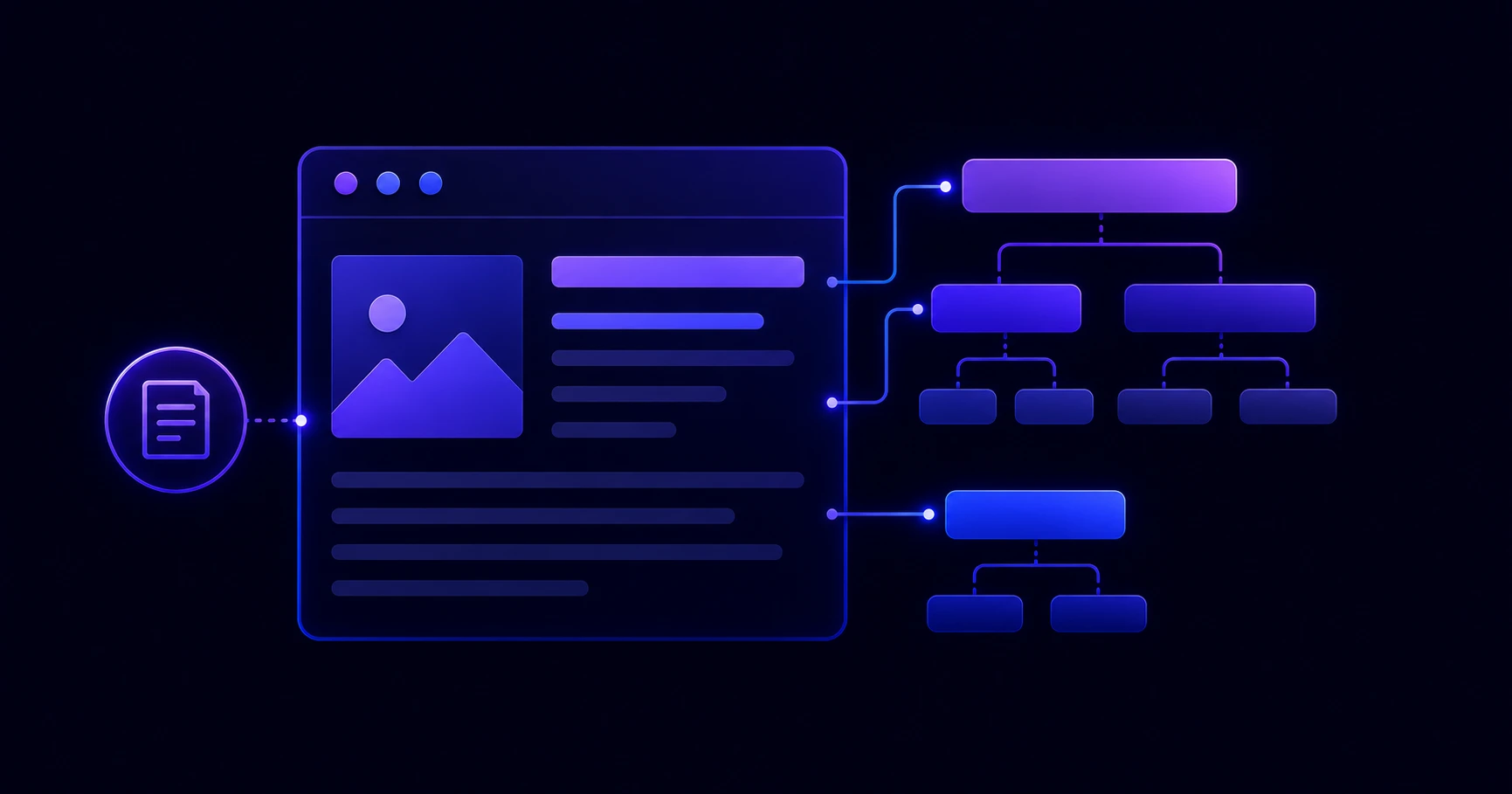
A clean, descriptive URL helps both users and crawlers understand what a page is about before even visiting it. Keep slugs short, lowercase, and hyphen-separated. Remove stop words like "and," "the," and "of" unless they are necessary for readability. For example, /on-page-seo-checklist is far better than /post?id=2847.
6. Include Keywords Naturally in the Content
Write for people first. Incorporate your primary keyword in the first 100 words, and use related semantic keywords throughout the body. Avoid stuffing — Google's natural language processing can easily detect it and penalize the page.
Aim for comprehensive coverage of the topic. A page that answers every reasonable follow-up question a user might have tends to outperform thin content on the same subject.
7. Optimize Images with Alt Text and File Names
Every image on your page should have a descriptive file name and alt attribute. This not only helps visually impaired users but also feeds important contextual data to search engines. Compress images to reduce file size without sacrificing quality — page speed is a confirmed ranking factor.
8. Implement Internal Linking Strategically
Internal links distribute page authority across your website and help search engines discover and index new content. Every page you publish should link to at least two or three related pages on your site, and those pages should link back where relevant. Use descriptive anchor text rather than generic phrases like "click here."
9. Improve Page Speed and Core Web Vitals
Google's Core Web Vitals — Largest Contentful Paint (LCP), Cumulative Layout Shift (CLS), and Interaction to Next Paint (INP) — are official ranking factors. Use Google PageSpeed Insights to identify issues. Common fixes include enabling browser caching, using a CDN, minifying CSS and JavaScript, and upgrading your hosting infrastructure.
10. Ensure Mobile Friendliness
Google uses mobile-first indexing, meaning it primarily uses the mobile version of your site for ranking and indexing. If your site is not fully responsive and fast on mobile devices, you are losing rankings regardless of how good your desktop experience is.
11. Add Structured Data (Schema Markup)
Schema markup tells search engines exactly what your content means, not just what it says. Implementing structured data can unlock rich results — star ratings, FAQs, breadcrumbs, and event details — in SERPs. These enhanced listings attract significantly more clicks.
12. Check for Duplicate Content and Canonicalization
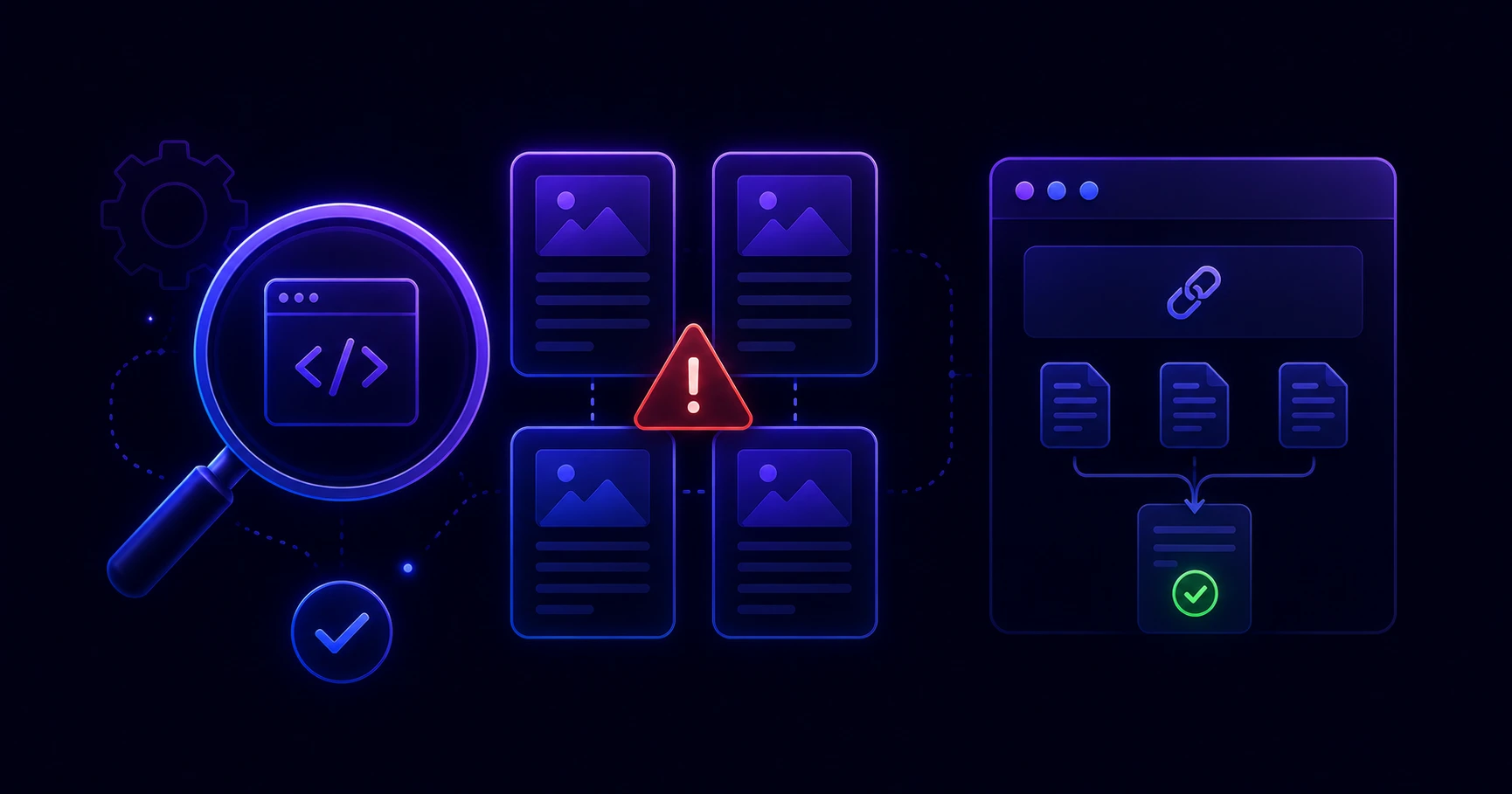
Duplicate content confuses search engines and splits ranking signals between multiple URLs. Use canonical tags to designate the preferred version of each page. Regularly audit your site for unintentional duplication caused by URL parameters, printer-friendly versions, or syndicated content.
On-Page SEO Checklist: Quick Reference Table
| On-Page Element | Best Practice | ||| | Title Tag | 50–60 characters, primary keyword near start | | Meta Description | 150–160 characters, includes keyword | | H1 Tag | One per page, contains primary keyword | | URL Structure | Short, descriptive, hyphenated | | Image Alt Text | Descriptive, keyword-relevant | | Internal Links | At least 2–3 per page, descriptive anchors | | Page Speed | LCP under 2.5 seconds | | Mobile Optimization | Fully responsive design | | Schema Markup | Implemented for content type | | Canonical Tags | Set for all pages with duplicate risk |
When to Hire a Professional SEO Service
Even with the best checklist in hand, implementing on-page SEO correctly at scale is time-consuming and technically demanding. You need to keep up with algorithm updates, manage crawl budgets, handle redirect chains, and continuously monitor performance data.
That is where working with an experienced team makes a measurable difference. ZoneTechify provides end-to-end digital solutions, and its dedicated SEO services cover everything from initial technical audits to ongoing content optimization and rank tracking. Instead of spending weeks learning tools and hoping for results, you get a structured strategy built on data and executed by professionals who do this every day.
Professional SEO is not an expense — it is an investment with one of the highest long-term ROIs in digital marketing. Businesses that treat SEO as a continuous process, rather than a one-time task, consistently outperform competitors who cut corners or ignore it entirely.

Final Thoughts
On-page SEO is not about gaming the algorithm — it is about building pages that genuinely deserve to rank. When your content matches user intent, your technical setup is clean, and your site provides a fast and seamless experience, search engines reward you with visibility.
Use this checklist as your starting point. Audit your most important pages first, fix the critical issues, and build a habit of optimizing every new piece of content before it goes live. If you want faster, more reliable results, partnering with a professional team removes the guesswork and accelerates your path to page one.
The businesses that win in organic search are the ones that take on-page SEO seriously — and start today.