Discover the top benefits of email marketing in 2026, including higher ROI, audience engagement, automation, personalization, and business growth.
10 Proven Benefits of Email Marketing That Will Grow Your Business in 2026
Introduction
What if one marketing channel could deliver $36 for every $1 you spend — consistently, reliably, and across nearly every industry? That's not a hypothetical. That's the real power of email marketing, and in 2026, it's more relevant than ever. While social media algorithms keep changing and paid ads keep getting more expensive, email stays in your control. If you're not fully leveraging the benefits of email marketing, you're leaving serious money on the table. Let's change that.
Why Email Marketing Still Dominates in 2026
Before diving into the specific benefits, it's worth understanding why email remains the king of digital marketing. With over 4.7 billion email users worldwide, the audience reach alone is unmatched. Unlike rented platforms like Instagram or TikTok, your email list is an asset you own. No algorithm can take it away overnight.
Businesses of all sizes — from solo consultants to Fortune 500 companies — rely on email because it combines personalization, scale, and measurability like nothing else.
10 Proven Benefits of Email Marketing for Business Growth
1. Exceptional Return on Investment (ROI) 
Email marketing consistently delivers the highest ROI of any digital marketing channel. According to industry data, the average return is $36–$42 for every dollar spent. That's nearly impossible to replicate with paid social or display advertising.
- Low cost per message
- Scalable without proportional cost increases
- Easy to track and optimize for better results For small businesses especially, this makes email an indispensable tool for growing revenue without breaking the budget.
2. Direct Access to Your Audience 
Unlike social media, where your content competes with thousands of other posts, email lands directly in your subscriber's inbox. There's no algorithm filtering your message before it reaches them. This directness creates a powerful advantage — your audience sees what you send, when you send it.
This is particularly valuable during product launches, limited-time offers, or urgent announcements where timing matters.
3. Highly Targeted and Personalized Communication 
One of the most compelling benefits of email marketing is the ability to segment your audience and deliver hyper-personalized content. You can group subscribers by:
| Segmentation Type | Example Use Case | ||| | Demographics | Age-specific product recommendations | | Purchase history | Re-engagement campaigns for past buyers | | Behavior | Cart abandonment reminders | | Location | Local event invitations or regional offers |
Personalized emails generate 6x higher transaction rates compared to generic, one-size-fits-all blasts. That's a number worth taking seriously.
4. Builds and Nurtures Long-Term Customer Relationships 
Email isn't just a sales tool — it's a relationship builder. Sending consistent, valuable content keeps your brand top-of-mind between purchases. Newsletters, educational content, and behind-the-scenes updates help subscribers feel connected to your brand on a human level.
Over time, this trust translates into repeat purchases, brand advocacy, and higher customer lifetime value. Think of your email list as a community, not just a contact list.
5. Drives Consistent Website Traffic 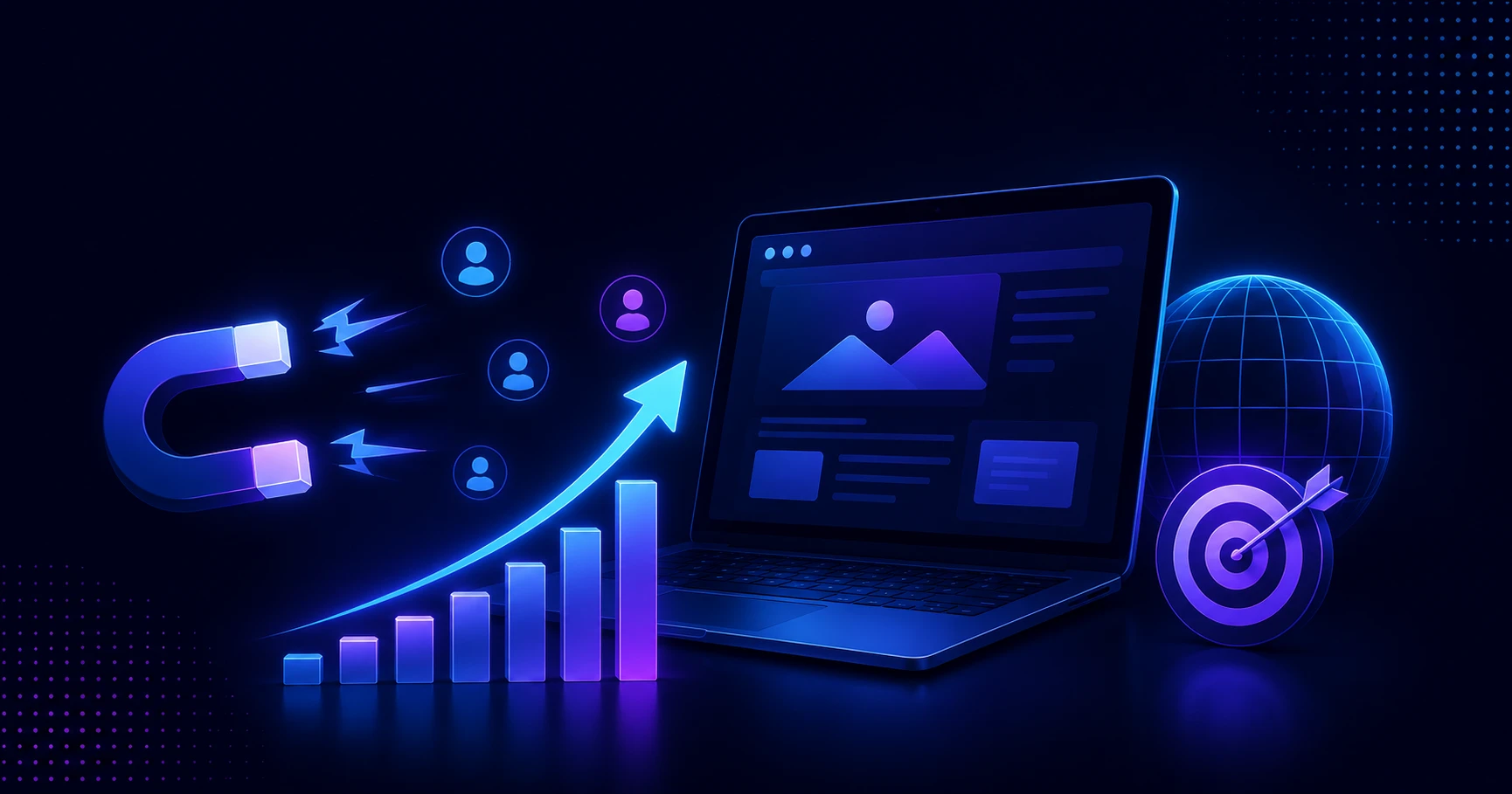
Every email you send is an opportunity to pull readers back to your website. Whether it's a new blog post, a product page, or a landing page for a webinar, strategic calls-to-action (CTAs) in emails drive measurable traffic.
Moreover, this traffic tends to convert better than cold organic traffic. Your subscribers already know and trust you — they're far more likely to engage, sign up, or buy.
6. Measurable and Data-Driven Results 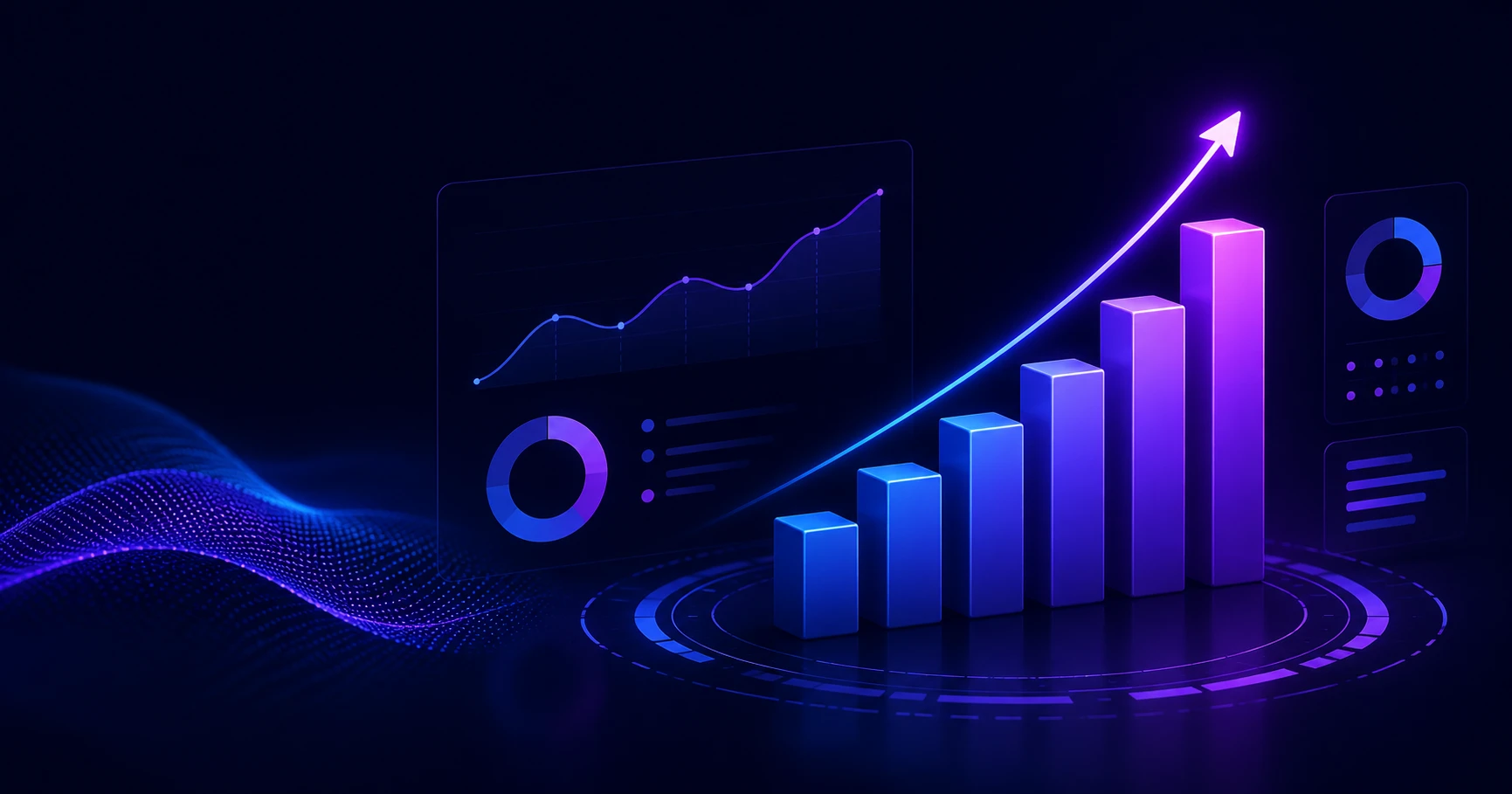
With email marketing, guesswork is optional. Every campaign gives you rich analytics:
- Open rate — Are your subject lines compelling?
- Click-through rate (CTR) — Is your content relevant?
- Conversion rate — Are you driving action?
- Unsubscribe rate — Is something pushing people away? This data loop allows you to test, learn, and improve continuously. A/B testing subject lines, CTAs, and send times gives you a competitive edge that most channels simply can't match.
7. Cost-Effective for Businesses of Every Size 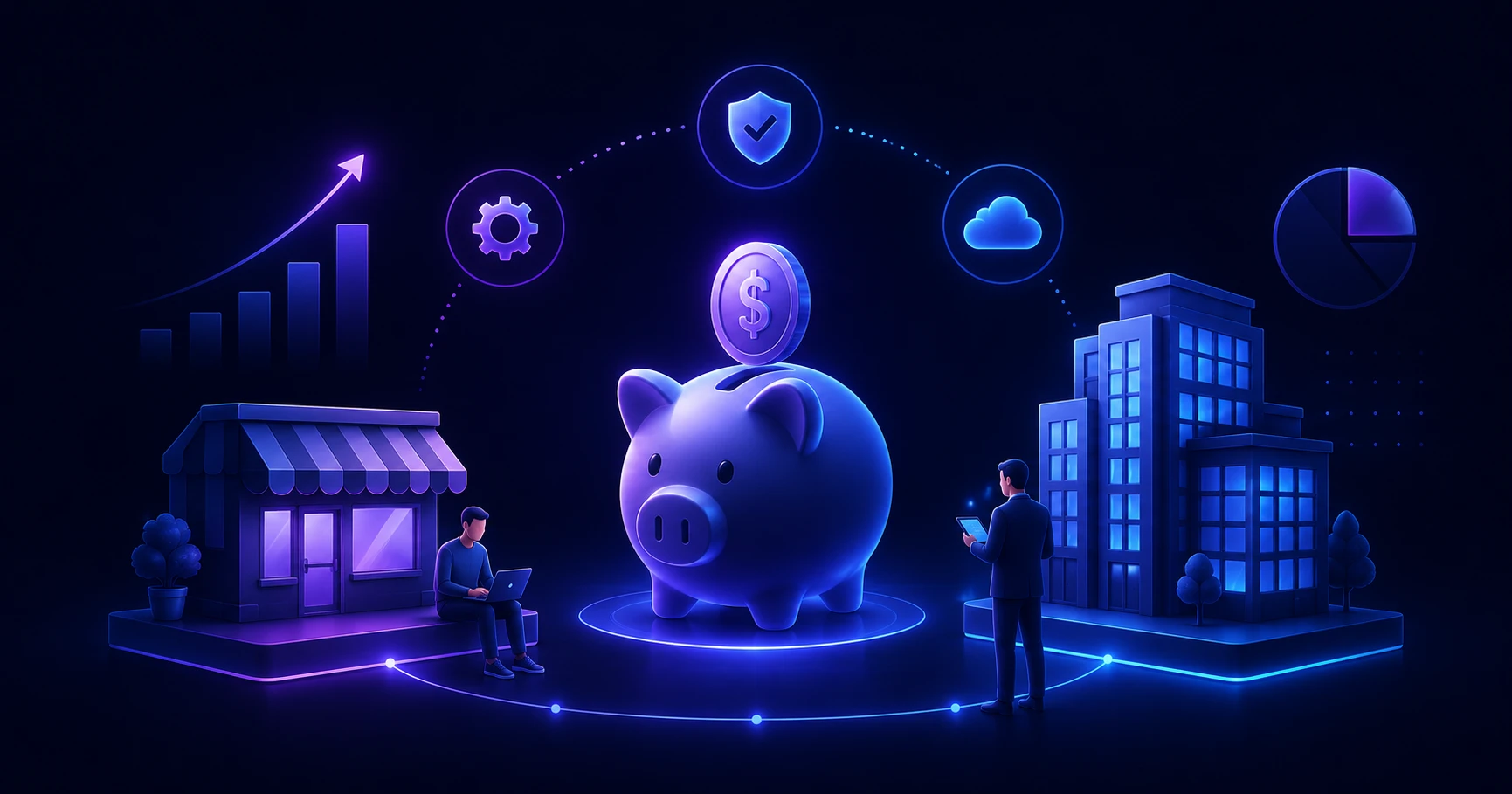
Whether you're a freelancer or a growing e-commerce brand, email marketing fits virtually any budget. Platforms like Mailchimp, ConvertKit, and Klaviyo offer free or low-cost plans for smaller lists. Even at scale, the cost per email remains just fractions of a cent.
Compare that to Google Ads or Facebook campaigns where costs can skyrocket — especially in competitive niches. Email gives you maximum reach at minimal cost, making it one of the smartest investments in your marketing stack.
8. Supports Every Stage of the Customer Journey 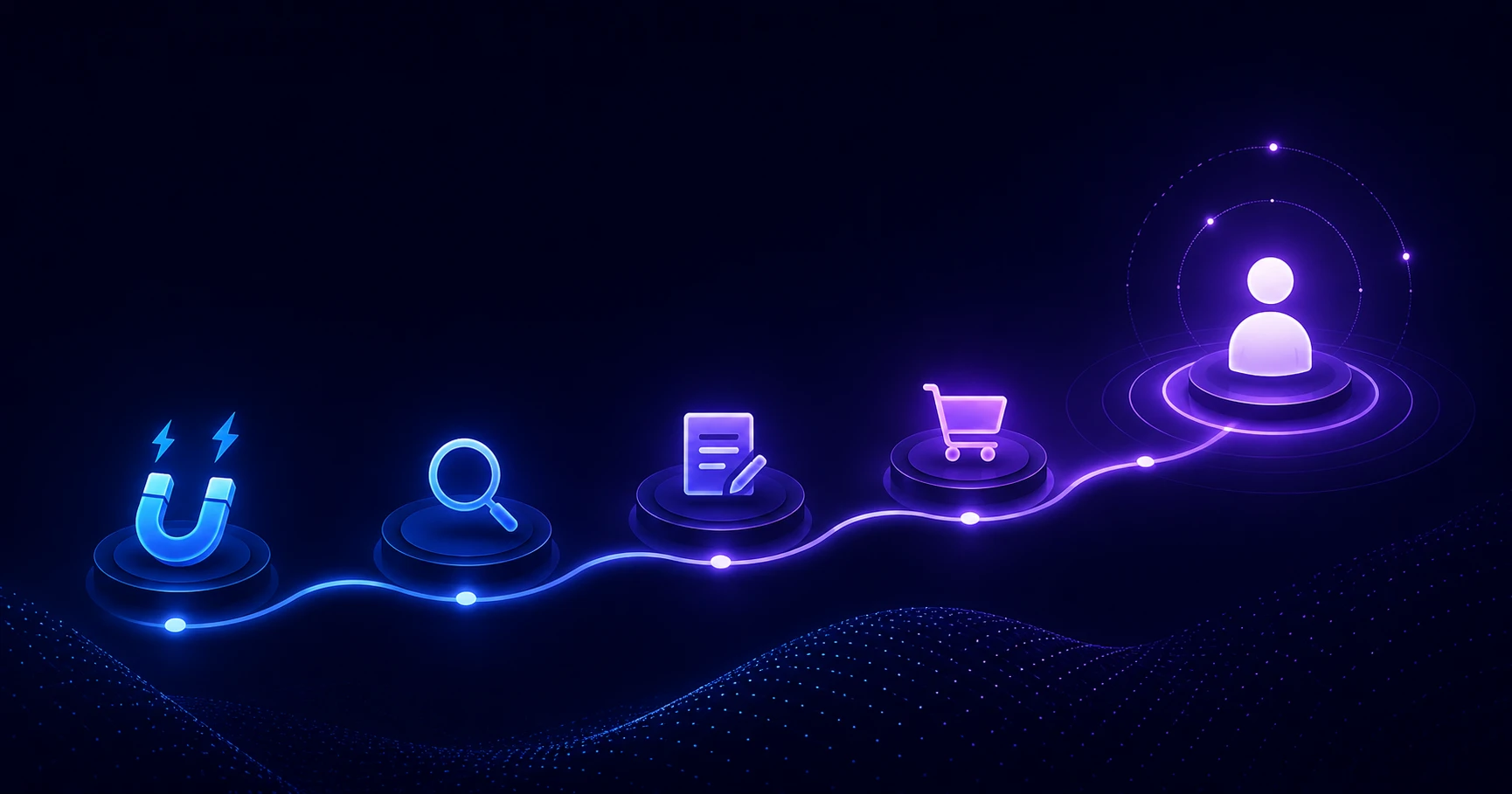
Email marketing works beautifully at every stage of the funnel:
- Awareness — Welcome sequences introducing your brand
- Consideration — Educational content, case studies, comparisons
- Decision — Limited-time discounts, testimonials, free trials
- Retention — Loyalty programs, re-engagement campaigns
- Advocacy — Referral programs, user-generated content requests No other single channel does this as seamlessly. You can automate entire customer journeys that run 24/7 without ongoing manual effort.
9. Automation Saves Time and Scales Effortlessly 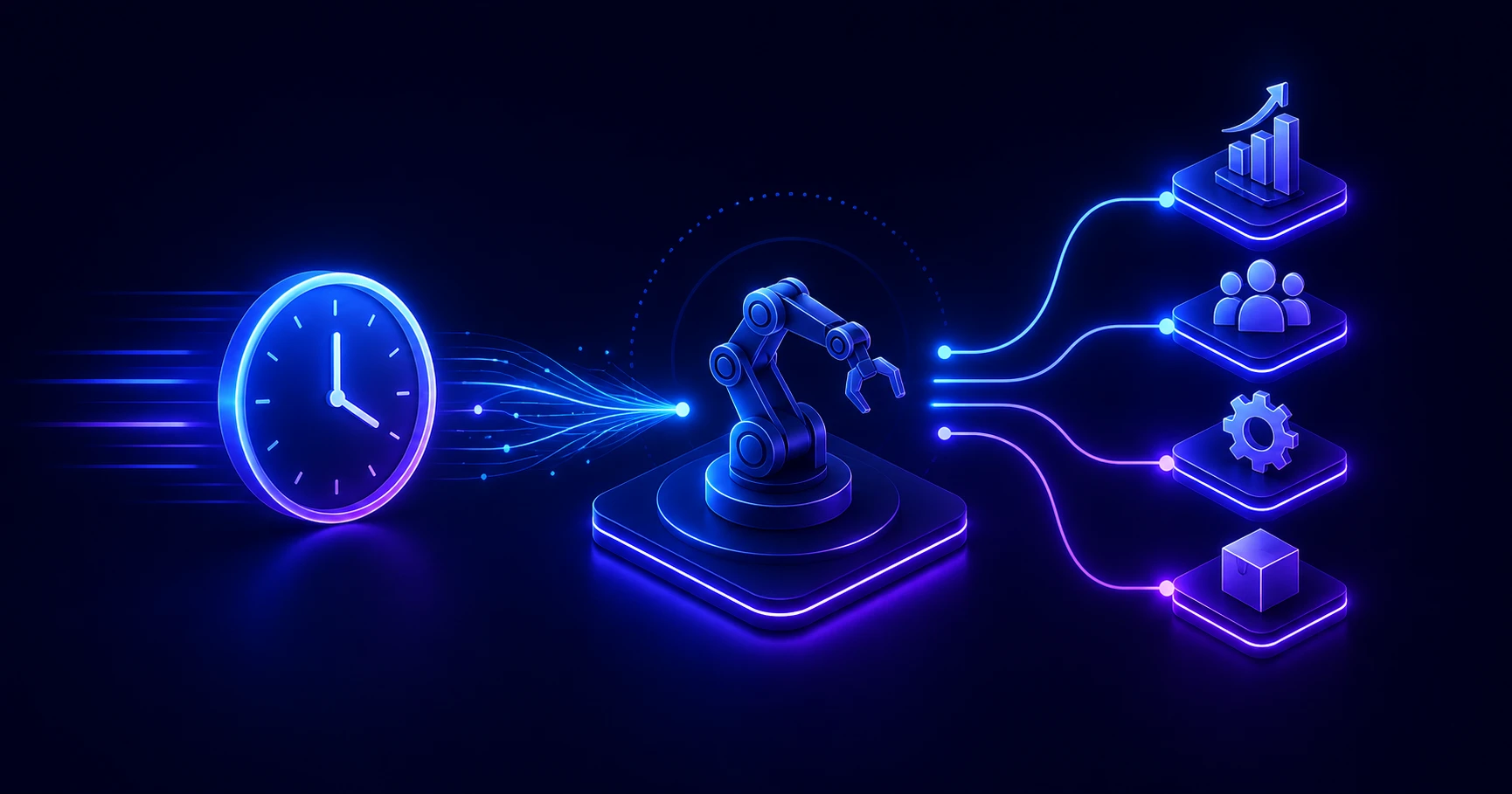
Modern email platforms make automation accessible to everyone. Triggered emails — like welcome sequences, abandoned cart reminders, and post-purchase follow-ups — can be set up once and run indefinitely. This means your marketing works even when you're not.
For growing businesses, this scalability is a game-changer. You can maintain personalized communication with thousands of subscribers simultaneously without hiring a large marketing team.
10. Strengthens Brand Awareness and Authority 
Consistent email communication keeps your brand voice, visuals, and values in front of your audience regularly. Over time, subscribers start to recognize and trust your brand as an authority in your niche.
Sharing industry insights, tips, and original research in your emails positions you as a thought leader — not just a seller. This perception shift is invaluable for long-term business growth and customer loyalty.
Key Takeaways
- Email marketing delivers unbeatable ROI — up to $42 for every $1 spent.
- Your email list is an owned asset — immune to algorithm changes.
- Personalization and segmentation dramatically improve engagement and conversions.
- Automation allows you to scale customer journeys without scaling your team.
- Email supports every stage of the funnel, from awareness to advocacy.
- Data-driven insights make continuous improvement straightforward and fast.
Frequently Asked Questions (FAQs)
Q1: What are the main benefits of email marketing for small businesses?
For small businesses, email marketing offers low cost, high ROI, and direct audience access without relying on expensive ad platforms. It's one of the most budget-friendly ways to nurture customer relationships and drive repeat sales consistently.
Q2: How does email marketing help increase sales?
Email marketing increases sales by delivering targeted offers, personalized product recommendations, and timely promotions directly to subscribers. Automated sequences like abandoned cart emails and post-purchase upsells recover lost revenue and maximize the value of every customer.
Q3: Is email marketing still effective in 2026?
Absolutely. With billions of active email users and an average ROI that outpaces every other digital channel, email marketing remains one of the most effective strategies in 2026. Its independence from third-party algorithms gives it a durability that social media channels can't match.
Q4: How often should I send marketing emails to my list?
The ideal frequency depends on your audience and industry, but most businesses see the best results sending 1–4 emails per month. Consistency matters more than volume — it's better to send one high-quality email weekly than to flood inboxes and trigger mass unsubscribes.
Q5: What makes email marketing different from social media marketing?
The key difference is ownership and control. Your email list belongs to you; your social media following does not. A platform policy change or algorithm update can wipe out your organic reach overnight — but no one can take your subscribers away. Email also offers superior personalization and measurability.
Q6: How do I grow my email list for better marketing results?
Grow your list by offering lead magnets (free resources, discounts, or exclusive content), using opt-in forms on high-traffic pages, and promoting your newsletter on social media. Always focus on attracting subscribers who genuinely want to hear from you — a smaller, engaged list outperforms a large, disinterested one every time.
Conclusion: Make Email Marketing Your Growth Engine in 2026
The benefits of email marketing aren't just impressive on paper — they're transformative in practice. From delivering exceptional ROI and building loyal customer relationships to automating your entire sales funnel, email gives you a level of control, precision, and scalability that no other channel can match. In 2026, as the digital landscape grows noisier and more competitive, the businesses that win will be the ones who invest in direct, meaningful communication with their audience. Start building — or optimizing — your email strategy today, and watch it become one of the most powerful growth engines in your business.
For more SEO strategies, analytics tutorials, and digital marketing resources, visit ZoneTechify your hub for actionable marketing insights and growth strategies.