Small businesses in 2026 can grow smarter with digital marketing. Discover how SEO, content, ads, email, and analytics drive visibility, leads, and long-term success.
Introduction
In 2026, the business landscape is more competitive than ever and for small businesses, standing out from the crowd requires more than just a great product or service. It requires visibility, trust, and consistent engagement with the right audience. That is exactly where digital marketing comes in.
Digital marketing refers to all marketing efforts that use the internet or electronic devices including search engine optimization (SEO), social media marketing, email marketing, content marketing, pay-per-click advertising (PPC), and more. Unlike traditional marketing methods such as print ads or billboards, digital marketing allows small businesses to reach targeted audiences at a fraction of the cost.
According to Google's marketing guidelines, a successful digital marketing strategy must be user-first, data-driven, and built around quality content and trustworthy signals. These principles often summarized through Google's E-E-A-T framework (Experience, Expertise, Authoritativeness, and Trustworthiness) apply not just to content creation but to your overall online presence.
Whether you are just starting out or looking to scale, here are the 10 most powerful benefits of digital marketing for small businesses in 2026.
1. Cost-Effective Marketing That Fits Any Budget
One of the biggest challenges small businesses face is limited marketing budgets. Traditional advertising TV commercials, newspaper ads, radio spots can cost thousands of dollars with no guarantee of results. Digital marketing completely changes this equation.
With platforms like Google Ads, Meta (Facebook & Instagram) Ads, and email marketing tools, small businesses can start campaigns with as little as $5 per day. More importantly, you can set daily spending limits, pause campaigns at any time, and only pay when someone clicks your ad (PPC model).
Even free digital marketing strategies like SEO, social media posting, and content marketing deliver measurable ROI over time. For small businesses operating on tight margins, this cost efficiency is a game-changer.
2. Measurable Results and Real-Time Analytics
One major frustration with traditional marketing is that it is nearly impossible to measure precisely. How many people actually saw your billboard? How many called after hearing your radio ad?
Digital marketing eliminates this guesswork entirely. Tools like Google Analytics 4 (GA4), Google Search Console, Meta Business Suite, and HubSpot give you real-time data on:
- How many people visited your website
- Where they came from (search, social, email, direct)
- Which pages they viewed and for how long
- How many converted into leads or customers
This data-driven approach allows small business owners to make smart, informed decisions doubling down on what works and cutting what doesn't. In 2026, data is not just power it's profit.
3. Reach a Global Audience (or a Hyper-Local One) 
Digital marketing gives small businesses the power to scale their reach in two very different but equally powerful directions: globally or hyper-locally.
A small handmade jewellery brand in Lahore can now sell to customers in London, New York, or Dubai through an optimized e-commerce website and targeted Instagram ads. At the same time, a local bakery in Wordwide can use Google My Business (now Google Business Profile) and local SEO to appear at the top of search results when nearby customers search "best bakery near me."
This flexibility is unmatched by any traditional marketing channel. You define your audience by age, location, interests, income, and even online behavior and your message reaches exactly the right people.
4. Builds Brand Awareness and Online Credibility
In 2026, consumers research online before making almost any purchase decision. If your business does not appear in search results, on social media, or have credible reviews you essentially don't exist in the eyes of modern buyers.
Digital marketing helps small businesses build a strong, consistent online presence through:
- A professional, mobile-optimized website
- Regular, high-quality blog content (aligned with Google's helpful content guidelines)
- Active social media profiles that engage followers
- Positive Google reviews and responses from the business owner
Google rewards businesses that demonstrate E-E-A-T meaning your content should show real experience, subject matter expertise, authority in your niche, and overall trustworthiness. Small businesses that invest in these areas consistently outrank competitors who don't.
5. Better Targeting and Personalization 
Mass marketing is dead. Today's consumers expect businesses to speak directly to their needs, interests, and problems. Digital marketing makes this level of personalization not just possible but affordable.
Through tools like Google Ads audience targeting, Facebook Custom Audiences, and email segmentation, small businesses can:
- Show different ads to different customer segments
- Send personalized email offers based on past purchases
- Retarget website visitors who didn't complete a purchase
- Create lookalike audiences based on your best existing customers
This precision targeting means your marketing budget is spent reaching people who are most likely to buy dramatically improving your conversion rates and return on investment.
6. Higher Conversion Rates Through Multiple Touchpoints
Research shows that most customers need 7 to 10 touchpoints with a brand before making a purchase decision. Digital marketing makes it easy to create and manage these touchpoints across multiple channels simultaneously.
A potential customer might:
- Discover your business through a Google search
- Visit your website and read a blog post
- Follow you on Instagram
- Receive a welcome email after subscribing
- See a retargeted ad on Facebook
- Finally purchase after receiving a promotional email
Each of these touchpoints is a digital marketing interaction and together, they build the trust and familiarity that leads to conversion. Small businesses using a multi-channel digital approach consistently report higher conversion rates compared to those relying on a single channel.
7. Compete With Larger Businesses on a Level Playing Field
Before the internet, small businesses were almost always at a disadvantage compared to large corporations with massive marketing budgets. Digital marketing has fundamentally disrupted this dynamic.
A well-executed SEO strategy can allow a small local business to outrank a national brand for specific keywords. A creative social media campaign can go viral and reach millions regardless of company size. A compelling Google Business Profile with strong reviews can attract more local customers than a big-box competitor nearby.
In 2026, what matters most in digital marketing is not how much money you spend it's how well you understand your audience, create valuable content, and optimize your online presence. This levels the playing field in ways that were previously unimaginable for small business owners.
8. Improved Customer Engagement and Loyalty 
Building a loyal customer base is the foundation of long-term business success. Digital marketing provides small businesses with powerful tools to nurture relationships beyond the first sale.
- Social media allows you to engage with customers through comments, stories, polls, and live sessions building a genuine community around your brand.
- Email marketing lets you stay in touch with past customers through newsletters, exclusive offers, and personalized recommendations.
- Loyalty programs promoted digitally encourage repeat purchases and word-of-mouth referrals.
- Chatbots and WhatsApp Business provide instant customer support, improving satisfaction and trust.
Engaged customers buy more, stay longer, and recommend your business to others. In a world where customer acquisition costs are rising, retention through digital engagement is one of the smartest strategies a small business can adopt.
9. Adaptability and Flexibility in Real Time
The business environment changes fast economic shifts, seasonal trends, viral moments, competitor moves. Traditional marketing campaigns take weeks or months to plan, execute, and adjust. Digital marketing can be changed in minutes.
If a campaign is underperforming, you can pause it immediately and reallocate the budget. If a product suddenly goes trending, you can launch a targeted campaign the same day. If Google updates its algorithm, you can adjust your content strategy quickly to maintain rankings.
This agility gives small businesses a significant strategic advantage. You are never locked into a plan that isn't working. In 2026's rapidly changing digital landscape, the ability to pivot fast is not just useful it's essential for survival.
10. Long-Term Sustainable Growth Through SEO and Content Marketing 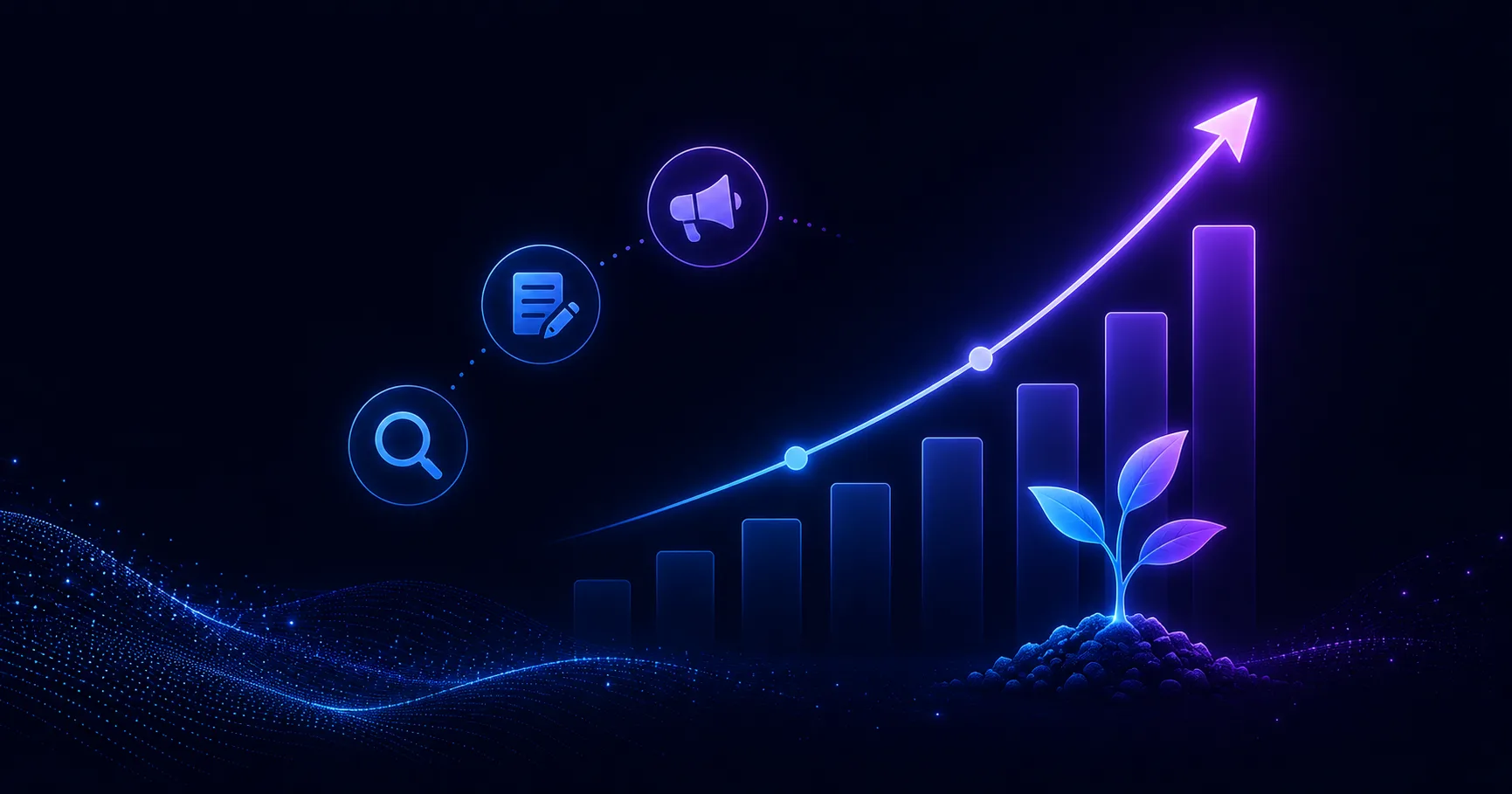
While paid advertising delivers fast results, SEO and content marketing build assets that grow in value over time making them among the most powerful long-term investments a small business can make.
Every blog post you publish, every product page you optimize, every backlink you earn is a permanent digital asset. A well-optimized article that ranks on page one of Google can bring in consistent, free organic traffic for months or even years.
Google's 2026 ranking guidelines continue to prioritize:
- Helpful, people-first content that genuinely answers user questions
- Core Web Vitals fast, mobile-friendly, and visually stable websites
- Trustworthy backlink profiles from relevant, authoritative sources
- Local SEO signals for businesses targeting nearby customers
Small businesses that consistently invest in quality content and technical SEO build a compounding digital presence that becomes increasingly difficult for competitors to overtake.
Conclusion: Digital Marketing Is No Longer Optional in 2026
The question is no longer whether small businesses should invest in digital marketing the question is how fast they can get started. From cost efficiency and precise targeting to brand building and long-term SEO growth, the benefits are clear, proven, and increasingly accessible to businesses of every size.
By aligning your digital marketing strategy with Google's quality guidelines focusing on user intent, E-E-A-T principles, mobile optimization, and data-driven decisions your small business can not only survive but genuinely thrive in 2026's competitive digital economy.
Start where you are. Use what you have. Grow with what works. That is the power of digital marketing