
Discover how Mea'ai uses AI nutrition and diet coaching to build personalized meal plans, track macros, and turn healthy eating into a sustainable daily habit.
Mea'ai
Eating well is simple in theory and hard in practice. Most people know they should eat more vegetables, hit a protein target, and stop guessing portion sizes, yet daily life makes consistency difficult. Mea'ai is built around that exact gap. As an AI nutrition and diet coaching concept, it aims to translate general nutrition science into a personalized plan you can actually follow, adjusting in real time as your goals, schedule, and preferences change.
This guide explains what an AI diet coach like Mea'ai does, how it works, who benefits most, and how to evaluate whether it belongs in your routine. Everything here is written from a practical, health-tech perspective so you leave knowing exactly what to expect.
Quick Answer: Mea'ai is an AI-powered nutrition and diet coaching concept that creates personalized meal plans, tracks calories and macros, and gives real-time feedback. It learns your goals, preferences, and habits, then adapts your plan continuously to make healthy eating easier, measurable, and sustainable long term.
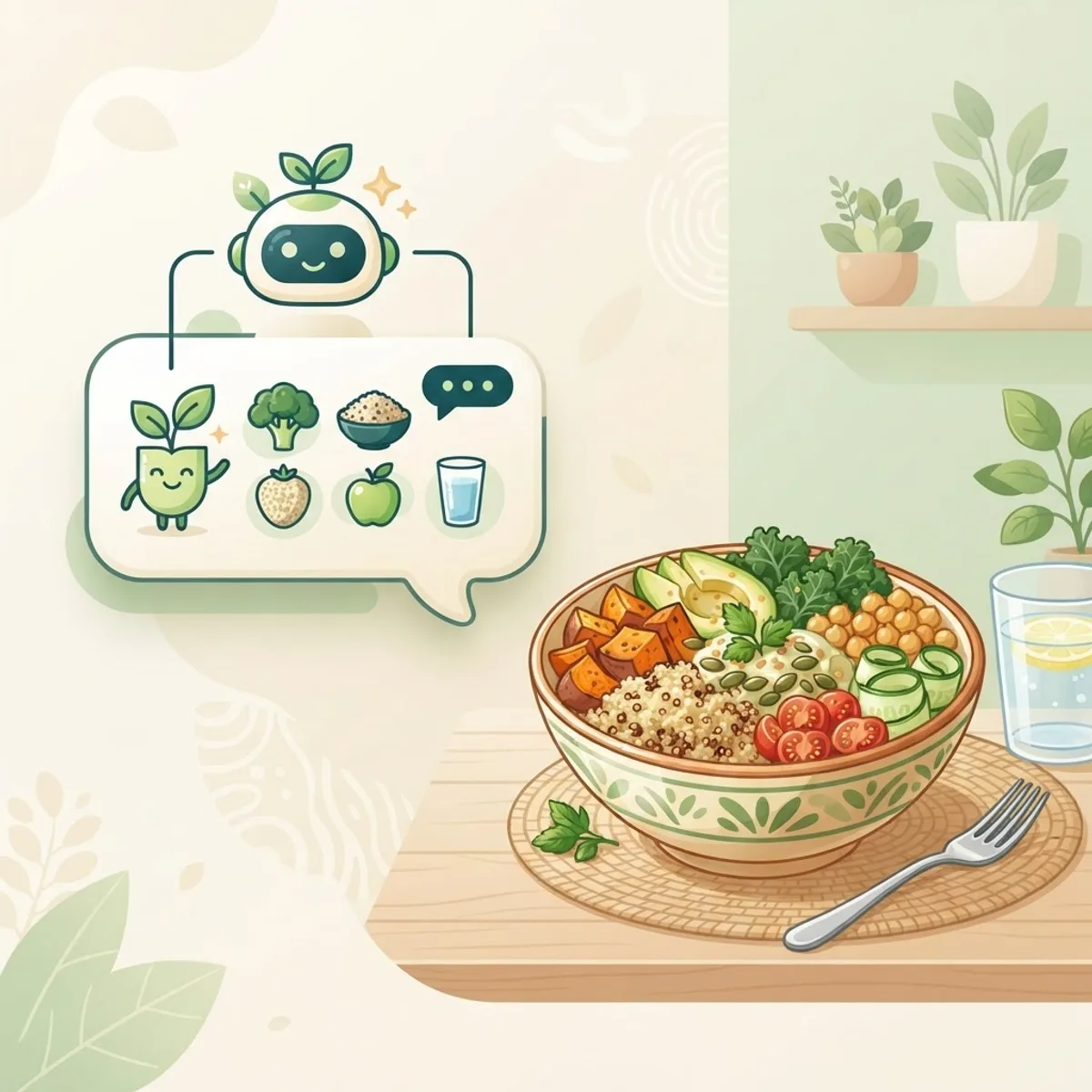
What Is Mea'ai?
Mea'ai is an artificial intelligence nutrition assistant that acts like a personal diet coach available around the clock. Instead of handing you a generic PDF diet, it uses your inputs (age, weight, activity level, dietary restrictions, and goals) to generate a plan tailored to you, then refines that plan based on what you actually eat and how your body responds.
Think of it as the difference between a paper map and live GPS. A static diet tells you where to go once. An AI coach reroutes you when life gets in the way: a missed meal, a restaurant dinner, a plateau, or a new goal like building muscle instead of losing fat.
Key term: AI diet coaching
AI diet coaching is the use of machine learning to analyze your nutrition data and deliver individualized recommendations. It combines nutrition science with behavioral data, so guidance improves the more you use it, unlike fixed meal plans that never adapt.
Why AI Nutrition Coaching Matters Now
Poor diet is one of the largest drivers of preventable disease worldwide. According to the World Health Organization, more than 1 billion people globally now live with obesity, and diet-related conditions like type 2 diabetes continue to rise. At the same time, most people cannot afford a private dietitian for daily support.
That is the practical case for tools like Mea'ai: they scale personalized guidance affordably. Self-monitoring is also proven to work. Research summarized by public health agencies shows that people who consistently log their food can lose roughly twice as much weight as those who do not track at all, largely because awareness drives better choices. AI simply removes the friction that makes logging feel like a chore.
How Mea'ai Works: A Step-by-Step Look
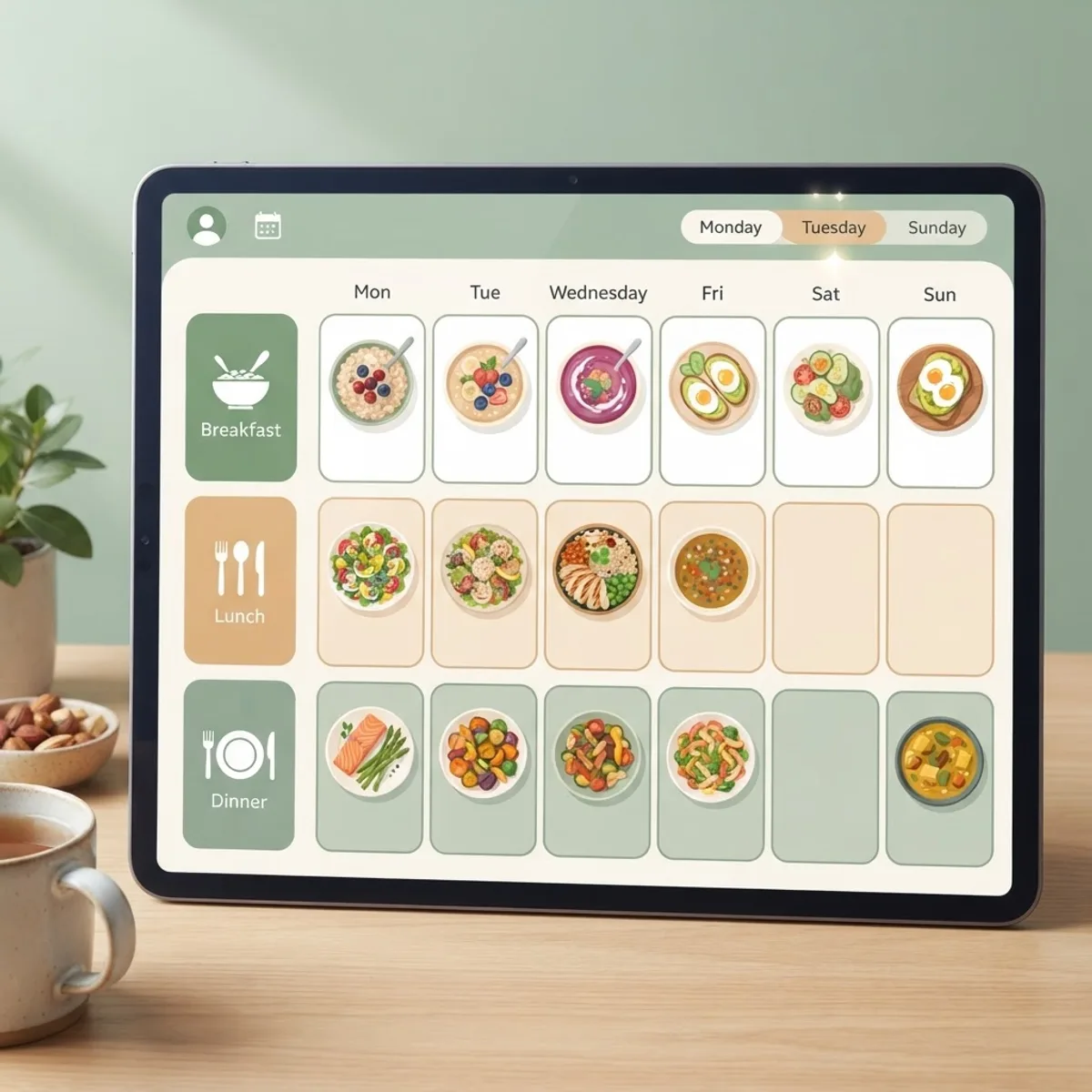
A well-designed AI nutrition coach follows a clear loop. Here is how the Mea'ai approach typically unfolds:
- Onboarding and goal setting. You share basics like body metrics, activity, allergies, food preferences, and a primary goal (fat loss, muscle gain, energy, or general health).
- Baseline calculation. The system estimates your daily calorie and macronutrient needs using established formulas, then sets targets.
- Personalized meal planning. It builds meals and recipes that fit your calories, macros, budget, and taste, avoiding foods you dislike or cannot eat.
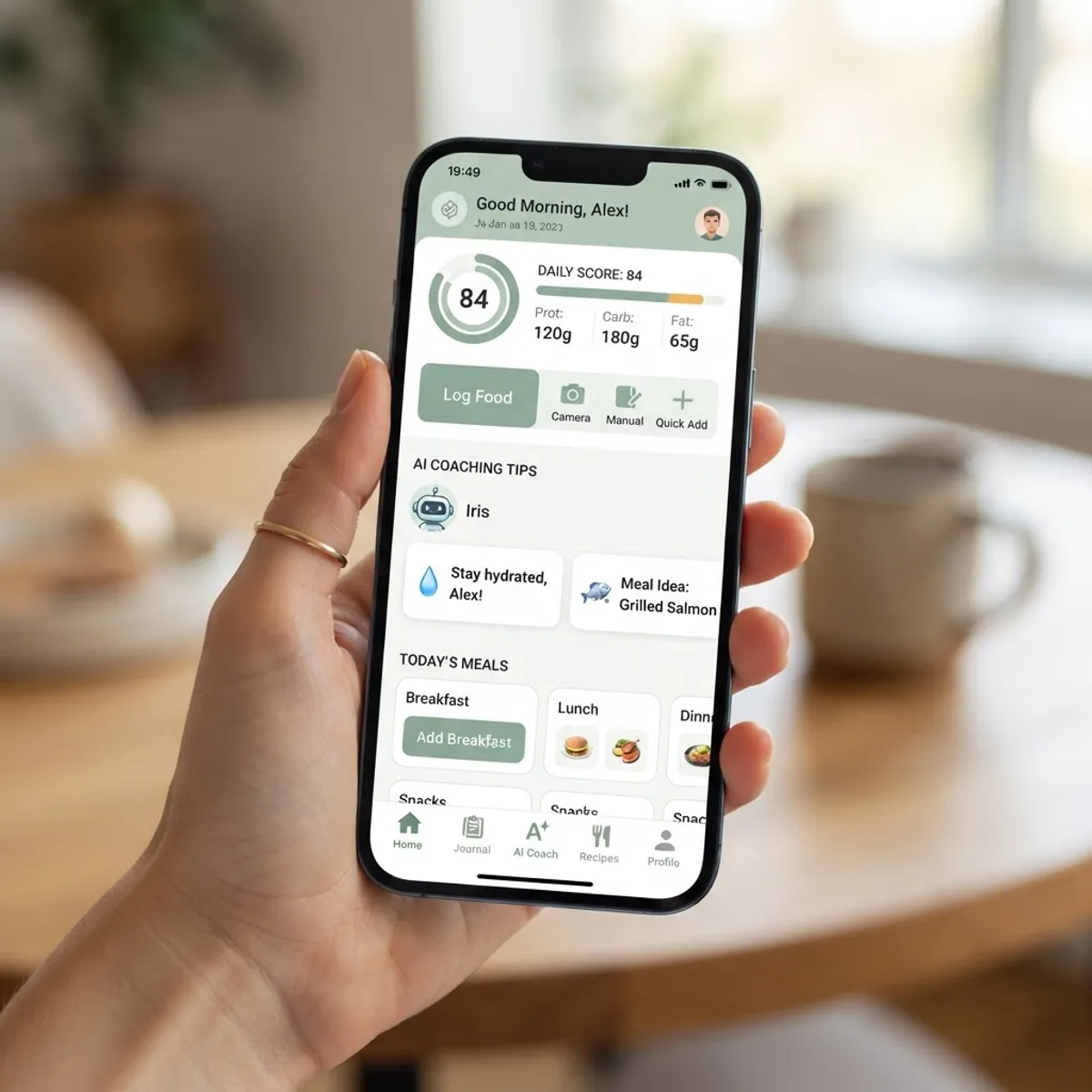
- Effortless tracking. You log meals by photo, text, or barcode, and the AI estimates nutrition so you spend seconds, not minutes, per entry.
- Real-time coaching. If you are short on protein or over on calories, it suggests adjustments for your next meal instead of waiting until the day is ruined.
- Continuous adaptation. As your weight, adherence, and feedback change, the plan recalibrates automatically.
This feedback loop is what separates an AI coach from a calorie calculator. The value is not the number, it is the ongoing, personalized nudge toward better decisions.
Core Features That Make Mea'ai Useful
The strongest AI nutrition platforms share a set of features. When evaluating Mea'ai or any similar tool, look for these:
- Adaptive meal plans that change with your goals and results rather than staying static.
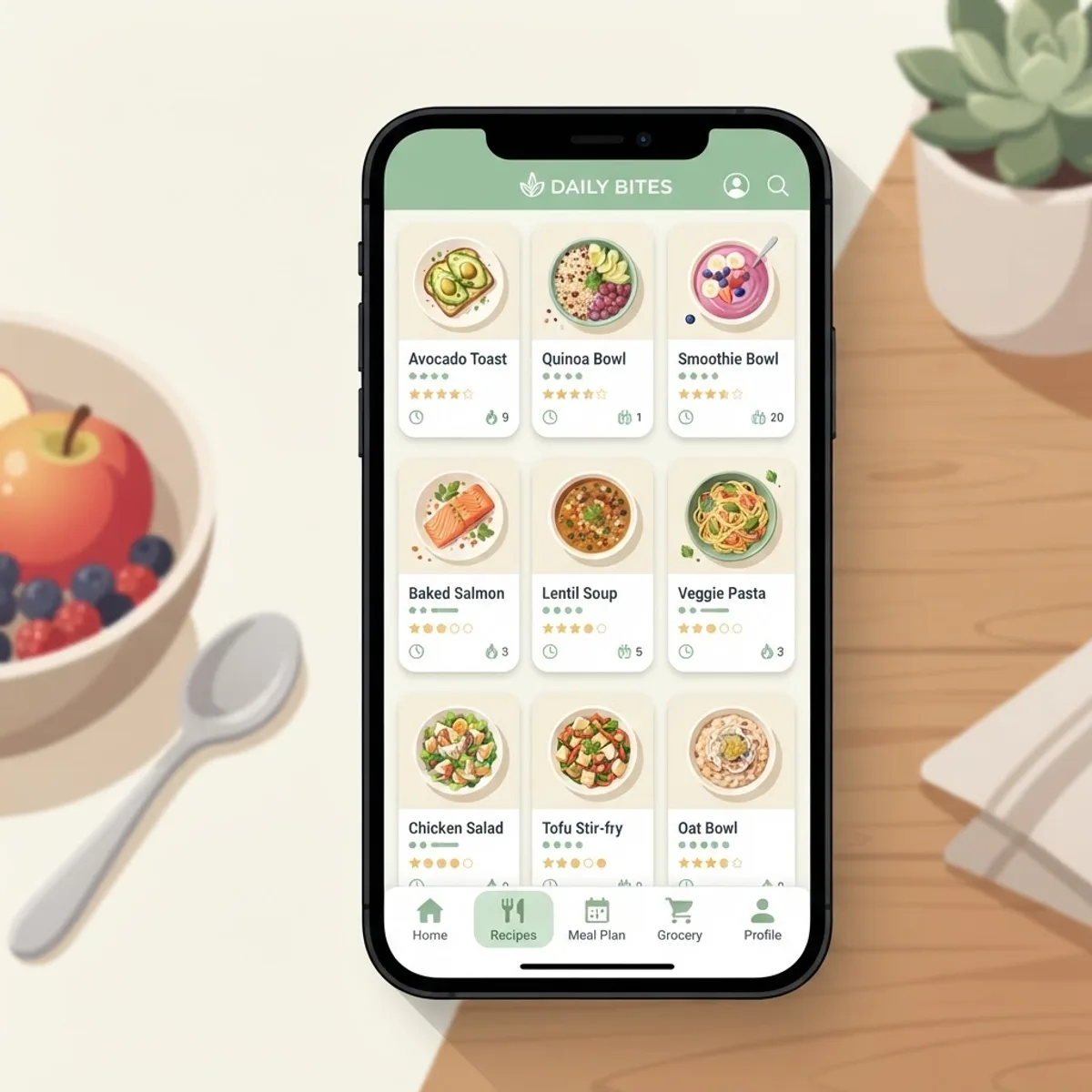
- Smart food logging using photos or natural language, cutting the effort that causes most people to quit tracking.
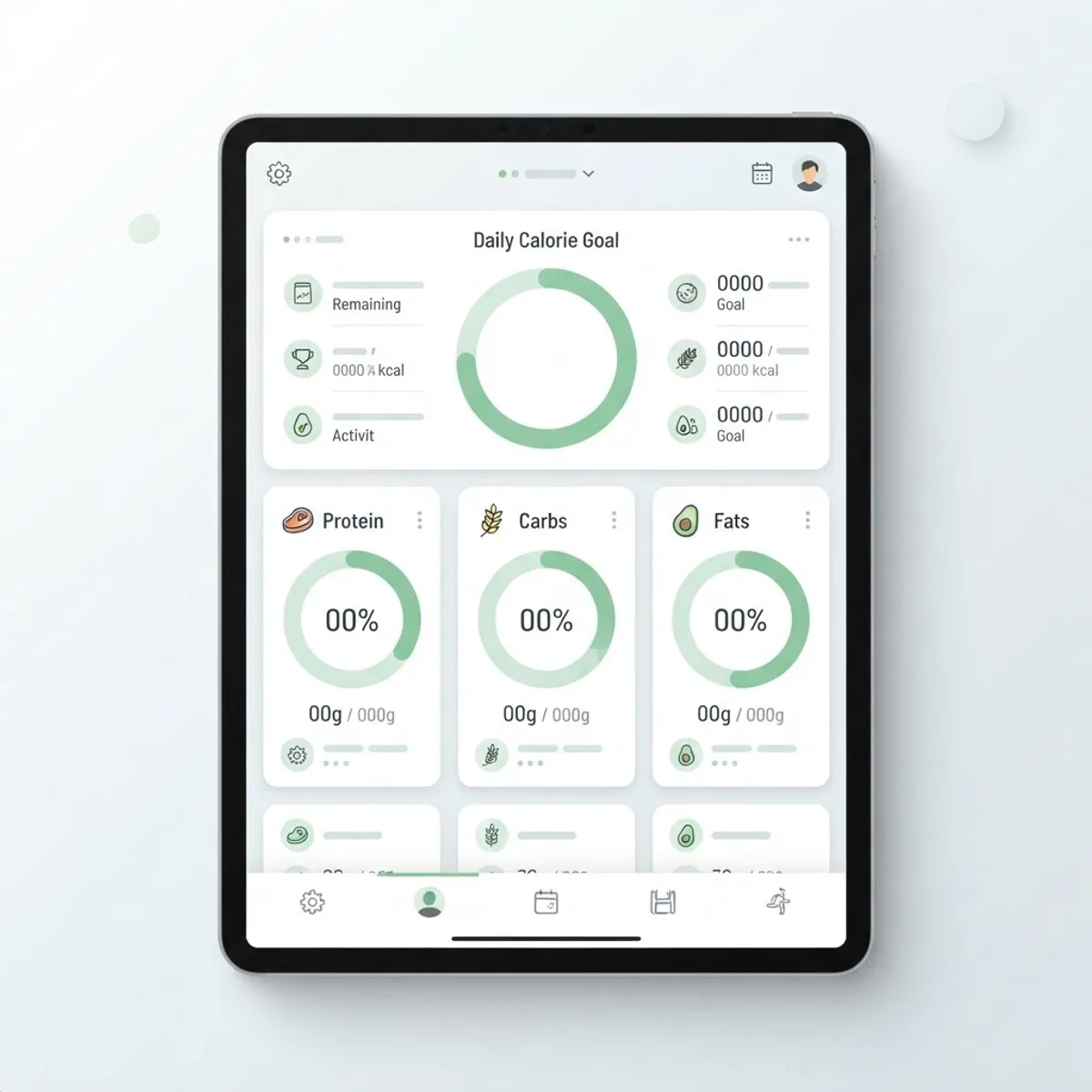
- Macro and micronutrient awareness, not just calories, so you actually meet protein and fiber targets.
- Dietary flexibility for vegan, halal, gluten-free, low-carb, or allergy-safe eating.
- Behavioral coaching that addresses habits, cravings, and consistency, not just numbers.
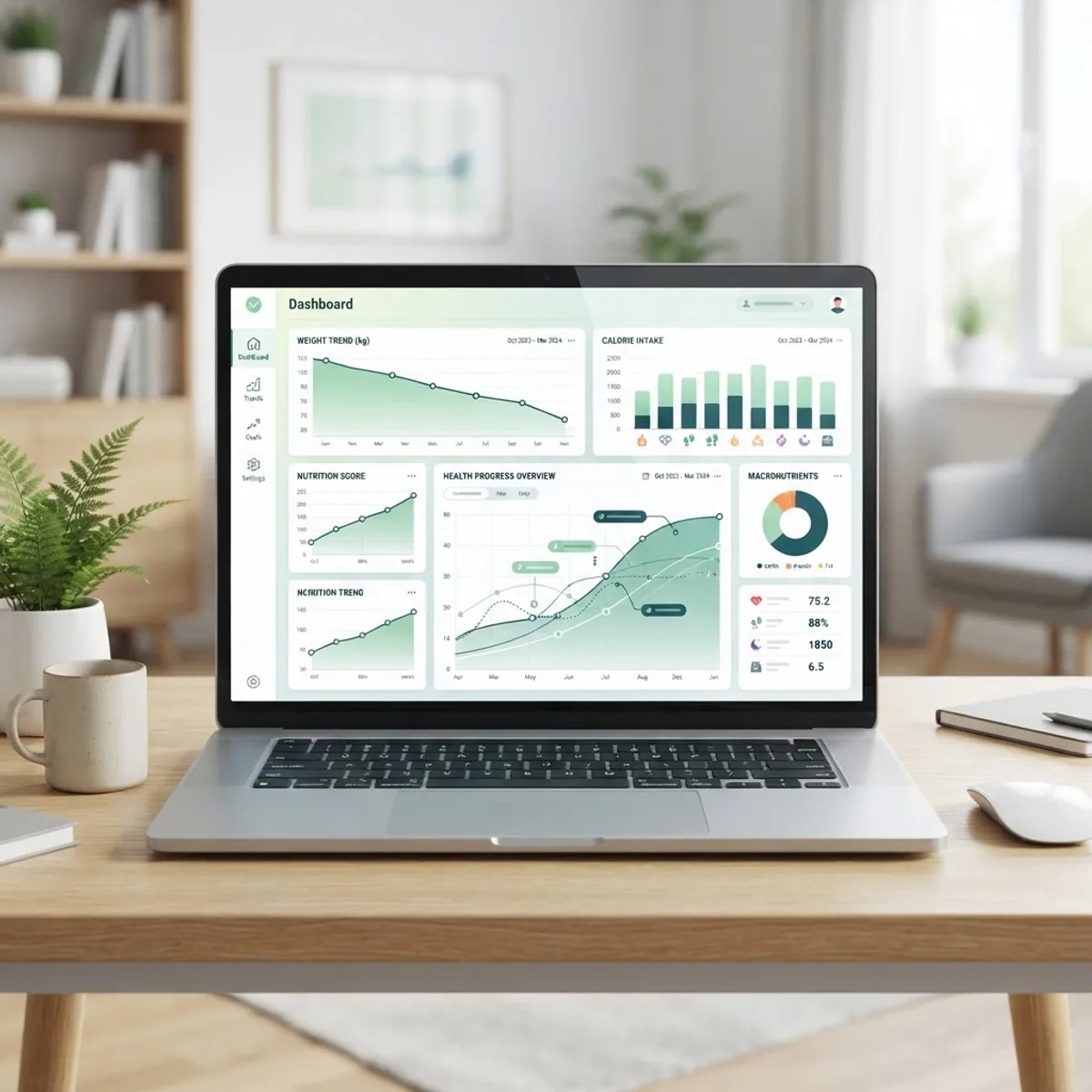
- Progress analytics that visualize trends so you can see what is working.
Mea'ai vs. Traditional Diet Methods
To understand where an AI coach fits, it helps to compare it directly with the two most common alternatives: generic diet apps and hiring a human dietitian.
| Factor | Mea'ai (AI Coach) | Generic Diet App | Human Dietitian |
|---|---|---|---|
| Personalization | High, adapts continuously | Low, mostly fixed plans | High, but session-based |
| Real-time feedback | Yes, instant | Limited | No, between appointments |
| Cost | Low to moderate | Low | High |
| Availability | 24/7 | 24/7 | Limited hours |
| Adapts to results | Yes, automatically | Rarely | Yes, manually |
| Human empathy | Moderate | Low | High |
The honest takeaway: an AI coach is not a full replacement for a registered dietitian in complex medical cases. But for everyday goals, it offers a level of personalization and consistency that generic apps cannot match, at a fraction of a dietitian's cost.
Who Benefits Most From Mea'ai?
AI diet coaching delivers the most value to people who want structure without rigidity. In practice, that includes several clear groups:
- Busy professionals who lack time to plan meals or count macros manually.
- Beginners who feel overwhelmed by conflicting nutrition advice online.
- Fitness enthusiasts chasing specific protein and calorie targets for performance.
- People managing weight who benefit from consistent daily accountability.
- Anyone with dietary restrictions who needs meals filtered automatically.
If you have a diagnosed medical condition, pregnancy, or a history of disordered eating, treat any AI tool as a supplement to, not a substitute for, professional medical guidance.
Getting Real Results: Practical Tips
The technology only works if you use it well. Based on how successful users approach AI nutrition tools, these habits matter most:
- Log consistently for the first two weeks. Early data quality determines how well the AI personalizes your plan.
- Be honest about preferences. If you hate a food, mark it, or you will abandon the plan.
- Prioritize protein and fiber. These drive satiety and make calorie targets easier to hit.
- Prep in batches. Use the plan to cook a few meals ahead so healthy choices are the default.
- Review weekly trends, not daily weight. Daily fluctuations mislead; weekly averages tell the truth.

The Technology Behind the Coaching
Under the hood, tools like Mea'ai combine several AI capabilities: natural language processing to understand logged meals, computer vision to estimate portions from photos, and recommendation models that match foods to your targets and tastes. The result feels simple, but it depends on well-built data pipelines and thoughtful model design.
Building this kind of reliable, privacy-respecting AI product is a specialized discipline. Teams that develop intelligent nutrition and health platforms often partner with dedicated engineering groups such as the specialists behind WebPeak's artificial intelligence services, who focus on turning AI concepts into dependable, user-facing software. For brands exploring similar builds, resources like ZoneTechify and WebPeak offer a useful starting point for understanding what production-grade AI development requires.
Limitations to Keep in Mind
No AI coach is perfect, and trustworthy guidance means naming the limits. Portion estimates from photos are approximations, not lab measurements. AI cannot diagnose medical conditions or replace bloodwork. And motivation still comes from you; the tool can prompt and simplify, but it cannot force consistency. Treat Mea'ai as a powerful assistant that removes friction, not a magic solution that guarantees results without effort.
Key Takeaways
- Mea'ai is an AI nutrition and diet coaching concept that personalizes meal plans and adapts them in real time.
- Self-monitoring works: consistent food logging is linked to roughly double the weight loss versus not tracking.
- Diet-related disease is a global problem: the WHO reports over 1 billion people now live with obesity, driving demand for scalable coaching.
- AI coaching sits between generic apps and human dietitians, offering strong personalization at low cost, but it is not a medical replacement.
- Results depend on consistent, honest use, especially accurate logging in the first two weeks.
Frequently Asked Questions (FAQ)
What exactly is Mea'ai?
Mea'ai is an AI-powered nutrition and diet coaching concept. It builds personalized meal plans, tracks your calories and macros, and gives real-time feedback based on your goals and eating habits, adapting continuously so healthy eating becomes easier and more sustainable over time.
Is an AI diet coach as good as a real dietitian?
For everyday goals like weight management or hitting macros, an AI coach offers strong personalization and 24/7 availability at low cost. However, for medical conditions, pregnancy, or clinical nutrition needs, a registered dietitian is essential. Use AI coaching as a helpful supplement, not a replacement.
How does Mea'ai personalize my meal plan?
Mea'ai uses your body metrics, activity level, goals, food preferences, and dietary restrictions to calculate targets, then generates meals that fit them. As you log food and your results change, machine learning adjusts your plan automatically, improving accuracy the more consistently you use it.
Can Mea'ai help me lose weight?
Yes, it can support weight loss by setting realistic calorie targets, encouraging consistent tracking, and nudging better choices in real time. Research links steady food logging to significantly greater weight loss. Still, results depend on your consistency, effort, and honest input, not the tool alone.
Do I need to count calories manually with Mea'ai?
No. A core benefit of AI nutrition coaching is removing manual math. You log meals through photos, text, or barcodes, and the system estimates nutrition automatically. This low-friction tracking is what helps most users stay consistent long enough to see meaningful results.
Is my health data safe with an AI nutrition app?
Reputable AI nutrition platforms should encrypt data, limit sharing, and give you control over your information. Before using any tool, review its privacy policy to confirm how your health data is stored and used. Prioritize apps built by teams that treat data security as a core requirement.