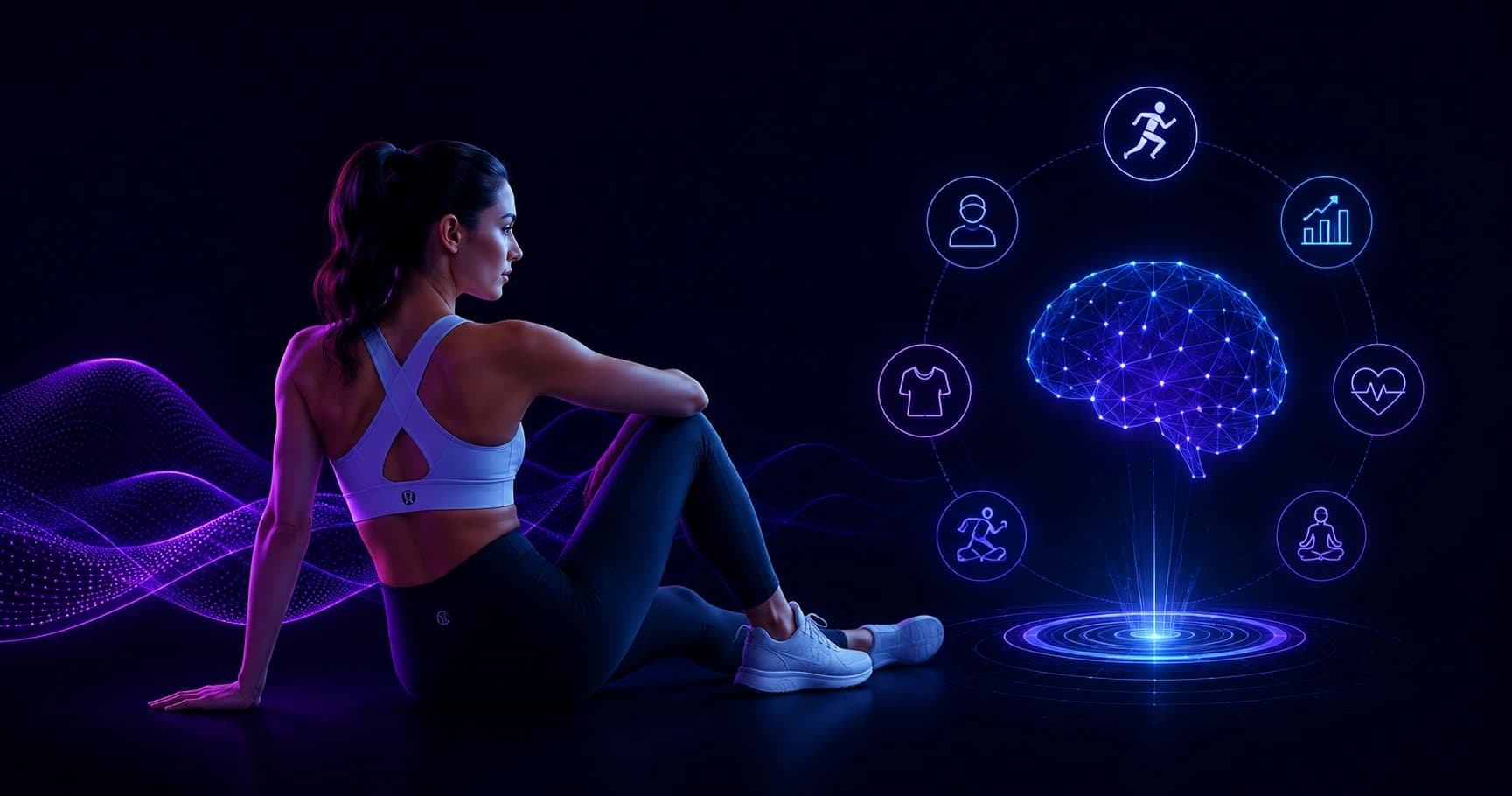
A clear, expert breakdown of how lululemon uses AI collaborations across personalization, connected fitness, supply chain, design, and customer experience.
Lululemon Artificial Intelligence Collaborations
lululemon built its reputation on premium activewear, but its quieter advantage is data. Over the past several years the brand has moved from selling leggings to engineering an intelligent retail ecosystem, and artificial intelligence sits at the center of that shift. From its 2020 acquisition of MIRROR to its ongoing partnerships with cloud and analytics providers, lululemon has treated AI less as a marketing gimmick and more as operational infrastructure. This article breaks down exactly where lululemon applies AI, which collaborations matter, and what other retailers can learn from its approach.
Quick Answer: lululemon uses artificial intelligence through collaborations in connected fitness (MIRROR), cloud platforms, demand forecasting, and personalization. These partnerships help the brand predict demand, tailor recommendations, guide workouts, and optimize inventory, turning athletic apparel retail into a data-driven, membership-focused experience.
What Does AI Actually Mean at lululemon?
Artificial intelligence, in a retail context, refers to software systems that learn from data to make predictions or decisions without being explicitly programmed for each outcome. For lululemon, that means machine learning models that forecast product demand, recommendation engines that personalize shopping, and computer vision that guides at-home workouts.
The important distinction is that lululemon rarely builds this technology entirely in-house. Instead, it collaborates. It acquires connected-fitness platforms, partners with cloud vendors, and integrates third-party analytics tools. This partnership model lets a fashion-first company compete on technology without becoming a software company overnight. Brands exploring similar transformations can learn more about strategic technology adoption at ZoneTechify.
The MIRROR Acquisition: lululemon's Boldest AI Bet
In 2020, lululemon acquired connected-fitness startup MIRROR for approximately 500 million dollars. MIRROR is a reflective smart device that streams live and on-demand classes while using sensors and AI to help users follow along. It was lululemon's clearest signal that it wanted to own the intersection of hardware, software, and apparel.
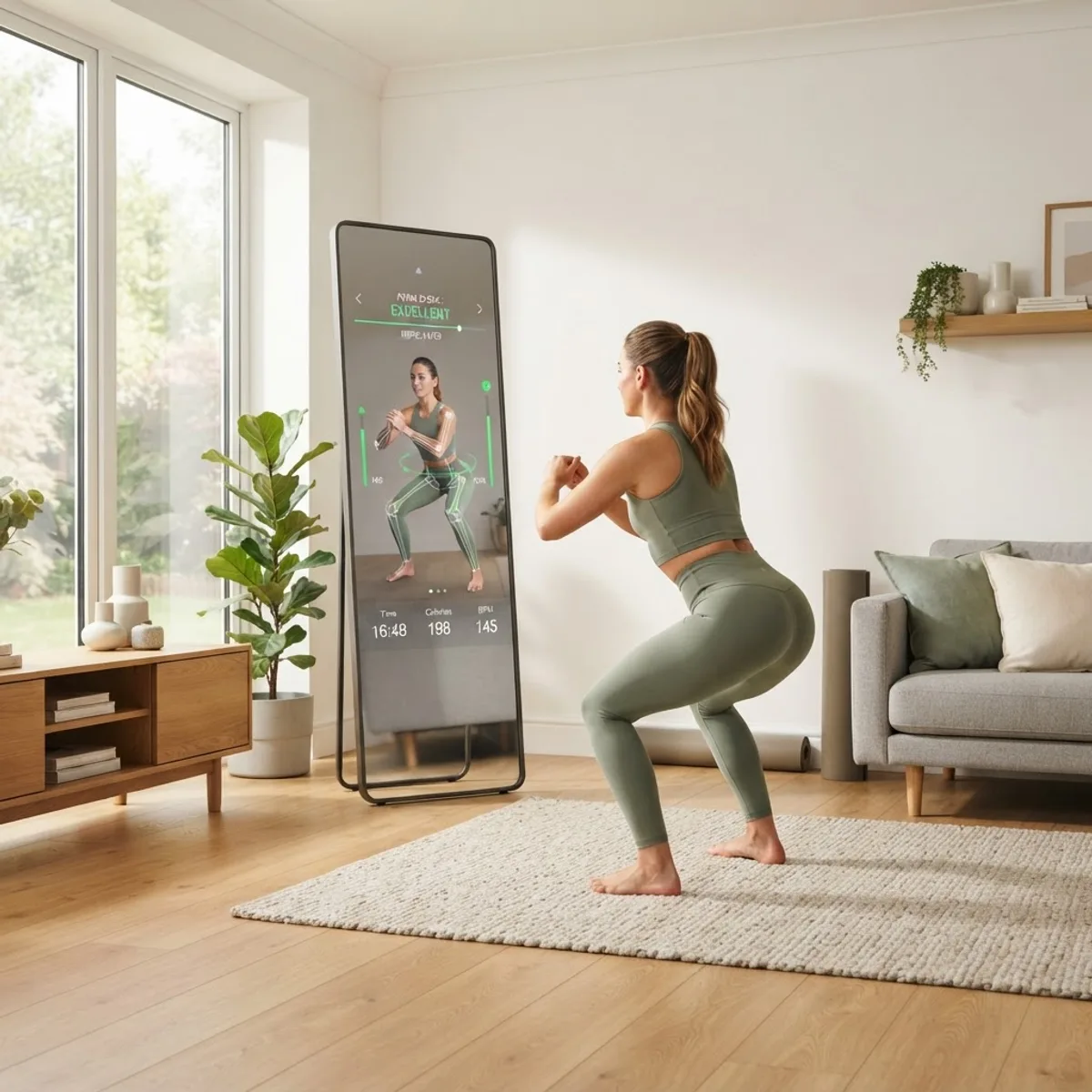
The collaboration extended MIRROR's capabilities with heart-rate integration, personalized class recommendations, and progress tracking. Although lululemon later rebranded the platform as lululemon Studio and eventually shifted its content strategy, the acquisition proved a critical point: the company was willing to buy AI expertise rather than wait to develop it. The lesson for retailers is that connected fitness generates continuous behavioral data, and that data becomes the fuel for smarter personalization across the entire brand.
AI-Powered Personalization and Membership
Personalization is where lululemon's AI collaborations deliver the most visible customer value. The brand's membership program collects preference, purchase, and activity data, which machine learning models use to recommend products, classes, and content tailored to each member.
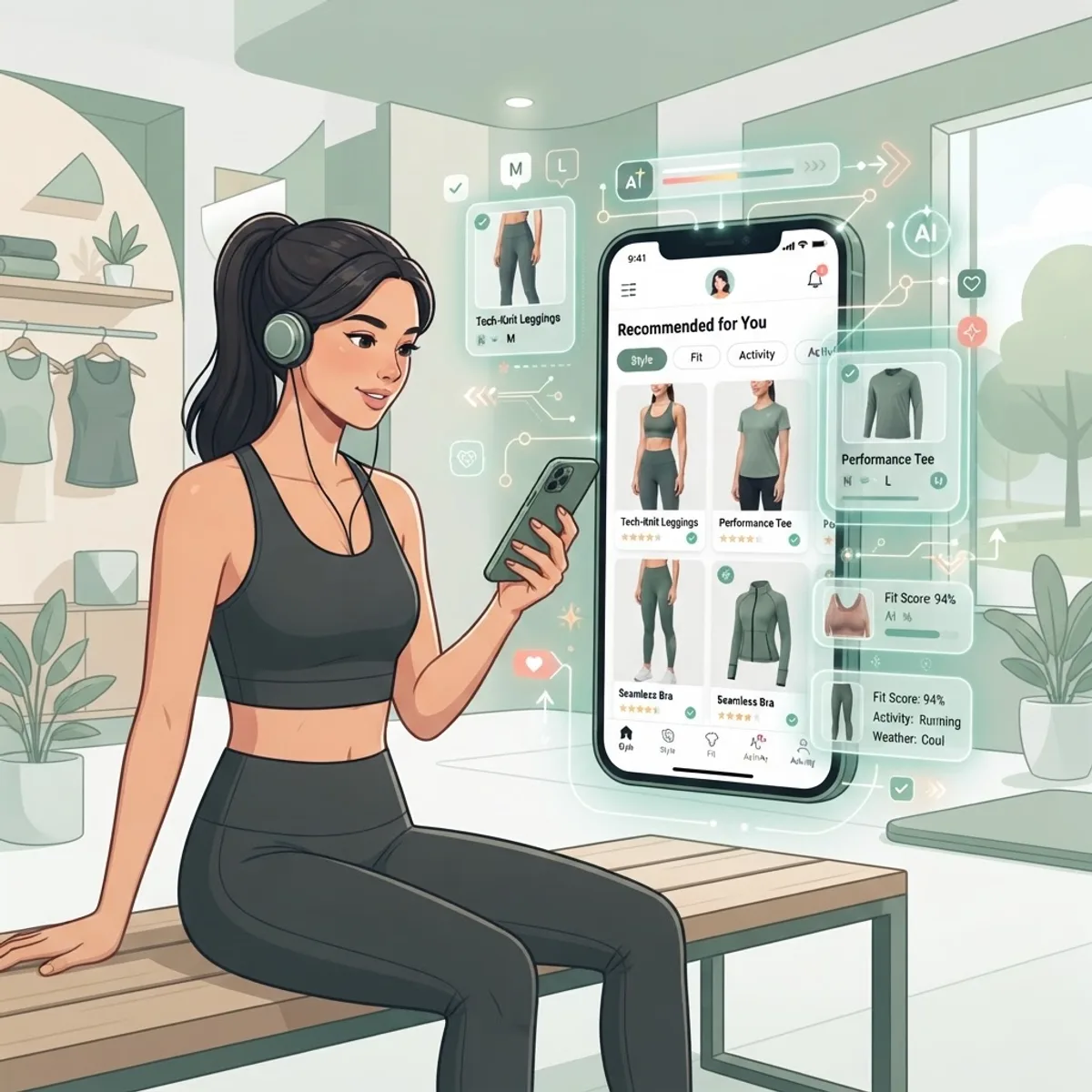
According to McKinsey, personalization can reduce customer acquisition costs by as much as 50 percent and lift revenues by 5 to 15 percent. lululemon applies these principles by matching guests with the right fit, activity, and product line. Recommendation systems analyze what similar customers bought, which workouts they completed, and how they engaged with the app, then surface relevant suggestions. Businesses that want to build comparable recommendation and automation systems can explore ZoneTechify's artificial intelligence services to understand what modern personalization infrastructure requires.
Cloud Collaborations and Data Infrastructure
Behind every AI feature is a cloud platform that stores and processes data at scale. lululemon collaborates with major cloud providers to run analytics, machine learning models, and e-commerce systems that must handle enormous traffic spikes during product drops and holiday seasons.
This matters because AI is only as good as the infrastructure supporting it. Real-time recommendations, inventory syncing across thousands of stores, and demand forecasting all depend on reliable cloud compute. By partnering with established cloud vendors instead of maintaining sprawling on-premise systems, lululemon keeps its models fast, scalable, and continuously updated with fresh data.
Demand Forecasting and Supply Chain Intelligence
One of the most financially significant applications of AI at lululemon is demand forecasting. Machine learning models analyze historical sales, seasonality, regional trends, and even weather to predict how much of each product to manufacture and where to send it.

This reduces two expensive problems: stockouts, which lose sales, and overstock, which forces markdowns. According to Gartner, supply chain organizations expect the level of machine automation in their processes to double within five years, and demand planning is a leading use case. For a brand that launches limited-run colors and seasonal collections, accurate forecasting protects both margins and the premium, scarcity-driven brand image that lululemon cultivates.
Why Forecasting Accuracy Protects the Brand
When a popular size or color sells out too fast, customers defect to competitors. When it lingers on shelves, discounts erode the premium positioning. AI-driven forecasting keeps lululemon in the narrow band between scarcity and availability, which is exactly where aspirational brands want to operate.
AI in Product Design and Fabric Innovation
lululemon has invested heavily in material science, and AI increasingly supports that work. Generative design tools and data analysis help teams evaluate fabric performance, test how materials behave under stress, and identify which design features correlate with strong sales.

Rather than replacing designers, these tools accelerate their decisions. AI can simulate outcomes, cluster customer feedback, and highlight patterns that humans might miss across millions of data points. This blend of human creativity and machine analysis is becoming standard across apparel, and it lets lululemon iterate faster while maintaining the technical quality its customers expect.
Customer Experience: Chatbots, Sizing, and Service
AI also shapes lululemon's direct customer interactions. Virtual assistants and chatbots handle routine questions, order tracking, and product guidance, freeing human associates to focus on higher-value styling and fit conversations.

Sizing is a particularly valuable use case. AI-driven fit tools reduce returns by recommending the right size based on body data and previous purchases. Since returns are one of the largest hidden costs in apparel e-commerce, even a modest reduction meaningfully improves profitability. The result is a smoother experience for the shopper and a healthier margin for the brand, a rare win-win in retail technology. Companies building similar digital experiences can review platform strategies at WebPeak.
Retail Analytics and Store Optimization
lululemon uses AI-powered analytics to understand how physical stores perform. Foot-traffic analysis, conversion tracking, and inventory visibility help the company decide where to open stores, how to staff them, and which products to feature.
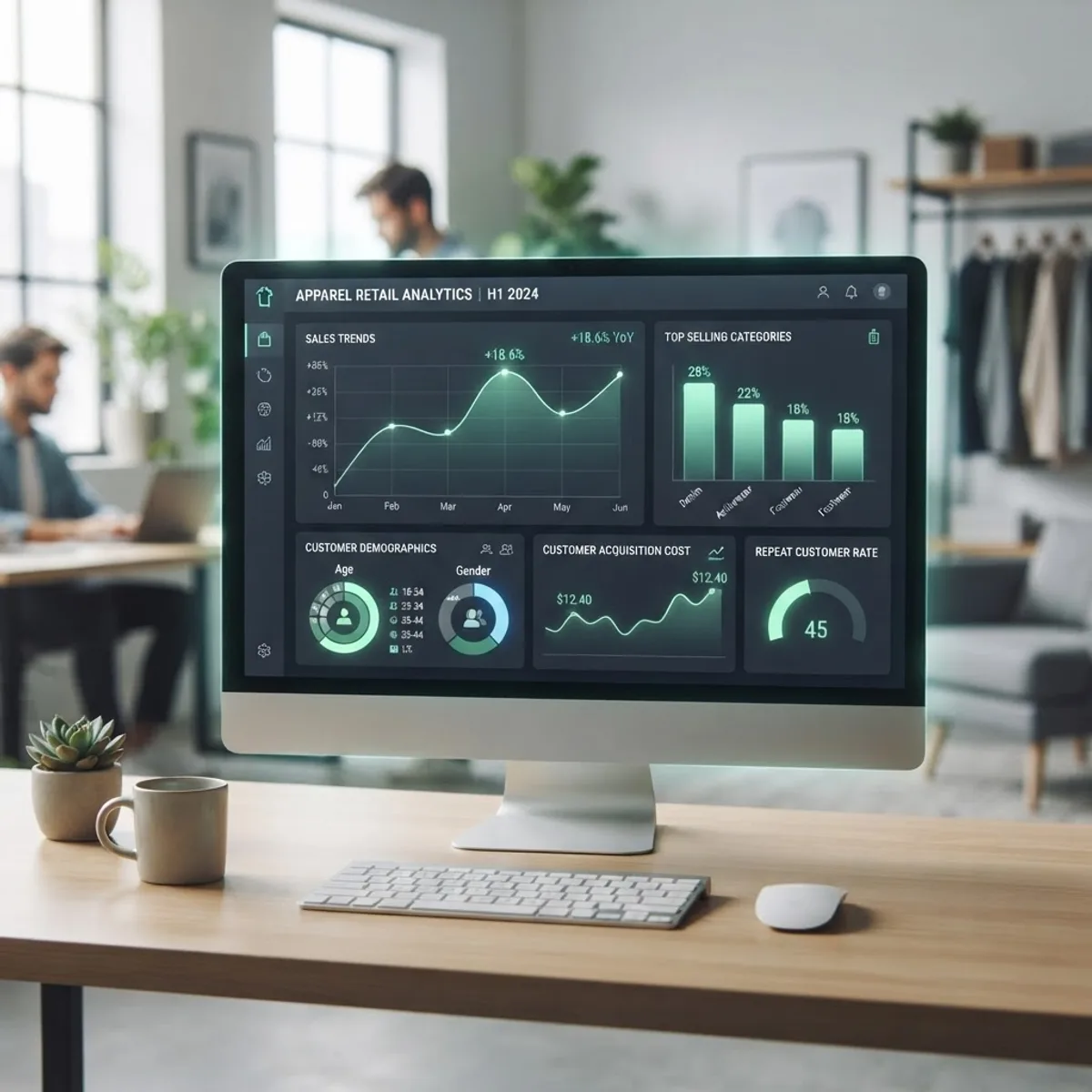
These analytics connect the physical and digital worlds. A customer who tries on a product in-store and later buys it online is tracked as a single journey, which gives lululemon a unified view of behavior. That omnichannel intelligence is only possible because AI can stitch together data from disparate systems and turn it into decisions store managers can act on daily.
Comparison: lululemon's AI Focus Areas
| AI Application | Primary Goal | Customer-Facing | Business Impact |
|---|---|---|---|
| Connected fitness (MIRROR) | Engagement and retention | Yes | Recurring membership revenue |
| Personalization | Relevant recommendations | Yes | Higher conversion and loyalty |
| Demand forecasting | Inventory accuracy | No | Protected margins |
| Product design AI | Faster innovation | No | Better product-market fit |
| Chatbots and sizing | Support and fit accuracy | Yes | Fewer returns |
| Retail analytics | Store optimization | No | Smarter expansion |
What Other Brands Can Learn From lululemon
The biggest takeaway is that lululemon treats AI as a system of collaborations rather than a single flashy feature. It buys expertise when acquisition is faster, partners with cloud vendors for scale, and integrates specialized tools for narrow tasks. This pragmatic, partnership-driven approach lowers risk and speeds up results.

The second lesson is discipline. lululemon rebranded and restructured its connected-fitness business when the numbers did not work, proving that even bold AI bets must earn their keep. Smaller brands should copy the mindset, not necessarily the budget: start with a high-value use case such as forecasting or personalization, measure results honestly, and expand only where AI clearly pays off.
Key Takeaways
- lululemon acquired MIRROR in 2020 for roughly 500 million dollars to enter connected fitness and gain AI-driven workout technology.
- Personalization, according to McKinsey, can lift revenue by 5 to 15 percent, and lululemon applies it through its membership program.
- Demand forecasting with machine learning protects margins by balancing scarcity and availability, critical for a premium brand.
- AI supports product design, sizing accuracy, chatbots, and store analytics, not just consumer-facing gimmicks.
- lululemon's model is collaboration-first: acquire, partner, and integrate rather than build everything in-house.
Frequently Asked Questions (FAQ)
Does lululemon actually use artificial intelligence?
Yes. lululemon uses AI across demand forecasting, personalization, connected fitness, chatbots, and store analytics. Much of this comes through collaborations, including its MIRROR acquisition and partnerships with cloud and analytics providers, rather than being built entirely by internal engineering teams.
Why did lululemon buy MIRROR?
lululemon bought MIRROR in 2020 to enter connected fitness and gain access to AI-powered workout technology. The device streams classes and uses sensors to guide users. It gave lululemon behavioral data and a recurring revenue stream tied directly to its activewear customers.
How does lululemon use AI for personalization?
lululemon collects preference, purchase, and activity data through its membership program, then uses machine learning to recommend products, classes, and content. These models analyze similar customers and past behavior to surface relevant suggestions, increasing conversion, loyalty, and overall lifetime value per member.
Does AI help lululemon manage inventory?
Yes. lululemon uses machine learning demand forecasting to predict how much of each product to make and where to ship it. This reduces stockouts and overstock, protecting margins and preserving the premium, scarcity-driven brand image that makes limited product drops feel exclusive.
Can small retailers copy lululemon's AI strategy?
Yes, but selectively. Small retailers should start with one high-value use case, such as demand forecasting or personalization, rather than copying the full stack. lululemon's real lesson is its collaboration-first mindset: partner with vendors, measure results honestly, and expand AI only where it clearly delivers value.