
Discover how innovative startups use Lean AI to automate work, cut costs, and scale fast with small teams. A practical guide to growing with artificial intelligence.
Lean AI: How Innovative Startups Use Artificial Intelligence to Grow
The startup playbook has changed. A decade ago, growth meant raising huge rounds, hiring aggressively, and burning cash to capture market share. Today, many of the fastest-growing companies are doing the opposite: staying small, moving fast, and letting artificial intelligence carry the heavy load. This approach has a name, and it is quietly reshaping how founders build. It is called Lean AI.
Lean AI blends the discipline of the lean startup method with the leverage of modern AI tools, allowing a handful of people to compete with companies ten times their size. In this guide, drawn from patterns we have observed across dozens of early-stage teams, you will learn exactly how innovative startups use AI to grow, and how you can apply the same principles without a large budget.

Quick Answer: Lean AI is a growth strategy where startups use artificial intelligence to automate work, cut costs, and scale output with minimal headcount. Innovative founders apply it to support, marketing, product development, and analytics, achieving rapid growth while staying capital-efficient and lean.
What Does "Lean AI" Actually Mean?
Lean AI is the practice of using artificial intelligence to maximize output per employee while minimizing cost, headcount, and waste. It borrows from Eric Ries's Lean Startup philosophy, build, measure, learn, and accelerates each loop with AI that handles tasks that once required entire teams.
Instead of hiring a ten-person support desk, a Lean AI startup deploys an assistant that resolves most routine tickets automatically. Instead of a full marketing department, one founder uses AI to draft, test, and personalize campaigns overnight. The point is not to replace people. It is to let a small, talented team focus on judgment, creativity, and strategy while AI absorbs the repetitive work that drains time and morale.
Why Lean AI Matters for Startups in 2026
Capital efficiency is no longer optional. According to McKinsey's 2024 State of AI report, organizations that adopted generative AI reported meaningful cost reductions and revenue gains within a single year of deployment. For a startup with a limited runway, that difference can decide survival.
The economics are compelling. A study by the U.S. Bureau of Labor Statistics found that roughly 20% of new businesses fail within their first two years, most commonly because they run out of cash. Lean AI directly attacks that failure mode by extending runway. When one person supported by AI can do the work of three, monthly burn drops and every dollar raised stretches further.
7 Ways Innovative Startups Use AI to Grow
Below are the highest-impact applications we consistently see among startups that scale efficiently. Each one is practical and available today.
1. Automating Repetitive Workflows
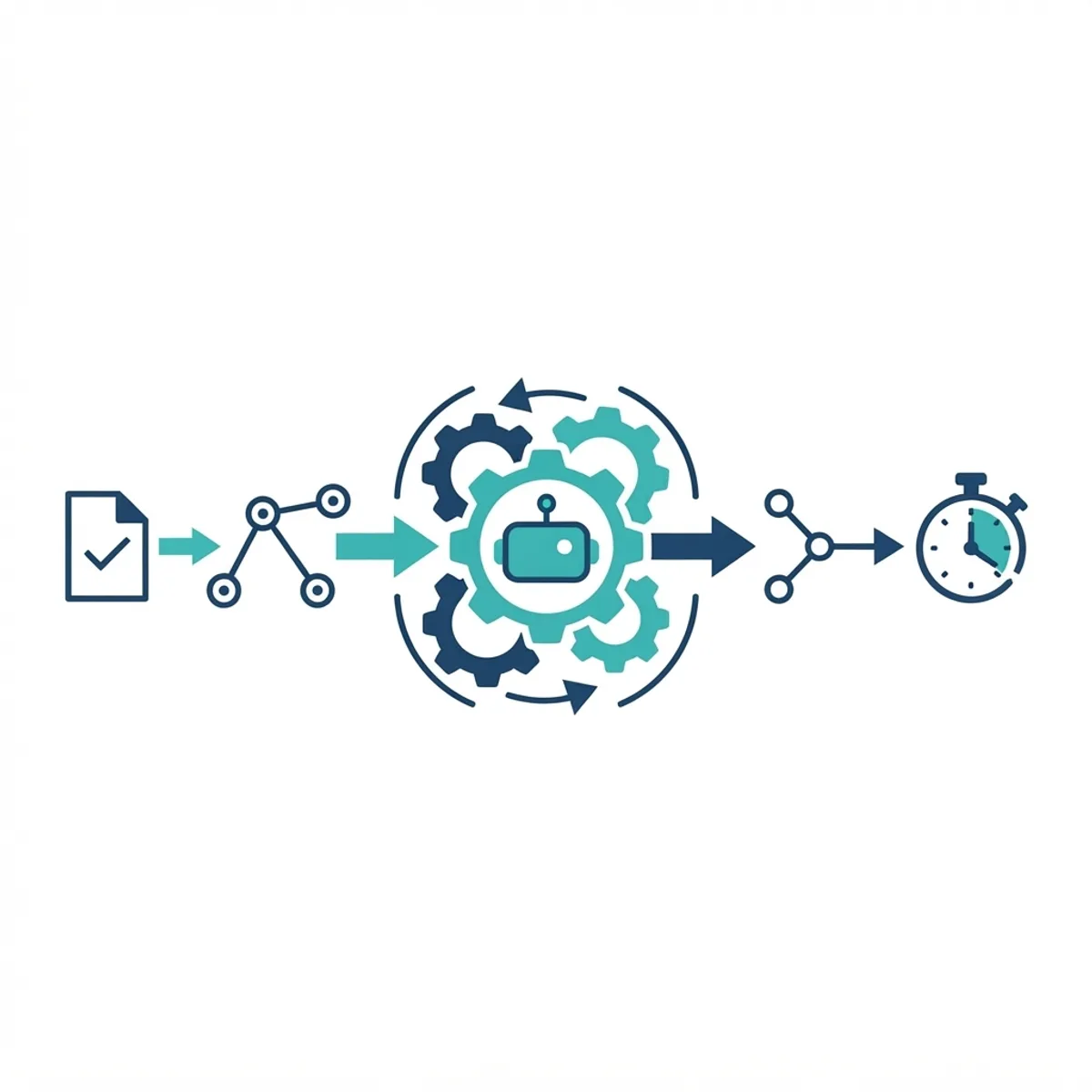
The first win is almost always automation. Founders map recurring tasks, invoicing, data entry, onboarding emails, report generation, and hand them to AI-driven tools. This frees the team for work that genuinely requires human insight. A two-person team can automate lead qualification, appointment scheduling, and follow-ups, effectively adding an invisible operations hire at a fraction of the cost. Teams that need custom automation often turn to ZoneTechify's artificial intelligence services to build tailored systems.
2. Scaling Customer Support Without Scaling Headcount
Customer support is expensive and hard to staff. AI chatbots and assistants now resolve common questions instantly, escalating only complex cases to humans. This keeps response times low even as the customer base grows.
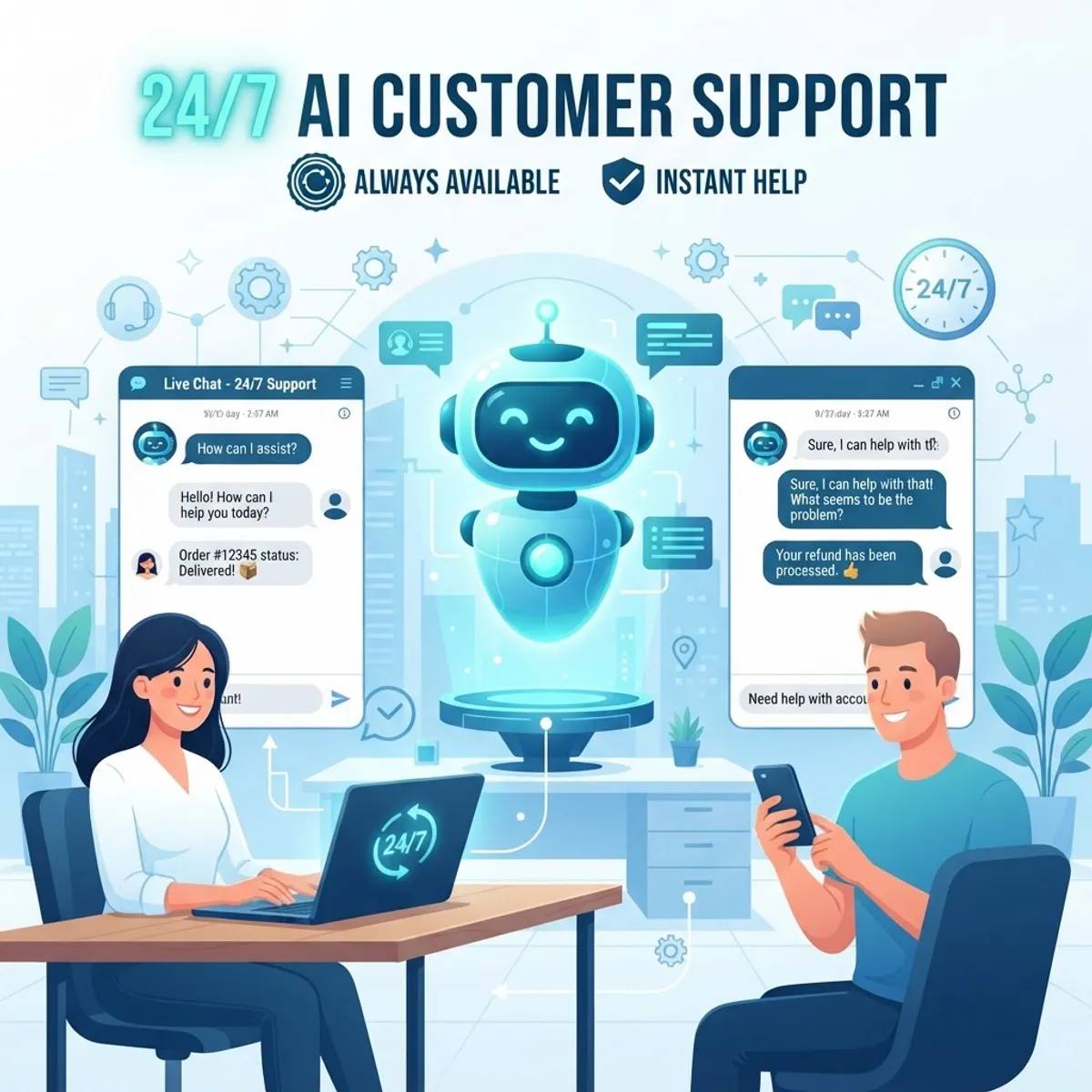
According to Zendesk's CX Trends research, a majority of customers expect fast, around-the-clock support, and AI makes 24/7 coverage affordable for a startup that could never staff a night shift. The result is happier customers and a support function that scales without linear hiring.
3. Making Faster, Data-Driven Decisions
Startups drown in data but starve for insight. AI analytics tools surface trends, forecast churn, and flag anomalies that a busy founder would miss. Instead of waiting for a quarterly review, teams get real-time signals about what is working.

This matters because speed of learning is a startup's core advantage. A team that interprets user behavior in hours rather than weeks iterates faster, and faster iteration compounds into a durable competitive edge.
4. Building MVPs and Shipping Features Faster
AI coding assistants and no-code AI builders have collapsed the time it takes to ship a minimum viable product. Founders prototype ideas in days, validate them with real users, and discard what fails before spending months on it.
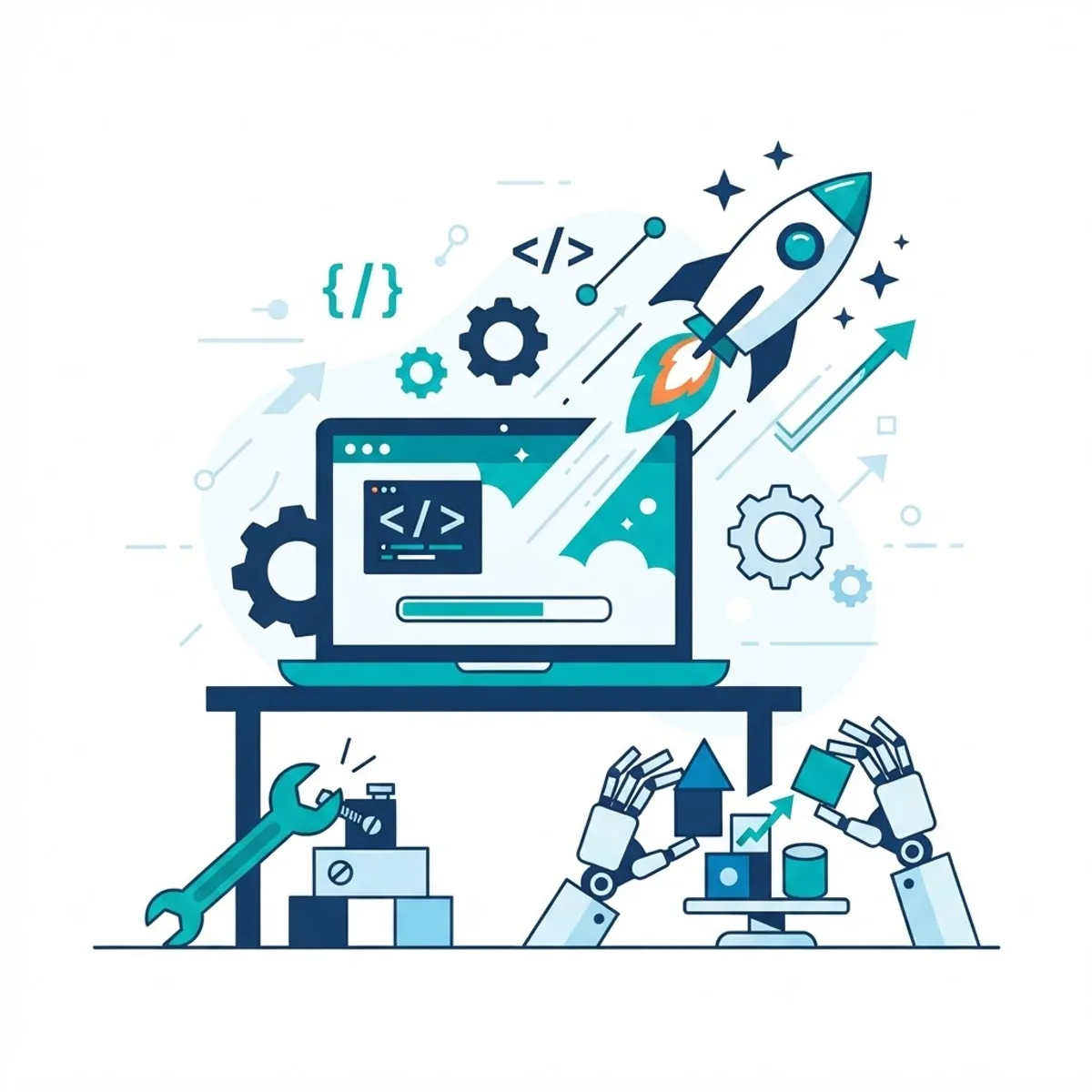
This is the lean loop at its purest: build fast, measure honestly, and learn cheaply. When development cost drops, the penalty for experimentation drops with it, so teams try more ideas and find product-market fit sooner.
5. Personalizing Marketing at Scale
Marketing used to force a trade-off between reach and relevance. AI removes it. Startups now segment audiences, generate tailored copy, and personalize offers automatically, delivering the right message to the right person without a large creative team.
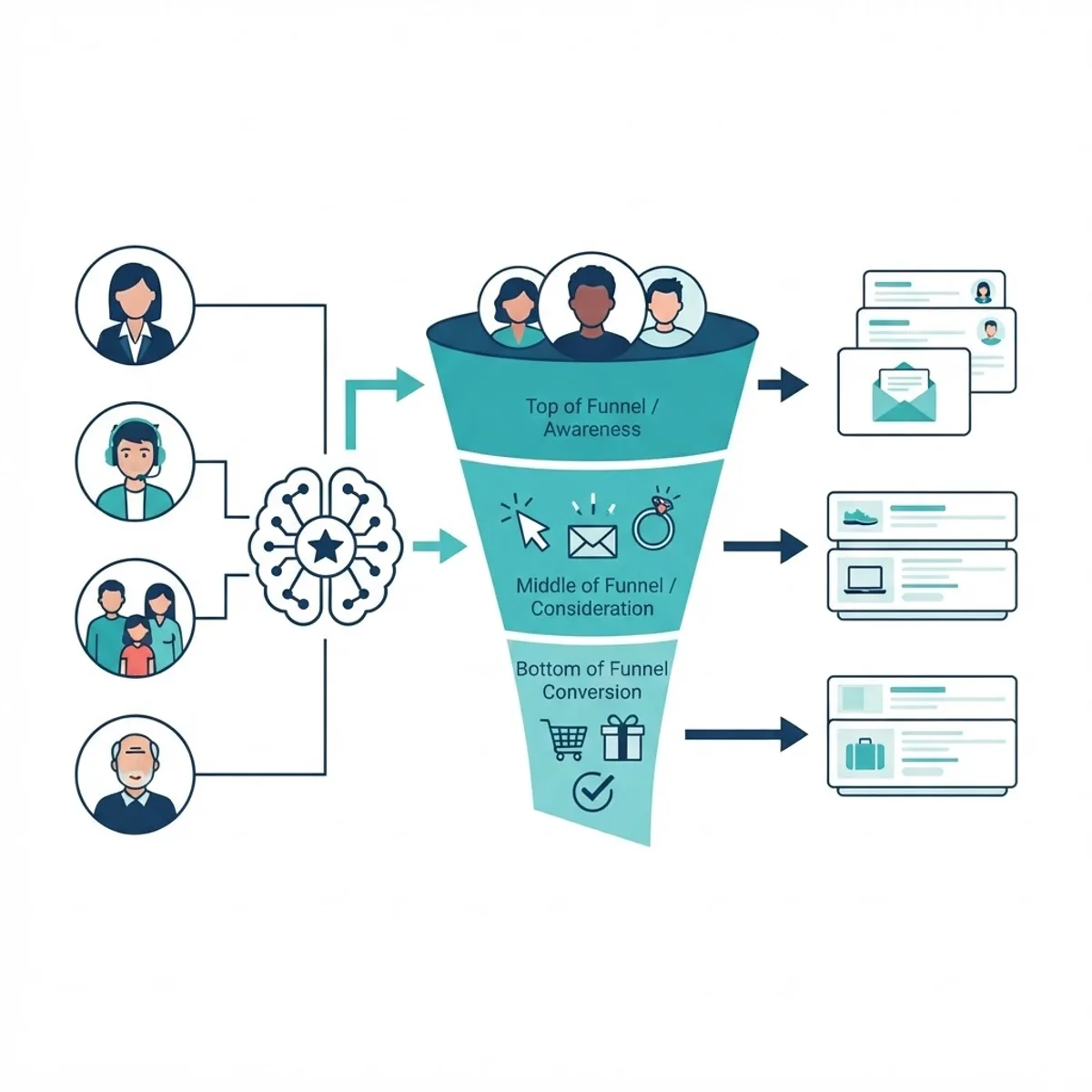
Personalized campaigns consistently outperform generic ones, and AI makes that personalization achievable even for a solo marketer. From dynamic email sequences to predictive ad targeting, the technology lets small teams punch far above their weight.
6. Improving Product Quality Continuously
AI monitors user sessions, detects friction points, and recommends improvements. Startups use it to catch bugs earlier, prioritize the fixes that matter most, and understand which features actually drive retention. This continuous feedback loop keeps the product sharp without a dedicated QA and research department.
7. Extending Runway Through Cost Discipline
Every application above shares one outcome: lower cost per unit of output. By automating operations and avoiding premature hiring, Lean AI startups keep burn low and stay in the game longer. Runway is the ultimate startup currency, and AI is one of the most effective ways to buy more of it.
Lean AI vs Traditional Startup Scaling
The contrast between the old and new models is stark. The table below summarizes how a Lean AI approach differs from traditional scale-at-all-costs growth.
| Factor | Traditional Scaling | Lean AI Approach |
|---|---|---|
| Team size | Large, hired early | Small, augmented by AI |
| Monthly burn | High | Low |
| Speed to ship | Weeks to months | Days to weeks |
| Support model | Linear headcount | AI-first, human escalation |
| Decision-making | Periodic reviews | Real-time AI insights |
| Risk of running out of cash | High | Reduced |
How to Start Building a Lean AI Startup
Adopting Lean AI does not require a technical background or a big budget. Follow these steps in order.
- Audit your time. For one week, log every recurring task. The biggest, most repetitive ones are your first automation candidates.
- Start with one workflow. Pick a single process, such as support replies or lead follow-up, and automate it before moving on.
- Choose flexible tools. Favor AI platforms that integrate with your existing stack so you are not locked in.
- Measure the impact. Track hours saved and cost reduced so you can prove the value and reinvest it.
- Keep humans in the loop. Use AI for volume and speed, but retain human review for anything that affects trust or brand.

If you want expert help implementing these systems, specialist partners such as WebPeak's artificial intelligence services can design and deploy AI workflows tailored to your goals. You can also explore more resources at ZoneTechify and WebPeak.
Common Mistakes to Avoid
Lean AI is powerful, but a few errors undermine it. First, do not automate a broken process; fix the workflow before layering AI on top of it. Second, avoid chasing every new tool. Depth beats breadth, so master one system before adding another. Third, never remove human oversight entirely from customer-facing communication, because a single tone-deaf AI reply can cost trust that took months to earn. Finally, do not treat AI as a one-time setup. The teams that win review and refine their AI systems continuously.
Key Takeaways
- Lean AI is a strategy for growing a startup by using artificial intelligence to maximize output while minimizing headcount and cost.
- Cash shortage is a leading cause of startup failure within the first two years, and Lean AI extends runway by lowering burn.
- The highest-impact uses are automation, AI customer support, data-driven decisions, faster MVPs, and personalized marketing.
- Organizations adopting generative AI have reported measurable cost savings and revenue gains within a year, per McKinsey research.
- Start small: automate one workflow, measure results, keep humans in the loop, then expand.
Frequently Asked Questions (FAQ)
What is Lean AI for startups?
Lean AI is a growth strategy where startups use artificial intelligence to automate tasks, reduce costs, and scale output with a very small team. It combines lean startup principles with AI leverage, helping founders stay capital-efficient while competing with much larger, better-funded companies.
Do I need to be technical to use AI in my startup?
No. Most modern AI tools are no-code or low-code, so non-technical founders can automate support, marketing, and operations without writing software. Start with a single repetitive workflow, use a beginner-friendly platform, and expand gradually as you learn what delivers the most value.
How much money does Lean AI save a startup?
Savings vary, but Lean AI typically reduces cost per task by letting one person do the work of several. This lowers monthly burn, delays expensive hiring, and extends runway. McKinsey research shows many organizations report meaningful cost reductions within a year of adopting generative AI.
Which parts of a startup should I automate first?
Automate the most repetitive, time-consuming tasks first, usually customer support replies, lead qualification, scheduling, and reporting. Track your time for a week to identify them. Fix any broken process before automating it, then measure the hours saved so you can reinvest that time into growth.
Will AI replace my startup team?
No. Lean AI augments people rather than replacing them. AI handles high-volume, repetitive work, while your team focuses on strategy, creativity, and relationships. The most successful Lean AI startups keep humans in the loop for judgment and customer trust, using AI purely as a force multiplier.