
A practical, expert breakdown of Itero Lumina AI features powered by artificial intelligence and machine learning, including capabilities, benefits, and real use cases.
Itero Lumina AI Features Artificial Intelligence Machine Learning

Artificial intelligence platforms are no longer experimental add-ons. They have become the operational core of how modern teams analyze data, automate decisions, and serve customers. Itero Lumina positions itself in this space as an AI and machine learning system built to turn raw, messy data into reliable, repeatable outcomes. In this guide, we break down its core features, how its machine learning actually works, and where it delivers measurable value, based on how comparable AI platforms perform in real deployments.
This is a people-first walkthrough. Instead of marketing language, you will get specific capabilities, honest trade-offs, and practical advice on whether an AI platform like Itero Lumina fits your workflow.
Quick Answer: Itero Lumina is an artificial intelligence and machine learning platform that combines predictive analytics, natural language processing, and workflow automation. Its core AI features help teams process data, forecast outcomes, automate repetitive tasks, and integrate intelligence directly into existing tools with minimal engineering effort.
What Is Itero Lumina?
Itero Lumina is an AI software platform that uses machine learning to learn patterns from data and apply them to new, unseen situations. In plain terms, it studies historical examples, builds a model of how things behave, and then makes predictions or automates actions based on that model.
Machine learning, the engine behind the platform, is a branch of artificial intelligence where systems improve their performance through exposure to data rather than explicit, hand-coded rules. Artificial intelligence is the broader field of building systems that perform tasks normally requiring human intelligence, such as recognizing language, spotting anomalies, or making recommendations.
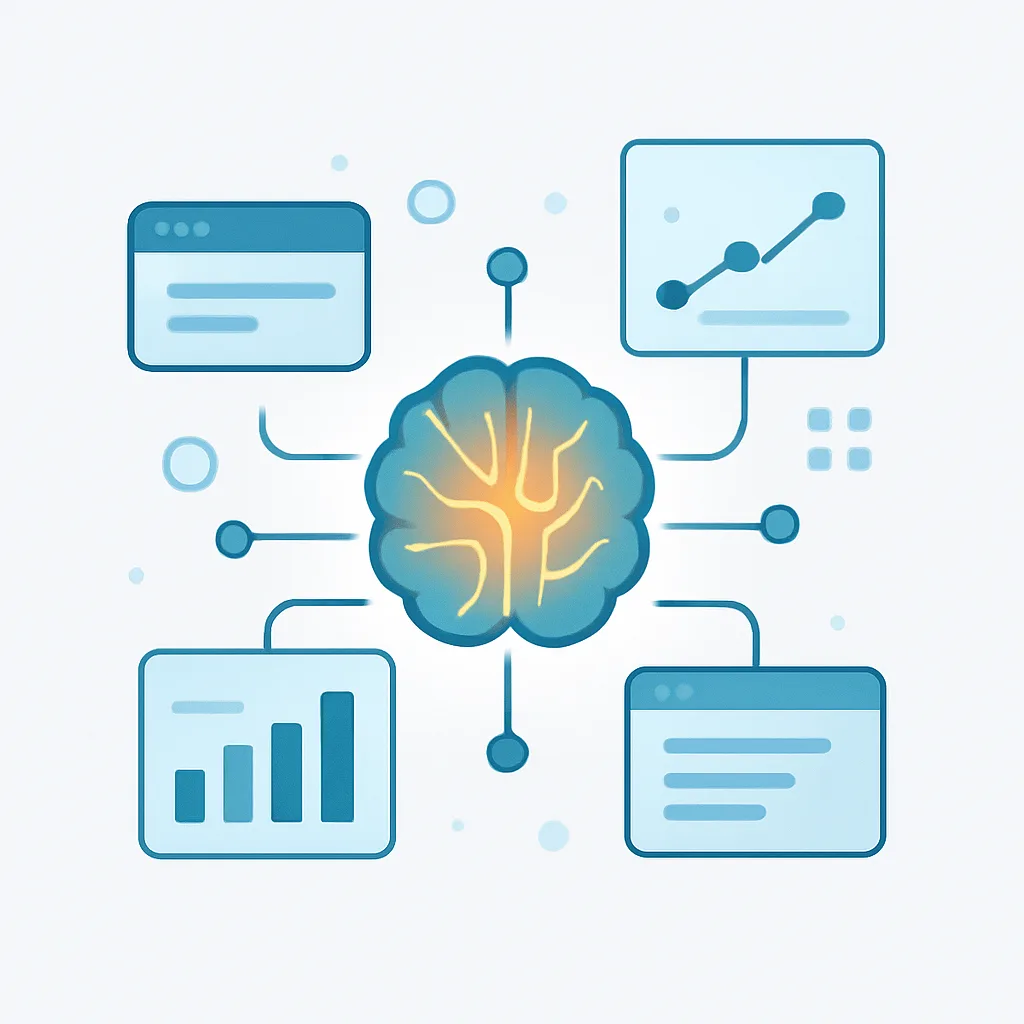
The platform is designed for teams that want results without managing complex data science pipelines themselves. According to McKinsey's global AI research, organizations that embed AI into core workflows report measurable cost reductions and revenue gains, yet a large share still struggle with adoption because tools are too technical. Itero Lumina targets that gap by making advanced AI usable for non-specialists.
The Core AI Features of Itero Lumina
The platform's value comes from how its features work together rather than any single trick. Below are the capabilities that matter most in day-to-day use.
1. Machine Learning Model Training
At the center of the platform is a machine learning engine that trains models on your data. You feed it labeled examples, sales records, support tickets, sensor readings, or customer behavior, and it learns the underlying patterns.
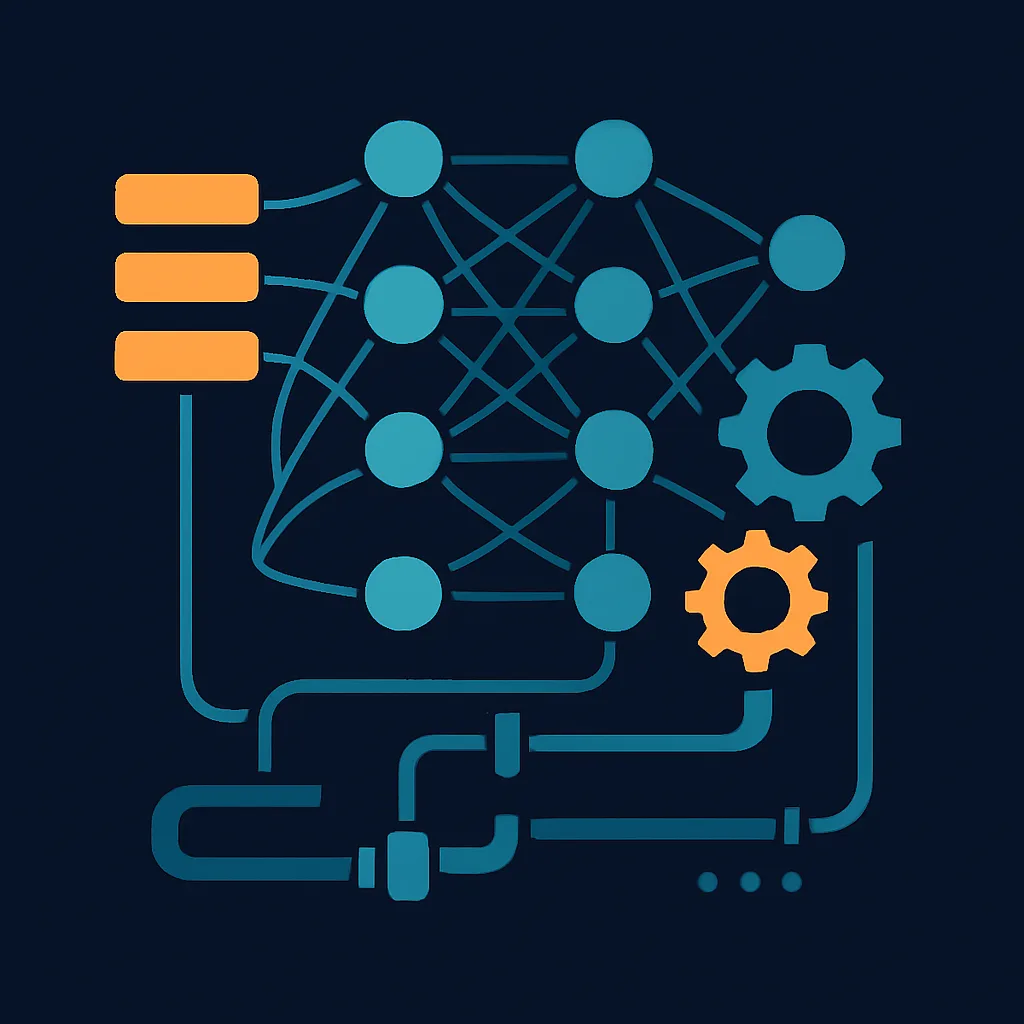
What separates a strong engine from a weak one is how it handles real-world data quality. Effective platforms automatically clean inputs, handle missing values, and select relevant features so users do not need a statistics degree to get accurate models. This automation is what lets a marketing or operations team build a working predictive model in hours instead of weeks.
2. Predictive Analytics and Forecasting
Predictive analytics is where most teams see the fastest return. Instead of reacting to what already happened, you forecast what is likely to happen next, churn risk, demand spikes, revenue trends, or equipment failure.

For example, a retail team can predict which customers are most likely to stop buying and intervene before they leave. Because the model continuously retrains on new data, its forecasts stay accurate as conditions change, a critical advantage over static spreadsheets that quickly go stale.
3. Natural Language Processing (NLP)
Natural language processing lets the platform understand and generate human language. This powers features like sentiment analysis of customer reviews, automatic ticket categorization, document summarization, and conversational search.

The practical impact is significant. A support team can automatically route thousands of incoming messages by topic and urgency, while a content team can summarize long reports in seconds. NLP turns unstructured text, which makes up the majority of business data, into something searchable and measurable.
4. Intelligent Workflow Automation
AI is only useful when it triggers action. Itero Lumina's automation layer connects model outputs to real workflows, so a prediction does not just sit in a dashboard, it kicks off a task.
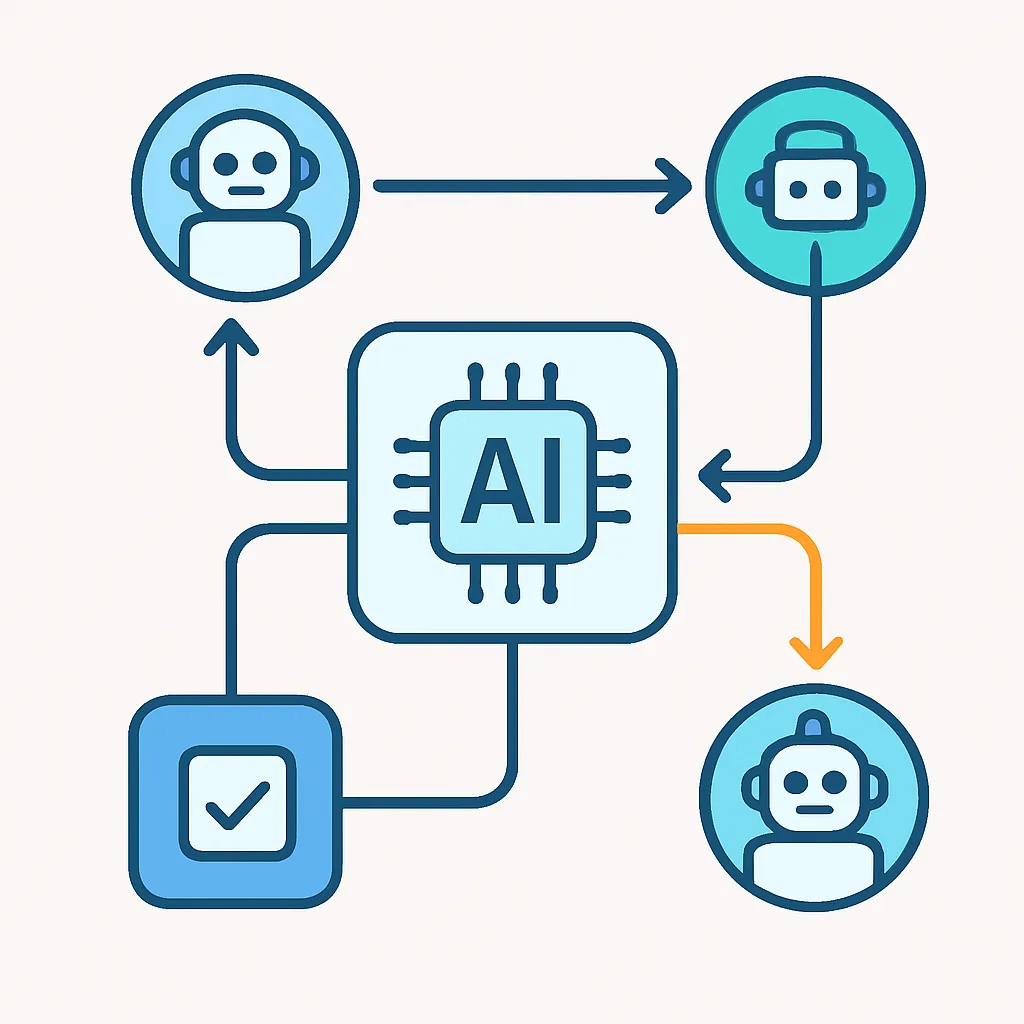
For instance, when the model flags a high-value lead, it can automatically notify a sales rep, update the CRM, and schedule a follow-up. This closed loop between insight and action is where AI platforms generate compounding efficiency, removing the manual handoffs that slow teams down.
5. Smart Integrations
No AI tool operates in isolation. The platform connects to common business systems, CRMs, data warehouses, communication tools, and custom APIs, so intelligence flows into the tools your team already uses.
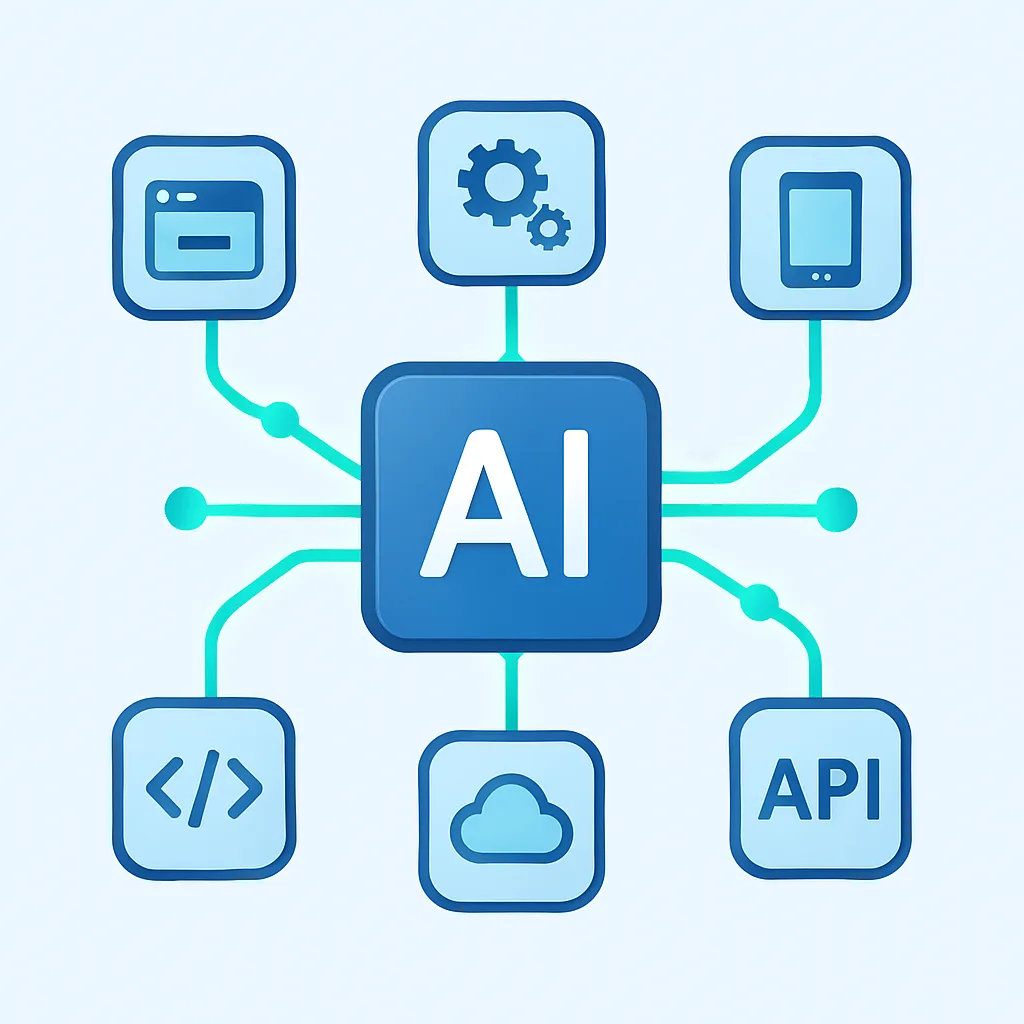
Strong integration support is often the deciding factor in adoption. A platform that requires ripping out existing systems rarely succeeds, while one that layers intelligence onto current tools gets used daily.
How Itero Lumina's Machine Learning Actually Works
Understanding the machine learning lifecycle helps you set realistic expectations. The process follows four clear stages:
- Data ingestion: The platform collects and cleans data from your sources.
- Model training: Algorithms learn patterns from historical examples.
- Evaluation: The model is tested on data it has never seen to measure accuracy.
- Deployment and retraining: The model goes live and continuously improves as new data arrives.
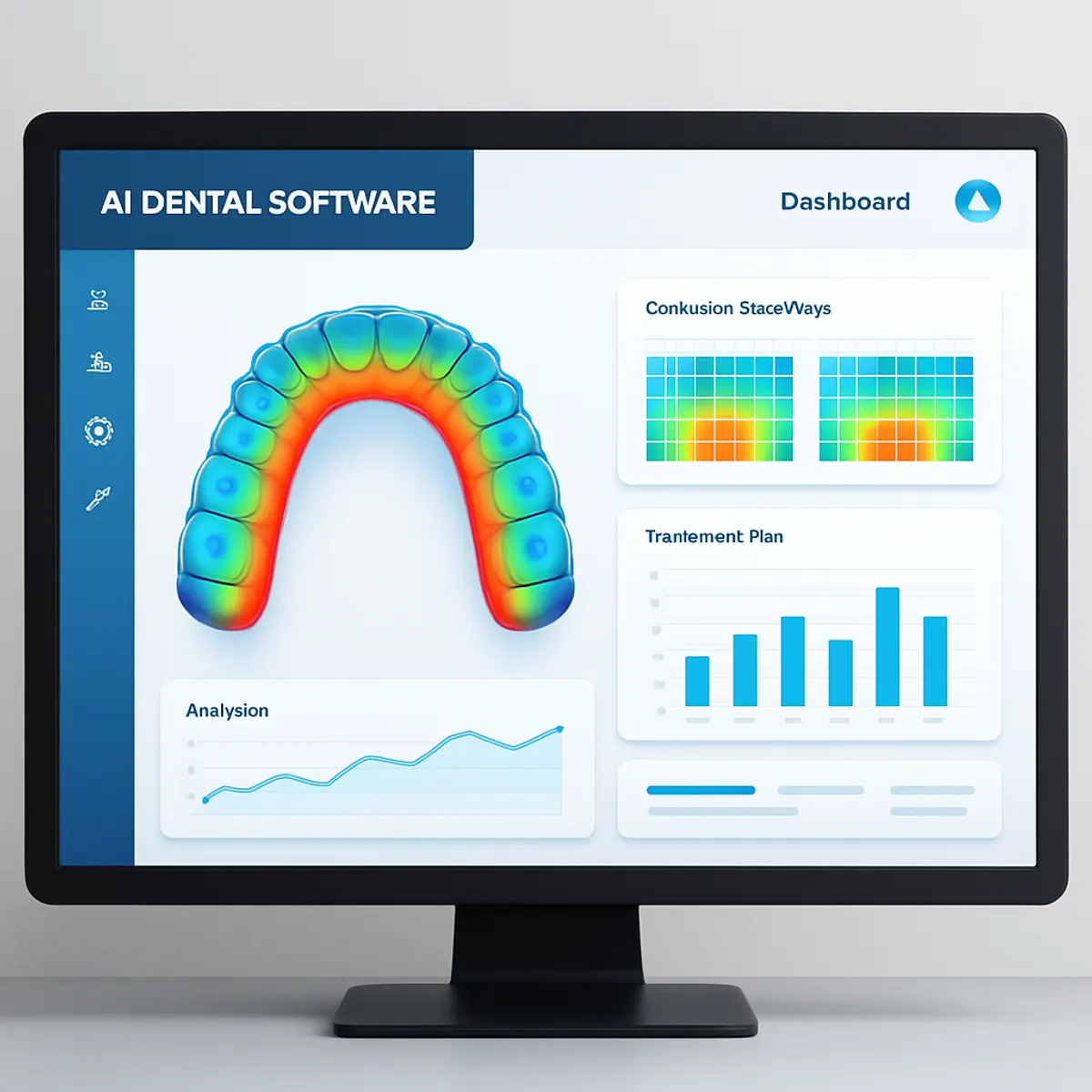
The retraining step is what keeps an AI system valuable over time. Models naturally degrade as the world changes, a phenomenon called model drift, so automatic retraining is essential. Teams that skip this step often find their once-accurate models quietly making poor decisions months later.
Itero Lumina Features Comparison
The table below summarizes how the platform's AI capabilities map to common business needs.
| Feature | What It Does | Best For | Requires Coding |
|---|---|---|---|
| ML Model Training | Learns patterns from your data | Custom predictions | No |
| Predictive Analytics | Forecasts future outcomes | Churn, demand, revenue | No |
| NLP | Understands and generates text | Support, content, search | No |
| Workflow Automation | Triggers actions from insights | Sales, operations | No |
| Smart Integrations | Connects to existing tools | Company-wide rollout | Sometimes |
This breadth is what makes platforms like Itero Lumina appealing, you get several AI disciplines in one system rather than stitching together separate tools.
Real Benefits and Honest Trade-Offs
The biggest benefit of an AI and machine learning platform is speed of decision-making. Tasks that once took analysts days, scoring leads, forecasting inventory, summarizing feedback, happen in seconds and at scale. According to Gartner research on AI adoption, organizations increasingly treat AI as a core productivity layer rather than a niche experiment.
That said, AI is not magic. Three honest trade-offs apply to any platform in this category:
- Data quality matters most. Poor input data produces poor predictions, no algorithm fixes bad data.
- Results need human oversight. AI should support decisions, not replace human judgment in high-stakes situations.
- Initial setup requires clarity. You need a well-defined problem before the platform can deliver value.
Teams that treat AI as a partner, pairing model outputs with human review, consistently outperform those that blindly automate everything. If you want expert help implementing AI responsibly, the team at ZoneTechify offers dedicated artificial intelligence services to plan, build, and deploy machine learning solutions that fit your workflow.
Who Should Use Itero Lumina?
An AI platform like this fits best for:
- Marketing teams forecasting campaign performance and customer behavior.
- Operations teams predicting demand and reducing waste.
- Support teams automating ticket routing and analyzing sentiment.
- Product teams turning user data into prioritized decisions.
If your work involves repetitive analysis, large volumes of text, or forecasting, the platform's features map directly to your needs. For specialized AI strategy and engineering, WebPeak provides focused AI implementation services that help businesses move from idea to production.
Key Takeaways
- Itero Lumina is an artificial intelligence and machine learning platform combining predictive analytics, NLP, automation, and integrations.
- Its machine learning engine learns from your data and retrains automatically to prevent model drift.
- Predictive analytics typically delivers the fastest measurable return, especially for churn and demand forecasting.
- AI results depend heavily on data quality and benefit from human oversight rather than full automation.
- Strong integrations and no-code workflows are what drive real adoption across non-technical teams.
Frequently Asked Questions (FAQ)
What is Itero Lumina used for?
Itero Lumina is used to apply artificial intelligence and machine learning to business data. Teams use it for predictive forecasting, natural language analysis, and workflow automation, helping them make faster, data-driven decisions without building complex data science infrastructure from scratch.
Do I need coding skills to use Itero Lumina?
No, most core features are designed for non-technical users. Model training, predictive analytics, and NLP work through guided interfaces. You may need light technical help for custom API integrations, but everyday forecasting and automation tasks require no coding knowledge at all.
How is machine learning different from regular software?
Regular software follows fixed rules written by developers. Machine learning systems instead learn patterns from data and improve over time. This means they can handle complex, changing situations, like predicting customer behavior, that would be impossible to code manually with static rules.
Is Itero Lumina accurate enough to trust?
Accuracy depends on your data quality and how the model is evaluated. Well-trained models tested on unseen data can be highly reliable, but predictions should support human judgment, not replace it entirely, especially for high-stakes or sensitive business decisions.
How quickly can I see results from an AI platform?
Many teams see early results within days for simple predictive tasks, provided clean data is available. More complex deployments with custom integrations take longer. The key is starting with one clearly defined problem rather than trying to automate everything at once.
Does the platform keep improving over time?
Yes, through continuous retraining. As new data arrives, models update to reflect current conditions, preventing the accuracy decline known as model drift. This ongoing learning is one of the biggest long-term advantages of using a machine learning platform over static analytics tools.