A clear, expert breakdown of the iTero Lumina scanner's AI features, from Multi-Directional Capture to outcome simulation, and why they matter for modern dental practices.
iTero Lumina AI Artificial Intelligence Features
The iTero Lumina has quickly become one of the most talked-about intraoral scanners in digital dentistry, and most of that conversation centers on its artificial intelligence. Built by Align Technology, the Lumina pairs a smaller, lighter wand with a redesigned optical system and a layer of AI-driven software that changes how clinicians scan, diagnose, and communicate. Having reviewed how digital scanning workflows evolve across clinics, the most useful way to understand the Lumina is feature by feature: what each AI capability actually does, and where it saves time or improves accuracy.
Quick Answer: The iTero Lumina uses AI features like Multi-Directional Capture, occlusal analysis, near-infrared imaging, and the Invisalign Outcome Simulator Pro to deliver faster, more accurate 3D scans, smarter chairside diagnostics, and realistic treatment previews that help dentists improve case acceptance and patient communication.
What Is the iTero Lumina?
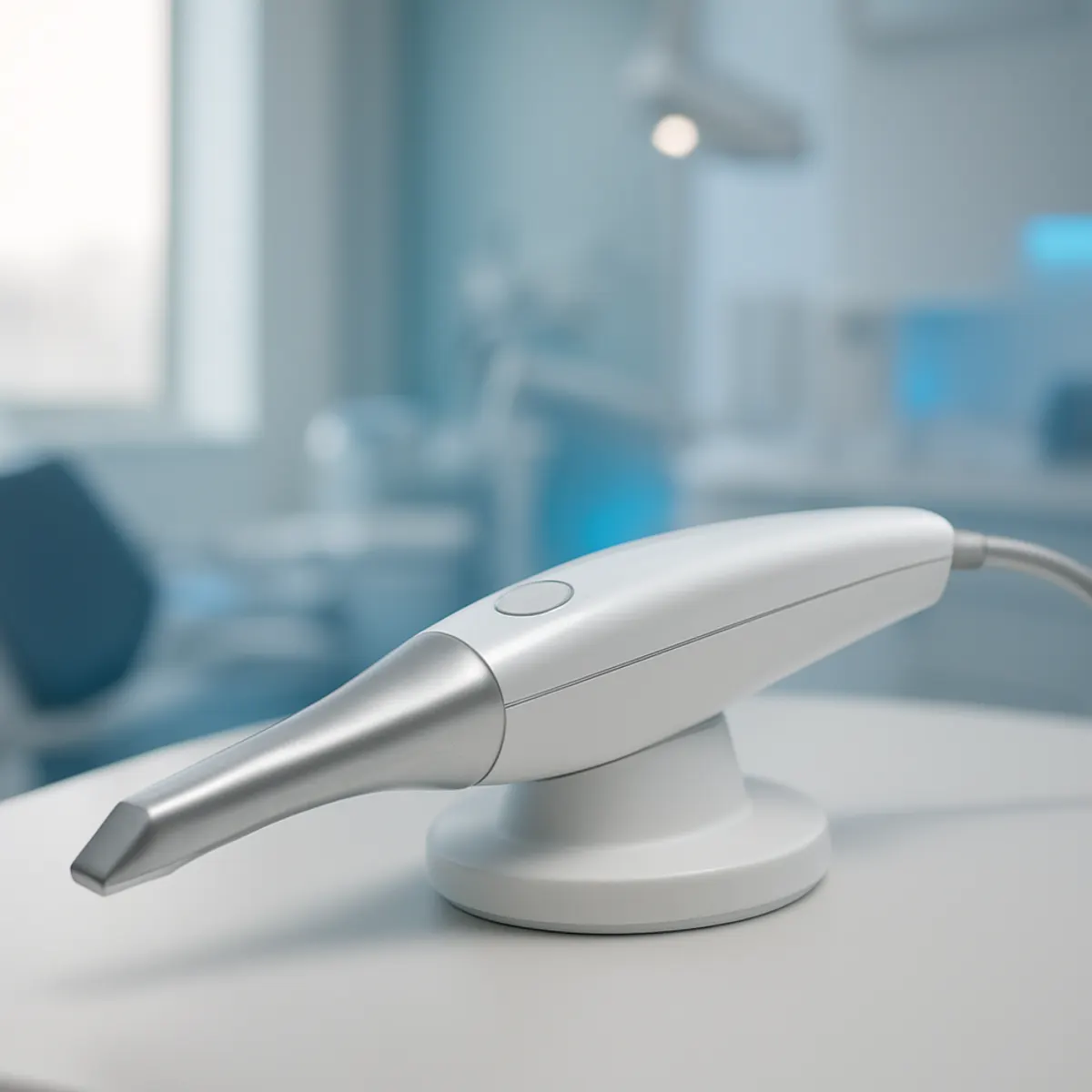
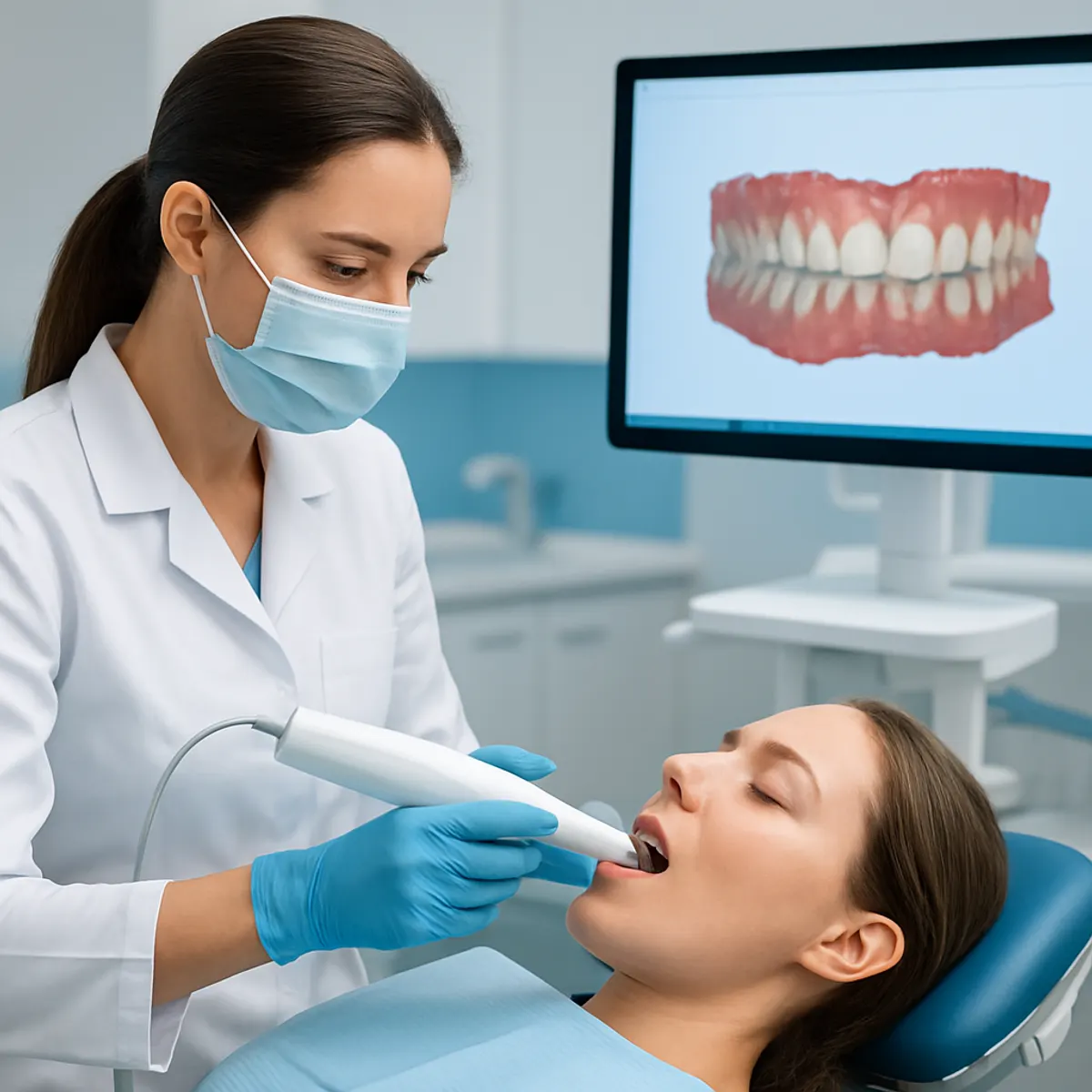
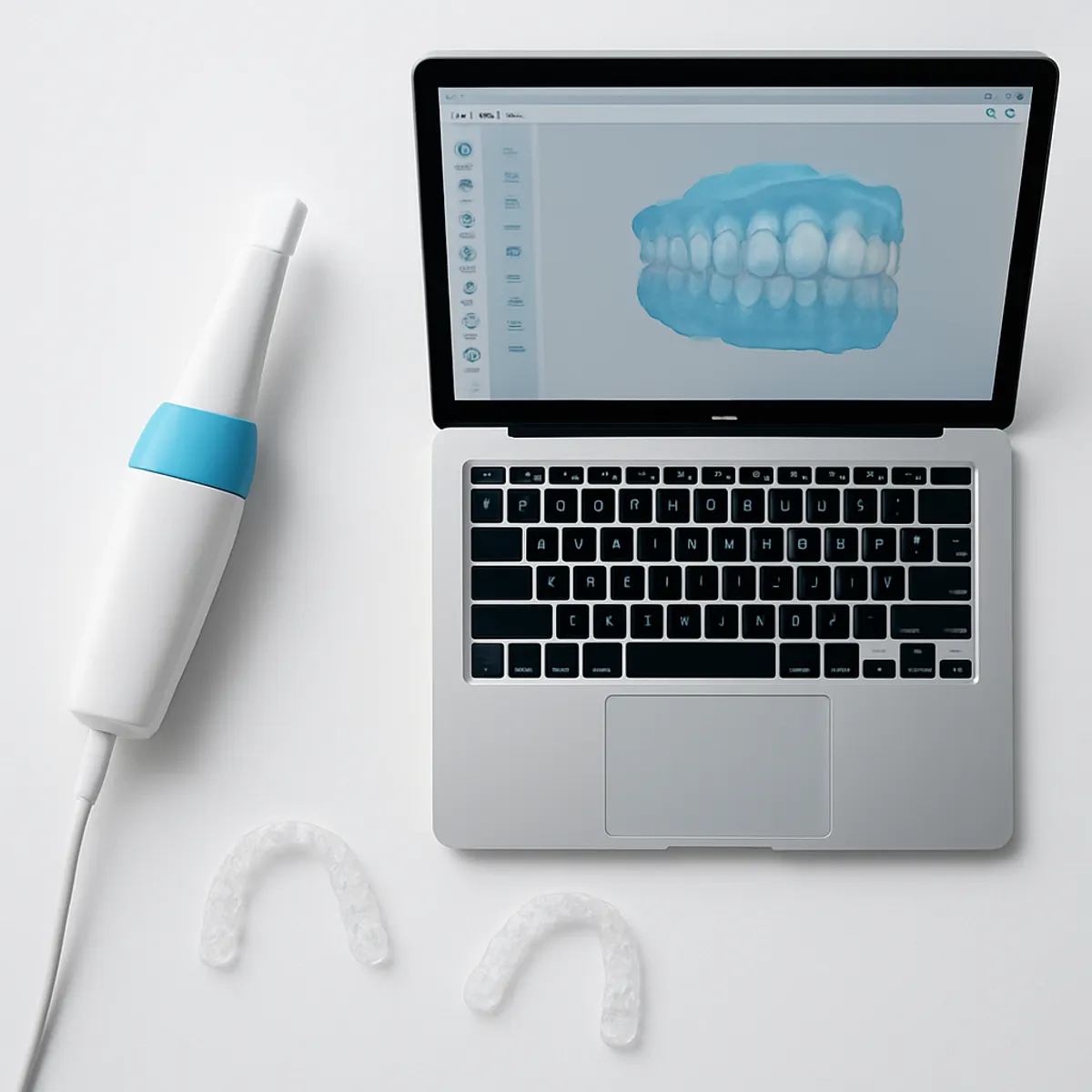
The iTero Lumina is a digital intraoral scanner that captures highly detailed 3D models of a patient's teeth and gums in real time. Unlike traditional putty impressions, it builds a precise digital replica that dentists use for restorations, orthodontics, and Invisalign treatment planning. What sets the Lumina apart is its Multi-Directional Capture technology, a redesigned optical architecture that collects far more visual data per scan than earlier iTero models, then uses AI to stitch that data into an accurate model.
Definition: Multi-Directional Capture is an optical approach that gathers light and image data from multiple angles simultaneously, rather than relying on a single fixed line of sight, allowing the scanner to reconstruct surfaces and contact points with greater fidelity.
Align Technology reports the Lumina wand is roughly 50% smaller and 45% lighter than the iTero Element 5D, which directly reduces hand fatigue during long scanning sessions and makes intraoral access easier for clinicians.
How AI Powers the iTero Lumina
Artificial intelligence runs underneath nearly every Lumina feature. The scanner does not just record images; it interprets them. AI models trained on enormous libraries of dental scans help the system recognize tooth structure, detect soft tissue, fill gaps caused by saliva or movement, and flag areas that need a rescan. This is why the Lumina feels faster in practice: the software is constantly predicting and correcting in the background.
This matters because scan quality directly affects clinical outcomes. According to industry research cited by Align, digital impressions can reduce remakes and adjustments compared with conventional impressions, and a cleaner initial scan means fewer disruptions to the restorative or orthodontic workflow. For practices building modern digital systems, pairing scanner data with smart software is exactly the kind of automation discussed in WebPeak's artificial intelligence services.
Core iTero Lumina AI Features Explained
Below are the standout AI-driven features that define the Lumina experience, with a focus on what each one does in real clinical use.
1. Multi-Directional Capture Technology
This is the headline feature. By capturing data from many directions at once, the Lumina reconstructs interproximal contacts, margins, and occlusal surfaces with impressive detail. The AI reconstruction engine merges these data streams into a continuous model, reducing the "holes" and distortion that often forced rescans on older devices.
2. Real-Time AI Occlusal Analysis
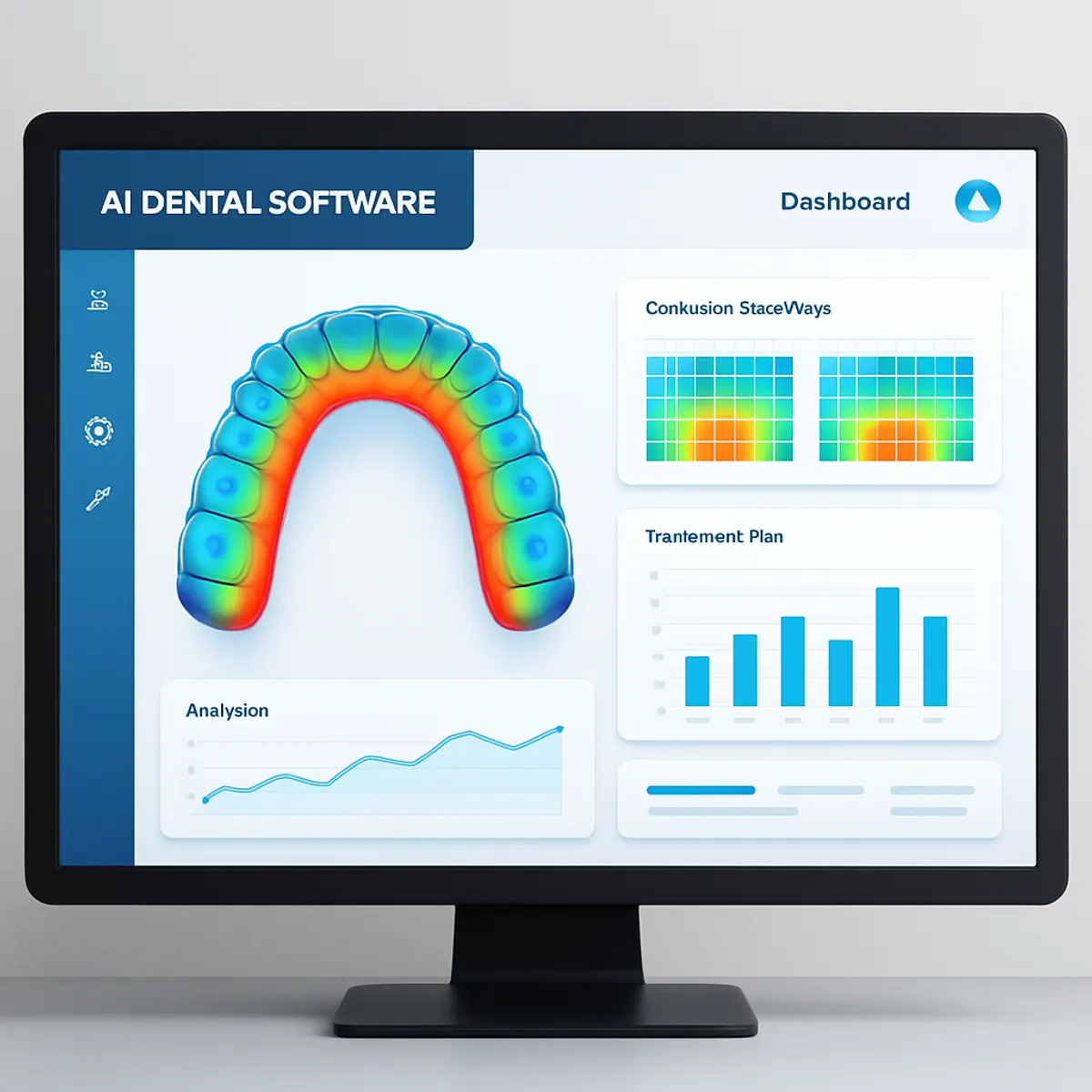
The Lumina's software produces a color-mapped occlusogram that visualizes how the upper and lower arches make contact. The AI highlights heavy contact zones and gaps, giving clinicians an objective view of the bite. This is far more reliable than articulating paper alone and helps explain occlusal issues to patients in seconds.
3. Near-Infrared Imaging (NIRI)
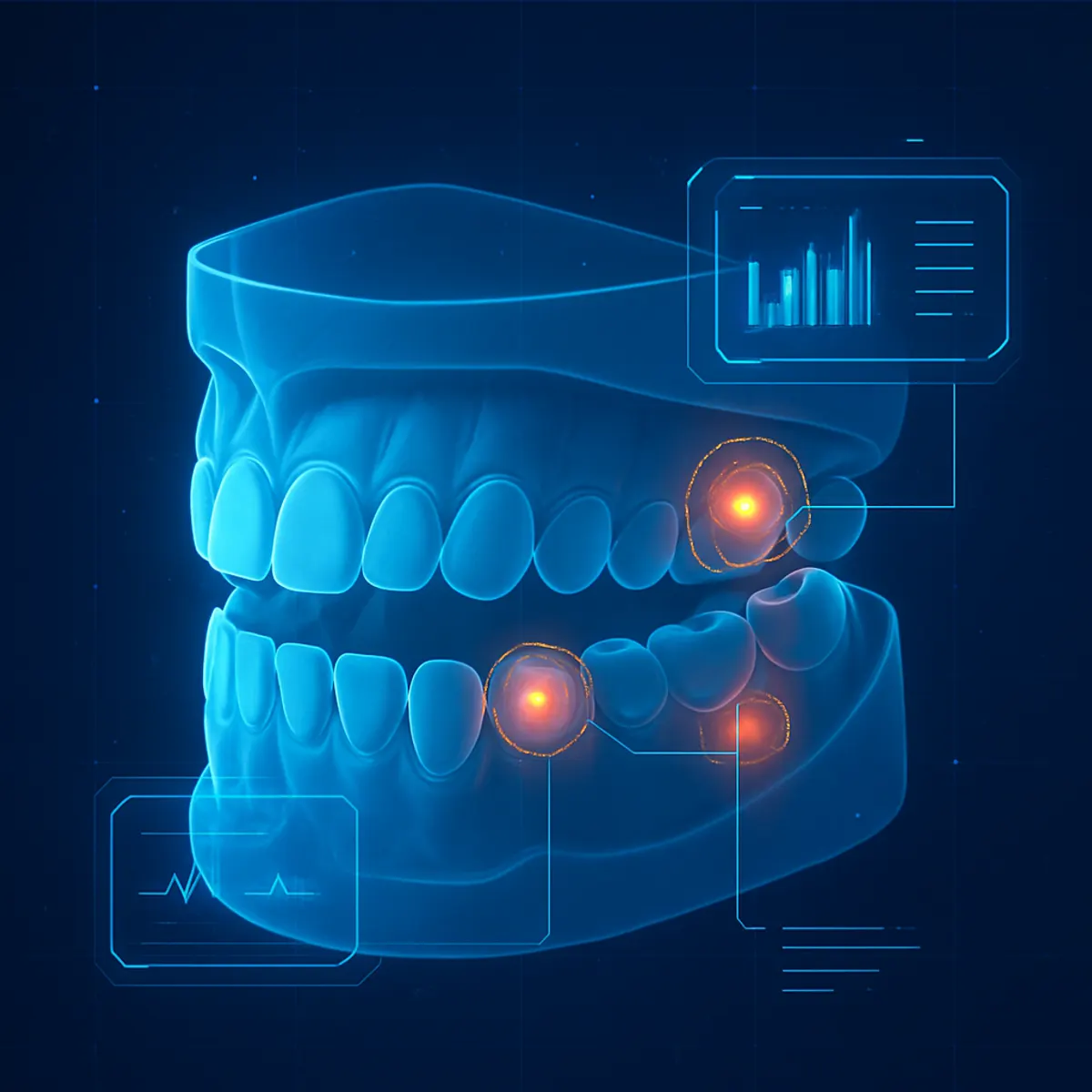
NIRI technology lets the scanner see through enamel to help detect interproximal caries without radiation. The AI processes near-infrared data alongside the visible 3D model, so dentists can review structural concerns chairside. For caries detection and patient education, this is one of the most clinically valuable features the platform offers.
4. Invisalign Outcome Simulator Pro
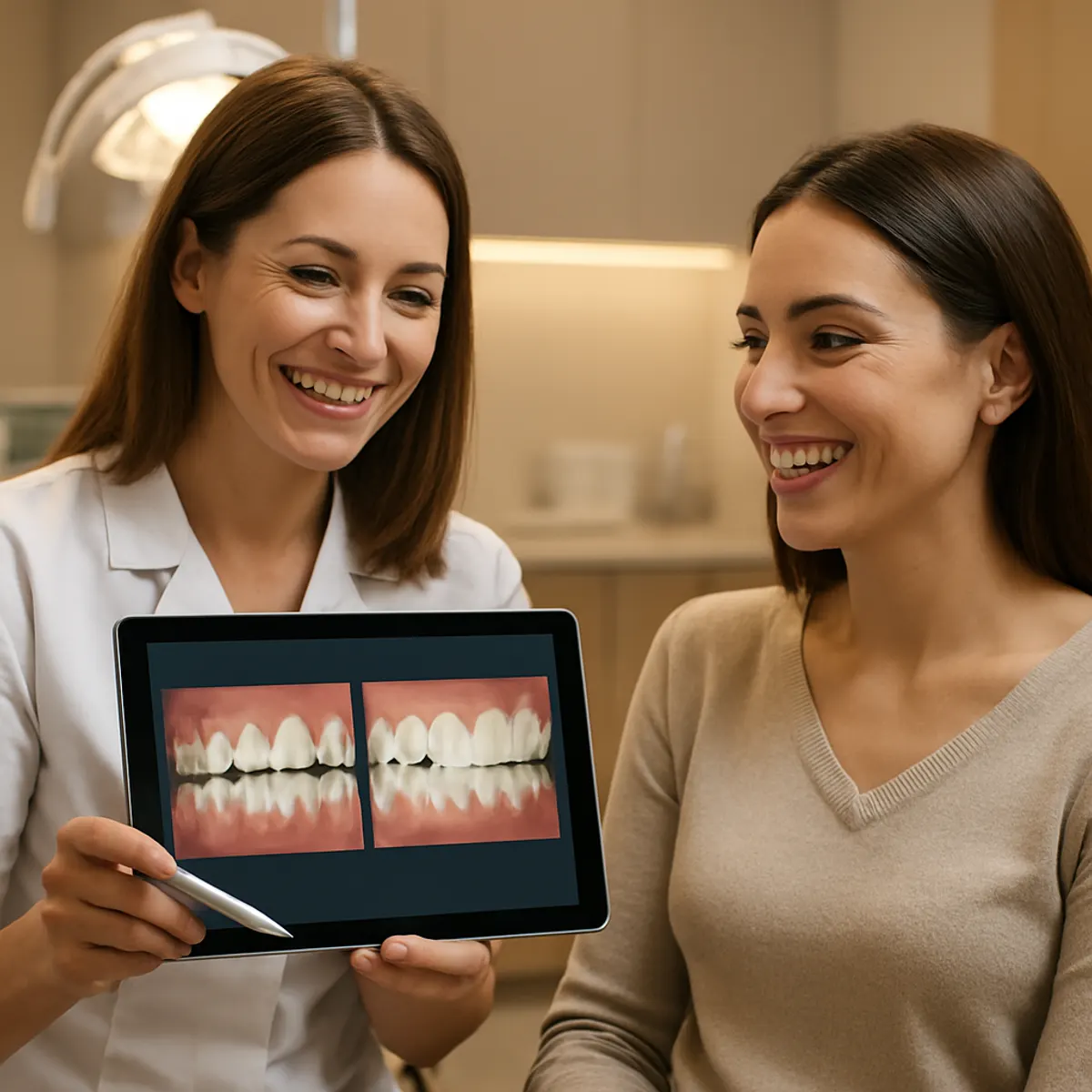
The Outcome Simulator Pro uses AI to generate a realistic preview of a patient's potential smile after Invisalign treatment. It can morph the patient's own intraoral photo to show projected alignment, making the conversation about treatment far more tangible. Practices consistently report that visual simulations improve case acceptance because patients can see the outcome rather than imagine it.
5. iTero TimeLapse Technology
TimeLapse compares a patient's current scan with previous scans, using AI to detect and visualize changes over time, such as tooth wear, gingival recession, or movement. This longitudinal view supports preventive conversations and demonstrates the kind of evidence-based monitoring that builds long-term patient trust.
iTero Lumina vs Previous iTero Models
The table below compares the Lumina with the earlier iTero Element 5D Plus to clarify where the AI and hardware upgrades land.
| Feature | iTero Lumina | iTero Element 5D Plus |
|---|---|---|
| Capture method | Multi-Directional Capture | Confocal line scanning |
| Wand size and weight | Smaller, lighter | Larger, heavier |
| Field of capture | Wider | Narrower |
| NIRI caries aid | Yes | Yes |
| AI reconstruction | Advanced | Standard |
| Outcome Simulator Pro | Yes | Yes |
| Best for | High-volume, modern workflows | Established workflows |
Why These AI Features Matter for Your Practice
The real value of the iTero Lumina is not any single feature but how they compound. Faster, more accurate scans reduce remakes. Occlusal mapping and NIRI improve diagnostic confidence. Outcome simulation lifts case acceptance. TimeLapse strengthens recall and trust. Together, these reduce friction across the entire patient journey.
From a business standpoint, this is significant. Research across dental technology adoption consistently shows that visual, AI-assisted treatment presentations increase patient understanding, and patients who understand their treatment are far more likely to accept it. A scanner that doubles as a communication and diagnostic tool delivers a clearer return than one that only produces impressions.
Getting the Most Out of the iTero Lumina
To extract full value from the Lumina's AI features, follow a few practical principles:
- Train your whole team, not just the dentist. Assistants who scan confidently keep chair time short.
- Use the Outcome Simulator during the first visit, while interest is highest.
- Review the occlusogram with the patient on screen to make bite issues visible and understandable.
- Build TimeLapse into recall appointments to document change and justify treatment.
- Integrate scan data with your practice software so records, labs, and treatment plans stay connected.
Clinics that treat the scanner as a connected part of a digital ecosystem, rather than a standalone gadget, see the strongest results. If you are building that broader digital presence, well-structured websites and content systems matter too, which is where teams like ZoneTechify and WebPeak help practices translate technology into patient-facing growth.
How AI Diagnostics Are Changing Dentistry
The Lumina is part of a wider shift toward AI-assisted dentistry. Algorithms now support caries detection, treatment simulation, and longitudinal monitoring, moving the dentist from reactive treatment to proactive, data-backed care. The key word is assisted: AI surfaces patterns and visualizations, while the clinician retains diagnostic judgment and final decisions.
This balance is exactly why these tools are trustworthy. They expand what a clinician can see and explain without replacing professional expertise, and that combination is what genuinely improves patient outcomes.
Key Takeaways
- The iTero Lumina uses Multi-Directional Capture plus AI reconstruction for faster, more accurate 3D scans.
- Its wand is roughly 50% smaller and 45% lighter than the iTero Element 5D, reducing fatigue and improving access.
- Real-time occlusal analysis and NIRI support chairside diagnostics without radiation for caries detection.
- The Invisalign Outcome Simulator Pro boosts case acceptance with realistic AI smile previews.
- TimeLapse tracks changes over time, strengthening preventive care and patient trust.
- AI in the Lumina assists clinical judgment rather than replacing it, keeping diagnosis in expert hands.
Frequently Asked Questions (FAQ)
What AI features does the iTero Lumina have?
The iTero Lumina includes Multi-Directional Capture, AI-powered occlusal analysis, near-infrared imaging for caries detection, the Invisalign Outcome Simulator Pro, and TimeLapse comparison. These AI features work together to deliver accurate scans, smarter chairside diagnostics, and realistic treatment previews that improve communication and patient case acceptance.
Is the iTero Lumina better than the iTero Element 5D?
Yes, in most respects. The Lumina is smaller, lighter, and uses Multi-Directional Capture for a wider field and more detailed reconstruction. It scans faster with fewer gaps and retains key features like NIRI and Outcome Simulator Pro, making it a strong upgrade for modern, high-volume dental practices.
Does the iTero Lumina detect cavities?
The iTero Lumina uses near-infrared imaging (NIRI) to help visualize interproximal areas without radiation, aiding the detection of potential caries. It does not replace clinical examination or radiographs, but it gives dentists an extra chairside diagnostic view that supports earlier conversations and more confident decisions.
How does the iTero Lumina improve patient communication?
The Lumina turns clinical data into visuals patients understand. Color-coded occlusal maps show bite issues, the Outcome Simulator Pro previews a future smile, and TimeLapse displays changes over time. Seeing their own scan helps patients grasp problems and proposed treatment, which consistently increases case acceptance.
Is the iTero Lumina's AI accurate and safe?
The Lumina's AI is designed to assist, not replace, the clinician. It reconstructs scans, flags areas of interest, and visualizes data, while the dentist makes all diagnostic and treatment decisions. NIRI imaging uses no radiation, and the system supports evidence-based, professionally supervised care.
Final Thoughts
The iTero Lumina's artificial intelligence features make it more than a scanner; it is a diagnostic, planning, and communication platform. From Multi-Directional Capture to outcome simulation, each feature is designed to save time and build patient confidence. For practices ready to modernize, understanding these AI capabilities is the first step toward using them well.