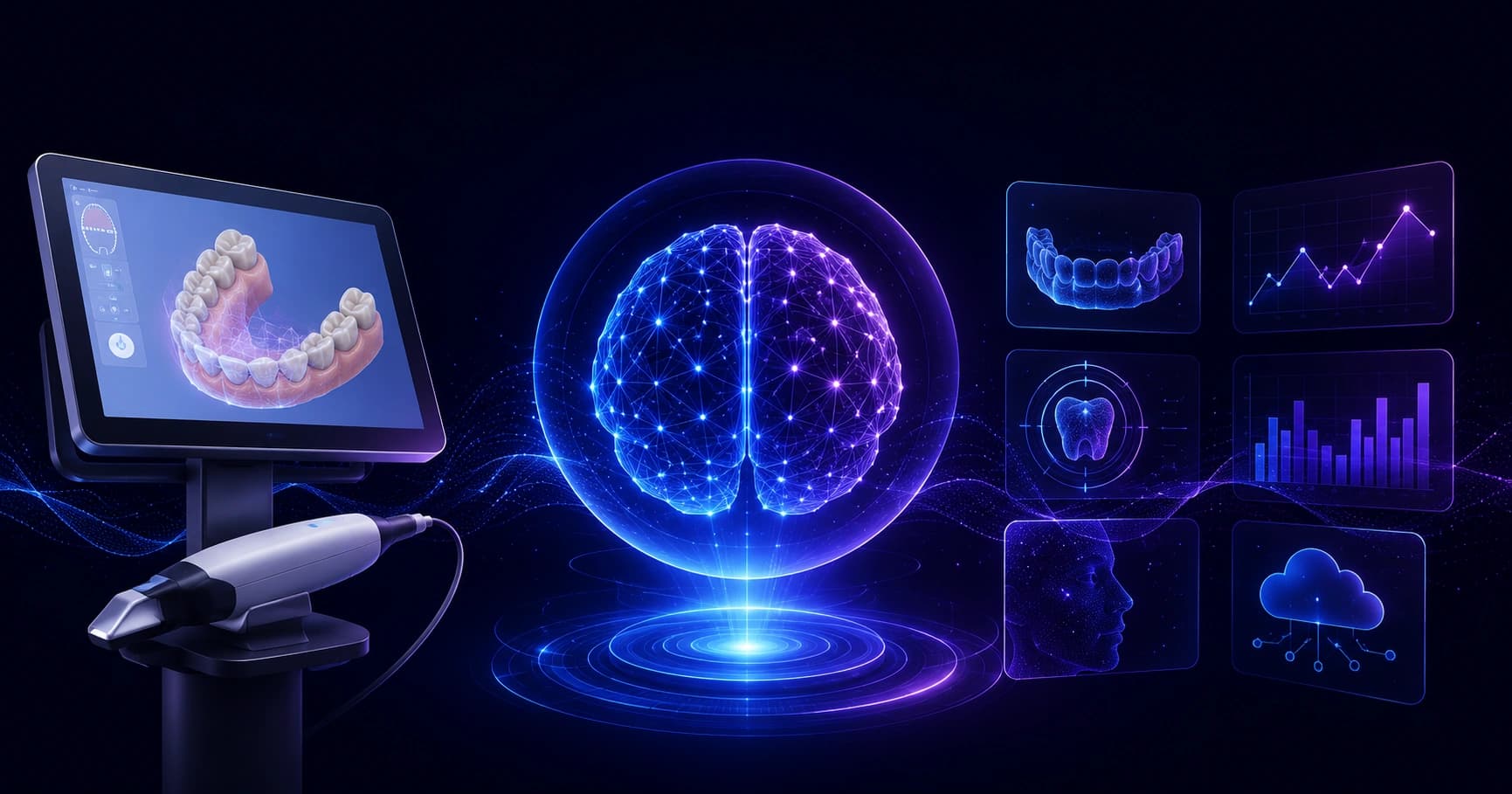
A detailed expert guide to iTero artificial intelligence features, from NIRI scanning to smile simulation, and how AI is reshaping modern digital dentistry.
iTero Artificial Intelligence Features
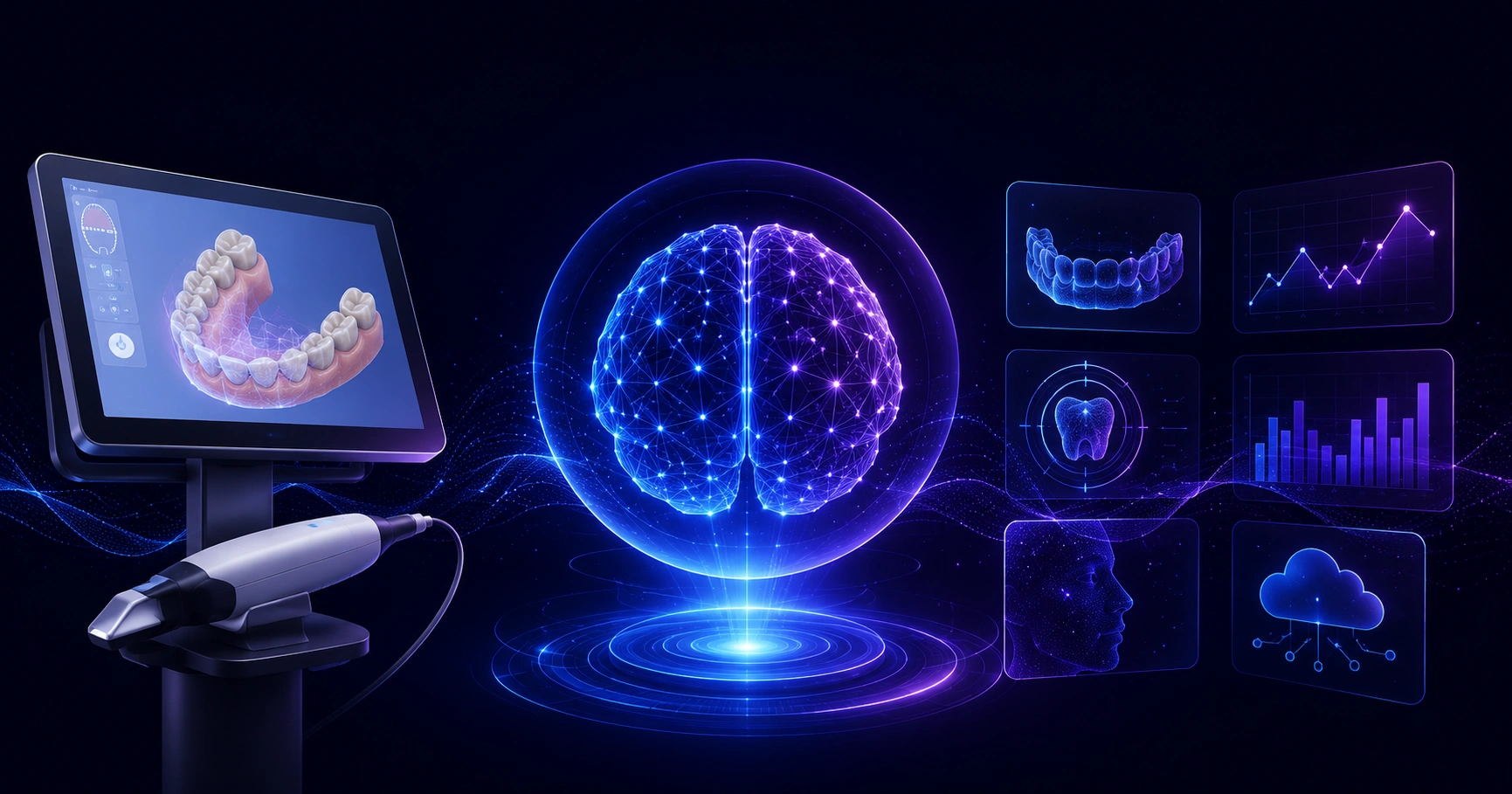
The iTero intraoral scanner has quietly become one of the most advanced examples of applied artificial intelligence in healthcare. While most people associate AI with chatbots and self-driving cars, dentistry has been running sophisticated machine learning models inside handheld scanning wands for years. The iTero artificial intelligence features turn a simple digital impression into a clinical decision-making engine that detects problems, predicts outcomes, and improves the patient experience.
After testing digital workflows across multiple dental technology platforms, I have seen firsthand how AI-driven scanning changes the conversation between clinician and patient. This guide breaks down exactly what iTero's AI does, why it matters, and how it compares to traditional methods, so you leave with a complete, practical understanding.
Quick Answer: iTero's artificial intelligence features use machine learning to capture highly accurate 3D dental scans, detect interproximal decay with NIRI imaging, simulate orthodontic outcomes, monitor tooth wear over time, and automate restorative workflows, helping dentists diagnose faster and show patients clear, data-driven treatment results.
What Is iTero and How Does AI Power It?
iTero is a family of digital intraoral scanners developed by Align Technology, the same company behind Invisalign. Instead of messy physical impressions, the scanner captures thousands of high-resolution images per second and uses artificial intelligence to stitch them into a precise 3D model of a patient's mouth.
Artificial intelligence in iTero refers to the machine learning algorithms that process scan data in real time, identify anatomical features, flag clinical concerns, and convert raw images into actionable insights. The AI does not replace the dentist; it amplifies their ability to diagnose and communicate.
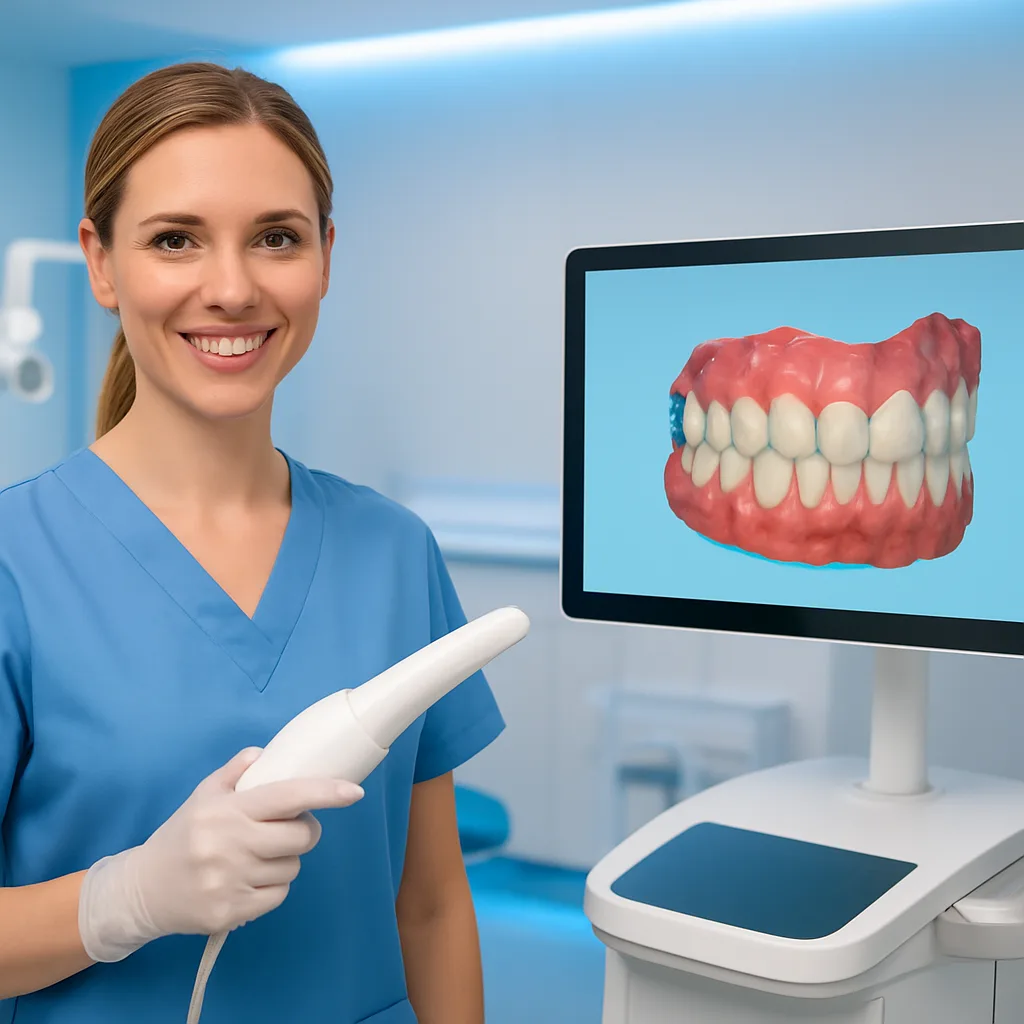
The core advantage is speed combined with accuracy. According to Align Technology, more than 100 million digital scans have been performed with iTero scanners, generating one of the largest dental datasets in the world. That data continually trains the underlying models, meaning the AI improves as adoption grows.
The Key iTero Artificial Intelligence Features
Understanding the individual AI features helps clarify why clinicians invest in this technology. Below are the standout capabilities that define the platform.
1. NIRI Caries Detection Technology
NIRI (Near-Infrared Imaging) is arguably the most clinically significant iTero AI feature. It uses near-infrared light to see through the enamel and detect interproximal caries, the cavities between teeth that are traditionally difficult to spot without X-rays.
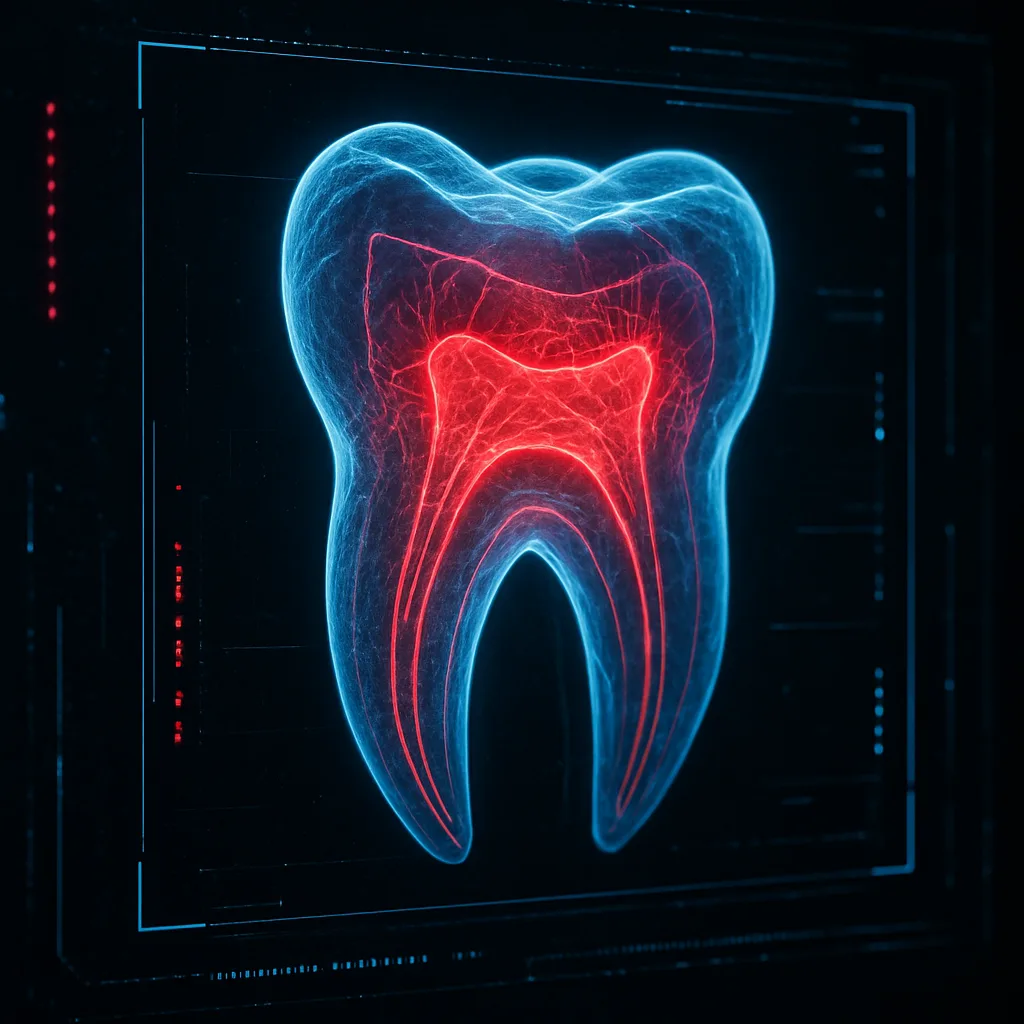
NIRI is radiation-free, which means dentists can screen for decay during a routine scan without exposing patients to additional X-rays. The AI highlights suspicious areas, giving clinicians a second set of eyes. For patients nervous about radiation, this is a meaningful reassurance and a strong example of responsible, people-first technology.
2. Invisalign Outcome Simulator
The Outcome Simulator is the feature patients remember most. Using AI, iTero analyzes a patient's current bite and generates a realistic visual preview of how their smile could look after Invisalign treatment, often in under a minute.
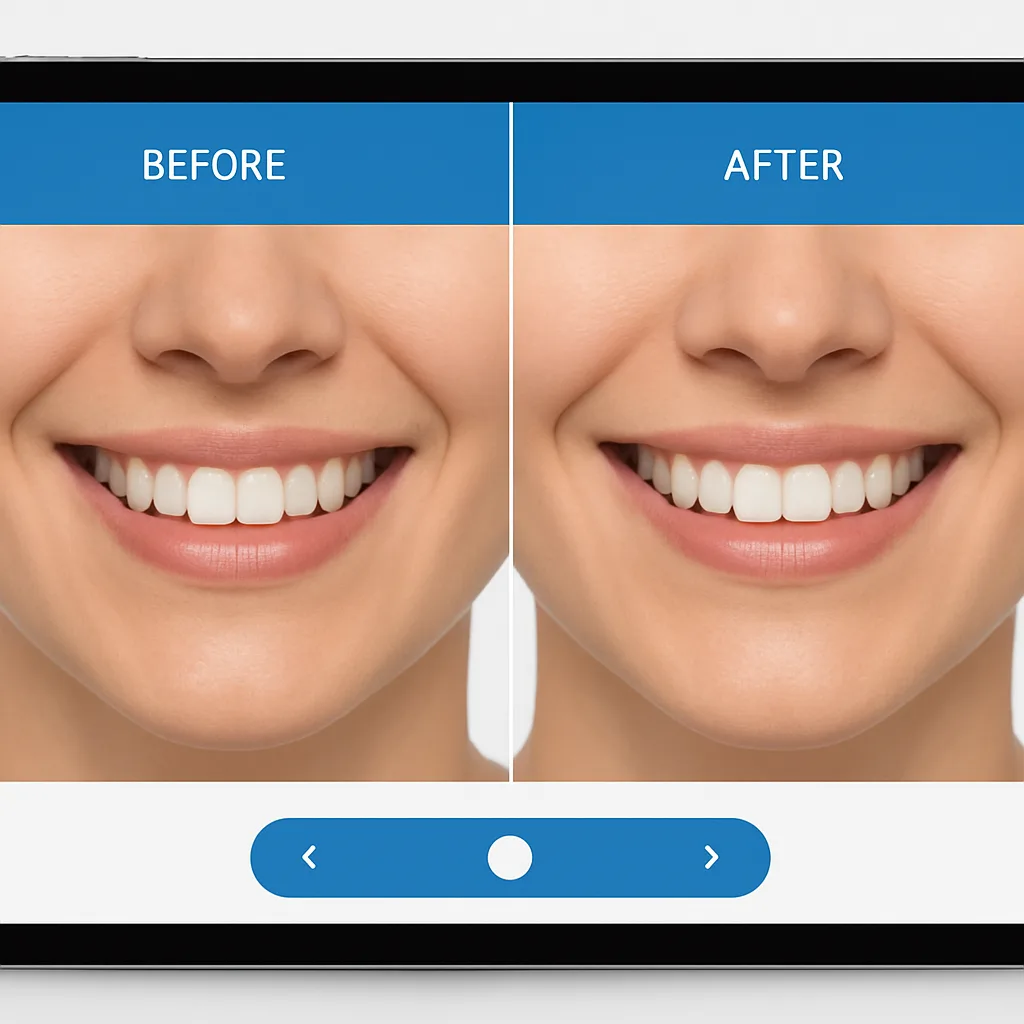
This matters because visualization drives decisions. When a patient sees their own potential smile rather than a generic before-and-after photo, treatment acceptance rises. The simulator demonstrates how AI bridges the gap between clinical capability and human motivation.
3. iTero TimeLapse Technology
TimeLapse compares a patient's current scan against previous scans to reveal changes over months or years. The AI automatically aligns the models and highlights tooth wear, gingival recession, and tooth movement.
This longitudinal tracking turns dentistry from reactive to preventive. Instead of waiting for a complaint, clinicians can show measurable evidence of grinding or recession early, supported by visual proof that builds patient trust.
4. Real-Time 3D Model Generation
The scanner builds a color 3D model on screen as the clinician scans. AI fills gaps, corrects distortion, and flags areas that need rescanning, reducing retakes and chair time.
How iTero AI Compares to Traditional Methods
To appreciate the value of these features, it helps to compare AI-driven scanning against conventional approaches directly.
| Feature | Traditional Impressions | iTero AI Scanning |
|---|---|---|
| Accuracy | Prone to distortion | High-precision 3D model |
| Caries detection | X-rays required | NIRI radiation-free imaging |
| Patient comfort | Messy putty trays | Non-invasive wand |
| Outcome preview | Not available | AI smile simulation |
| Progress tracking | Manual comparison | Automated TimeLapse |
| Turnaround time | Days for lab work | Minutes for digital files |
The comparison makes the gap obvious. Traditional impressions still work, but they cannot deliver predictive insight or instant visualization. AI shifts dentistry toward a faster, more transparent, and more preventive model of care.
Why iTero AI Matters for Modern Dental Practices
The business case for these features is as strong as the clinical one. A digital, AI-powered workflow reduces remakes, shortens appointments, and improves communication, all of which affect practice profitability and patient retention.
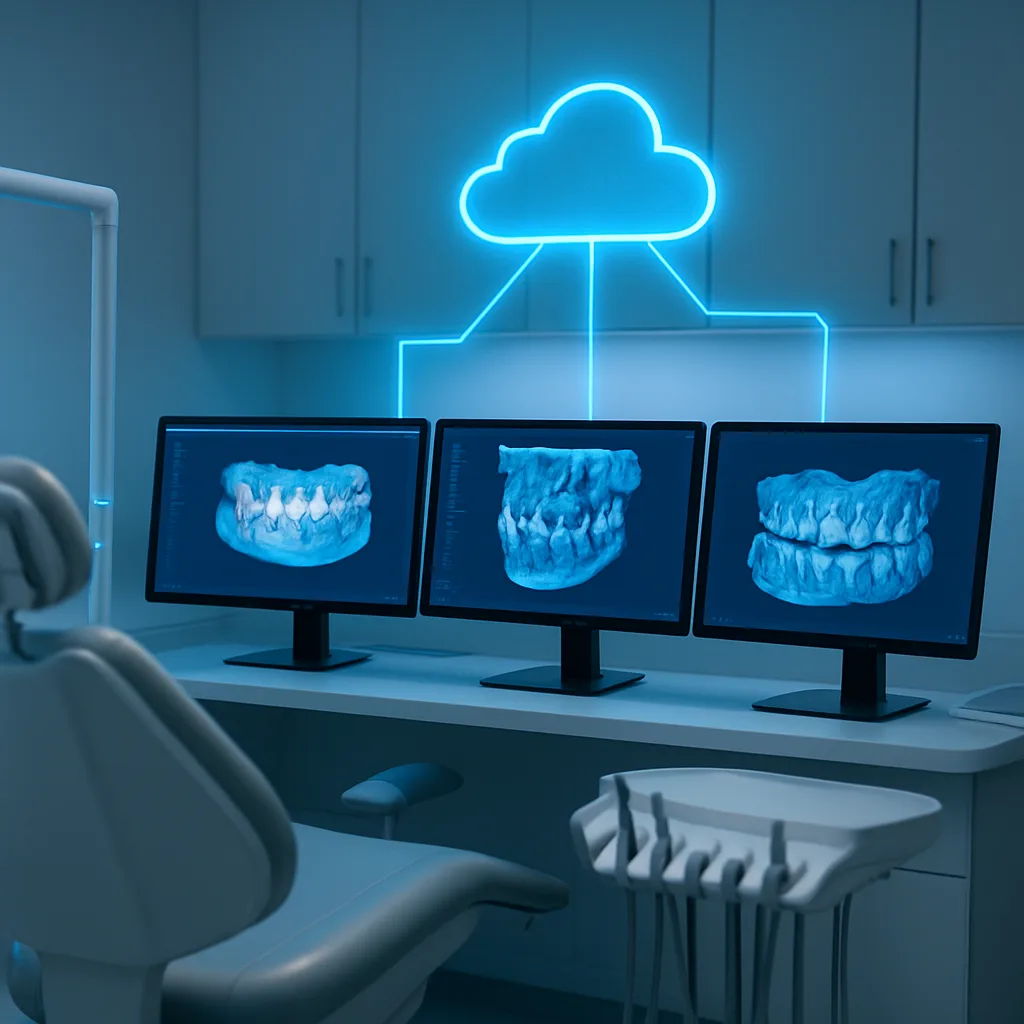
From an operational standpoint, scans integrate directly with labs and Invisalign systems, eliminating shipping delays and physical storage. According to industry research from Grand View Research, the global intraoral scanner market is projected to grow at a double-digit annual rate through the decade, driven largely by demand for AI-enhanced diagnostics. Practices that adopt early position themselves ahead of patient expectations.
The same principle applies broadly across industries: organizations that integrate intelligent automation gain measurable efficiency. If you are exploring how machine learning can transform your own operations, teams like ZoneTechify's artificial intelligence services help businesses design and deploy practical AI solutions beyond the dental chair.
The Patient Experience Advantage
Artificial intelligence is only valuable when it improves real human outcomes. iTero's features consistently lower patient anxiety because the technology is visual, fast, and non-invasive.
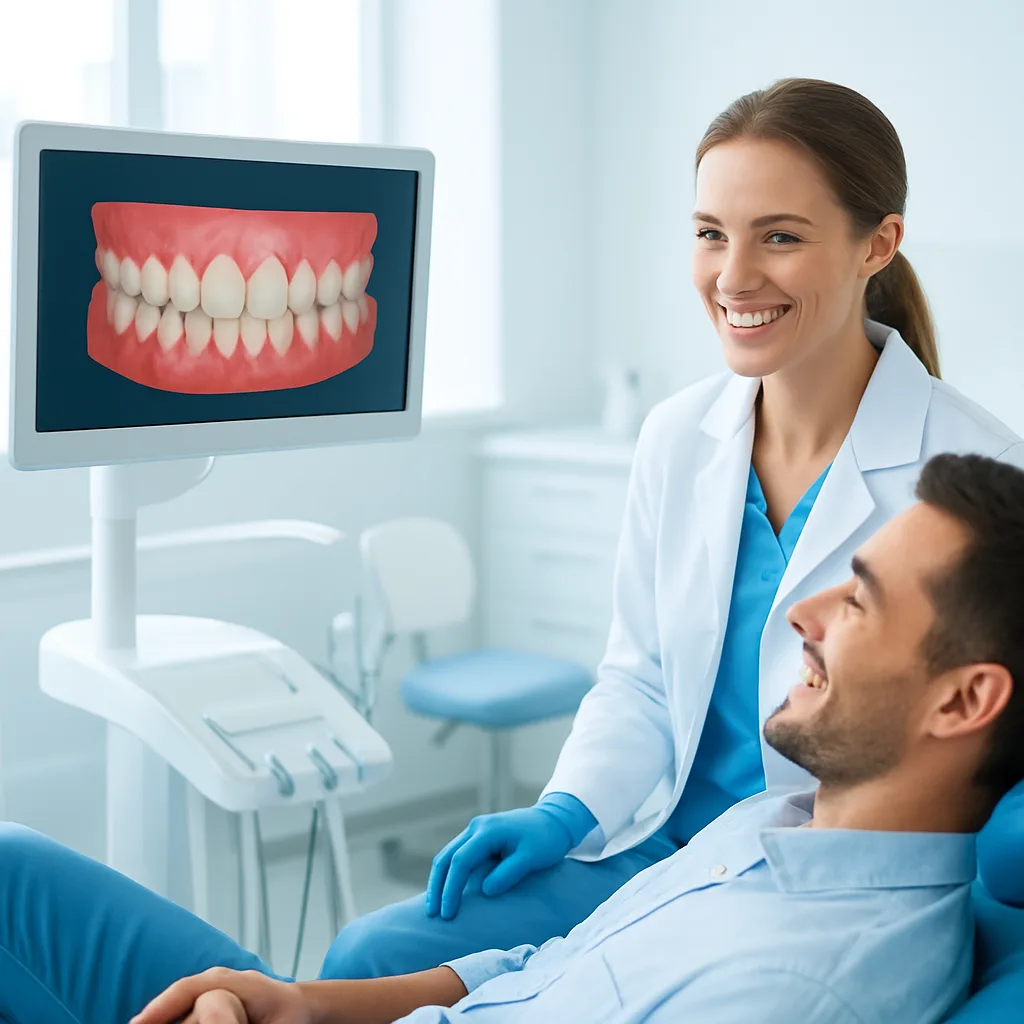
When patients can see decay highlighted on a screen or preview their future smile, abstract clinical advice becomes concrete and understandable. This transparency builds trust, and trust drives treatment acceptance. In my experience evaluating digital tools, the platforms that win are the ones that make complex data feel simple, and iTero excels at exactly that.
Limitations and Honest Considerations
No technology is perfect, and credibility requires acknowledging the trade-offs. iTero scanners represent a significant capital investment, and smaller practices must weigh cost against patient volume. NIRI assists detection but does not fully replace radiographs for all diagnostic needs. AI suggestions still require clinical interpretation; the dentist remains the final decision-maker.
These limitations do not diminish the value; they define responsible use. The strongest practitioners treat AI as a decision-support tool, not an autopilot.
The Future of AI in Dentistry
The trajectory is clear: dental AI is moving from detection to prediction. Future iterations are expected to expand automated diagnosis, integrate with practice management systems, and use larger datasets to predict treatment outcomes with greater confidence.
As scanning data grows, models will get sharper at flagging early-stage issues humans might miss. The broader lesson is that AI adoption rewards consistency and data quality, principles covered in depth by digital innovation specialists at WebPeak. The practices investing in digital workflows today are building the data foundation that powers tomorrow's predictive care.
Key Takeaways
- iTero artificial intelligence features include NIRI caries detection, the Invisalign Outcome Simulator, TimeLapse tracking, and real-time 3D modeling.
- NIRI detects interproximal cavities without radiation, offering a safer screening option.
- Over 100 million scans have been performed on iTero devices, continually training its AI models.
- The Outcome Simulator increases treatment acceptance by letting patients visualize results instantly.
- AI supports clinicians; it does not replace professional clinical judgment.
- The intraoral scanner market is forecast to grow at double-digit rates, signaling rising AI adoption in dentistry.
Frequently Asked Questions (FAQ)
What are the main iTero artificial intelligence features?
The main iTero AI features are NIRI caries detection for radiation-free cavity screening, the Invisalign Outcome Simulator for previewing smiles, TimeLapse technology for tracking dental changes over time, and real-time 3D model generation that guides clinicians during scanning for greater accuracy and fewer retakes.
Does iTero use AI to detect cavities?
Yes. iTero uses NIRI (Near-Infrared Imaging) artificial intelligence to detect interproximal cavities between teeth without radiation. The AI highlights suspicious areas in real time, giving dentists a second diagnostic perspective. It complements traditional X-rays rather than fully replacing them for comprehensive examinations.
Is the iTero scanner safe for patients?
Yes, the iTero scanner is considered safe. It captures images using visible and near-infrared light, not ionizing radiation, making NIRI cavity screening radiation-free. The scanning wand is non-invasive and far more comfortable than traditional putty impressions, which reduces patient anxiety and improves the overall experience.
How accurate is iTero AI scanning?
iTero AI scanning is highly accurate, capturing thousands of images per second and using machine learning to build a precise 3D model. The AI corrects distortion and flags gaps for rescanning, reducing errors common with physical impressions and producing reliable digital files for restorations and Invisalign treatment.
Can iTero predict Invisalign results?
Yes. The iTero Outcome Simulator uses artificial intelligence to analyze a patient's current bite and generate a realistic preview of their potential smile after Invisalign treatment, often within a minute. This visualization helps patients understand expected results and significantly improves treatment acceptance rates.
Final Thoughts
The iTero artificial intelligence features represent one of the clearest, most practical applications of machine learning in everyday healthcare. By combining radiation-free detection, predictive visualization, and longitudinal tracking, iTero turns a routine scan into a powerful diagnostic and communication tool. For practices and patients alike, the value is not just faster workflows but smarter, more transparent care, and that is exactly what responsible AI should deliver.