Learn how to develop an app like Netflix, from streaming architecture and DRM to recommendation engines, tech stack choices, costs and launch timelines.
How to Develop an App Like Netflix
Every founder who pitches a streaming platform underestimates the same thing: Netflix is not a video player, it is a content distribution system with a video player attached. The interface takes weeks. The delivery pipeline, rights management, and personalization layer take quarters. This guide breaks down how to develop an app like Netflix in the order the work actually has to happen, with realistic budgets, architecture decisions, and the technical traps that sink most first attempts.
Quick Answer: To develop an app like Netflix, secure content rights, then build a video pipeline with transcoding, adaptive bitrate streaming, CDN delivery, and DRM. Layer on authentication, profiles, subscriptions, and recommendations. A credible MVP takes four to seven months and roughly USD 60,000 to USD 180,000.
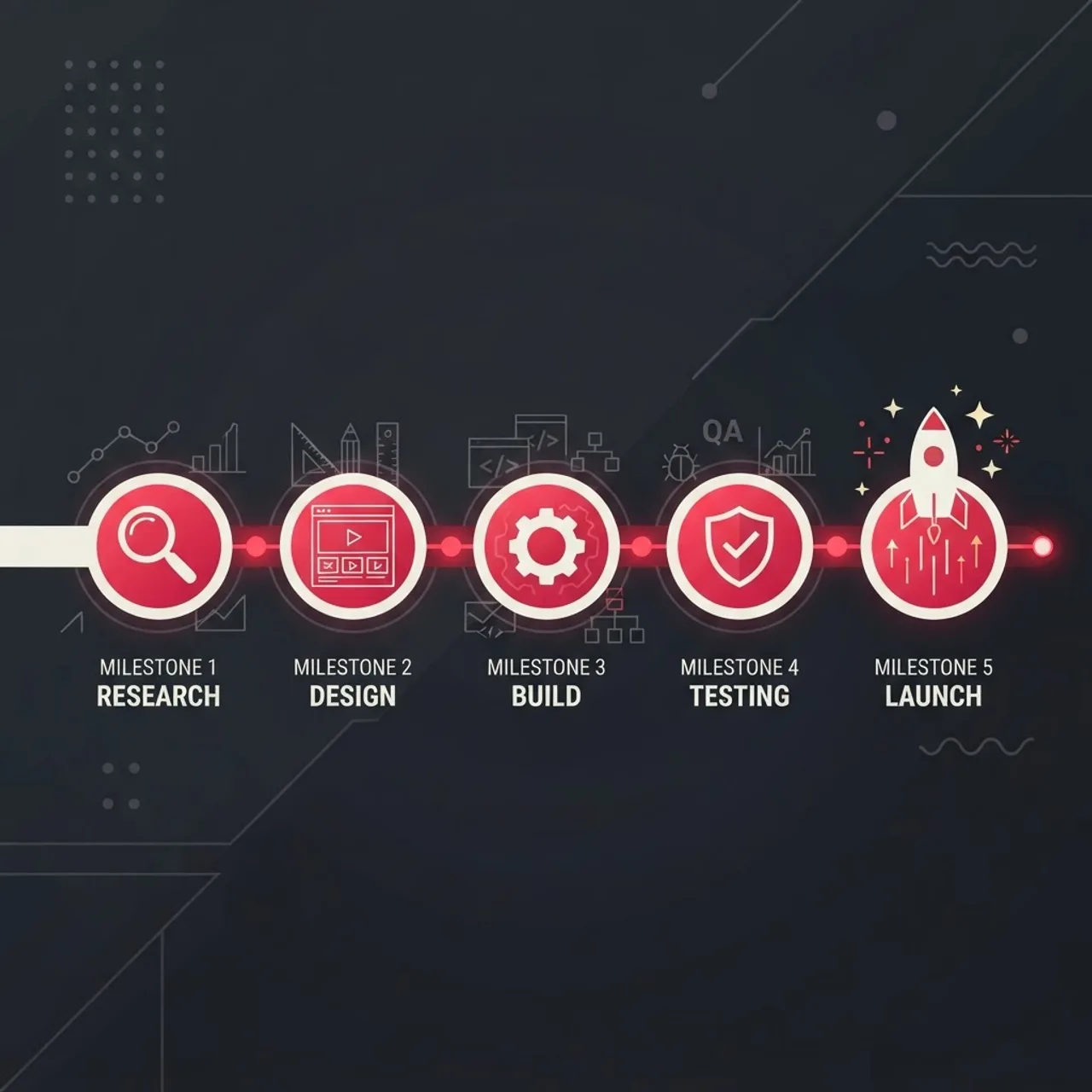
What Makes a Netflix Style App Genuinely Difficult
The hard part is streaming economics at scale, not the UI. Netflix reported 301.6 million paid memberships at the end of 2024, and Sandvine's Global Internet Phenomena data has repeatedly placed Netflix among the top consumers of downstream internet traffic worldwide, at roughly 15 percent. Serving that volume requires caching video at the network edge, not from one origin server.
The second difficulty is tolerance for delay. Research by Krishnan and Sitaraman using Akamai data found viewers begin abandoning a video after about two seconds of startup delay, and each additional second of delay increases abandonment by roughly six percent. That single finding should shape your entire architecture: every decision you make must reduce time to first frame.
Key definitions:
- Transcoding: converting one uploaded master file into multiple resolutions and bitrates.
- Adaptive bitrate streaming (ABR): switching quality mid playback based on the viewer's live bandwidth.
- DRM: encryption plus license control that stops copying and unauthorized playback.
Step 1: Narrow the Content Niche Before Writing Code
Do not compete with Netflix on breadth. Competing on catalogue size is a licensing war you cannot fund. Profitable streaming products since 2019 have almost all been vertical: regional cinema, fitness, anime, faith content, motorsport, kids education, or training libraries for a single industry.
A narrow niche cuts three costs at once. Licensing negotiations get simpler because rights holders are smaller. Your recommendation engine needs less data to be useful because the catalogue is coherent. Marketing gets cheaper because the audience is identifiable. Before development starts, lock down at least fifty hours of licensed or owned content, otherwise you launch an empty product.
Step 2: Scope the Feature Set in Three Phases
Split features by phase so the MVP stays shippable.
Phase 1, the MVP:
- Email and social sign in with secure session handling
- Multiple viewer profiles per account
- Catalogue browsing, search, and genre rows
- Video player with ABR, resume playback, and subtitles
- Subscription billing and access control
- An admin panel for uploading and tagging content
Phase 2: watchlists, downloads for offline viewing, TV apps, continue watching across devices, and basic recommendations.
Phase 3: live events, multi language audio tracks, advanced analytics, ad insertion, and machine learning personalization.
Building Phase 3 features before Phase 1 is the single most common reason streaming startups miss launch windows. Teams that scope in phases behave the same way strong product teams do in B2B web application development, where releasing a narrow but complete workflow beats shipping half of everything.
Step 3: Design the Streaming Architecture
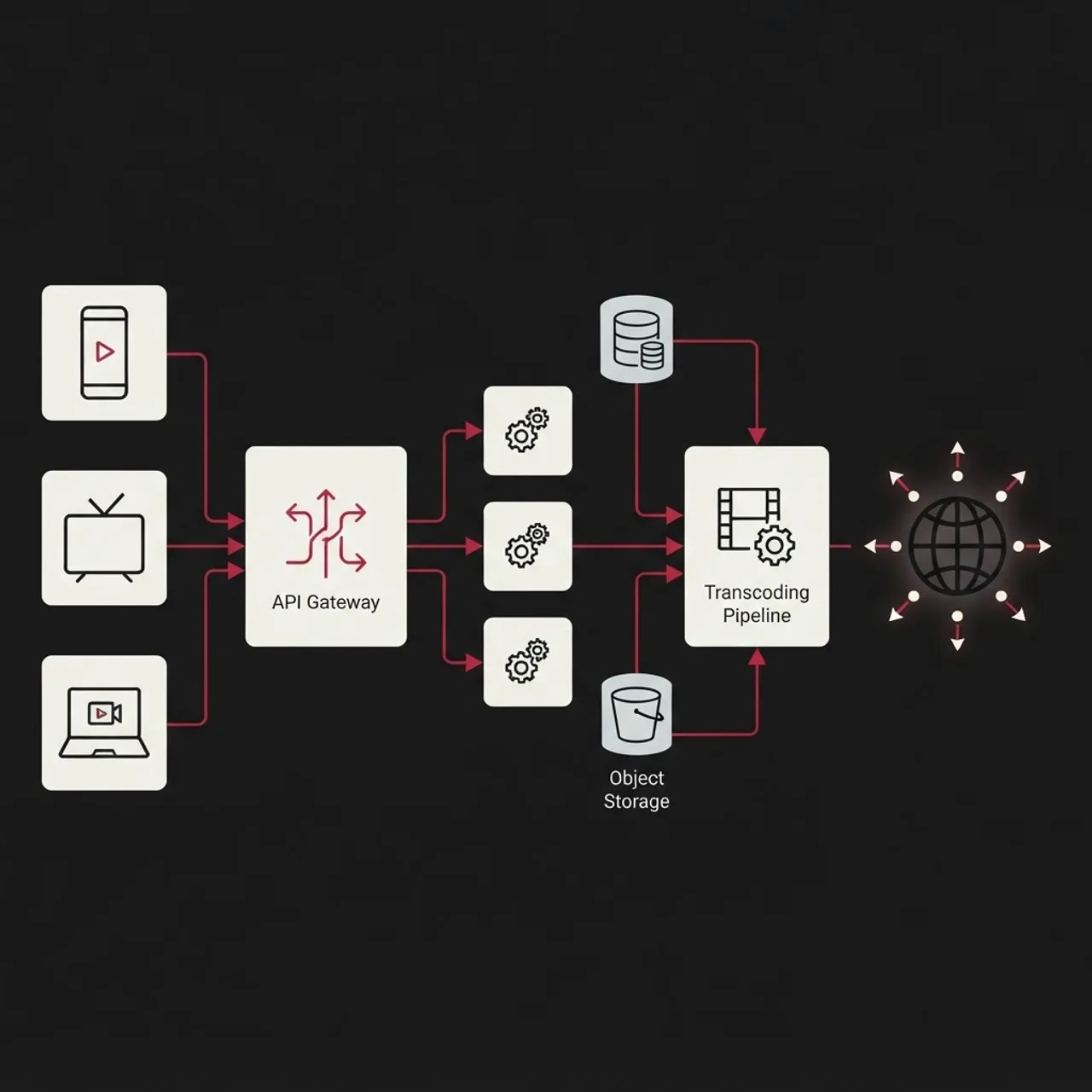
Your video pipeline should run in five stages, and each stage should be independently replaceable.
- Ingest: publishers upload master files to object storage such as S3 or R2.
- Transcode: a job queue produces an encoding ladder, typically 240p to 4K in H.264 and AV1.
- Package: output is segmented into HLS and DASH manifests with two to six second chunks.
- Deliver: a CDN caches segments at edge locations close to viewers.
- Play: the client player reads the manifest and requests the best chunk for current bandwidth.
Keep metadata and streaming separate. Your API serves catalogue data, entitlements, and watch history. It never proxies video bytes. Video is fetched by the player directly from signed CDN URLs. Mixing the two makes your API the bottleneck the moment traffic spikes.
At the edge you also need traffic controls. A single viral title can multiply request volume within minutes, which is why understanding a web application firewall and load balancer setup matters before launch rather than after your first outage.
Step 4: Choose a Tech Stack You Can Staff
Pick tools your team can hire for, not the most fashionable option.
| Layer | Recommended Choice | Why It Works | Common Mistake |
|---|---|---|---|
| Web client | Next.js with React | SSR improves catalogue SEO and time to first frame | Client only SPA that search engines cannot index |
| Mobile | React Native or Kotlin plus Swift | Shared code, native players when needed | Building three separate codebases too early |
| TV apps | Android TV, tvOS, Roku SDK | Reaches the highest watch time devices | Ignoring remote control navigation |
| Backend | Node.js or Go microservices | Handles high concurrency cheaply | One monolith that scales as a single unit |
| Database | PostgreSQL plus Redis | Relational metadata, cached sessions | Storing watch events in the primary database |
| Transcoding | AWS MediaConvert or FFmpeg workers | Predictable encoding ladders | Transcoding on the API server |
| Delivery | CloudFront, Fastly, or Cloudflare | Edge caching cuts latency and egress cost | Serving video from origin storage |
| Player | Shaka Player, ExoPlayer, AVPlayer | Native ABR and DRM support | Hand rolling a player from scratch |
If you need help mapping this stack onto a fixed budget, teams like scalable web solutions specialists at ZoneTechify usually start by auditing which layers can be bought instead of built.
Step 5: Get Adaptive Bitrate Streaming Right
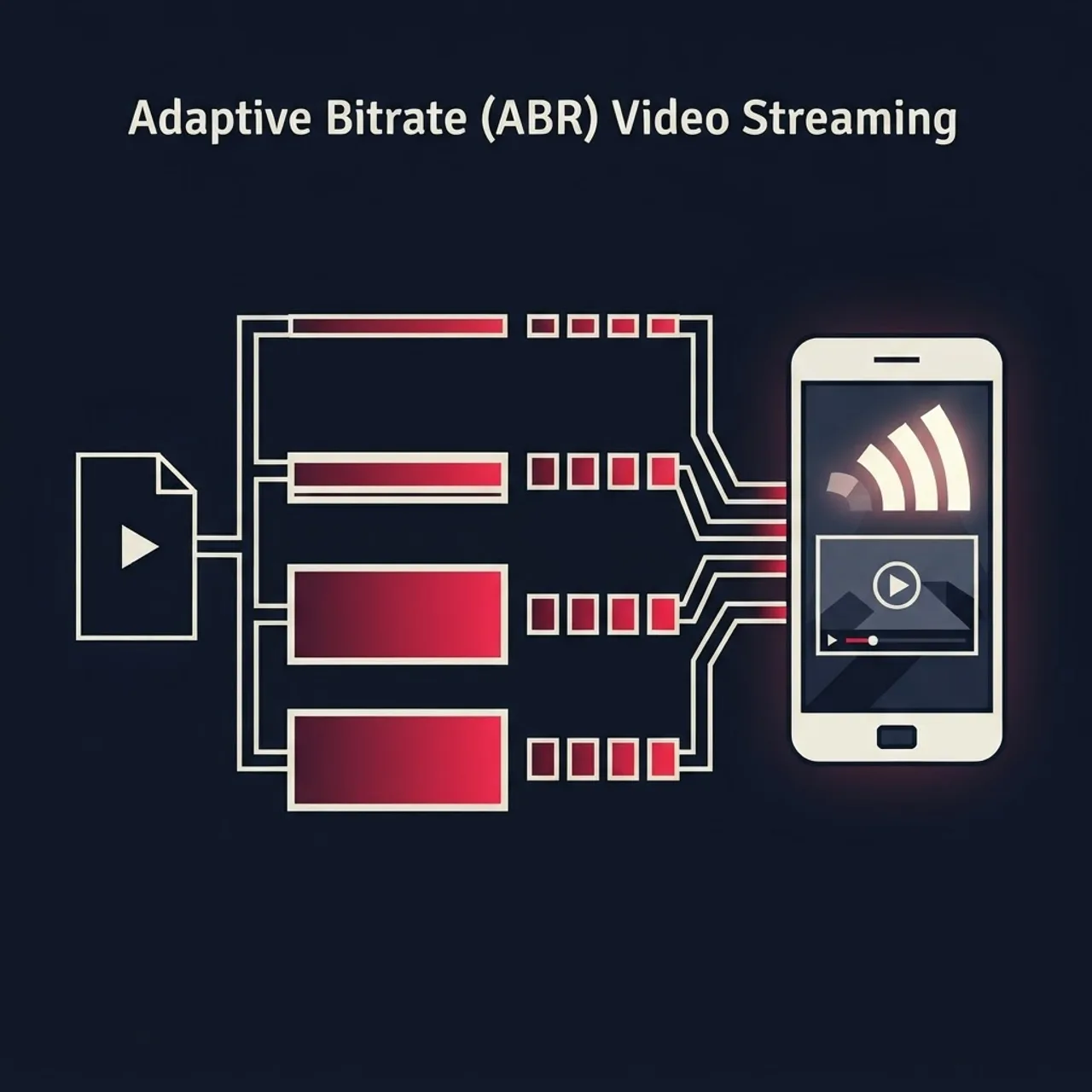
ABR quality is what viewers actually perceive as product quality. Three rules make it work.
First, keep your ladder wide. Include a 240p or 360p rung even for premium catalogues, because mobile viewers on congested networks will otherwise stall instead of downgrading.
Second, use short segments. Two to four second chunks let the player react to bandwidth drops quickly, at the cost of slightly more request overhead.
Third, always start low and climb. Requesting 1080p as the first chunk is the fastest way to add three seconds of startup delay. Start at a mid or low rung, then step up once the buffer is healthy.
Instrument playback from day one. Track startup time, rebuffer ratio, average bitrate, and exit before first frame. Without these four metrics you are guessing about the only experience that matters.
Step 6: Protect Content With DRM and Signed Delivery
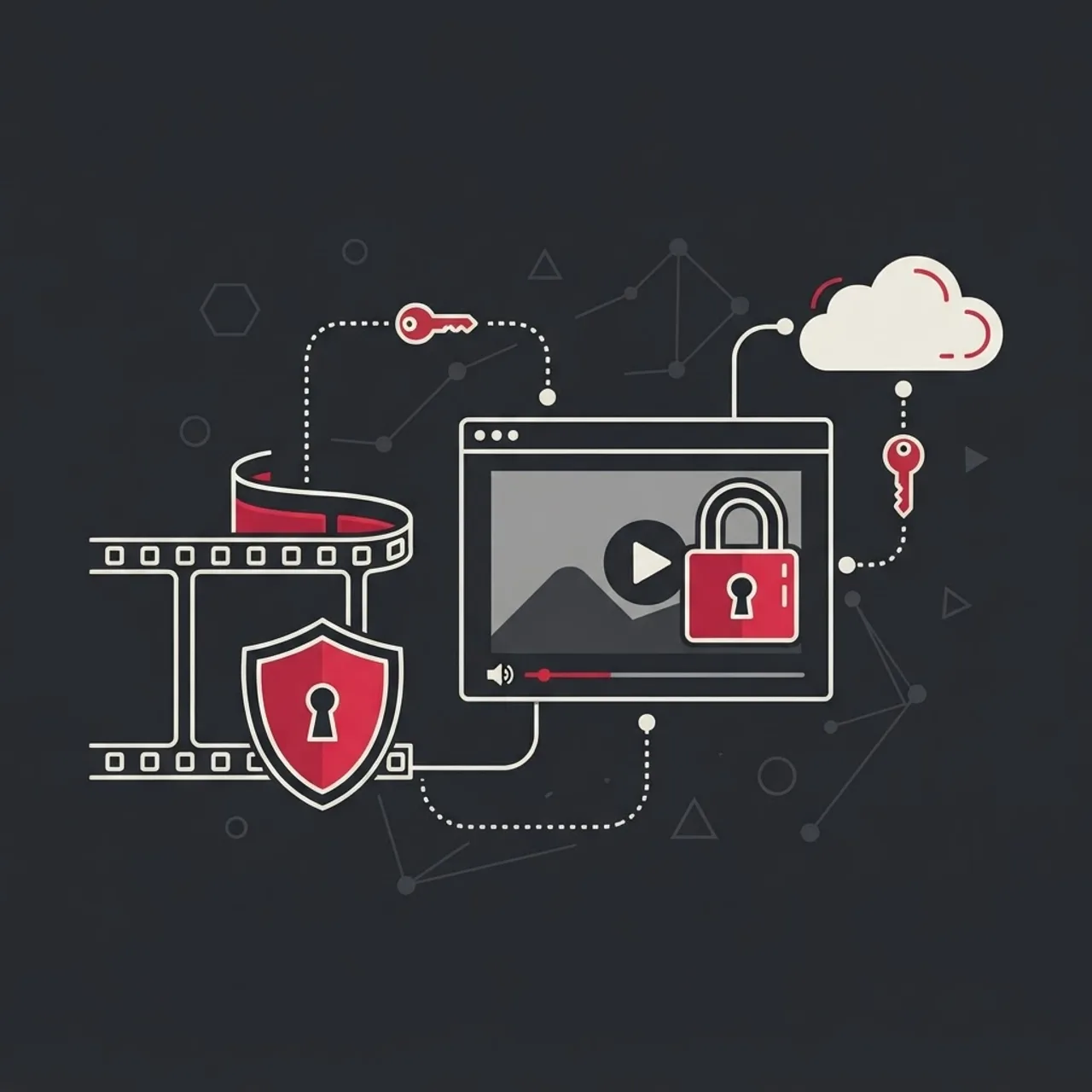
Rights holders will not license premium content without DRM, so plan for it during architecture rather than after. Practical protection has four layers:
- Multi DRM: Widevine for Android and Chrome, FairPlay for Apple, PlayReady for Windows and some smart TVs.
- Signed, expiring URLs: every segment request carries a short lived token tied to the session.
- Concurrent stream limits: enforced server side against the entitlement record, never in the client.
- Forensic watermarking: used for pre release or high value content to trace leaks.
Also enforce geo restrictions at the CDN edge, because territorial licensing is contractual. Anyone weighing distribution models should read the differences outlined in desktop application vs web application, since native clients allow stronger hardware backed DRM than browsers do.
Step 7: Build Personalization That Earns Its Keep
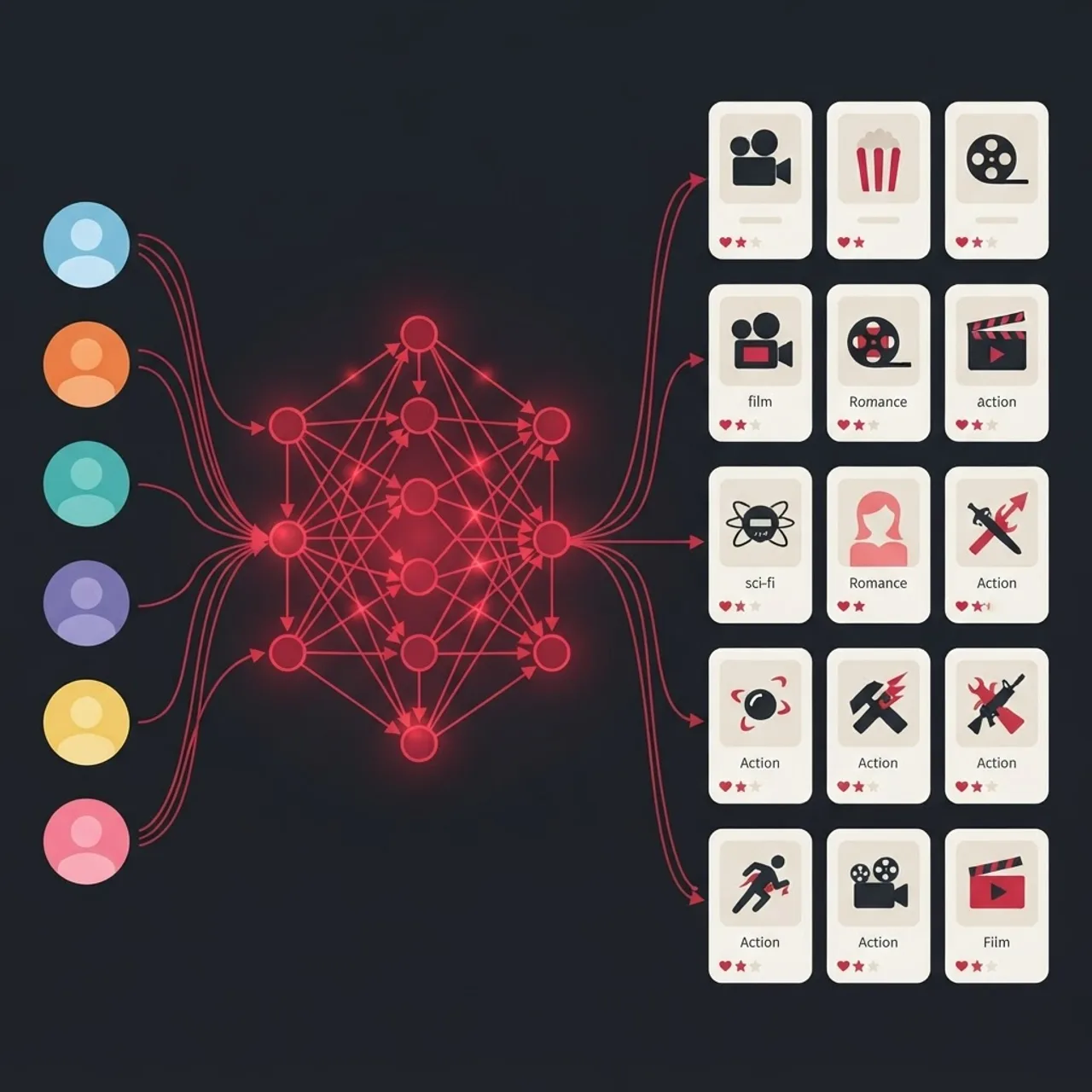
Recommendations drive retention, but you do not need deep learning on day one. Ship personalization in three stages.
Stage one is rule based: trending in your region, recently added, and continue watching. This works with zero training data and covers most of the perceived value.
Stage two is collaborative filtering on implicit signals, meaning completion rate, rewatches, and abandonment points rather than star ratings. Completion rate is the strongest predictor of satisfaction in on demand catalogues.
Stage three is ranked rows, where the ordering of rows is also personalized, not just the titles inside them.
Capture events in an append only event store rather than updating user rows, so you can retrain models later on real history. Regulated verticals raise the stakes further, as anyone doing healthcare web application development already knows from consent and audit requirements.
Step 8: Pick a Monetization Model
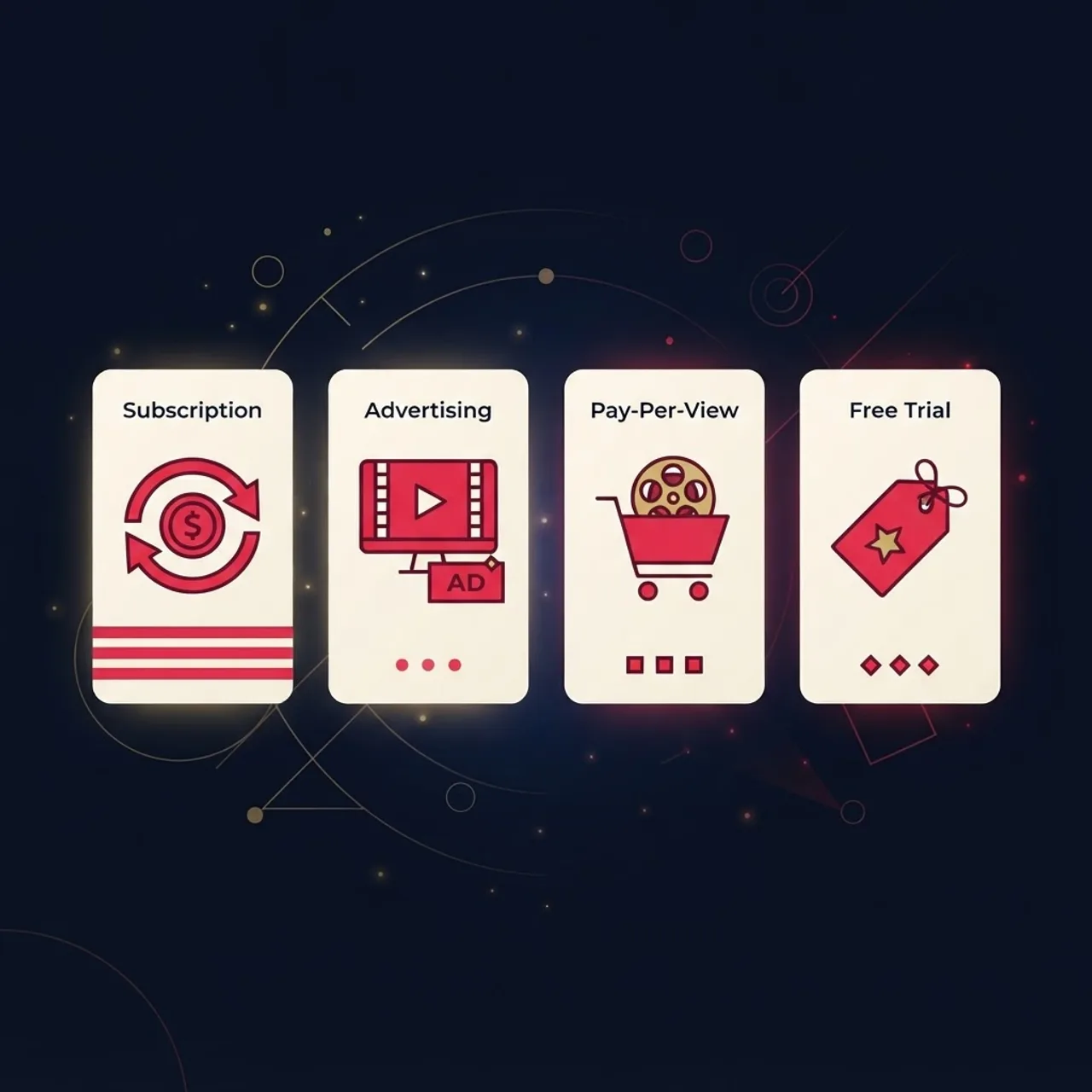
Four models dominate, and hybrids are now the norm.
| Model | Best For | Revenue Predictability | Main Risk |
|---|---|---|---|
| Subscription (SVOD) | Deep, refreshed catalogues | High | Churn if new content stalls |
| Ad supported (AVOD) | Broad, casual audiences | Medium | Needs large volume to pay off |
| Transactional (TVOD) | New releases, live events | Low | No recurring revenue |
| Hybrid tiers | Mixed audiences | High | More billing complexity |
Whichever you choose, treat entitlement as a server side source of truth and validate every purchase receipt with the store or payment provider. Never let the client decide what a user has paid for.
How Much Does It Cost to Develop an App Like Netflix?
Costs split into build and run. A realistic MVP with web, one mobile platform, ABR playback, DRM, and subscriptions lands between USD 60,000 and USD 180,000 depending on region and team seniority. Adding TV apps, downloads, and machine learning recommendations typically doubles that.
Running costs are usually underestimated. Budget for CDN egress, which is the largest recurring line item, transcoding compute per hour of source video, DRM license fees charged per request or per month, storage of every ladder rung, and payment processing. A useful planning figure is CDN egress at roughly one to three US cents per gigabyte at negotiated rates, so one hour of 1080p viewing at 5 Mbps costs a few cents per viewer.
Hiring shapes the budget as much as the stack does, and the market rates covered in senior software engineer jobs explain why small senior teams often beat larger junior ones on streaming projects. Agencies such as WebPeak Digital tend to price streaming builds by pipeline complexity rather than screen count, which is the more honest measure.
Mistakes That Kill Streaming Products
- Launching with too little content, so retention collapses in week two
- Serving video from origin storage instead of a CDN, which destroys margins
- Skipping DRM and losing licensing deals during diligence
- Ignoring TV platforms, where watch time is highest
- No playback analytics, leaving quality problems invisible
- Over customizing early instead of using proven components, a trap explored in customized application software
Key Takeaways
- Netflix reported 301.6 million paid memberships at the end of 2024, so compete on niche, not catalogue size.
- Viewers start abandoning video after roughly two seconds of startup delay, and each extra second adds about six percent abandonment.
- The five stage pipeline is ingest, transcode, package, deliver, play, and each stage should scale independently.
- Multi DRM with Widevine, FairPlay, and PlayReady is a licensing prerequisite, not an optional feature.
- A credible MVP costs USD 60,000 to USD 180,000 and takes four to seven months.
- CDN egress, not development, becomes the dominant cost once you have real viewers.
Frequently Asked Questions (FAQ)
How long does it take to build an app like Netflix?
A focused MVP with web and one mobile platform, adaptive streaming, DRM, and subscriptions typically takes four to seven months with a senior team of five to seven people. Adding TV apps, offline downloads, and machine learning recommendations usually extends the timeline to ten or twelve months.
Can I build a Netflix style app without licensing content?
Yes, if you own or commission the content yourself. Original productions, creator partnerships, revenue share deals, and public domain catalogues all avoid licensing fees. What you cannot legally do is host copyrighted titles without rights, which exposes you to takedowns, payment processor termination, and litigation.
Which programming language is best for a video streaming app?
There is no single answer, because streaming apps are multi layered. Node.js or Go handle the concurrent API layer well, FFmpeg based workers handle transcoding, Next.js and React serve the web client, and Kotlin with Swift covers native mobile playback and hardware backed DRM.
Do I need DRM for a small streaming platform?
If you license third party content, yes, because rights holders require it contractually. If you own everything, signed expiring URLs and encrypted HLS may be enough at first. Adding multi DRM later is expensive to retrofit, so design the packaging layer to support it from the start.
What is the biggest ongoing cost of running a streaming app?
CDN egress bandwidth is almost always the largest recurring expense, followed by transcoding compute and storage for every quality rung. One hour of 1080p viewing at 5 Mbps moves roughly 2.25 GB, so bandwidth pricing has a direct and measurable impact on your unit economics.
Final Thoughts
Developing an app like Netflix is an infrastructure project wearing a media product costume. Get the pipeline, DRM, and playback analytics right and a modest catalogue can retain a loyal audience. Get them wrong and no amount of interface polish rescues the experience. Start narrow, measure startup time obsessively, and expand only once your delivery costs per viewer are proven.