Learn how to develop an app and make money with a proven step by step plan covering validation, monetization models, pricing, launch, and revenue metrics.
How to Develop an App and Make Money
Most apps do not fail because the code was bad. They fail because nobody decided how the app would earn money until after launch day. Writing software has become the cheap part of the process. Turning that software into predictable income is the hard part, and it is a completely different discipline. This guide walks through the exact sequence experienced product teams follow: validating demand, choosing a revenue model before design starts, shipping a lean version that can accept payment immediately, and tracking the four numbers that decide whether your app is a business or an expensive hobby.
Quick Answer: To develop an app and make money, validate demand with real users first, choose a monetization model before you build, ship a lean MVP that can accept payments on day one, then grow revenue through app store optimization, retention, and pricing tests. Profit comes from repeat paying users, never from installs alone.
What Making Money From an App Actually Means
Revenue and profit are not the same thing, and confusing them is the fastest way to build an app that grows while quietly losing money. Revenue is the gross amount users pay you. Profit is what survives after platform commission, cloud hosting, payment processing, customer support, and paid acquisition. Apple and Google each take 30 percent of in-app revenue, reduced to 15 percent for developers earning under 1 million dollars per year through their small business programs. Statista reports that global consumer spending across mobile app stores now exceeds 150 billion dollars a year, yet Business of Apps data shows only about 5 percent of app users ever pay for anything inside an app. That gap is the whole challenge: attention is abundant, willingness to pay is scarce.
Four Terms You Must Understand Before Planning Revenue
- ARPU (average revenue per user): total revenue divided by active users in a given month.
- LTV (lifetime value): the total profit one user generates before they leave.
- CAC (customer acquisition cost): all marketing spend divided by the number of new paying users it produced.
- Churn: the percentage of paying users who cancel each month.
A healthy app economy needs LTV of at least three times CAC. If a subscriber pays 8 dollars a month, stays seven months, and costs 40 dollars to acquire, you have a real business. If that same subscriber leaves after two months, every install makes your finances worse, no matter how good the reviews look.
Step 1: Validate Demand Before You Write Any Code
Validation means proving strangers will pay, not proving friends like your idea. Run these four checks in order, and stop the project if any of them fails badly.
- Interview 15 people who have the problem. Ask what they do today and what that workaround costs them in time or money. If they have no workaround, the pain is probably not real.
- Mine competitor reviews. Two star and three star reviews on existing apps are the most honest product specification you will ever get, because they describe features users wanted enough to complain about.
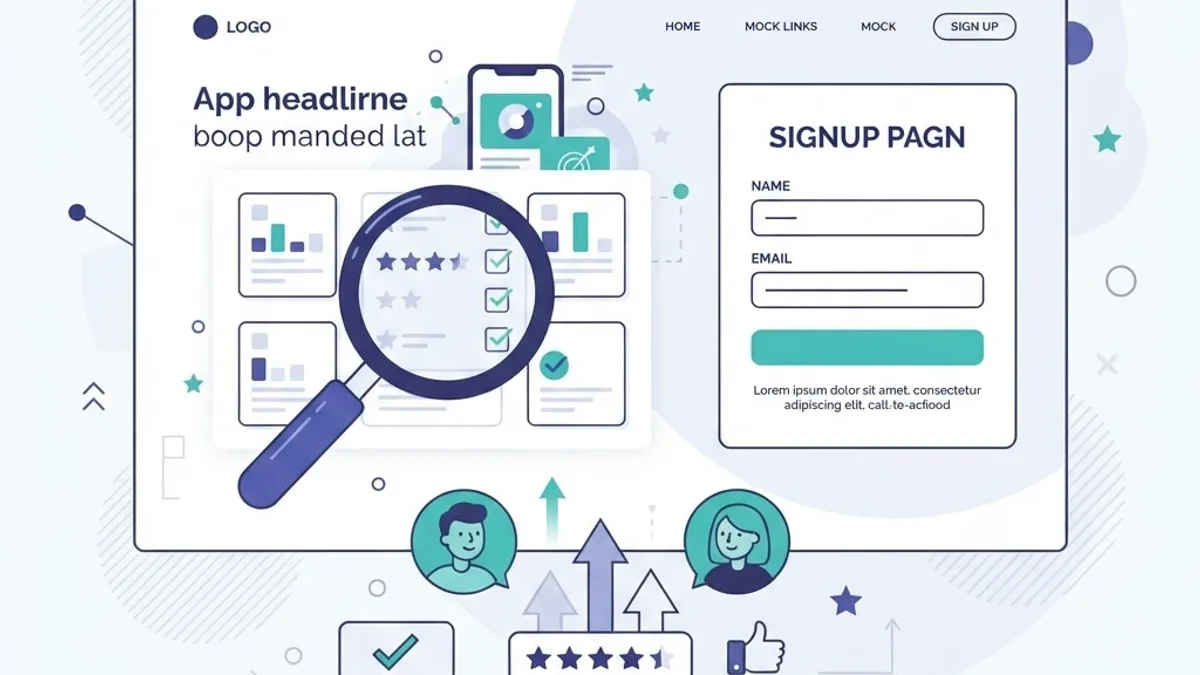
- Publish a one page site with a waitlist. Describe the outcome, not the technology. Send 100 dollars of traffic to it. A signup rate above 10 percent is a strong signal, under 3 percent means the promise is not compelling.
- Ask for money early. Offer a founding member price or a refundable deposit. One prepayment is worth a hundred compliments.
Step 2: Choose a Monetization Model Before You Design a Screen
Monetization is an architecture decision, not a marketing decision made later. A subscription app needs account systems, entitlement checks, and billing states from the first commit. An ad supported app needs a session design that produces repeat daily visits. Retrofitting either one after launch usually means rebuilding the data model. Choose the model that matches how often people will realistically open your app.
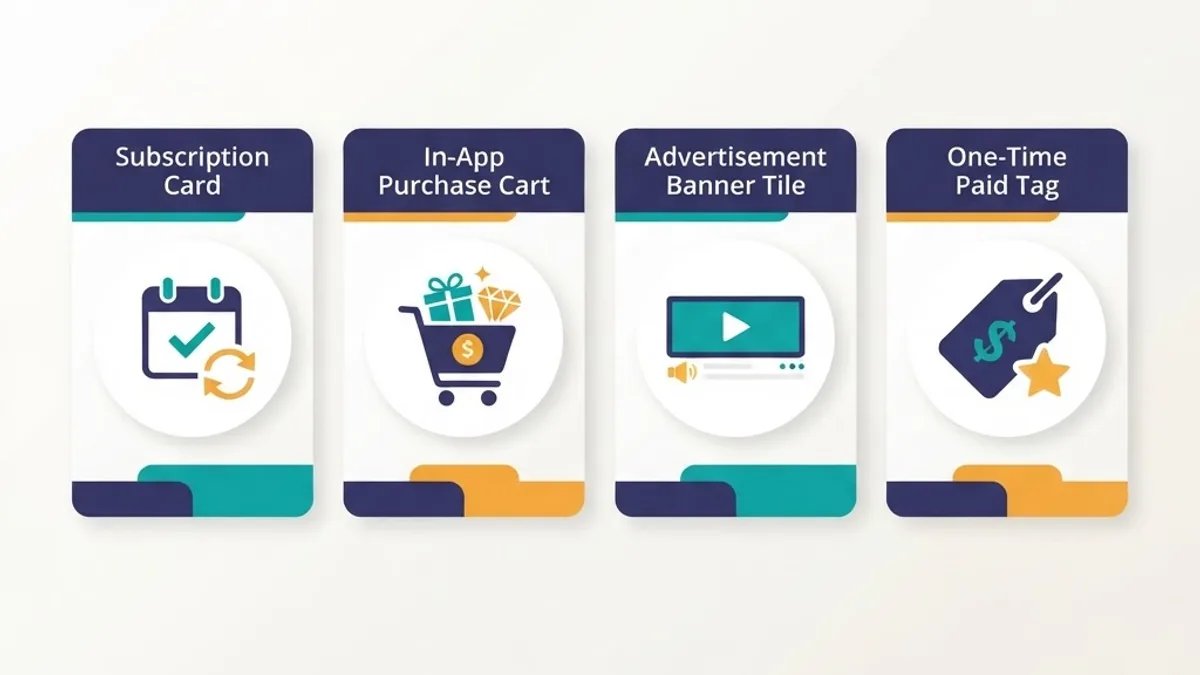
| Monetization Model | Best For | Realistic Conversion | Main Risk |
|---|---|---|---|
| Subscription | Apps used weekly or daily, tools, fitness, finance | 1 to 5 percent of installs | High churn kills it fast |
| In-app purchases | Games, creator tools, consumable credits | 2 to 5 percent of users | Revenue concentrated in few buyers |
| Advertising | High session frequency, news, casual games | Needs 100k plus monthly users | Very low revenue per user |
| One time paid app | Niche professional utilities | 100 percent of buyers pay once | No recurring revenue |
| Freemium with paid tiers | B2B and productivity apps | 3 to 8 percent of active users | Free tier can cannibalize paid |
| Marketplace commission | Two sided supply and demand apps | 10 to 20 percent per transaction | Requires solving supply first |
Step 3: Build a Lean MVP That Can Take Payment on Day One
Your first version should do one job better than any alternative, and it should be able to charge for that job immediately. Practically, that means three to five screens, one core loop, one payment path, and nothing else. Cut social login, dark mode, onboarding tours, and admin dashboards from version one. Every feature you add before revenue exists doubles your testing surface and delays the only feedback that matters.
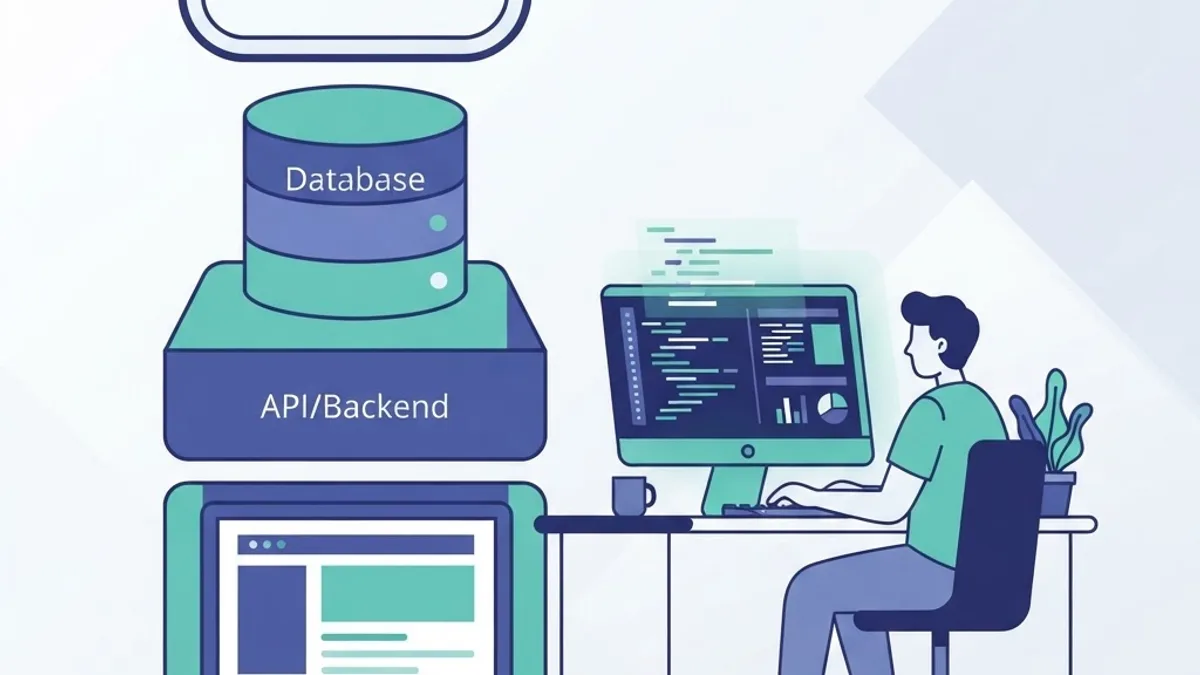
Technology choice should follow your monetization model and your team's actual skills. A cross platform framework plus a hosted backend gets a payable product live in weeks, and reading a neutral breakdown of the best web application framework options will save you weeks of debate. If your app depends on realtime updates, chat, or streaming data, the event driven model behind Node.js web application development services handles concurrent connections efficiently at small team scale. Budget planning deserves the same rigor: study a realistic breakdown of custom web application development cost before you commit, because underfunding month four is the most common cause of abandoned apps.
If you do not have engineers in house, working with a senior team is usually cheaper than a junior hire who learns on your budget. Studios that ship production grade products, such as scalable web solutions specialists, compress discovery and delivery into a single accountable timeline. Weigh that path against internal hiring using this guide to scalable web solutions engagement models before signing anything.
Step 4: Price on Value, Not on Competitor Screenshots
Price is the fastest lever in your business and the one most founders never touch. Anchor your price to the measurable value delivered, then test in public. If your app saves a freelancer three billable hours a month, 12 dollars monthly is trivially justified. Three tactics that reliably raise revenue without new features:
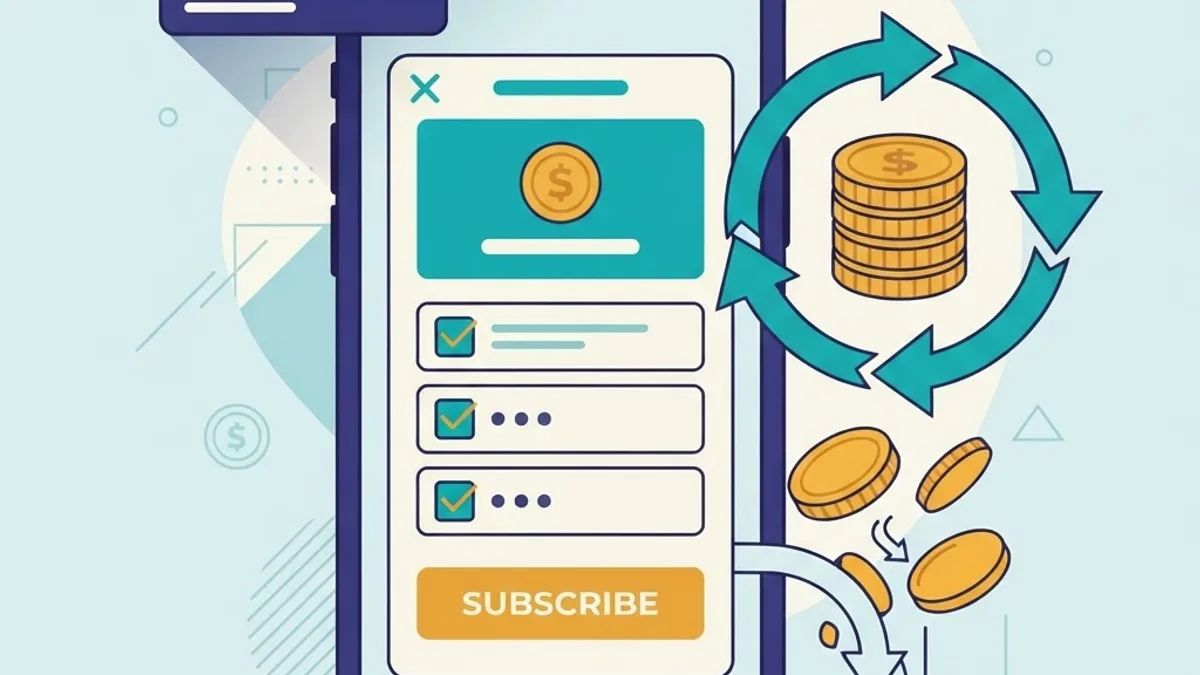
- Offer annual plans. Annual subscriptions typically convert 20 to 40 percent of new subscribers and cut monthly churn to near zero for a year.
- Test a higher price on new users only. Existing subscribers keep their rate, so you risk nothing.
- Use a hard paywall for narrow tools and a soft paywall for broad ones. Narrow, high intent tools convert better when value is gated up front.
Design quality directly changes conversion, because a paywall inside a confusing interface reads as risk. Investing in professional web application design services usually lifts trial starts more than any additional feature you could ship in the same period.
Step 5: Launch Where Your Users Already Gather
A launch is not a press release, it is a distribution plan. Pick three channels where your specific user already spends time and commit to them for 90 days. For B2B tools, that often means LinkedIn plus two niche newsletters. For consumer apps, short form video that shows the app solving one problem in nine seconds outperforms polished brand ads at almost every budget. Build an email list from day one, since it is the only audience that no algorithm can take from you. Teams that treat distribution as an engineering problem, in the way a WebPeak Digital style performance team does, ship a measurable acquisition experiment every week instead of one big launch moment.
Step 6: Win App Store Search With Disciplined ASO
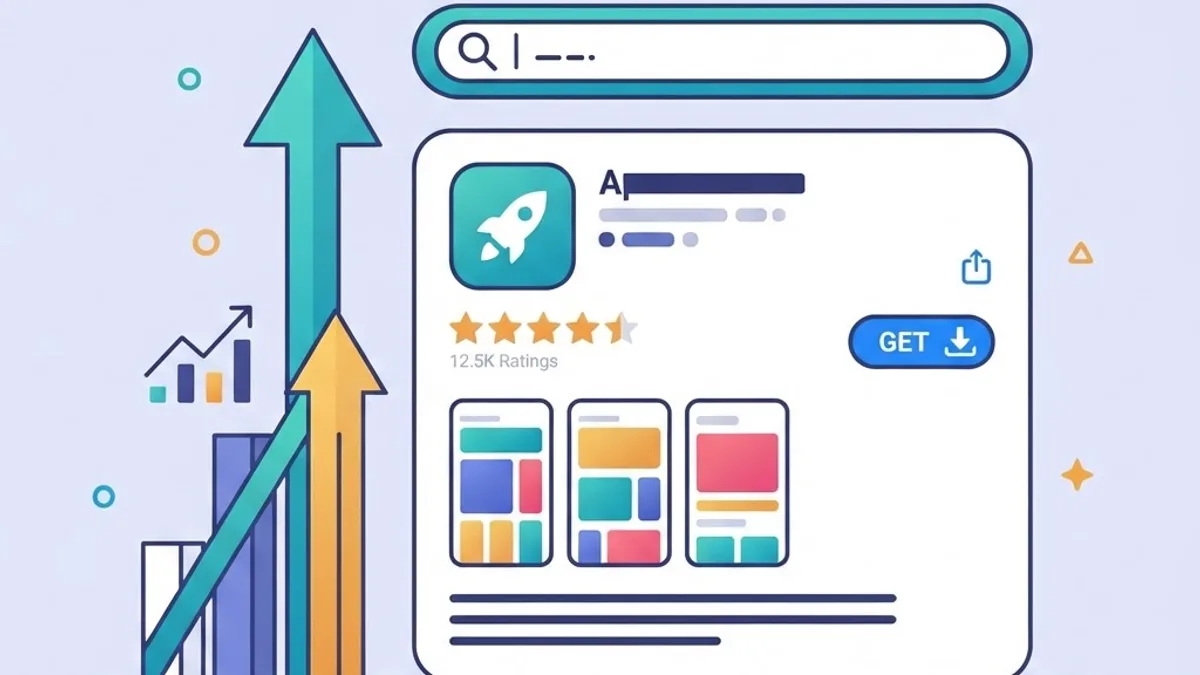
App store search still drives the majority of organic installs for most categories, and it responds to structure rather than spend. Optimize in this order: title with one primary keyword, subtitle with the differentiating benefit, first two screenshots that show outcomes instead of empty dashboards, and a keyword field filled with singular terms and no repeats. Then focus relentlessly on ratings, because store algorithms weight them heavily and users filter by them. Prompt for a review only after a user completes a success moment, never on first open. Moving from 4.1 to 4.6 stars commonly lifts conversion by double digits with zero new code.
Step 7: Convert Installs Into Paying Users
The distance between install and payment is where most app revenue evaporates. Shorten it deliberately. Get users to their first real result within 60 seconds, because activation on day one predicts paid conversion better than any other early signal. Offer a seven day trial rather than 30 days, since shorter trials force the value moment while intent is still high. Present pricing when the user hits a natural limit, not when they are still exploring.
Payments also make you a target. Handling cards, tokens, and subscription state means you now hold data attackers want, so apply the technical SEO services checklist for authentication, encryption, and server side receipt validation before you promote the app widely. Client side entitlement checks are trivially bypassed, and refund fraud can erase a month of margin.
Step 8: Track Only the Four Numbers That Decide Profitability
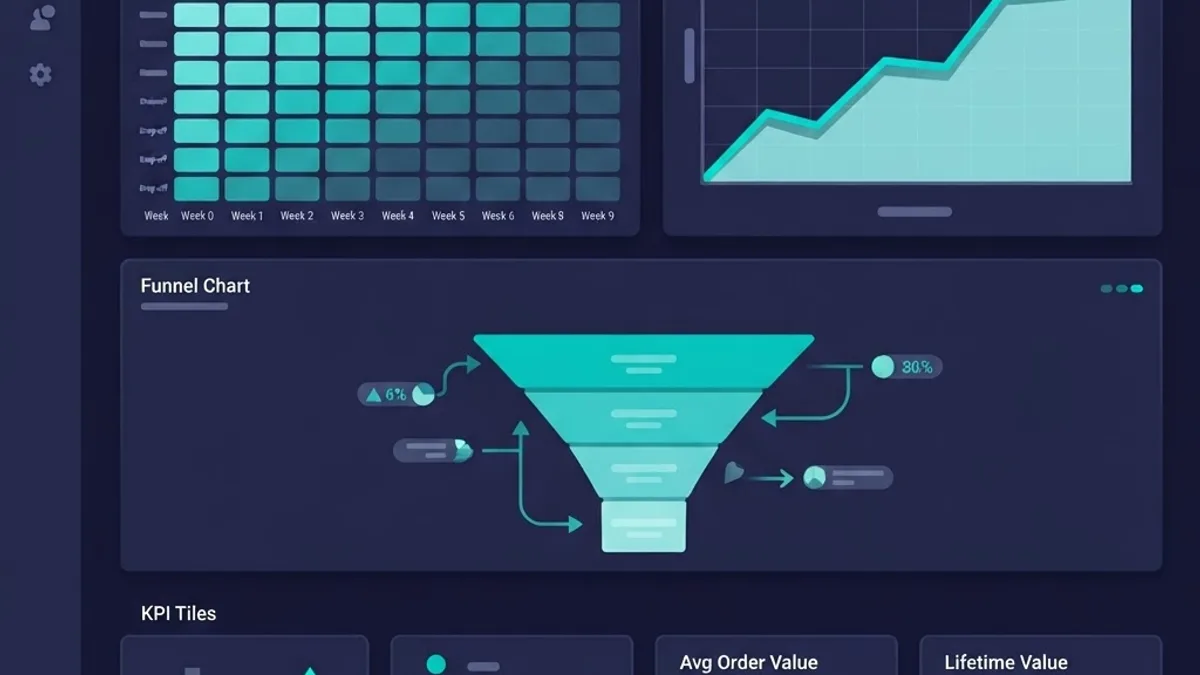
Dashboards full of vanity metrics hide the truth. Watch these four weekly and ignore the rest until they are healthy. Day one activation, day 30 retention, trial to paid conversion, and LTV to CAC ratio. Industry retention benchmarks are humbling: across categories, roughly 3 to 6 percent of installs are still active on day 30, which means your revenue math must work on a small loyal core rather than on total downloads. Fix retention before increasing ad spend, because paid acquisition on a leaky product simply burns cash faster.
Mistakes That Quietly Kill App Revenue
- Building for 12 months before charging anyone a single dollar.
- Choosing advertising as the model for an app people open twice a month.
- Copying a competitor price without copying their cost structure.
- Treating support tickets as noise instead of the cheapest churn research available.
- Spending on installs while day 30 retention is below 3 percent.
Key Takeaways
- Global app store consumer spending exceeds 150 billion dollars a year, but only about 5 percent of users ever pay inside an app.
- Apple and Google take 30 percent of in-app revenue, or 15 percent under their small business programs for developers below 1 million dollars annually.
- A sustainable app requires LTV of at least three times CAC.
- Monetization must be chosen before design, because it dictates data models and session structure.
- Average day 30 retention sits near 3 to 6 percent, so profitability depends on a small paying core.
- Pricing and rating improvements raise revenue faster than new features.
Frequently Asked Questions (FAQ)
How much does it cost to develop an app that makes money?
A focused MVP with one core feature and a working payment flow typically costs between 15,000 and 60,000 dollars with an experienced team, or far less if you build it yourself. Budget an extra 30 percent for the first six months of iteration, since post launch changes drive revenue.
How long does it take to start earning from an app?
Most apps that eventually succeed collect their first payment within three months of launch, but reach meaningful monthly revenue between month nine and month eighteen. The timeline depends on retention and distribution far more than on development speed or the size of your feature set.
Can a free app actually make money?
Yes, but only with scale or a strong upgrade path. Advertising generally needs six figure monthly active users to matter, while freemium works at smaller scale by converting 3 to 8 percent of active users into paid tiers. Free with no upgrade path earns nothing reliably.
What is the best monetization model for a first app?
Subscriptions suit apps used weekly, in-app purchases suit games and creator tools, and one time pricing suits narrow professional utilities. For a first app, subscriptions usually offer the most predictable income, provided your product delivers a repeated benefit rather than a single one time outcome.
How many downloads do I need to earn a full time income?
With a 10 dollar monthly subscription and a 3 percent conversion rate, roughly 17,000 total installs producing 500 active subscribers can generate about 5,000 dollars monthly before platform fees. Improving conversion or price reduces that install requirement dramatically, which is why retention beats volume.
Do I need investors to build a profitable app?
No. Most profitable small apps are self funded because a payable MVP is now affordable. Raise money only when you have proven that paid acquisition returns more than it costs, since capital accelerates a working model and simply magnifies losses in a broken one.
Final Thoughts
Developing an app and making money from it are two separate projects that must run in parallel. Validate before building, decide how you will charge before you design, ship something small that can accept payment, then spend most of your energy on retention and pricing rather than on features nobody asked for. The founders who earn steady income from apps are rarely the best engineers in the room. They are the ones who measured honestly, charged early, and kept improving the few numbers that actually pay the bills.