A practical, experience-based guide to vetting and hiring a dental Google Ads agency, with the exact questions, metrics, contract terms and red flags that decide whether your ad spend produces booked patients.
How to Choose a Dental Google Ads Agency
Choosing a dental Google Ads agency is one of the highest-leverage decisions a practice owner makes, because the same monthly budget can produce four new patients or forty depending entirely on who manages the account. Dental search advertising is unusually unforgiving: clicks are expensive, intent windows are short, and a single misconfigured location setting can drain a month of spend on people who will never drive to your clinic. This guide is written from the perspective of what actually separates agencies that grow practices from agencies that simply spend budgets.

Quick Answer: Choose a dental Google Ads agency by verifying dental-specific case studies, confirming you own the ad account and conversion data, demanding cost-per-booked-patient reporting instead of clicks, checking that call tracking and offline conversion imports are in place, and rejecting long lock-in contracts or percentage-only pricing without service clarity.
What a Dental Google Ads Agency Actually Does
A dental Google Ads agency plans, builds, and optimises paid search campaigns that put your practice in front of people actively searching for treatment in your service area. The work is narrower and more technical than general marketing: keyword segmentation by treatment type, geographic radius control, negative keyword hygiene, ad extension setup, landing page conversion structure, call tracking, and bid strategy management tied to real appointment value.
The critical distinction is between traffic management and revenue management. A traffic-focused agency reports impressions, clicks, and click-through rate. A revenue-focused agency reports how many people called, how many booked, which treatments those bookings represented, and what each acquisition cost. Dentistry has a wide value spread between a hygiene visit and a full-arch implant case, so agencies that optimise without treatment-level data are effectively bidding blind.
Key Terms Defined
- CPC (cost per click): what you pay each time someone clicks your ad. Dental terms are among the more competitive verticals, and implant or Invisalign keywords routinely cost multiples of general dentistry terms.
- CPA (cost per acquisition): ad spend divided by conversions. Only useful if the conversion is a booked appointment, not a form view.
- Conversion tracking: the code and configuration that tells Google which clicks turned into calls, forms, or bookings.
- Offline conversion import: sending confirmed appointment or treatment data back into Google Ads so bidding optimises toward real patients.
Start With Proof, Not Promises
Ask for dental accounts specifically, not "healthcare" or "local service" work. Request anonymised screenshots from Google Ads with the date range visible, showing conversion volume and cost per conversion over at least six consecutive months. A three-week screenshot proves nothing about seasonality or account stability.
What to look for in the evidence:
- Consistency across months rather than one spike.
- Cost per conversion trending down while volume holds or grows.
- Conversion actions labelled as calls of meaningful duration or completed bookings.
- Search terms reports that show refined, treatment-intent queries instead of broad informational searches.
- At least one example in a market with similar competitive density to yours.
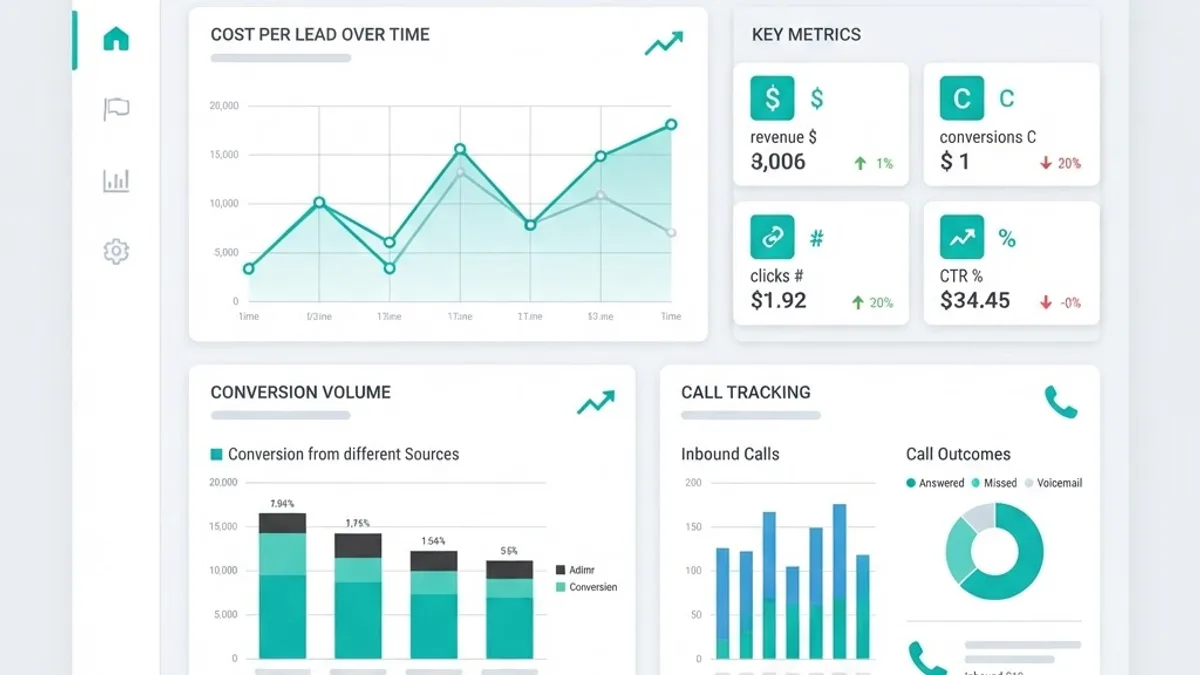
Google's own documentation reports that businesses generally earn a meaningful return on Search ads spend, and Google Ads Help publishes that advertisers can see roughly two dollars in revenue for every dollar spent as a broad benchmark. Treat that as a floor for context, not a promise: dental practices with strong front-desk conversion frequently outperform it, while practices where calls go unanswered underperform it badly regardless of agency quality.
The Ten Questions That Reveal Real Competence
Use these in the first call. The specificity of the answers tells you more than any pitch deck.
- Who owns the Google Ads account, and will it stay in my Google account if we part ways?
- What conversion actions will you count, and which ones will you deliberately ignore?
- How will you track phone calls, and will call recordings be available for quality review?
- Will you import booked appointment data back into Google Ads for smart bidding?
- How do you separate implant, orthodontic, cosmetic, emergency, and general hygiene intent?
- What is your negative keyword process, and how often do you review search terms?
- Who writes and controls the landing pages, and can we test more than one?
- How is your fee structured, and what exactly is included at that fee?
- What is the notice period to cancel, and what happens to assets on exit?
- What monthly reporting will I receive, and will it show cost per booked patient?
An experienced dental specialist will answer question four without hesitation. Offline conversion import is the single clearest technical marker of an agency that optimises toward revenue rather than form fills.
Pricing Models Compared
Agency pricing shapes incentives, so understand what each model rewards before signing.
| Pricing Model | How It Works | Best Fit | Main Risk |
|---|---|---|---|
| Flat monthly retainer | Fixed fee regardless of spend | Practices with stable budgets | Agency effort may not scale as spend grows |
| Percentage of ad spend | Fee is a share of monthly budget | Practices scaling aggressively | Incentive to raise spend, not efficiency |
| Hybrid base plus percentage | Small base fee with a spend share | Multi-location groups | Complexity and unclear deliverables |
| Performance or per-lead | Payment tied to lead volume | Practices wanting shared risk | Lead quality can be gamed |
| In-house hire | Salaried marketer | Large groups with volume | High fixed cost and single-point knowledge risk |
The practical rule: any model is acceptable if deliverables are written down. Percentage pricing with no defined scope is where most practices lose money, because the fee rises automatically while the work stays static.
Non-Negotiables Before You Sign
Protect three assets and most bad outcomes become recoverable.
- Account ownership. The Google Ads account, Google Analytics property, Google Business Profile, and call tracking numbers should sit in accounts you own, with the agency granted access. Agencies operating your campaigns inside their own manager-owned account can leave you with zero historical data on exit, and that history is what makes smart bidding effective.
- Data portability. Confirm in writing that you receive conversion history, landing pages, and creative assets if the relationship ends.
- Reasonable exit terms. Ninety days is generous for a fair ramp period. Twelve-month lock-ins with no performance conditions are a commercial convenience for the agency, not a technical necessity.

Budget Expectations and Ramp Reality
Meaningful optimisation requires enough conversion volume for the algorithm to learn. Practices spending too little across too many treatment categories starve every campaign of data. A more effective approach is to concentrate budget on one or two high-value treatments plus emergency intent, prove the funnel, then expand.
Expect a realistic timeline of roughly two to four weeks for build and tracking validation, four to eight weeks for search term refinement, and the third month onward for stable cost-per-patient reporting. Any agency guaranteeing a specific patient count in week one is guessing.
Geography Is Where Most Dental Budgets Leak
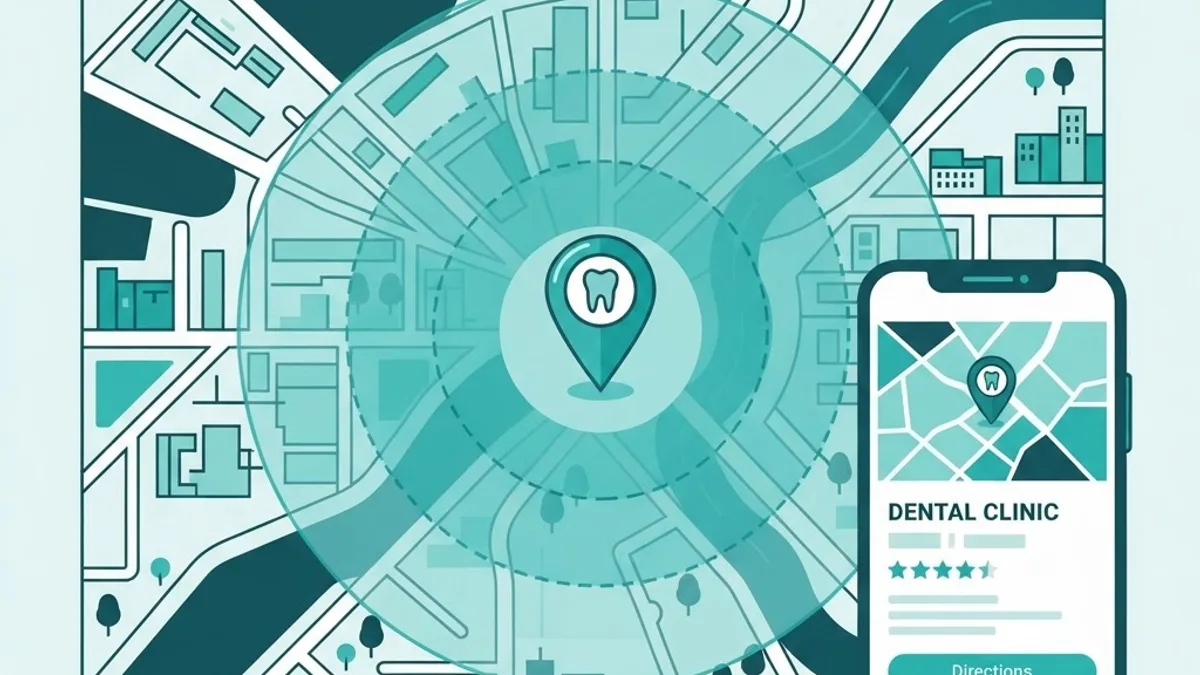
Dental demand is radius-bound. Patients choose convenience, so targeting settings matter more here than in most industries. Ask specifically whether the agency uses presence-based location targeting rather than the broader interest-based option, how it handles commuter patterns, and whether bid adjustments reflect drive time rather than arbitrary mile counts.
A competent agency will also review the search terms report for city names outside your catchment and add them as negatives. This one habit routinely recovers a double-digit share of wasted spend in accounts that have never had it applied.
The Part Agencies Cannot Fix For You
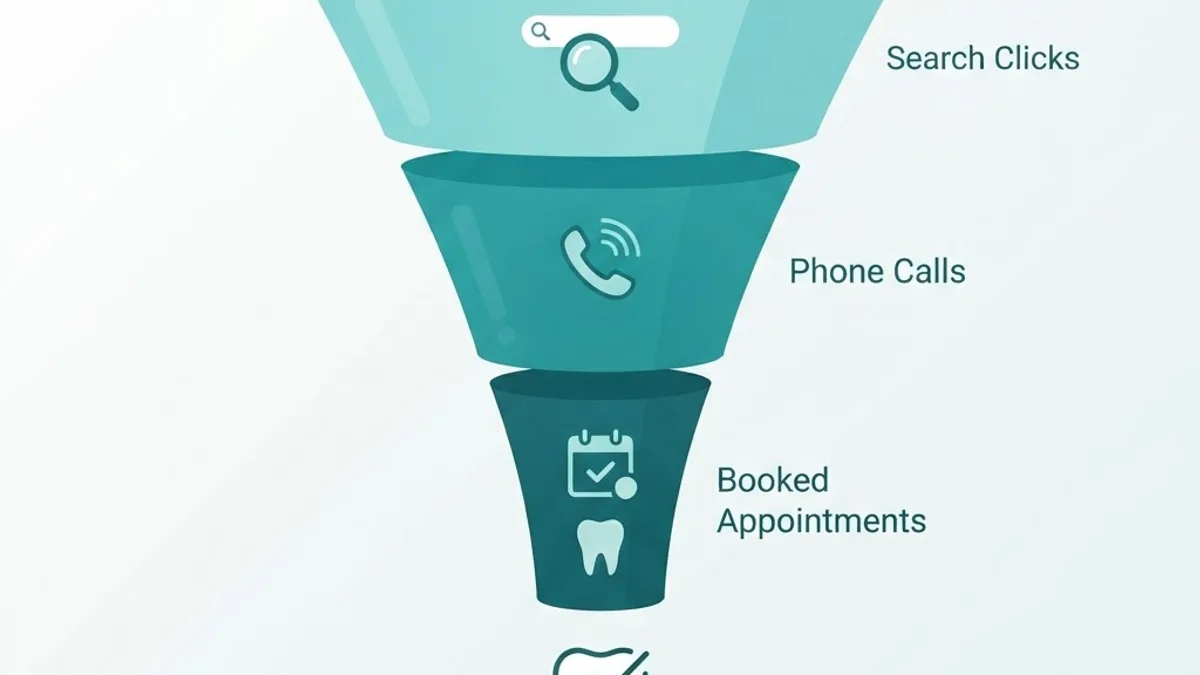
Paid search delivers a phone call. Your practice converts it. Industry call-handling audits consistently find that a large share of inbound dental calls end without a booked appointment, most often because of missed calls, hold time, or staff quoting price without framing value. If your front desk converts poorly, switching agencies changes very little.
Before blaming campaign performance, listen to twenty recorded calls. Count how many rang out, how many were answered within three rings, and how many ended with a scheduled date. That baseline turns a vague complaint into a measurable problem that either the agency or your team can own.
Red Flags Worth Walking Away From
- Reporting that leads with impressions and click-through rate.
- Refusal to give you administrator access to your own ad account.
- Guaranteed first-position placement, which Google's auction cannot promise.
- One landing page reused for every treatment and every location.
- No named person accountable for your account.
- Pressure to sign before any account audit has been performed.
For practices that want a partner treating paid search as a measurable revenue channel rather than a monthly invoice, the team at ZoneTechify approaches campaign management with tracking and reporting built in from day one. Specialist performance marketing support is equally valuable when the work spans landing pages, analytics, and conversion tracking together, since those layers fail as a system rather than in isolation. Practices comparing structured management approaches will also find useful detail in this breakdown of online marketing services for maximising campaign return.
Key Takeaways
- Dental Google Ads success is measured in cost per booked patient, not clicks or impressions.
- Always own your Google Ads account, analytics property, and call tracking numbers.
- Offline conversion import is the strongest technical signal of an agency optimising for revenue.
- Require six months of dental account evidence with visible date ranges before hiring.
- Presence-based location targeting and negative keyword hygiene prevent most wasted spend.
- Expect roughly ninety days before cost-per-patient reporting becomes reliable.
- Front-desk call handling limits campaign results more often than campaign structure does.
Frequently Asked Questions (FAQ)
How much should a dental practice spend on Google Ads each month?
Spend enough to generate consistent conversion data in one or two treatment categories rather than spreading thinly across all services. Competitive treatments like implants and orthodontics require materially higher budgets than general dentistry. Start focused, measure cost per booked patient for ninety days, then scale the campaigns that prove profitable.
Should I hire a dental-specific agency or a general PPC agency?
Dental-specific agencies usually win on speed because they already know treatment keyword segmentation, radius behaviour, and compliance-sensitive ad copy. A strong general agency can perform equally well if it demonstrates conversion-level reporting and offline data import. Judge the tracking setup and the case study evidence rather than the label.
How long before Google Ads brings in new dental patients?
Calls often begin within the first week of launch, but reliable performance data takes longer. Allow two to four weeks for build and tracking validation, four to eight weeks for search term refinement, and the third month onward for stable cost-per-patient figures. Judge an agency on month three, not week one.
What reporting should a dental Google Ads agency provide?
Insist on monthly reporting that shows ad spend, qualified calls, booked appointments, cost per booked patient, and treatment mix where available. Search term reports and negative keyword additions should be included. Dashboards leading with impressions, clicks, or click-through rate alone hide whether the budget actually produced patients.
Can I keep my campaigns if I leave the agency?
Only if the Google Ads account, analytics property, and call tracking numbers are owned by your practice with agency access granted. Confirm ownership and data portability in the contract before signing. Accounts built inside an agency-owned structure can leave you restarting from zero conversion history.
What are the biggest warning signs during agency selection?
Watch for guaranteed rankings, refusal to grant account administrator access, reporting focused on impressions, a single generic landing page for all treatments, long lock-in contracts without performance terms, and no named account manager. Any one of these predicts poor accountability once the monthly invoices begin.