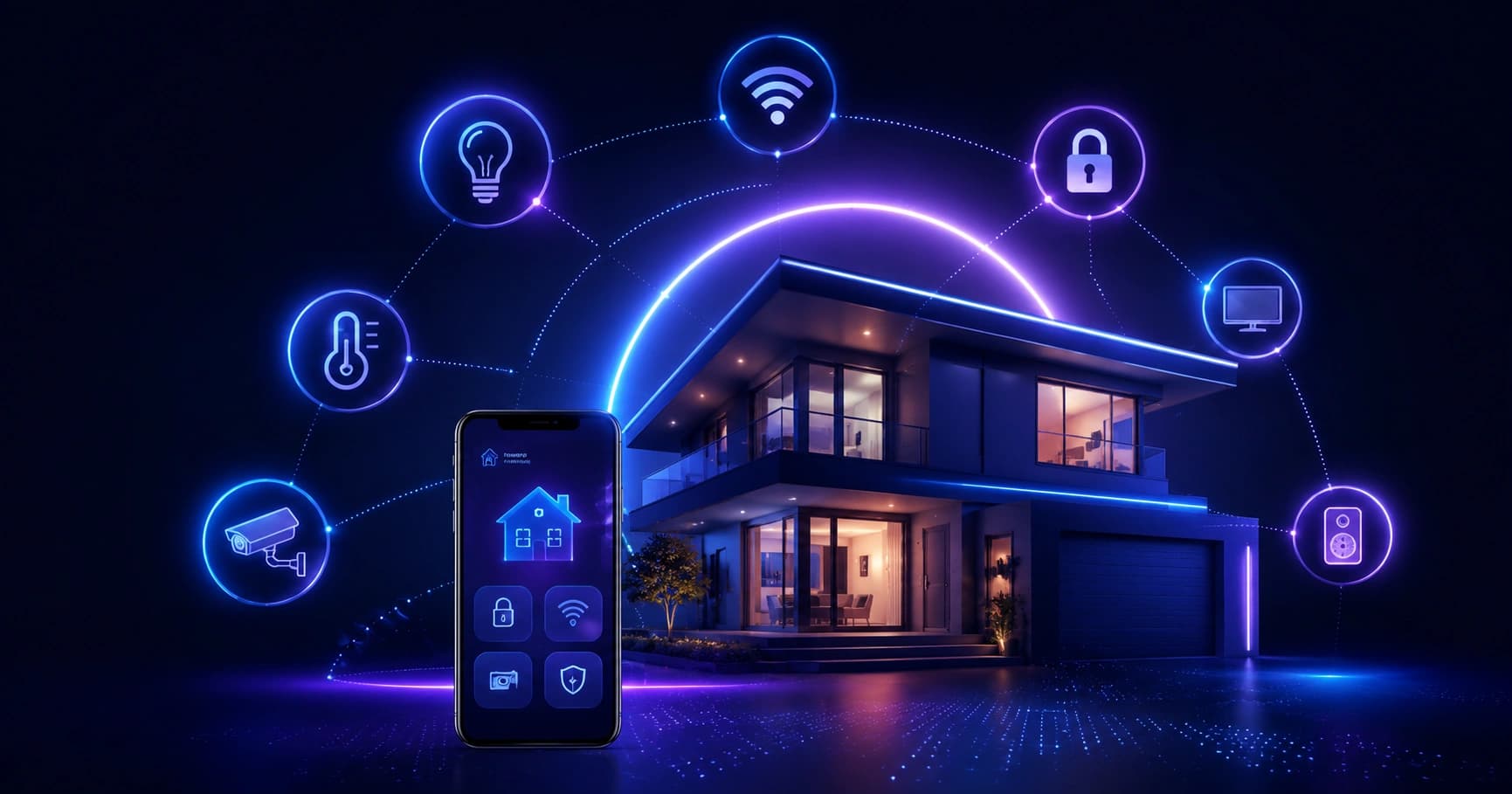
A practical, experience-based look at how smart home technology will reshape daily routines, energy bills, safety, health, and independent living over the next decade.
How Smart Home Technology Will Change Lives
Smart home technology has quietly moved past novelty gadgets. The house that once needed constant manual attention is becoming a system that senses conditions, predicts needs, and acts before you ask. After deploying connected systems in dozens of residential and small-commercial projects, the pattern is consistent: the value is rarely in the individual device. It is in the automations that remove small daily decisions, the energy waste they eliminate, and the safety margin they create for people who live alone.
This guide explains what genuinely changes when a home becomes intelligent, what the measurable benefits are, where the technology still falls short, and how to build a setup that is useful rather than frustrating.
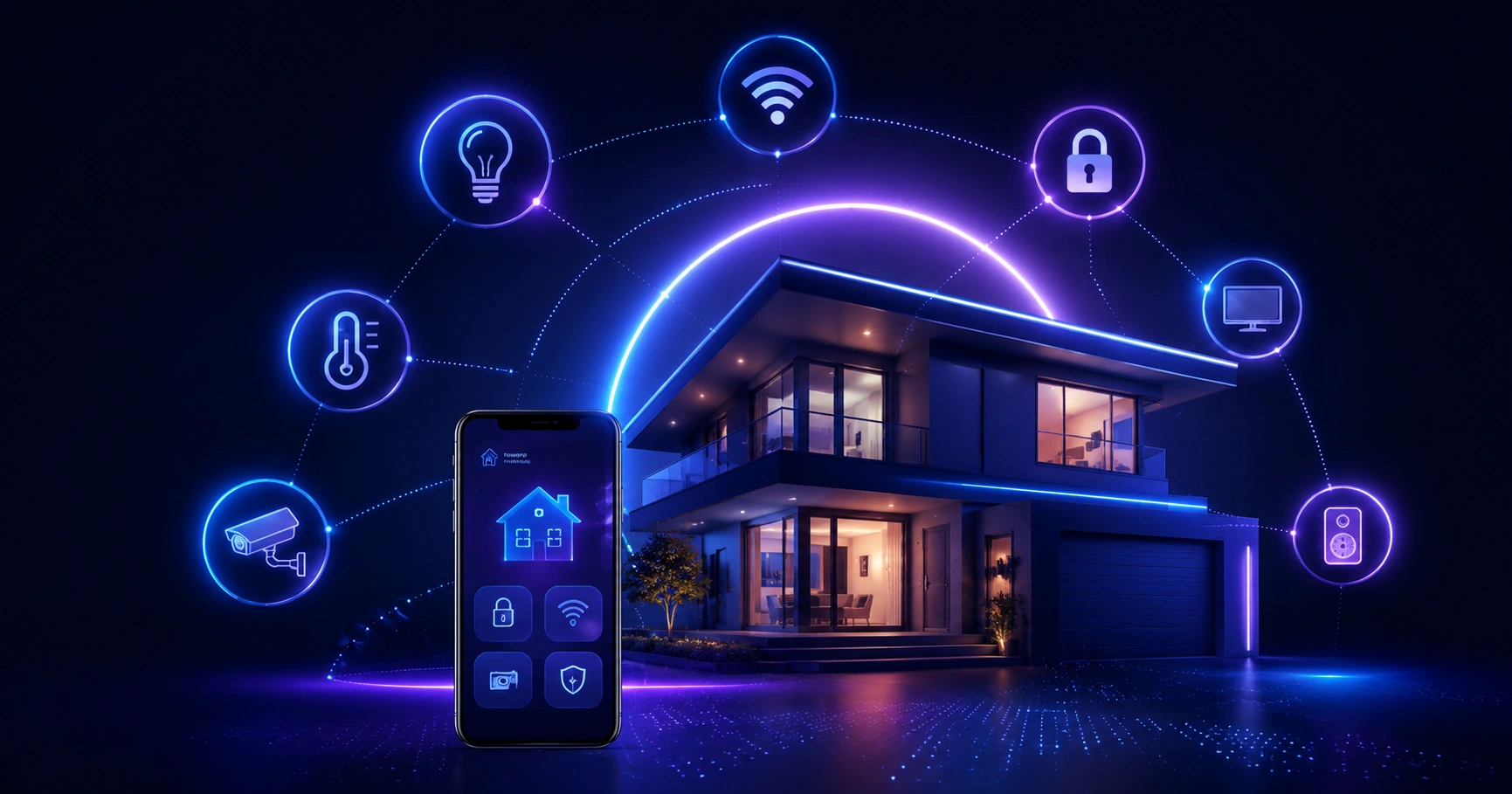
Quick Answer: Smart home technology will change lives by automating routine tasks, cutting energy waste, strengthening home security, and supporting independent living for older adults. Sensors, connected appliances, and AI assistants shift the home from something you operate manually to a system that anticipates needs and responds automatically.
What Is Smart Home Technology, Exactly?
Smart home technology is a network of internet-connected devices, sensors, and controllers that automate and remotely manage household functions such as lighting, climate, security, appliances, and entertainment. The defining feature is not remote control from a phone. It is automation: rules and machine learning models that trigger actions based on time, occupancy, temperature, humidity, motion, energy price, or voice command.
A useful distinction to keep in mind:
- Connected device: you control it from an app (a smart plug you toggle manually).
- Automated device: it acts on a rule you set (lights off when nobody is home).
- Intelligent system: it learns patterns and adapts (a thermostat that learns your schedule and pre-cools before you arrive).
Most homeowners stall at stage one. The life-changing effects begin at stages two and three.
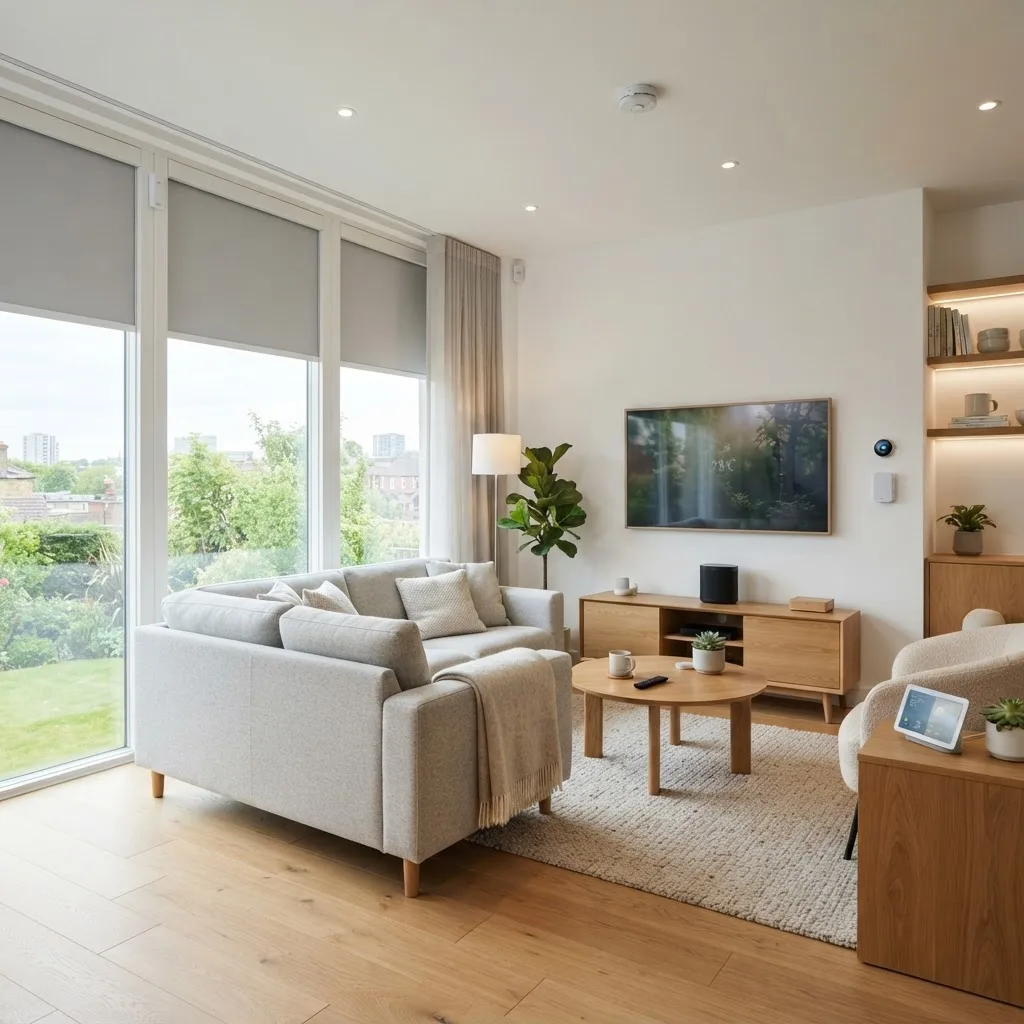
The Market Signal: This Is Not a Niche Anymore
Adoption numbers explain why manufacturers, utilities, and builders are all moving in the same direction. According to Statista's Smart Home market data, global smart home revenue is projected to exceed 170 billion US dollars by 2025, with household penetration continuing to climb across North America and Europe. On the energy side, the U.S. Environmental Protection Agency reports that an ENERGY STAR certified smart thermostat can save roughly 8 percent of heating and cooling energy, which for a typical household is about 50 US dollars per year from a single device.
That second figure is the honest one to anchor expectations on. A single smart product delivers modest savings. A coordinated system, where lighting, climate, water heating, and appliance scheduling all respond to occupancy and utility rates together, is where compounding results appear.
Change One: Daily Routines Get Shorter
The most immediate life change is the removal of dozens of micro-decisions each day. In practice, that looks like a morning routine where blinds open at sunrise, the kettle circuit powers on, the bathroom floor heat runs for twenty minutes, and a summary of calendar events plays while you get ready, all without a single tap.
The practical build order that works best:
- Start with lighting and occupancy sensors. They deliver the fastest visible payoff and teach you how automation logic behaves.
- Add climate control next. Thermostats have the clearest financial return.
- Layer in door, window, water leak, and smoke sensors. These protect against expensive failures.
- Automate appliances last. Washers, dishwashers, and water heaters can be scheduled around off-peak electricity rates.
- Only then add voice assistants and dashboards. Interfaces should sit on top of a working system, not substitute for one.
A rule from field experience: if a household member has to explain how to turn on a light to a guest, the automation is wrong. Good smart homes keep physical switches functional.
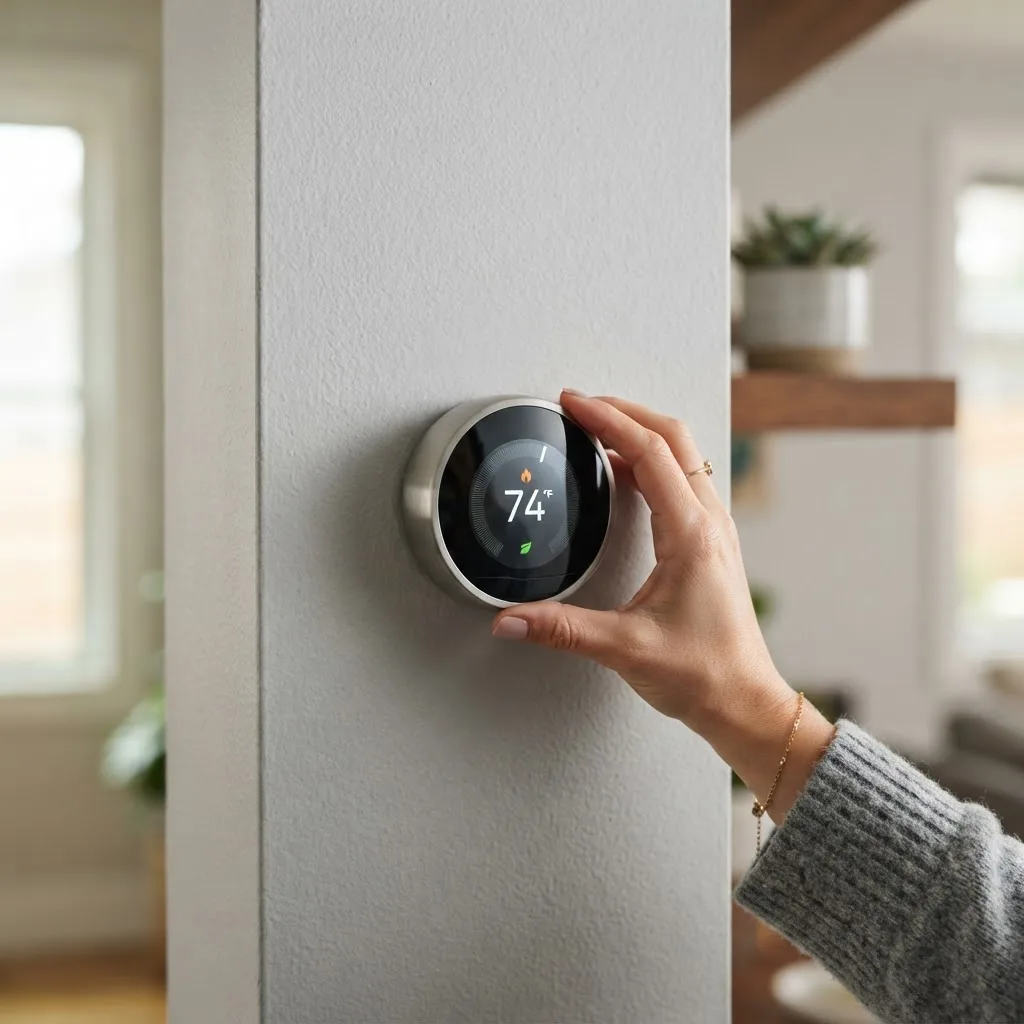
Change Two: Energy Bills Become Controllable
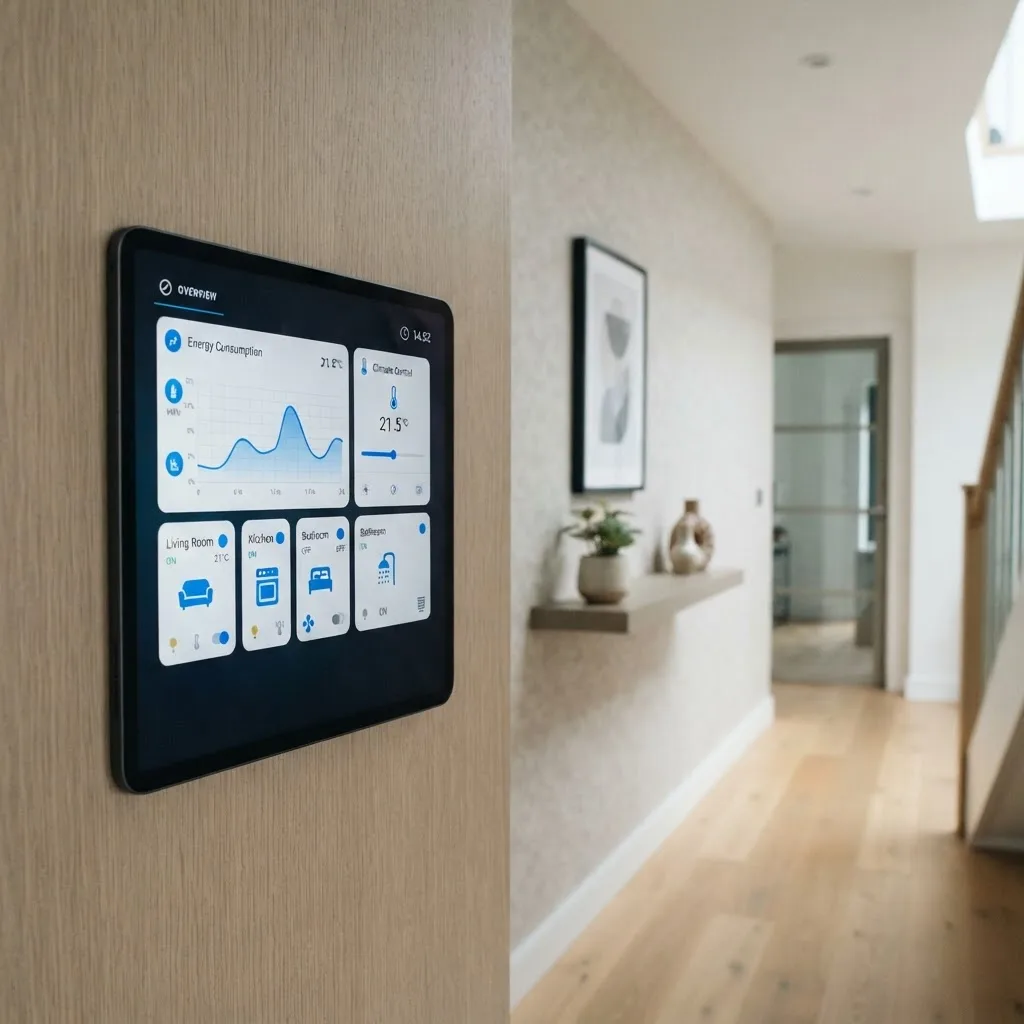
Smart homes convert energy from an invisible monthly surprise into a measurable, adjustable input. Circuit-level monitoring reveals what is actually consuming power, and the results are usually counterintuitive. In several audits, the largest hidden loads were an old chest freezer, an always-on entertainment rack, and a pool pump running on a default 12-hour cycle.
High-impact energy automations, ranked by typical return:
- Occupancy-based climate setbacks: the single largest saver in most homes.
- Off-peak scheduling for water heating and laundry: meaningful where time-of-use tariffs exist.
- Standby load elimination via smart plugs: small per device, significant across ten to fifteen devices.
- Automated blinds and shades for solar gain control: reduces cooling load in summer and heating load in winter.
Homeowners who pair monitoring with automation typically report the behavior change matters as much as the hardware. Seeing consumption in real time is what makes people act.
Change Three: Home Security Becomes Preventive
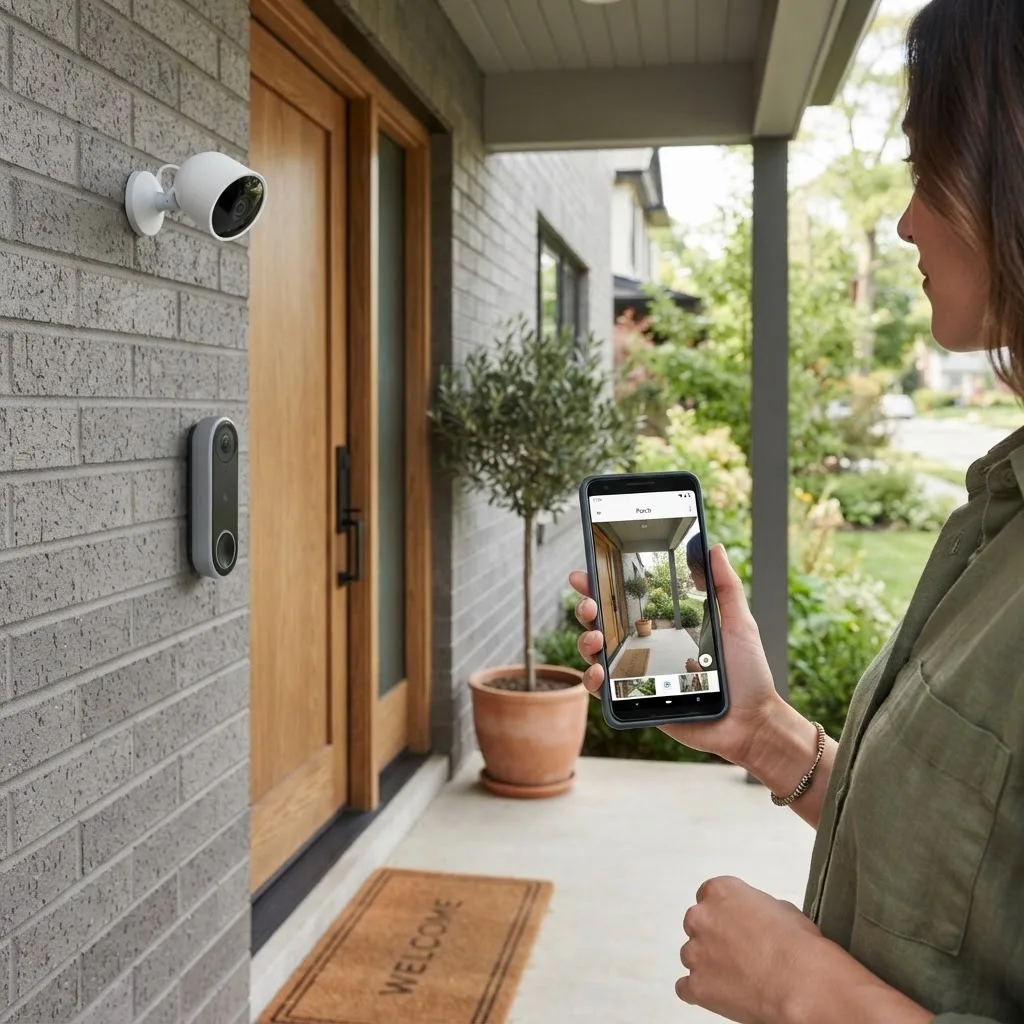
Traditional alarms report break-ins; smart security systems reduce the chance one happens. Video doorbells, motion-activated exterior lighting, presence simulation while traveling, and geofenced door locks change the risk profile before an incident occurs.
The features that matter most in real deployments:
- Local recording plus cloud backup so footage survives an internet outage.
- On-device person detection to cut false alerts from animals and passing cars.
- Battery and cellular backup for the hub, because a cut power line should not disable the system.
- Auto-lock with manual override, which prevents both lockouts and forgotten doors.
Smoke, carbon monoxide, and water leak sensors deserve more attention than cameras. A water leak detector under a washing machine costs very little and prevents the kind of damage that reshapes a family's finances for a year.
Change Four: Voice and AI Make Homes Accessible
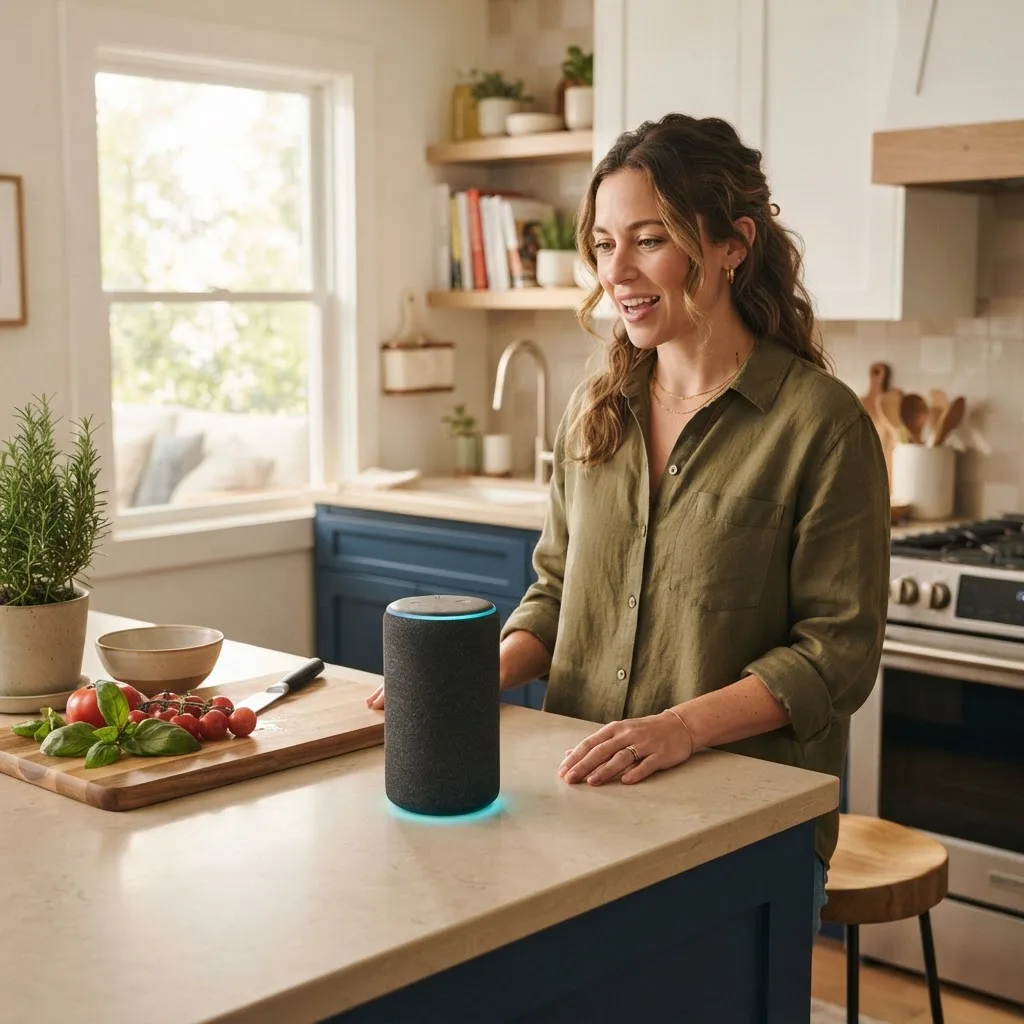
Voice control is the most underrated accessibility technology of the last decade. For someone with limited mobility, arthritis, low vision, or a spinal cord injury, being able to say a command instead of crossing a room to reach a switch restores real independence.
AI assistants are also getting better at conversational, multi-step requests rather than rigid commands. That shift matters because it lowers the learning curve for people who never wanted to configure anything. If you are exploring how conversational AI and automation can be integrated into products or homes, the specialist teams at ZoneTechify and WebPeak work on exactly this kind of implementation, and ZoneTechify's artificial intelligence services cover the automation and model integration layer that makes these systems feel intelligent rather than scripted.
Change Five: Aging in Place Becomes Realistic
This is the change with the largest human impact. Passive sensors can detect that someone has not opened the refrigerator, left the bedroom, or moved through the hallway at a usual hour, and notify a family member without cameras in private spaces. Medication reminders, stove auto-shutoff, fall detection, and one-touch emergency calling all extend the period a person can safely live at home.
The World Health Organization notes that the global population aged 60 and over will roughly double between 2020 and 2050, reaching about 2.1 billion people. Assisted living capacity will not grow at that pace. Ambient monitoring in the home is one of the few scalable answers, and it is far less intrusive than most families expect when it is designed sensor-first rather than camera-first.

Traditional Home vs Smart Home: A Direct Comparison
| Aspect | Traditional Home | Smart Home |
|---|---|---|
| Climate control | Manual thermostat, fixed settings | Occupancy and weather aware, learns schedules |
| Energy visibility | Monthly bill only | Real-time, per-device consumption data |
| Security response | Reactive alarm after entry | Preventive deterrence plus instant alerts |
| Water and fire risk | Discovered after damage | Leak and smoke sensors alert immediately |
| Accessibility | Physical switches required | Voice, app, and automated control |
| Elderly support | Requires in-person checks | Passive activity monitoring and alerts |
| Upfront cost | Lower | Higher, phased investment possible |
| Maintenance burden | Low complexity | Firmware updates and network upkeep needed |
The Honest Downsides
Any credible discussion of smart homes has to address the failure modes. Three are worth planning for.
Privacy. Every sensor generates data, and that data has commercial value. Prefer devices with local processing, review what leaves your network, and avoid cameras in bedrooms and bathrooms entirely.
Security of the network itself. Weak default passwords and unpatched firmware are the most common entry points. Put IoT devices on a separate network or VLAN, enable two-factor authentication on hub accounts, and update firmware quarterly.
Fragility and lock-in. Cloud-dependent devices stop working when a vendor shuts down a service. Prioritize products that support open standards like Matter and Thread, and that keep core functions working offline.

How to Start Without Wasting Money
A sensible first-year plan, based on what consistently delivers value:
- Pick one ecosystem that supports Matter and stick to it to avoid app sprawl.
- Fix the network first. Most smart home complaints are actually Wi-Fi coverage problems.
- Buy a smart thermostat and three to five smart bulbs or switches. Live with them for a month.
- Add safety sensors: water leak, smoke and CO, and one entry sensor per exterior door.
- Write no more than five automations, and make each one solve a real annoyance.
- Review monthly and delete any automation nobody noticed working.
Restraint is the professional habit here. Homes with fifteen well-chosen devices consistently outperform homes with sixty poorly integrated ones.
Key Takeaways
- Smart home technology changes lives mainly through automation, not remote control.
- An ENERGY STAR certified smart thermostat saves roughly 8 percent of heating and cooling energy, about 50 US dollars annually per the U.S. EPA.
- Global smart home revenue is projected to surpass 170 billion US dollars by 2025 according to Statista.
- The population aged 60 and over will roughly double to about 2.1 billion by 2050, per the World Health Organization, making aging-in-place technology essential.
- Water leak, smoke, and CO sensors deliver more risk reduction per dollar than cameras.
- Choose Matter and Thread compatible devices with local processing to avoid cloud lock-in.
- Fix Wi-Fi coverage before buying devices; most reliability complaints are network issues.
Frequently Asked Questions (FAQ)
Is smart home technology actually worth the money?
Yes, when purchases are targeted. A smart thermostat, leak sensors, and automated lighting typically pay for themselves through energy savings and prevented damage. Entertainment-focused gadgets rarely do. Prioritize devices that reduce risk or recurring costs before buying convenience products, and phase the investment over months.
Will smart home devices stop working if my internet goes down?
It depends on the device. Products built on local hubs, Zigbee, Thread, or Matter usually keep core functions working offline, while cloud-only devices lose most capability. Always keep physical switches operational as a fallback, and choose a hub with battery or cellular backup for security systems.
How do I keep my smart home private and secure?
Put IoT devices on a separate network, change all default passwords, enable two-factor authentication on hub accounts, and update firmware every few months. Prefer devices that process video and voice locally, and never install cameras in bedrooms or bathrooms. Review app permissions and data sharing settings annually.
What is the best smart home device to buy first?
Start with a smart thermostat if you pay for heating or cooling, since it offers the clearest financial return. If climate costs are low, begin with smart lighting plus occupancy sensors. Either choice teaches you how automation logic works before you expand into security or appliances.
Can smart home technology help elderly parents live alone safely?
Yes. Passive motion, door, and bed sensors can detect unusual inactivity and notify family without invasive cameras. Add stove auto-shutoff, medication reminders, fall detection, and one-touch emergency calling. These systems often extend independent living by months or years while reducing the need for daily in-person checks.
Do smart homes increase property value?
Often modestly, particularly when systems are permanently installed, professionally documented, and vendor neutral. Buyers value smart thermostats, security systems, lighting, and leak protection. Proprietary systems tied to discontinued services can reduce appeal, so favor open standards and leave clear setup documentation for the next owner.
Final Thoughts
The real promise of smart home technology is not a house that looks futuristic. It is a house that reduces friction, waste, and risk in ordinary life, and that lets people stay independent longer. Build it deliberately, in layers, with privacy and offline reliability as design requirements rather than afterthoughts, and the change is durable rather than novelty.