Google Ads advances business goals by putting measurable, intent-driven traffic in front of buyers at the exact moment they search. This guide shows which campaign types match which goals, how to control spend, and how to prove ROI with conversion tracking.
How Can Google Ads Help You Advance Your Business Goals
Google Ads is not a traffic faucet. It is a goal execution system. The businesses that win with paid search are the ones that translate a commercial objective into a campaign structure, a bidding strategy, and a measurable conversion action before they ever spend a dollar. The businesses that lose treat it as an auction they can buy their way through.
This guide breaks down exactly how Google Ads maps to real business goals, what each campaign type is actually good at, how to keep costs under control, and how to measure whether the spend earned its place in your budget.
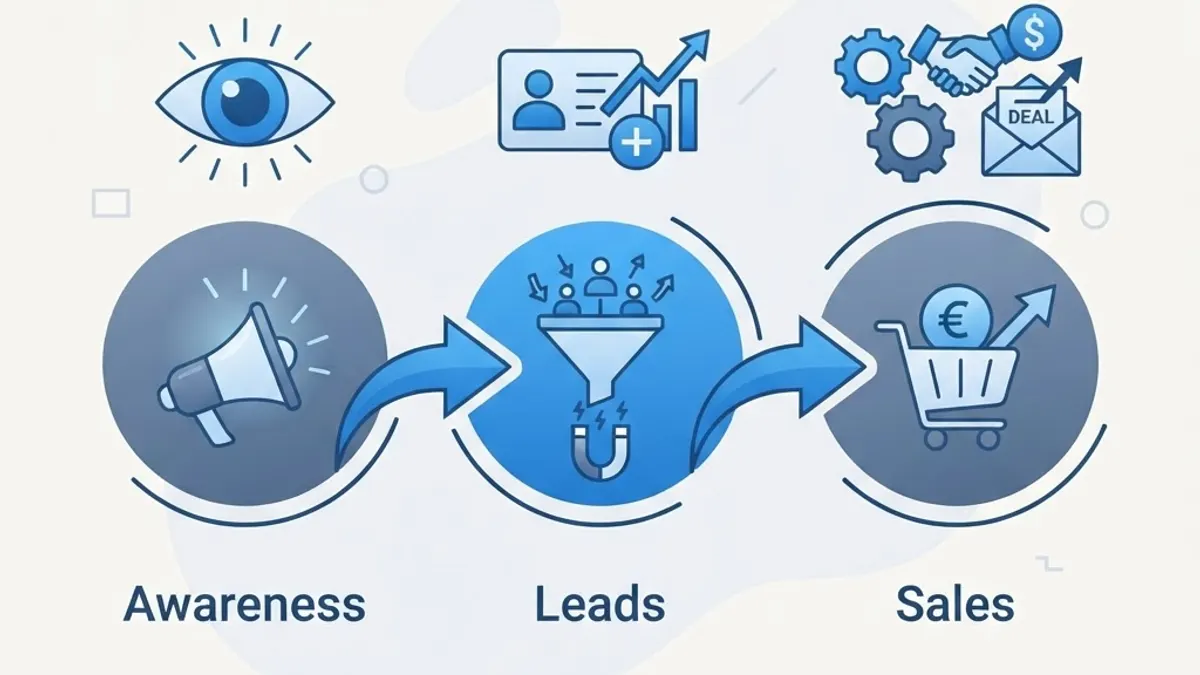
Quick Answer: Google Ads advances business goals by capturing demand at the moment of intent. It drives qualified traffic, leads, sales, calls, and app installs, with granular budget control and conversion tracking that ties every dollar spent to a measurable outcome. Choose the campaign type that matches your goal, then optimize toward one primary conversion.
What Google Ads Actually Does for a Business
Google Ads is an auction-based advertising platform where you bid to appear on Google Search, YouTube, Gmail, Google Maps, and over two million partner sites in the Display Network. The critical distinction from most marketing channels is intent: a person typing "emergency plumber near me" has already decided to buy. You are not creating demand, you are intercepting it.
That single characteristic is why paid search consistently outperforms interruptive channels on lead quality. Google reports that businesses earn an average of 8 dollars in profit for every 1 dollar spent on Google Ads and Google Search, and the WordStream industry benchmark data places the average search network conversion rate at roughly 4.4 percent across accounts, with legal, dating, and home improvement verticals climbing well past 6 percent.
Definition: Search intent is the underlying goal behind a query. Commercial intent means the searcher is ready to evaluate or buy. Informational intent means they are researching. Bidding aggressively on informational queries is the fastest way to burn budget with nothing to show for it.
Matching Campaign Types to Business Goals
Most wasted ad spend traces back to one error: running the wrong campaign type for the goal. Search campaigns do not build brand awareness efficiently, and Display campaigns do not close sales on their own.
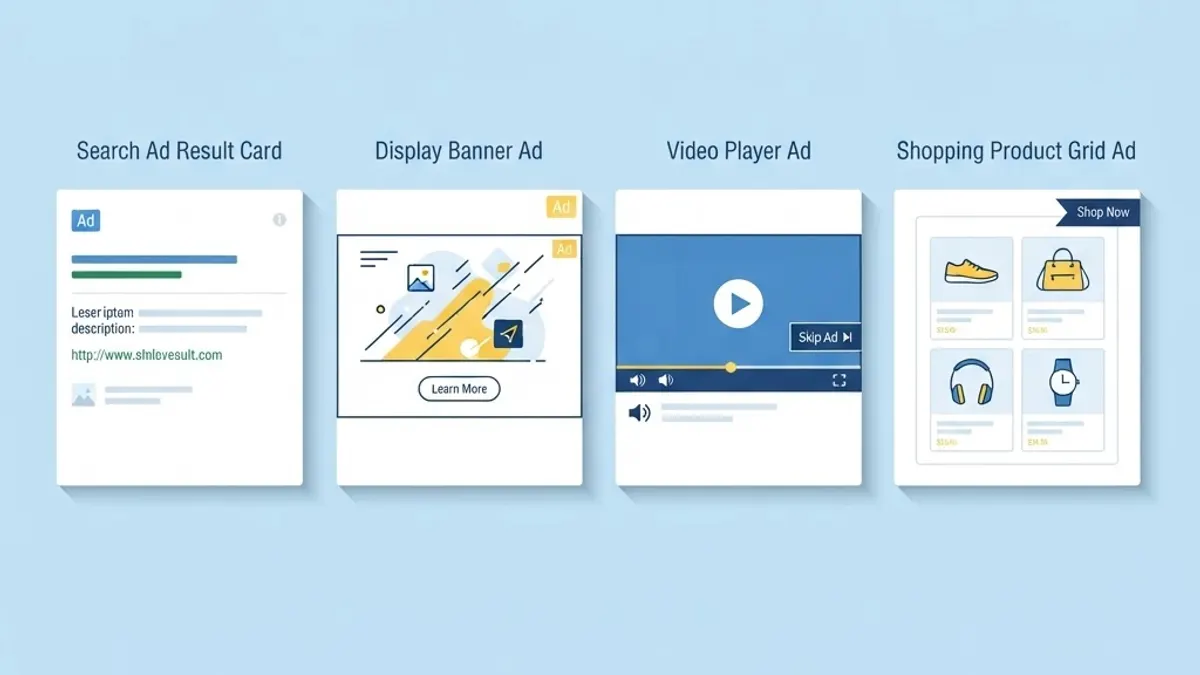
| Business Goal | Best Campaign Type | Primary Metric | Typical Intent Level |
|---|---|---|---|
| Immediate leads or calls | Search | Cost per lead | High |
| Ecommerce product sales | Performance Max or Shopping | Return on ad spend | High |
| Brand awareness | YouTube or Display | Reach and view rate | Low |
| Re-engaging past visitors | Display remarketing | Cost per conversion | Medium |
| App downloads | App campaigns | Cost per install | Medium |
| Local foot traffic | Search with location assets | Store visits and calls | High |
Read the table as a starting point, not a rulebook. A local service business with a 5,000 dollar monthly budget should almost never split spend across five campaign types. Concentrate the budget where intent is highest, prove profitability, then expand.
Why Search Should Usually Come First
Search campaigns give you the cleanest feedback loop in digital marketing. Within two weeks you know which exact queries produced revenue and which produced noise. That data becomes the foundation for everything else, including your organic content strategy and your Performance Max asset groups.
Turning Keywords Into Revenue, Not Clicks
The skill in Google Ads is not finding keywords. It is disqualifying them. A well-run account spends as much effort on negative keywords as on positive ones.
Here is the sequence that works:
- Start with your money queries. List the 10 to 20 phrases a ready-to-buy customer would type. These are usually service plus location, or product plus modifier such as "buy," "pricing," "near me," or "quote."
- Group by intent, not by theme. One ad group per tight intent cluster keeps ad copy relevant and lifts Quality Score, which directly lowers your cost per click.
- Build the negative list before launch. Add "free," "cheap," "jobs," "salary," "DIY," "course," and "how to" if you sell a paid service. This one step routinely cuts wasted spend by 15 to 30 percent in new accounts.
- Use phrase and exact match at the start. Broad match with Smart Bidding works, but only after the account has conversion history to learn from.
- Mine the search terms report weekly. Promote winners to their own ad group. Add losers as negatives. This is the single highest-leverage recurring task in paid search.
Original observation from managing service-business accounts: the query that converts best is rarely the one with the highest search volume. It is usually a three or four word phrase with modest volume and near-zero competition because it is too specific for competitors to bother targeting. Volume is a vanity metric. Qualified volume is the business metric.
Budget Control Is the Real Strategic Advantage
Google Ads is the only major channel where you can set a daily cap, change your bids at 9 a.m., and see the revenue impact by dinner. That control is what makes it viable for a startup with 500 dollars and a national brand with 500,000.
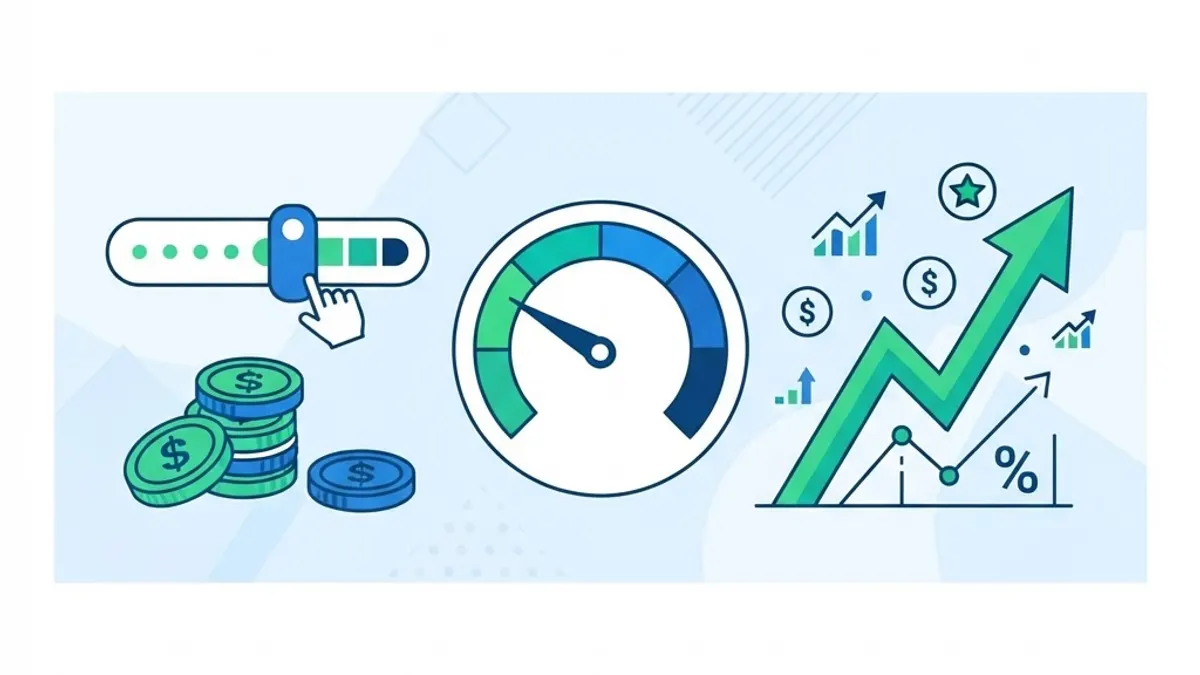
Practical controls that protect your budget:
- Set a target cost per acquisition you can defend. Work backward from your average order value and gross margin. If a customer is worth 400 dollars in gross profit and you want a 4x return, your ceiling is 100 dollars per acquisition.
- Use ad schedules based on real close rates. A B2B firm whose sales team works weekdays should not be paying full bids at 2 a.m. on Sunday.
- Apply location bid adjustments. Service radius is a profit lever. Leads 60 miles out often cost the same but close at half the rate.
- Cap Display and video spend separately. Never let a low-intent campaign draw budget from a profitable Search campaign inside a shared budget.
A note on Smart Bidding: automated strategies such as Target CPA and Target ROAS need roughly 30 conversions in 30 days to perform reliably. Below that threshold, manual CPC or Maximize Clicks with a bid cap frequently outperforms the algorithm because the machine has nothing to learn from.
Conversion Tracking Decides Whether the Channel Survives
If you cannot attribute a sale to a campaign, you cannot scale it and you cannot defend the budget. Conversion tracking is not optional infrastructure, it is the entire justification for paid media.
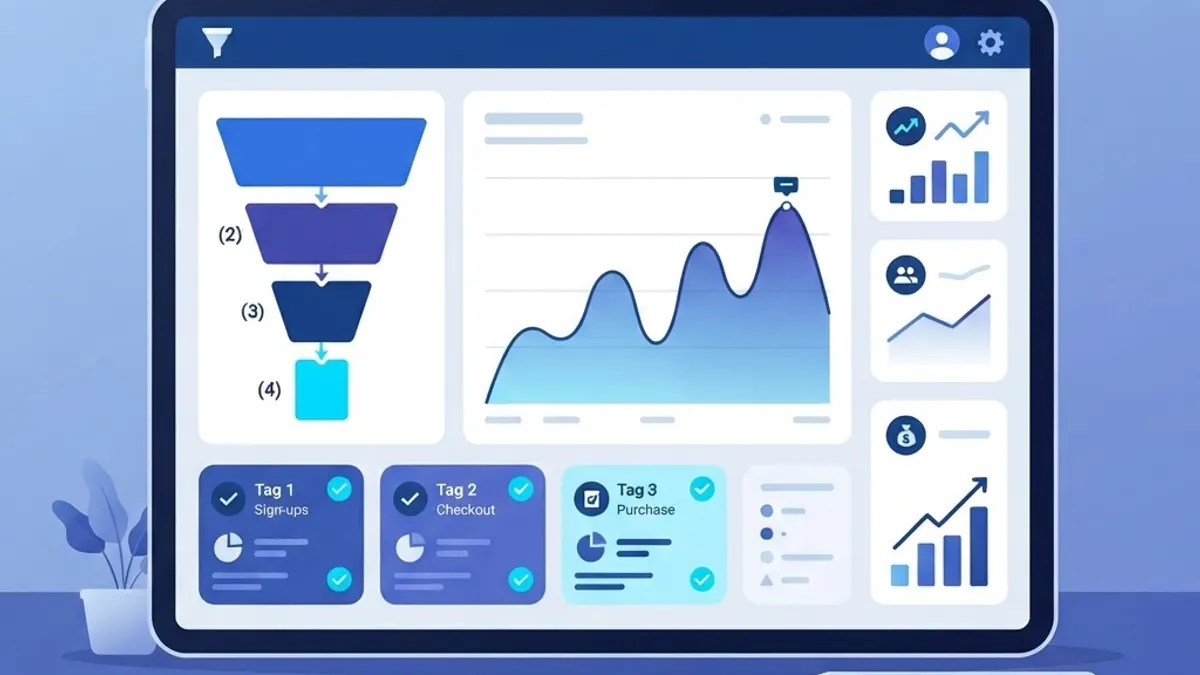
Set up these four things before your first click:
- One primary conversion action. Purchases for ecommerce, qualified form submissions for services. Everything else is secondary.
- Call tracking with a minimum duration. Count calls over 60 seconds only. Wrong numbers and hang-ups inflate your reported performance and corrupt Smart Bidding.
- Enhanced conversions. Sending hashed first-party data recovers attribution lost to browser restrictions and typically improves reported conversion volume measurably.
- Offline conversion import. If your sales cycle involves a human closing the deal, feed the actual closed-won value back into Google Ads. The algorithm will then optimize for revenue rather than form fills.
The accounts that plateau are almost always the ones optimizing toward the wrong signal. Optimizing for form submissions gets you more form submissions, including the unqualified ones. Optimizing for closed revenue gets you customers.
The Landing Page Is Half of Your Ad Performance
Google scores landing page experience as part of Quality Score, which means a slow or irrelevant page raises your cost per click on identical traffic. Google research has found that as page load time goes from one second to three seconds, the probability of a mobile visitor bouncing increases by 32 percent.
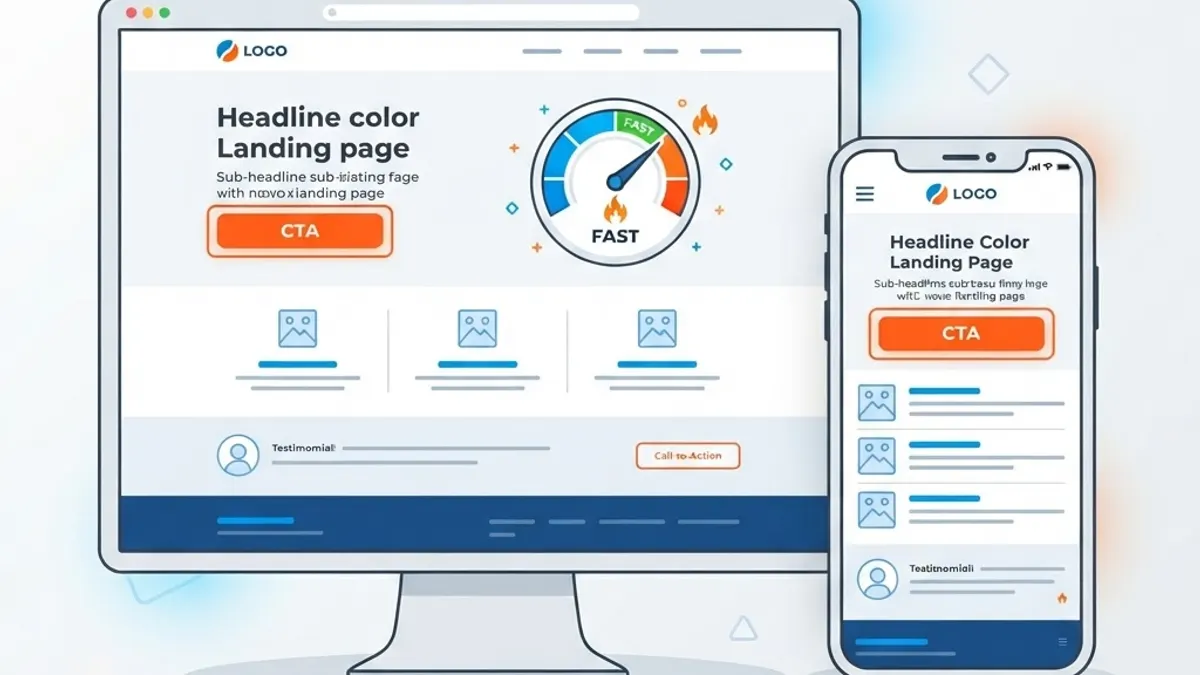
What a high-converting paid landing page requires:
- Message match. The headline should repeat the phrase the visitor searched. Mismatch is the number one cause of high bounce on paid traffic.
- One clear action. Remove the navigation menu. Every extra exit path costs you conversions.
- Proof above the fold. Reviews, certifications, client logos, or a specific result. Trust signals do more for conversion rate than design polish.
- Sub-2-second load on mobile. Compress images, ship modern formats, and cut third-party scripts.
- A form that asks for the minimum. Each additional required field measurably reduces completion.
This is where engineering and marketing meet, and where most campaigns quietly fail. If your pages are slow or built on bloated templates, a team that builds production grade web apps will move your cost per acquisition more than another round of bid tweaks ever will.
Scaling Without Destroying Efficiency
Scaling paid search is not raising budgets. It is expanding the surface area of profitable intent while holding your target cost per acquisition steady.

A disciplined scaling order:
- Increase budget on campaigns already hitting target, in 20 percent increments every 5 to 7 days, so Smart Bidding can recalibrate.
- Add exact-match variants of proven converting search terms.
- Expand geography one market at a time, with separate campaigns so performance stays visible.
- Layer remarketing to capture the 95 percent of first-time visitors who do not convert.
- Only then add awareness channels such as YouTube, funded by proven bottom-funnel profit.
Many growing companies reach the point where the constraint is execution capacity rather than strategy. Bringing in a specialist partner such as WebPeak Digital for performance marketing work, or reviewing a detailed breakdown like this guide to ROI marketing agency practices, is usually cheaper than a year of learning the auction the expensive way.
Google Ads Versus Organic Search: Use Both
Treating paid and organic as competing budgets is a mistake. Google Ads tells you within weeks which keywords produce revenue. SEO then compounds that knowledge into traffic you do not pay for per click. Paid search buys speed, organic search buys durability. The keyword data flows from paid into organic, and the brand trust flows from organic back into paid click-through rates.
Key Takeaways
- Google Ads works by intercepting existing demand, which is why it produces higher lead quality than interruptive channels.
- Google reports an average of 8 dollars in profit per 1 dollar spent on Google Ads and Google Search, and average search conversion rates sit near 4.4 percent across industries.
- Match campaign type to goal: Search for leads, Shopping or Performance Max for ecommerce sales, YouTube and Display for awareness, remarketing for re-engagement.
- Negative keywords built before launch commonly reduce wasted spend by 15 to 30 percent.
- Smart Bidding needs roughly 30 conversions in 30 days before it outperforms manual bidding.
- Mobile bounce probability rises 32 percent when load time moves from one second to three seconds, making landing page speed a direct cost-per-acquisition factor.
- Scale budgets in 20 percent increments and optimize toward closed revenue, not form fills.
Frequently Asked Questions (FAQ)
How much should a small business spend on Google Ads per month?
Most small businesses need 1,000 to 3,000 dollars per month to gather enough conversion data for reliable decisions. Below roughly 500 dollars monthly, focus that budget on one tightly targeted Search campaign with high-intent keywords rather than spreading it across several campaign types where nothing collects meaningful data.
How long does it take for Google Ads to show results?
Expect initial clicks and traffic within hours of launch, meaningful conversion data in two to four weeks, and stable optimized performance in about 90 days. Smart Bidding requires that learning period. Judging performance in the first week almost always leads to premature changes that reset progress.
Is Google Ads better than SEO for growing a business?
They serve different timelines. Google Ads delivers traffic immediately but stops when you stop paying. SEO takes months to compound but produces durable traffic. The strongest approach uses paid search to identify which keywords convert, then invests in organic content around those proven revenue terms.
Why are my Google Ads getting clicks but no conversions?
Three causes account for most cases: keyword intent is informational rather than commercial, the landing page does not match the ad promise, or conversion tracking is broken. Check your search terms report first, then test your page load speed and form, then verify tracking is firing correctly.
Can Google Ads work for B2B businesses with long sales cycles?
Yes, but you must measure the right thing. Track qualified opportunities rather than raw form fills, and import offline conversions so Google optimizes toward closed deals. Long cycles also make remarketing essential, since B2B buyers typically visit multiple times before requesting a conversation.
Do I need an agency to run Google Ads successfully?
Not for a simple single-service local campaign, which an owner can manage with weekly search term reviews. An agency becomes worth the fee when you run multiple campaign types, spend above roughly 5,000 dollars monthly, or need offline conversion tracking and landing page engineering handled together.