
A practical, expert guide to Fusion's artificial intelligence services, including machine learning, NLP, computer vision, predictive analytics, and automation for real business results.
Fusion's Artificial Intelligence Services
Artificial intelligence has shifted from a futuristic concept to a daily business tool, and companies that ignore it are already falling behind. Fusion's artificial intelligence services represent a practical, results-focused way to deploy AI across real workflows, from automating repetitive tasks to forecasting demand and personalizing customer experiences. In this guide, we break down exactly what these services include, where they create measurable value, and how to implement them without wasting budget. Whether you run a lean startup or a large enterprise, you will leave knowing how to turn AI from an expensive experiment into a reliable revenue engine.

Quick Answer: Fusion's artificial intelligence services are end-to-end AI solutions, including machine learning, natural language processing, computer vision, predictive analytics, and process automation, built to help businesses cut costs, make faster decisions, and deliver smarter customer experiences using data-driven, production-ready systems.
What Are Fusion's Artificial Intelligence Services?
AI services are professional offerings that design, build, and deploy intelligent systems capable of learning from data and acting with minimal human input. Instead of selling a single product, a fusion-style approach blends several AI disciplines into one cohesive solution mapped to a specific business problem.
The word "fusion" matters because real-world problems rarely fit one technique. A customer support overhaul, for example, may combine a chatbot (NLP), ticket routing (classification models), and demand prediction (forecasting) in a single system. Merging these capabilities is what separates a genuine AI partner from a vendor selling one narrow tool. Teams like the specialists at ZoneTechify and WebPeak focus on this integrated model so that each component reinforces the others rather than working in isolation.
Why Businesses Are Investing in AI Services in 2026
The business case for AI is no longer theoretical. According to McKinsey's global research, organizations that adopt AI across multiple functions report meaningful revenue gains and cost reductions, and a majority of high-performing companies now use AI in at least one core business area. Separately, IBM's Global AI Adoption Index found that roughly 42% of enterprise-scale companies have actively deployed AI, while another large share are exploring it.
The takeaway is simple: AI adoption has crossed from early-adopter territory into mainstream competitive necessity. Companies that wait are not just missing efficiency gains, they are handing data, speed, and customer-experience advantages to rivals who moved first. The cost of inaction now outweighs the cost of thoughtful implementation.
Core AI Services That Drive Real Results
Fusion's artificial intelligence services typically cover five high-impact pillars. Each solves a distinct problem, and the real value appears when they work together.
Machine Learning Model Development
Machine learning is the engine behind most modern AI. Custom models are trained on your historical data to recognize patterns, score outcomes, and improve over time. Practical applications include credit-risk scoring, churn prediction, fraud detection, and product recommendations.
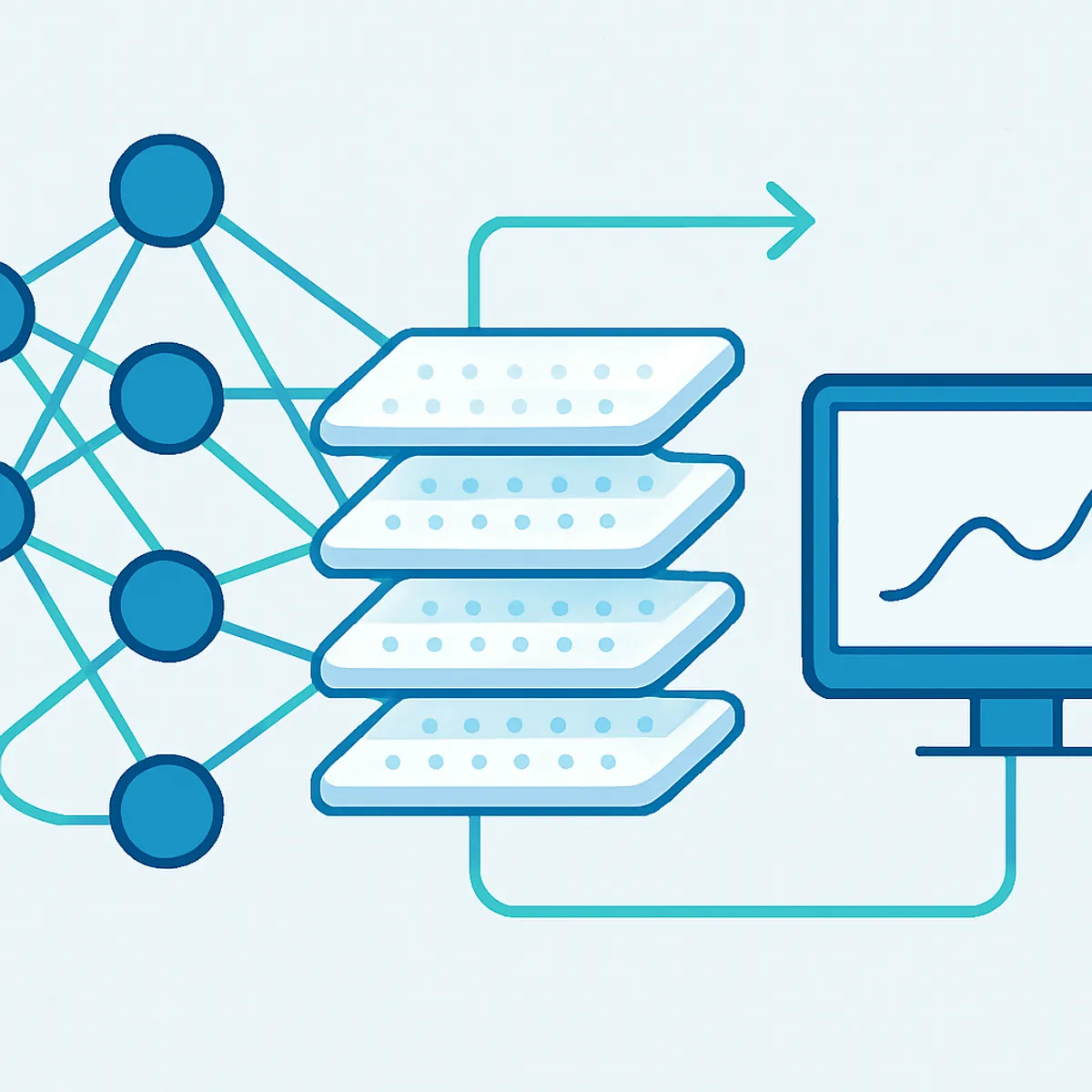
The expertise lies less in the algorithm and more in the data pipeline: cleaning inputs, engineering features, preventing data leakage, and validating models against fresh data so they perform in production, not just in a demo. A well-built model that earns trust through transparency is far more valuable than a complex one nobody understands.
Natural Language Processing and Chatbots
Natural language processing (NLP) lets software understand and generate human language. This powers chatbots, sentiment analysis, document summarization, and intelligent search. Modern NLP systems built on large language models can resolve common customer queries instantly, freeing human agents for complex cases.
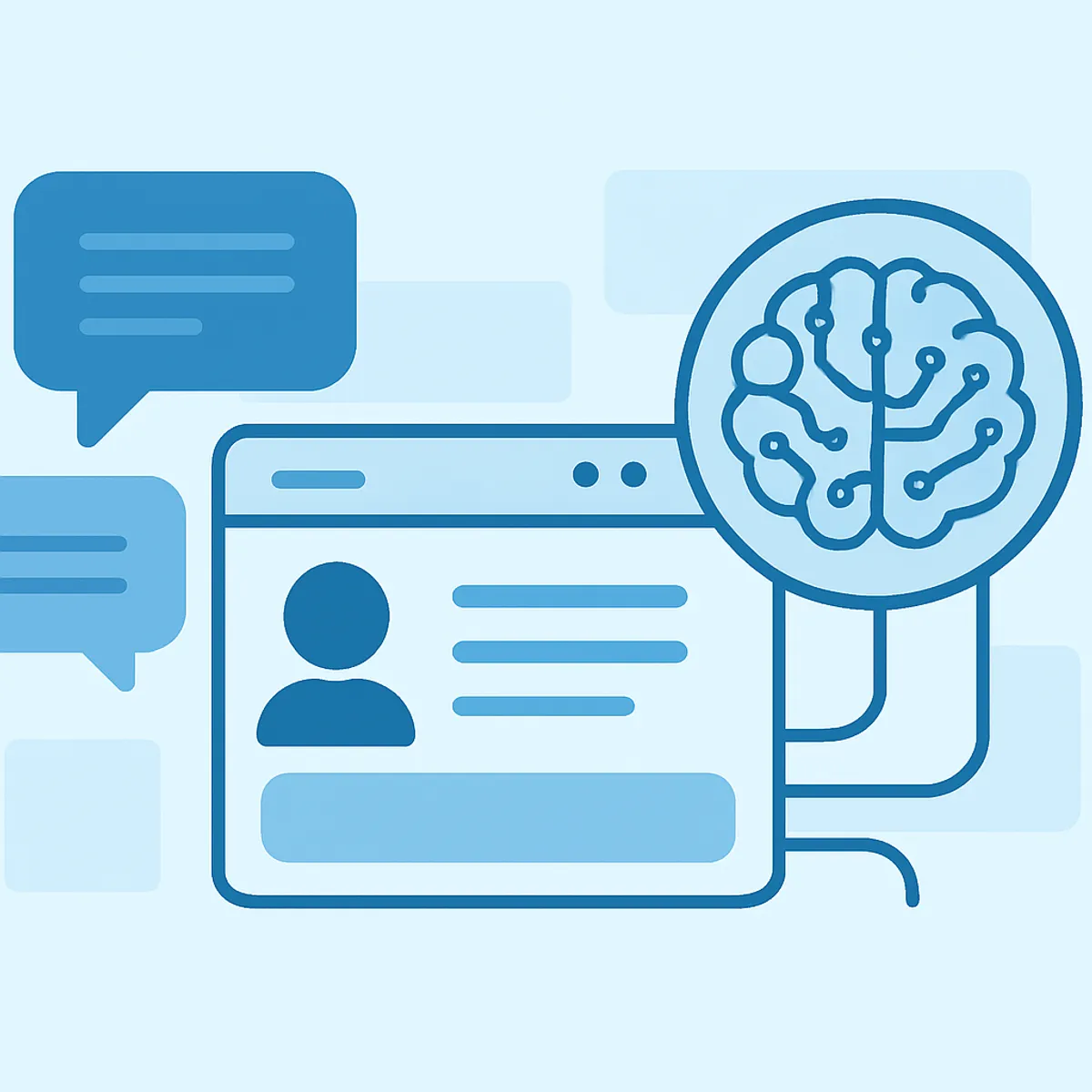
The difference between a frustrating bot and a helpful one is grounding: connecting the model to your real knowledge base so answers are accurate, not invented. Done right, NLP cuts response times and raises satisfaction at the same time.
Predictive Analytics and Forecasting
Predictive analytics uses historical and live data to forecast what is likely to happen next. Retailers use it for inventory planning, finance teams use it for cash-flow forecasting, and marketers use it to identify which leads will convert.
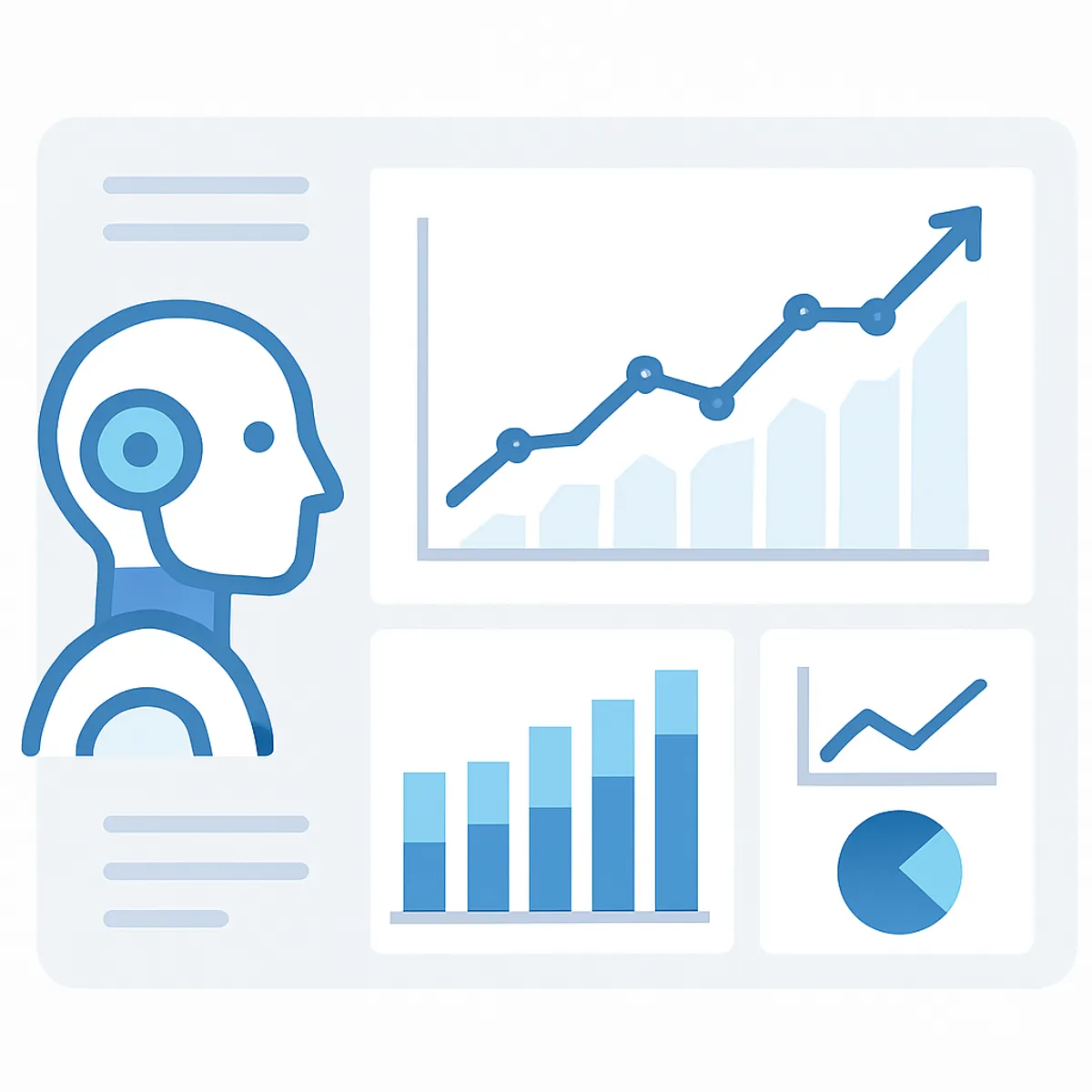
The goal is to replace gut-feel decisions with probability-backed ones. When a forecasting model tells you demand will spike 30% next quarter, you can staff and stock accordingly, turning data into a planning advantage instead of a hindsight report.
Computer Vision Solutions
Computer vision enables machines to interpret images and video. Use cases include quality inspection on production lines, inventory tracking through shelf cameras, document scanning, and security monitoring.

In manufacturing, vision systems detect defects faster and more consistently than the human eye, reducing waste and recalls. In retail and logistics, they automate counting and sorting tasks that once required hours of manual labor, delivering accuracy gains that compound across every shift.
Intelligent Process Automation
Intelligent automation combines AI with workflow tools to handle end-to-end tasks: reading an invoice, extracting the data, validating it, and updating your accounting system without human touch.
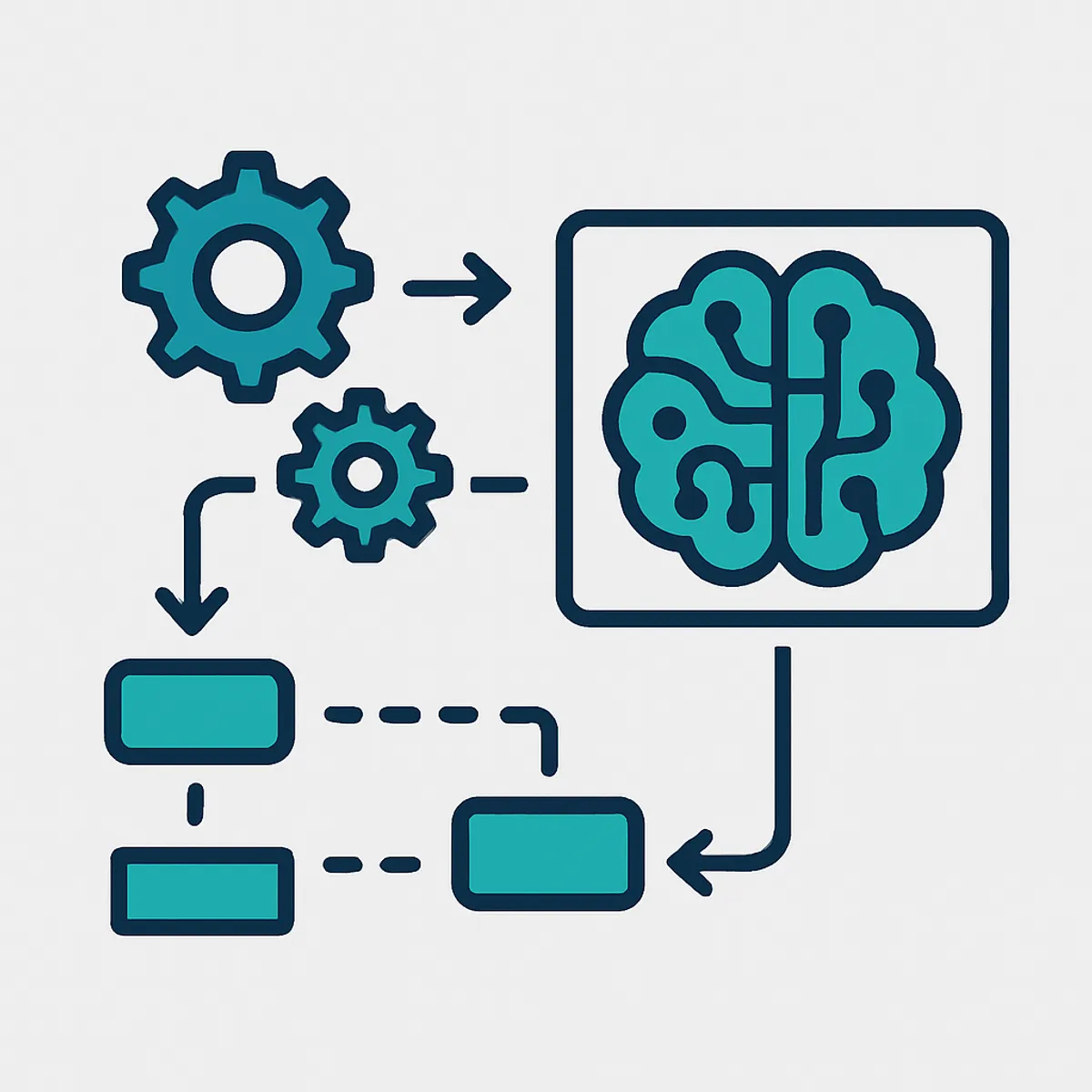
Unlike basic rule-based automation, AI-driven automation adapts to exceptions and unstructured inputs. This is where many businesses see the fastest return, because it removes hours of repetitive work and reduces costly manual errors. For organizations ready to scale these capabilities, partnering with a dedicated provider such as WebPeak's AI services helps turn isolated pilots into reliable, company-wide systems.
AI Service Types Compared
The table below compares the five pillars by typical use case, time to value, and data requirements so you can prioritize what to build first.
| AI Service | Best For | Time to Value | Data Needed |
|---|---|---|---|
| Machine Learning | Prediction and scoring | Medium | High |
| NLP and Chatbots | Customer support and search | Fast | Medium |
| Predictive Analytics | Forecasting and planning | Medium | High |
| Computer Vision | Inspection and tracking | Medium | High |
| Process Automation | Repetitive back-office work | Fast | Low |
For most businesses, NLP chatbots and process automation deliver the quickest wins because they require less data and solve visible daily pain points. Heavier data-driven services like predictive analytics pay off strongly once clean data foundations are in place.
How to Choose the Right AI Services Partner
Choosing a partner is as important as choosing the technology. A capable AI provider should demonstrate real experience, not just marketing claims. Use this checklist when evaluating any vendor:
- Proven case studies with measurable outcomes, not vague promises.
- Data security and compliance practices, including how your data is stored and used.
- Clear ownership of the models, code, and data you pay to build.
- Production focus, meaning they ship working systems, not just prototypes.
- Ongoing support, because AI models drift and need monitoring and retraining.
If a provider cannot explain how a model makes decisions or refuses to discuss maintenance, treat that as a warning sign. Trustworthy AI is transparent, measurable, and accountable. For teams that also need web platforms to host these tools, ZoneTechify's artificial intelligence services pair model development with the engineering needed to run it reliably.
A Practical AI Implementation Roadmap
Based on real deployments, successful AI projects follow a clear sequence rather than a big-bang launch.
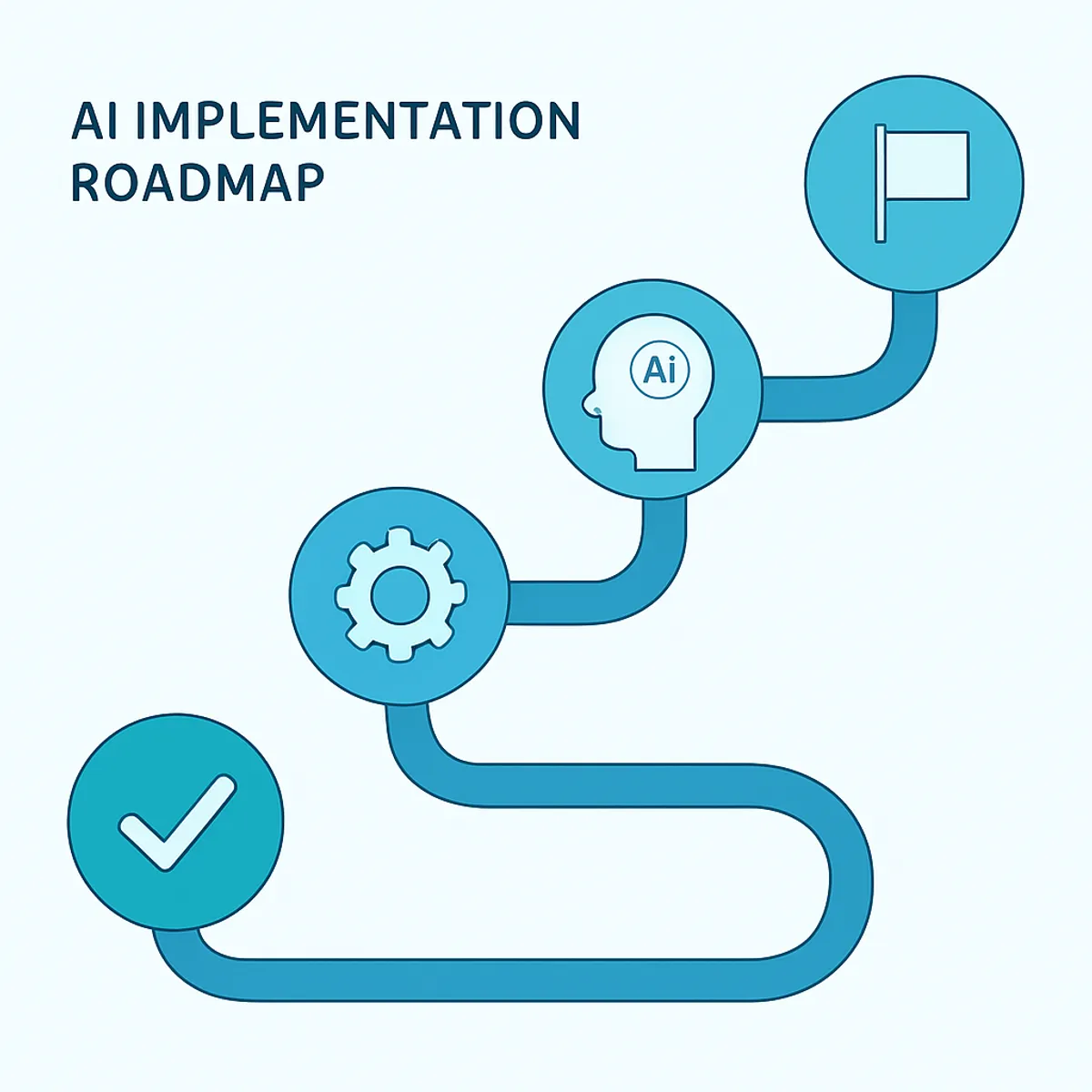
- Identify a high-value problem. Pick one measurable pain point, such as slow support response or inventory waste.
- Audit your data. Confirm you have enough clean, relevant data to train on.
- Build a focused pilot. Solve the single problem end to end before scaling.
- Measure against a baseline. Compare results to current performance with real numbers.
- Scale and integrate. Expand the proven solution and connect it to other systems.
- Monitor and retrain. Track accuracy over time and refresh models as data changes.
This incremental approach reduces risk and builds internal trust. Each phase produces evidence that justifies the next investment, which keeps stakeholders confident and budgets approved.
The Future of AI Services
The next wave of AI services centers on autonomous agents, systems that not only answer questions but complete multi-step tasks on your behalf. Combined with tighter data privacy controls and smaller, cheaper models that run closer to where data lives, AI is becoming faster, more affordable, and more accessible to mid-sized businesses.
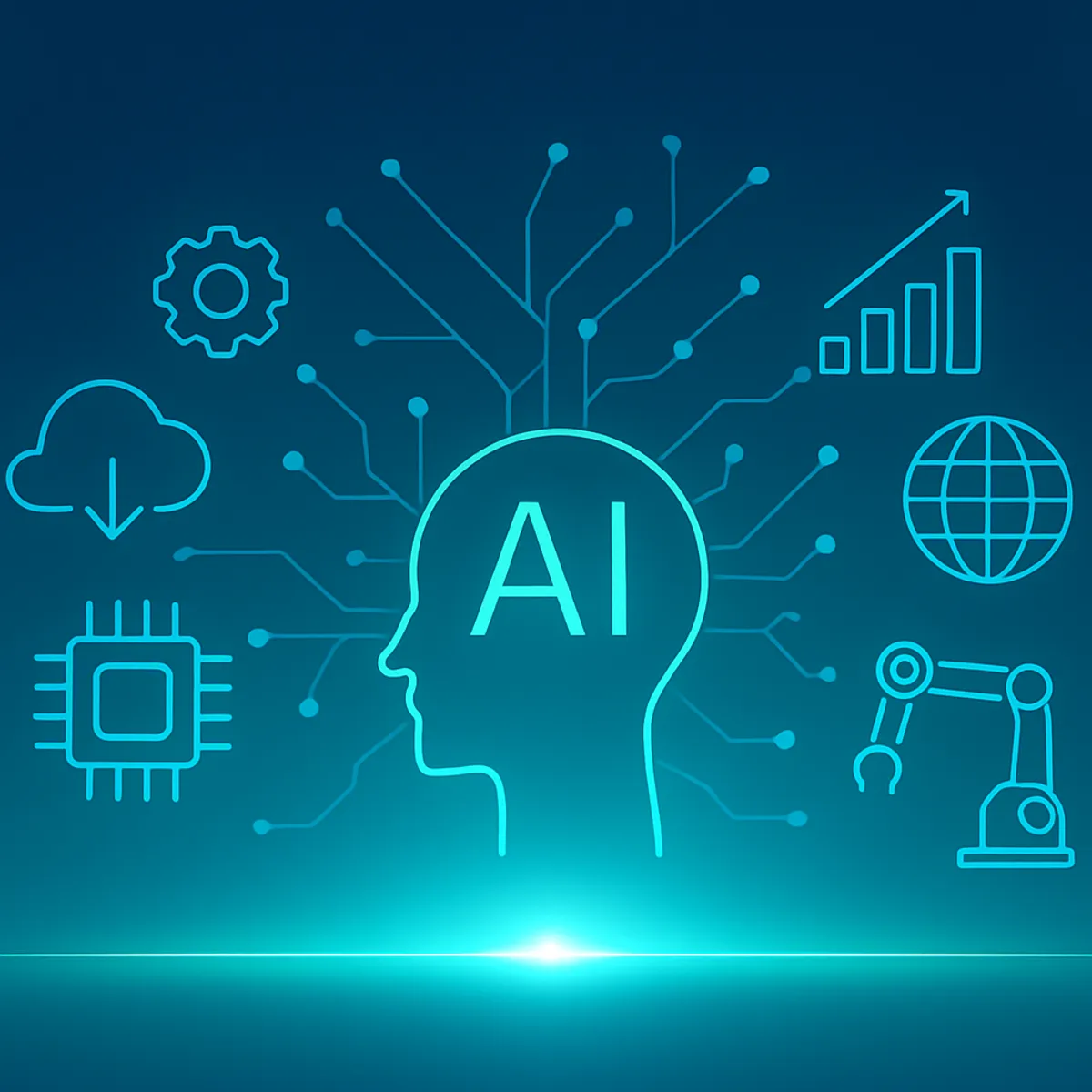
The organizations that will benefit most are those building strong data foundations today. AI rewards clean, well-organized information, so the groundwork you lay now determines how quickly you can adopt tomorrow's breakthroughs. The competitive gap between AI-ready and AI-absent companies will only widen.
Key Takeaways
- Fusion's AI services combine machine learning, NLP, computer vision, predictive analytics, and automation into integrated solutions.
- According to IBM's Global AI Adoption Index, roughly 42% of enterprise-scale companies have already deployed AI in their operations.
- NLP chatbots and process automation usually deliver the fastest return because they need less data and solve visible daily problems.
- A trustworthy AI partner offers transparency, data ownership, security, and ongoing model maintenance.
- The most successful AI projects start with one focused pilot, measure against a baseline, then scale.
Frequently Asked Questions (FAQ)
What exactly are artificial intelligence services?
Artificial intelligence services are professional solutions that design, build, and deploy systems capable of learning from data. They include machine learning, natural language processing, computer vision, predictive analytics, and automation, all tailored to solve specific business problems and improve efficiency, accuracy, and decision-making.
How much do AI services cost for a small business?
Costs vary widely based on scope, but small businesses often start with focused projects like a chatbot or automation workflow rather than a full custom platform. Beginning with one measurable pilot keeps initial investment low and lets you prove value before committing to larger, more complex deployments.
How long does it take to implement an AI solution?
Simple solutions like chatbots or document automation can launch in a few weeks, while custom machine learning models may take a few months. Timelines depend mostly on data quality and readiness. Starting with a focused pilot delivers visible results quickly while reducing overall project risk.
Do I need a lot of data to use AI services?
It depends on the service. Predictive analytics and computer vision usually need substantial clean data, while rule-assisted automation and many NLP tools require far less. A good AI partner audits your data first and recommends solutions that match what you realistically have available.
Are AI services safe and secure for sensitive business data?
Yes, when handled by a responsible provider. Reputable AI partners use encryption, access controls, and clear data-ownership agreements, and they comply with relevant privacy regulations. Always confirm how your data is stored, processed, and whether it is used to train external models before signing any agreement.
Fusion's artificial intelligence services are not about chasing hype, they are about solving concrete problems with measurable returns. Start small, build on clean data, choose a transparent partner, and scale what works. That disciplined path is how AI moves from a line item on your budget to a durable competitive advantage.