
A practical, evidence-based look at whether Dragon AI represents the future of artificial intelligence, how it compares to general-purpose LLMs, and where it actually delivers measurable value.
Is Dragon AI the Future of Artificial Intelligence?
Dragon AI is one of the most searched yet least understood names in artificial intelligence. Part of the confusion is naming: "Dragon" refers to Nuance's long-running Dragon speech recognition family (now owned by Microsoft), while newer projects and startups have adopted dragon-themed branding for their own models. The question people are really asking is whether specialized, domain-trained AI systems like Dragon represent where the industry is heading, or whether general-purpose foundation models will absorb everything.
This article answers that directly, with technical context, real numbers, and a decision framework you can apply to your own stack.
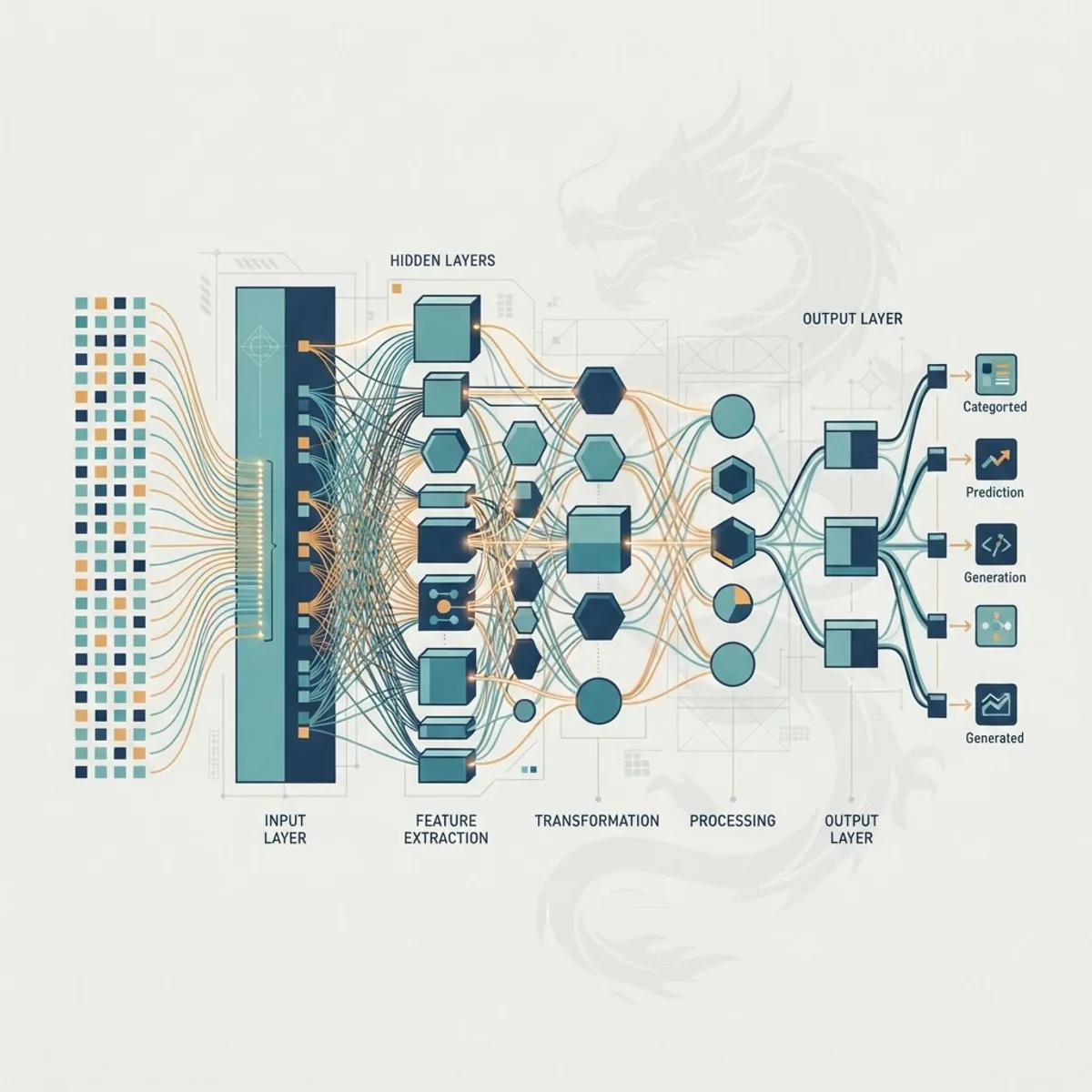
Quick Answer: Dragon AI is not the single future of artificial intelligence, but it represents a real and growing future: narrow, domain-tuned models that outperform general systems inside one vertical. Expect a hybrid landscape where specialized engines like Dragon handle regulated, high-accuracy workflows while foundation models handle open-ended reasoning.
What Dragon AI Actually Is
Dragon AI, in its most established form, is a speech-to-text and clinical documentation platform built on decades of acoustic modeling research. Dragon NaturallySpeaking launched in 1997 as the first continuous-speech dictation product for consumer PCs, and the technology line continued through Dragon Medical One and Dragon Copilot, Microsoft's ambient clinical documentation assistant announced in 2025.
Definition: A domain-tuned AI system is a model trained or fine-tuned on a narrow, vocabulary-controlled dataset (for example, radiology reports or legal filings) so that it achieves higher accuracy inside that domain than a general model of equal or larger size.
That distinction matters. Dragon was never designed to write poetry or debug code. It was designed so that a cardiologist saying "paroxysmal atrial fibrillation" gets the right spelling on the first attempt, in a chart that meets billing and compliance standards.
Why the Question Matters Right Now
The AI market is splitting into two camps. One camp bets that a single frontier model will eventually do everything. The other bets on vertical AI: smaller, cheaper, auditable systems tuned for one job.
Two data points frame the debate:
- Nuance reported that Dragon Medical products were used by more than 550,000 physicians and 10,000 healthcare organizations before Microsoft's acquisition closed in 2022, giving the platform one of the largest installed bases of any production AI system in a regulated industry.
- Microsoft acquired Nuance for roughly 19.7 billion dollars, its second-largest acquisition ever at the time. A company that already owned frontier-scale language models still paid a premium for domain-specific speech AI, which tells you how much value the market assigns to vertical accuracy and compliance readiness.
Original analysis worth noting: the acquisition price was justified less by the model weights than by the workflow integration. Dragon sits inside electronic health record systems, clinician habits, and reimbursement audits. That embedded position is far harder to replicate than raw transcription accuracy, and it is the real competitive moat in applied AI.
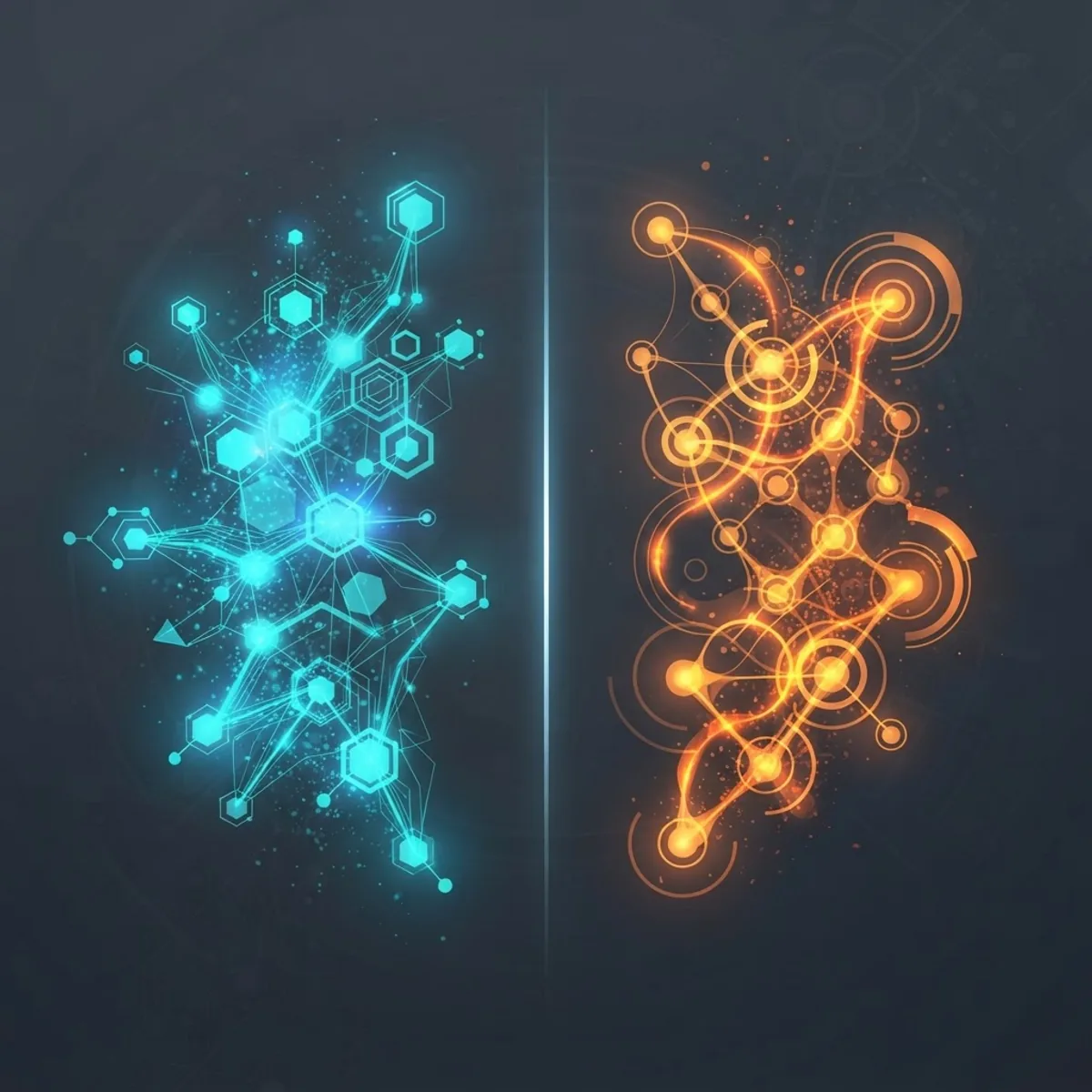
Dragon AI vs General-Purpose Large Language Models
The honest comparison is not "which is better" but "which is correct for the job."
| Factor | Dragon-Style Domain AI | General-Purpose LLM |
|---|---|---|
| Primary strength | Speech accuracy in a controlled vocabulary | Open-ended reasoning and generation |
| Training focus | Narrow, curated domain corpora | Broad web-scale data |
| Latency profile | Optimized for real-time dictation | Variable, often higher for long outputs |
| Error cost tolerance | Very low, audited output | Higher, human review expected |
| Compliance posture | Built for HIPAA-style requirements | Depends on deployment configuration |
| Customization path | Vocabulary and template tuning | Prompting, RAG, fine-tuning |
| Best use case | Clinical notes, legal dictation, field reporting | Research, drafting, code, analysis |
The practical takeaway: if your output goes into a legal record, a patient chart, or a regulated filing, a narrow engine with predictable failure modes usually wins. If your output is a first draft a human will edit, a general model usually wins.
How Dragon-Style Speech AI Works
Understanding the pipeline explains both the strengths and the ceiling.
- Audio capture and signal cleanup. Noise suppression and speaker isolation run before any recognition, which is why microphone quality still changes accuracy more than model size in most deployments.
- Acoustic modeling. The system maps sound frames to phonetic units. Modern versions use deep neural acoustic models rather than the hidden Markov models of the early Dragon era.
- Language modeling. A domain language model scores likely word sequences. This is where a medical vocabulary beats a general one decisively.
- Contextual post-processing. Templates, macros, and structured field mapping turn raw text into a usable document.
- Feedback loop. Corrections feed back into user-specific profiles, which is why accuracy climbs measurably in the first weeks of use.
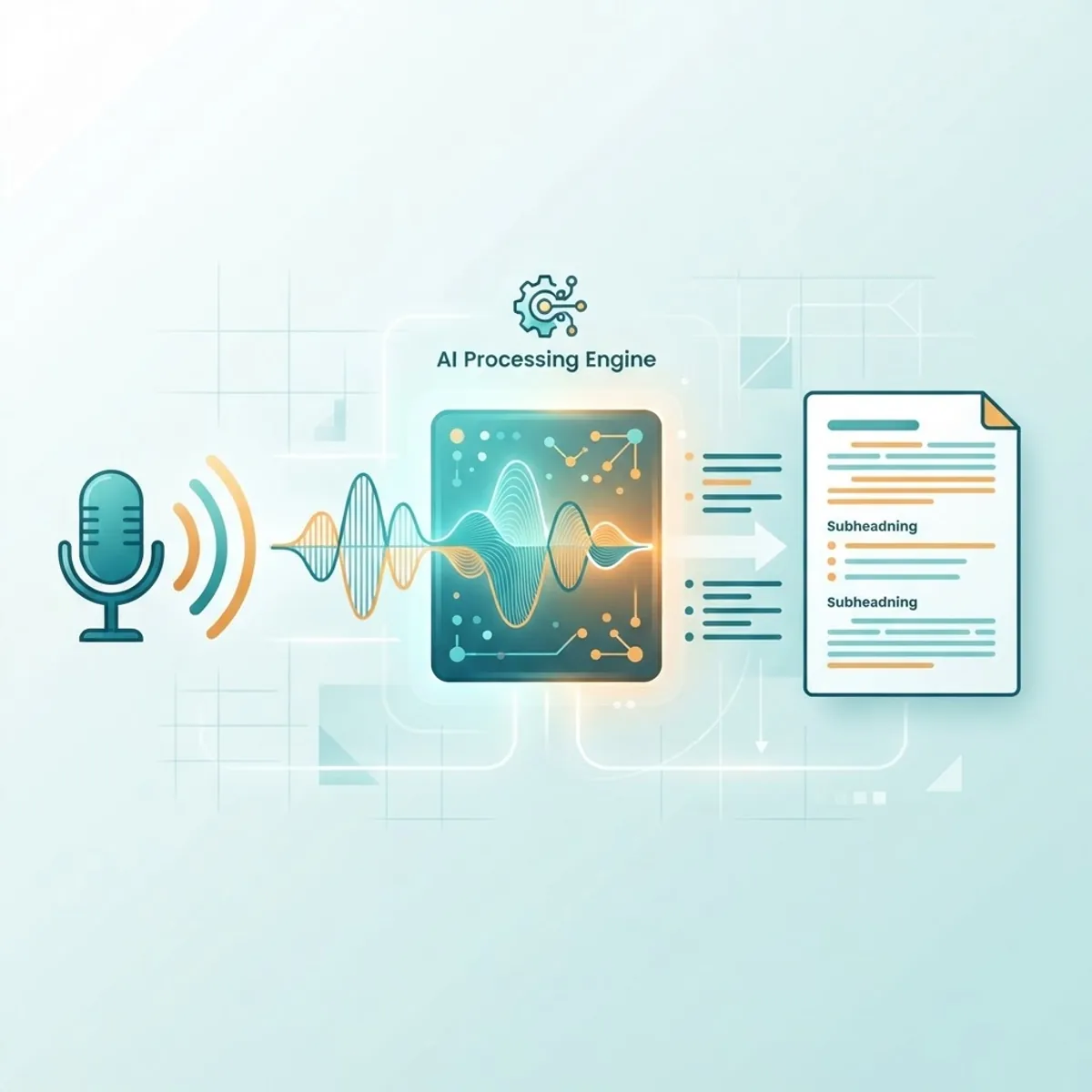
The insight most coverage misses: step four is where most of the commercial value lives. Transcription is close to commoditized. Turning speech into a compliant, structured, billable document is not.
Where Domain AI Like Dragon Genuinely Wins
Based on how these systems get deployed in practice, the strongest fits share three traits: repetitive language, high error cost, and a documented compliance requirement.
- Clinical documentation. Ambient note capture during patient visits, reducing after-hours charting.
- Legal dictation and discovery. Long-form dictation where names, citations, and statutes must be exact.
- Field and inspection reporting. Hands-busy environments where typing is impractical.
- Accessibility. Voice-first computing for users with motor or vision impairments, a use case Dragon served long before AI became a marketing term.
- Contact center quality assurance. High-volume audio where consistent vocabulary handling matters more than creative range.
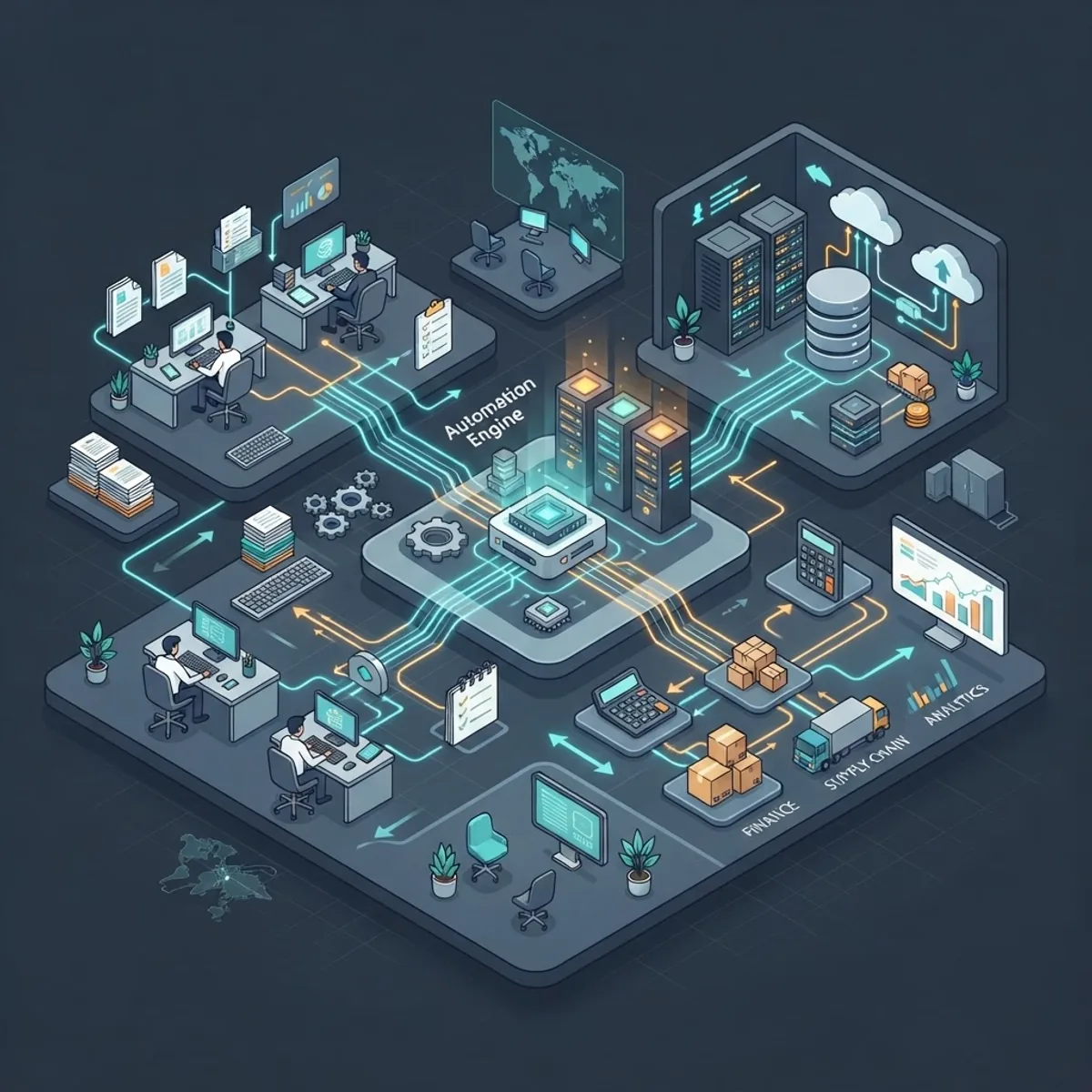
Teams building these systems usually need more than a model. They need integration, security review, and interface design, which is why organizations often pair a specialist engine with an implementation partner such as AI automation services to handle deployment, evaluation, and monitoring rather than treating the model as the finished product.
The Real Limitations You Should Plan For
Any honest assessment has to include the failure modes.
Accuracy is contextual, not absolute. Vendor accuracy claims typically reflect clean audio, a trained user profile, and in-domain vocabulary. Accented speech, overlapping speakers, background noise, and out-of-domain terminology all degrade results. Always benchmark on your own audio before committing.
Narrow models generalize poorly by design. A system tuned for cardiology notes will underperform on pediatric oncology or insurance claims without retuning. That is a feature for accuracy and a cost for flexibility.
Ambient AI raises consent and privacy obligations. Always-listening documentation tools create recordings and derived data that fall under health privacy, employment, and regional recording-consent laws. Legal review is not optional.
Automation bias is the underrated risk. When output looks polished, reviewers skim. In documentation workflows, a confident wrong entry is more dangerous than an obvious garbled one, so review checkpoints must be enforced structurally, not left to habit.

A Practical Adoption Framework
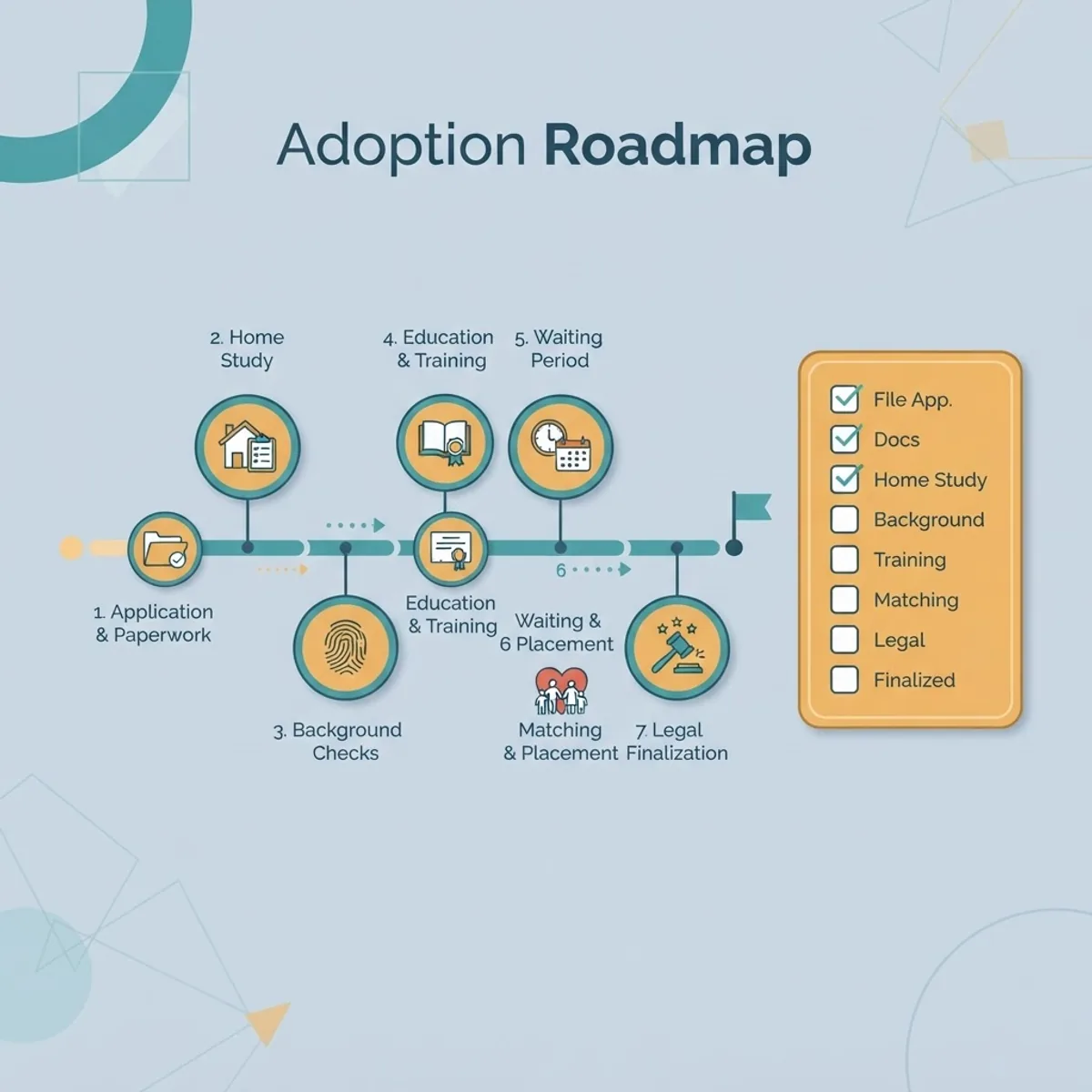
Use this sequence rather than starting with a vendor demo.
- Define the measurable outcome. Minutes saved per document, error rate reduction, or throughput per shift. Not "adopt AI."
- Collect real audio or real documents. Twenty to fifty genuine samples, including your hardest accents and noisiest rooms.
- Benchmark two or three options. Include one domain engine and one general model with retrieval, so you can see the tradeoff with your own data.
- Score total cost, not licence cost. Add integration, training, review time, and security assessment.
- Pilot with a small group and a control group. Four to six weeks is usually enough to see whether accuracy gains hold after profile training.
- Instrument the loop. Track correction rates by user and by document type; those numbers tell you where tuning pays off.
- Write the escalation rule. Define explicitly what a human must verify before anything is filed or signed.
This framework mirrors how experienced engineering teams evaluate any production system. Agencies that ship measurable results, including a KPI-driven web agency model, tend to insist on the baseline-and-benchmark step before writing integration code, because it is the only way to prove value after launch.
So Is Dragon AI the Future?
The defensible answer is partial yes. Dragon AI is not the future of artificial intelligence in the singular sense, because no speech-focused system will handle general reasoning, multimodal creation, or agentic workflows. But the pattern Dragon represents, deep vertical specialization plus workflow integration plus compliance readiness, is very likely a permanent layer of the AI stack.
The most probable shape of the next few years is composite: a frontier model orchestrating tasks, calling specialized engines like Dragon for the parts where accuracy is non-negotiable, and routing anything ambiguous to a human. Specialization does not disappear as general models improve; it moves closer to the point where mistakes cost money.
Key Takeaways
- Dragon AI originated as speech recognition technology, with Dragon NaturallySpeaking launching in 1997 and evolving into clinical documentation tools including Dragon Medical One and Dragon Copilot.
- Microsoft acquired Nuance, Dragon's parent company, for approximately 19.7 billion dollars, signalling high market value for domain-specific AI even for a company with frontier models.
- Dragon Medical products reached more than 550,000 physicians and 10,000 healthcare organizations, one of the largest production AI footprints in a regulated sector.
- Domain-tuned AI outperforms general models inside controlled vocabularies but generalizes poorly outside them.
- Vendor accuracy figures assume clean audio and trained profiles; benchmark on your own data.
- The realistic future is hybrid: general models for reasoning, specialized engines for high-stakes accuracy, humans for final accountability.
Frequently Asked Questions (FAQ)
What is Dragon AI used for?
Dragon AI is used mainly for speech recognition and documentation. Its most common applications are clinical note capture for doctors, legal and business dictation, field reporting, and accessibility support for users who cannot type comfortably. The technology converts speech into structured, compliance-ready documents rather than plain text alone.
Is Dragon AI better than ChatGPT?
Neither is universally better because they solve different problems. Dragon AI is stronger for accurate real-time dictation inside a controlled vocabulary, especially in medical and legal settings. General assistants like ChatGPT are stronger for open-ended reasoning, drafting, and analysis where a human will review and edit the output afterwards.
Will general AI models replace specialized AI like Dragon?
Unlikely in high-stakes fields. General models keep improving, but regulated workflows demand predictable failure modes, audit trails, and deep system integration. Specialized engines remain valuable because they are tuned, certified, and embedded in existing software. The realistic outcome is general models orchestrating specialized ones, not replacing them entirely.
How accurate is Dragon speech recognition in practice?
Accuracy depends heavily on conditions. Clean audio, a good microphone, a trained user profile, and in-domain vocabulary produce the best results, while accents, background noise, and unfamiliar terminology reduce them. Always test with your own recordings for several weeks before trusting any published accuracy figure.
Is Dragon AI safe for handling patient or client data?
Enterprise versions are built for regulated environments, but safety depends on your configuration. You still need signed data processing agreements, access controls, retention policies, consent handling for ambient recording, and documented human review steps. Treat compliance as an implementation responsibility rather than something the product guarantees automatically.
Should small businesses invest in specialized AI or general tools?
Start general unless you have a narrow, repetitive, high-error-cost workflow. General assistants cover most small business needs cheaply. Specialized systems pay off when one document type dominates your workload, mistakes carry legal or financial penalties, or dictation volume is high enough to justify integration cost.