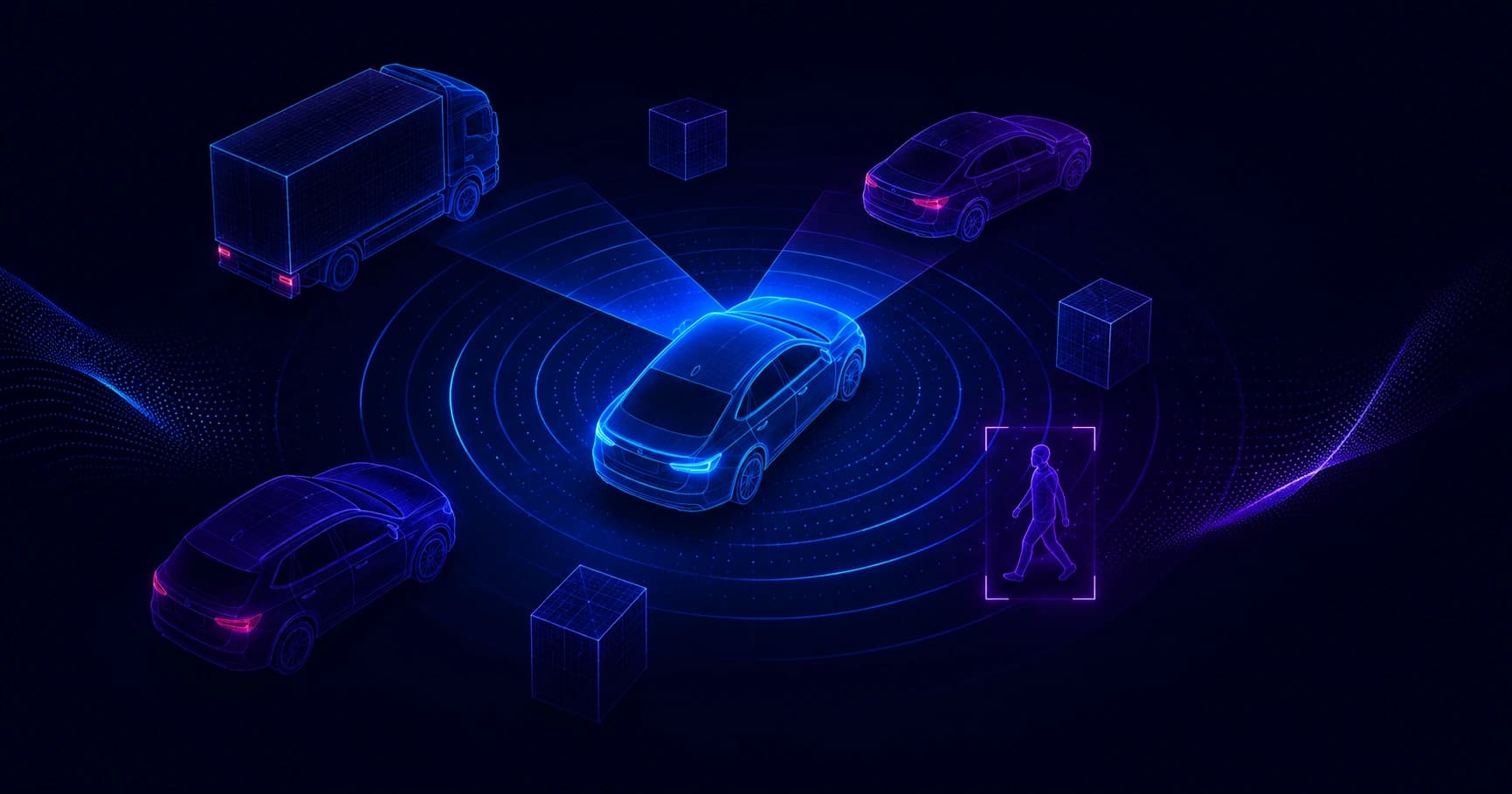
A practical, people-first guide to AI collision detection: how it works, the sensors and deep learning models behind it, real-world uses, and what comes next.
Collision Detection Artificial Intelligence
Collision detection sits at the heart of nearly every safety-critical system we depend on today, from self-driving cars and warehouse robots to delivery drones and heavy industrial machinery. When this capability is powered by artificial intelligence, machines can perceive their surroundings, anticipate danger, and respond faster and more consistently than a human ever could. In this guide we break down how AI-driven collision detection actually works, where it is used, the technology stack behind it, and why it is quietly reshaping the future of automation and safety.
What Is AI Collision Detection?
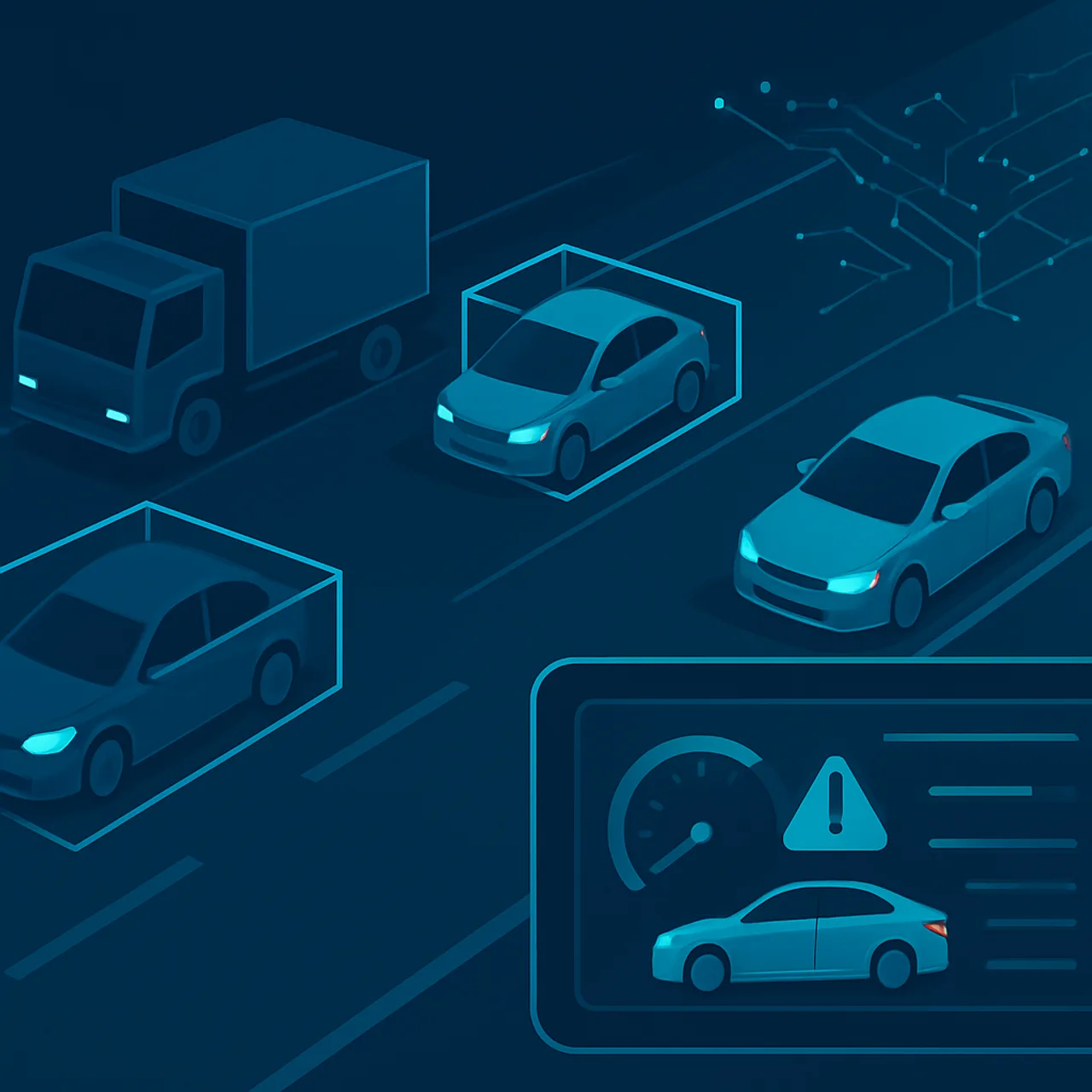
At its core, collision detection is the process of identifying when two or more objects are about to make contact, or have already made contact. Classic approaches relied on fixed geometric rules: bounding boxes, distance thresholds, and physics formulas that calculated whether shapes overlapped. These methods work well in controlled environments like video games or simple robotics, where every object is known in advance.
The real world, however, is messy. Pedestrians step off curbs unexpectedly, cyclists weave between cars, and lighting changes from bright sun to deep shadow within seconds. AI collision detection upgrades the traditional model by adding perception and prediction. Instead of only asking whether two shapes currently overlap, an intelligent system asks a far more useful question: based on everything I can sense, what is likely to collide in the next few seconds, and what should I do about it?
This shift from reactive geometry to predictive intelligence is the single biggest reason AI has become essential for modern safety systems.
Why Traditional Collision Detection Falls Short
Rule-based systems are fast and predictable, but they struggle with ambiguity. A simple sensor might detect that something is two meters ahead, yet it cannot tell whether that object is a plastic bag drifting in the wind or a child about to run across the street. Treating both the same way leads to dangerous mistakes, either ignoring a real threat or slamming the brakes for harmless debris.
AI changes this by learning from enormous datasets of labeled scenarios. Over millions of examples, models learn the subtle visual and motion cues that separate a harmless object from a genuine hazard. They learn that a pedestrian facing the road is more likely to cross than one walking parallel to it, and that a vehicle drifting toward a lane line may be changing lanes. This contextual understanding is impossible to hand-code with rigid rules.
How AI Collision Detection Works
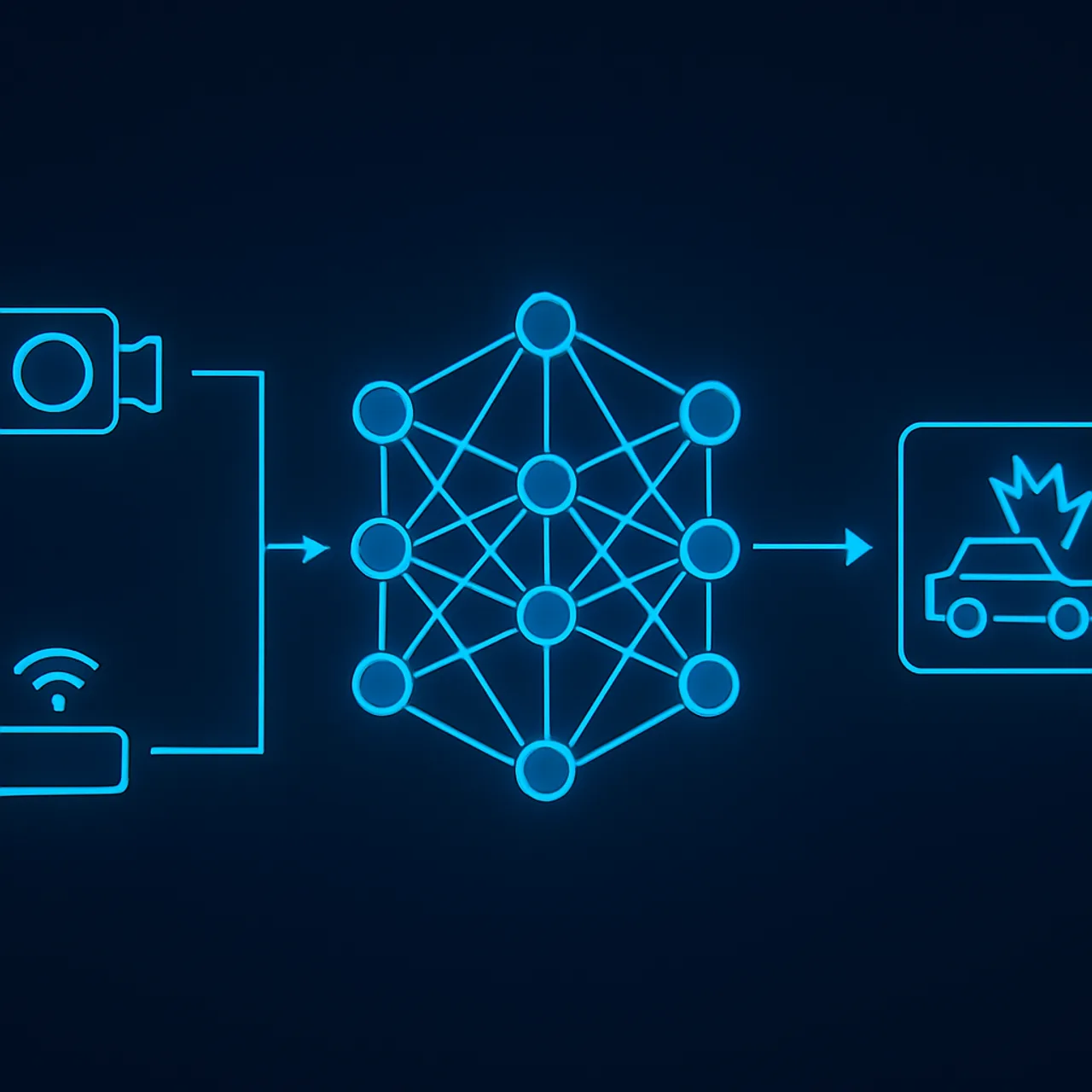
Most intelligent collision detection systems follow a three-stage pipeline: perception, prediction, and decision. Each stage builds on the last to turn raw sensor data into safe action.
Perception
The perception layer answers a deceptively simple question: what is around me right now? Cameras, radar, and LIDAR stream data into computer vision models that detect, classify, and localize every relevant object. The output is usually a set of bounding boxes or 3D shapes, each tagged with a label such as car, pedestrian, or cyclist, along with a confidence score and an estimated position and velocity.
Prediction
Once objects are identified, the system forecasts where they will move. Prediction models analyze trajectories, speed, acceleration, and behavioral patterns to estimate the most likely future paths for each object. This is where AI shines, because predicting human behavior requires nuance that pure physics cannot capture.
Decision
Finally, the decision layer combines all predicted paths with the system own planned route to calculate collision risk. If the probability of contact crosses a safety threshold, the system triggers a response, whether that is braking, steering, slowing a robotic arm, or rerouting a drone. The entire loop often runs dozens of times per second.
The Role of Sensor Fusion
No single sensor is perfect. Cameras provide rich detail and color but struggle in darkness and glare. Radar performs well in rain and fog and measures velocity directly, yet offers low resolution. LIDAR delivers precise 3D mapping but can be expensive and degraded by heavy weather. Sensor fusion combines these complementary strengths into one reliable picture of the environment.
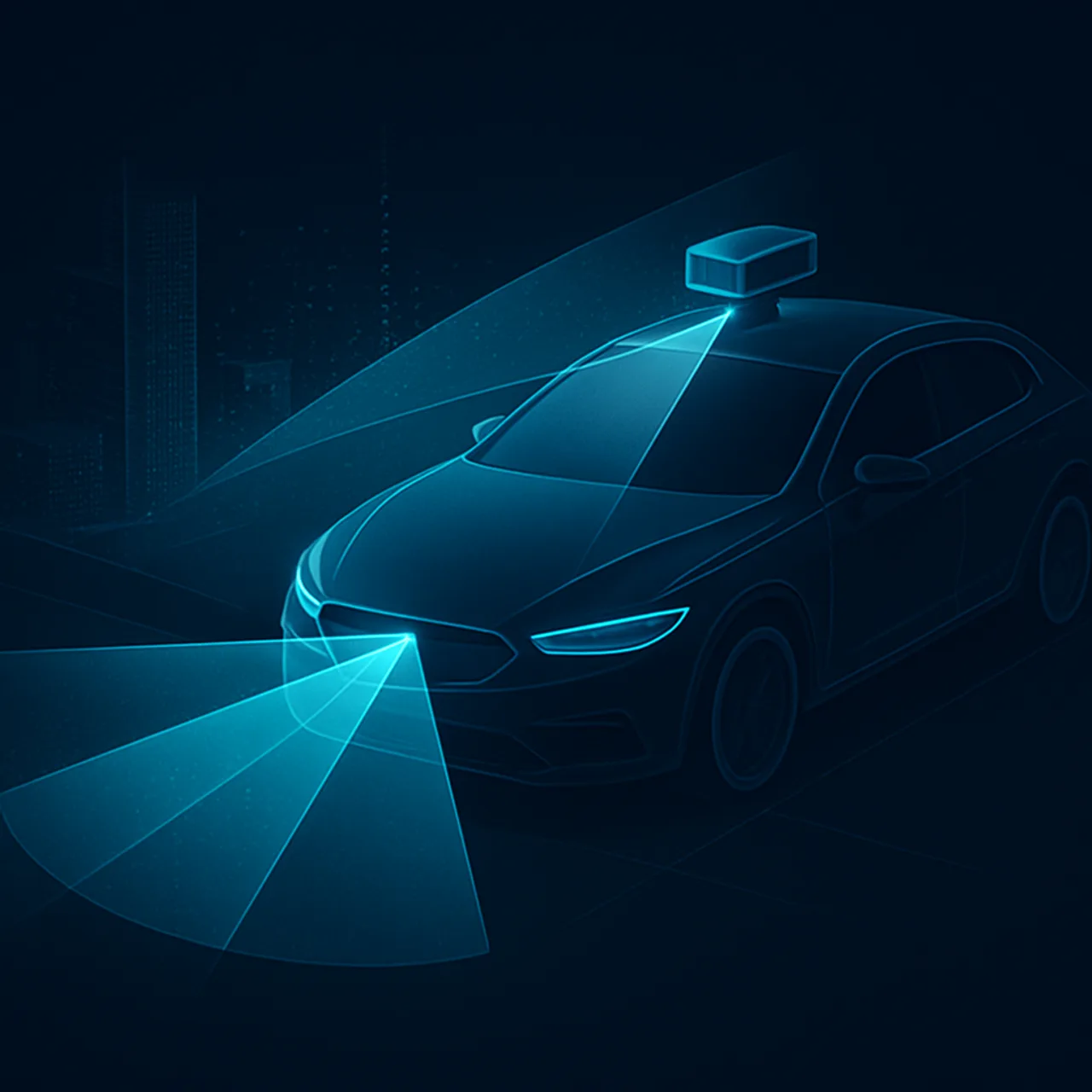
By merging multiple data streams, AI systems compensate for the weaknesses of each individual sensor. If a camera is blinded by sunlight, radar and LIDAR can still track nearby objects. This redundancy is not a luxury in safety-critical applications; it is a requirement. Teams building these systems, including engineering partners at ZoneTechify and WebPeak, increasingly treat robust sensor fusion as the foundation of trustworthy collision detection.
Deep Learning Models Behind the Scenes
The intelligence in modern collision detection comes from deep learning. Several model families work together to handle different parts of the problem.
Convolutional Neural Networks
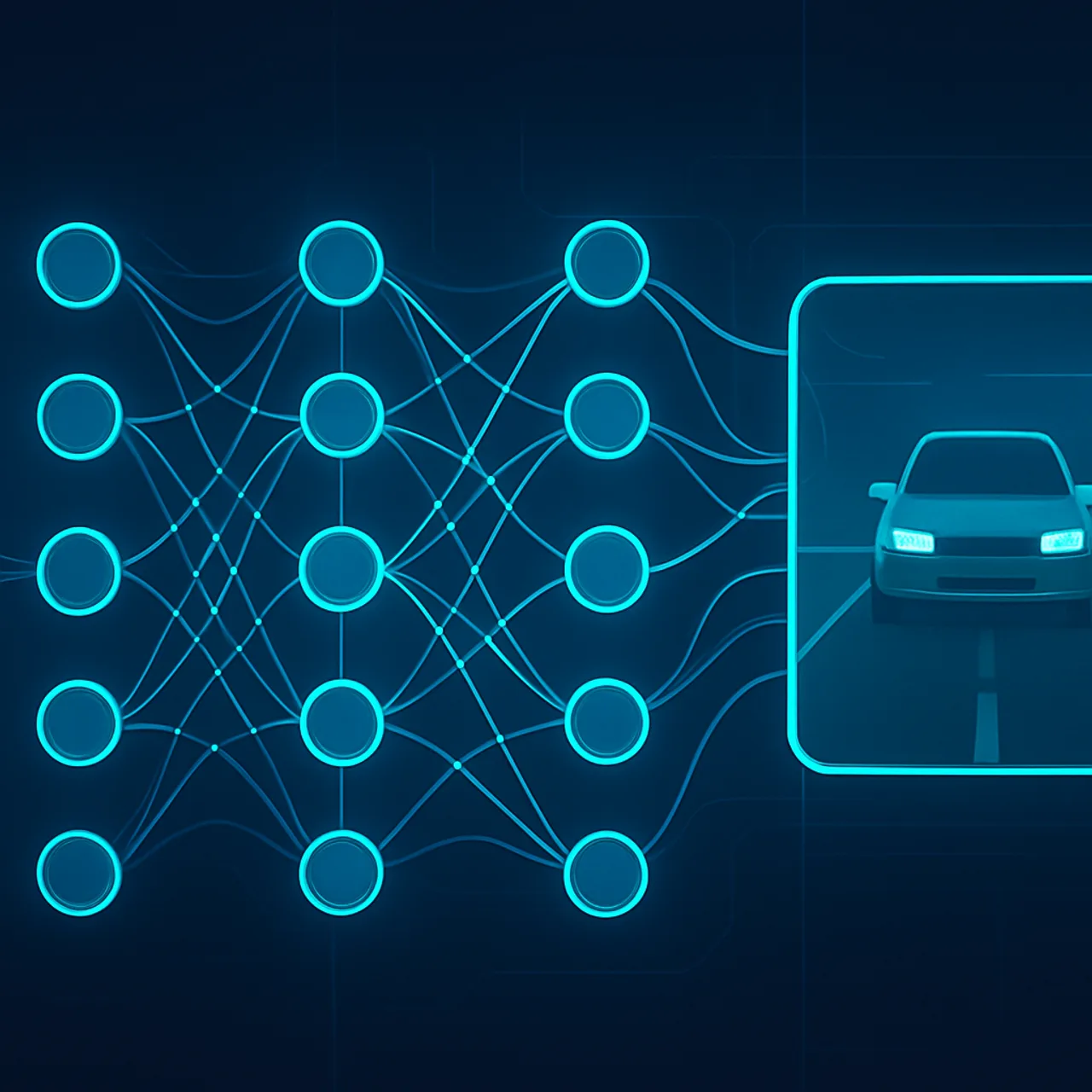
Convolutional neural networks, or CNNs, are the workhorses of visual perception. Object detection architectures such as YOLO and Faster R-CNN scan images and instantly draw bounding boxes around objects. Their speed makes them ideal for real-time detection where every millisecond counts.
Recurrent and Temporal Models
Collision detection is not a single snapshot; it unfolds over time. Recurrent neural networks and temporal convolutional models analyze sequences of frames to understand motion. By tracking how objects move across many frames, these models predict trajectories far more accurately than any single image could allow.
Transformers and Attention
More recently, transformer based models have transformed perception and prediction. Their attention mechanisms let the system weigh the importance of every object relative to others, capturing complex interactions in busy scenes. This is especially valuable in dense urban traffic where dozens of agents influence one another simultaneously. Organizations offering specialized artificial intelligence services often combine these architectures into hybrid pipelines tuned for specific safety domains.
Real-World Applications
AI collision detection is no longer confined to research labs. It is already protecting people and property across many industries.
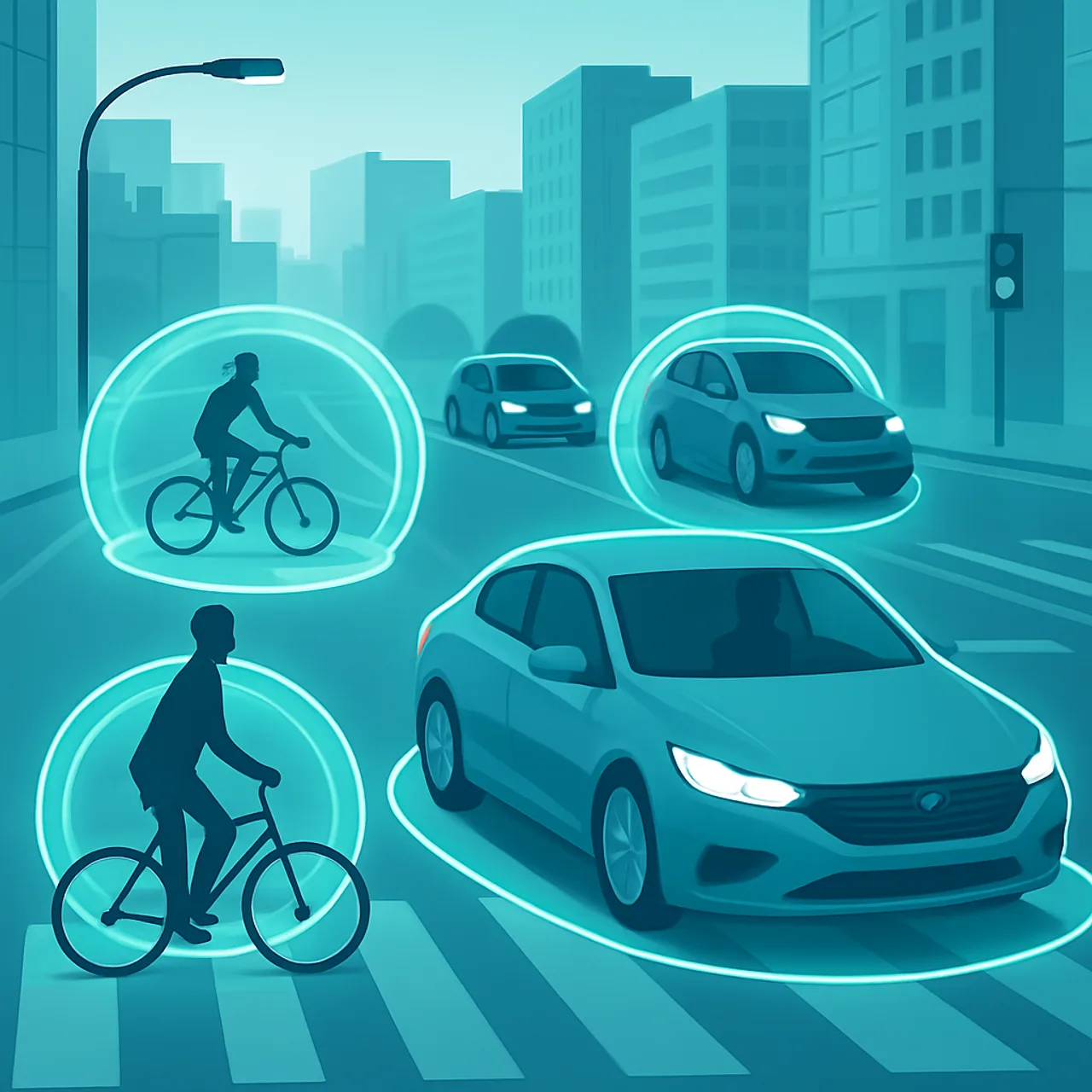
Autonomous vehicles are the most visible example. Self-driving cars and advanced driver assistance systems use collision detection for automatic emergency braking, lane keeping, and pedestrian protection. These features have already reduced rear-end crashes in production vehicles.
Robotics and manufacturing rely on collision detection to keep humans safe on the factory floor. Collaborative robots, or cobots, work alongside people and must instantly stop or slow down when a worker enters their path.
Drones and aerial systems use it for obstacle avoidance, navigating around buildings, trees, and other aircraft during inspections and deliveries.
Gaming and simulation still depend on collision detection for realistic physics, but increasingly use learned models to make virtual agents behave more naturally.
Building Real-Time Collision Detection Systems
Moving from a research prototype to a dependable real-time system introduces serious engineering challenges. Latency, accuracy, and reliability must all be balanced at once.
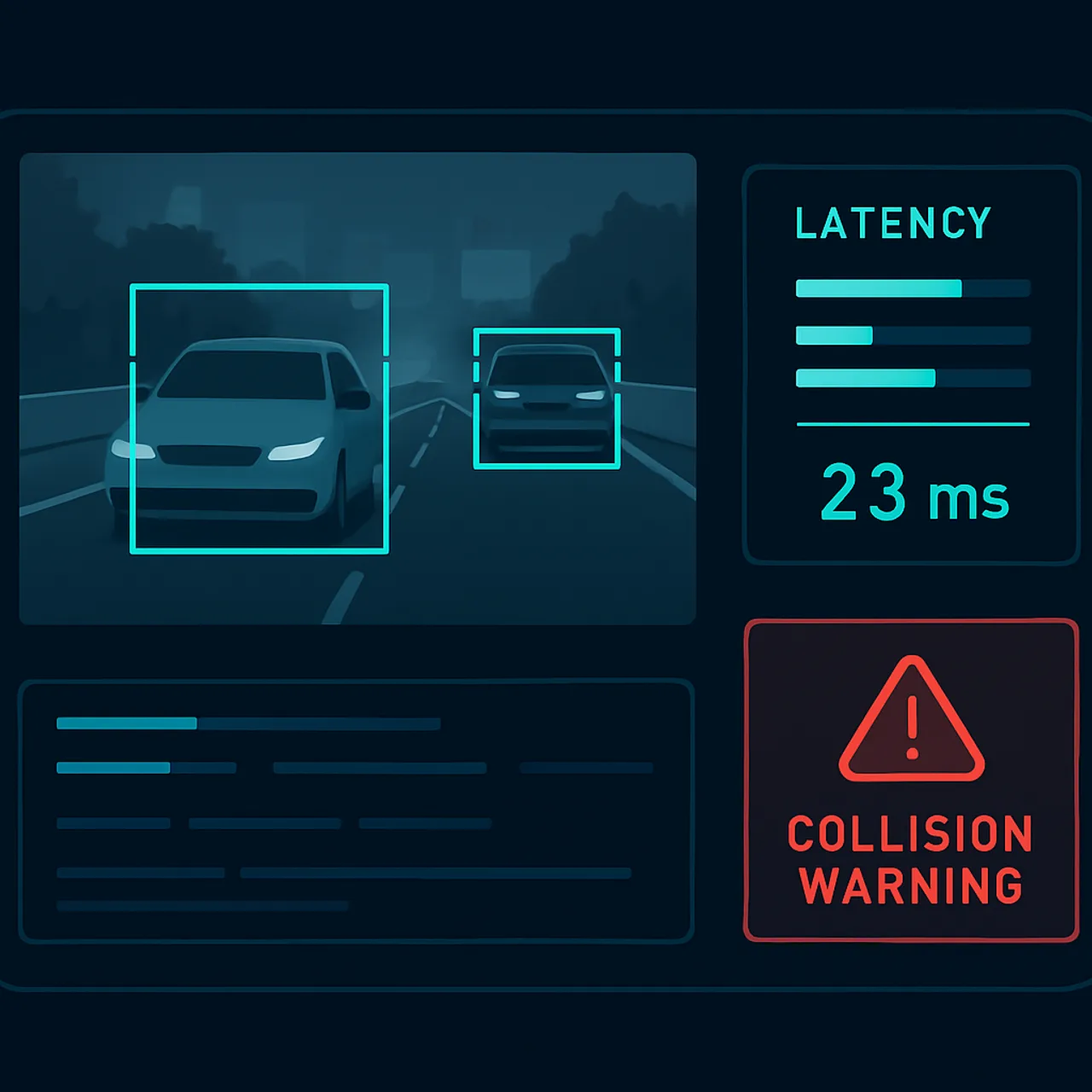
The table below summarizes the trade-offs teams weigh when designing these systems.
| Factor | Why It Matters | Common Approach |
|---|---|---|
| Latency | A late warning is a useless warning | Edge inference, optimized models |
| Accuracy | False alarms erode user trust | Sensor fusion, large training sets |
| Reliability | Failures can cause injury | Redundancy and fail-safe design |
| Compute cost | Hardware has power and budget limits | Model quantization and pruning |
Many systems run inference directly on edge hardware inside the vehicle or robot, avoiding the delays of sending data to the cloud. Models are compressed through quantization and pruning so they can run on limited hardware without sacrificing too much accuracy. Continuous monitoring and over-the-air updates keep performance sharp as new edge cases appear.
Challenges and Limitations
Despite rapid progress, AI collision detection is not flawless. Models can fail when they encounter situations unlike anything in their training data, a problem known as the long tail of edge cases. Adversarial conditions such as heavy snow, dense fog, or deliberately manipulated road signs can degrade performance.
There are also ethical and accountability questions. When a system must choose between two harmful outcomes, who is responsible for the decision? Transparency, rigorous testing, and clear regulatory standards are essential for building public trust. Data privacy is another concern, since these systems constantly record their surroundings. Responsible teams, including specialists offering AI services at WebPeak, design with privacy, explainability, and safety validation built in from the start rather than bolted on later.
The Future of AI Collision Detection
The next generation of collision detection will be more connected, more predictive, and more cooperative. Vehicle-to-everything communication will let cars, traffic lights, and infrastructure share information, so a vehicle can know about a hazard around a blind corner before any onboard sensor could see it.
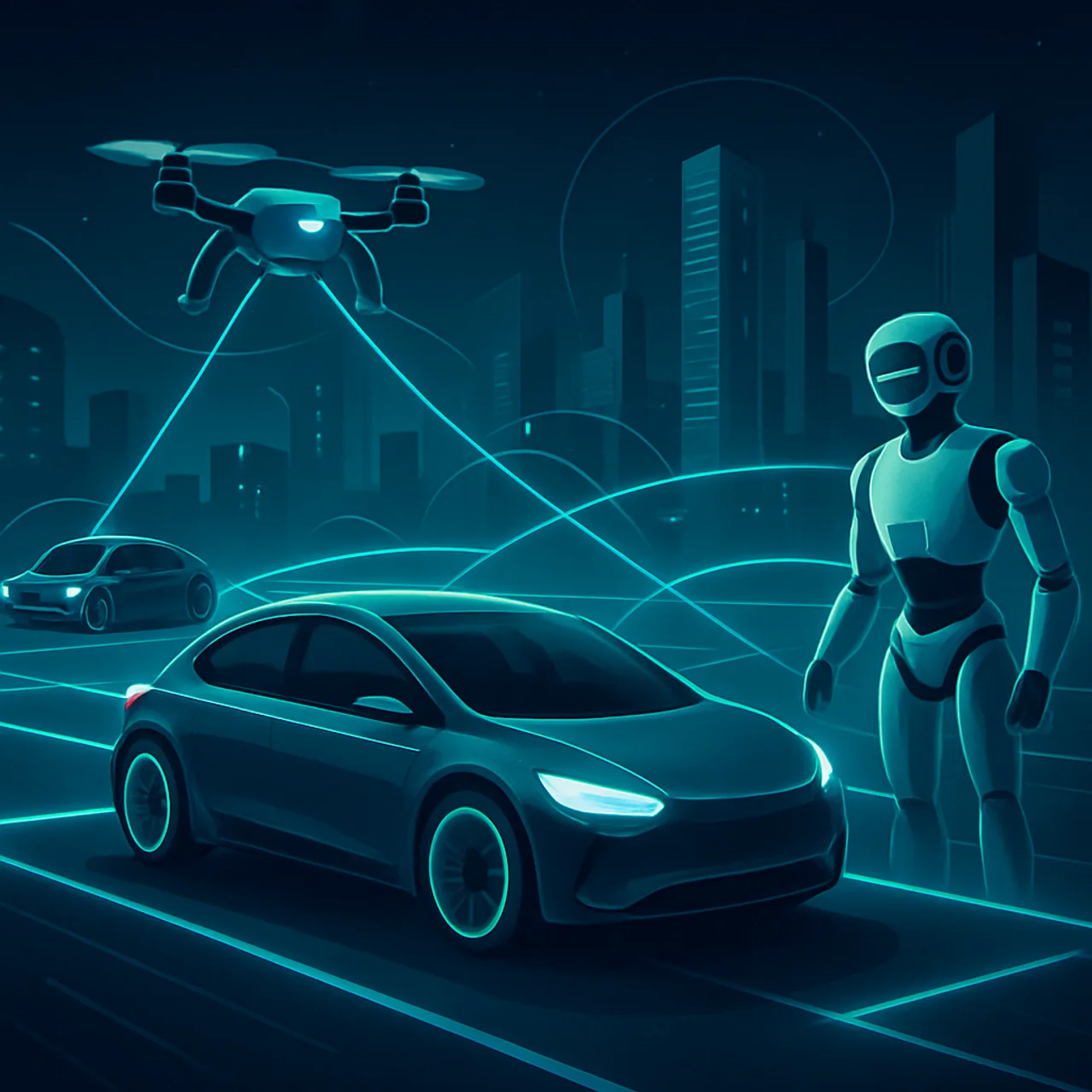
We will also see better generalization as models learn from richer, more diverse data and simulation. Synthetic environments allow engineers to safely train systems on rare and dangerous scenarios that would be impossible to capture in the real world. As hardware grows cheaper and more powerful, sophisticated collision detection will spread from premium vehicles into everyday devices, robots, and smart city infrastructure.
Final Thoughts
AI collision detection represents one of the clearest examples of artificial intelligence delivering tangible, life-saving value. By combining perception, prediction, sensor fusion, and deep learning, these systems give machines a level of situational awareness that genuinely protects people. The technology is still maturing, and challenges around edge cases, transparency, and regulation remain. But the trajectory is unmistakable.
Whether you are building an autonomous platform, adding safety features to robotics, or simply trying to understand where the field is headed, the core principle stays the same: detect early, predict accurately, and respond safely. Businesses ready to explore intelligent safety systems can learn more through the teams at ZoneTechify and WebPeak, both of which focus on turning advanced AI into practical, reliable solutions.