A fact-checked breakdown of the claim that COVID-19 stands for Certificate Of Vaccination Identification Artificial Intelligence, what the term really means, and AI's genuine role in vaccine records.
Certificate of Vaccination Identification Artificial Intelligence
Few phrases have caused more confusion online than the idea that COVID-19 is a hidden acronym for "Certificate Of Vaccination IDentification Artificial Intelligence." It sounds unsettling, it fits neatly into a screenshot, and it spreads faster than any correction. But as someone who has spent years working with data systems, digital verification, and content accuracy, I can tell you the claim collapses the moment you check a single primary source.
This article does something the viral posts never did: it walks through the evidence. We will trace where the acronym theory came from, explain what COVID-19 genuinely stands for, and separate the fiction from the very real ways artificial intelligence is used in health records today. The goal is simple, honest clarity you can rely on and share.
Quick Answer: COVID-19 does not stand for "Certificate Of Vaccination Identification Artificial Intelligence." It is short for "Coronavirus Disease 2019," a name assigned by the World Health Organization in February 2020. The acronym claim is a debunked conspiracy theory with no official or scientific basis whatsoever.
Where the "Certificate of Vaccination Identification Artificial Intelligence" Claim Came From
The acronym theory emerged in 2020, during the earliest and most anxious months of the pandemic. Someone noticed that the letters in "COVID" could be forced to fit a longer, more sinister-sounding phrase, and the "19" was reframed as a coded reference rather than a year. The idea combined three fears at once: mandatory documentation, digital tracking, and artificial intelligence.
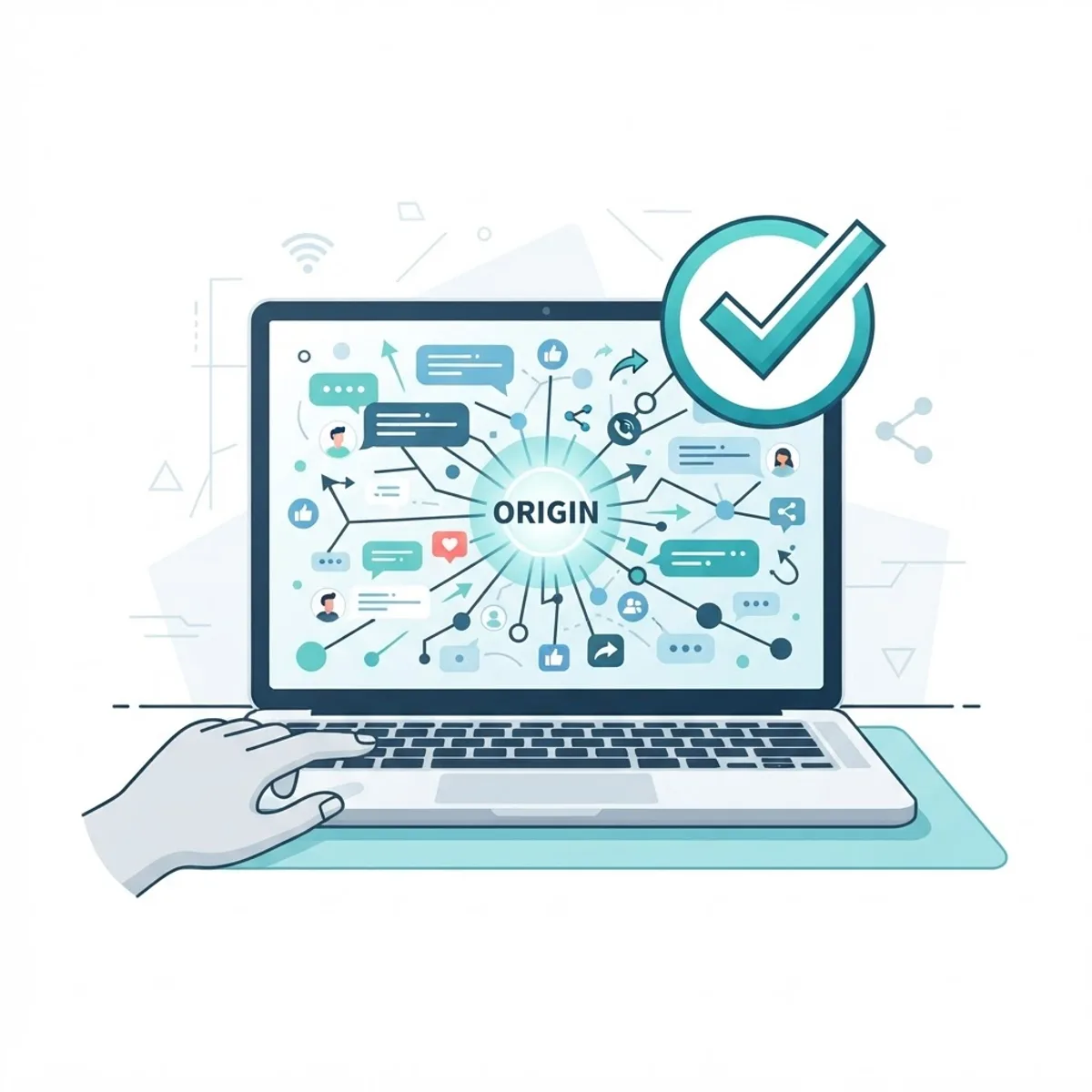
What made it stick was structure, not truth. Backronyms, phrases invented to match existing letters, feel clever and therefore feel credible. In reality, you can build a backronym for almost any word. The fact that "COVID" can be stretched into a dramatic sentence tells you nothing about virology and everything about how the human brain loves patterns. No health agency, research institution, or government body has ever used or endorsed this expansion.
What COVID-19 Actually Stands For
COVID-19 is an abbreviation of "Coronavirus Disease 2019." The World Health Organization announced the official name on 11 February 2020. "CO" stands for corona, "VI" for virus, "D" for disease, and "19" for the year the outbreak was first identified, 2019.
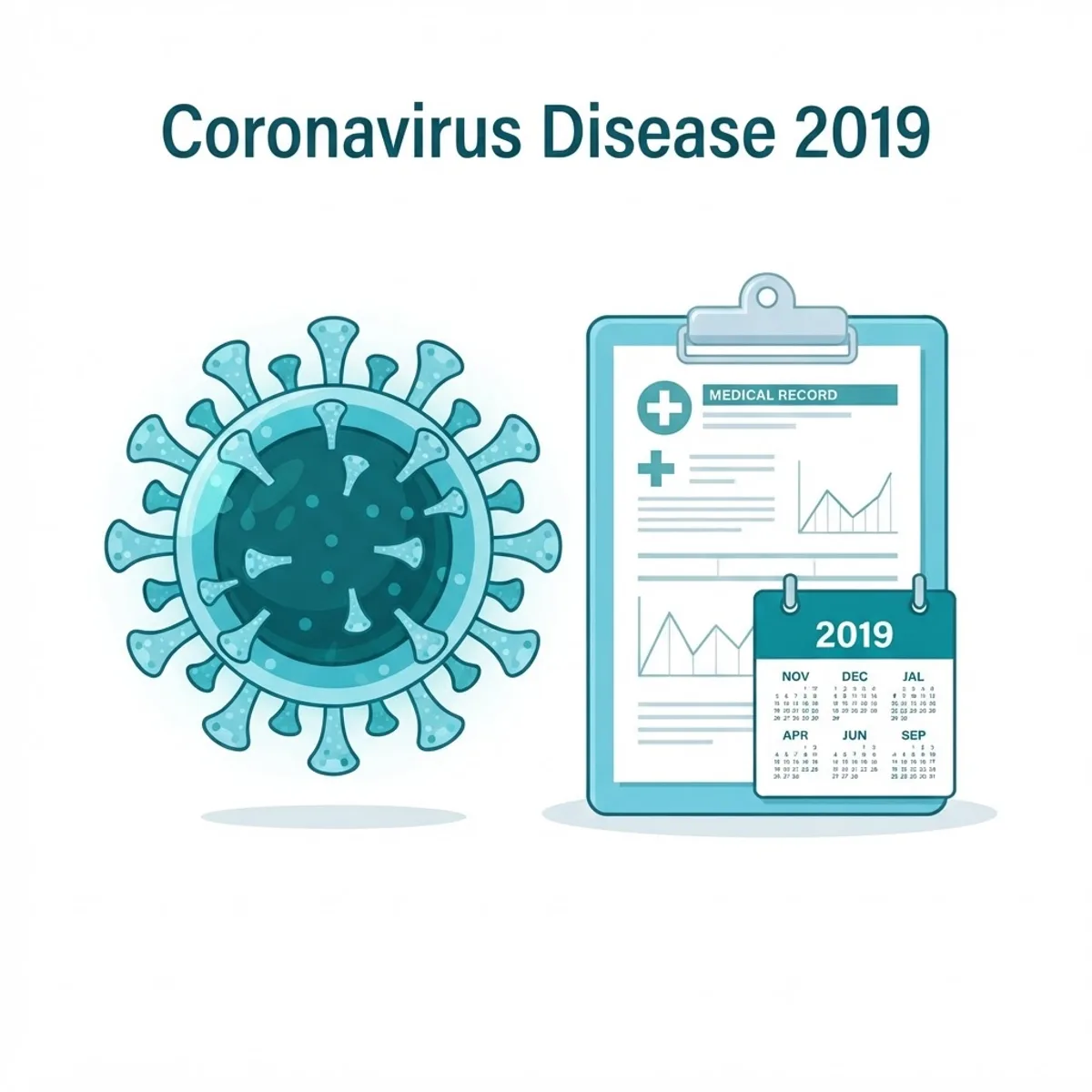
The naming followed strict, pre-existing guidelines. The WHO deliberately avoids naming diseases after places, people, animals, or professions to prevent stigma and misinformation. The virus itself carries a separate scientific name, SARS-CoV-2, assigned by the International Committee on Taxonomy of Viruses. Two different naming bodies, two transparent processes, and not a single reference to certificates, identification, or artificial intelligence anywhere in the documentation.
Definition: A backronym is a phrase constructed after the fact so that its initials spell an existing word. It is a creative word game, not evidence of hidden intent.
How the Myth Gained Traction Online
Misinformation thrives on speed and emotion, and this claim had both. According to a widely cited MIT study published in Science, false news stories are roughly 70% more likely to be retweeted than true ones, and accurate corrections travel far more slowly. A frightening acronym is simply more shareable than a dry WHO press release.
Context matters too. During 2020, according to the World Health Organization, the world faced what it called an "infodemic", an overwhelming flood of information where accurate and false claims competed for attention in equal measure. In that environment, a tidy conspiracy acronym filled a gap that official communication, often slow and cautious, struggled to close in real time.
Understanding this mechanism is the real lesson. The claim did not spread because it was true. It spread because it was emotionally sticky, visually simple, and arrived when trust in institutions was already strained. That is a pattern worth recognizing, because it repeats with every new health story.
What Digital Vaccine Certificates Really Are
One reason the acronym gained a foothold is that real digital vaccine certificates did exist, which made the fictional "Certificate Of Vaccination" element feel plausible. But the reality is mundane and transparent, not covert.
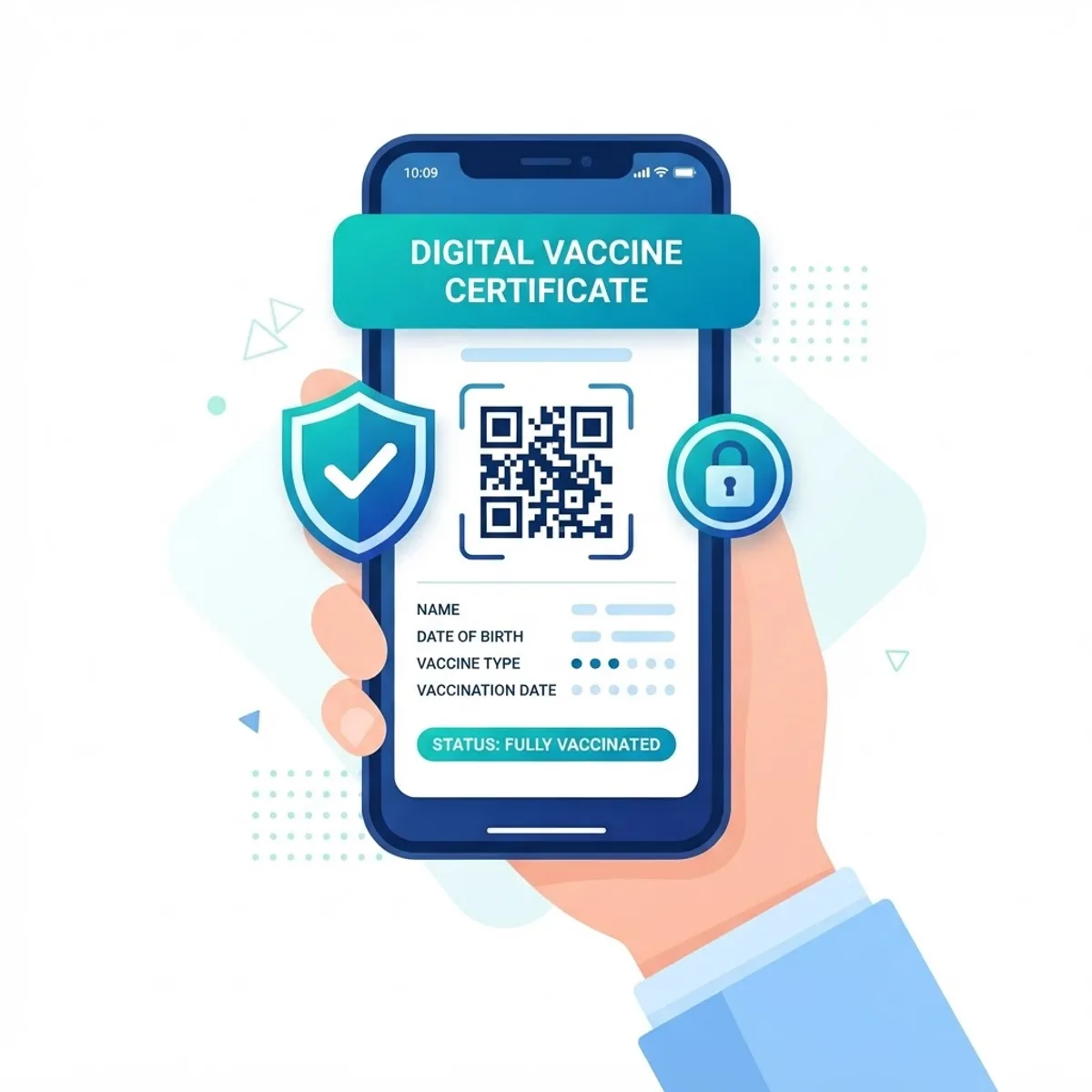
A digital vaccine certificate is simply a verifiable record confirming which vaccine a person received, when, and where. Systems such as the EU Digital COVID Certificate stored a minimal dataset inside a QR code, protected by a digital signature so it could not be forged. The certificate did not track your movements, read your bank account, or run artificial intelligence on your body. It confirmed one fact, the same way a paper immunization card always has, only harder to counterfeit.
If you are building or auditing any kind of secure verification platform, the same principles apply, and teams like those at ZoneTechify and WebPeak approach digital records with privacy-by-design and clear data minimization as the baseline.
The Real Role of Artificial Intelligence in Health Records
Artificial intelligence does play a legitimate part in modern healthcare, and being honest about that is more useful than pretending it does not exist. The difference is that its real uses are documented, regulated, and far less dramatic than the myth suggests.

In practice, AI helps flag duplicate records, detect fraudulent or forged certificates, translate documents across languages, and speed up data entry so overwhelmed health systems can keep up. Definition: In this context, artificial intelligence refers to software that recognizes patterns in data to assist human decisions, not a hidden intelligence embedded inside a vaccine. Responsible deployment keeps a human in the loop and protects personal data. For organizations exploring compliant, ethical implementations, specialist AI services from WebPeak focus on transparency and data protection rather than surveillance.
Debunking the "Microchip" and Tracking Myths
The acronym theory is often bundled with claims that vaccines contain microchips or nanobots that connect to AI networks. These are not partially true, they are physically impossible with the technology described.
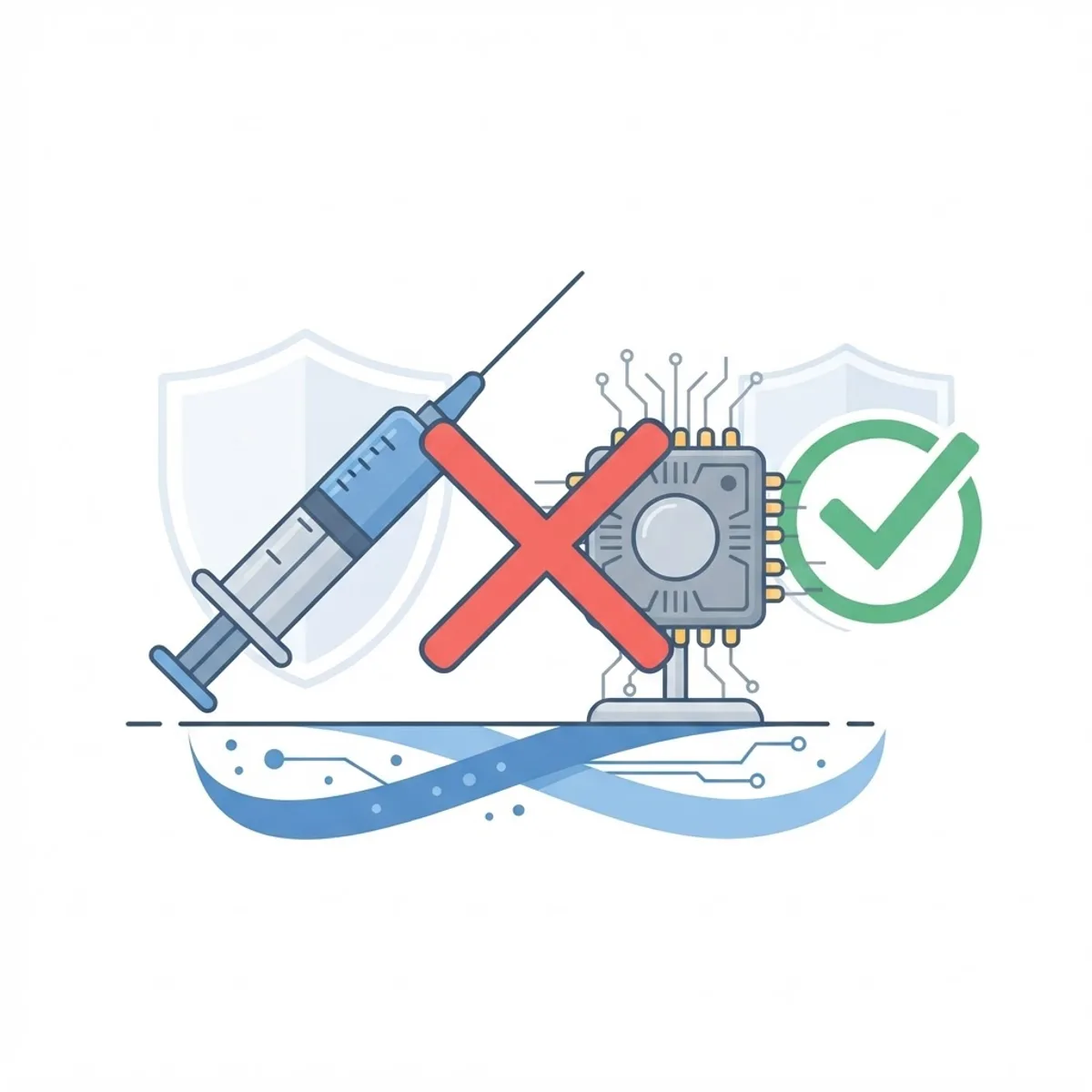
A vaccine is delivered through a fine needle. Any device capable of transmitting data would need a power source and an antenna far larger than could pass through that needle, and it would be visible under basic laboratory analysis, which vaccines undergo constantly. Independent scientists worldwide have examined vaccine contents; none have found tracking hardware. The tracking that genuinely concerns privacy experts comes from the smartphones already in our pockets, apps, and web platforms, not from an injection.
How Vaccine Passports and QR Codes Actually Work
QR-based certificates are easy to misread as "secret AI," but the technology is ordinary and inspectable. When a verifier scans the code, they read only the signed data it contains and confirm the digital signature is authentic.
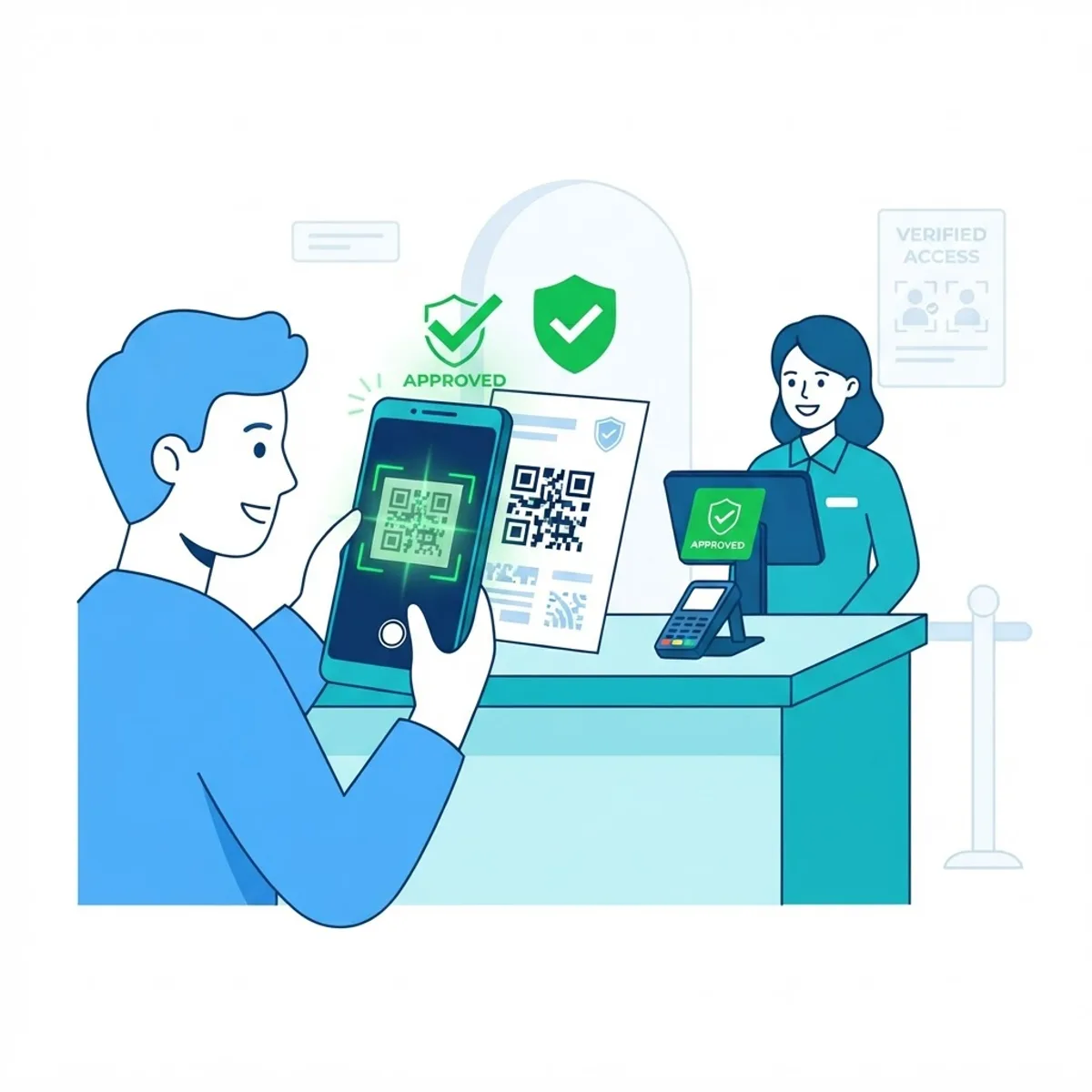
Here is a clear comparison of what these systems do versus what the myth claims:
| Feature | The Myth Claims | What Actually Happens |
|---|---|---|
| Meaning of COVID-19 | Certificate Of Vaccination ID + AI | Coronavirus Disease 2019 |
| Data in the QR code | Full personal profile and location | Name, vaccine type, date, signature |
| Artificial intelligence | Embedded in the vaccine | Used only in back-end software, if at all |
| Tracking capability | Constant GPS surveillance | None; QR codes cannot track |
| Verification method | Secret AI network | Public-key digital signature |
The entire model relies on public-key cryptography, a decades-old, openly documented standard used by banks and websites everywhere. There is nothing hidden about it.
How to Spot Health Misinformation Online
The most valuable skill this topic teaches is not about one acronym, but about protecting yourself from the next false claim. Use this quick checklist before you believe or share:
- Check the primary source. Trace the claim back to the WHO, a national health agency, or peer-reviewed research, not a screenshot.
- Watch for backronyms. If a claim depends on letters spelling something dramatic, treat it with heavy skepticism.
- Look for emotional bait. Fear, outrage, and urgency are engineered to bypass critical thinking.
- Search for a fact-check. Reputable fact-checkers have almost certainly addressed viral health claims already.
- Ask who benefits. Content designed to alarm rather than inform often exists to farm engagement.
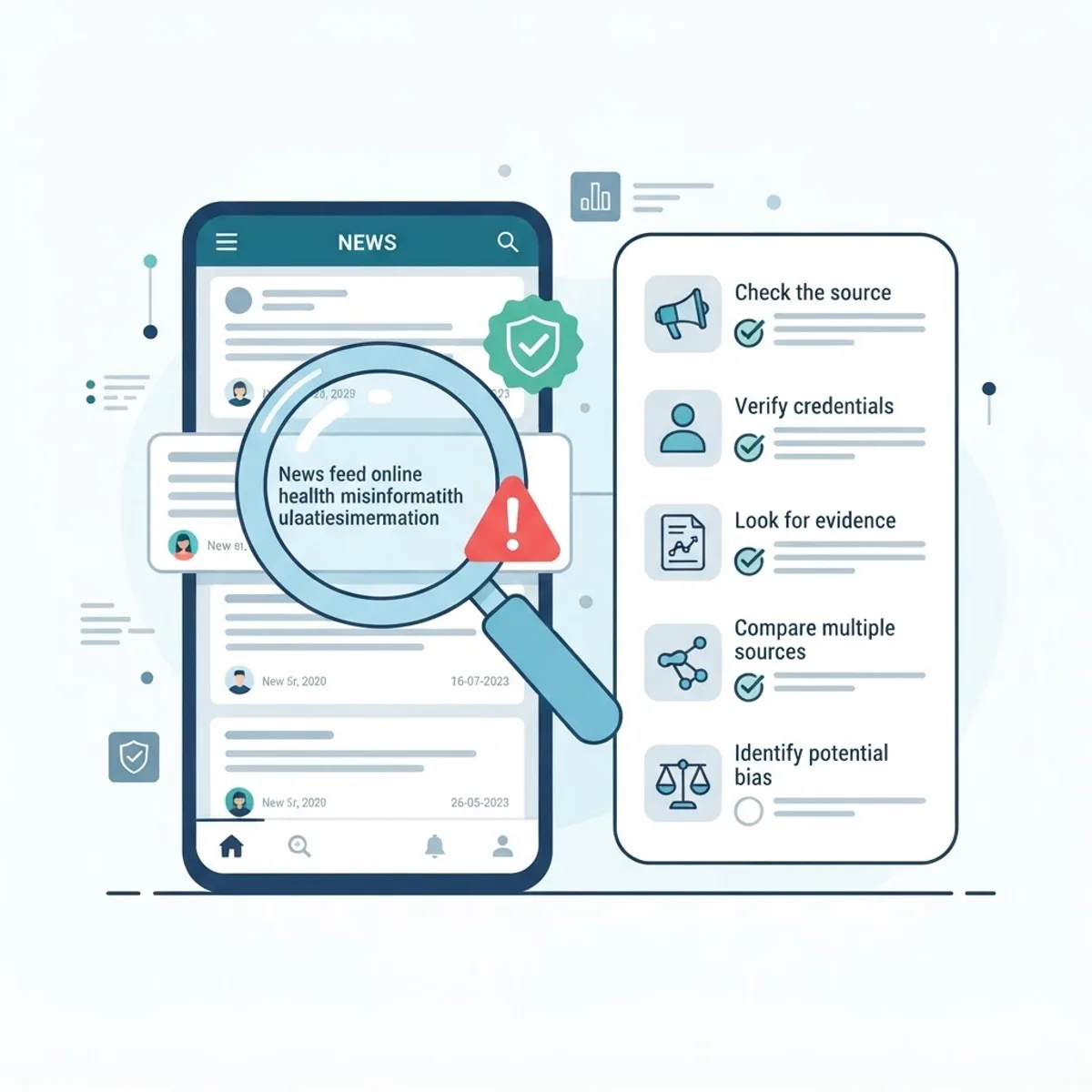
Applying even two of these steps would have stopped the acronym myth in its tracks for most readers. Media literacy is now a core survival skill in a world where a convincing lie can circle the globe in minutes.
Key Takeaways
- COVID-19 stands for "Coronavirus Disease 2019," named by the WHO on 11 February 2020.
- The "Certificate Of Vaccination Identification Artificial Intelligence" claim is a backronym with no official or scientific basis.
- According to research published in Science, false news spreads roughly 70% faster than accurate news.
- The WHO labeled the 2020 information crisis an "infodemic," explaining why the myth spread so widely.
- Digital vaccine certificates store minimal, signed data in a QR code and cannot track you.
- AI is used in genuine, regulated back-end tasks like fraud detection, never embedded inside a vaccine.
Frequently Asked Questions (FAQ)
Does COVID-19 stand for Certificate Of Vaccination Identification Artificial Intelligence?
No. COVID-19 is short for "Coronavirus Disease 2019." The acronym claim is a debunked backronym invented online in 2020. No health agency, government, or research body has ever used or supported that expansion of the term in any official capacity.
Who officially named COVID-19 and when?
The World Health Organization officially named the disease COVID-19 on 11 February 2020. The name follows WHO guidelines that deliberately avoid places, people, or animals to prevent stigma. The related virus was separately named SARS-CoV-2 by the International Committee on Taxonomy of Viruses.
Do vaccine certificates track your location?
No. A digital vaccine certificate stores a small, signed dataset, typically your name, vaccine type, and date, inside a QR code. It has no GPS, no connectivity, and no ability to track movement. Scanning it only verifies that the record is authentic and unaltered.
Is artificial intelligence really involved in vaccines?
Not inside the vaccine itself. Artificial intelligence is used in back-end healthcare software for tasks like detecting fraudulent certificates, spotting duplicate records, and translating documents. These are documented, regulated uses that assist human staff and cannot be injected or hidden within a physical dose.
How can I tell if a health claim online is false?
Check the primary source, such as the WHO or a national health agency, and be suspicious of dramatic acronyms and emotionally charged language. Search for an existing fact-check and consider who benefits from the claim. Verifying before sharing stops most misinformation from spreading further.