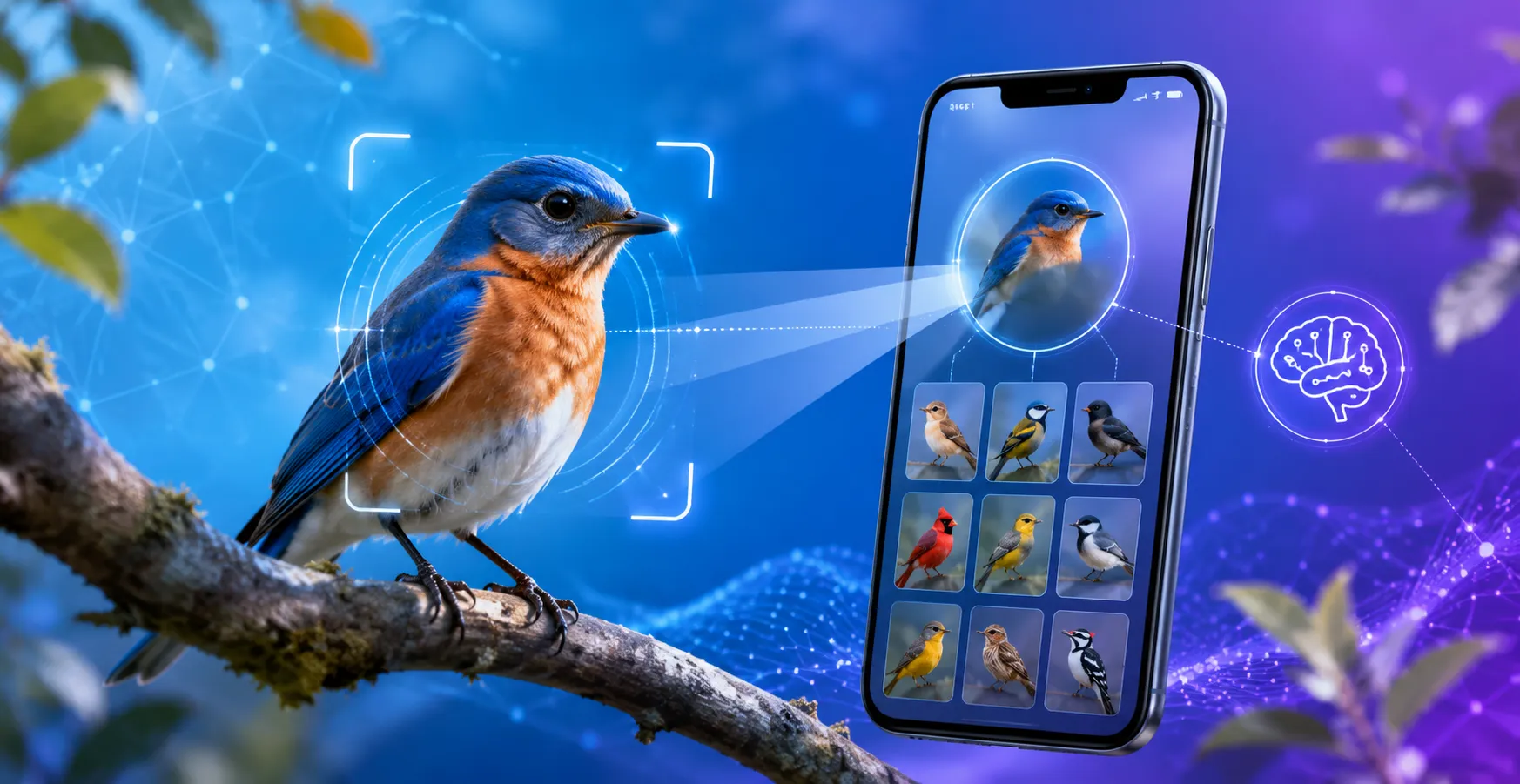
A field-tested breakdown of the 10 best AI-powered bird identification apps, comparing sound recognition, photo accuracy, offline use, and cost. Learn which app fits your birding style and how the AI behind them actually works.
10 Best AI-Powered Bird Identification Apps You Need to Try
Bird identification used to require a paper field guide, patience, and a mentor willing to explain why the sparrow in front of you was not the sparrow you thought it was. Machine learning changed that. Today a phone can name a bird from three seconds of song or a badly cropped photo, and it can do it with accuracy that would have looked like science fiction in 2015. The catch is that not all of these apps are equally good, and most reviews never explain where each one actually fails.
This guide ranks ten AI-powered bird identification apps based on what matters in the field: sound recognition quality, photo accuracy, regional coverage, offline behavior, and how honest the app is about uncertainty. It also explains the technology underneath, so you can judge future apps yourself.
Quick Answer: Merlin Bird ID is the best free AI bird identification app overall thanks to its Sound ID and photo recognition, while BirdNET leads for pure acoustic analysis. Picture Bird, Smart Bird ID, and eBird cover casual users, plant-style scanning, and serious record keeping respectively. Choose based on sound versus photo needs.

How AI Bird Identification Actually Works
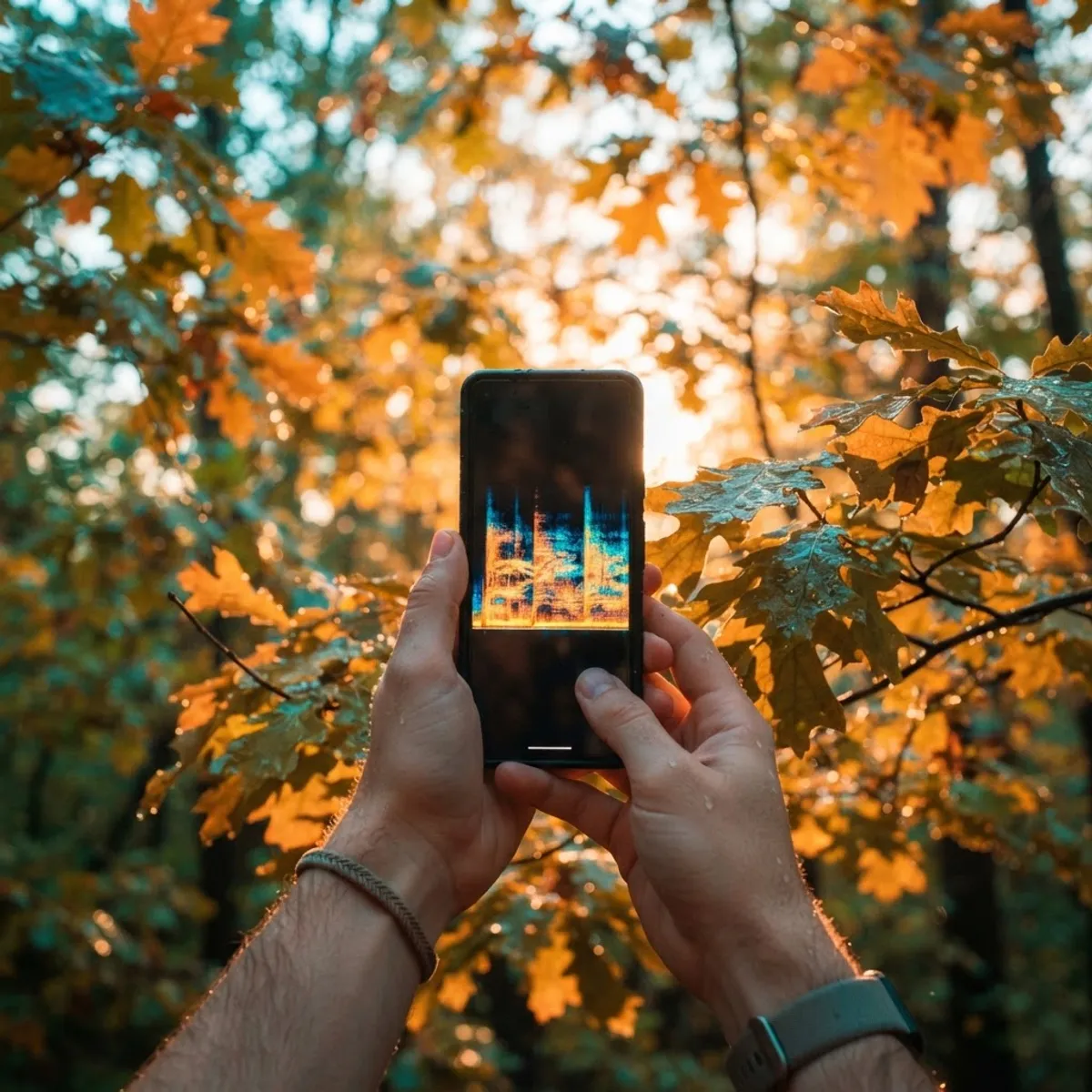
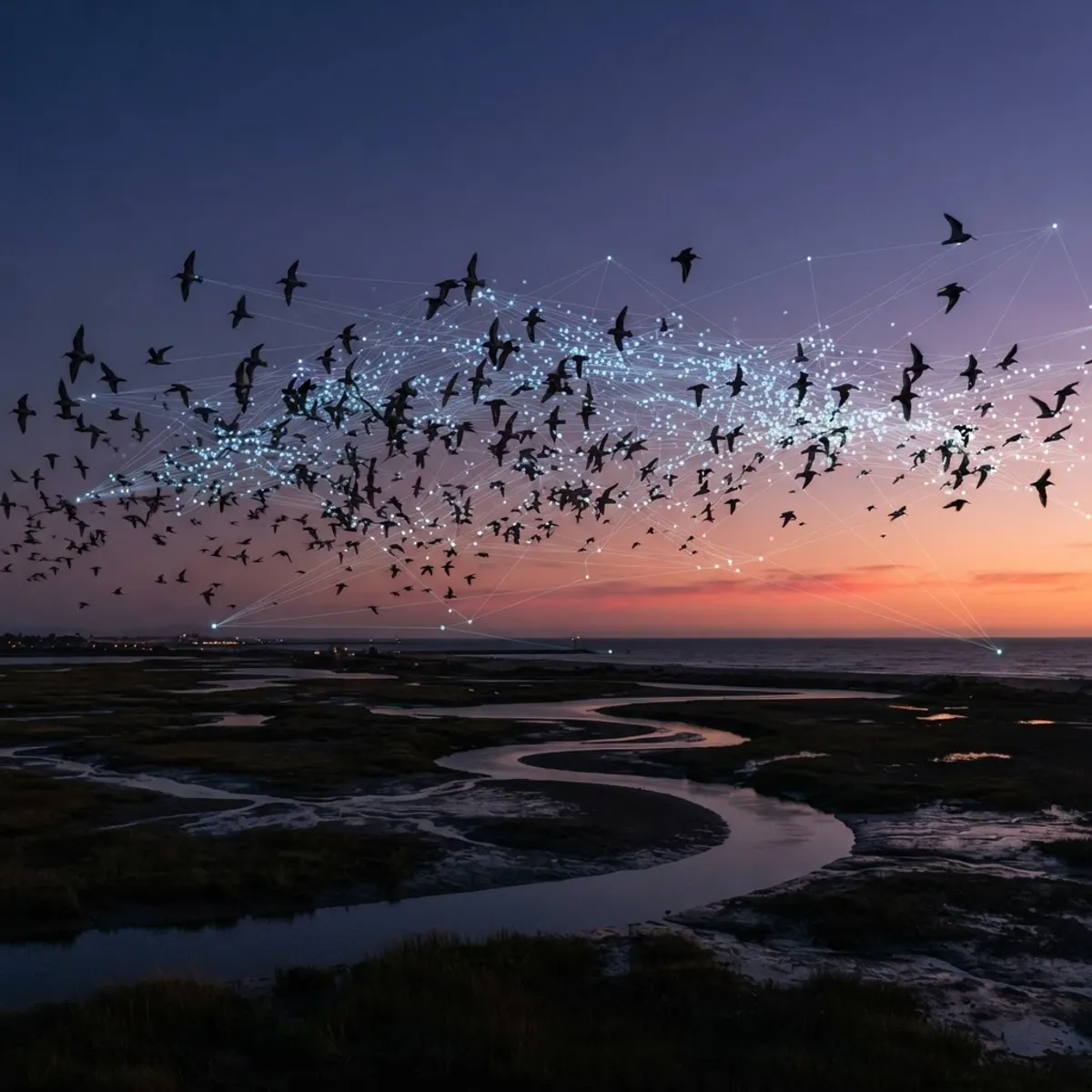
Modern bird ID apps run convolutional neural networks over one of two inputs: a photograph, or a spectrogram of a sound recording. A spectrogram is a visual chart of frequency over time, which means audio identification is really an image classification problem in disguise. The model looks at the shape of a song rendered as a picture and matches it against patterns learned from millions of labeled recordings.
Two data points explain why this suddenly works so well. First, the Cornell Lab of Ornithology's Macaulay Library holds well over 40 million bird photos, sound recordings, and videos contributed by birders, which is the training fuel behind Merlin. Second, eBird receives more than 100 million bird observations annually from participants worldwide, giving models a location and date prior that dramatically narrows the candidate list before the audio or image is even analyzed.
That location prior is the underrated part. An app that knows you are in coastal Maine in May is solving a far easier problem than one guessing among 11,000 world species. When you compare apps, you are often comparing the quality of that filtering logic, not just the neural network.
Key Terms Defined
- Sound ID: real-time identification of bird vocalizations from a live or recorded audio stream.
- Spectrogram: a frequency-versus-time visualization of audio that a model classifies like an image.
- Confidence score: the model's estimated probability that a suggestion is correct, usually shown as a percentage or ranked list.
- Regional filtering: narrowing possible species using your GPS location and the date.
The 10 Best AI-Powered Bird Identification Apps
1. Merlin Bird ID
Merlin, built by the Cornell Lab of Ornithology, is the benchmark. It is completely free, has no ads, and combines three tools: Sound ID for live audio, Photo ID for images, and a step-by-step Bird ID wizard for size, color, and behavior. Sound ID runs on-device and highlights each species on a live scrolling spectrogram as it hears them, which is genuinely useful for learning because you can see which sound belongs to which name.
Its practical strength is restraint. When Merlin is unsure it shows several candidates rather than committing to one, which trains better habits than an app that always answers confidently.
2. BirdNET
BirdNET, developed by the Cornell Lab with Chemnitz University of Technology, is the research-grade acoustic option. You record a clip, select the portion of the spectrogram you care about, and get ranked results. It handles overlapping species and long ambient recordings better than most consumer apps and covers roughly 3,000 species globally.
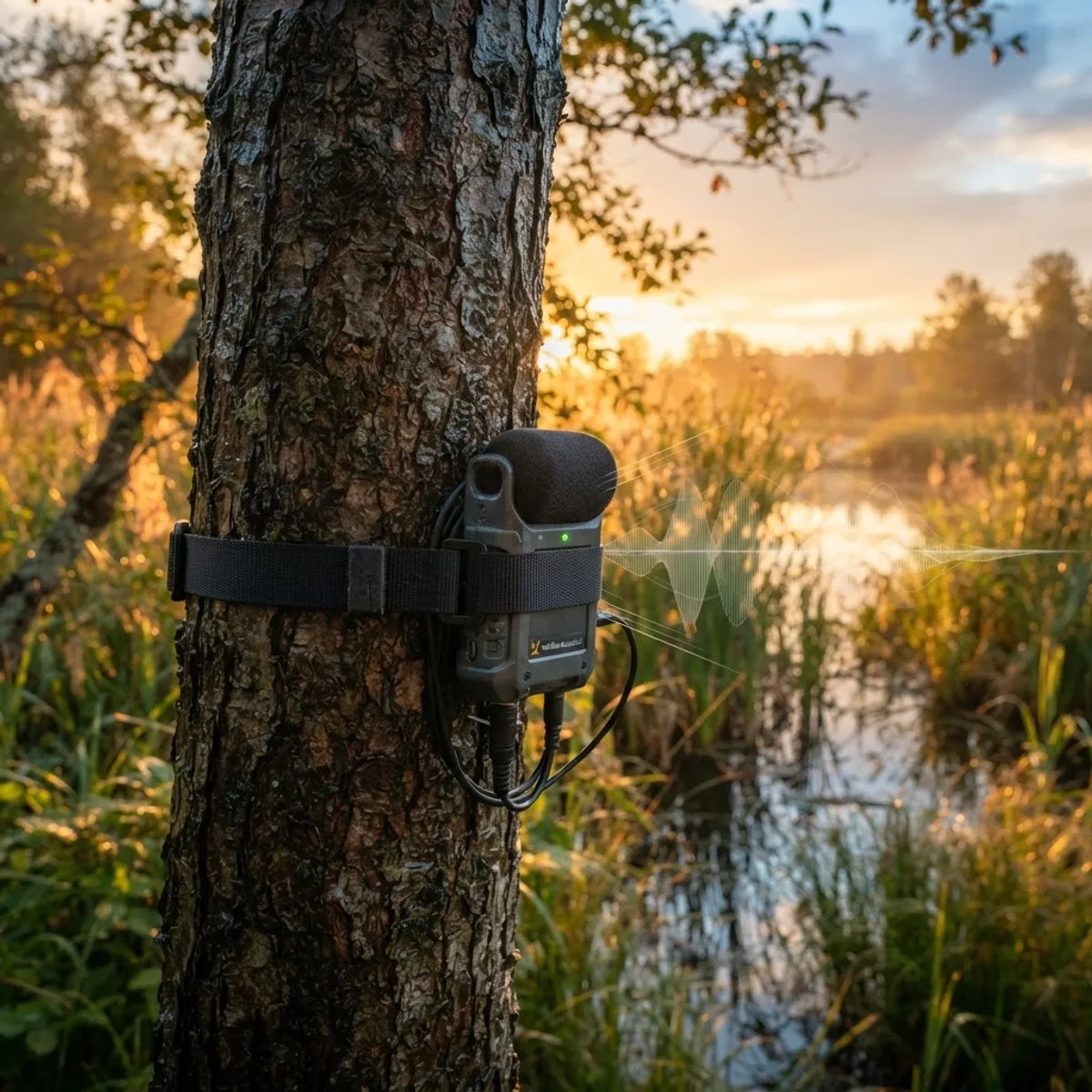
BirdNET is the right pick if you want to analyze recordings after the fact, deploy passive monitoring, or verify a questionable Merlin result with a second independent model.
3. eBird
eBird is not an identification app in the classic sense, but its AI-assisted checklist tools matter. It suggests likely species for your exact location and date, flags records that are unusual enough to need documentation, and feeds your sightings into the same dataset that trains the models above. Pair it with Merlin and you get identification plus a permanent, scientifically useful record.
4. Picture Bird
Picture Bird is the friendliest option for people who are not yet birders. Photo and sound identification are both included, results come with plain-language species descriptions, and the interface avoids jargon. The tradeoff is a subscription for full features and less transparency about confidence. Treat it as a learning tool rather than a source for records you intend to submit.
5. Smart Bird ID
Smart Bird ID leans into speed. Snap or record, get an answer in a couple of seconds, and save it to a personal collection. It performs well on common backyard species and includes a simple life list. It is weaker on confusing groups such as immature gulls and fall warblers, where visual cues are subtle and audio is often absent.
6. Song Sleuth
Song Sleuth was one of the first serious consumer attempts at automated song recognition and remains interesting because it always shows you the spectrogram alongside reference recordings. Instead of hiding the reasoning, it asks you to confirm the match. That design produces slower answers and better birders.
7. BirdSnap and Photo-First Scanners
Photo-first scanners in this class are built around fast visual classification with minimal setup. They shine when you already have a clear photo on your camera roll and want a quick shortlist. Accuracy drops sharply with poor lighting, motion blur, or birds photographed from behind, which is exactly when beginners need help most.
8. ChirpOMatic
ChirpOMatic focuses on regional song libraries, notably for the UK and North America, and works fully offline once installed. Narrow geographic scope is a feature here: fewer candidate species means fewer confident mistakes. If you bird one region consistently, a regional model can outperform a global one.
9. Bird Buddy
Bird Buddy pairs a smart camera feeder with cloud recognition, so the AI works while you are at your desk. It identifies visitors automatically, keeps a visit timeline, and produces reliable results because the camera controls distance, framing, and lighting. It is the strongest option for continuous backyard monitoring rather than mobile birding.
10. iNaturalist and Seek
iNaturalist is not bird-specific, and that is the point. Its computer vision model handles birds, insects, plants, and fungi, and every observation can be confirmed or corrected by a global community of naturalists. Seek, its beginner-friendly companion, gives instant offline suggestions without requiring an account. Use iNaturalist when your curiosity refuses to stay inside one taxonomic group.
Comparison Table: Features at a Glance
| App | Sound ID | Photo ID | Offline Use | Cost | Best For |
|---|---|---|---|---|---|
| Merlin Bird ID | Yes | Yes | Yes, with pack | Free | All-round birding |
| BirdNET | Yes | No | Partial | Free | Acoustic analysis |
| eBird | Assisted | No | Yes | Free | Record keeping |
| Picture Bird | Yes | Yes | No | Subscription | Absolute beginners |
| Smart Bird ID | Yes | Yes | No | Freemium | Quick backyard IDs |
| Song Sleuth | Yes | No | Yes | Paid | Learning songs |
| Photo scanners | No | Yes | Varies | Freemium | Camera roll IDs |
| ChirpOMatic | Yes | No | Yes | Paid | Single-region birding |
| Bird Buddy | Yes | Yes | No | Hardware | Feeder monitoring |
| iNaturalist and Seek | Limited | Yes | Seek only | Free | All wildlife |
How to Choose the Right App for You
Start from your actual behavior, not the feature list.
- Decide sound or sight. If most of your unknowns are heard and never seen, prioritize Merlin or BirdNET. If you photograph birds first and identify later, a photo-first tool matters more.
- Check your region's coverage. Global species counts sound impressive but mean little if your local endemics are thin in the training data.
- Test offline behavior before the trip. Download regional packs while you still have signal. Cloud-only apps become decoration in a canyon.
- Prefer apps that show uncertainty. A ranked list with confidence beats one authoritative-sounding guess.
- Verify before you record it as fact. Cross-check anything rare with a second app or a human expert before submitting it to a public database.

Where These Apps Still Get It Wrong
Honest limitations, from repeated field use.
- Mimics break audio models. Northern Mockingbirds, European Starlings, and Marsh Warblers copy other species, and Sound ID will faithfully report the imitation.
- Noise wins. Wind on the microphone, traffic, and running water flatten weak vocalizations and produce dropped or invented results.
- Juveniles and hybrids are hard. Training sets skew toward adult breeding plumage, so young and hybrid birds get confidently misfiled.
- Distance distorts sound. A faint far-off call can be matched to a similar species that sings at a comparable frequency.
- Rarities need proof. An app suggestion is a hypothesis, not documentation. Records committees want audio, photos, and notes.
The same pattern shows up in every applied machine learning product: models are strongest on the common case and weakest exactly where expertise is most valuable. Teams that build production classifiers, including the engineers at ZoneTechify, plan for that edge-case gap with confidence thresholds and human review paths instead of pretending the model is infallible. If you are considering something similar for your own product, that mindset matters more than the model architecture, and it is the approach behind well-built AI automation services.

Your Sightings Train the Next Model
Every confirmed observation you submit becomes labeled training data. That is the quiet reason these apps improved so quickly: birders supplied the dataset. Migration timing, range shifts, and population declines are now being tracked at a resolution that professional surveys alone could never reach, and acoustic monitoring with tools like BirdNET has become standard practice in conservation research.
It is a useful reminder for anyone shipping AI features. The teams that win are the ones with a feedback loop, not just a clever model. Agencies that build data-driven products, such as AI-powered web development specialists, tend to design that loop on day one rather than bolting it on later.
Key Takeaways
- Merlin Bird ID is the strongest free all-round app, combining Sound ID, Photo ID, and a guided wizard with no ads or subscription.
- BirdNET, from the Cornell Lab and Chemnitz University of Technology, is the best choice for acoustic analysis and covers roughly 3,000 species.
- Audio identification works by classifying spectrograms, so it is technically an image recognition task.
- Location and date filtering, powered by more than 100 million annual eBird observations, is often what separates accurate apps from noisy ones.
- Accuracy collapses on mimics, juveniles, hybrids, and windy recordings, so always verify rare results with a second source.
- Download regional packs before heading somewhere without signal, since several popular apps are cloud dependent.
Frequently Asked Questions (FAQ)
What is the most accurate bird identification app?
Merlin Bird ID is generally the most accurate free option because it combines Cornell's large labeled dataset with location and date filtering. BirdNET often matches or beats it on pure audio analysis. For difficult birds, running both and comparing results is more reliable than trusting either alone.
Can an app identify a bird just from its sound?
Yes. Sound ID tools convert your recording into a spectrogram and classify it with a neural network, frequently naming a species in seconds. Accuracy is highest with close, clear vocalizations and drops with wind, traffic, distance, or several birds singing at the same time.
Are free bird identification apps good enough?
For almost everyone, yes. Merlin, BirdNET, eBird, and Seek are free, ad-free, and backed by scientific institutions rather than advertising. Paid apps mainly add regional song libraries, offline convenience, or simplified interfaces. Start free, then pay only if a specific gap affects your birding.
Do bird ID apps work without internet?
Some do. Merlin works offline once you download your regional bird pack, and ChirpOMatic and Seek also run on-device. Many photo scanners and Picture Bird require a connection because processing happens in the cloud. Always download your region before travelling somewhere remote.
Why did my app identify the wrong bird?
Usually because of noise, distance, or an unusual individual. Mimics such as mockingbirds and starlings copy other species, and juveniles or hybrids are underrepresented in training data. Treat every suggestion as a ranked hypothesis, then confirm it with a visual sighting or a second app.
Can I use these apps to contribute to real science?
Yes. Submitting checklists through eBird or observations through iNaturalist adds your sightings to datasets that researchers use to track migration, range shifts, and population trends. Accurate, verified records with photos or audio are far more valuable than large volumes of unconfirmed guesses.