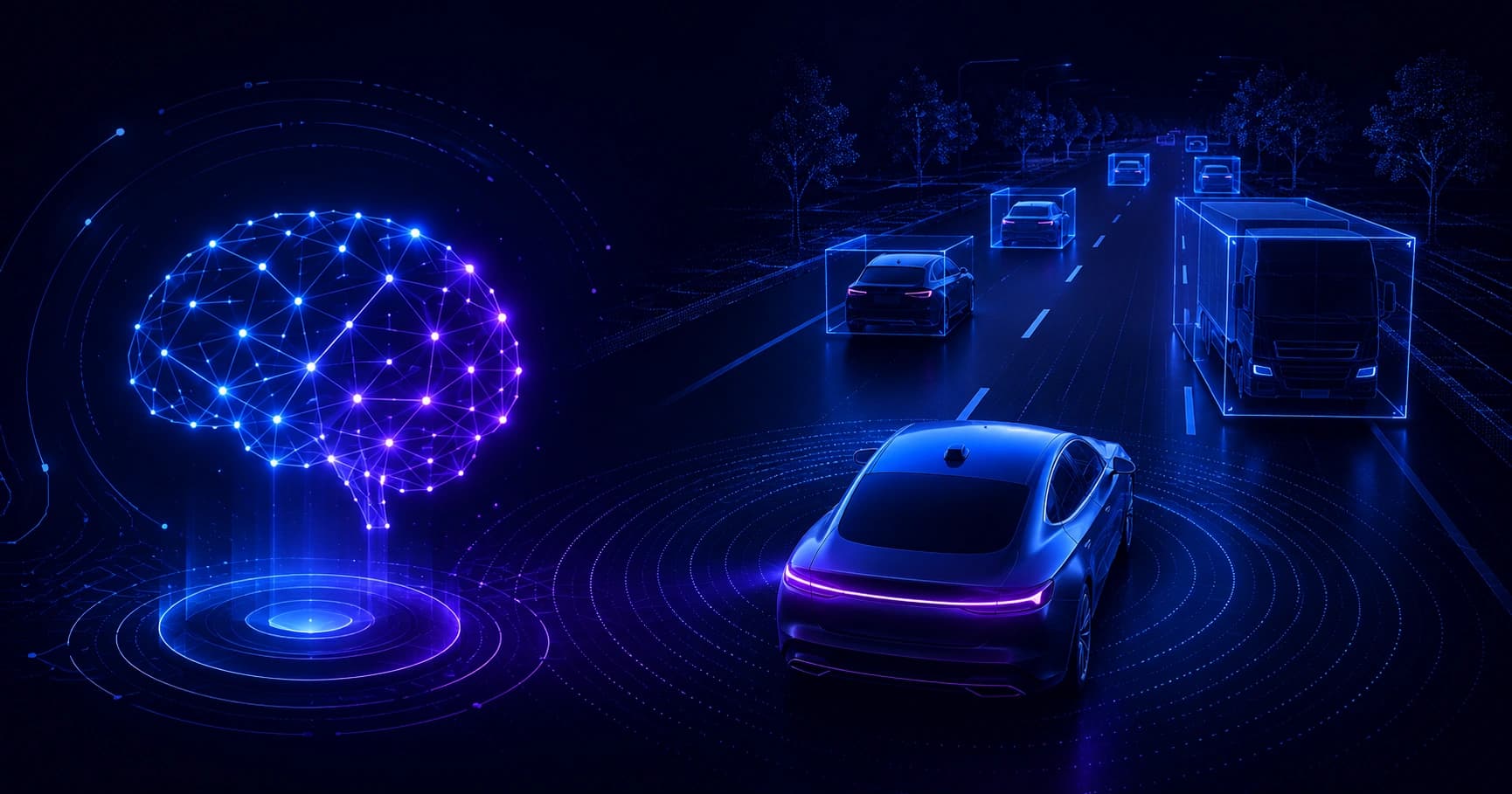
A complete guide to Artificial Intelligence Vehicle Detection, covering how it works, the models behind it, real-world uses, challenges, and what comes next.
Artificial Intelligence Vehicle Detection
Artificial Intelligence Vehicle Detection is changing the way roads, cities, and businesses understand the movement of cars, trucks, motorcycles, and buses. Instead of relying on manual counting or simple sensors, modern systems use computer vision and deep learning to identify vehicles in images and video streams in real time. This technology now powers everything from smart traffic lights to automated parking, toll collection, and self-driving cars.
In this guide, we will break down what AI vehicle detection actually is, how it works under the hood, which models make it possible, where it is used today, and the obstacles engineers still face. Whether you run a logistics company, manage city infrastructure, or are simply curious about applied AI, this article gives you a clear, people-first overview without the hype.
What Is AI Vehicle Detection?
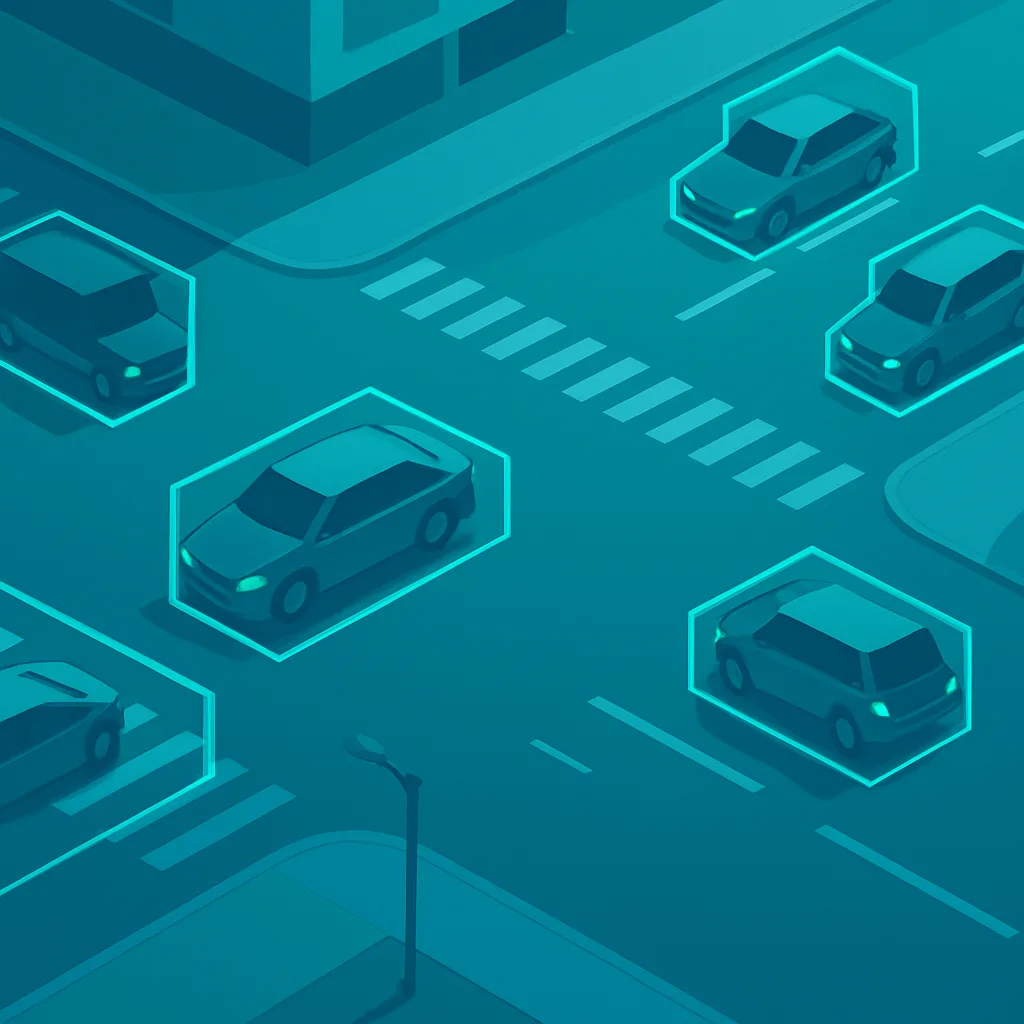
At its core, AI vehicle detection is the process of teaching a computer to find and classify vehicles within visual data. A camera captures a scene, and an algorithm draws bounding boxes around each vehicle while assigning a label such as car, truck, or bus. More advanced systems also track each vehicle across frames, estimate its speed, and predict its direction.
This is a subfield of object detection, which itself sits inside computer vision. What separates vehicle detection from generic object detection is the focus on transportation-specific classes and the demanding conditions involved: fast motion, changing light, weather, occlusion, and dense traffic. The goal is not just to spot a vehicle once, but to do it reliably, frame after frame, often dozens of times per second.
For teams exploring how to apply this in production, agencies such as ZoneTechify and WebPeak build custom computer vision pipelines tailored to specific industries and camera setups.
How AI Vehicle Detection Works
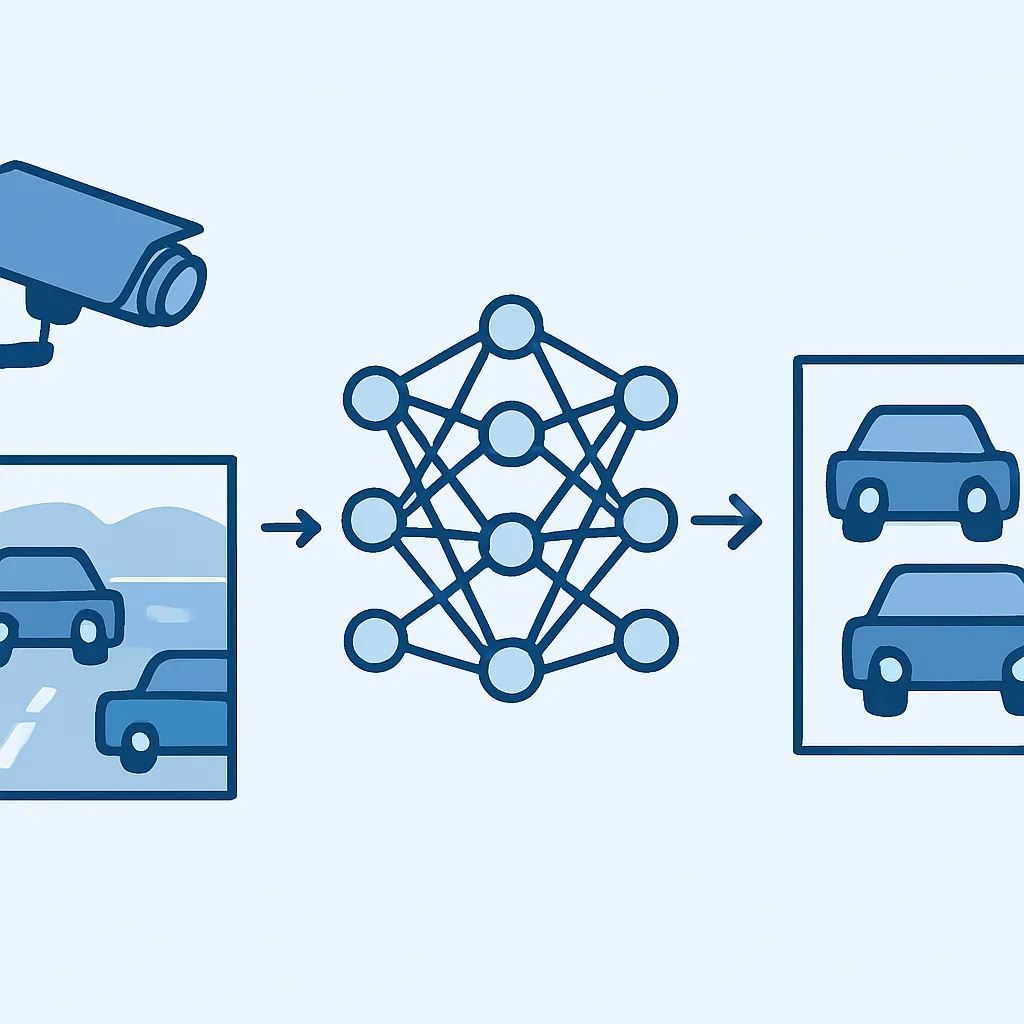
Understanding the pipeline helps demystify the technology. A typical AI vehicle detection system moves through several stages, each building on the last.
1. Data Capture
Everything begins with input. Cameras mounted on poles, drones, vehicles, or buildings stream video into the system. The quality, angle, and resolution of this footage directly affects accuracy, which is why placement and lens choice matter as much as the algorithm.
2. Preprocessing
Raw frames are rarely fed directly into a model. They are resized, normalized, and sometimes enhanced to reduce noise or correct lighting. This step keeps the input consistent so the model sees data similar to what it trained on.
3. Detection and Classification
The heart of the system is a neural network that scans each frame, proposes regions that likely contain vehicles, and assigns confidence scores. High-confidence regions become bounding boxes with labels. This all happens in milliseconds on capable hardware.
4. Tracking and Analytics
Detection alone is useful, but tracking turns it into insight. By linking detections across frames, the system can count unique vehicles, measure flow, calculate speed, and flag unusual behavior such as stopped cars or wrong-way driving.
The Deep Learning Models Behind Detection
The accuracy of modern vehicle detection comes from deep learning. Several families of models dominate the field, each balancing speed and precision differently.
| Model Family | Strength | Best Use Case |
|---|---|---|
| YOLO | Very fast, real-time | Live traffic and edge devices |
| Faster R-CNN | High accuracy | Detailed offline analysis |
| SSD | Balanced speed and accuracy | Mobile and embedded systems |
| Transformers (DETR) | Strong on complex scenes | Dense, cluttered traffic |
The YOLO (You Only Look Once) family is especially popular for live detection because it processes an entire image in a single pass, making it fast enough for real-time video. Two-stage detectors like Faster R-CNN trade some speed for accuracy, which suits forensic or research work. Newer transformer-based detectors handle crowded scenes well but often need more computing power.
Choosing the right model depends on your constraints. An edge camera with limited processing favors a lightweight model, while a cloud server analyzing recorded footage can afford a heavier, more accurate one. Teams that need help selecting and training the right architecture often turn to specialized artificial intelligence services to handle data labeling, training, and deployment end to end.
Real-World Applications
AI vehicle detection is not a lab experiment. It already operates across many industries, quietly improving safety and efficiency.
Smart Traffic Management
Cities use detection to count vehicles at intersections and adjust signal timing dynamically. This reduces congestion, shortens commutes, and lowers emissions by keeping traffic flowing instead of idling.
Automated Parking
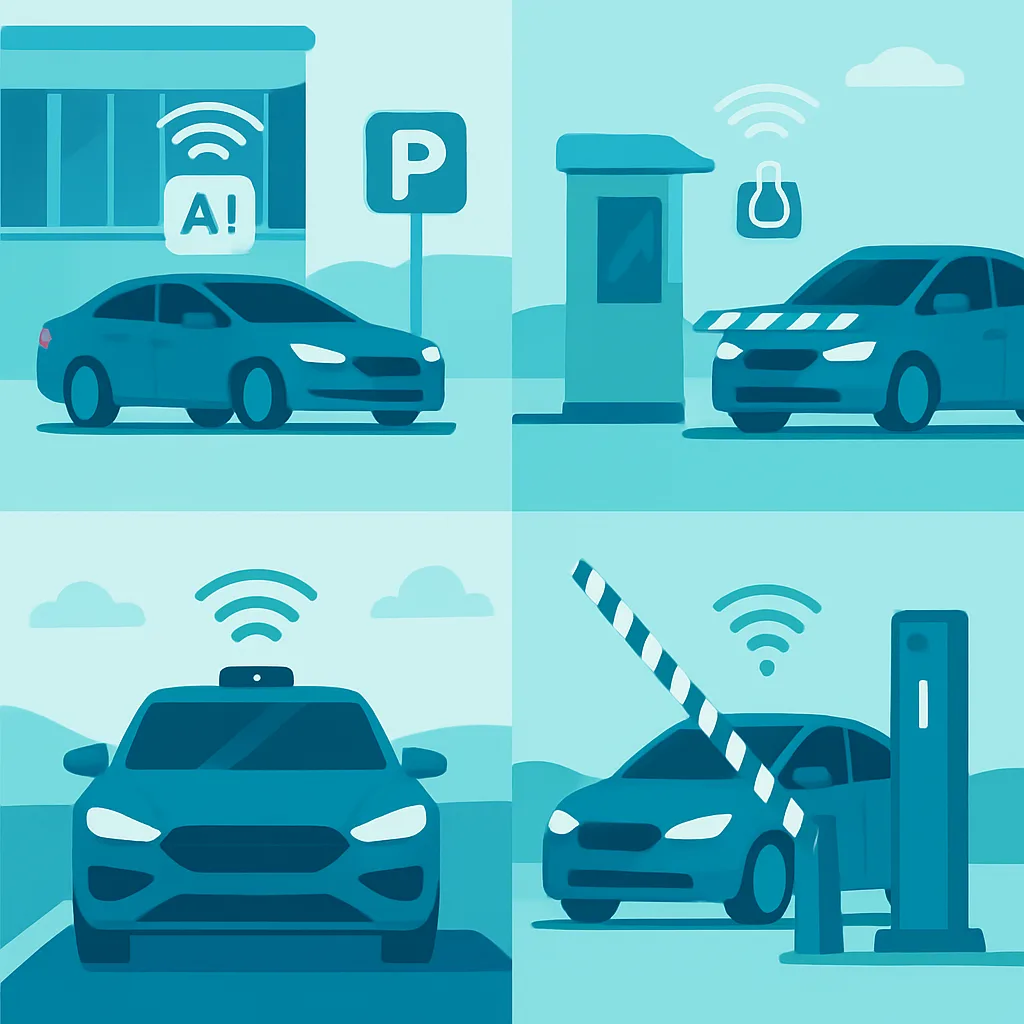
Parking garages and lots use cameras to detect open spaces, guide drivers, and track occupancy. Some systems read license plates to automate entry, billing, and exit without tickets or gates.
Toll Collection
Electronic tolling relies on detecting and classifying vehicles by type, since trucks and cars often pay different rates. AI makes free-flow tolling possible, where vehicles are charged without slowing down.
Autonomous Vehicles
Self-driving cars depend on detecting surrounding vehicles to navigate safely. Detection feeds into decision-making systems that handle braking, lane changes, and collision avoidance.
Security and Access Control
Gated communities, ports, and industrial sites use vehicle detection to monitor entry, log activity, and trigger alerts for unauthorized access.
Smart Traffic Management in Detail
Traffic management deserves a closer look because it shows the full value of detection combined with analytics. Modern control rooms display live feeds where AI counts vehicles lane by lane and predicts congestion before it forms.
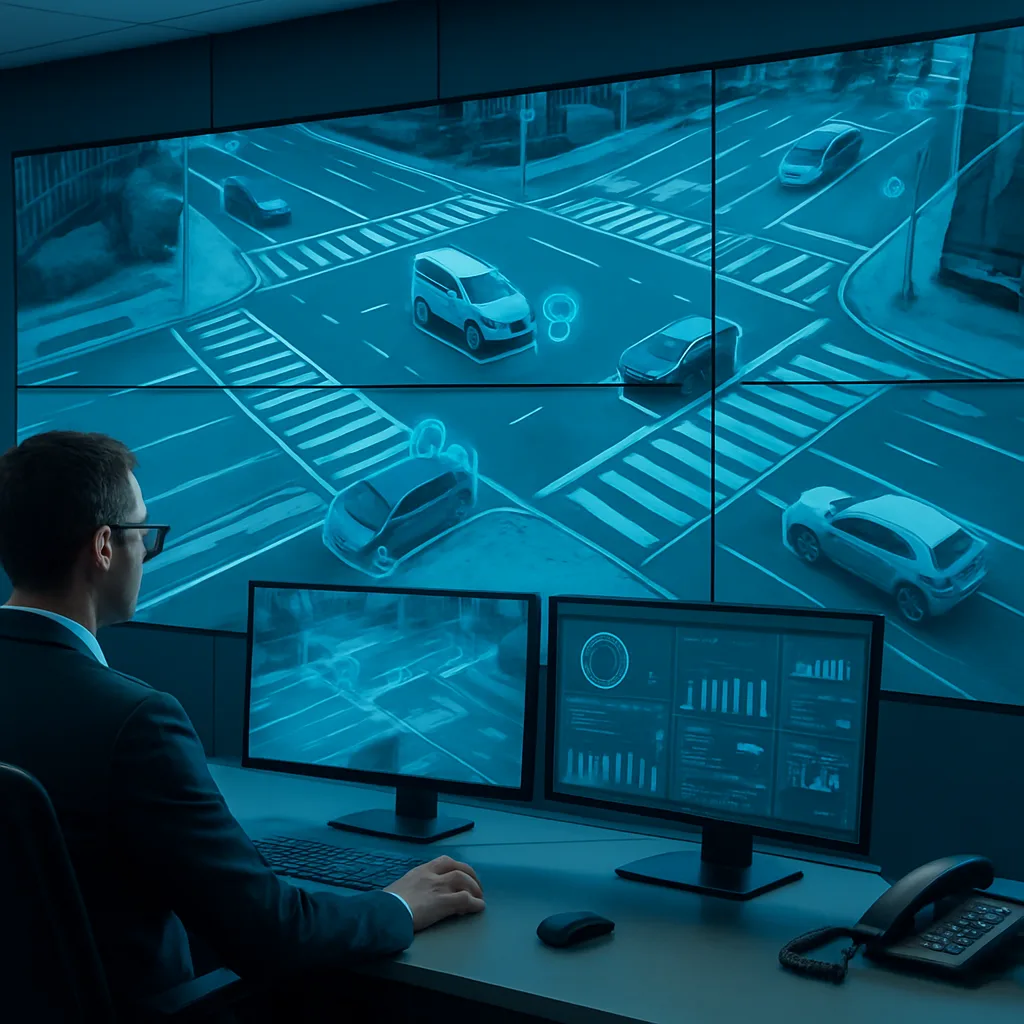
When integrated with adaptive signal systems, detection data lets traffic lights respond to actual demand rather than fixed schedules. If one approach to an intersection is busy and another is empty, the system shifts green time accordingly. Over a network of intersections, these small adjustments add up to measurable reductions in travel time and fuel use.
Beyond signals, the same data supports planning. City engineers analyze long-term patterns to decide where to add lanes, build crossings, or reroute heavy traffic. This is data-driven infrastructure, made practical by reliable automated counting that would be impossible to do manually at scale.
Challenges and Limitations
Despite its progress, AI vehicle detection faces real obstacles that engineers work hard to overcome.
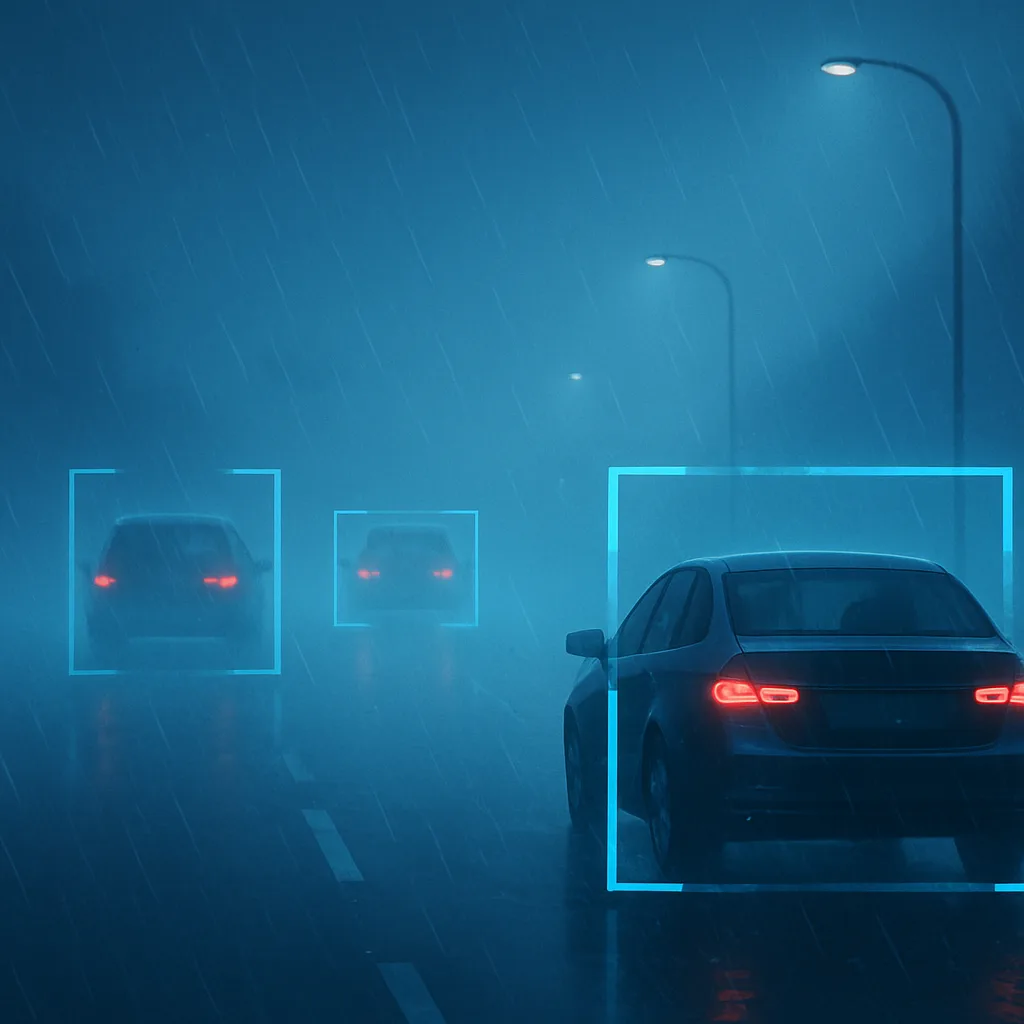
Weather and lighting are among the biggest issues. Rain, fog, snow, and glare can obscure vehicles and lower confidence scores. Night detection requires either infrared cameras or models trained specifically on low-light footage.
Occlusion is another challenge. In dense traffic, vehicles overlap and partially hide one another, making it hard to count each one accurately. Tracking algorithms help, but crowded scenes remain difficult.
Hardware limits matter too. Running a powerful model in real time on a small edge device demands optimization. Engineers often compress models or use specialized chips to balance speed and accuracy.
Finally, data bias can hurt performance. A model trained mostly on one region's vehicles may struggle elsewhere. Diverse, well-labeled training data is essential, which is why data preparation is often the most time-consuming part of any project.
Best Practices for Building a Detection System
If you plan to deploy vehicle detection, a few principles will save time and improve results.
- Start with quality data. Collect footage that matches your real conditions, including different times of day and weather.
- Label carefully. Accurate bounding boxes and consistent classes are the foundation of a strong model.
- Choose hardware early. Decide between edge and cloud processing before selecting a model, since this shapes every later decision.
- Monitor continuously. Accuracy can drift over time as conditions change, so plan for ongoing evaluation and retraining.
- Respect privacy. When cameras capture public spaces, follow local regulations and anonymize personal data where required.
Following these steps reduces costly rework and builds a system that holds up in the real world rather than just in testing.
The Future of AI Vehicle Detection
The technology is advancing quickly, and the next few years promise even more capable systems.
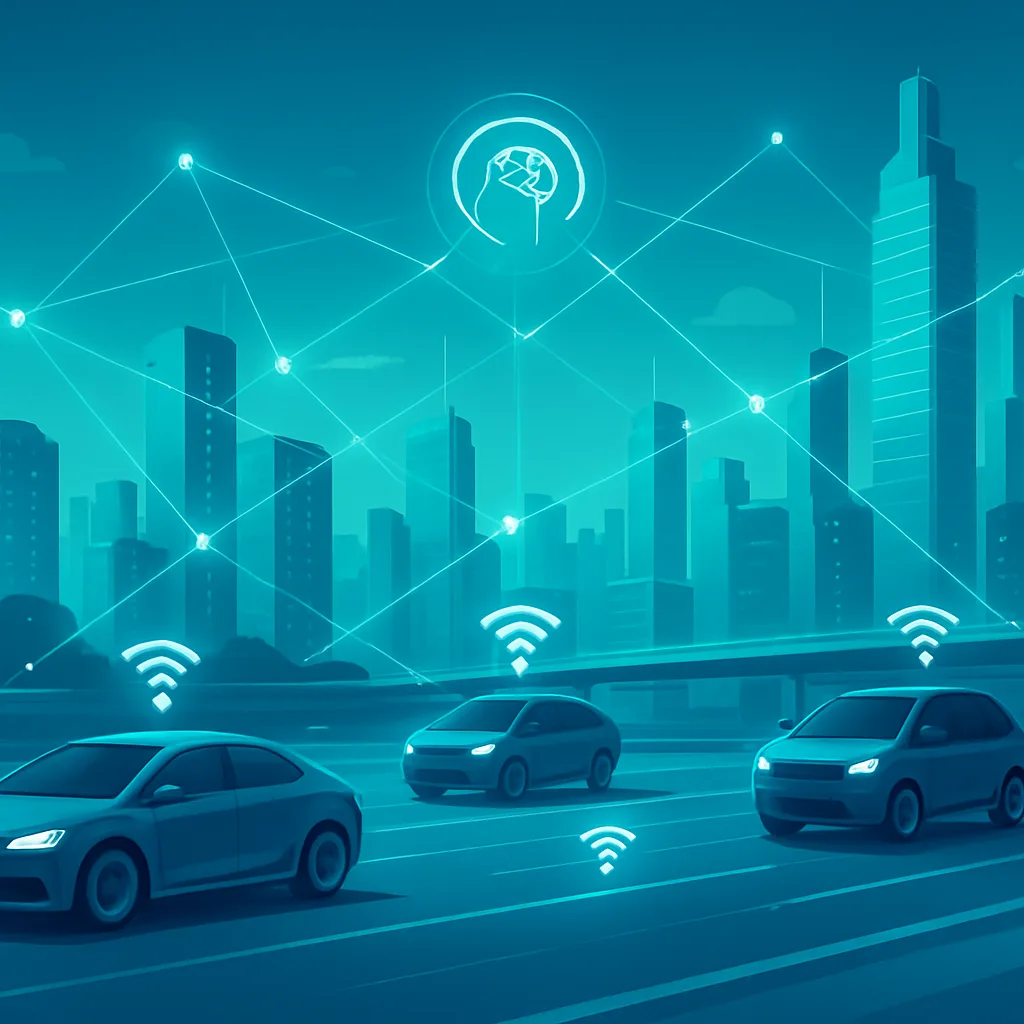
Edge AI will continue to grow, pushing more processing onto cameras and roadside units so decisions happen instantly without sending video to the cloud. This lowers latency and protects privacy. At the same time, vehicle-to-everything communication will let detected vehicles share data with infrastructure, creating coordinated, responsive road networks.
We will also see better handling of difficult conditions as models learn from larger, more varied datasets and as sensor fusion combines cameras with radar and lidar. The result will be detection that stays reliable in rain, darkness, and heavy traffic. As these advances mature, AI vehicle detection will become an invisible but essential layer of modern transportation, quietly making roads safer and cities smarter.
Conclusion
Artificial Intelligence Vehicle Detection has moved from research labs into everyday infrastructure. By combining cameras, deep learning models, and tracking analytics, it delivers accurate, real-time understanding of traffic that powers smarter signals, automated parking, seamless tolling, and autonomous driving. Challenges around weather, occlusion, and hardware remain, but steady progress in models and edge computing is closing the gap. For businesses and cities ready to adopt it, the key is starting with quality data, choosing the right model for the job, and planning for ongoing improvement. Done well, vehicle detection turns ordinary camera feeds into a powerful tool for safety, efficiency, and insight.