
Explore how artificial intelligence attorney jobs are reshaping the legal industry, the skills you need, salary trends, and where these careers are heading.
Artificial Intelligence Attorney Jobs
The legal profession is undergoing one of the most significant transformations in its history, and artificial intelligence sits at the center of it. A new category of careers has emerged at the crossroads of law and machine intelligence, and artificial intelligence attorney jobs are quickly becoming some of the most sought-after roles in the modern legal market. These positions blend traditional legal expertise with technical fluency, allowing professionals to guide organizations through complex questions about automation, data, liability, and compliance.
For lawyers worried that AI will replace them, the reality is more nuanced. AI is not eliminating legal work so much as redistributing it. Routine document review, contract analysis, and legal research are being automated, while higher-value advisory, strategy, and oversight roles are expanding. Understanding this shift is the first step toward building a future-proof legal career.
What Are Artificial Intelligence Attorney Jobs?
An AI attorney is a legal professional who specializes in the laws, regulations, ethics, and practical applications surrounding artificial intelligence. These roles are not limited to a single function. Some attorneys advise companies on algorithmic accountability and data privacy, while others draft contracts for AI vendors, defend clients in disputes involving automated decision-making, or help shape internal governance policies for machine learning systems.
The demand for these specialists is driven by a simple fact: AI now touches nearly every industry. Healthcare providers deploy diagnostic algorithms, banks use automated credit scoring, and retailers rely on recommendation engines. Each of these applications raises legal questions about bias, transparency, intellectual property, and consumer protection. Organizations need legal counsel who genuinely understand both the technology and the law.
This convergence has created opportunities not only at law firms but also inside technology companies, consultancies, and government agencies. Many firms that offer artificial intelligence services now work hand in hand with legal teams to ensure their solutions remain compliant and ethical from the ground up.
Why the Legal Industry Needs AI-Savvy Attorneys
Regulators around the world are racing to keep pace with AI innovation. The European Union's AI Act, evolving U.S. state privacy laws, and sector-specific rules in finance and healthcare all create a tangle of obligations. Businesses cannot navigate this landscape with general counsel alone. They need attorneys who can interpret how a specific model works, what data it consumes, and how its outputs might trigger legal exposure.
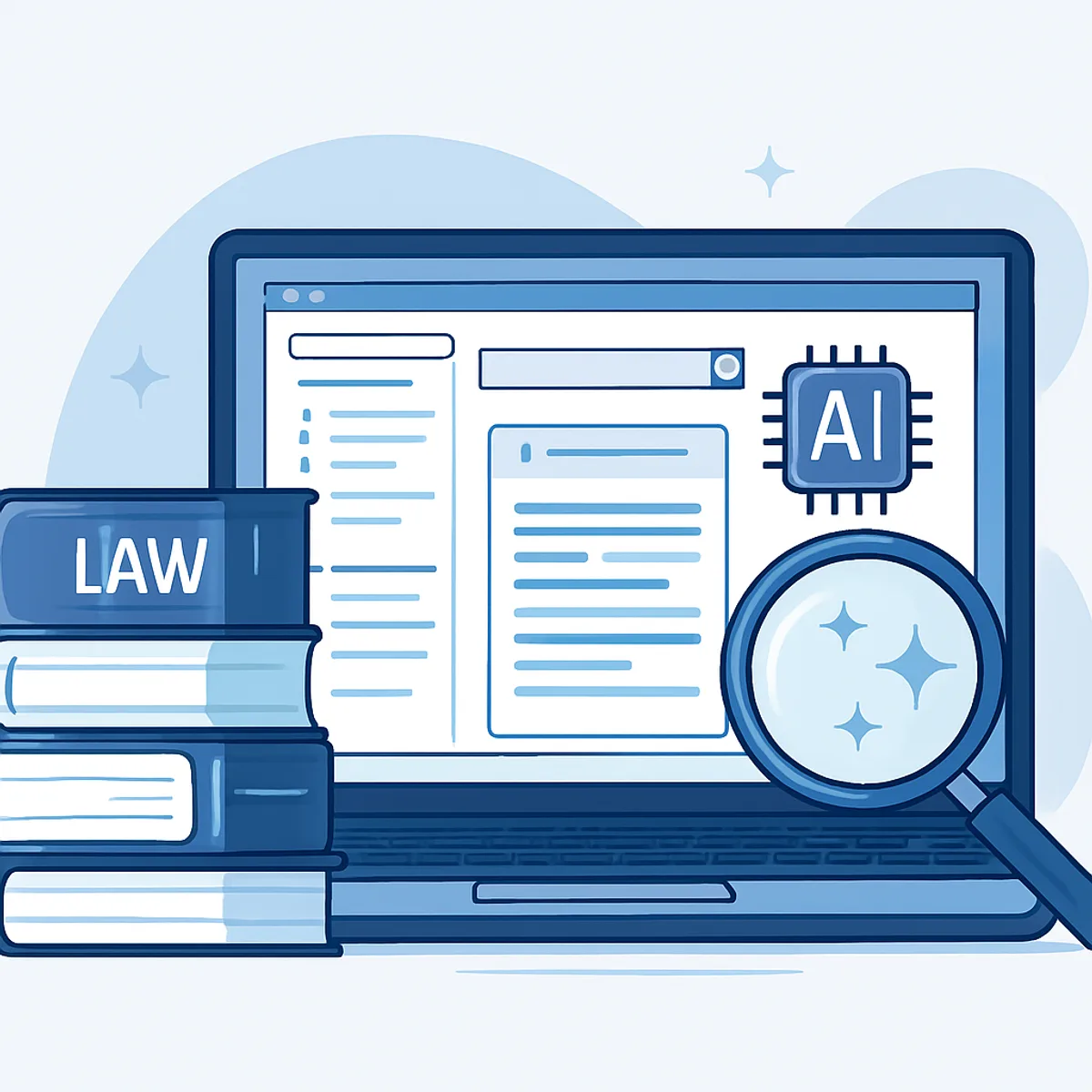
At the same time, AI tools are reshaping how legal work itself gets done. Legal research platforms now use natural language processing to surface relevant case law in seconds. Contract review software flags risky clauses automatically. Predictive analytics estimate the likelihood of litigation outcomes. Attorneys who master these tools become dramatically more productive, and those who can also explain the tools' limitations to clients become indispensable.
This dual reality means that AI literacy is no longer a niche specialty. It is becoming a baseline expectation, much like familiarity with email or electronic discovery became essential decades ago.
Key Skills Required for AI Attorney Roles
Succeeding in artificial intelligence attorney jobs requires a hybrid skill set that goes well beyond a traditional legal education. While a law degree and bar admission remain foundational, the most competitive candidates layer additional competencies on top.

First, technical comprehension matters. You do not need to write production code, but you should understand how machine learning models are trained, what training data represents, and where algorithmic bias originates. Second, data privacy expertise is critical, since most AI systems are built on large datasets that fall under regulations like GDPR and CCPA. Third, strong contract drafting skills help attorneys negotiate licensing terms, liability clauses, and indemnification for AI products.
Finally, communication is the glue that holds it all together. AI attorneys translate dense technical concepts into clear business and legal guidance. They sit in meetings with engineers, executives, and compliance officers, bridging worlds that rarely spoke the same language before.
Common Technical Concepts to Learn
- Machine learning fundamentals and model training
- Data governance and privacy frameworks
- Algorithmic bias and fairness auditing
- Intellectual property as it applies to generated content
- Cybersecurity basics and risk assessment
Types of AI Attorney Positions
The field is broad enough to support several distinct career paths. Below is a comparison of common roles and what they typically involve.
| Role | Primary Focus | Typical Employer |
|---|---|---|
| AI Compliance Counsel | Regulatory adherence and audits | Corporations, banks |
| AI Privacy Attorney | Data protection and consent | Tech companies, law firms |
| AI Litigation Specialist | Disputes over automated decisions | Litigation firms |
| AI Policy Advisor | Drafting governance and standards | Government, nonprofits |
| AI Contracts Counsel | Vendor and licensing agreements | SaaS and AI startups |

Each path rewards different strengths. Litigation roles suit those who thrive in adversarial settings, while compliance and policy positions favor methodical, detail-oriented thinkers. Many professionals move between these areas over the course of a career, building a versatile portfolio of experience.
Salary Expectations and Career Outlook
Compensation for artificial intelligence attorney jobs tends to exceed that of comparable general practice roles, reflecting the specialized knowledge required. Entry-level positions at established firms often start competitively, while senior counsel with proven AI expertise can command premium salaries, especially at large technology companies and top-tier firms.

Geography, industry, and experience all influence pay. Attorneys in major technology hubs and financial centers generally earn more, as do those who combine legal credentials with advanced technical or data science training. The career outlook is strong: as AI adoption accelerates, demand for qualified legal specialists is projected to grow steadily, making this one of the more resilient niches in the profession.
Importantly, the skills are transferable. An attorney who builds expertise in AI governance can pivot across industries, from healthcare to finance to consumer technology, without starting over. That flexibility offers a measure of job security that few other specialties can match.
Navigating Ethics and Compliance
Ethics sits at the heart of AI legal work. Automated systems can perpetuate discrimination, expose private data, or make consequential decisions without human oversight. Attorneys in this space must help organizations adopt responsible practices, document their decision-making, and prepare for regulatory scrutiny.
This often means establishing internal review boards, creating audit trails for algorithmic decisions, and ensuring that AI deployments respect both the letter and the spirit of the law. Companies increasingly recognize that ethical AI is not just a legal obligation but a competitive advantage that builds customer trust. Specialized partners such as WebPeak's artificial intelligence services help businesses implement these governance frameworks alongside their technical builds, and you can explore their broader offerings at webpeak.org.
Attorneys who lead these efforts position themselves as strategic advisors rather than mere gatekeepers. They shape how technology is built, not just how it is defended after problems arise.
How to Break Into AI Legal Careers
If you are an attorney looking to transition into this field, start by building genuine technical fluency. Take online courses in machine learning and data science, attend legal technology conferences, and read the growing body of scholarship on AI law. Practical exposure matters too. Volunteer to handle data privacy matters at your firm, or seek out projects involving emerging technology.
Networking accelerates the process. Connect with professionals who already work in legal tech, join relevant bar association committees, and engage with the communities forming around AI governance. Publishing articles or speaking on panels can establish you as a credible voice in the space.
Law students have an even greater opportunity to specialize early. Choosing electives in technology law, privacy, and intellectual property, then pairing them with internships at tech companies or innovation-focused firms, builds a powerful foundation. Many organizations that deliver web development and digital solutions also need in-house legal talent who understand both code and contracts.
The Future of Artificial Intelligence Attorney Jobs
Looking ahead, the line between legal and technical roles will continue to blur. We can expect to see more attorneys collaborating directly with engineering teams during product development, embedding legal review into the design process rather than treating it as an afterthought. This shift, sometimes called legal by design, makes compliance proactive rather than reactive.

We will also see new specializations emerge as technology evolves. Questions around autonomous agents, generative content ownership, and cross-border data flows are only beginning to be answered. Each new frontier creates demand for legal minds capable of reasoning through uncharted territory.
Far from making lawyers obsolete, artificial intelligence is elevating the profession toward more strategic, creative, and intellectually demanding work. The attorneys who embrace this change, who learn the technology and lean into the ambiguity, will define the next era of legal practice.
Conclusion
Artificial intelligence attorney jobs represent a compelling intersection of law, technology, and ethics. They offer strong compensation, durable demand, and the chance to shape how society governs one of the most powerful tools ever created. Whether you are a seasoned lawyer seeking reinvention or a student planning a forward-looking path, the opportunity has never been greater.
The key is to start now. Build your technical knowledge, cultivate your network, and position yourself at the leading edge of a field that is still being defined. The legal profession is changing, and those who prepare today will lead it tomorrow.