
A clear guide to the American Board of Artificial Intelligence in Medicine: what it is, how certification works, and why it matters for modern healthcare.
American board of artificial intelligence in medicine
Artificial intelligence is reshaping how clinicians diagnose disease, plan treatment, and manage patient care. As these tools move from research labs into hospitals and clinics, a pressing question follows: who decides whether a physician is qualified to use them safely? That is where the American Board of Artificial Intelligence in Medicine (ABAIM) enters the conversation. It represents an effort to bring structure, standards, and accountability to a field that is advancing faster than most regulatory bodies can keep up with.
This article explains what the board is, how its certification process works, who benefits from it, and why credentialing in medical AI is becoming a serious professional priority. Whether you are a physician, a healthcare administrator, or a technology leader, understanding this landscape helps you make smarter decisions about adopting AI responsibly.
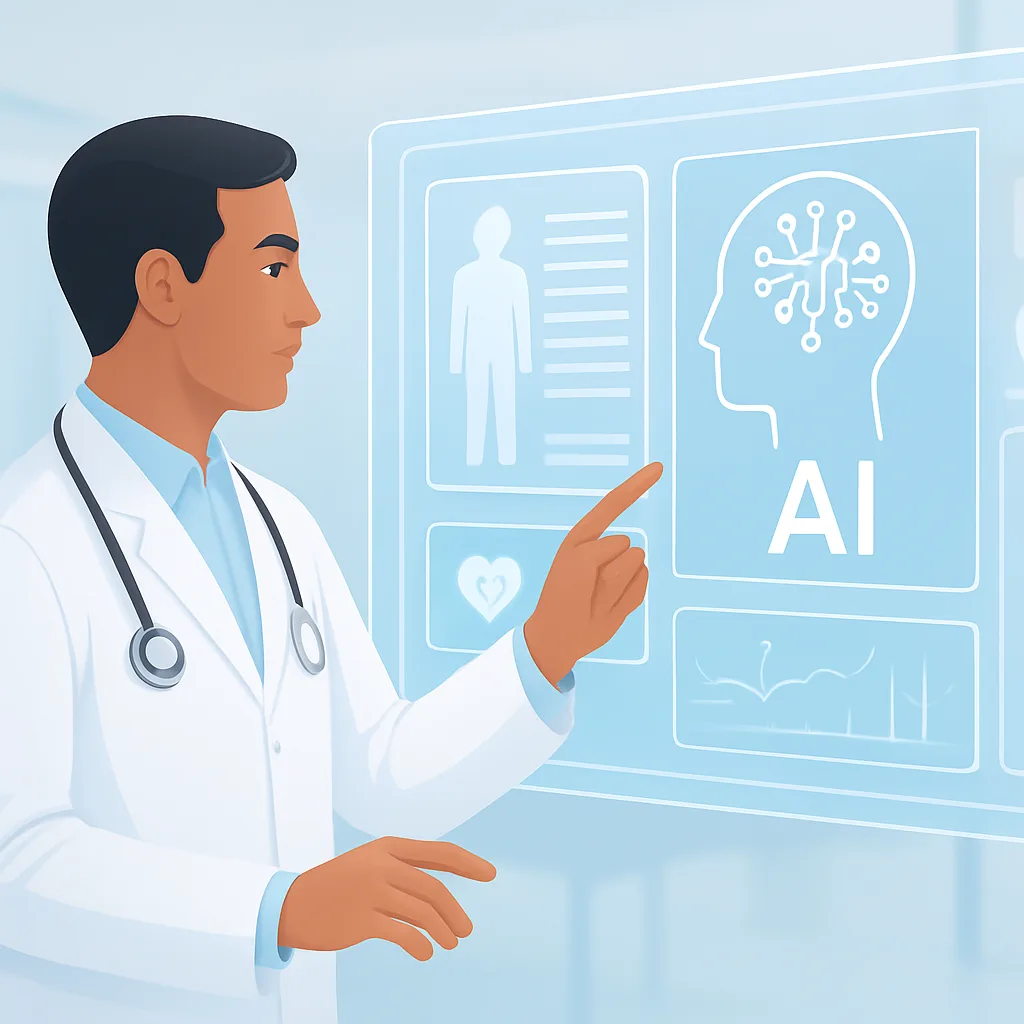
What the American Board of Artificial Intelligence in Medicine Is
The American Board of Artificial Intelligence in Medicine is an organization focused on educating and certifying healthcare professionals in the safe, ethical, and effective use of AI. Rather than building algorithms itself, the board concentrates on the human side of the equation: making sure that doctors, nurses, and allied health workers genuinely understand the tools they rely on.
This matters because medical AI is not a plug-and-play technology. A model that predicts sepsis or flags a suspicious lesion on a scan is only as useful as the clinician interpreting its output. Misreading an AI recommendation, trusting it blindly, or ignoring it entirely can all lead to harm. The board's mission is to close that knowledge gap with a shared, recognized standard of competence.
In practical terms, ABAIM offers structured learning paths, examinations, and credentials. These signal to employers, peers, and patients that a certified professional has demonstrated a baseline understanding of how clinical AI works, where it fails, and how to apply it responsibly.
Why Certification in Medical AI Matters
Healthcare has always relied on credentials. Board certification in cardiology or radiology tells patients that a physician has met a rigorous standard. AI in medicine deserves the same rigor, because the stakes are equally high.
Consider the speed of adoption. Diagnostic imaging tools, predictive analytics, and clinical decision support systems are now common in many institutions. Yet medical schools and residency programs have only recently begun integrating AI literacy into their curricula. This leaves a large group of practicing clinicians using powerful tools without formal training on their limitations.
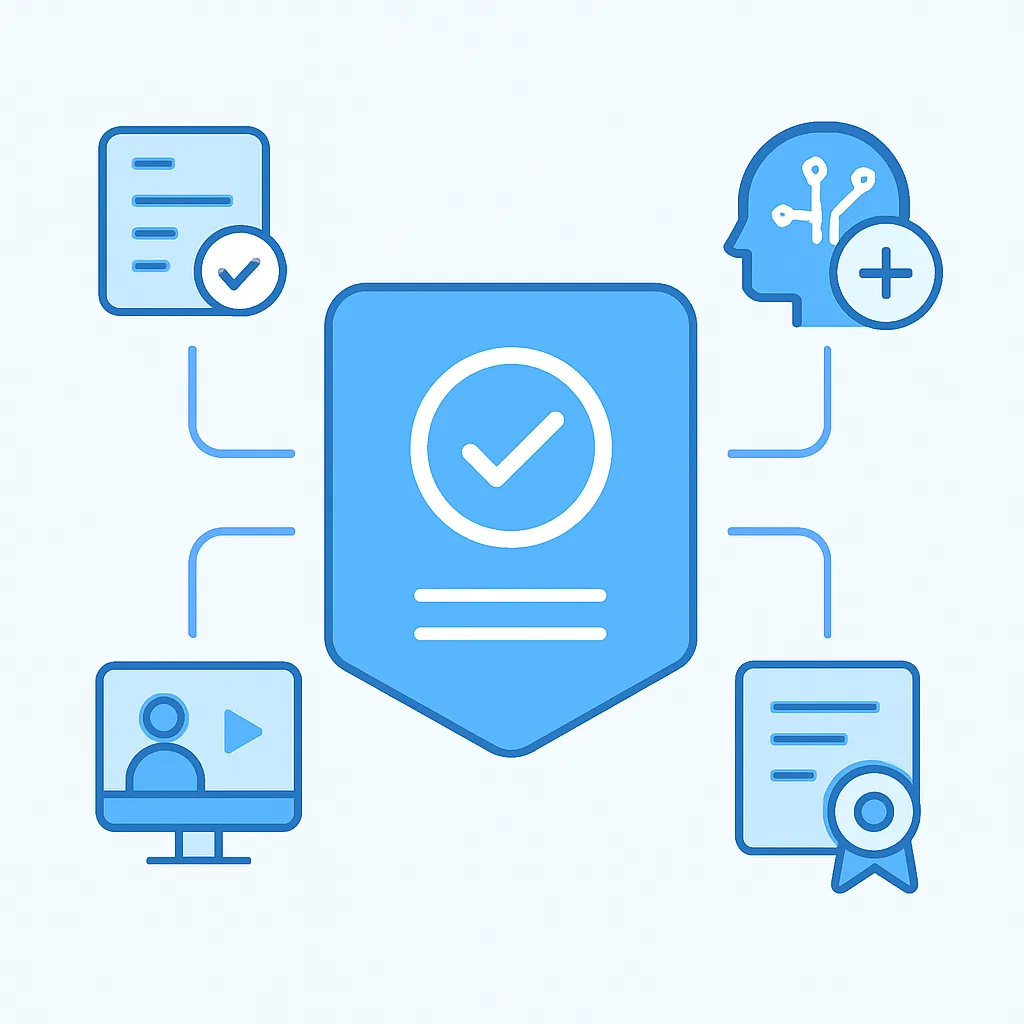
Certification helps address several real risks at once:
- Patient safety: Trained clinicians are less likely to over-trust or misinterpret AI outputs.
- Liability and accountability: Documented competence supports better, more defensible clinical decisions.
- Equity: Understanding model bias helps prevent AI from worsening existing disparities in care.
- Trust: Patients are more comfortable when they know their care team understands the technology.
Organizations that invest in AI without investing in the people who operate it often see disappointing results. Credentialing turns AI from a risky experiment into a dependable clinical asset.
How the Certification Process Works
While specific requirements evolve as the field matures, the general path to certification follows a recognizable pattern built around education, assessment, and ongoing learning.
Foundational Education
Candidates typically begin with coursework covering the fundamentals of machine learning, data quality, model validation, and the regulatory environment surrounding medical AI. The goal is not to turn doctors into data scientists, but to give them enough fluency to ask the right questions and recognize warning signs.
Clinical Application Training
The next stage focuses on how AI integrates into real clinical workflows. This includes case studies on diagnostic support, risk prediction, and treatment planning, along with frank discussion of where models break down. Clinicians learn to evaluate whether a tool was validated on a population similar to their own patients.
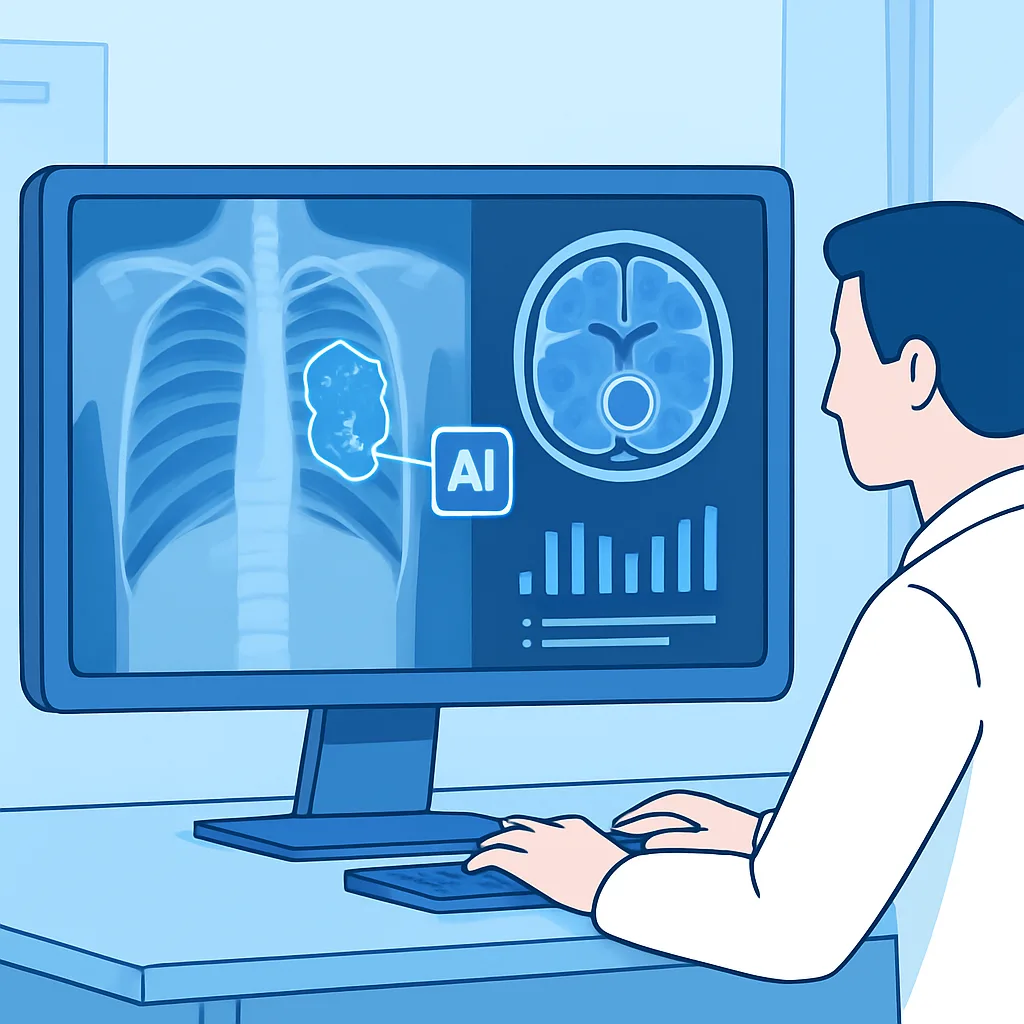
Examination and Assessment
A formal examination tests both conceptual knowledge and practical judgment. Questions often present realistic scenarios in which a candidate must decide how to weigh an AI recommendation against clinical context. This emphasis on judgment, rather than memorization, reflects how AI is actually used at the bedside.
Continuing Education
Because medical AI changes quickly, certification is not a one-time event. Maintaining credentials usually requires ongoing education so professionals stay current with new tools, updated guidelines, and emerging evidence. This keeps competence aligned with a moving target.
Ethics, Safety, and Responsible Standards
One of the most valuable contributions of a dedicated board is its focus on ethics. AI in medicine raises difficult questions that go far beyond technical accuracy.
Who is responsible when an algorithm contributes to a missed diagnosis? How should patient data be protected when training and deploying models? What happens when a tool performs well for one demographic group but poorly for another? Certification programs push clinicians to confront these issues directly rather than treating AI as a neutral black box.
Responsible standards also cover transparency. Clinicians are encouraged to understand whether a model is explainable, how confident its predictions are, and when a human must remain firmly in control. These principles align with broader industry efforts to build trustworthy AI systems, the kind of expertise that specialized firms offer through dedicated artificial intelligence services for organizations building healthcare technology.
Who Should Pursue This Credential
The board's certification is not limited to a single role. It serves a wide range of professionals who interact with AI in clinical or operational settings.
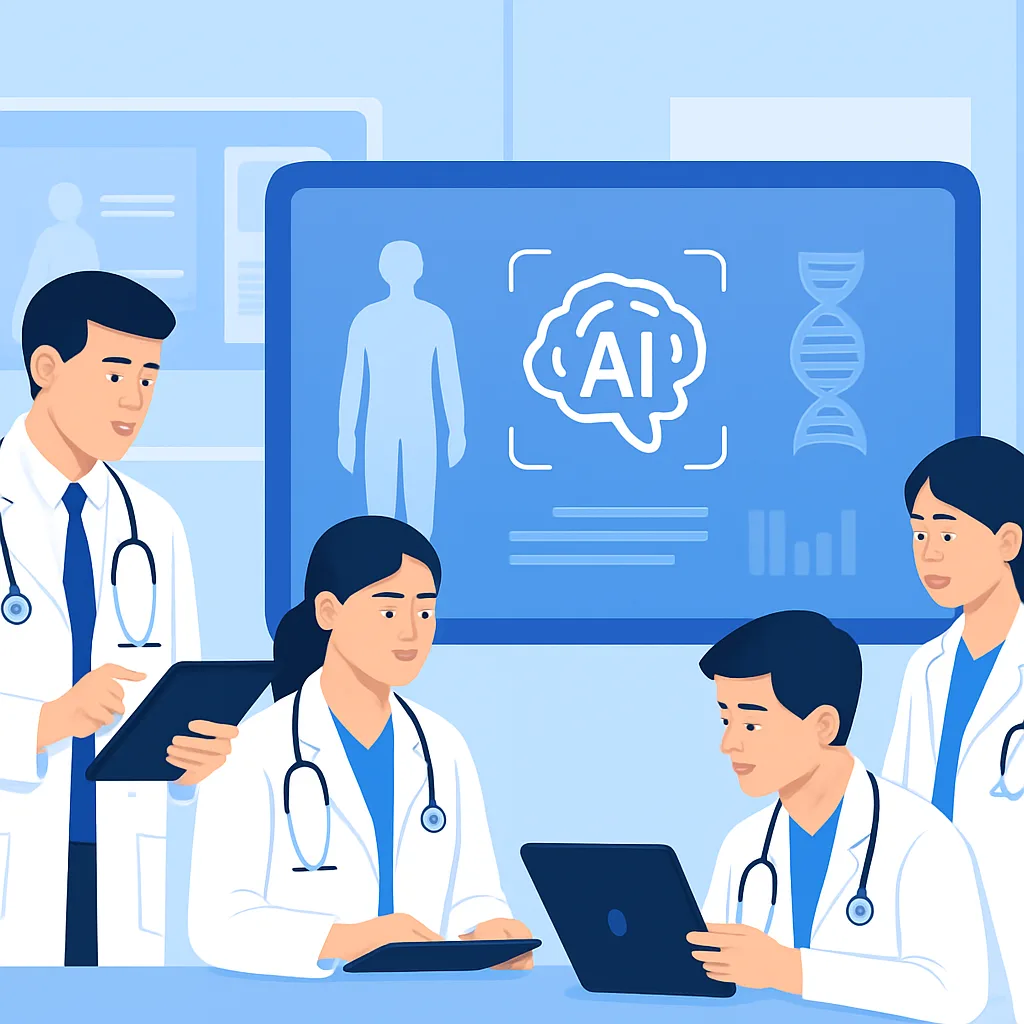
Physicians across specialties benefit most directly, especially those in imaging-heavy fields like radiology and pathology, as well as primary care doctors using predictive risk tools. Nurses and advanced practice providers who rely on clinical decision support also gain meaningful value. Beyond direct care, healthcare administrators, informatics leaders, and quality officers use this knowledge to evaluate vendors and govern AI deployment across an institution.
Technology professionals who build medical software round out the picture. Engineers and product leaders who understand clinical realities create safer, more usable tools. For teams developing these platforms, partnering with experienced builders such as those at Zonetechify ensures that technical excellence is matched by clinical relevance.
The Practical Benefits for Healthcare Organizations
Adopting AI is rarely just a software decision. It touches workflows, training budgets, compliance, and culture. A workforce that holds recognized AI credentials gives organizations a measurable advantage.
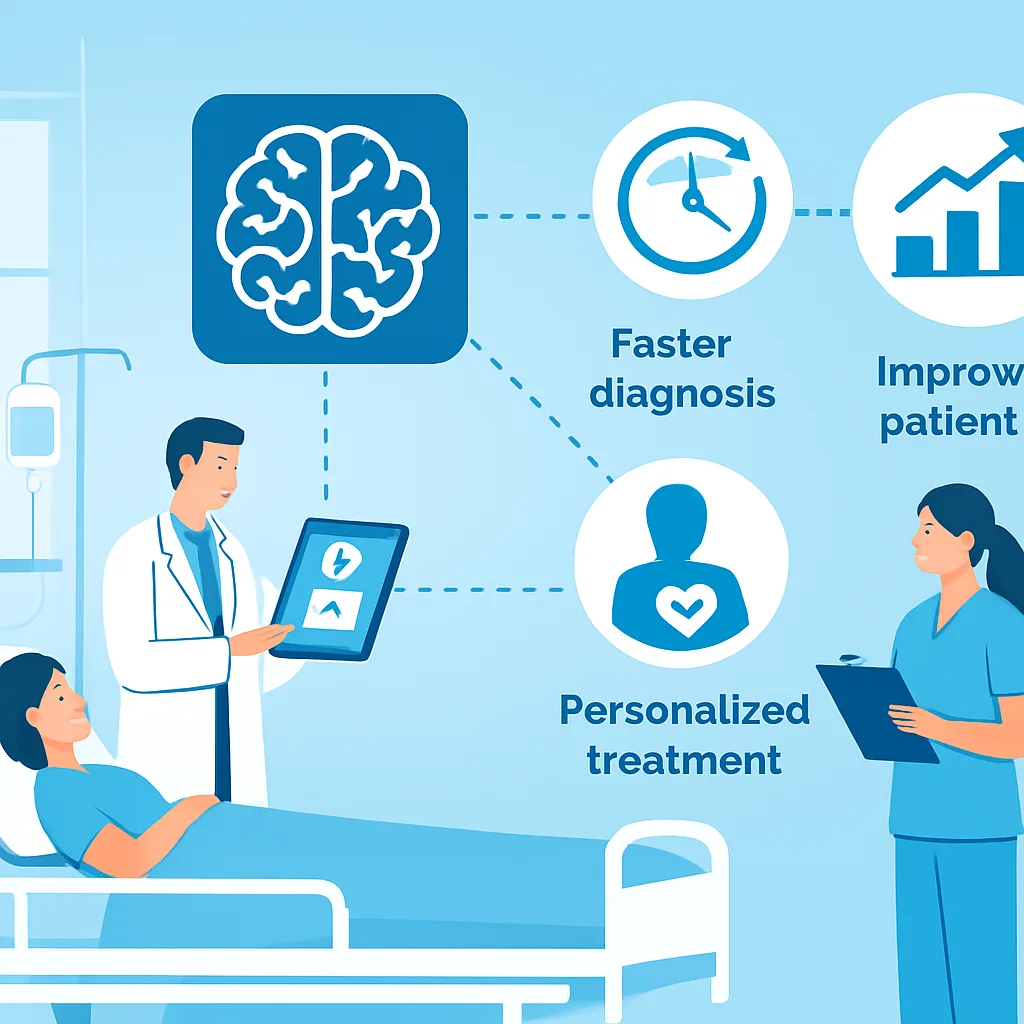
The table below summarizes how certified competence translates into organizational value.
| Area | Without AI Training | With Certified Professionals |
|---|---|---|
| Diagnostic confidence | Inconsistent interpretation | Consistent, informed judgment |
| Risk management | Higher liability exposure | Documented, defensible decisions |
| Vendor evaluation | Difficult to assess claims | Critical, evidence-based review |
| Patient trust | Uncertain communication | Clear, confident explanations |
| Adoption success | Frequent stalled rollouts | Smoother, sustained integration |
These benefits compound over time. As more of a team becomes AI-literate, the organization can adopt new tools faster and with less friction, while keeping patient safety at the center.
Common Misconceptions About Medical AI Certification
Several myths slow adoption of credentialing, and they are worth addressing directly.
The first is that certification turns doctors into programmers. It does not. The goal is informed, safe use, not software development. The second misconception is that AI will replace clinicians, making training unnecessary. In reality, AI augments human expertise, and skilled professionals are needed more than ever to supervise it. A third myth is that only large academic centers need this knowledge. Smaller clinics often adopt off-the-shelf AI tools with even less oversight, making literacy just as critical there.
Dispelling these myths helps leaders see certification as an enabler rather than a barrier. It is a way to unlock the value of AI safely, not a bureaucratic hurdle.
How to Get Started
If you are considering certification, begin by honestly assessing your current AI literacy. Identify the tools already in use at your organization and how well your team understands them. From there, explore reputable educational programs, review the board's requirements, and build a realistic timeline that fits clinical schedules.
Organizations can support this journey by funding training, recognizing credentials in hiring, and creating internal governance committees. Many also work with specialized partners to build or refine their AI systems. Companies offering professional web development and applied AI expertise can help bridge the gap between clinical needs and reliable technology, and platforms like WebPeak focus specifically on intelligent solutions for forward-thinking organizations.
The Road Ahead
The American Board of Artificial Intelligence in Medicine reflects a broader truth: technology alone does not improve healthcare. People do. As AI becomes embedded in everyday clinical practice, the professionals who understand it deeply will lead the way in delivering safer, faster, and more personalized care.
Certification is still a young and evolving field, and standards will continue to mature. But the direction is clear. Demonstrated competence in medical AI is moving from a nice-to-have toward an expected qualification. Those who invest early position themselves and their organizations to thrive in a healthcare system increasingly shaped by intelligent technology.
The message for clinicians and leaders alike is simple. Embrace AI thoughtfully, train your teams rigorously, and treat responsible use as a core professional duty. Doing so protects patients, strengthens trust, and ensures that the promise of medical AI is realized for the people who need it most.