
Discover how artificial intelligence-based solutions transform the record to report process, cutting close times, reducing errors, and improving financial accuracy.
artificial intelligence-based solutions for record to report process
The record to report (R2R) process sits at the heart of every finance function, yet it remains one of the most manual, time-consuming, and error-prone workflows in the modern enterprise. From capturing transactions to producing financial statements, finance teams spend countless hours reconciling accounts, chasing data, and racing against close deadlines. Artificial intelligence-based solutions for the record to report process are changing that reality by automating repetitive work, surfacing anomalies in real time, and helping leaders make faster, smarter decisions.
In this guide, we explore how AI reshapes each stage of R2R, the measurable benefits it delivers, and how organizations can begin their journey toward an intelligent, continuous close.
What Is the Record to Report Process?
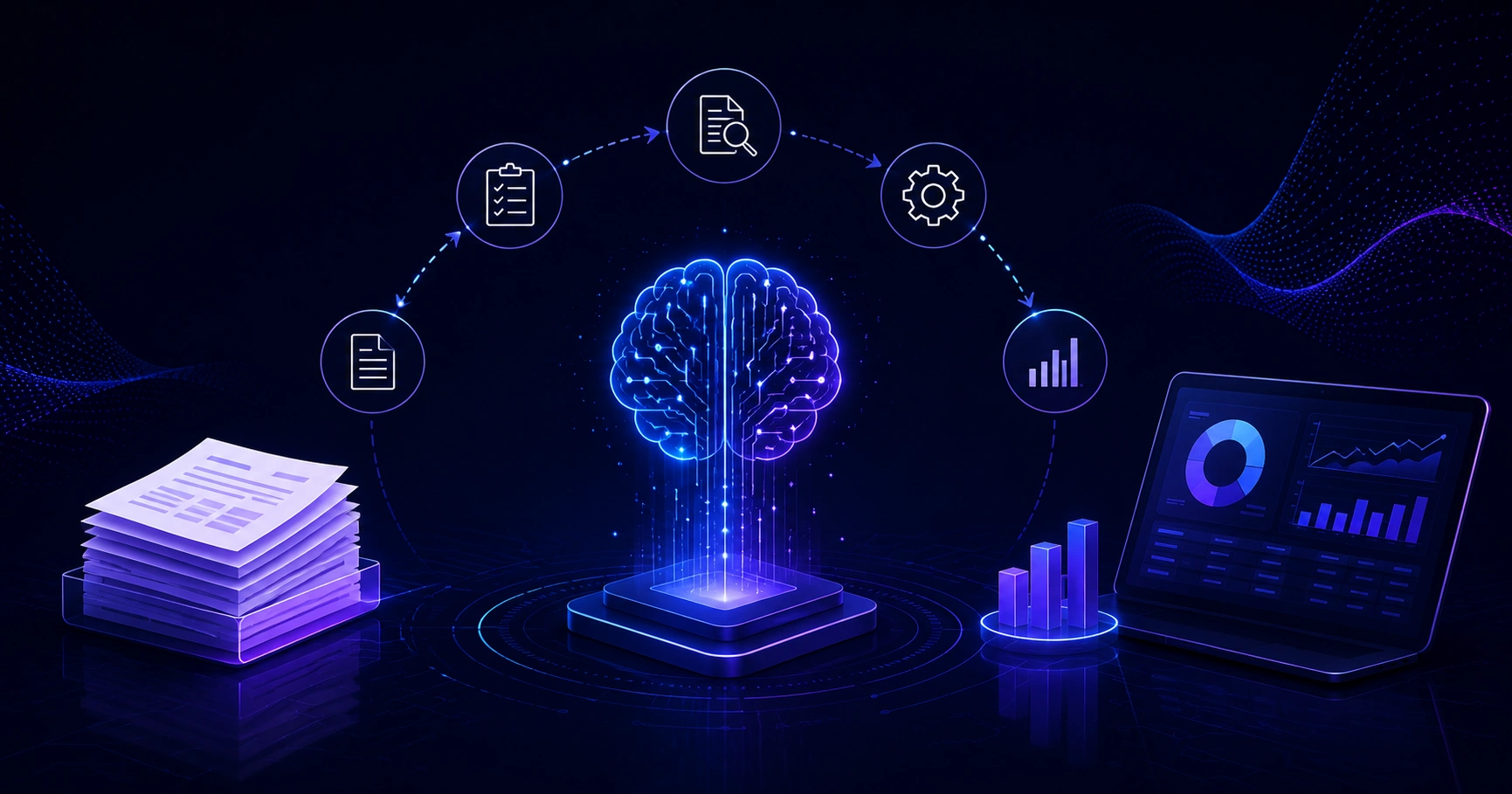
Record to report is the end-to-end accounting cycle that begins when financial transactions are recorded and ends when management and statutory reports are produced. It covers data collection, journal entries, reconciliations, intercompany eliminations, consolidations, and the creation of accurate financial statements.
Traditionally, R2R has relied heavily on spreadsheets, manual data entry, and email-driven approvals. This approach introduces delays, increases the risk of human error, and makes it difficult to maintain a clear audit trail. As businesses grow more complex and regulatory demands intensify, the limitations of manual R2R become impossible to ignore.

Why R2R Needs Modernization
Finance leaders are under constant pressure to close the books faster while improving accuracy and transparency. Yet many teams still spend the majority of their close period on low-value tasks such as matching transactions, copying data between systems, and fixing formatting issues. These activities drain resources, create burnout, and leave little time for analysis.
This is exactly where artificial intelligence offers a transformative opportunity. By learning from historical data and patterns, AI can take over the repetitive heavy lifting and let finance professionals focus on interpretation and strategy.
How AI Transforms the Record to Report Process
Artificial intelligence does not replace the structure of R2R; it enhances every step of it. Machine learning, natural language processing, and intelligent automation work together to streamline data flows, validate entries, and accelerate reporting.
Intelligent Data Capture and Validation
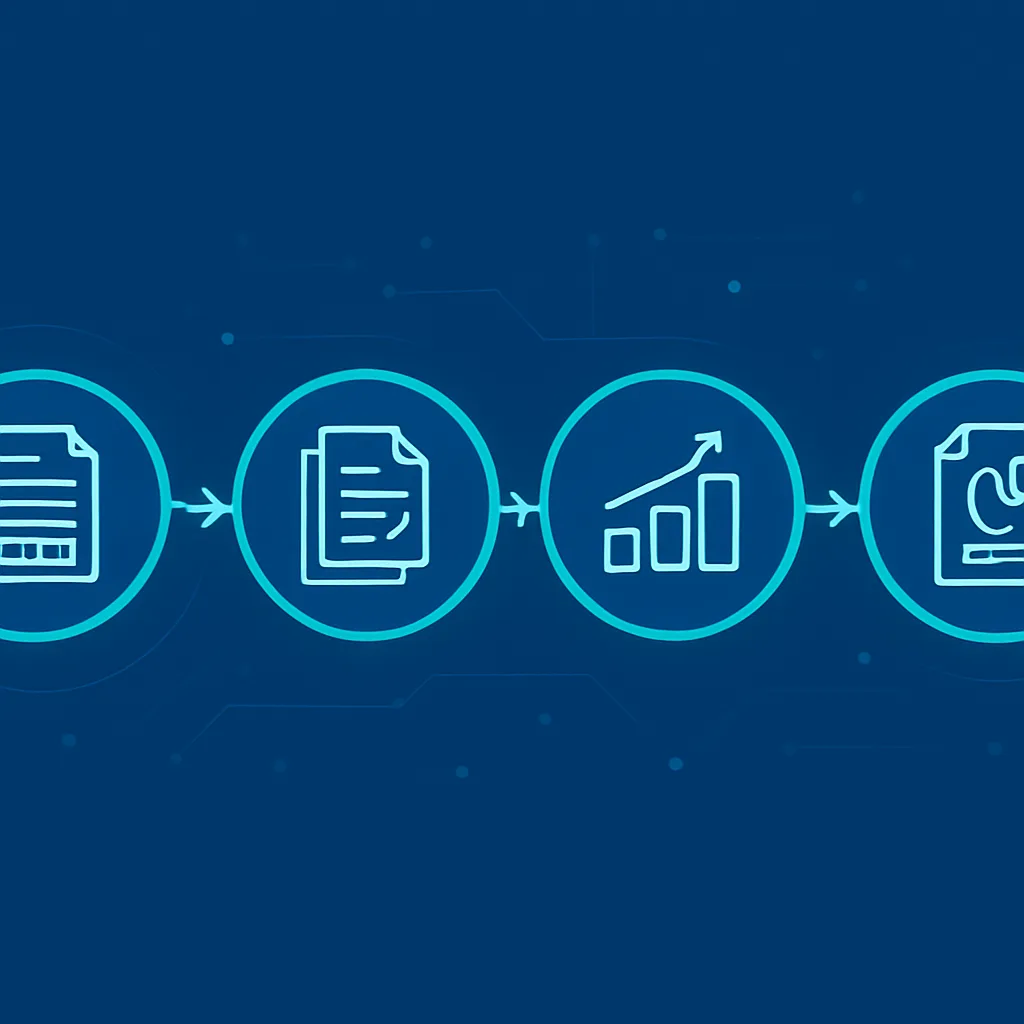
The first stage of R2R involves gathering data from multiple systems such as ERPs, bank feeds, payroll platforms, and subledgers. AI-powered tools can ingest this information automatically, recognize document formats, and extract relevant fields without manual keying. Natural language processing reads invoices and statements, while machine learning flags entries that fall outside expected ranges.
This means errors are caught at the source rather than discovered days later during reconciliation. Clean, validated data flowing into the ledger sets the foundation for a faster, more reliable close.
Automated Reconciliations
Reconciliation is one of the most labor-intensive parts of R2R. Matching thousands of transactions across ledgers and bank statements can consume entire workdays. AI changes this dramatically by learning matching rules and applying them at scale.
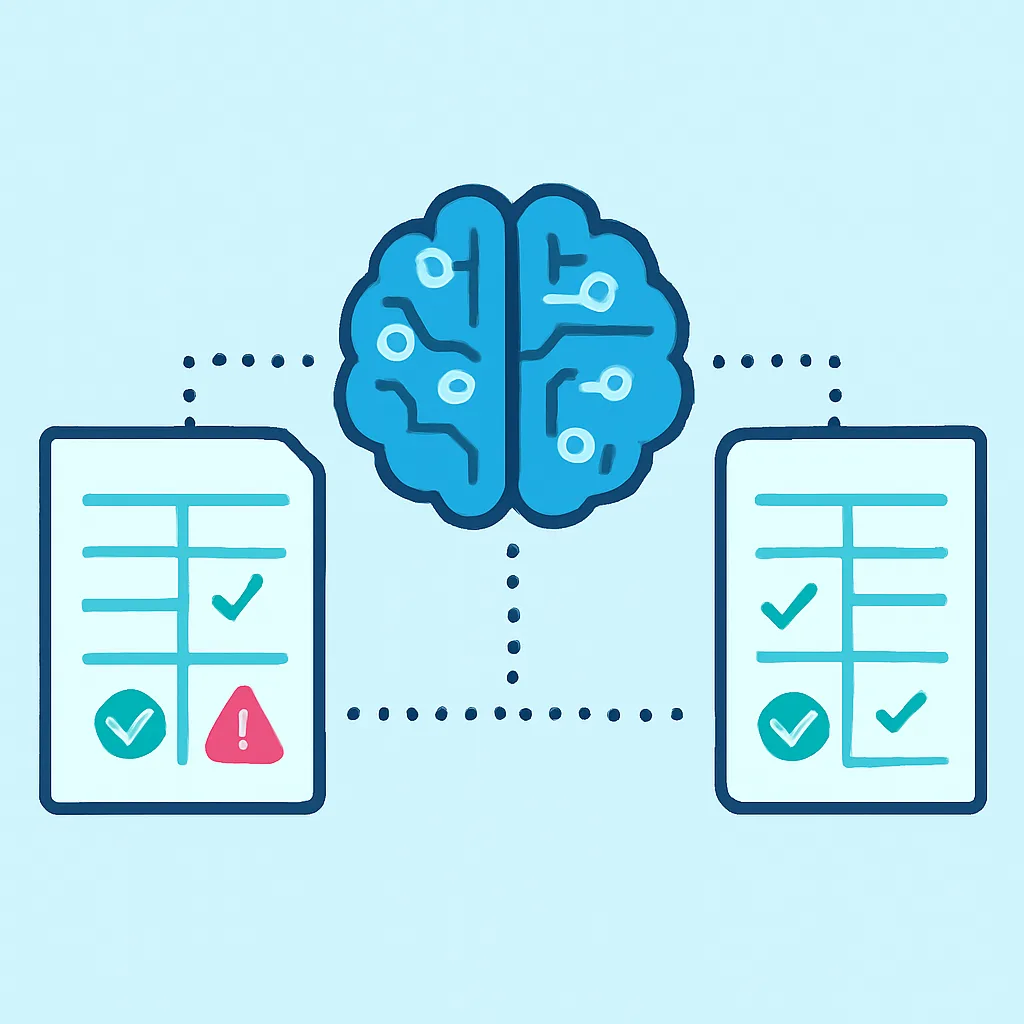
Machine learning models can auto-match the vast majority of transactions, leaving only genuine exceptions for human review. Over time, the system becomes smarter, recognizing recurring patterns and adapting to new ones. Anomaly detection algorithms highlight suspicious entries, potential fraud, or unusual fluctuations long before they reach the financial statements.
Organizations seeking to implement these capabilities often partner with specialists in artificial intelligence services to design solutions tailored to their existing financial systems.
Accelerating the Financial Close
The month-end and year-end close is a high-pressure period for every finance team. AI-driven automation compresses this timeline by handling journal entries, accruals, and intercompany eliminations with minimal human intervention.

Instead of waiting until period-end to discover issues, intelligent systems support a continuous close where data is reconciled and validated throughout the month. This shift from a reactive to a proactive model means finance teams can produce reliable numbers on demand rather than scrambling at deadline. The result is a shorter close cycle, reduced overtime, and greater confidence in reported figures.
Key Benefits of AI-Based R2R Solutions
The advantages of applying artificial intelligence to record to report extend well beyond speed. They touch accuracy, compliance, cost, and employee satisfaction.

| Aspect | Traditional R2R | AI-Based R2R |
|---|---|---|
| Data entry | Manual, error-prone | Automated and validated |
| Reconciliation | Hours of matching | Auto-matched in minutes |
| Error detection | Found late | Flagged in real time |
| Close cycle | Days to weeks | Significantly shorter |
| Audit trail | Fragmented | Complete and traceable |
| Team focus | Data processing | Analysis and strategy |
Greater Accuracy and Compliance
By removing manual touchpoints, AI reduces the risk of transposition errors, duplicate entries, and inconsistent formatting. Every action is logged, creating a transparent, tamper-resistant audit trail that satisfies auditors and regulators alike. Automated controls ensure that policies are applied consistently across every entity and period.
Lower Costs and Higher Productivity
Automating repetitive tasks frees skilled accountants from data drudgery. Teams can redeploy their time toward financial planning, variance analysis, and business partnering. Many organizations find they can scale their finance operations without proportionally increasing headcount, delivering meaningful cost savings over time.
Real-Time Insights
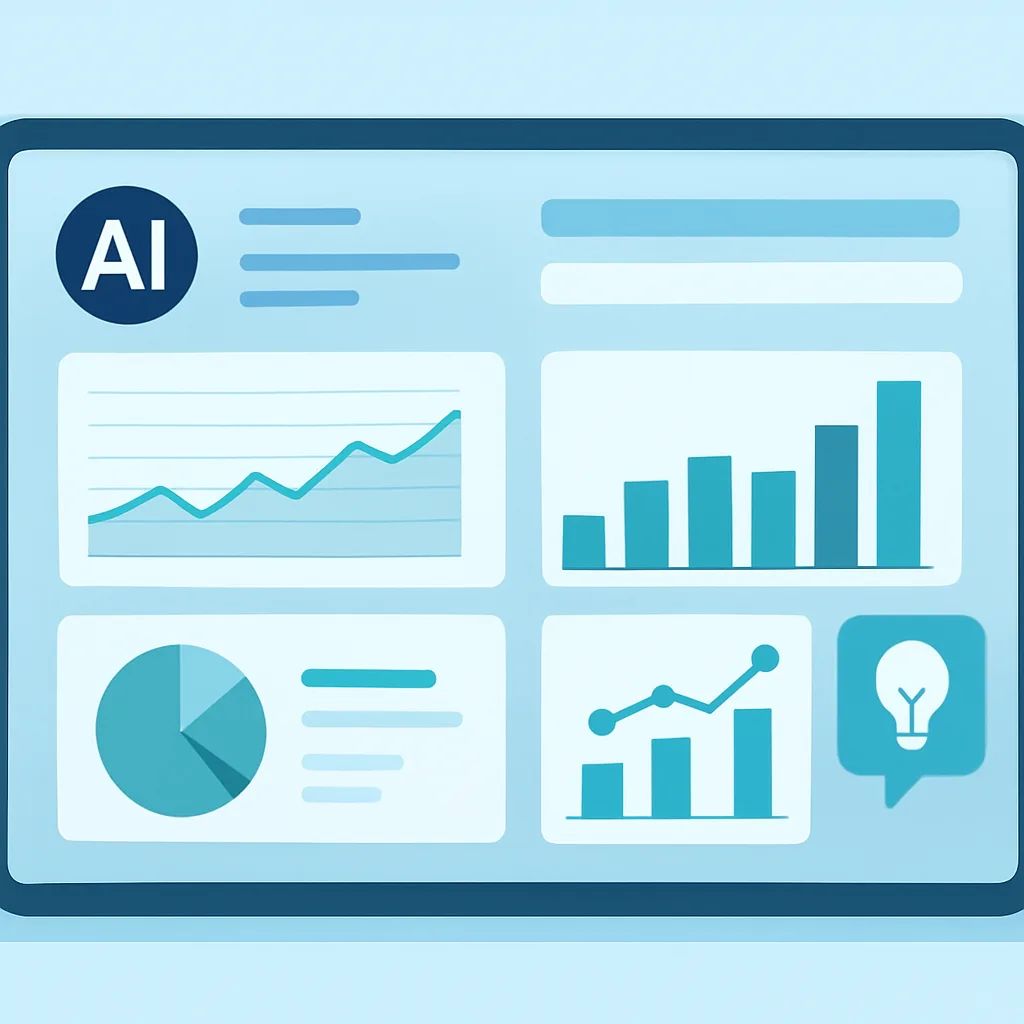
Perhaps the most powerful benefit is access to timely, trustworthy information. With AI continuously processing data, leaders no longer wait until the books close to understand performance. Dashboards update in near real time, enabling agile decision-making in a fast-moving market.
Implementing AI in Your R2R Workflow
Adopting artificial intelligence for record to report is a journey rather than a single switch. Success depends on a clear strategy, clean data, and the right technology partners.
Start With High-Impact Use Cases
Begin where the pain is greatest and the data is most structured. Reconciliations and transaction matching are ideal starting points because they offer quick wins and measurable ROI. Once teams experience the benefits, expanding into automated journal entries, accruals, and reporting becomes a natural next step.
Ensure Data Quality and Integration
AI is only as good as the data it learns from. Before scaling, organizations should standardize charts of accounts, clean historical records, and ensure systems can communicate through reliable integrations. A strong data foundation accelerates model accuracy and reduces exceptions.
Choose the Right Partner
Building intelligent finance solutions requires expertise in both accounting and machine learning. Working with experienced providers helps avoid common pitfalls and shortens time to value. Companies like ZoneTechify and WebPeak help businesses design and deploy tailored automation that fits their unique processes and compliance requirements.
For teams focused specifically on advanced model development and deployment, specialized AI services from WebPeak can bridge the gap between ambition and execution, delivering production-ready solutions that integrate cleanly with existing ERPs.
Manage Change Thoughtfully
Technology alone does not guarantee success. Finance teams need training, clear governance, and confidence that AI augments rather than threatens their roles. Communicating the benefits, involving staff early, and celebrating quick wins all help build adoption and trust across the organization.
The Future of AI in Record to Report
The trajectory of AI in finance points toward an increasingly autonomous close. Emerging technologies such as generative AI and intelligent agents are beginning to draft narratives for management reports, answer ad hoc questions in natural language, and even recommend corrective actions.
In the years ahead, we can expect predictive capabilities to play a larger role, with systems forecasting cash positions, flagging compliance risks, and simulating scenarios before they unfold. The continuous, touchless close, once a distant aspiration, is rapidly becoming an achievable standard for forward-thinking organizations.
Finance functions that embrace these tools today will gain a lasting competitive edge: faster reporting, stronger controls, and the freedom to focus on strategy rather than spreadsheets.
Conclusion
Artificial intelligence-based solutions for the record to report process represent a fundamental shift in how finance teams operate. By automating data capture, reconciliations, and reporting, AI delivers faster closes, fewer errors, and richer insights while freeing talented professionals to focus on what matters most.
The organizations that act now, starting with high-impact use cases and partnering with experienced providers, will position themselves to thrive in an era where speed, accuracy, and intelligence define financial excellence. Whether you are just beginning to explore automation or ready to build a fully intelligent close, the time to modernize your R2R process is today.