Discover 50 Powerful Call to Action Phrases that boost clicks, conversions, and sales, plus practical tips on writing CTAs that actually persuade your audience.
50 Powerful Call to Action Phrases
A single sentence can be the difference between a visitor who leaves and a customer who buys. That sentence is your call to action. Whether you are writing a landing page, an email, a social ad, or a checkout button, the words you choose to prompt the next step shape your entire conversion rate. In this guide we break down 50 Powerful Call to Action Phrases, explain why they work, and show you how to use them so your audience feels compelled to act.
Why Call to Action Phrases Matter
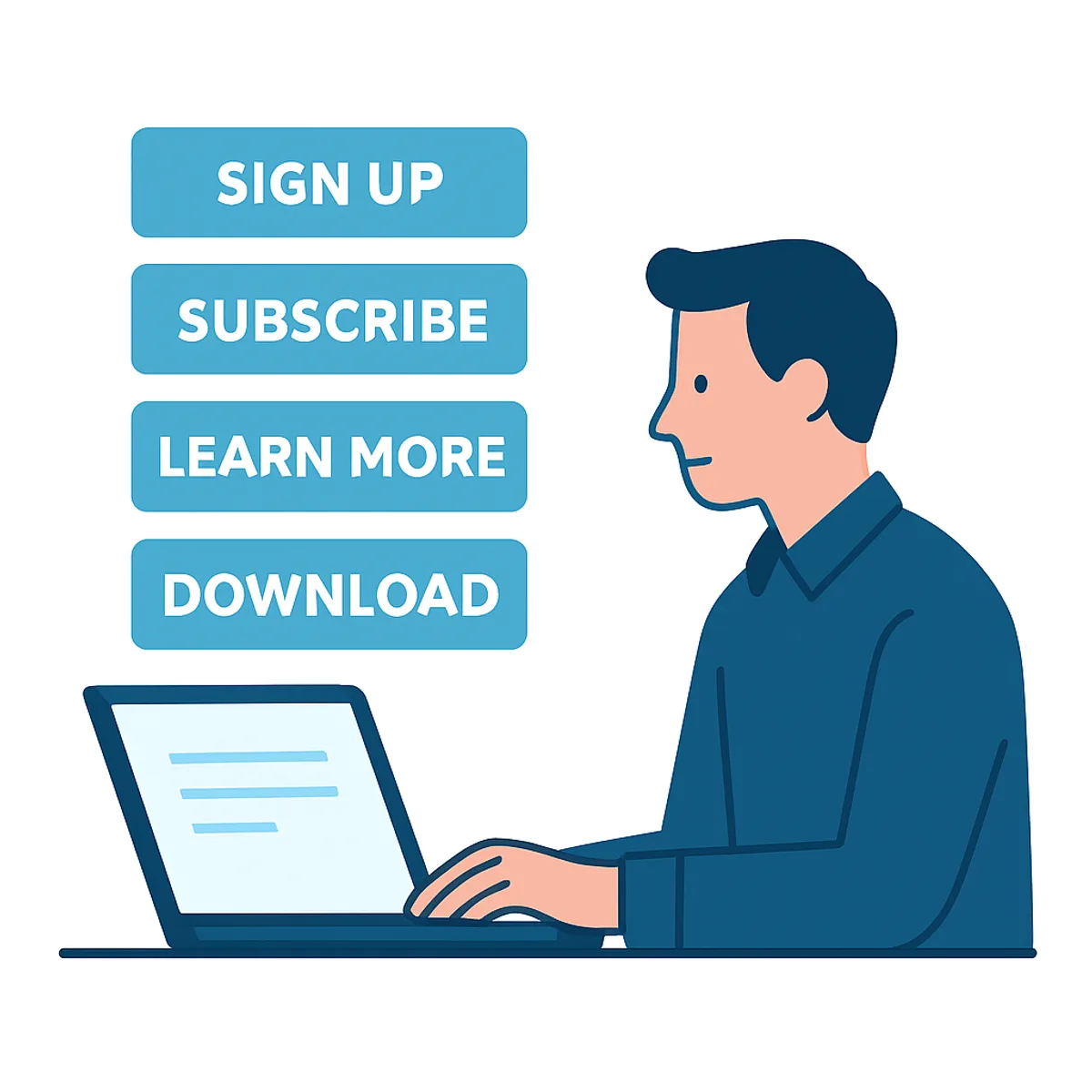
A call to action (CTA) is the moment you ask your reader to do something specific. Click, subscribe, buy, download, book, or share. Without a clear CTA, even brilliant content drifts without direction. With the right one, you give your audience a confident next step and remove the friction of guessing what to do.
The best CTAs share three qualities. They are clear, so there is no confusion about what happens next. They are action-oriented, starting with strong verbs that create momentum. And they are benefit-driven, reminding the reader what they gain by clicking. When you combine these qualities, a small phrase carries surprising weight.
At ZoneTechify we have seen ordinary pages transform simply by rewriting a weak button. Swapping a generic "Submit" for a specific "Get My Free Quote" can lift conversions noticeably, because the second version tells the user exactly what they receive.
50 Powerful Call to Action Phrases
Below are fifty CTA phrases grouped by goal. Treat them as proven starting points, then tailor the wording to match your brand voice and offer.
Lead Generation and Sign-Ups
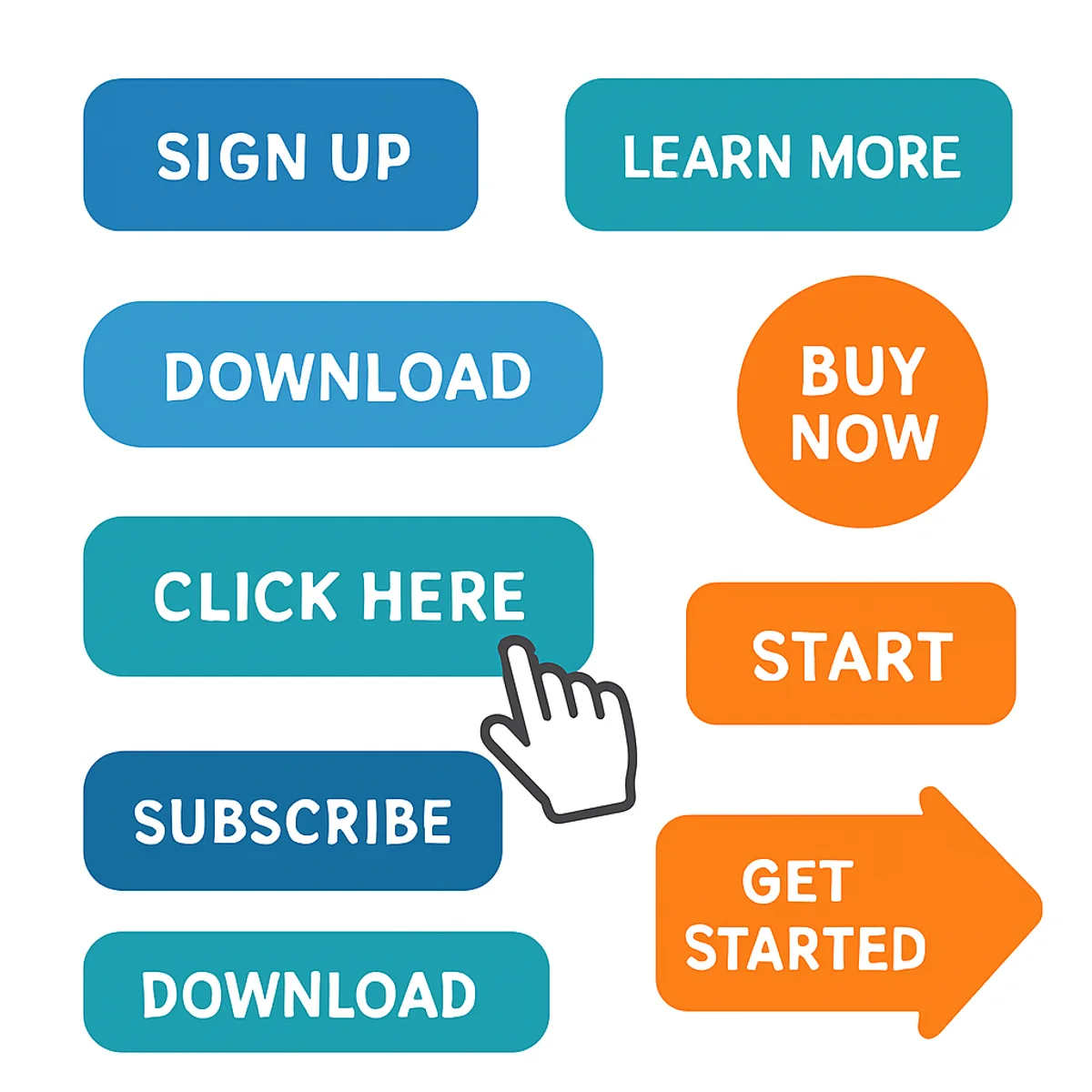
These phrases work when you want emails, registrations, or new accounts.
- Get Started Free
- Claim Your Free Trial
- Join the Community
- Sign Up in Seconds
- Create My Account
- Reserve My Spot
- Start My Free Demo
- Unlock Instant Access
- Get the Free Guide
- Subscribe and Save
Notice how each one pairs a verb with a clear reward. "Get the Free Guide" beats "Download" because it names the value. When the reader knows the payoff, hesitation drops.
Sales and Purchases
When money is on the line, clarity and confidence matter most.

- Buy Now and Save
- Add to Cart
- Shop the Collection
- Get Yours Today
- Upgrade My Plan
- Order Risk-Free
- Grab the Deal
- Checkout Securely
- Start Saving Today
- Treat Yourself Now
Notice that several of these reduce perceived risk. "Order Risk-Free" and "Checkout Securely" calm the natural anxiety that comes with spending money. Pairing a purchase CTA with a trust signal almost always helps.
Urgency and Scarcity
Urgency works because people dislike missing out. Use it honestly, only when the deadline or stock limit is real.
- Claim Before It Is Gone
- Only a Few Left
- Ends at Midnight
- Lock In This Price
- Don't Miss Out
- Last Chance to Save
- Hurry, Offer Expires Soon
- Get It While Supplies Last
- Act Now
- Save Your Seat Today
False urgency erodes trust quickly, so never invent a countdown. When the scarcity is genuine, however, these phrases can dramatically speed up decisions that would otherwise be delayed forever.
Email and Newsletter CTAs
Email readers are already engaged, so your CTA can be conversational and specific.
- Read the Full Story
- See What's New
- Send Me the Details
- Yes, I Want In
- Show Me How
- Keep Me Updated
- Tell Me More
- Explore the Guide
- Continue Reading
- Get the Inside Scoop
First-person phrasing like "Yes, I Want In" can outperform second-person wording because it feels like the reader is making the choice, not being told. Strong content writing treats every CTA as part of the story, not an afterthought tacked on at the end.
Engagement and Social Sharing
When the goal is interaction rather than a sale, lower the commitment and invite participation.
- Share Your Thoughts
- Join the Conversation
- Tag a Friend
- Leave a Comment
- Follow for More
- Vote Now
- Try It Yourself
- Watch the Video
- Discover More
- Learn How It Works
These phrases feel light and friendly, which suits social platforms where people are browsing rather than buying. The trick is to match commitment level to context. A first-time visitor responds better to "Learn How It Works" than to "Buy Now."
How to Choose the Right CTA Phrase
A great phrase from the list above still needs the right placement and context. Consider where your audience is in their journey. Cold visitors who just discovered you need low-friction CTAs that build trust, such as "Learn How It Works" or "Get the Free Guide." Warm prospects who already know your brand can handle direct asks like "Start My Free Demo." Hot, ready-to-buy customers respond to decisive phrases like "Buy Now and Save."
Always match the verb to the value. If the next page delivers a guide, say "Get the Guide." If it opens a calendar, say "Book My Call." Misleading CTAs may earn a click, but they destroy trust and inflate bounce rates, which ultimately harms your search performance and reputation.
Design and Placement Best Practices
Words matter, but presentation amplifies them. Even the strongest phrase fails if no one notices the button.
Keep these principles in mind as you build your pages.
- Make it visible. Use a contrasting color so the button stands out from the background without clashing with your brand palette.
- Keep it short. Two to five words usually performs best. Long CTAs dilute the action.
- Use whitespace. Give the button room to breathe so the eye lands on it naturally.
- Place it logically. Put a CTA above the fold for quick decisions, and repeat it after you have made your case for longer pages.
- Stay consistent. Match the button text to the headline of the page it leads to, so the experience feels seamless.
The table below summarizes how phrasing and design choices influence performance.
| Factor | Weak Approach | Strong Approach |
|---|---|---|
| Verb | Submit | Get My Quote |
| Length | Click here to learn more about us | See How It Works |
| Value | Continue | Start Saving Today |
| Urgency | Buy | Claim Before It Is Gone |
| Trust | Order | Order Risk-Free |
Test, Measure, and Improve
No single CTA wins forever. Audiences shift, offers change, and what worked last quarter may fade. The smartest marketers treat CTAs as living elements to be tested continuously.
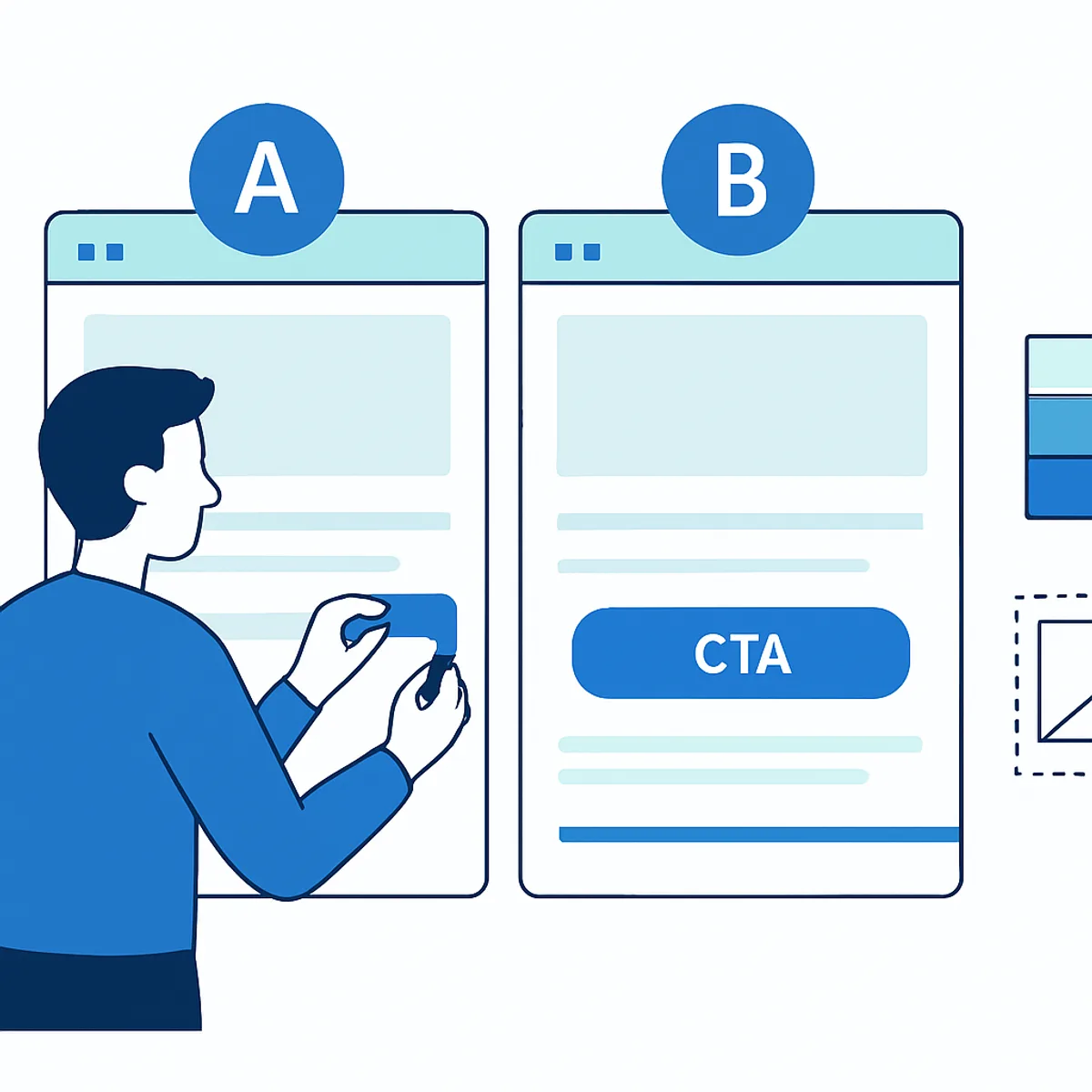
Start with A/B testing. Run two versions of the same button with different wording and let real data decide the winner. Change only one variable at a time so you know exactly what drove the result. Track click-through rate, but also watch the action that follows. A CTA that earns clicks yet produces no sign-ups or sales is a warning sign, not a victory.
Pay attention to context too. The same phrase can perform differently on mobile versus desktop, or in an email versus a paid ad. Segment your data so you understand how each audience responds. Over time, these small refinements compound into meaningful gains. Teams at WebPeak often find that the most profitable optimization is not a redesign but a single sharper sentence on the button.
Common CTA Mistakes to Avoid
Even experienced writers slip into habits that quietly cost conversions. Watch for these traps.
Using vague language like "Click Here" tells the reader nothing about the destination. Overloading a page with too many competing CTAs splits attention and weakens every option. Hiding the button below long blocks of text means many readers never see it. Writing CTAs that overpromise creates disappointment when the next page does not deliver. And ignoring mobile users, who now make up the majority of traffic, can sink an otherwise solid campaign.
The fix for each mistake is the same discipline that runs through this entire guide. Be clear, be honest, lead with value, and respect the reader's time. When your CTA respects the audience, the audience rewards you with action.
Putting It All Together
A powerful call to action is small in size but large in impact. It blends a strong verb, a clear benefit, and the right emotional tone for the moment. Use the 50 phrases above as a toolkit, not a script. Adapt them to your voice, test them against your audience, and refine them as you learn.
Start by auditing your most important pages. Find every button, link, and prompt, then ask whether the wording is specific, valuable, and honest. Replace the weakest ones first, measure the change, and keep iterating. With consistent attention, your CTAs will quietly become one of the highest-return investments in your marketing, turning casual readers into loyal customers one confident click at a time.