Explore how navy artificial intelligence is transforming maritime defense, from autonomous vessels and surveillance to cybersecurity and predictive maintenance.
Navy Artificial Intelligence
The modern maritime battlespace is changing faster than at any point in naval history, and the engine driving that change is artificial intelligence. Navy artificial intelligence refers to the use of machine learning, computer vision, autonomous systems, and advanced data analytics to support naval operations at sea, in the air, beneath the surface, and across cyberspace. From sprawling carrier strike groups to small unmanned patrol craft, AI is reshaping how navies sense their surroundings, make decisions, and project power. As geopolitical tensions rise and oceans become more contested, intelligent systems are no longer a luxury; they are becoming a core requirement for any credible naval force.
This article breaks down where navy AI is being used today, the practical benefits it delivers, the challenges that come with it, and where the technology is heading. Whether you are a defense professional, a technology enthusiast, or a business exploring the broader implications of artificial intelligence services, understanding how AI operates in such a demanding environment offers valuable lessons that extend far beyond the water.
What Navy Artificial Intelligence Really Means
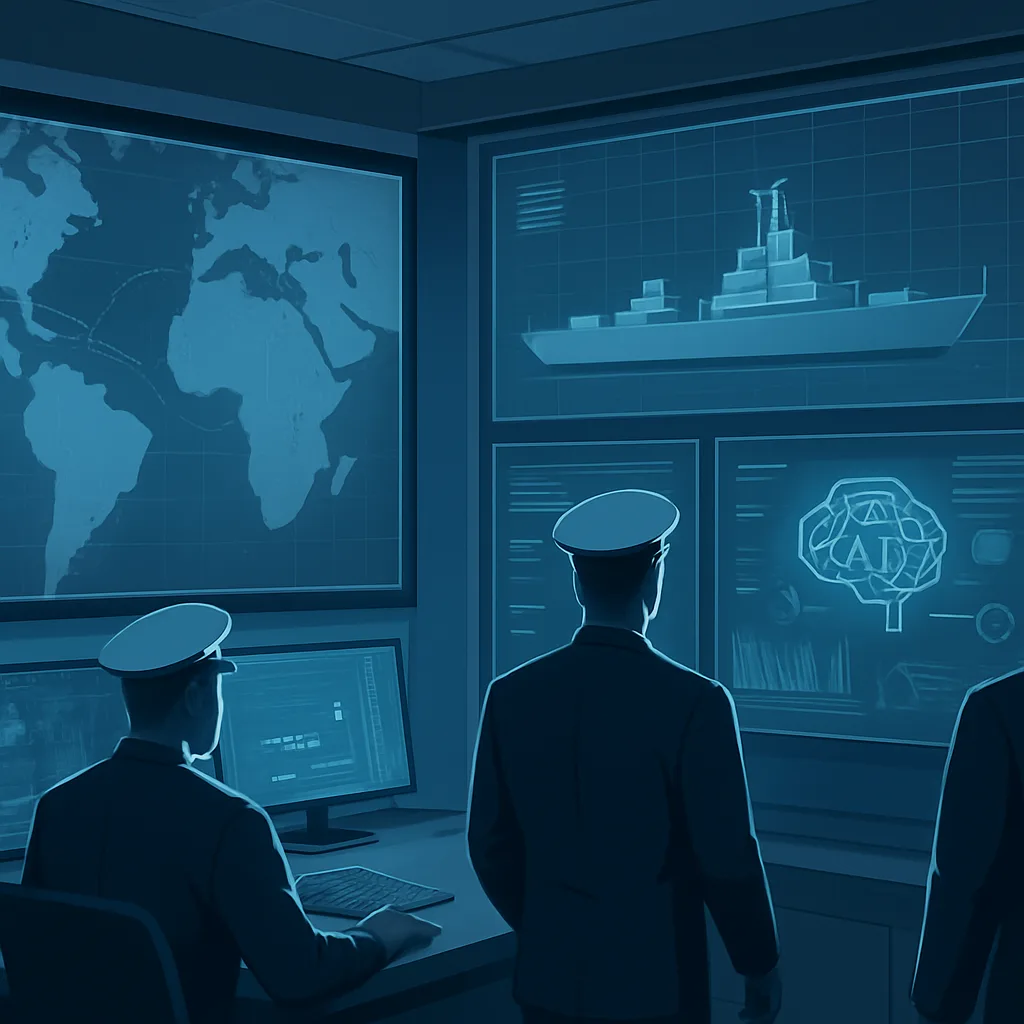
It is easy to imagine navy AI as fully autonomous robot warships acting on their own, but the reality is more grounded and far more useful. In most cases, AI works as a force multiplier alongside human sailors and officers. It processes enormous streams of sensor data, filters out noise, highlights what matters, and presents clear options to commanders. The human stays firmly in the loop for critical decisions, especially those involving the use of force.
Naval environments generate staggering volumes of information. Radar returns, sonar pings, satellite imagery, radio signals, weather data, and logistics records all flow in continuously. No human team can review all of it in real time. AI excels precisely here. By recognizing patterns and anomalies across these data sources, it gives crews a sharper picture of their operating environment, often called maritime domain awareness. The result is faster reactions, fewer surprises, and better-informed choices.
Autonomous and Unmanned Naval Systems
One of the most visible applications of navy artificial intelligence is the rise of unmanned vessels. Unmanned surface vehicles, underwater drones, and aerial systems can now patrol, scout, and gather intelligence with limited human supervision. These platforms are ideal for missions that are dull, dirty, or dangerous, such as long-duration surveillance, mine detection, or operating in waters where risking a crewed ship would be unwise.
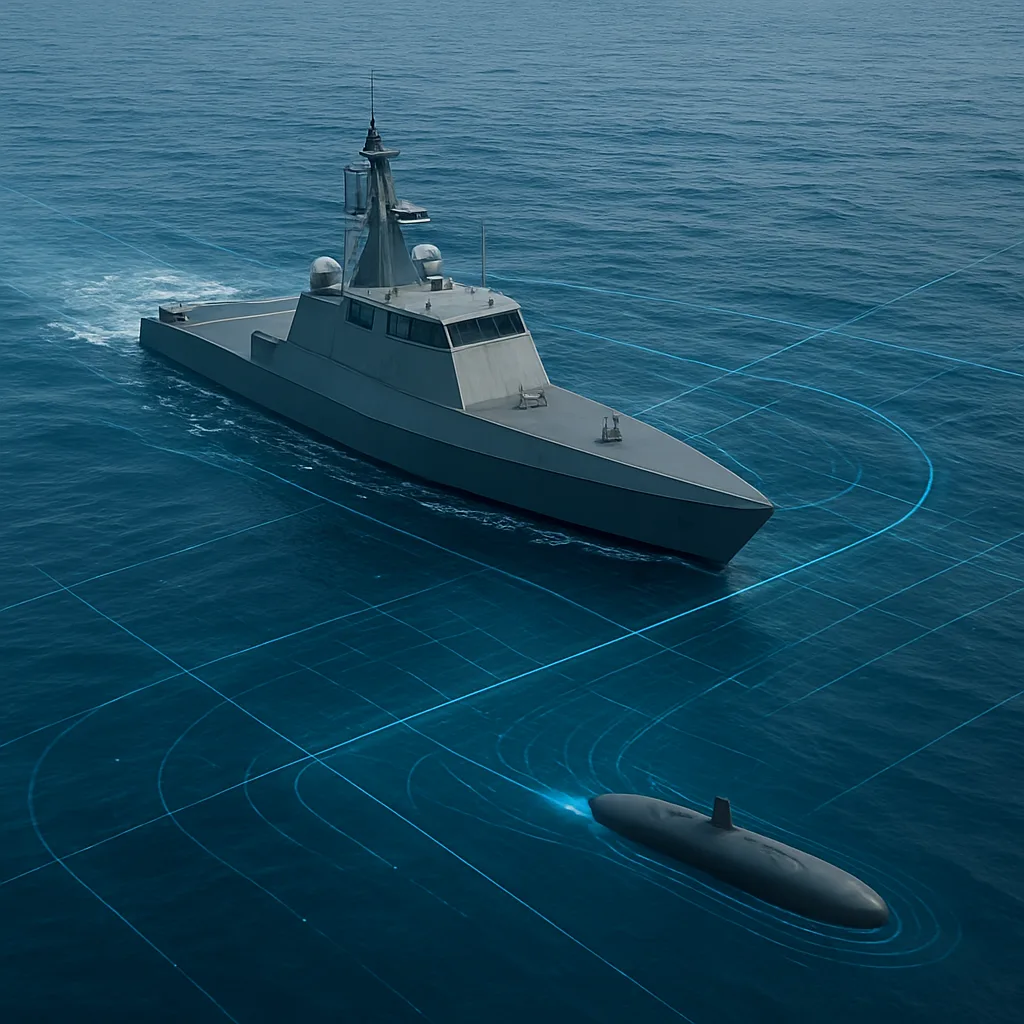
AI gives these vehicles the ability to navigate complex waters, avoid collisions, and adapt to changing conditions without constant remote control. A swarm of small autonomous craft, for example, can spread out across a wide area, share what each one detects, and collectively map a threat far more efficiently than a single ship. This distributed approach makes fleets harder to neutralize and extends their reach dramatically. As communication links improve, these systems will increasingly coordinate as cohesive teams, blending crewed and uncrewed assets into a single networked force.
Maritime Surveillance and Threat Detection
Detecting threats early is the heart of naval defense, and AI has become indispensable for this task. Computer vision models can scan radar feeds and camera imagery to identify and classify vessels, distinguishing a fishing boat from a warship or flagging a craft behaving suspiciously. Machine learning systems learn the normal rhythm of shipping lanes, so when something deviates, the system raises an alert.
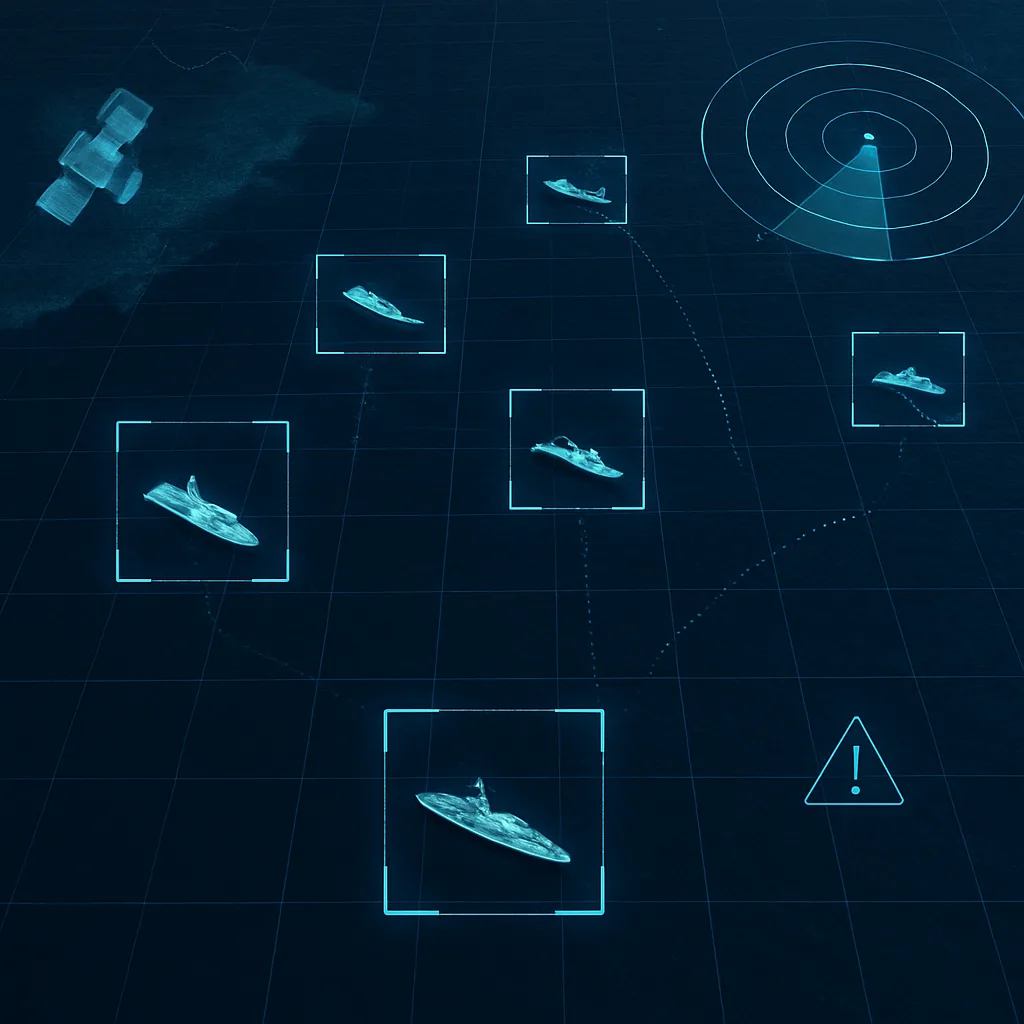
This capability matters enormously in crowded waters where thousands of vessels move every day. Picking out a single threat from that traffic is like finding a needle in a haystack, and AI tirelessly sifts through the haystack around the clock. Beneath the waves, AI-enhanced sonar can detect and classify submarines and underwater objects with greater accuracy than traditional methods, helping navies counter one of the stealthiest threats they face. By fusing surface, air, and subsurface data into one unified view, intelligent surveillance turns scattered signals into actionable intelligence.
AI-Powered Decision Support
When a commander has only seconds to act, the quality of available information determines the outcome. Navy artificial intelligence provides decision support tools that analyze a situation and recommend courses of action. These systems can model how a scenario might unfold, weigh risks, and suggest the most effective response, all while the human commander retains final authority.
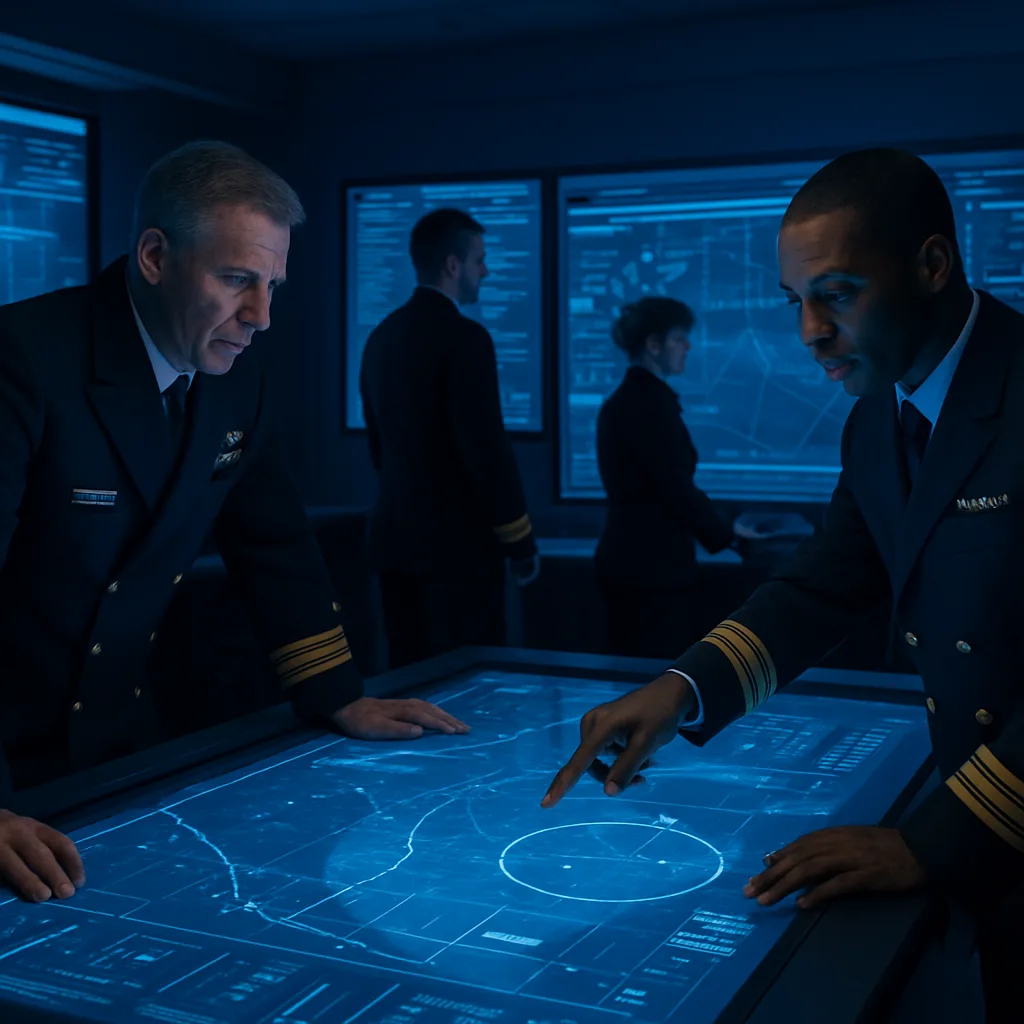
Decision support also extends to logistics and planning, which are unglamorous but vital. AI helps optimize fuel use, plan efficient routes, schedule resupply, and position assets where they will be most useful. During large operations involving dozens of ships and aircraft, this kind of coordination is extraordinarily complex. Intelligent planning tools reduce waste, prevent bottlenecks, and keep fleets ready. The same principles power commercial platforms built by teams offering artificial intelligence solutions, proving that defense and enterprise AI often share common foundations.
Cybersecurity at Sea
Modern warships are essentially floating data centers, packed with networked sensors, weapons systems, and communications equipment. That connectivity is a strength, but it also creates a large attack surface. Adversaries increasingly target naval networks with cyberattacks, hoping to disrupt operations or steal sensitive information. Here, AI plays defense.
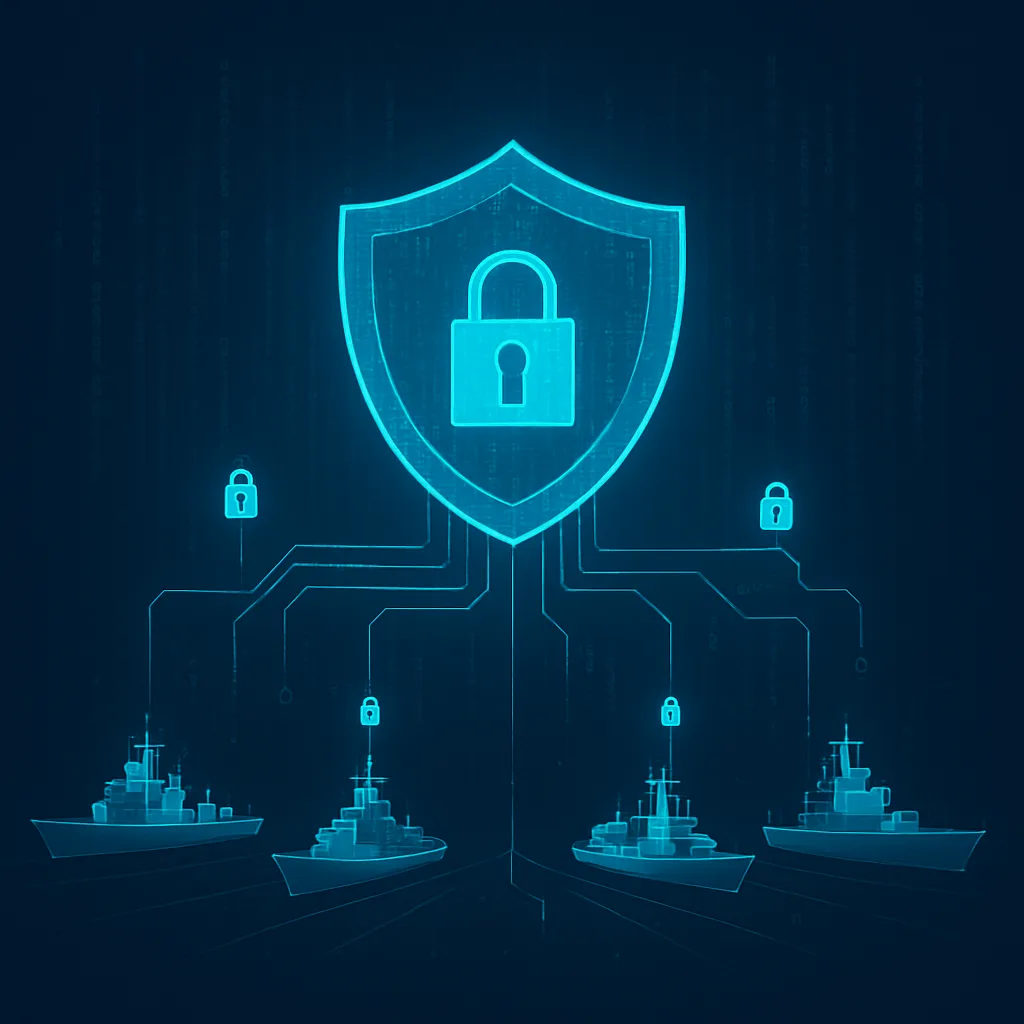
AI-driven cybersecurity tools monitor network traffic continuously, learning what normal behavior looks like and flagging anomalies that may signal an intrusion. Because these systems react in milliseconds, they can isolate threats before they spread across critical systems. As cyber and electronic warfare grow more sophisticated, AI defenders that adapt in real time become essential. The arms race between attackers and defenders is now partly a contest between competing algorithms, and navies that field smarter defensive AI gain a decisive edge in protecting their digital backbone.
Predictive Maintenance and Fleet Readiness
A navy is only as strong as the ships ready to sail. Equipment failures at sea can be catastrophic, and traditional maintenance often relies on fixed schedules or reacting after something breaks. AI introduces a smarter alternative: predictive maintenance. Sensors throughout a ship monitor engines, pumps, and electronics, and AI analyzes that data to predict when a component is likely to fail.

This approach lets crews repair or replace parts before they cause a breakdown, reducing unexpected failures and keeping more ships operational. It also saves money by avoiding unnecessary maintenance on parts that are still healthy. Over an entire fleet, the gains in availability and cost efficiency are substantial. Predictive maintenance turns mountains of raw sensor data into clear, practical guidance for the sailors who keep vessels running, ultimately improving both safety and mission readiness across the force.
Benefits and Challenges at a Glance
Navy AI offers clear advantages, but it also brings genuine challenges that must be managed carefully. The table below summarizes the balance.
| Area | Benefit | Challenge |
|---|---|---|
| Surveillance | Faster threat detection | Risk of false alarms |
| Autonomy | Reduced risk to sailors | Reliable communication links |
| Decision Support | Better-informed commanders | Trust in AI recommendations |
| Cybersecurity | Real-time threat response | Evolving adversary tactics |
| Maintenance | Higher fleet readiness | Quality of sensor data |
The recurring theme is that AI is powerful but not infallible. Each benefit comes with a responsibility to verify, validate, and keep humans accountable for outcomes.
Ethical and Operational Considerations
The use of artificial intelligence in military settings raises serious ethical questions, especially around autonomy and the use of force. Most navies maintain that meaningful human control must remain over any decision involving weapons. AI can recommend, analyze, and warn, but a human should authorize lethal action. This principle helps preserve accountability and reduces the risk of catastrophic mistakes.
There are practical concerns as well. AI systems can be fooled by deliberately deceptive inputs, and they may behave unpredictably in situations they were not trained for. Bias in training data can lead to flawed conclusions. For these reasons, rigorous testing, transparency, and ongoing oversight are essential. Building trustworthy navy AI is as much about disciplined engineering and clear policy as it is about advanced algorithms. Crews must understand both the strengths and the limits of the tools they rely on.
The Future of Navy Artificial Intelligence
Looking ahead, navy artificial intelligence will become more integrated, more collaborative, and more capable. We can expect tighter teaming between crewed and uncrewed platforms, where a single warship directs a fleet of autonomous companions. Edge computing will let ships process data locally without depending on distant servers, which is vital when communications are contested or jammed.
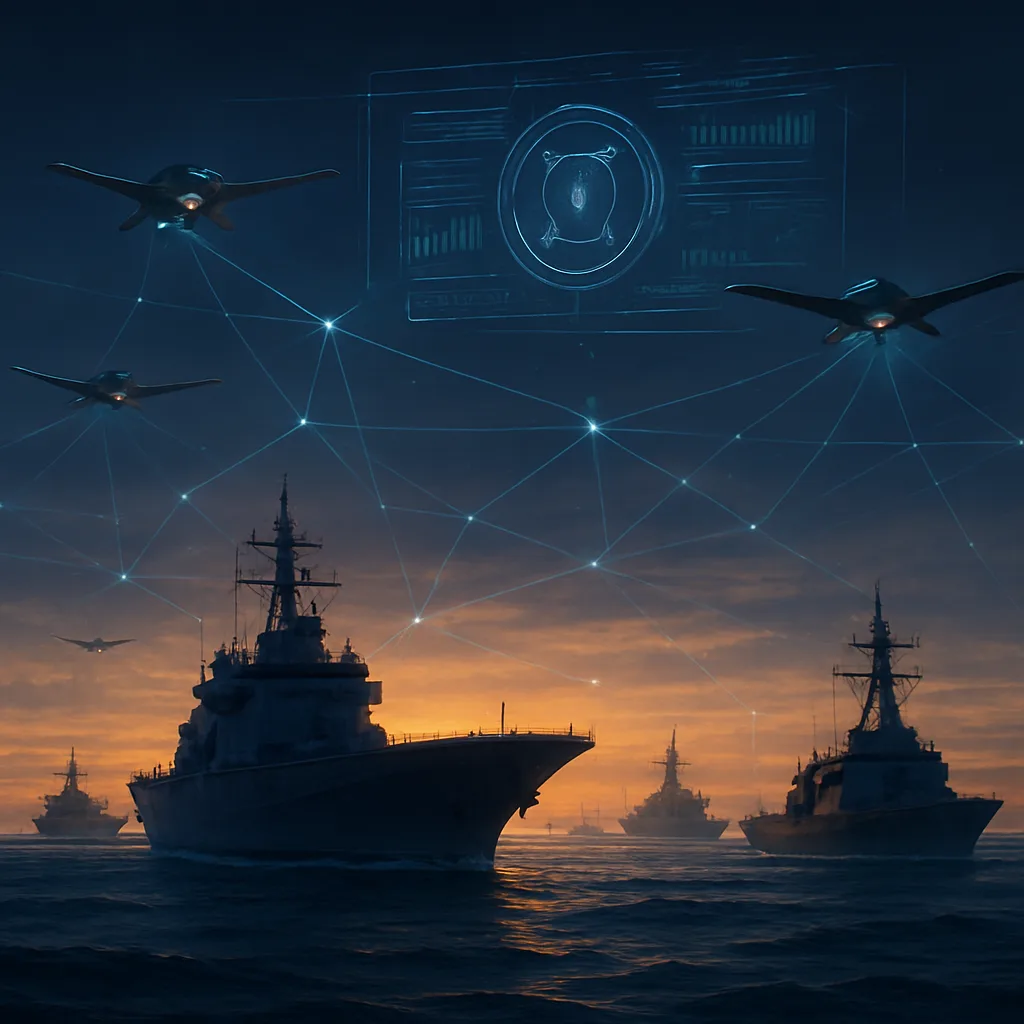
Advances in sensor fusion will give commanders an even clearer real-time picture of the battlespace, while smarter logistics will keep distributed forces supplied across vast distances. The navies that adapt fastest, invest wisely, and integrate AI responsibly will hold a meaningful advantage. To explore more insights on emerging technology and digital transformation, visit ZoneTechify and WebPeak, where ongoing innovation in AI continues to shape the future.
Conclusion
Navy artificial intelligence is no longer a distant concept; it is an operational reality reshaping maritime defense today. By enhancing surveillance, enabling autonomous systems, strengthening cybersecurity, supporting commanders, and improving fleet readiness, AI multiplies the effectiveness of naval forces while keeping sailors safer. Yet the technology demands careful stewardship, with humans firmly in control of the most consequential decisions. As the seas grow more contested and data more abundant, the thoughtful, ethical adoption of AI will define the navies of tomorrow. Those who master both the technology and the responsibility that comes with it will be best prepared to navigate the challenges ahead.