
Discover how Marks and Spencer used artificial intelligence in 2023 across personalization, supply chain, inventory, and customer service to transform retail.
Marks and Spencer Artificial Intelligence Applications 2023
Marks and Spencer (M&S) is one of Britain's most recognizable retailers, with a heritage built on quality food, clothing, and homeware. Yet behind the familiar storefront, 2023 marked a pivotal year in which the company leaned heavily into artificial intelligence to modernize operations, sharpen customer experiences, and compete with digital-first rivals. From smarter recommendations to predictive supply chains, M&S demonstrated how a legacy brand can reinvent itself with the right technology partners and a clear data strategy.
In this article, we explore the most impactful AI applications Marks and Spencer adopted or expanded in 2023, why they mattered, and what other retailers can learn from the journey. If your business is exploring similar transformation, teams like ZoneTechify and WebPeak help bridge strategy and implementation.
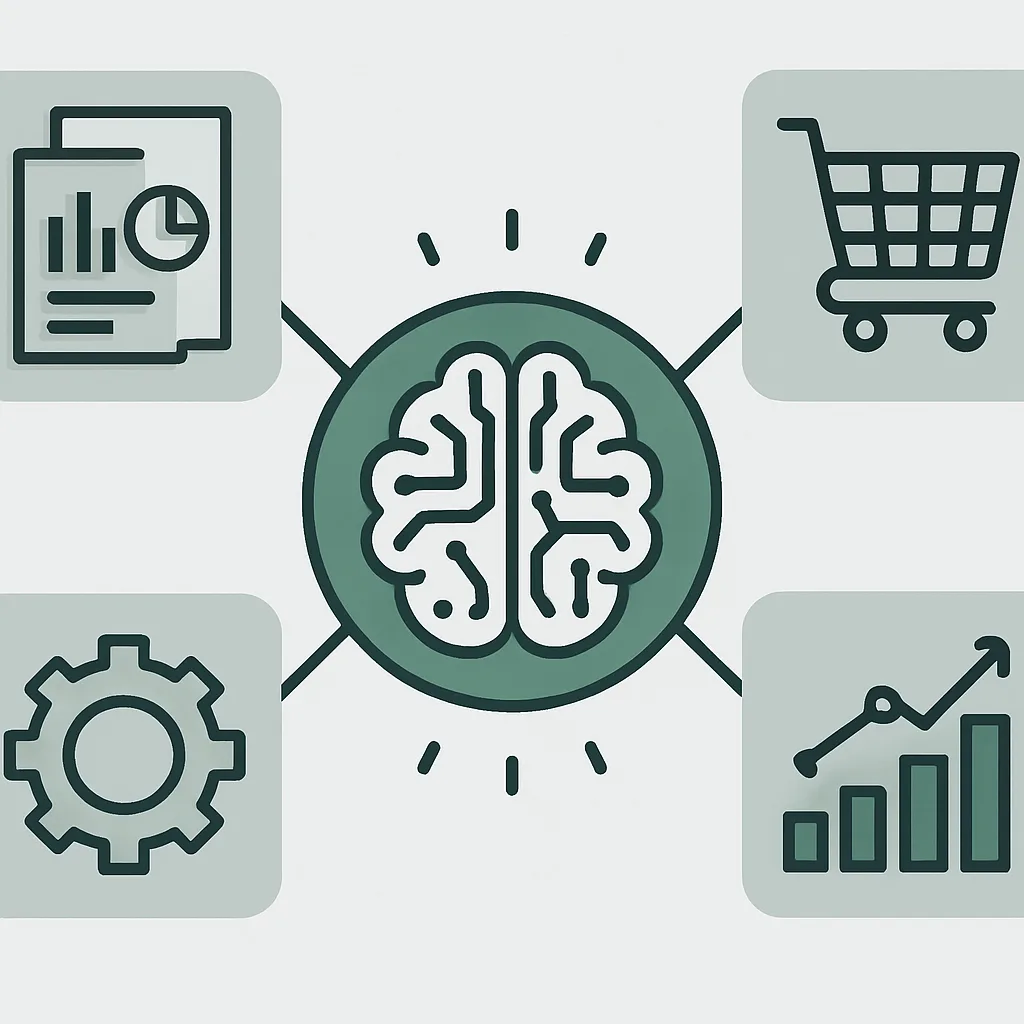
Why AI Mattered for M&S in 2023
Retail in 2023 was defined by tight margins, shifting consumer habits, and rising expectations for personalization. Shoppers wanted relevant recommendations, fast delivery, accurate stock information, and seamless support across both stores and online channels. Meeting all of these demands manually is nearly impossible at M&S's scale, which spans hundreds of stores and millions of weekly transactions.
Artificial intelligence offered a way to process enormous volumes of data and turn it into practical decisions. Instead of relying on intuition alone, buyers, marketers, and logistics teams could draw on predictive models that learned from real customer behavior. The result was a more responsive business that could anticipate demand rather than simply react to it.
A Heritage Brand Meets Modern Technology
What made the M&S story compelling was the contrast between its traditional image and its forward-looking technology investments. The retailer treated AI not as a gimmick but as a core operational tool. This pragmatic approach kept projects focused on measurable outcomes such as reduced waste, higher conversion rates, and improved customer satisfaction rather than chasing hype.
AI-Powered Personalization and Customer Experience
One of the clearest applications was personalization. By analyzing purchase history, browsing patterns, and loyalty data, M&S used machine learning to tailor product recommendations across its app, website, and email campaigns. A customer who frequently bought plant-based meals, for example, would see relevant new ranges surfaced first, while a shopper browsing tailoring might receive curated outfit suggestions.
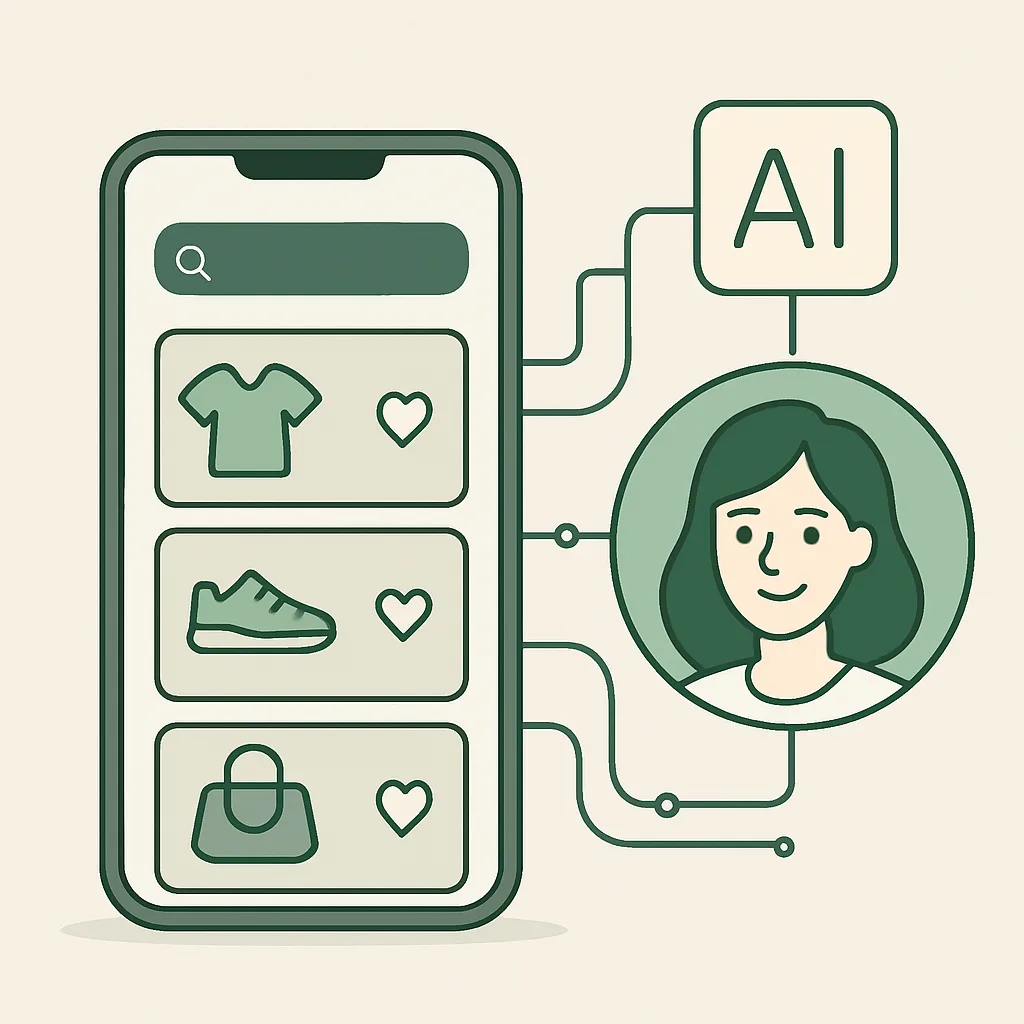
This level of relevance does more than boost sales. It builds trust, because customers feel understood rather than bombarded with generic promotions. Personalization engines also helped M&S refine its loyalty program, rewarding the right shoppers with offers that genuinely matched their preferences. For brands wanting to replicate this, specialized artificial intelligence services can turn raw customer data into actionable recommendation systems.
Importantly, M&S balanced personalization with privacy. Responsible data handling and transparent consent practices kept the experience helpful rather than intrusive, aligning with both regulations and customer expectations.
Smarter Supply Chain and Logistics
The supply chain is where AI delivered some of the most tangible returns. M&S operates a complex network of suppliers, distribution centers, and stores, and even small inefficiencies multiply quickly at that scale. In 2023, the retailer applied machine learning to optimize routing, warehouse operations, and replenishment scheduling.
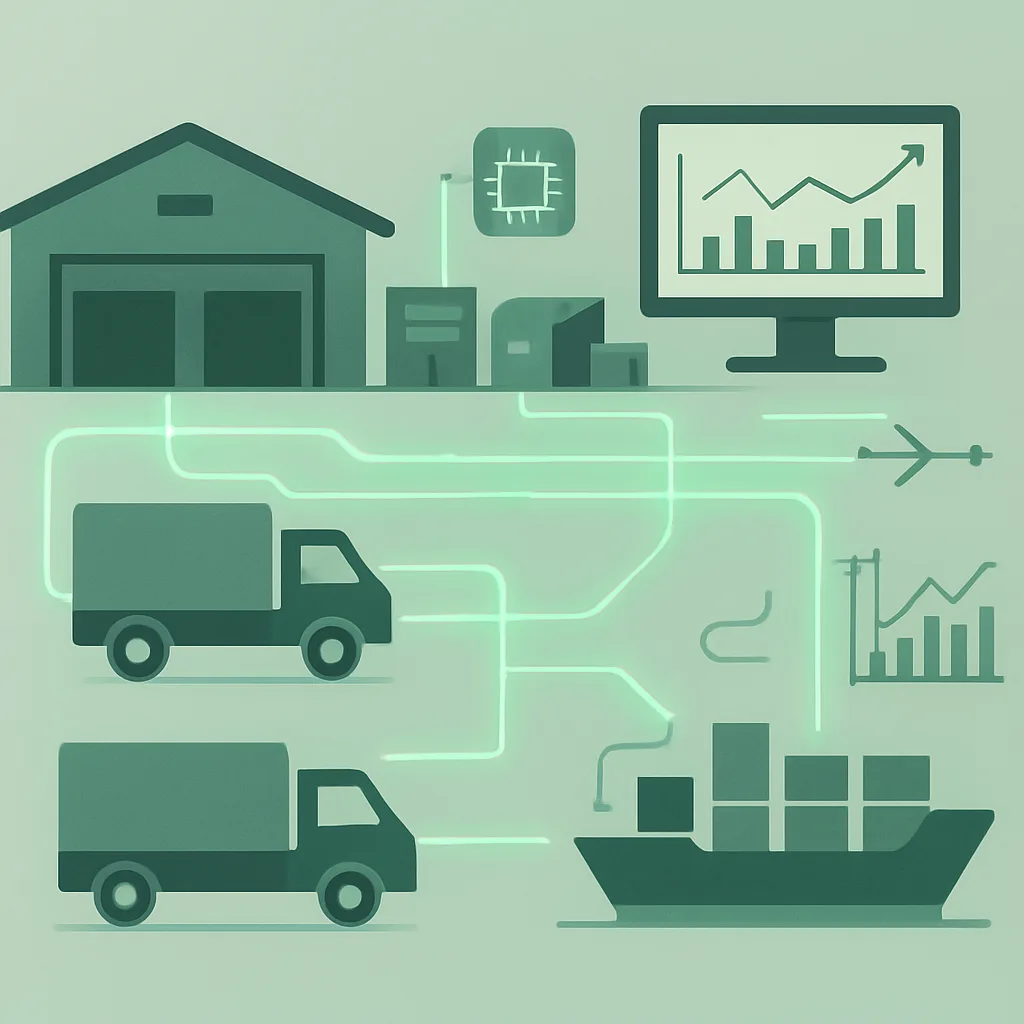
Predictive models analyzed factors such as weather, seasonality, local events, and historical sales to forecast what each store would need and when. This reduced the classic retail problem of having too much stock in one location and too little in another. Smarter logistics also meant fewer wasted miles for delivery fleets, cutting both costs and carbon emissions, which aligned neatly with M&S's sustainability goals.
For a food retailer in particular, reducing waste is critical. Perishable goods that sit unsold become losses and contribute to environmental harm. AI-driven forecasting helped M&S order closer to true demand, keeping shelves fresh while trimming markdowns and spoilage.
Inventory Management and Demand Forecasting
Closely tied to the supply chain is inventory management. Traditional forecasting often relied on simple averages or last year's figures, which struggle to capture rapid shifts in consumer behavior. M&S replaced much of this with dynamic, AI-based demand forecasting that updated continuously as new data arrived.
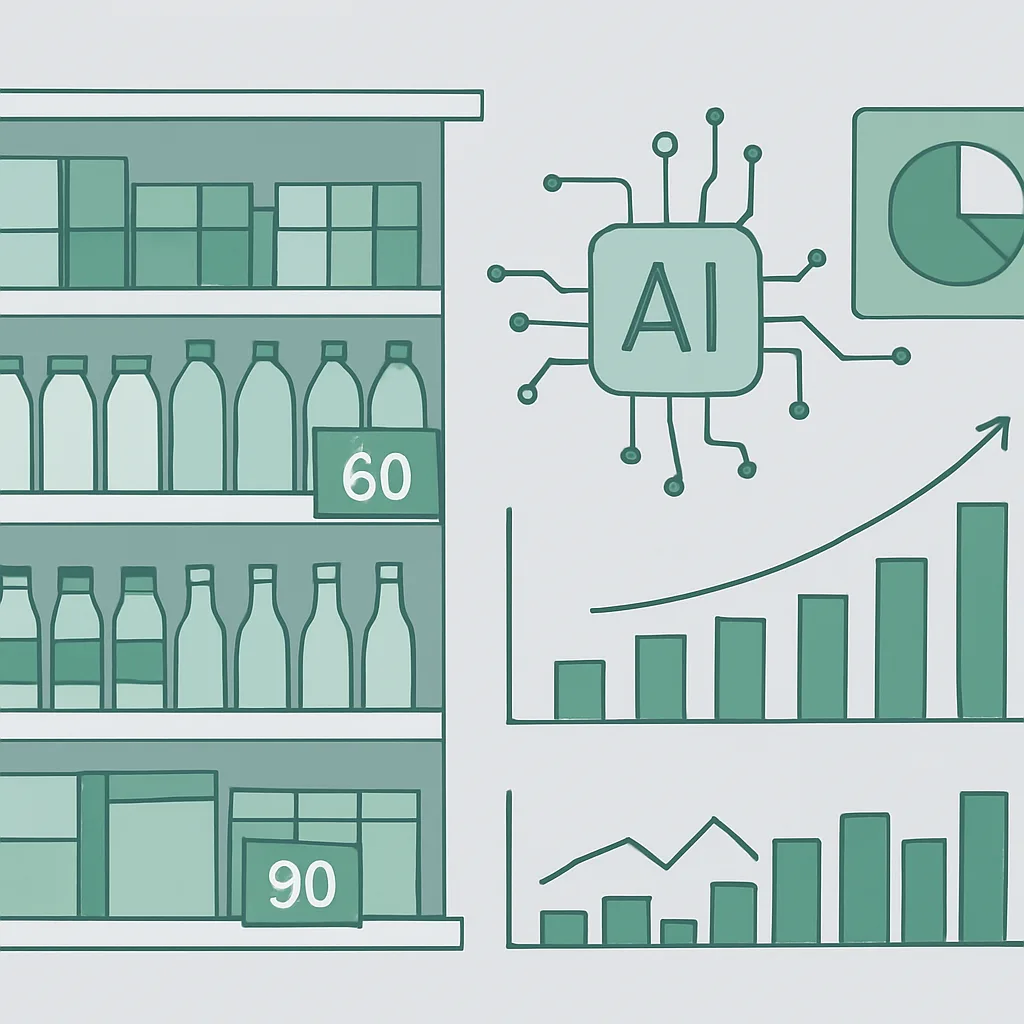
These systems could detect emerging trends early, such as a sudden spike in demand for a particular clothing line, and adjust ordering accordingly. They also helped identify slow-moving products so teams could act before excess inventory tied up capital. The net effect was healthier stock levels, fewer stockouts on popular items, and more efficient use of warehouse space.
Inventory intelligence also supported better pricing. By understanding how demand responded to price changes, M&S could optimize promotions to clear stock without unnecessarily eroding margins. This kind of data-driven precision is difficult to achieve manually and showcases why AI has become essential in modern retail planning.
AI in Customer Service and Support
Customer service was another area transformed by AI. M&S expanded the use of intelligent chatbots and virtual assistants to handle common queries such as order tracking, returns, store hours, and product availability. By resolving routine questions instantly, these tools freed human agents to focus on complex or sensitive issues that genuinely required a personal touch.

Natural language processing allowed these assistants to understand questions phrased in everyday language, improving accuracy over older menu-based systems. Sentiment analysis also helped the company monitor customer feedback at scale, flagging recurring complaints so teams could address root causes quickly.
The goal was never to remove the human element but to make support faster and more consistent. When customers can get instant answers around the clock, satisfaction rises and pressure on call centers drops. Businesses pursuing similar automation can explore dedicated AI services from WebPeak to design assistants that reflect their brand voice.
Marketing, Pricing, and Data-Driven Decisions
Beyond operations, AI reshaped how M&S approached marketing and merchandising. Predictive analytics identified which customer segments were most likely to respond to specific campaigns, allowing budgets to be spent where they delivered the highest return. A/B testing powered by machine learning helped refine messaging, imagery, and timing across digital channels.
The table below summarizes how several AI applications mapped to business value in 2023.
| AI Application | Primary Benefit | Customer Impact |
|---|---|---|
| Personalization engine | Higher conversion | Relevant recommendations |
| Demand forecasting | Less waste | Better product availability |
| Supply chain optimization | Lower costs | Faster, greener delivery |
| Chatbots and virtual assistants | Quicker support | Instant answers anytime |
| Pricing analytics | Protected margins | Fairer, smarter promotions |
This structured approach meant decisions were grounded in evidence rather than guesswork. Marketers could justify spend, buyers could plan ranges with confidence, and leadership could track the real impact of technology investments.
The Road Ahead: Future of AI at Marks and Spencer
The applications adopted in 2023 set the stage for deeper transformation in the years that followed. M&S signaled intentions to expand generative AI for content creation, enhance visual search so customers could find products from images, and further automate back-office processes. Each of these builds on the same foundation: clean data, clear objectives, and a willingness to test and iterate.
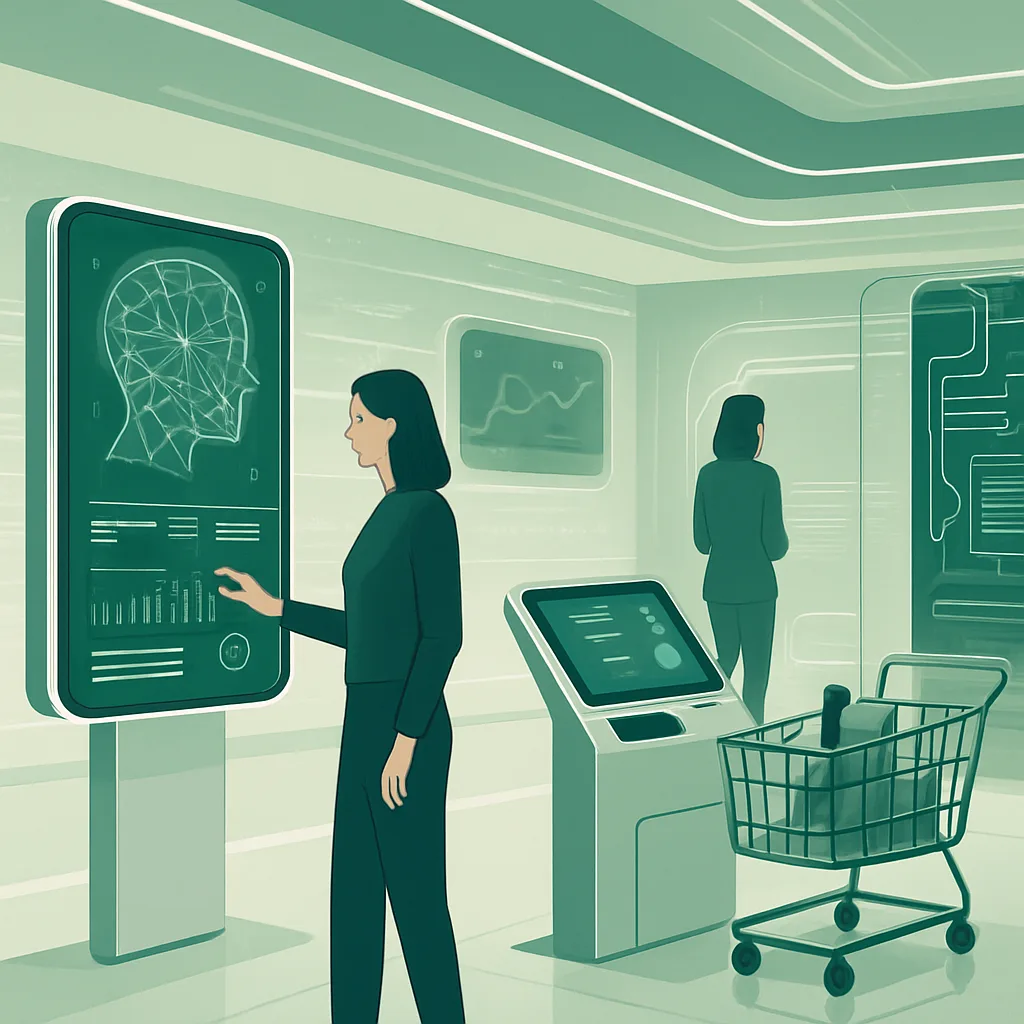
The broader lesson is that AI is most powerful when integrated across the whole value chain rather than bolted onto a single department. M&S succeeded because personalization, logistics, inventory, and support all fed into one another, creating compounding benefits. A recommendation engine works better when stock data is accurate, and forecasting improves when customer signals are rich and timely.
For retailers watching from the sidelines, the message is encouraging. You do not need to be a tech company to benefit from AI. You need a clear problem to solve, reliable data, and partners who can translate ambition into working systems.
Key Takeaways
Marks and Spencer's 2023 AI journey offers several practical lessons for any organization considering similar investments.
- Start with real problems. M&S focused on waste, availability, and customer experience rather than chasing technology for its own sake.
- Connect the systems. The biggest gains came from AI working across personalization, supply chain, and service together.
- Respect customer trust. Personalization was balanced with privacy and transparency.
- Measure everything. Each application was tied to clear metrics like conversion, cost, and satisfaction.
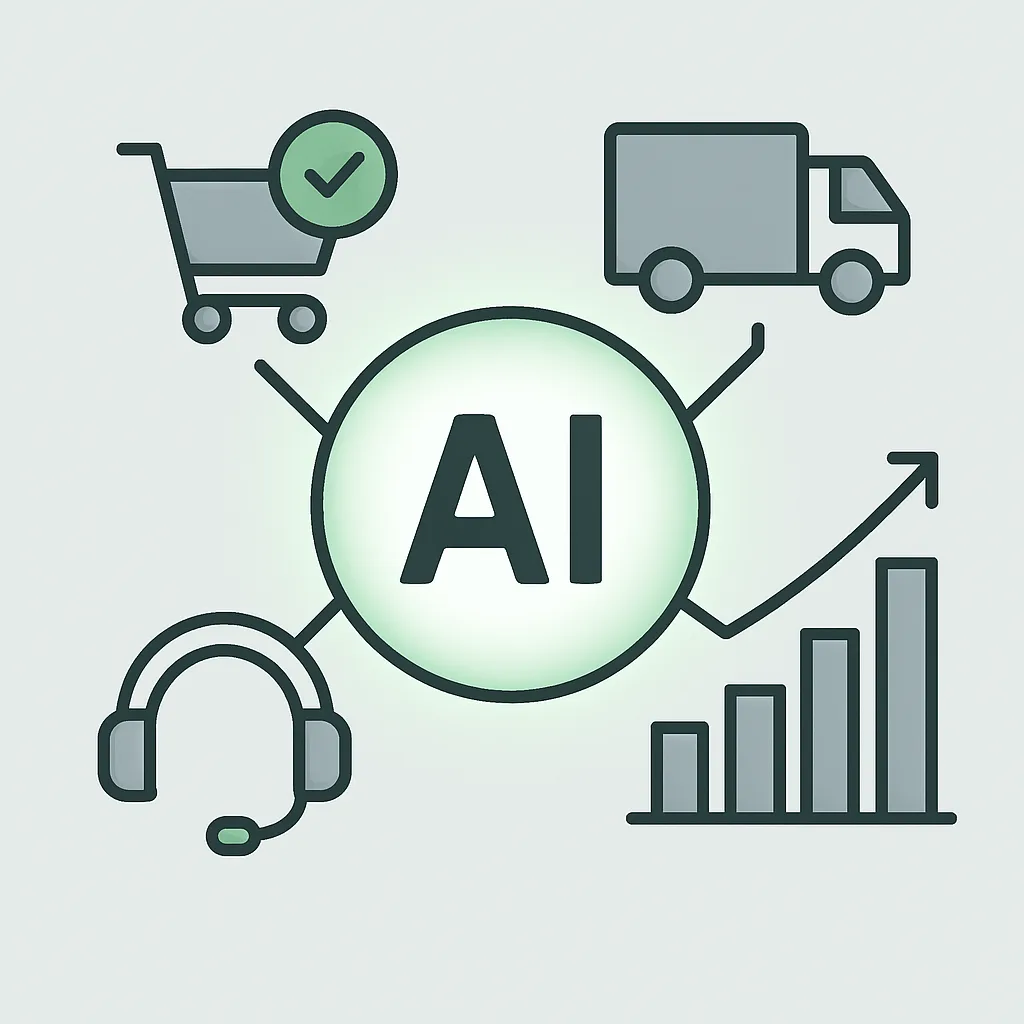
These principles are not unique to large retailers. Small and mid-sized businesses can apply the same thinking at a smaller scale, beginning with one high-impact use case and expanding as confidence and data maturity grow.
Final Thoughts
Marks and Spencer's embrace of artificial intelligence in 2023 was a clear demonstration that heritage and innovation can coexist. By applying machine learning to personalization, supply chains, inventory, and customer support, the retailer became more efficient, more sustainable, and more attuned to what shoppers actually wanted. The work was practical, measured, and grounded in genuine business value.
For companies inspired to follow a similar path, the opportunity has never been greater. Whether you are modernizing operations or rethinking the customer journey, partnering with experienced teams such as ZoneTechify and WebPeak can help you move from idea to implementation with confidence. The retailers that thrive in the coming years will be those that treat AI not as a buzzword but as a tool for serving people better.