A clear, people-first guide explaining the real difference between a computer and a robot, how they overlap, and why one powers the other.
Is a Computer a Robot
It is one of the most common questions in technology: is a computer a robot? At first glance the two seem almost interchangeable. Both run on electricity, both process information, and both feel like the futuristic machines we grew up imagining. Yet the honest answer is no, a computer is not a robot, even though every robot depends on a computer to function. Understanding this distinction helps you think more clearly about automation, artificial intelligence, and the smart devices filling our homes and workplaces.
In this guide we will break down what a computer actually is, what defines a robot, where the two overlap, and why the confusion exists in the first place. Whether you are a student, a curious reader, or a business owner exploring automation, this article gives you a grounded, practical understanding. For more technology insights you can always visit ZoneTechify and WebPeak.
What Is a Computer
A computer is an electronic machine that takes input, processes it according to instructions, stores data, and produces output. That definition sounds simple, but it covers an enormous range of devices: desktops, laptops, smartphones, servers, and even the tiny chips inside a microwave. The defining trait of a computer is that it manipulates information. It does not need to move, touch, or physically interact with the world to do its job.
The core of any computer is the processor, often called the CPU. Around it sit memory, storage, and input or output devices like keyboards and screens. When you type a document, browse a website, or run a spreadsheet, you are watching a computer follow the classic cycle of input, processing, and output. Nothing physical changes in the room around you, only the data inside the machine.
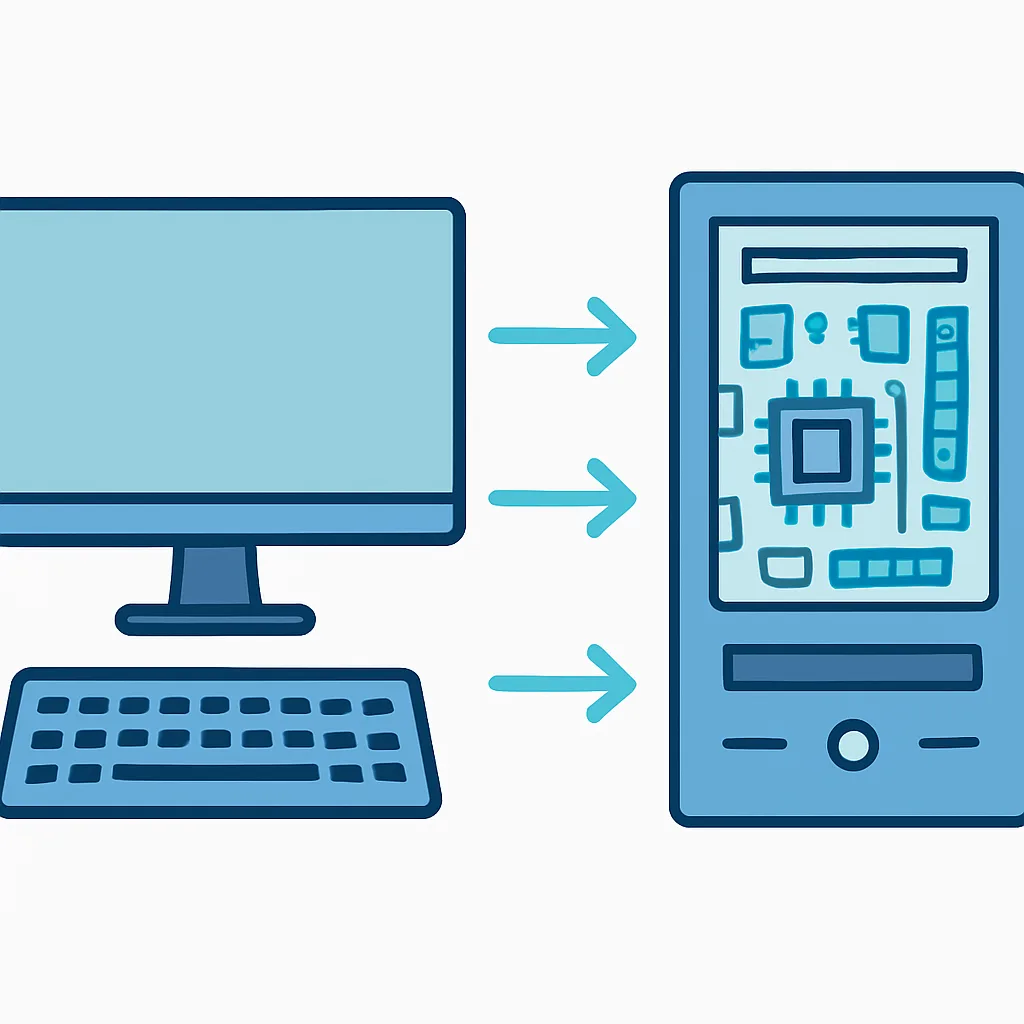
This is the key idea to hold onto. A computer lives in the world of information. It calculates, decides, and remembers, but it does not act on the physical environment on its own. It has no arms, wheels, or sensors unless we attach them. That single limitation is what separates it from a robot.
What Is a Robot
A robot is a machine that can sense its environment, make decisions, and physically act on the world. The classic definition involves three abilities: sensing, thinking, and acting. A robot uses sensors to gather information, a processor to decide what to do, and motors or actuators to carry out physical movement. That third ability, physical action, is what truly defines a robot.
Think of a robotic vacuum cleaner. It senses walls and furniture, calculates a cleaning path, and then moves across your floor. A factory robot welds car parts, a surgical robot assists doctors, and a warehouse robot lifts and carries boxes. In every case the machine does something in the real, physical world. It changes its surroundings rather than just shuffling data.
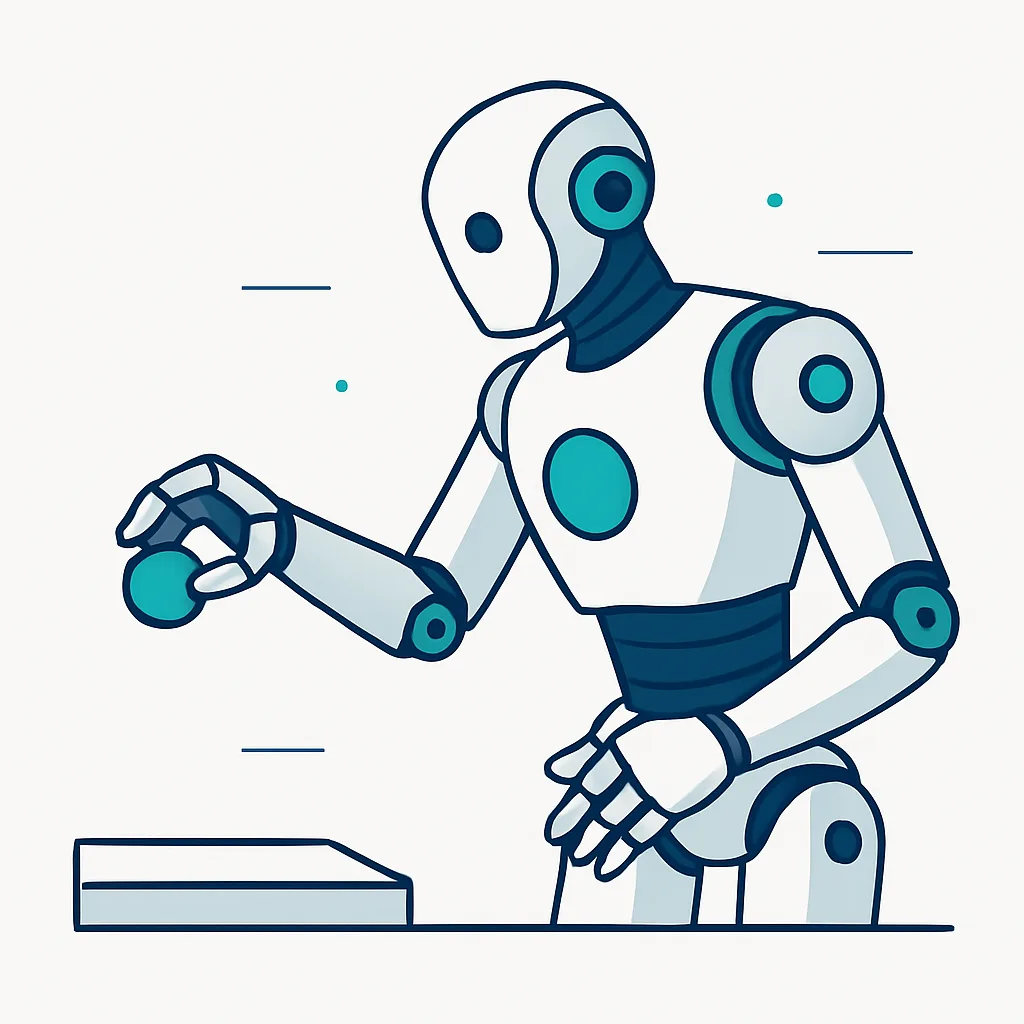
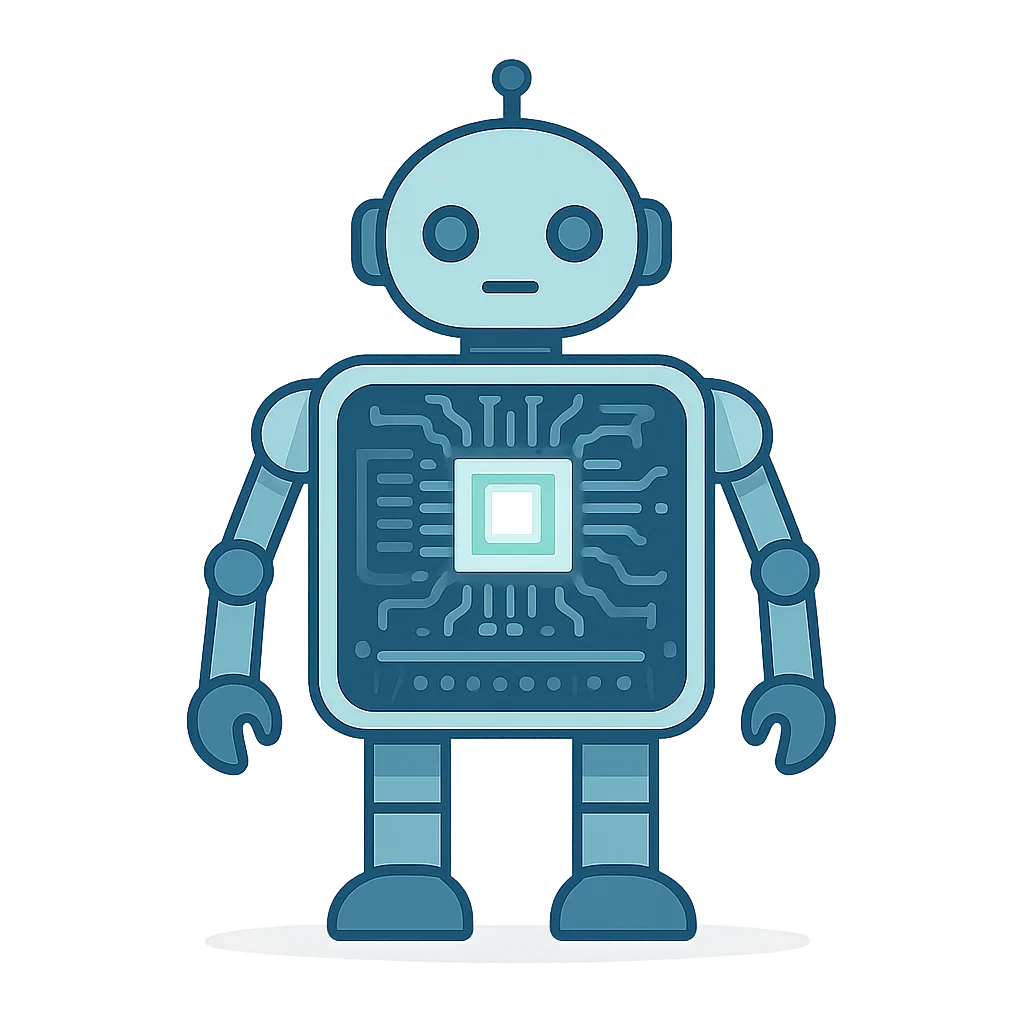
This is why a robot is more than a computer. A robot includes a computer as its brain, but it adds a body. Sensors are its senses, actuators are its muscles, and the computer is its mind. Remove the body and you are left with just a computer. Remove the computer and the body becomes a lifeless shell.
Computer vs Robot: The Core Difference
The simplest way to remember the difference is this: a computer thinks, while a robot thinks and acts. A computer processes information in a digital space. A robot takes that processing and uses it to influence the physical world. Every robot contains a computer, but not every computer is part of a robot.
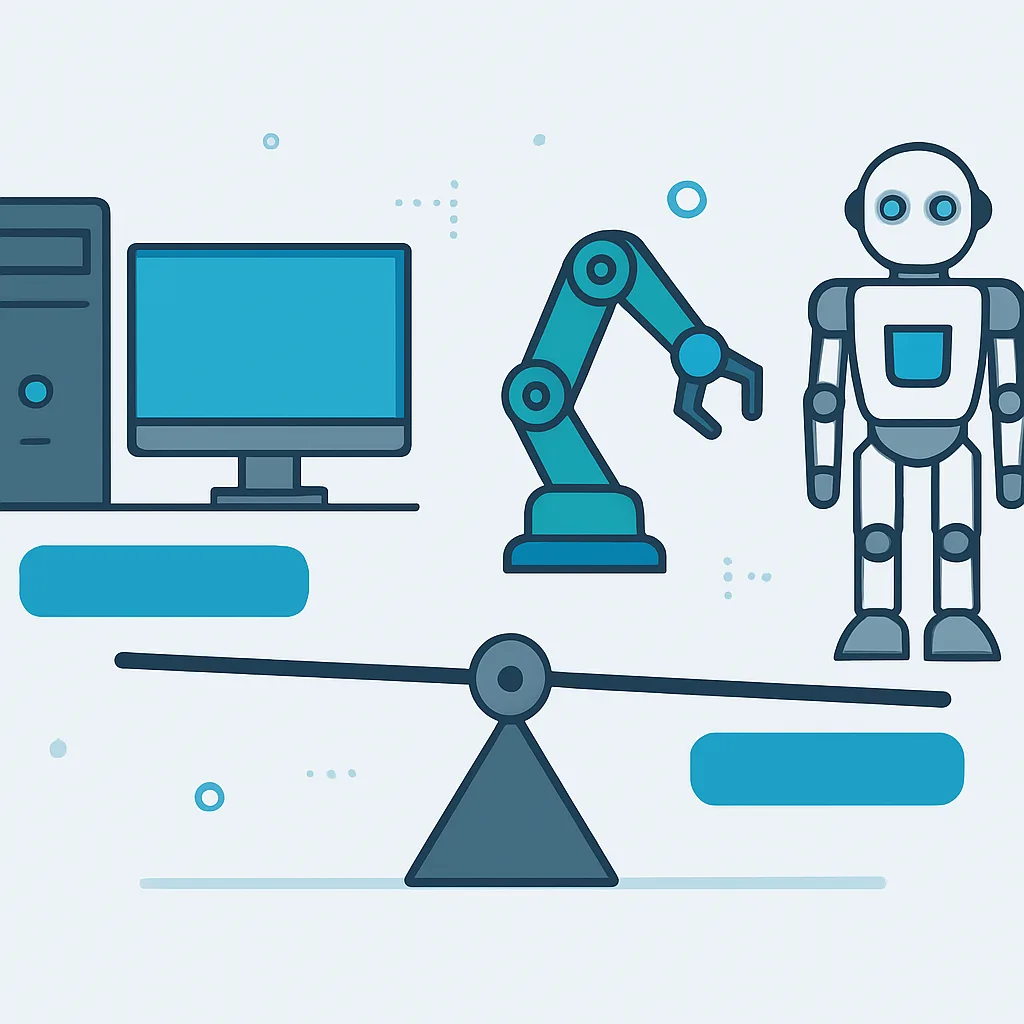
The table below summarizes the practical differences in a clear, side by side format.
| Feature | Computer | Robot |
|---|---|---|
| Primary job | Process information | Sense, decide, and physically act |
| Physical movement | No | Yes |
| Sensors | Optional | Essential |
| Actuators or motors | No | Yes |
| Contains a computer | It is one | Yes, as its brain |
| Example | Laptop, server | Robotic arm, drone, vacuum bot |
As the table shows, the categories overlap but are not the same. The robot column always includes the abilities of a computer plus extra physical hardware. This is why engineers often say a robot is a computer with a body. The computer remains the decision maker, and the body turns those decisions into action.
Where the Confusion Comes From
If the difference is so clear, why do so many people ask whether a computer is a robot? Part of the reason is popular culture. Movies and books often show intelligent machines as both thinking and moving, blurring the line between brain and body. When we picture a robot, we usually imagine something that talks, walks, and reasons, which feels a lot like a computer with a personality.
Another reason is artificial intelligence. Modern software can hold conversations, recognize faces, and make recommendations. These abilities feel almost alive, so it is natural to wonder if an AI program is somehow a robot. But AI running on a server is still software on a computer. It only becomes part of a robot when connected to sensors and actuators that let it act physically. If you are exploring how intelligent automation fits into your projects, ZoneTechify's artificial intelligence services can help you understand the practical possibilities.
The shrinking size of computers also adds to the confusion. Decades ago a computer filled an entire room, so it was easy to tell it apart from a moving machine. Today computers are small enough to fit inside almost anything, including robots, cars, and watches. When the computer disappears inside a moving device, people naturally stop thinking of it as a separate component.
How Computers Power Robots
The relationship between computers and robots is not competition but partnership. A robot cannot exist without a computer. The computer is the part that interprets sensor data, runs the decision making logic, and sends commands to the motors. Without that processing core, a robot would have no way to coordinate its actions or respond to its environment.
Consider a self driving feature in a car. Cameras and radar act as sensors, gathering data about the road. A powerful onboard computer processes that data in real time, identifying lanes, pedestrians, and other vehicles. Then it sends instructions to steering, braking, and acceleration systems. The computer is doing the thinking, but the result is physical movement, which makes the whole system robotic.
This layered design appears in every robot. The computer is the hidden hero, quietly making thousands of calculations per second. The visible parts, the arms, wheels, and sensors, get the attention, but they would be useless without the computing core directing them. In this sense, asking whether a computer is a robot misses the point. The computer is what makes a robot possible in the first place.
Why This Distinction Matters
Understanding the difference between computers and robots is more than a fun fact. It shapes how we design technology, write laws, and plan for the future of work. When we know that a computer handles information and a robot handles physical tasks, we can build systems that combine both intelligently. Businesses can decide whether they need software automation, physical automation, or a blend of the two.
This clarity also helps in conversations about jobs and ethics. A software program that sorts emails affects digital work, while a physical robot on an assembly line affects manual labor. Treating them as the same thing leads to confusion about risks and benefits. Clear definitions lead to smarter decisions, better products, and more honest public discussion about where technology is heading.
For companies building modern digital tools, the line between software and hardware automation is becoming a strategic question. Thoughtful planning around computing power, data, and physical systems can unlock real efficiency. Resources like WebPeak and ZoneTechify regularly explore these themes for teams who want to stay ahead.
The Future of Computers and Robots
Looking ahead, computers and robots will keep growing closer, but they will not merge into a single identity. Computers will continue to get smaller, faster, and more capable, often disappearing into the background of our lives. Robots will become more common in homes, hospitals, farms, and factories, each one carrying a powerful computer at its heart.
Artificial intelligence will make this partnership even more powerful. Smarter software will give robots better judgment, sharper perception, and more natural interaction. Yet the underlying truth will remain unchanged. The computer thinks, and the robot acts on those thoughts. One provides the intelligence, the other provides the physical presence. Together they form the machines that are reshaping our world.
Conclusion
So, is a computer a robot? No. A computer is an information processing machine, while a robot is a physical machine that senses, decides, and acts, using a computer as its brain. Every robot contains a computer, but a computer on its own is simply a powerful thinking tool with no body to move or touch the world.
The confusion is understandable in an age of shrinking chips and lifelike artificial intelligence, but the distinction is real and useful. Knowing it helps you understand the technology around you and make better decisions about how to use it. As computers and robots continue to advance side by side, that clear understanding will only become more valuable. Explore more practical technology guides at ZoneTechify and WebPeak.