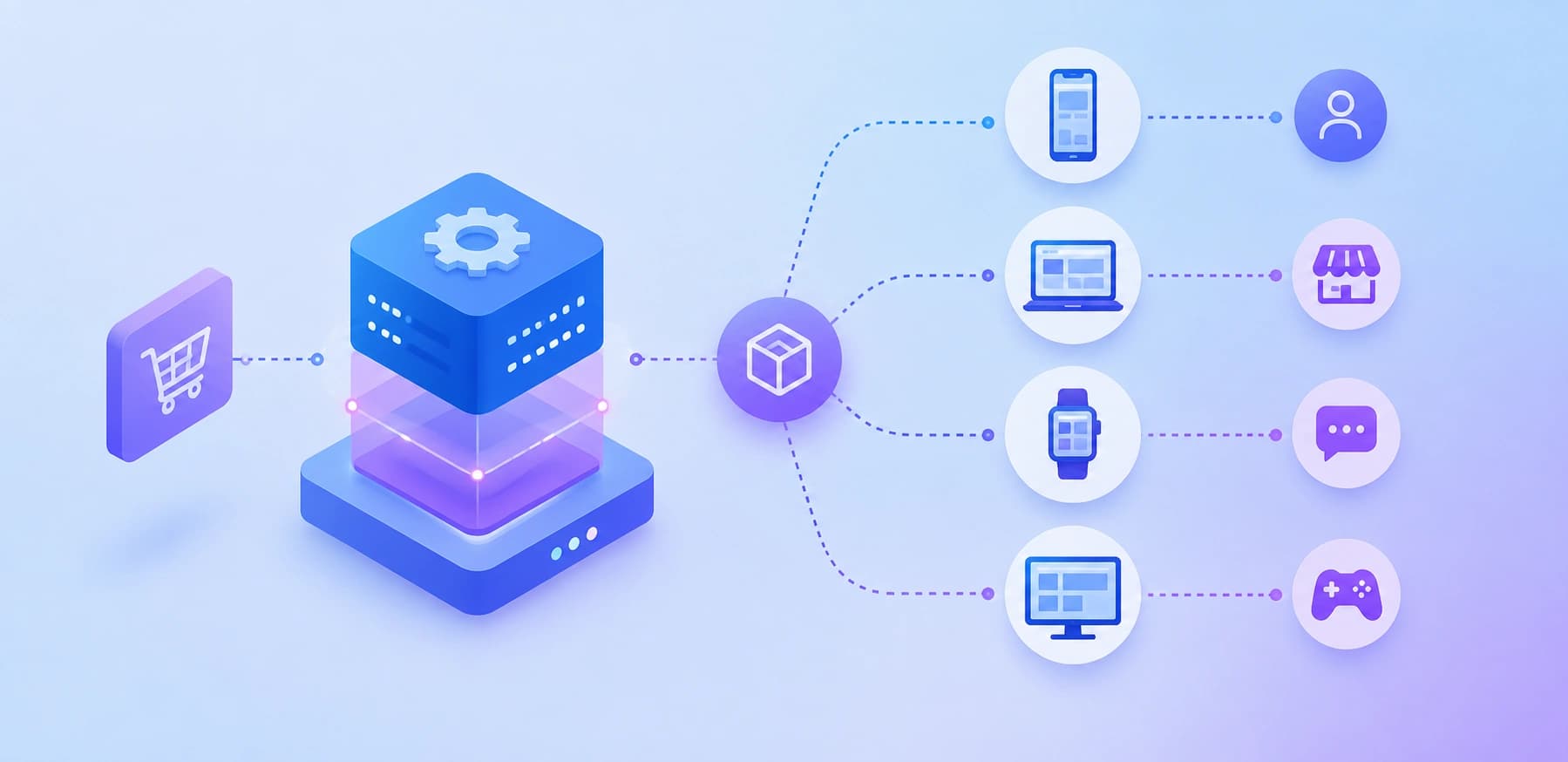
Headless commerce companies explained: platform vendors, agencies, real costs, migration steps and how to choose the right partner for your online store.
Headless Commerce Companies
Headless commerce companies are the vendors, agencies and infrastructure providers that help retailers separate their storefront experience from their commerce backend. The category has grown crowded fast, and most buyer confusion comes from a single problem: three very different kinds of businesses all market themselves with the same word. A platform vendor sells you an API. An implementation agency builds the storefront. An infrastructure provider hosts and delivers it. Confusing the three is the most common reason headless projects run over budget. This guide separates them clearly, compares the leading options, and gives you a practical evaluation framework based on how these projects actually succeed or fail.
Quick Answer: Headless commerce companies fall into three groups: platform vendors that provide commerce APIs such as Shopify, commercetools and BigCommerce, implementation agencies that build the custom frontend, and infrastructure providers that host and deliver it. Most retailers need a vendor plus an agency, not one company doing everything.

What Is Headless Commerce, in Plain Terms
Headless commerce is an architecture where the customer facing storefront, the head, communicates with the commerce engine through APIs instead of being built into it. The backend keeps handling products, pricing, inventory, carts, taxes and orders. The frontend becomes an independent application, usually built with a framework such as Next.js, Nuxt or Astro, that requests data and renders whatever experience you design.
Two related terms matter when you talk to vendors. Composable commerce means assembling best of breed services, search from one provider, payments from another, content from a third, rather than accepting one suite. MACH architecture refers to the principles many of these companies follow: Microservices, API first, Cloud native and Headless. When a sales deck says MACH certified, it means the vendor has been reviewed against those principles by the MACH Alliance, an industry body founded in 2020.
Headless vs Traditional Commerce: What Actually Changes
The honest difference is not speed alone. It is where control sits and who is responsible for it.
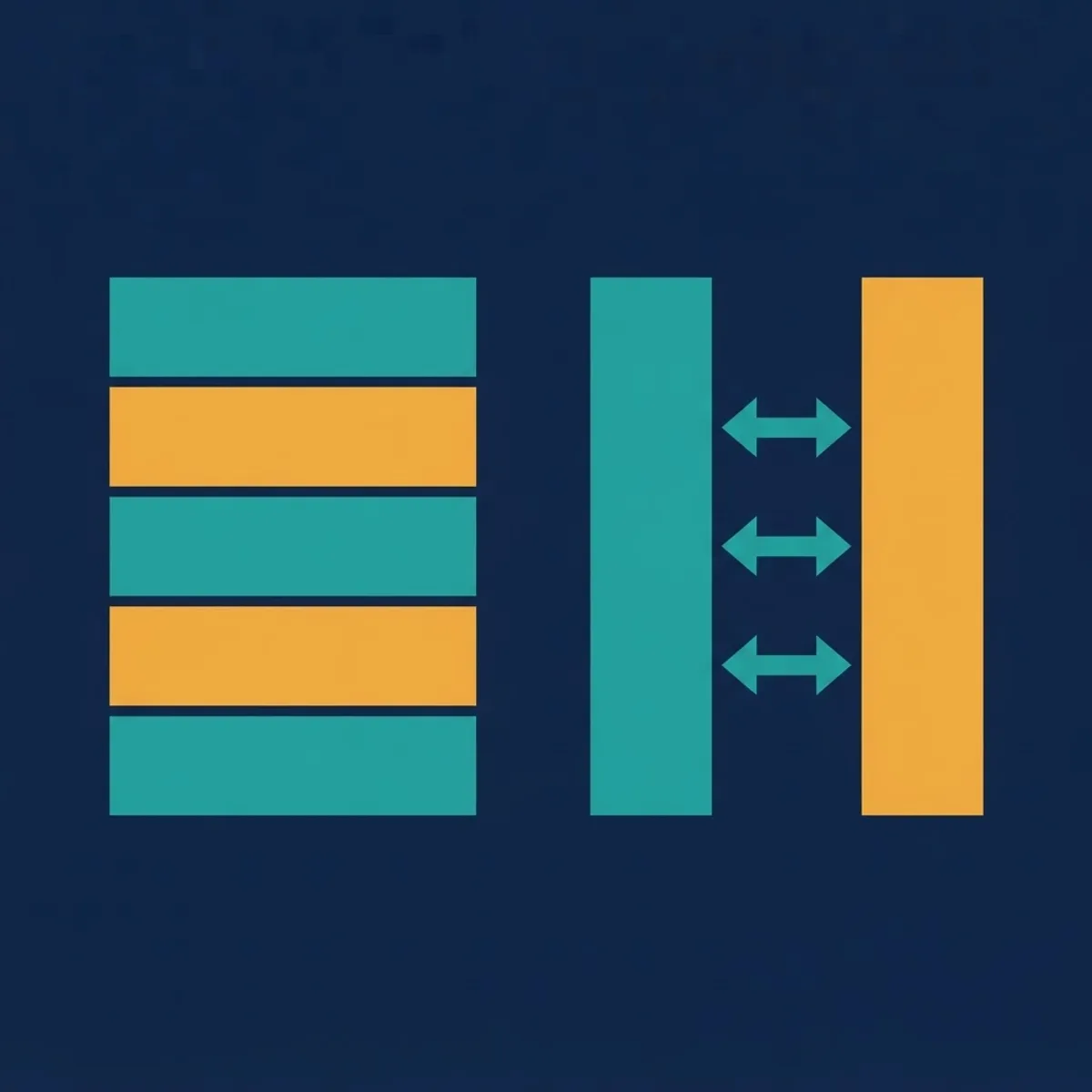
| Factor | Traditional Monolith | Headless Commerce |
|---|---|---|
| Frontend changes | Theme editor, limited by template | Full control, any framework |
| Time to first launch | Days to weeks | Six to sixteen weeks typical |
| Ongoing dev need | Low | Requires a maintained codebase |
| Multi channel reuse | Hard, often duplicated | One API serves web, app, kiosk |
| Page speed ceiling | Limited by theme and apps | High, edge rendered and cached |
| Total cost of ownership | Lower upfront | Higher upfront, better at scale |
| App ecosystem | Plug and play | Many apps need custom rebuilding |
The last row deserves attention because it is where budgets break. Plugin ecosystems on traditional platforms inject their own frontend code. In a headless build, a review widget, a loyalty banner or an upsell block usually has to be reimplemented against the app API. Ask any candidate company how many of your current apps have headless SDKs before you sign anything.
The Three Types of Headless Commerce Companies
1. Platform Vendors
These companies sell the commerce engine and its APIs. Shopify offers the Storefront API and Hydrogen framework. BigCommerce and Salesforce Commerce Cloud provide headless modes on top of established suites. commercetools, Fabric and Elastic Path were built API first from the start. Medusa and Saleor are open source options for teams that want to self host and control the data layer.
What they are responsible for: uptime, catalog data, cart and checkout logic, tax and payment integrations, API rate limits.
2. Implementation Agencies and Development Partners
These are the engineering teams that actually build the storefront. Their work determines your Core Web Vitals, your accessibility compliance, your merchandising flexibility and your maintenance cost for the next three years. This is the layer most retailers underinvest in. A strong partner will insist on defining caching strategy, preview workflows and content ownership before writing a single component, which is exactly the discipline you should look for when you evaluate scalable web solutions for a commerce rebuild.
3. Infrastructure, Frontend and Edge Providers
Hosting is not a footnote in headless commerce. Because pages are assembled at request time or build time, your rendering and caching strategy is a revenue variable. Providers in this layer handle edge delivery, incremental static regeneration, image optimisation and observability. Teams that specialise here, including a modern Next.js development agency, tend to squeeze the largest measurable gains out of an existing headless stack without replatforming anything.

Leading Headless Commerce Platforms Compared

| Platform | Best fit | Model | Watch out for |
|---|---|---|---|
| Shopify (Storefront API) | Mid market DTC brands | SaaS, revenue based fees | Checkout customisation limits |
| commercetools | Global enterprise, complex B2B | SaaS, API call pricing | Needs a senior engineering team |
| BigCommerce | Catalog heavy mid market | SaaS, tiered | Fewer headless starter kits |
| Salesforce Commerce Cloud | Large retail with existing CRM | Gross merchandise value fees | Highest implementation cost |
| Medusa | Teams wanting full ownership | Open source, self hosted | You own uptime and security |
| Saleor | GraphQL first product teams | Open source or cloud | Smaller partner network |
Use this table as a shortlist tool, not a verdict. The correct answer depends on your checkout requirements, your catalog size, your team seniority and whether you sell in multiple currencies or through wholesale channels.
Performance and Revenue: The Numbers Worth Quoting
Two data points explain why headless keeps winning budget approval.
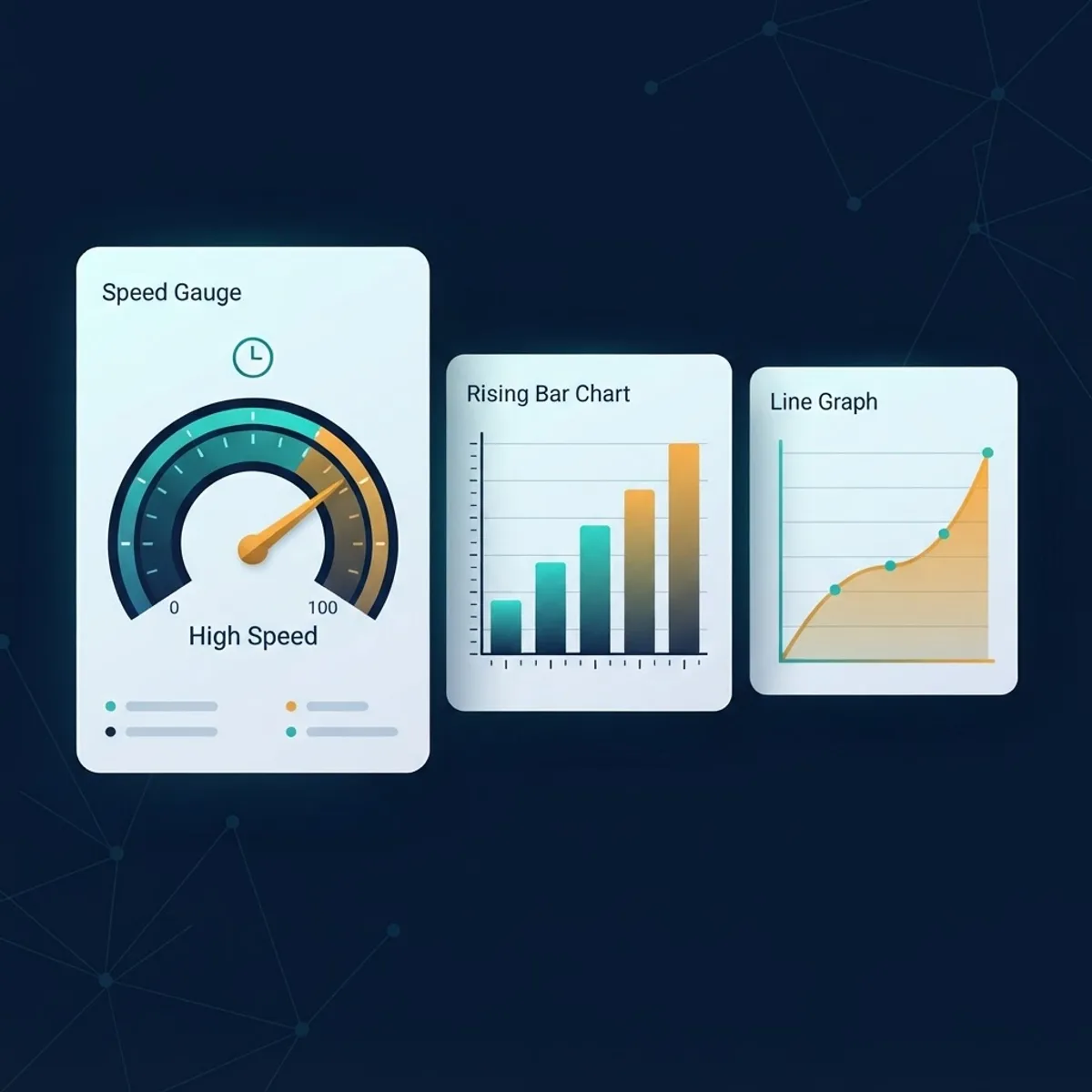
First, Google research found that 53 percent of mobile site visits are abandoned when a page takes longer than three seconds to load. That single statistic reframes speed from a technical metric into a traffic loss problem.
Second, the Deloitte and Google study Milliseconds Make Millions found that improving mobile site speed by just 0.1 seconds increased retail conversion rates by 8.4 percent and average order value by 9.2 percent. Headless architectures matter because they remove the theme and plugin bottlenecks that make those tenths of a second impossible to recover.
Also hold your build to Google Core Web Vitals thresholds: Largest Contentful Paint under 2.5 seconds, Interaction to Next Paint under 200 milliseconds, and Cumulative Layout Shift under 0.1. Any headless company that cannot commit to those numbers in a contract is selling architecture, not outcomes.
How to Evaluate a Headless Commerce Company
Run every candidate through these seven checks before shortlisting.
- Ask for two live storefronts they built and test them yourself on a throttled mobile connection.
- Request their Core Web Vitals field data, not lab scores, for those sites.
- Confirm who owns the repository and whether the code is transferable without penalty.
- Ask which of your current apps and integrations require a custom rebuild, in writing.
- Check how merchandisers will edit content without a developer, and see that workflow demonstrated.
- Clarify the support model after launch: response times, on call coverage, retainer scope.
- Get a total first year cost including platform fees, hosting, third party services and agency retainer.
A credible company answers all seven in a first call. A weak one deflects to a discovery phase invoice.

A Realistic Phased Migration Plan
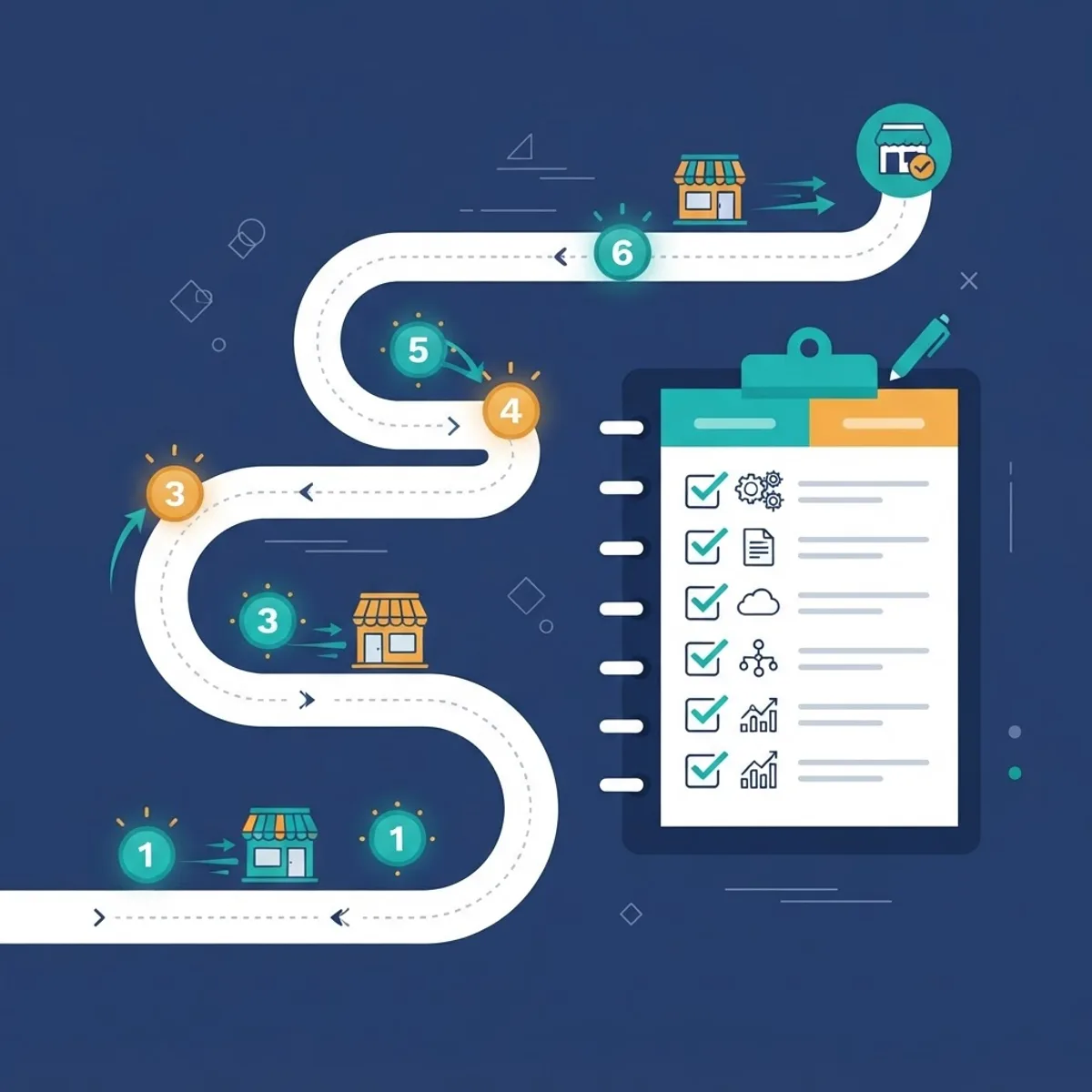
Big bang replatforms are where headless projects lose money. The lower risk path is incremental.
- Baseline everything. Record current conversion rate, revenue per visitor, Core Web Vitals and top landing page rankings.
- Move one surface first, usually the blog or a category landing page, and prove the workflow.
- Rebuild product detail pages next, since they carry the most organic traffic and the clearest speed upside.
- Migrate cart and checkout last, and only after payment and tax parity is tested.
- Preserve URL structure and redirect maps precisely, because headless rebuilds are the most common cause of self inflicted SEO loss.
- Compare against your baseline at thirty and ninety days and report on revenue per visitor, not page speed alone.
Once the storefront is stable, the compounding gains come from demand generation rather than more engineering, which is why most brands pair the rebuild with structured performance marketing rather than treating launch as the finish line. If you are still mapping which specialist roles your commerce team needs, this breakdown of consultant categories is a useful companion read: read more.
When Headless Is the Wrong Choice
Headless is not a universal upgrade. Skip it if you have no in house or retained developer, if your catalog is under roughly one hundred products with simple merchandising, if your current theme already passes Core Web Vitals, or if your growth constraint is traffic rather than experience. In those cases a faster theme, better images and disciplined app auditing will beat a replatform at a fraction of the cost.
Key Takeaways
- Headless commerce companies split into platform vendors, implementation agencies and infrastructure providers. You usually need two of the three.
- 53 percent of mobile visits are abandoned after a three second load, per Google research.
- A 0.1 second mobile speed improvement lifted retail conversions by 8.4 percent in the Deloitte and Google study.
- MACH architecture means Microservices, API first, Cloud native and Headless.
- Plugin replacement, not platform licensing, is the most underestimated cost line.
- Migrate incrementally, protect your URL structure, and measure revenue per visitor.
Frequently Asked Questions (FAQ)
What are headless commerce companies?
Headless commerce companies provide the technology or services needed to run a storefront that is decoupled from its commerce backend. They include API first platform vendors, development agencies that build the custom frontend, and hosting providers that deliver it at the edge with caching and observability.
Which company is best for headless commerce?
There is no single best company. Shopify with its Storefront API suits most mid market direct to consumer brands, commercetools fits complex enterprise and B2B catalogs, and Medusa or Saleor suit teams wanting full code ownership. Match the vendor to your checkout rules and team seniority.
Is headless commerce more expensive than a normal store?
Yes upfront, usually not long term. Expect higher initial build and retainer costs because you maintain a real codebase. The payoff is faster pages, cheaper future changes and reuse across web, mobile and in store channels. Stores under roughly one hundred products rarely recover the difference.
How long does a headless commerce build take?
Most mid market headless storefronts launch in six to sixteen weeks. Timeline is driven by catalog complexity, how many third party apps need rebuilding, and how ready your content model is. Phased launches that move the blog or category pages first often ship a first surface within three weeks.
Will going headless hurt my SEO rankings?
Only if the migration is careless. Rankings drop when URLs change without redirects, when structured data is dropped, or when client side rendering hides content from crawlers. A properly server rendered headless storefront with preserved URLs and faster Core Web Vitals typically improves organic performance.
Do I need a developer to run a headless store?
Yes. Headless removes the theme editor safety net, so you need either an in house developer or a retained agency for updates and incidents. Merchandisers can still edit content and products independently if the build includes a proper content management layer and preview workflow.
Final Thoughts
The best headless commerce companies do not lead with architecture. They lead with the commercial question: what is currently costing you conversions, and is the storefront layer really the reason? Ask that question first, insist on field performance data, and buy the layer you actually need rather than the full stack you were pitched.