
A practical, experience-based guide to the Google Computer Science Summer Institute (CSSI): who qualifies, what you actually learn, how to apply, and what happens after the program ends.
Google Computer Science Summer Institut
Every spring, thousands of graduating high school seniors search for the Google Computer Science Summer Institute, hoping to find a clear answer to one question: is this program worth applying to, and how do I get in? The information online is scattered across outdated forum posts, recycled listicles, and alumni threads from different program years. This guide fixes that. It explains what the Google Computer Science Summer Institute actually is, who it serves, what the curriculum covers, how the application is evaluated, and what alumni realistically gain afterward.

Quick Answer: The Google Computer Science Summer Institute (CSSI) is a free introductory computer science program for graduating high school seniors entering their first year of college. Over roughly three weeks, students learn HTML, CSS, JavaScript, and Python fundamentals, build a group capstone web app, and gain access to Google mentorship and alumni networks.
What Is the Google Computer Science Summer Institute?
The Google Computer Science Summer Institute, commonly abbreviated CSSI, is an intensive introduction to computer science designed for students who are about to begin college. It is not a research internship and not a job pipeline for experienced programmers. It is a foundation-building program aimed at students who are curious about technology but have limited formal coding exposure.
Definition: CSSI is a tuition-free, application-based summer program run by Google that teaches introductory programming, computational thinking, and collaborative software development to incoming college freshmen, with an emphasis on students from historically underrepresented groups in computing.
The program has run in multiple formats over the years, including in-person cohorts hosted at Google offices and fully virtual cohorts delivered over video conferencing. Google adjusts the structure, region availability, and even the program name from year to year, which is exactly why applicants should always verify current details on Google's official student programs page rather than trusting a blog from three years ago.

Who Is Eligible to Apply?
Eligibility is the single biggest reason applications get rejected before they are even read. CSSI targets a narrow window: students in the summer between high school graduation and their first year of an undergraduate program.
Typical eligibility criteria include:
- Graduating high school senior in the current academic year.
- Confirmed intent to enroll in a bachelor's degree program in the upcoming fall term.
- Interest in computer science or a related technical field — declared CS major is usually not required.
- Beginner-friendly background — students with little to no prior programming coursework are welcomed and often prioritized.
- Regional eligibility — cohorts are offered by region, so a student must apply to the cohort covering their country.
Google has consistently framed CSSI as part of its diversity-in-computing effort. That context matters when you write your application. According to the U.S. National Center for Science and Engineering Statistics, women earn roughly 21% of bachelor's degrees in computer science, a share that has remained largely flat for over a decade. Programs like CSSI exist specifically to change that trajectory, and applications that speak honestly about access barriers tend to resonate.

Application Timeline and What Reviewers Look For
CSSI applications generally open in the winter or early spring and close before the end of spring, with decisions arriving several weeks later. Because the program only accepts students in a one-summer window, there is no second chance in a later year.
A realistic timeline looks like this:
| Stage | Typical Window | What You Should Do |
|---|---|---|
| Application opens | Winter to early spring | Draft essays early, gather transcript details |
| Application closes | Mid to late spring | Submit at least one week before deadline |
| Review period | Several weeks after close | Monitor email, including spam folder |
| Decisions released | Late spring | Confirm college enrollment documentation |
| Program runs | Summer, roughly three weeks | Clear your calendar fully for the duration |
Reviewers are not scanning for prodigies. In practice, three signals carry the most weight: demonstrated curiosity, evidence of persistence through difficulty, and a clear reason why this specific program fits your goals. A student who taught themselves to modify a game mod, ran a school club's website, or built a spreadsheet tool for a family business demonstrates more relevant potential than one who lists unrelated awards.

What the Curriculum Actually Covers
The CSSI curriculum is deliberately front-end heavy, because a visible product is the fastest way to make abstract programming concepts feel real to a beginner.
Core topics generally include:
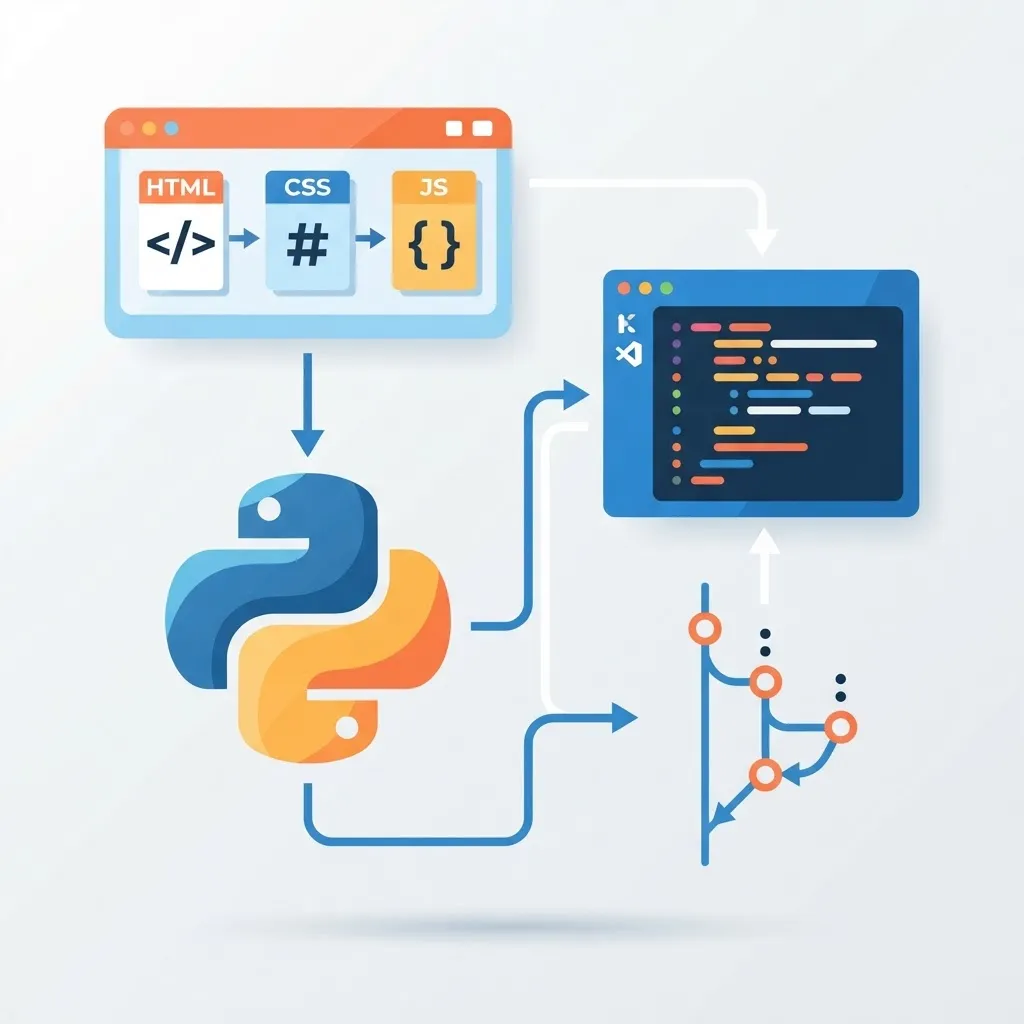
- HTML and CSS for structure and styling
- JavaScript for interactivity and DOM manipulation
- Python fundamentals, including variables, loops, functions, and data structures
- Version control with Git and collaborative workflows
- APIs and data handling at an introductory level
- Deployment basics, so projects are live and shareable
The pacing is fast. Students often move from writing their first HTML tag to shipping a functioning web application in under three weeks. That compression is intentional: it mirrors how professional teams learn on the job. If you want a realistic sense of that professional workflow, studying how agencies structure modern builds is useful, and resources like ZoneTechify and WebPeak illustrate how the same fundamentals scale into production systems.
The Capstone Project Is the Real Deliverable
Most of the learning consolidates during the group capstone. Students work in small teams with a Google mentor to design, build, and present a web application. Past projects have ranged from campus resource finders to accessibility tools to community event trackers.
The capstone teaches three things a tutorial cannot:
- Scope discipline — cutting features to ship on time.
- Merge conflict reality — real collaboration breaks things, and fixing it is the skill.
- Communication — explaining technical decisions to a non-technical audience.
Those are the same competencies hiring managers screen for years later. If your capstone code is public and documented, it becomes the first meaningful item on your portfolio, and a strong portfolio is what turns a beginner into a hireable junior developer. Teams that build custom web applications professionally evaluate candidates on exactly this evidence.

How CSSI Compares to Other Early-Career Tech Programs
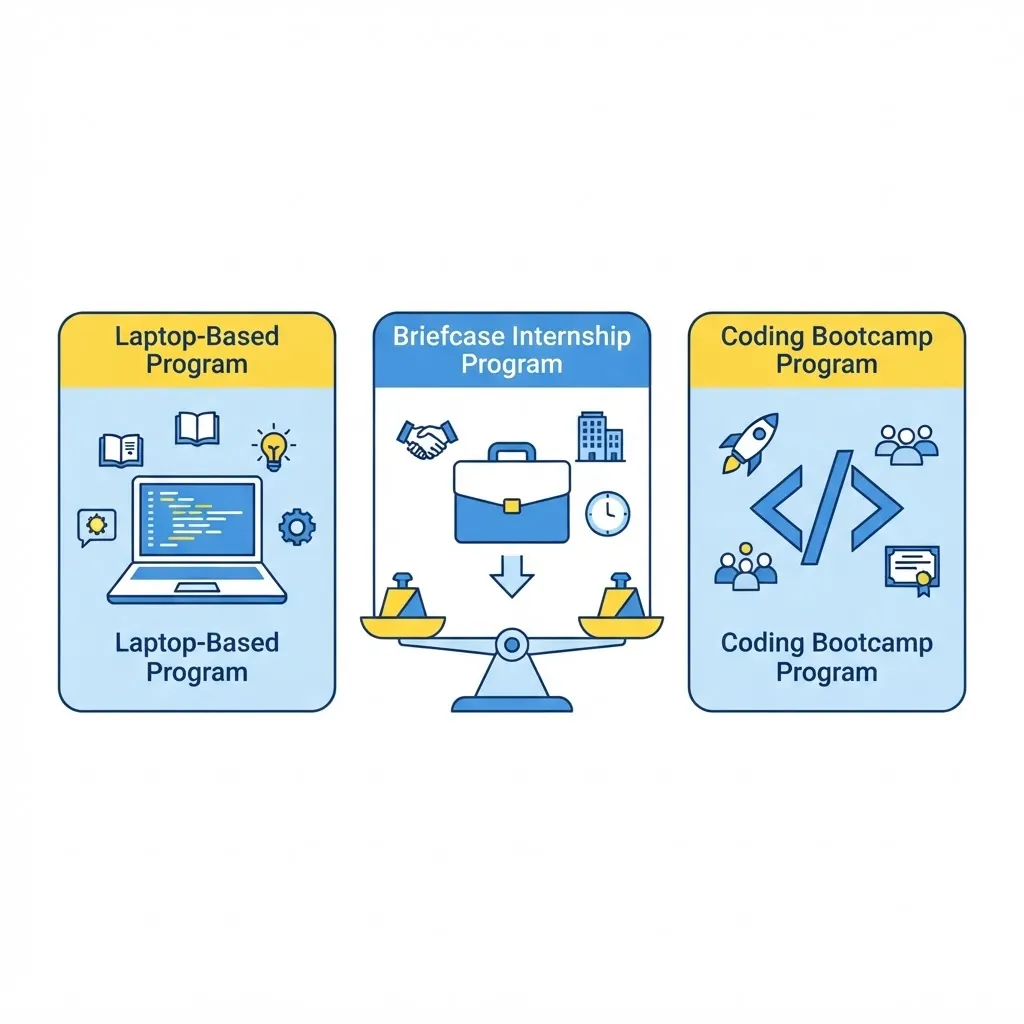
CSSI is not the only option, and it is not always the best fit. Comparing it honestly helps you apply strategically rather than hopefully.
| Program Type | Best For | Prior Coding Needed | Paid | Timing |
|---|---|---|---|---|
| Google CSSI | Incoming college freshmen, beginners | No | No, tuition-free | Summer before college |
| University pre-college CS camp | High school students exploring CS | No | Usually tuition-charged | Any high school summer |
| Coding bootcamp | Career switchers seeking job placement | Sometimes | No, tuition-charged | Year-round |
| Software engineering internship | Undergraduates with coursework | Yes | Yes | Sophomore year onward |
| Open source contribution programs | Self-directed learners | Yes | Sometimes stipend | Flexible |
The honest takeaway: if you already write production-level code, a research placement or internship will stretch you more. If you are a beginner with limited access to CS instruction, CSSI is one of the highest-value free options available, primarily because of the mentorship and network attached to it.
What Happens After the Program Ends
The measurable benefit of CSSI is rarely the code itself. It is the shift in identity from someone interested in tech to someone who has built and shipped software with a team.
Alumni typically report four concrete outcomes:
- Retention confidence — arriving at CS 101 already comfortable with syntax and debugging.
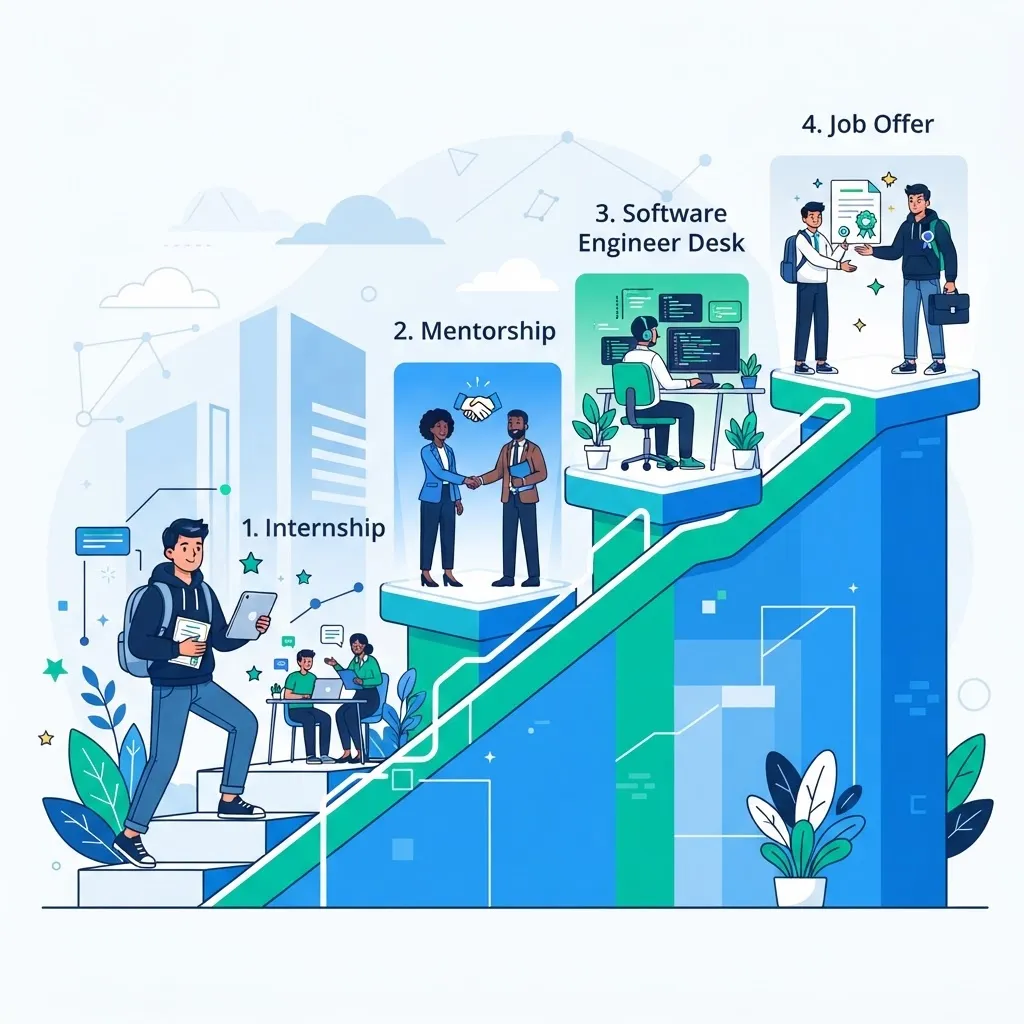
- Network access — connections to Google mentors and an alumni community that shares internship openings.
- Program pipeline awareness — familiarity with later Google student initiatives such as engineering practicum and residency-style opportunities.
- Portfolio proof — a deployed project to reference in future applications.
Research context supports why that early confidence matters. According to a widely cited study from the Computing Research Association, students who complete an early collaborative programming experience report significantly higher persistence in computing majors than peers whose first exposure is a large lecture course. The first semester is where most attrition happens, and CSSI functions as insulation against it.
How to Strengthen Your Application This Year
Specific actions beat generic advice. Do these before you submit:
- Build one tiny public project. A single-page site with a working feature outperforms a paragraph describing interest.
- Answer the why-you question literally. Name the barrier you faced and the exact skill you want from the program.
- Quantify your involvement. "Managed a club site with 400 monthly visitors" is verifiable; "passionate about tech" is not.
- Submit early. Technical submission problems near deadlines are common and rarely excused.
- Confirm your college enrollment paperwork. Offers can be contingent on proof of fall enrollment.
- Reuse nothing verbatim. Reviewers recognize template essays instantly.

Key Takeaways
- CSSI is a free, application-based Google program for graduating high school seniors entering college.
- The curriculum focuses on HTML, CSS, JavaScript, Python, Git, and a team capstone web app.
- No prior programming experience is required, and beginners are explicitly welcomed.
- Program format, regions, and naming change by year, so always verify current details officially.
- Women earn roughly 21% of U.S. computer science bachelor's degrees, which is the equity gap CSSI addresses.
- The lasting value is mentorship, network, and a deployed portfolio project, not just the syntax learned.
Frequently Asked Questions (FAQ)
Is the Google Computer Science Summer Institute free?
Yes. CSSI is tuition-free for accepted students, and Google has historically covered core program costs. Virtual cohorts require reliable internet and a computer. Because funding details and any stipend or equipment support vary by year and region, confirm the current terms in the official application before assuming coverage.
Do I need coding experience to get into CSSI?
No prior coding experience is required. CSSI is designed as an introduction to computer science, and beginners are a core part of its intended audience. What matters more is demonstrated curiosity, evidence you push through difficulty, and a clear explanation of why structured mentorship would help you specifically.
How long is the Google Computer Science Summer Institute?
CSSI typically runs about three weeks during the summer, though exact length has varied between in-person and virtual formats. The schedule is full-time and intensive, combining lectures, guided labs, and capstone work. Plan to treat it as your primary commitment for the entire duration rather than a part-time activity.
Can current college students or high school juniors apply?
Generally no. CSSI targets the specific window between high school graduation and the first year of an undergraduate degree. Current college students and underclassmen should look at other options, such as university pre-college programs, open source contribution programs, or first-year internship and practicum tracks instead.
Does completing CSSI help you get a job at Google?
CSSI is not a hiring pipeline and does not guarantee employment. It does build genuine advantages: mentorship relationships, alumni network access, awareness of later Google student programs, and a shipped project for your portfolio. Those factors improve internship competitiveness, but you still compete through standard application processes.
What should I build before applying to CSSI?
Build something small and public. A personal site, a club page, a simple calculator, or a browser game all work. Reviewers value a finished, shareable artifact over ambitious unfinished ideas. Document what broke and how you fixed it, because that narrative demonstrates the persistence the program is looking for.