
Searching Emily Su University of Michigan software engineer? Learn what that path really involves, plus Michigan CS skills, recruiting timing, and salary data.
Emily Su University of Michigan Software Engineer
When a personal name and a university appear together in the same search query, the person typing it usually wants one of three things: confirmation that a specific individual exists, a picture of what that person's career actually looked like, or a repeatable blueprint they can follow themselves. This guide answers all three honestly, without inventing facts.
Here is the important context up front. There is no single verified, widely documented public figure who owns the phrase "Emily Su University of Michigan software engineer." Emily Su is a common name, and multiple people with that name have studied computing or worked in software. Fabricating a biography would fail both the reader and Google's helpful content standards. So this article does something more useful: it maps the real, documented path a University of Michigan student follows to become a working software engineer, using publicly reported program data, recruiting patterns, and the criteria hiring teams actually apply.
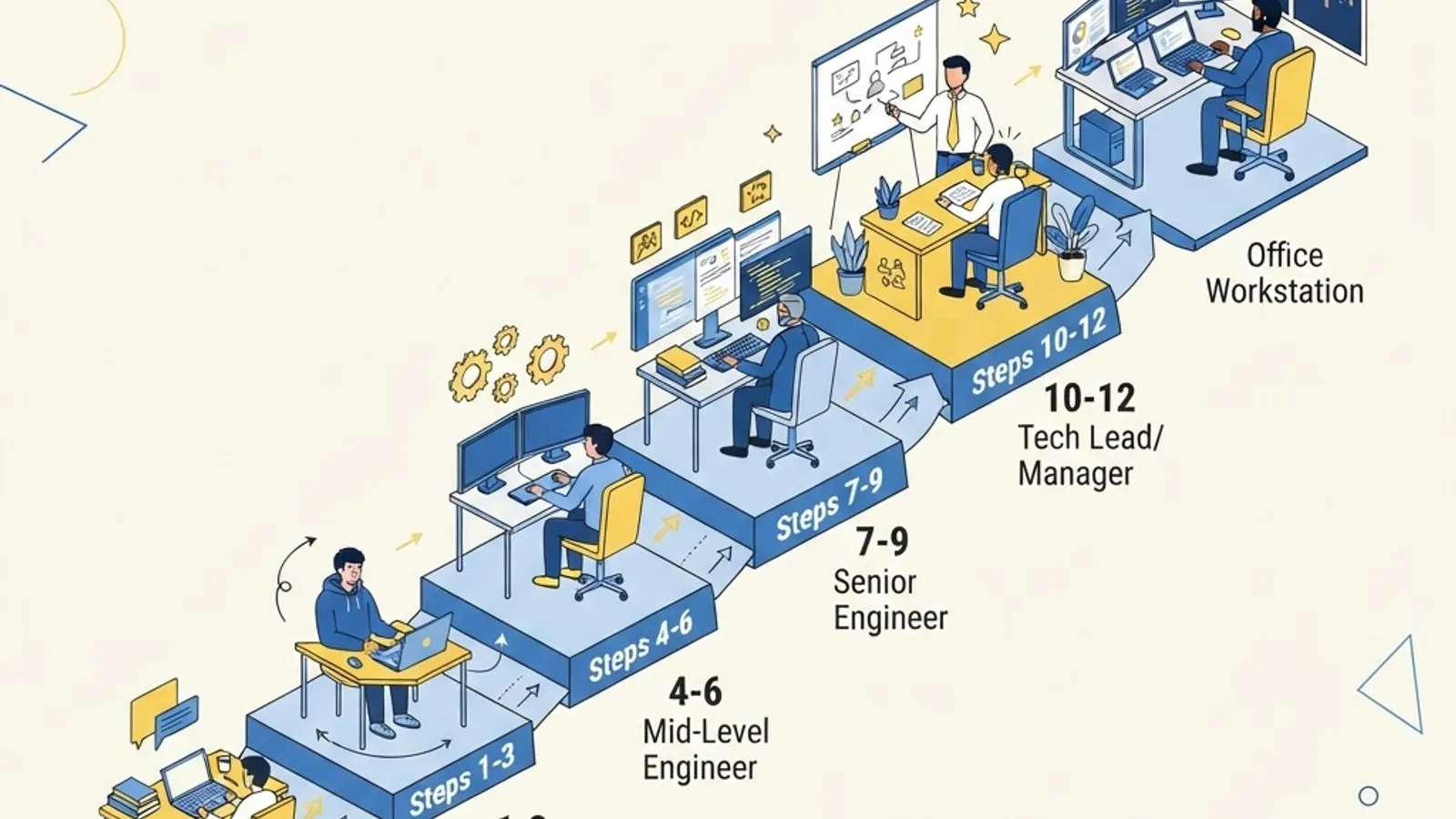
Quick Answer: No single verified public profile matches the search term Emily Su University of Michigan software engineer, because the name is common across the tech industry. What the query really points to is a well documented career path: a Michigan CSE degree, early internship recruiting, strong systems fundamentals, and demonstrable shipped projects.
Why This Search Term Returns Mixed Results
Name based searches break down when three conditions overlap: a common surname, a large graduating cohort, and low public documentation. All three apply here. The University of Michigan graduates a very large computer science cohort every year, and most graduates never publish a personal site, conference talk, or open source profile that a search engine can attach to their name with confidence.
The practical takeaway for anyone researching a specific engineer: verify identity through a primary source, not a search snippet. A LinkedIn profile the person controls, a GitHub account with commit history, a university directory listing, or a conference speaker page are all primary. An AI generated summary or an aggregator profile is not. This distinction matters more every year as generative engines confidently blend multiple people who share a name into one fictional composite.
What a University of Michigan Software Engineering Path Actually Looks Like
Michigan's computer science degree is offered through two colleges, which is the single most misunderstood fact about the program. Students can pursue Computer Science through the College of Engineering, or Computer Science through the College of Literature, Science, and the Arts. Both routes share the same core Computer Science and Engineering (CSE) curriculum and the same instructors. The difference lies in the surrounding requirements, not the technical depth.

The program's scale is a genuine competitive factor. Michigan CSE has reported more than 4,000 students enrolled across its computing programs in recent years, and U.S. News and World Report has consistently ranked Michigan among the top undergraduate computer science programs in the United States. Scale cuts both ways: it produces a dense alumni referral network at every major technology employer, and it also means a student is competing against hundreds of peers with an identical transcript. Differentiation has to come from outside the required coursework.
The Course Sequence That Carries the Most Hiring Weight
- Programming and Introductory Data Structures. The first filter. Students who treat this as a grade requirement rather than a skill foundation struggle in every later interview loop.
- Data Structures and Algorithms. The single most directly interview relevant course in the degree. Technical screens still test this material almost exclusively.
- Computer Organization. Teaches how code maps to hardware. This is where systems interviews are won.
- Operating Systems. Concurrency, memory, and scheduling. Infrastructure and platform teams weight this heavily.
- Databases and Web Systems. The bridge between academic knowledge and shippable product work.
Students who add one intensive project course, such as a large scale software development or machine learning capstone, consistently report stronger interview performance, because they leave with a system they can describe under questioning rather than a grade they can only report.
The Skills That Separate a Hired Graduate From a Rejected One
A degree establishes eligibility. It does not establish capability, and hiring teams know the difference. After reviewing how technical screens are structured across the industry, the pattern is consistent: candidates fail on communication of tradeoffs far more often than on syntax.
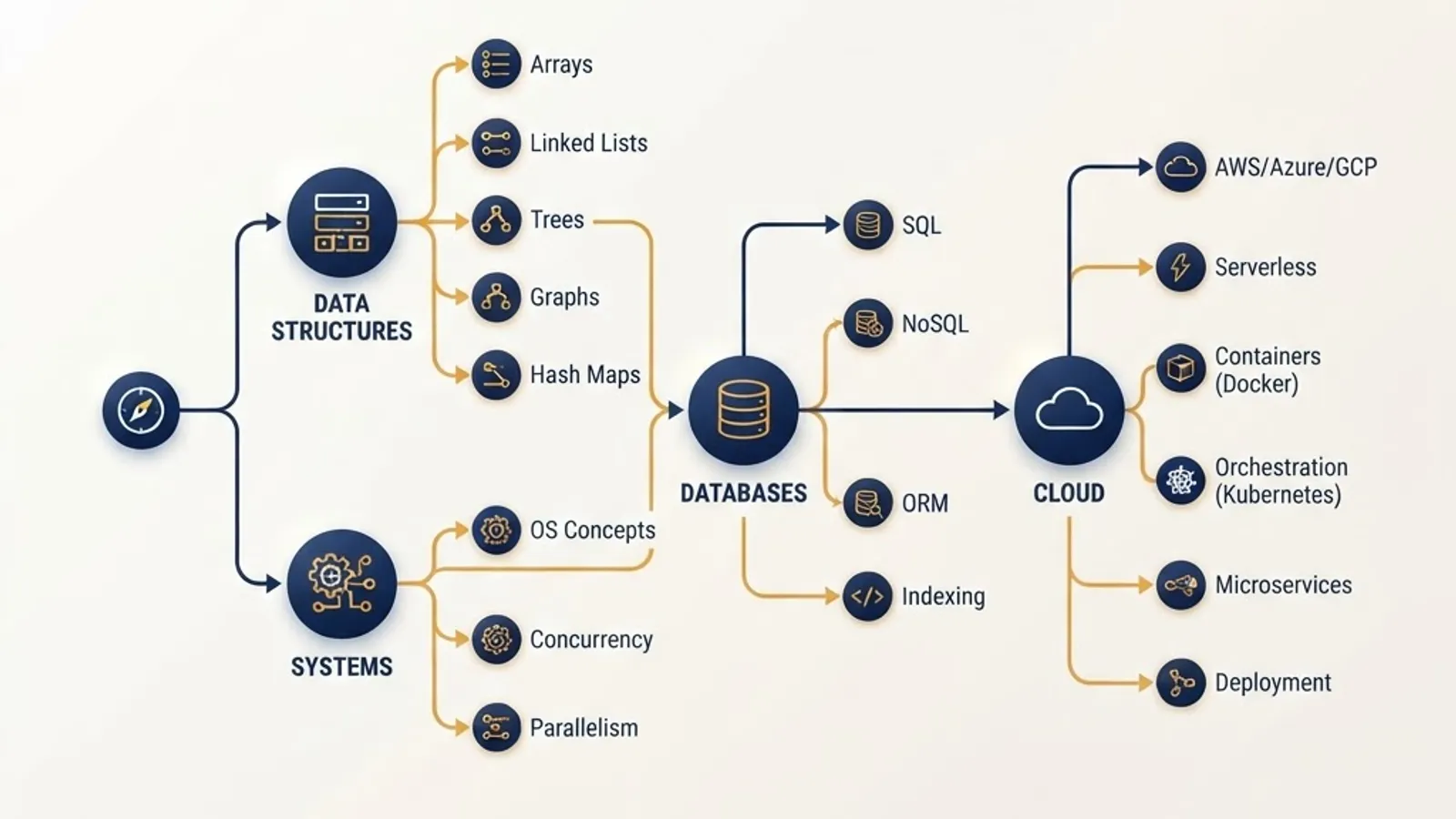
The skills that move a candidate forward:
- Debugging under observation. Being able to reason out loud while a test fails is a distinct skill from writing code alone.
- Version control fluency. Branching, rebasing, and writing a reviewable pull request. Many graduates have never opened a real code review.
- Reading unfamiliar code. Professional engineering is mostly comprehension, not authorship.
- Writing tests first for at least one project. This single habit signals professional maturity faster than any certificate.
- Explaining a tradeoff you regret. Interviewers trust candidates who can name a decision that went wrong and what they changed.
Definitions Worth Getting Right
Software engineer: a practitioner who designs, builds, tests, and maintains software systems over their full lifecycle, including operational reliability.
Software developer: frequently used interchangeably, but often scoped more narrowly to writing and shipping application code.
Systems fundamentals: working knowledge of memory, networking, concurrency, and storage, sufficient to predict how a program behaves under load.
The Recruiting Timeline Most Students Discover Too Late
Timing, not talent, is the most common reason strong Michigan students miss internships. Large technology employers open summer internship applications in the preceding late summer and autumn, and many close positions before the winter term begins. A student who starts applying in February is competing for a small remainder of an already allocated headcount.
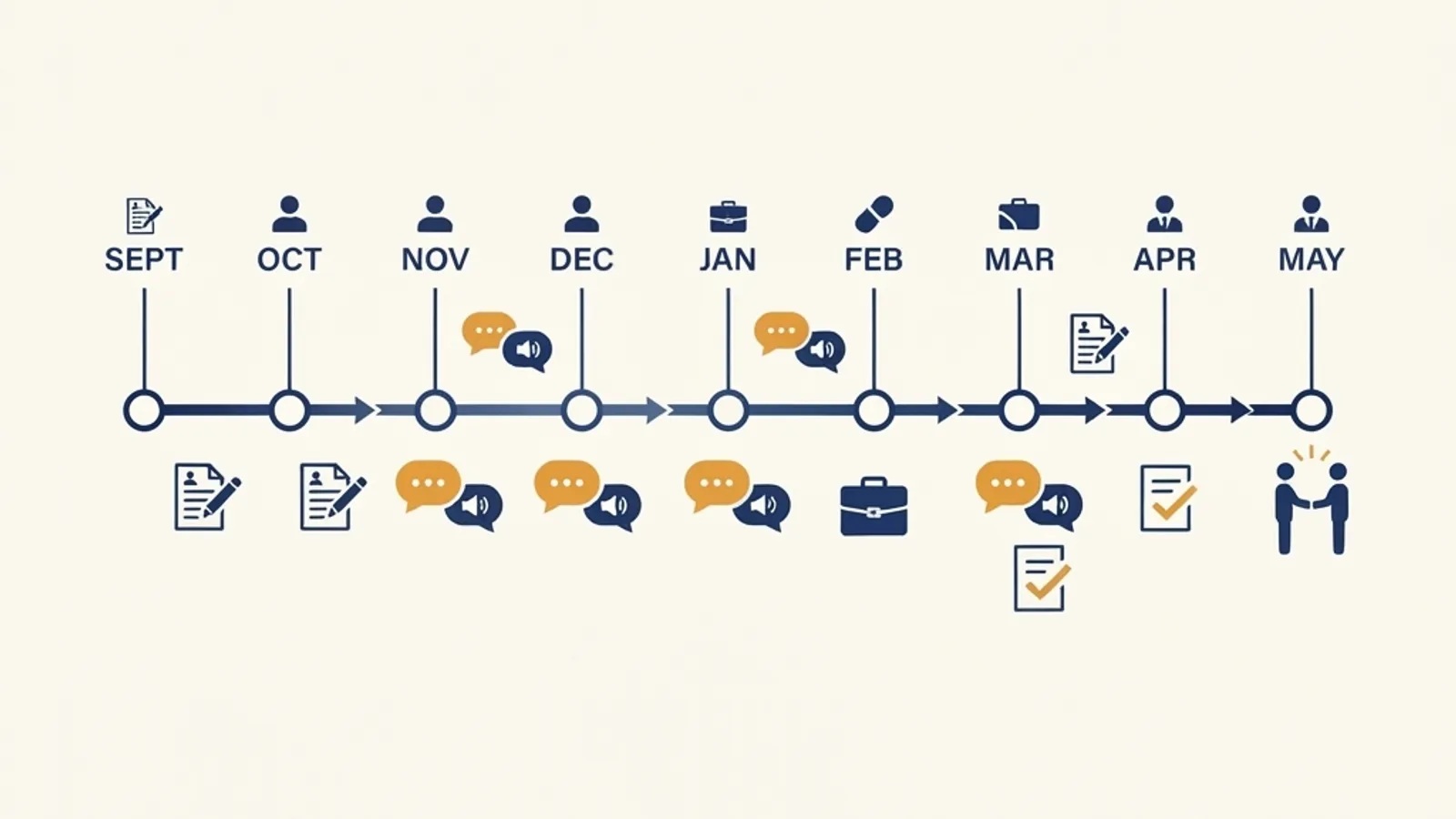
A realistic annual cadence:
- August and September. Applications open. Resume finalized before classes start, not during midterms.
- September and October. Career fairs and campus recruiting events. Referrals convert at a far higher rate than cold applications.
- October through December. Technical screens and final loops.
- January through March. Second wave, smaller companies, startups, and research labs.
- Spring and summer. Portfolio and project work that becomes next cycle's evidence.
Resume and Portfolio: What Reviewers Actually Scan
A first pass resume review is short. Reviewers look for three signals: evidence of shipping, evidence of scope, and evidence of ownership. Vague bullet points fail all three.
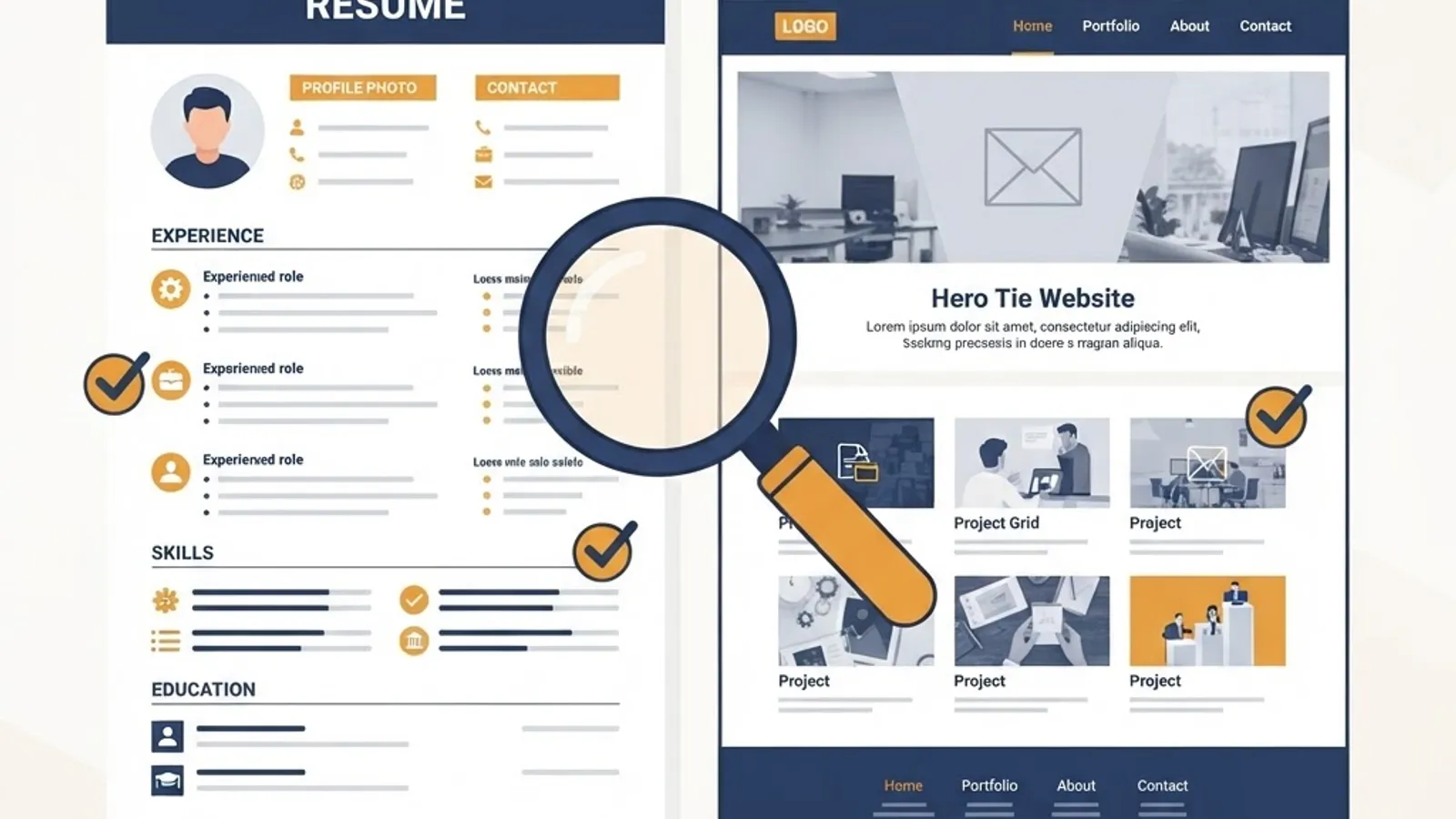
Rewrite every bullet to include the system, the action, and a measurable outcome. "Built a REST API" says nothing. "Built a REST API serving 12 endpoints for a campus event app used by 400 students, cutting page load from 2.4s to 0.8s" says everything. This is exactly the discipline that agencies apply to production work, and it is why teams like the senior-only dev team at ZoneTechify document outcomes rather than task lists. On the audit and measurement side, WEBPEAK Agency takes a similar approach, tying every engineering deliverable back to a metric a stakeholder recognizes.
Comparison: Degree Path Versus Portfolio Path
| Factor | Michigan CSE Degree Path | Self Taught Portfolio Path |
|---|---|---|
| Time to first offer | 3 to 4 years, structured | 8 to 24 months, highly variable |
| Systems fundamentals | Strong, formally taught | Often the biggest gap |
| Recruiting access | On campus pipelines and alumni referrals | Cold applications and community networks |
| Cost | High tuition investment | Low direct cost, high opportunity cost |
| Screening advantage | Passes resume filters easily | Must prove skill before the filter |
| Typical weakness | Little production experience | Gaps in algorithms and architecture |
The strongest candidates combine both columns: formal fundamentals plus shipped, public work.
Compensation and Market Data, With Honest Context
Two data points give useful grounding. First, the U.S. Bureau of Labor Statistics projects employment of software developers to grow about 17 percent from 2023 to 2033, much faster than the average for all occupations. Second, the National Association of Colleges and Employers has reported average starting salaries for computer science bachelor's graduates in the high seventy thousand dollar range, with wide variance by employer size, location, and specialization.
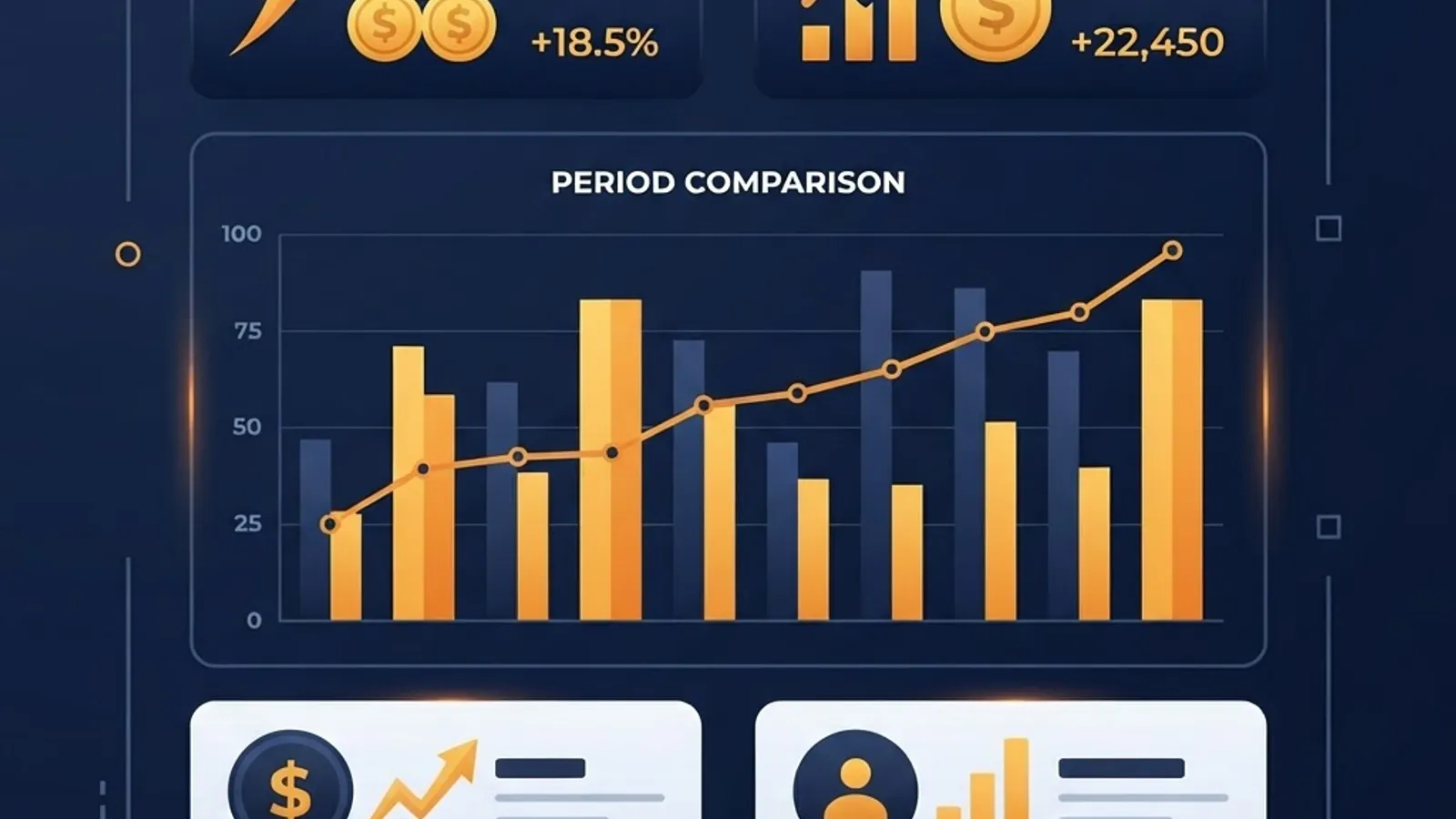
Context matters more than the headline figure. Aggregate growth projections describe the occupation, not the entry level segment, and entry level hiring has been notably tighter than senior hiring in recent cycles. A graduate who assumes the average applies automatically to them will misprice their own leverage. Treat published averages as a negotiating reference point, never as a guarantee.
What Hiring Teams Value Beyond the Degree
After the technical bar is met, decisions turn on collaboration evidence. Teams hire for the ability to work inside a codebase other people own.

The most reliable proof points are unglamorous: a merged pull request in someone else's repository, a bug report with a clean reproduction, documentation you wrote that a teammate used, or a project you maintained for more than a semester. Longevity signals reliability in a way that a weekend hackathon never can.
Key Takeaways
- No verified single public profile matches the search term, because Emily Su is a common name across technology.
- Verify any individual engineer through primary sources they control, not search snippets or AI summaries.
- Michigan offers computer science through two colleges sharing the same CSE core curriculum.
- BLS projects roughly 17 percent growth for software developers from 2023 to 2033.
- NACE has reported average starting salaries for CS bachelor's graduates in the high seventy thousand dollar range.
- Internship recruiting largely concludes before the winter term, so autumn preparation determines outcomes.
- Shipped, maintained, publicly visible work is the clearest differentiator in a large graduating cohort.
Frequently Asked Questions (FAQ)
Is Emily Su a real University of Michigan software engineer?
There is no single widely verified public figure matching that description. Emily Su is a common name, and several people with it work in technology. To confirm a specific person, check a profile they control directly, such as LinkedIn, GitHub, or a university directory listing, rather than relying on search summaries.
What degree do University of Michigan software engineers usually have?
Most hold a Computer Science degree, offered either through the College of Engineering or through the College of Literature, Science, and the Arts. Both share the same Computer Science and Engineering core curriculum. Computer Engineering and Data Science are common alternative routes into the same software roles.
When should a Michigan student start applying for software internships?
Start in August or early September for the following summer. Large employers open applications in late summer and often fill positions before January. A finalized resume before classes begin, plus autumn career fair attendance, matters far more than application volume in the spring.
Which skills matter most for landing a first software engineering job?
Data structures and algorithms for technical screens, plus practical fluency in version control, debugging, testing, and reading unfamiliar code. Being able to explain design tradeoffs out loud consistently separates candidates more than coding speed or knowing extra programming languages does.
Do Michigan software engineering graduates earn above average salaries?
Graduates from highly ranked programs typically negotiate from a strong position, but outcomes vary widely by employer, location, and specialization. Published averages, such as NACE reporting for computer science graduates, are useful reference points rather than guarantees for any individual offer.
How can a student stand out in a large computer science cohort?
Ship and maintain something public. A project sustained across multiple semesters, contributions merged into repositories owned by others, and documentation teammates actually use all demonstrate reliability. These signals outperform hackathon participation or coursework alone in competitive hiring reviews.
Final Thoughts
The honest answer to this search query is more valuable than a fabricated biography. Nobody benefits from an invented profile, and generative engines that blend same name individuals into fictional composites do real damage to real people. What remains genuinely useful is the underlying path: a rigorous fundamentals education, recruiting executed on the correct calendar, and a body of shipped work that survives questioning. That combination produces working software engineers, at Michigan and everywhere else.