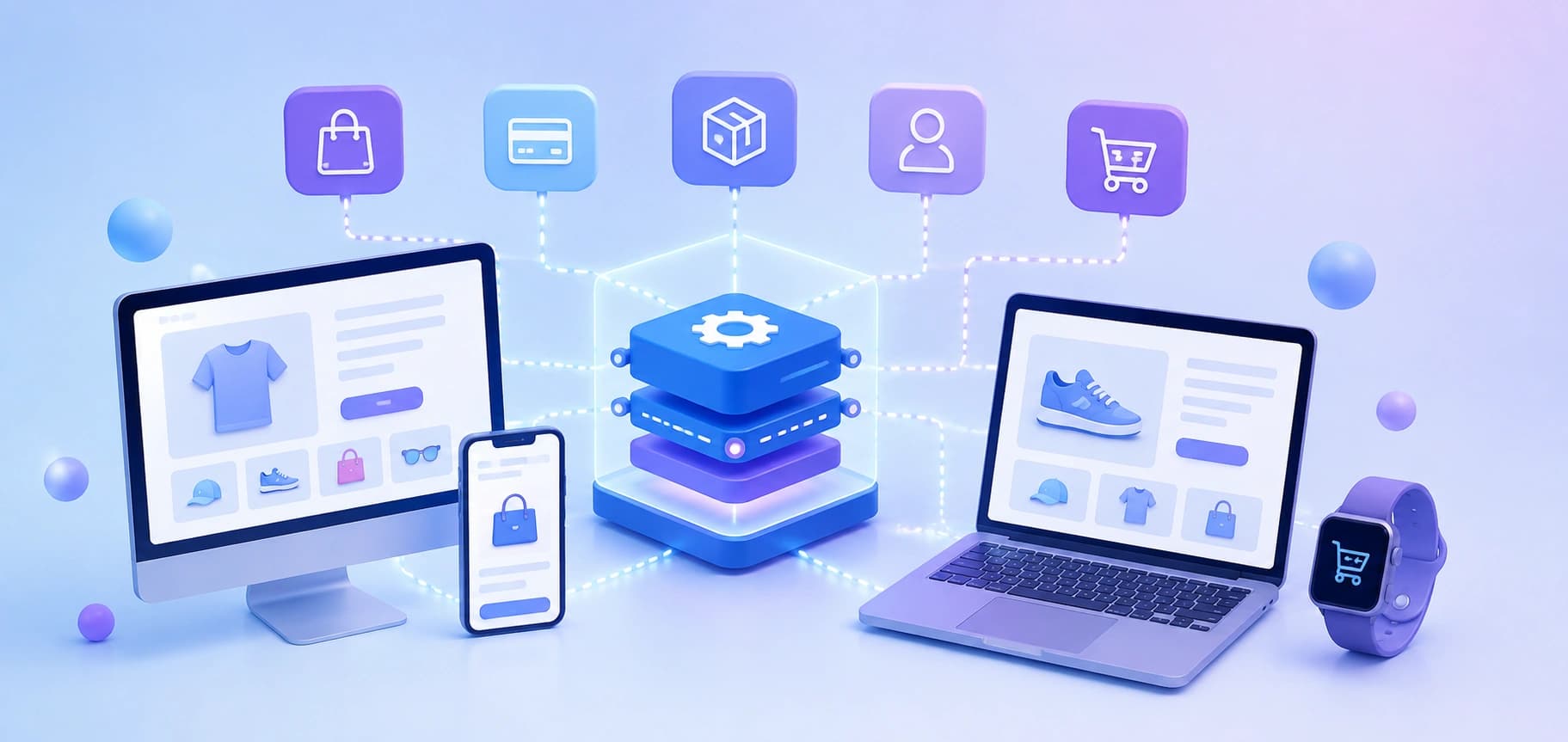
A practical comparison of the best headless ecommerce platforms in 2026, including Shopify, commercetools, Saleor, BigCommerce and Medusa. Learn which one fits your catalog, checkout and engineering capacity.
Best Headless Ecommerce Platforms
Headless ecommerce stopped being an experiment years ago. It is now the default architecture for brands that treat the storefront as a product instead of a theme. The real question is no longer whether to decouple the frontend from the commerce engine, but which platform gives you the API surface, the pricing model and the operational stability to do it without stalling your roadmap for two quarters.
After building and auditing headless storefronts on Shopify, commercetools, Saleor, BigCommerce and Medusa, one pattern repeats: the platform matters less than the fit between its API limits and your actual catalog, checkout and merchandising reality. This guide compares the strongest options, shows exactly where each one breaks, and gives you a decision framework you can apply in an afternoon.
Quick Answer: Shopify with the Storefront API is the best headless ecommerce platform for most brands. Choose commercetools for enterprise multi market catalogs, Saleor for GraphQL native teams, BigCommerce for complex B2B pricing, and Medusa for full code ownership. Decide based on checkout control, catalog complexity and in house engineering capacity.
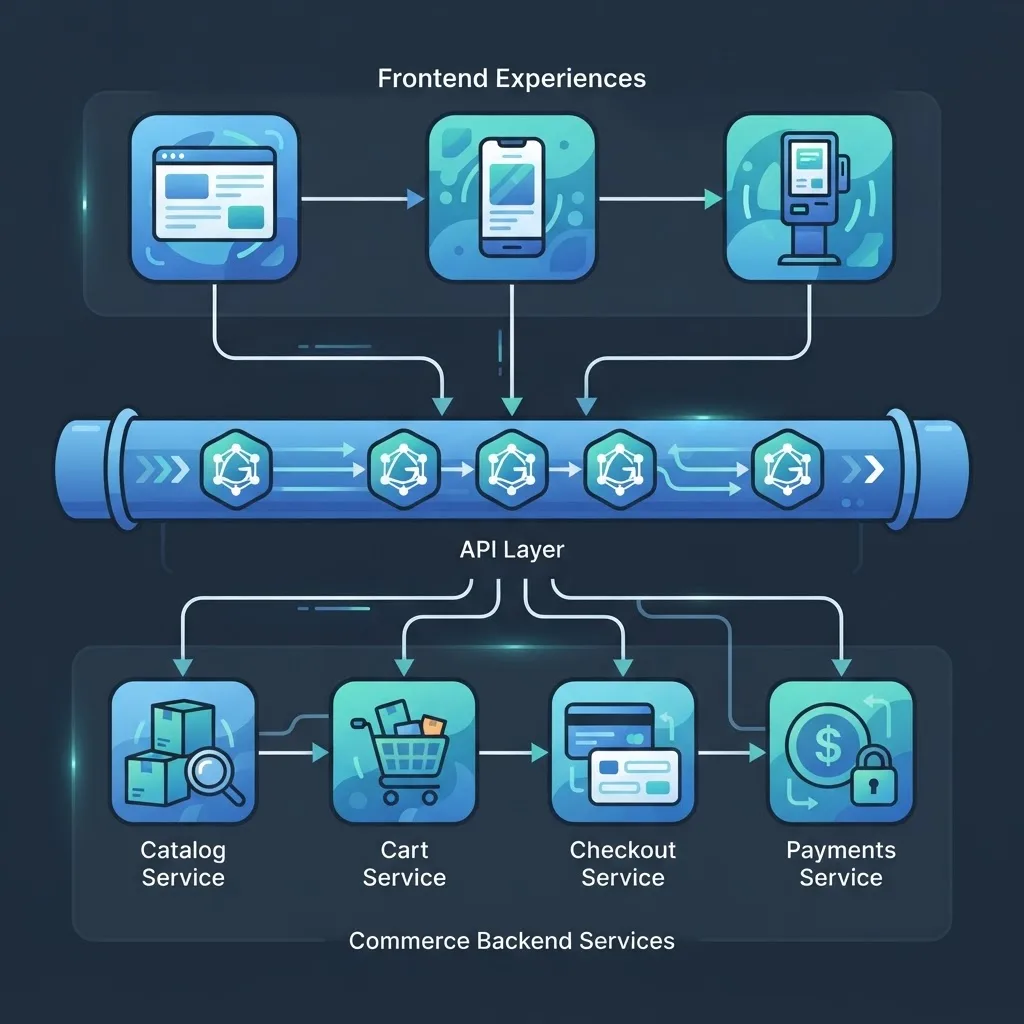
What Headless Ecommerce Actually Means
Headless ecommerce is an architecture where the customer facing presentation layer is fully separated from the commerce backend and talks to it only through APIs. The backend keeps ownership of products, pricing, inventory, carts, orders and payments. The frontend owns routing, rendering, layout, caching and experience.
Two terms get confused with it. Composable commerce means assembling best of breed services (search, CMS, payments, subscriptions) around a commerce core, and headless is the prerequisite for that. MACH stands for Microservices, API first, Cloud native and Headless, and it is an architectural standard rather than a product you can buy.
The practical test is simple. If your product page HTML is generated by the commerce vendor, you are not headless. If your commerce vendor returns JSON and your own application decides what the page looks like, you are.
Why Teams Actually Move Headless
Speed is the most measurable reason. Deloitte research published in Milliseconds Make Millions found that a 0.1 second improvement in mobile site speed lifted retail conversion rates by 8.4 percent and average order value by 9.2 percent. Separately, Google and SOASTA data showed that bounce probability rises 32 percent as load time moves from one second to three seconds. Headless does not automatically make a site fast, but it hands you the rendering and caching controls needed to get there.
The second reason is surface count. A single commerce backend can feed a web storefront, a native app, a retail kiosk, a WhatsApp catalog and a marketplace feed. Template based platforms make each of those a separate integration project.
The third reason is release velocity. Frontend teams ship on their own cadence without waiting on theme constraints, liquid limits or plugin conflicts.
The Best Headless Ecommerce Platforms Compared
| Platform | API Style | Best For | Checkout Control | Hosting Model | Typical Team Size |
|---|---|---|---|---|---|
| Shopify Storefront API | GraphQL | DTC brands, fast launches | Hosted or Checkout Kit | SaaS | 1 to 4 devs |
| commercetools | REST and GraphQL | Enterprise, multi market | Fully custom | SaaS | 5 plus devs |
| Saleor | GraphQL only | GraphQL native product teams | Fully custom | Cloud or self host | 3 plus devs |
| BigCommerce | REST and GraphQL | B2B pricing and catalogs | Embedded or custom | SaaS | 2 to 5 devs |
| Medusa | REST | Full code ownership | Fully custom | Self host | 3 plus devs |
| Commerce Layer | REST | Multi country, existing PIM | Fully custom | SaaS | 3 plus devs |

1. Shopify With the Storefront API
Shopify is the pragmatic default. The Storefront API is GraphQL, publicly documented, and stable enough that breaking changes arrive on a predictable quarterly version schedule. You keep Shopify checkout, which means PCI scope, fraud tooling, wallets and tax stay someone else's problem while you own everything above it.
Where it breaks: deep catalog logic. Metafield driven configuration works, but complex bundles, tiered B2B pricing and non standard tax rules require app logic or Shopify Functions. Rate limits are calculated on query cost rather than request count, so an unoptimised GraphQL query can throttle a collection page even at low traffic. Cache aggressively at the edge and request only the fields you render.

Most brands under roughly 50,000 SKUs get the best speed to value here. If your team is small, this is where a specialist partner earns its fee, and it is the stack we most often recommend when clients ask for scalable web solutions that will not need rebuilding in eighteen months.
2. commercetools
commercetools is the enterprise answer and behaves like infrastructure rather than a store builder. It gives you projects, stores, channels, product types and custom fields as first class primitives, which is what multi brand and multi country catalogs genuinely need. Pricing is usage based and negotiated, so expect procurement involvement.
Where it breaks: nothing is included. There is no theme, no default checkout, no built in CMS and only a thin merchant interface. You are buying a commerce engine and committing to build or integrate search, content, promotions and order management around it. Budget for a discovery phase before writing code.

3. Saleor
Saleor is GraphQL only from the database up, and that consistency is its advantage. One schema covers storefront and dashboard operations, so your types, permissions and tooling stay unified. It can run as managed cloud or self hosted, which suits teams with data residency requirements.
Where it breaks: the third party app ecosystem is far smaller than Shopify's. Subscriptions, loyalty, review widgets and ERP connectors usually mean custom work. Choose Saleor when you have engineers who prefer building integrations to configuring them.
4. BigCommerce
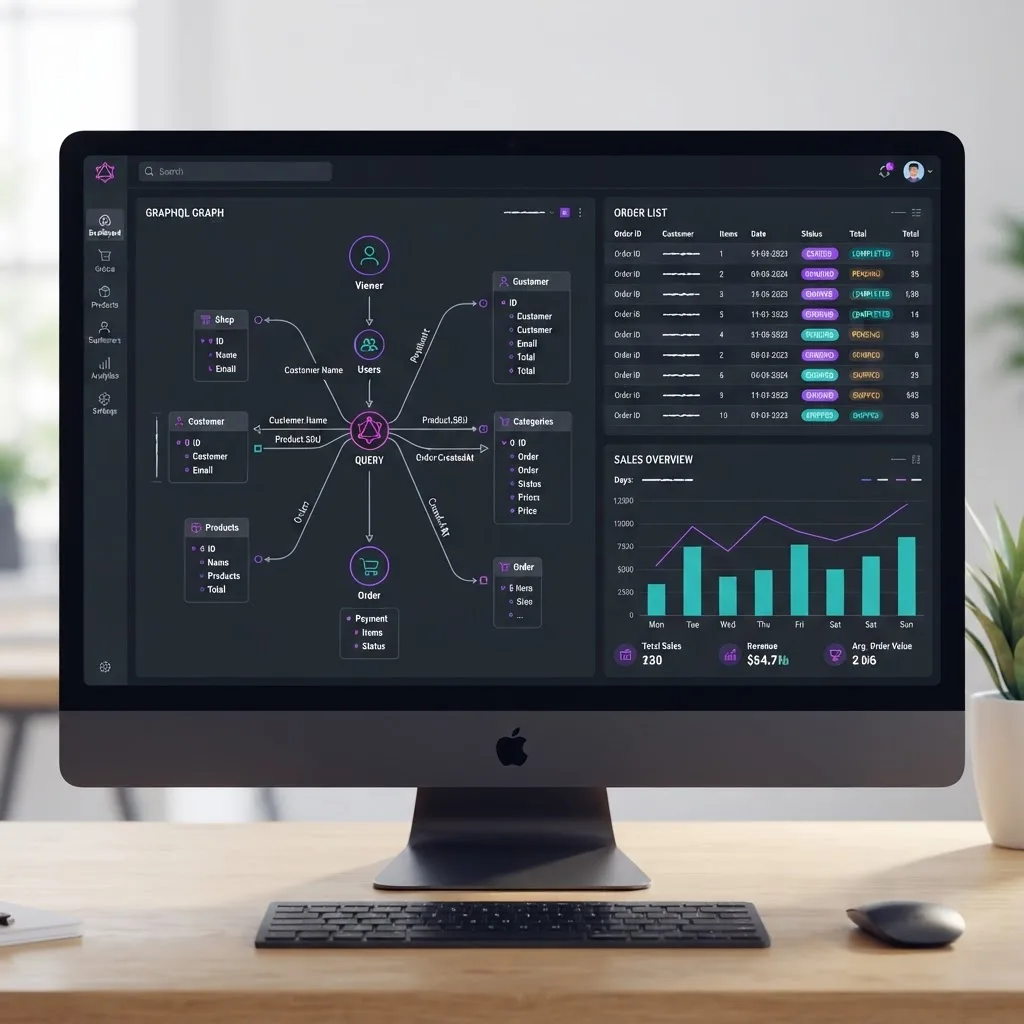
BigCommerce is the most underrated option for B2B. Customer groups, price lists, quantity breaks, purchase orders and quote flows are native rather than bolted on, and there are no platform transaction fees on top of your payment processor. Its GraphQL Storefront API also allows progressive adoption, so you can run a headless product page while the rest of the site stays on the stencil theme.
Where it breaks: the developer community and documentation depth trail Shopify, so unusual problems take longer to solve.
5. Medusa
Medusa is an open source Node commerce engine you run yourself. You get complete control of the data model, modules and business logic, plus no per order platform fee. That control is real, and so is the operational cost: you own upgrades, scaling, backups, PCI considerations and uptime.
Where it breaks: teams underestimate operations. Medusa makes sense when your commerce logic is genuinely non standard, for example rental, marketplace splits or usage based billing, and when you have a DevOps owner. Otherwise a SaaS core is cheaper in total cost.
How to Choose in Five Steps
- Count your real SKU and variant complexity, including bundles, kits and regional pricing. Complexity above a few thousand variant combinations pushes you toward commercetools or BigCommerce.
- Decide who owns checkout. If you cannot staff PCI conscious payment work, keep a hosted checkout and remove Medusa and raw commercetools from consideration.
- Audit your team. A two developer team should not run a self hosted engine and a custom OMS at the same time.
- List every non commerce system that must integrate: ERP, PIM, tax, 3PL, CRM. The platform with existing connectors for two of those saves months.
- Price the three year total, including platform fees, hosting, apps, and the engineering hours to maintain the frontend.
Performance: What Headless Actually Buys You
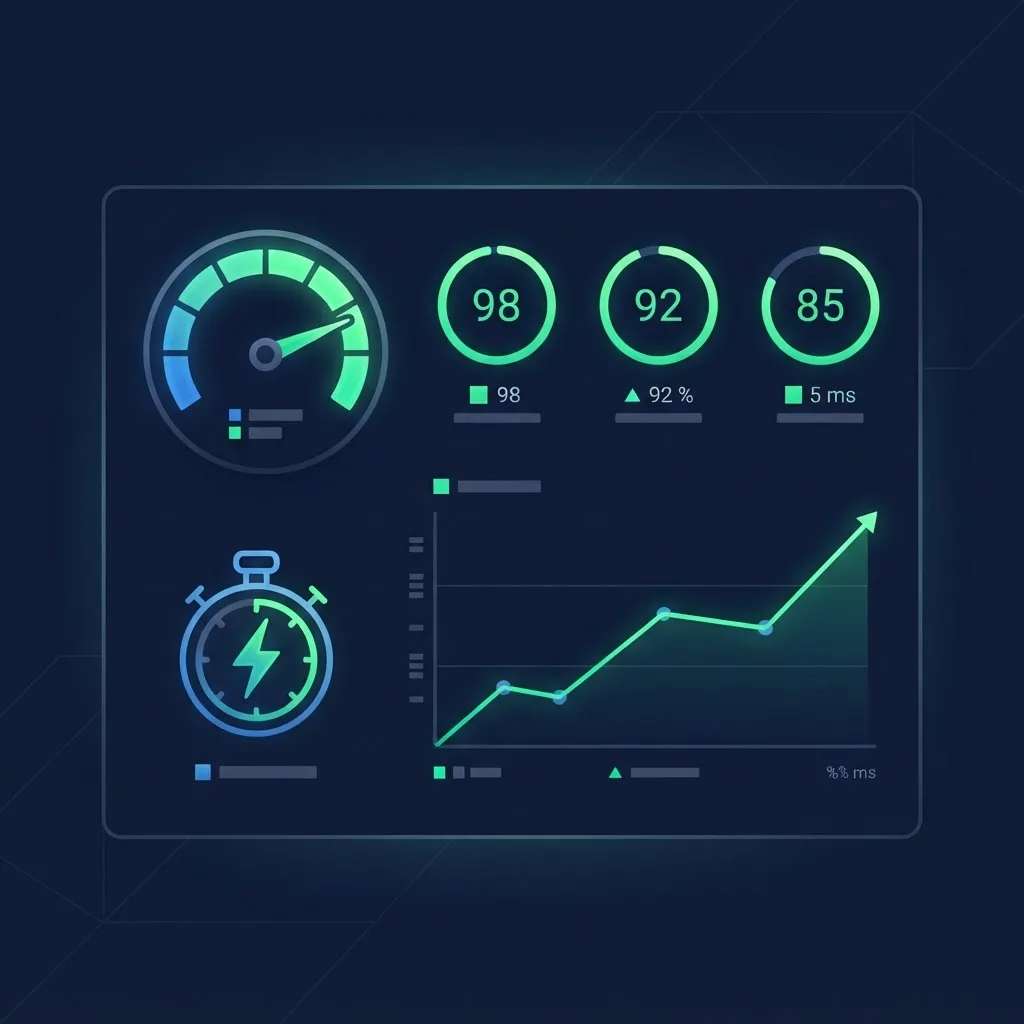
Headless gives you control, not speed. A poorly cached headless storefront is slower than a well tuned template because every page becomes an API waterfall. The teams that win follow three habits: render product and collection pages statically or with incremental regeneration, keep live API calls limited to cart, inventory and pricing, and stream anything below the fold.
Measure with field data rather than lab scores. Track Largest Contentful Paint, Interaction to Next Paint and Cumulative Layout Shift from real users, and set an alert on the 75th percentile. That single practice catches most regressions before revenue notices.
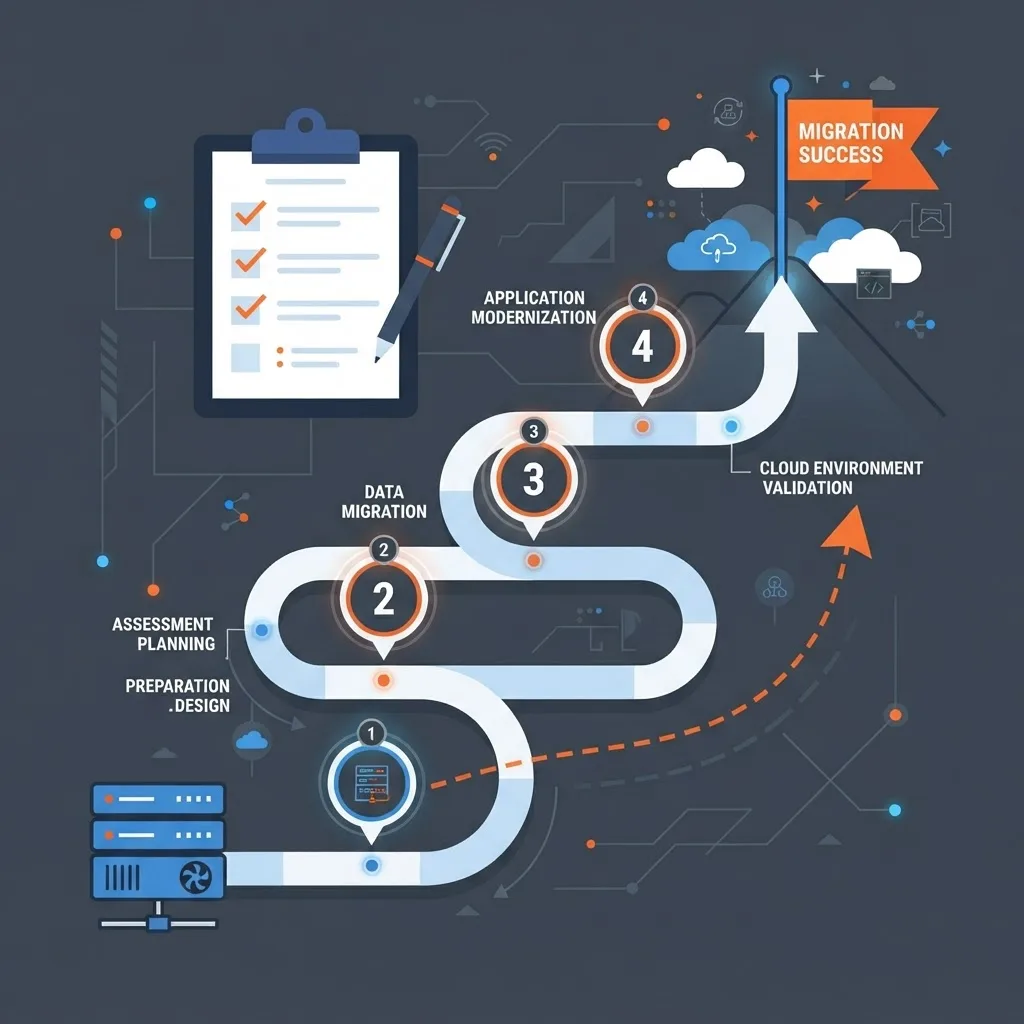
A Migration Roadmap That Does Not Break Revenue
Do not rebuild everything at once. The lowest risk path is incremental.
- Freeze non essential theme work and inventory every existing URL and redirect.
- Move one high traffic template first, usually the blog or a landing route, and validate rendering, analytics and indexing.
- Move collection and product pages, keeping the existing checkout untouched.
- Port cart and account flows last, behind a feature flag for a percentage of traffic.
- Preserve structured data, canonical tags and pagination exactly as they were before switching DNS.
Migration is also the moment to align acquisition, because a faster storefront changes what your campaigns can profitably bid. Pair the technical work with data-driven marketing so the traffic mix matches the new experience, and if you are still mapping internal ownership of that function you can learn more about where the consultant role sits in ecommerce taxonomy.
Costs and Hidden Tradeoffs
The recurring surprises are consistent across projects. Merchandisers lose visual page editing unless you pair the platform with a CMS that supports preview. Every third party app you relied on must be replaced with an API integration. Preview environments, image pipelines and search all become line items. Plan for a CMS, a search provider and an observability tool as part of the baseline budget, not as extras.
If your internal team is already at capacity, working with a senior Next.js development agency is usually cheaper than a nine month internal learning curve on the same stack.
Key Takeaways
- Shopify Storefront API suits most brands under roughly 50,000 SKUs and keeps PCI scope with the vendor.
- commercetools is built for multi market enterprise catalogs but includes no storefront, CMS or checkout.
- Saleor is GraphQL native end to end and best for teams that prefer building integrations.
- BigCommerce leads on native B2B pricing with no platform transaction fees.
- Medusa gives full code ownership at the cost of full operational responsibility.
- Deloitte measured an 8.4 percent retail conversion lift from a 0.1 second mobile speed improvement, which is why rendering control matters.
Frequently Asked Questions (FAQ)
What is the best headless ecommerce platform overall?
Shopify with the Storefront API is the best overall choice for most merchants because it combines a stable GraphQL API, a hosted compliant checkout and the largest integration ecosystem. Enterprises with multi market catalogs and dedicated platform teams get more long term flexibility from commercetools instead.
Is headless ecommerce better for SEO?
It can be, but only when implemented carefully. Headless lets you control rendering, metadata, structured data and Core Web Vitals directly. Poorly executed builds lose rankings through client only rendering, missing redirects or broken canonicals. Server render every indexable page and preserve your existing URL structure.
How much does a headless ecommerce build cost?
Budget in three parts: platform fees, frontend build and ongoing maintenance. A focused Shopify headless storefront typically starts in the low tens of thousands, while enterprise commercetools programmes run substantially higher. Always add fifteen to twenty percent annually for maintenance, dependency upgrades and API version updates.
Do I lose Shopify checkout if I go headless?
No. You can keep the hosted Shopify checkout and simply hand the cart over to it, which preserves wallets, fraud tooling and PCI scope. Fully custom checkouts are possible on Shopify Plus, but most brands see better conversion by keeping the optimised hosted flow.
Can a small team maintain a headless store?
Yes, if you choose a SaaS commerce core and avoid self hosting. A team of one or two developers can maintain a Shopify or BigCommerce headless storefront comfortably. Self hosted engines like Medusa need dedicated operations capacity for upgrades, scaling and incident response.
When should I not go headless?
Skip headless if a standard theme already meets your design needs, your catalog is simple and your traffic comes mainly from one channel. In that scenario the extra engineering cost buys little. Go headless when performance, multi surface delivery or custom merchandising blocks growth.
Final Verdict
Pick the platform that matches your constraints rather than the one with the loudest architecture story. Shopify for speed to market, commercetools for enterprise catalog depth, Saleor for GraphQL purity, BigCommerce for B2B and Medusa for total control. Then invest the saved time in caching, observability and merchandising tooling, because that is where headless storefronts actually win.