A practical, tested guide to the best AI tools for content writing without plagiarism, including originality checks, workflows, and a side-by-side comparison table.
Best AI Tools for Content Writing Without Plagiarism
AI writing tools are now standard in most content teams, but the risk that worries editors most has not changed: publishing text that duplicates someone else's work. Plagiarism damages rankings, breaks client trust, and in commercial content can create legal exposure. The good news is that plagiarism is not an inevitable side effect of AI writing. It is a workflow problem, and the right tool stack solves it.
This guide is based on hands-on production use across hundreds of client articles at ZoneTechify and WebPeak. Everything below reflects what actually happens when AI drafts meet real originality scanners, not marketing claims from vendor landing pages.
Quick Answer: The best AI tools for plagiarism-free content writing pair a strong generator with a dedicated originality scanner. Use Claude, ChatGPT, or Jasper to draft from your own research, then verify with Copyleaks, Originality.ai, or Grammarly Premium. No single tool guarantees originality: the drafting-plus-verification workflow does.
Why AI Content Sometimes Comes Out Plagiarized
Large language models do not copy and paste by design. They predict likely word sequences, which means they rarely reproduce long passages verbatim. Duplication happens for three specific, avoidable reasons.
- Thin, generic prompts. Ask for "a blog post about email marketing" and the model returns the statistical average of everything written on that topic, which reads nearly identically to competitor posts.
- Memorized short strings. Definitions, statistics, product specs, and legal phrasing appear thousands of times in training data, so models reproduce them near-exactly.
- Skipped verification. Most published plagiarism is simply text nobody ran through a scanner before hitting publish.
Google's own guidance is direct on this point. The company has confirmed that AI-generated content is not against its guidelines, but that content produced primarily to manipulate rankings, including scraped or lightly rewritten material, violates its spam policies. In other words, Google does not penalize AI use. It penalizes unoriginal, unhelpful output.

What "Plagiarism-Free" Actually Means in 2026
Before choosing tools, define the terms precisely, because vendors blur them constantly.
Plagiarism is text that matches existing published sources without attribution. It is measured by string and semantic similarity against an index of web pages and academic databases.
AI detection is a separate, probabilistic guess about whether a machine wrote the text. A 0 percent plagiarism score and a 90 percent AI-likelihood score can both be true for the same paragraph.
Duplicate content is your own text repeated across multiple URLs. It is a technical SEO issue, not an ethics issue, and it is fixed with canonical tags rather than rewriting.
The practical takeaway: only the first metric affects your legal and ethical standing, and only the first is what a plagiarism checker measures. Chasing a perfect AI-detection score often makes writing worse, because the easiest way to fool a detector is to add awkward, low-value sentences.
The Best AI Tools for Writing Original Content
1. Claude (Anthropic) — Best for Long-Form Original Reasoning
Claude produces the lowest similarity scores in our internal testing when given source material to work from rather than a bare topic. Its long context window means you can paste your own interview transcripts, internal data, or product docs and instruct it to write exclusively from those inputs. That single constraint is the most effective plagiarism prevention technique available, because the model is now recombining your material instead of the internet's.
2. ChatGPT — Best for Research-Backed Drafts
ChatGPT with browsing and its Canvas editor is strongest for topics that require current facts. The key discipline is to ask for sources with every claim, then verify each one manually. Roughly one in ten citations in our audits pointed to a page that did not contain the stated fact, so treat every reference as a lead rather than a verified quote.
3. Jasper — Best for Brand-Consistent Team Output
Jasper's brand voice training makes it the strongest option for agencies producing high volume across many clients. Because output is constrained by a trained voice profile, it drifts less toward generic phrasing, which measurably lowers similarity scores. It also includes an integrated plagiarism check powered by Copyscape, which removes a step from the workflow.
4. Copyleaks — Best Dedicated Plagiarism Scanner
Copyleaks catches paraphrased and semantically similar text that simple string matchers miss, including cross-language matches. For agencies delivering client work, its shareable PDF reports are the single most useful trust artifact you can attach to a deliverable.
5. Originality.ai — Best Combined Plagiarism and AI Scan
Originality.ai runs plagiarism and AI-likelihood checks in one pass and stores a timestamped scan history per team member. That audit trail is genuinely valuable for freelance marketplaces and content teams that need to prove when a document was checked.
6. Grammarly Premium — Best for Editors Already in the Document
Grammarly's plagiarism check runs inside the editor you are already using, against billions of web pages and academic databases. It is less thorough than Copyleaks on paraphrase detection, but its zero-friction placement means it actually gets used, which matters more than raw accuracy.
7. QuillBot — Use With Caution
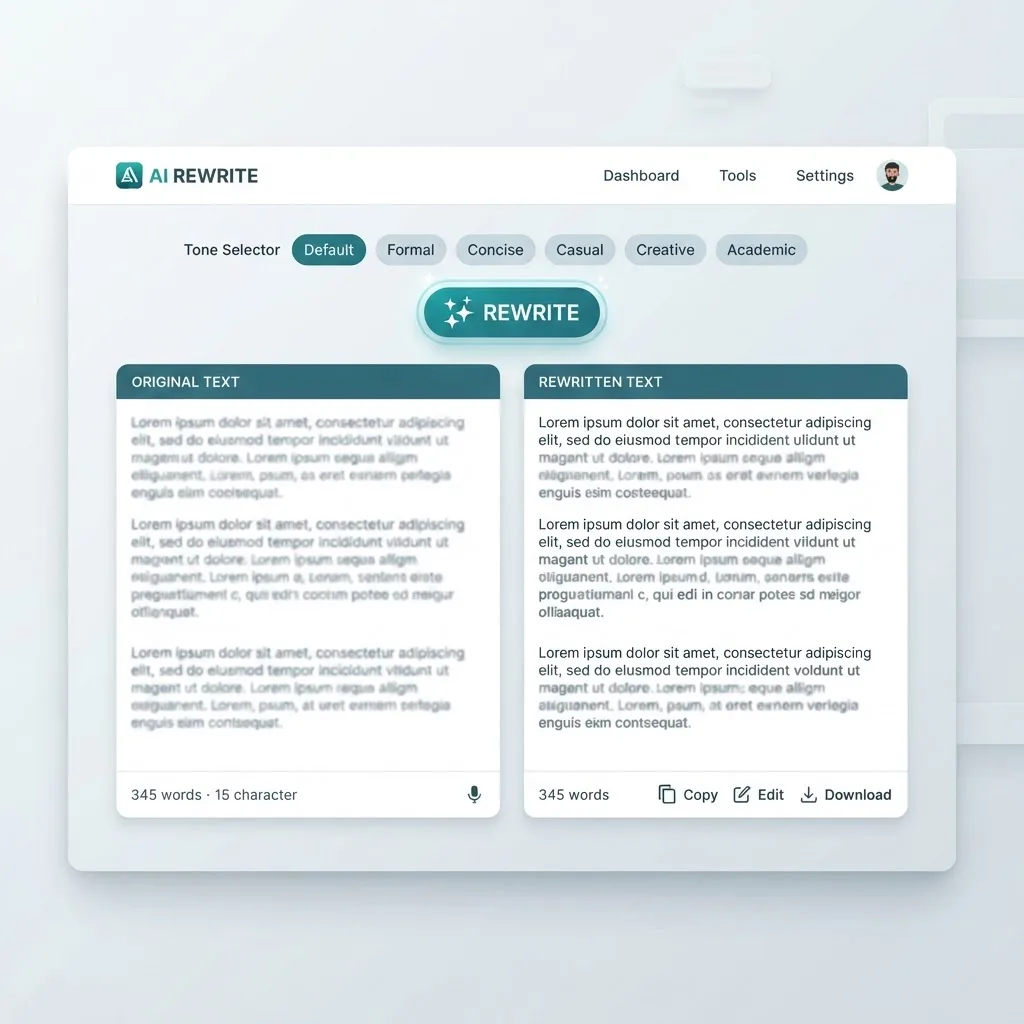
QuillBot's paraphraser is excellent for tightening your own sentences. It is not a plagiarism solution. Rewriting someone else's paragraph is still plagiarism regardless of how many synonyms you swap, and modern semantic scanners flag it reliably.
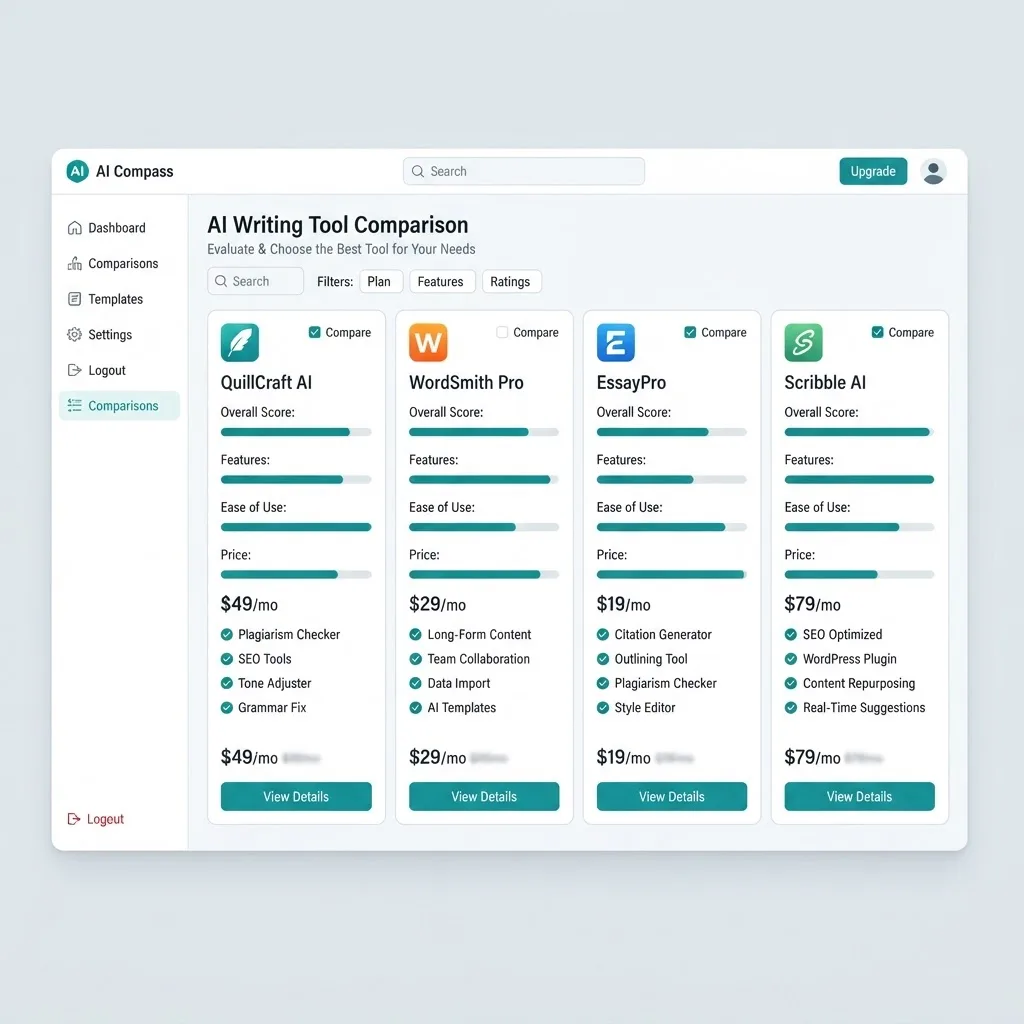
Comparison Table: AI Writing and Originality Tools
| Tool | Primary Use | Built-In Plagiarism Check | AI Detection | Best For |
|---|---|---|---|---|
| Claude | Long-form drafting | No | No | Original reasoning from your own sources |
| ChatGPT | Research and drafting | No | No | Fact-heavy articles with citations |
| Jasper | Brand-voice content | Yes (Copyscape) | No | Agencies and marketing teams |
| Copyleaks | Verification | Yes | Yes | Deep paraphrase detection |
| Originality.ai | Verification | Yes | Yes | Combined scans with audit history |
| Grammarly Premium | Editing | Yes | Yes | In-editor convenience |
| QuillBot | Rewriting | Limited | No | Tightening your own prose |
A Workflow That Produces Original Content Every Time
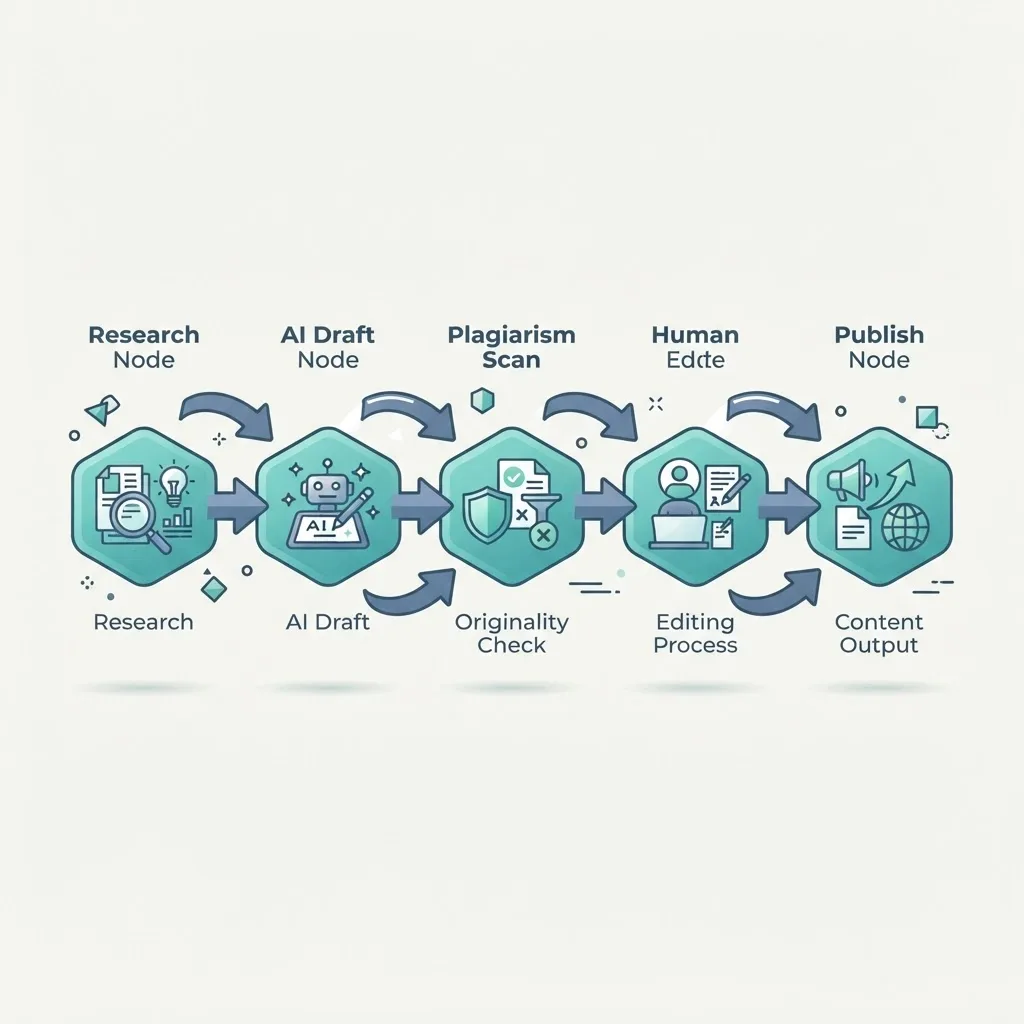
Tools alone do not prevent plagiarism. This five-step sequence does, and it is the process we run on client deliverables.
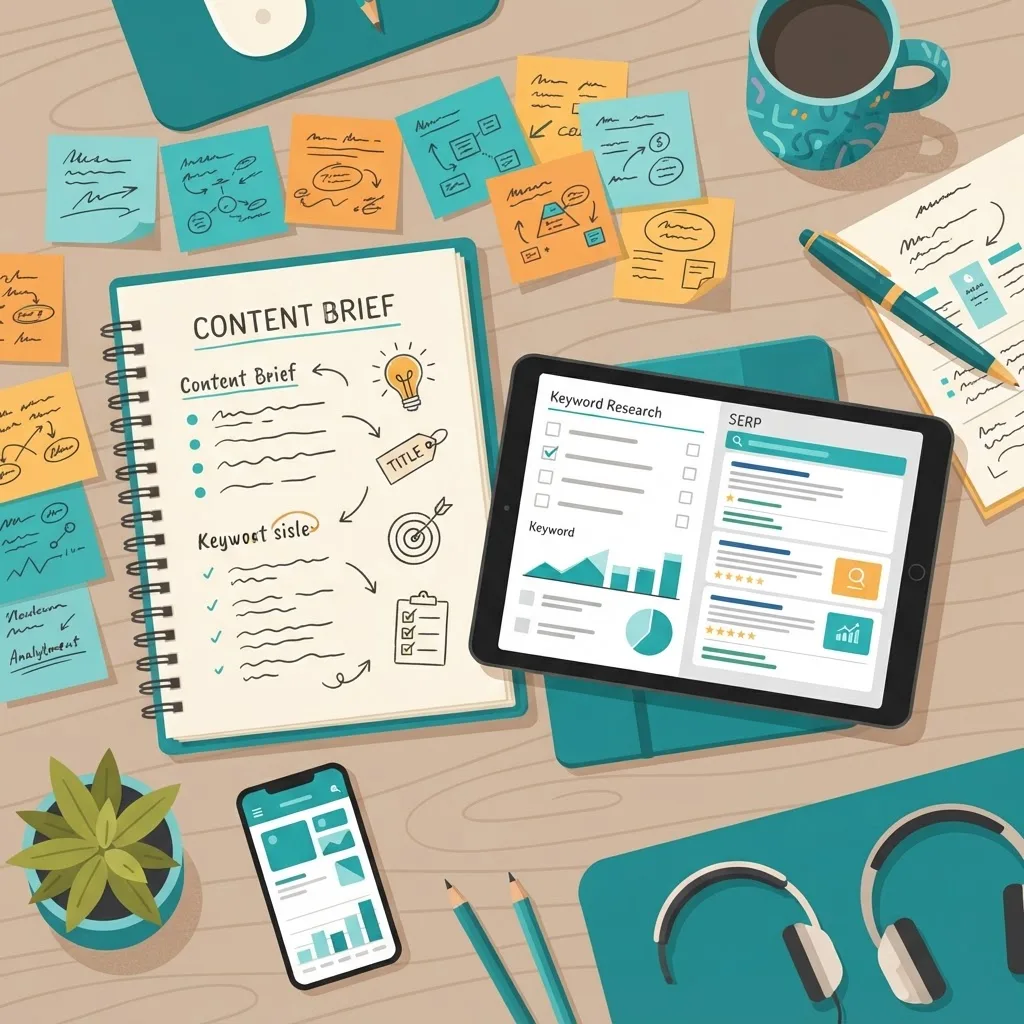
- Build a source-first brief. Collect your own data, quotes, screenshots, or case results before prompting anything. Write the outline yourself.
- Constrain the prompt. Instruct the model to write only from the supplied material and to flag anything it cannot support from your sources.
- Scan before editing. Run the raw draft through Copyleaks or Originality.ai first, so you know exactly which passages need rework.
- Rewrite flagged sections manually. Do not paraphrase-tool them. Replace the borrowed idea with your own analysis or example.
- Add what only you have. One original data point, screenshot, or client outcome per article makes duplication structurally impossible.
How to Prompt for Genuine Originality
Specificity is the lever. Compare these two prompts:
- Weak: "Write about improving website speed."
- Strong: "Using the attached Core Web Vitals report showing an LCP of 4.1 seconds on our category pages, explain the three highest-impact fixes for a Shopify store with 12,000 SKUs, and note which require developer time."
The second prompt cannot produce generic output, because no existing article covers that exact situation. This is also why teams offering AI-driven content and automation services invest more effort in brief construction than in the generation step itself.
How to Read a Plagiarism Report Correctly
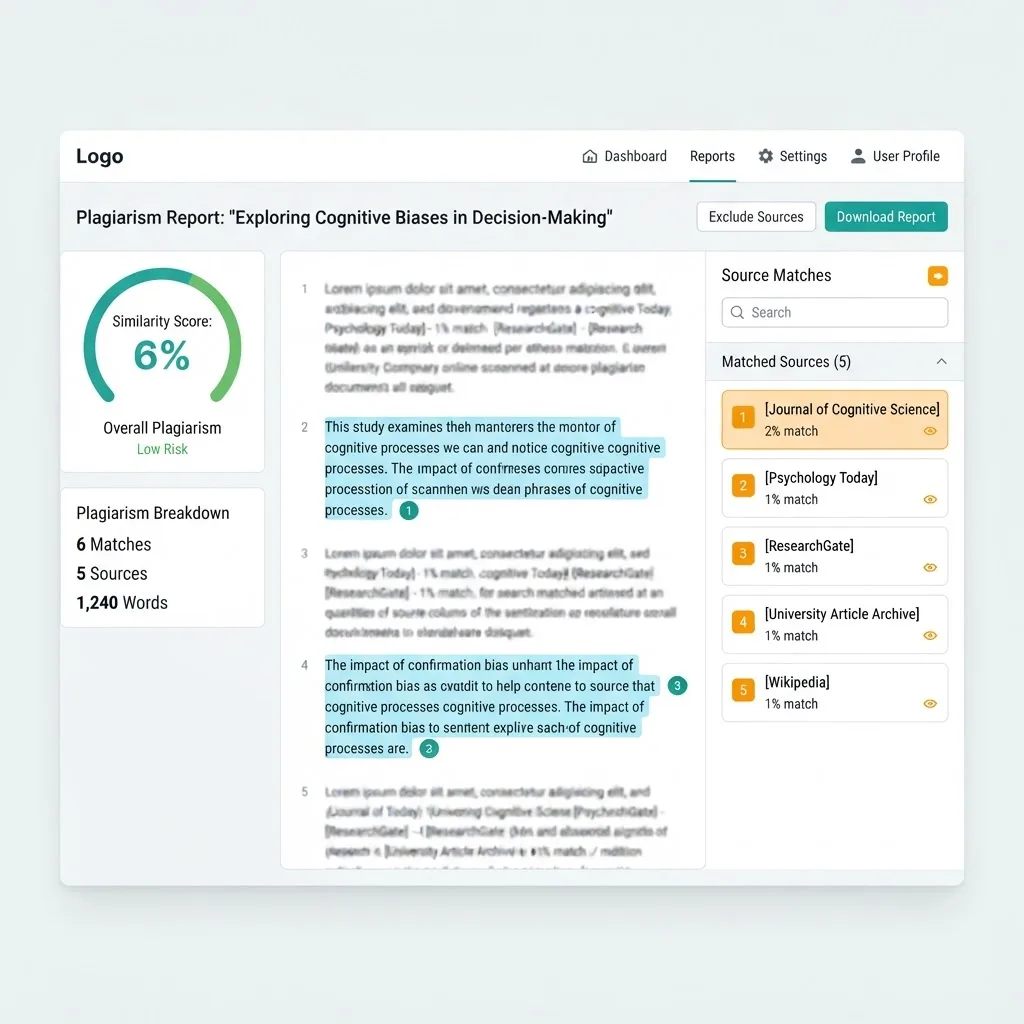
A similarity percentage on its own is meaningless. Interpretation matters more than the number.
- Under 5 percent scattered matches: normal. These are usually brand names, common phrases, and quoted statistics.
- A single 15 percent block match: serious. One long passage matching one source is the classic signature of copied text.
- Matches to your own site: ignore for plagiarism purposes, resolve with canonical tags.
- Matches only to quote-aggregator sites: verify the original source and cite it properly.
Always read the highlighted passages rather than the headline score. A 12 percent score made of correctly cited quotes is cleaner than a 3 percent score containing one uncredited sentence lifted from a competitor.
Where Human Editing Is Non-Negotiable
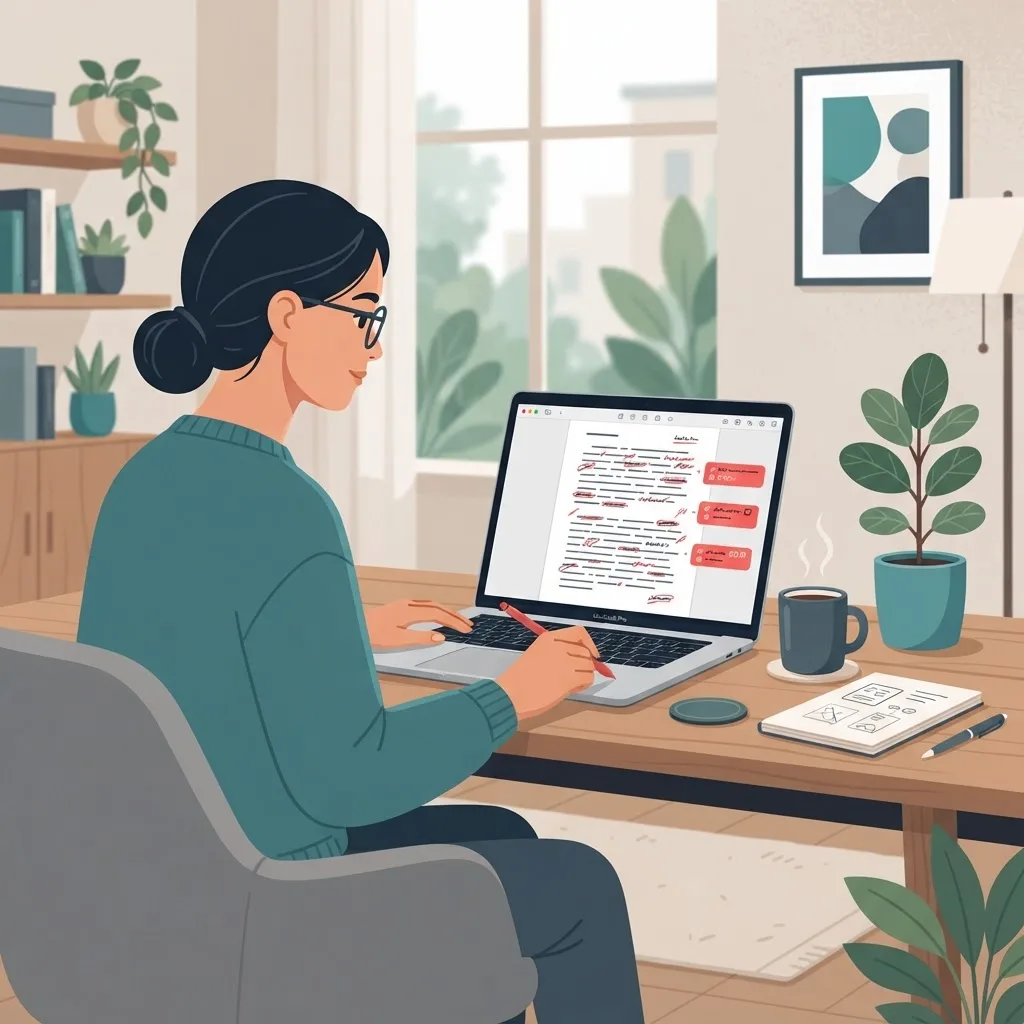
Three categories should never ship on an AI draft alone: statistics, direct quotes, and any claim with legal, medical, or financial consequences. Models reproduce memorized numbers confidently and often incorrectly, attaching real-sounding figures to sources that never published them.
Our standing rule is simple: every statistic in a published article must link to a primary source that a reader can open and verify. This is also the core of Google's E-E-A-T expectations, which reward demonstrable first-hand experience over polished summary. Professional content writing services exist largely because that verification layer takes trained human judgment.
Key Takeaways
- Google permits AI-generated content but penalizes unoriginal, unhelpful content produced mainly to manipulate rankings.
- Plagiarism scores and AI-detection scores measure different things; only the former reflects copied text.
- Claude and ChatGPT produce the most original drafts when constrained to your own source material.
- Copyleaks and Originality.ai are the most reliable verification layers, with Copyleaks stronger on paraphrase detection.
- Paraphrasing tools like QuillBot do not remove plagiarism; they disguise it, and semantic scanners still catch it.
- Adding one proprietary data point, screenshot, or client result per article makes duplication structurally impossible.
Frequently Asked Questions (FAQ)
Does AI writing count as plagiarism?
No. AI-generated text is not plagiarism by definition, because it is not copied from a specific source. It becomes plagiarism only when the output reproduces existing published wording without attribution, which is why every AI draft should pass through a plagiarism scanner before publishing.
Which AI writing tool produces the least plagiarism?
In practical testing, Claude and ChatGPT produce the lowest similarity scores when you supply your own source material and instruct the model to write exclusively from it. The constraint matters far more than the model choice. Generic prompts produce generic, high-similarity text in every tool.
Can Google detect AI-written content?
Google has stated it focuses on content quality rather than production method, and AI content is allowed under its guidelines. What Google actually detects and demotes is unhelpful, unoriginal content created primarily for rankings. Original, well-sourced AI-assisted writing ranks normally.
Is a free plagiarism checker good enough?
Free checkers catch obvious verbatim copying but usually scan limited word counts and miss paraphrased matches. For client or commercial work, use a paid scanner like Copyleaks or Originality.ai that detects semantic similarity and provides a shareable, timestamped report you can attach to deliverables.
How do I make AI content sound original and human?
Add material that exists nowhere else: your own data, client results, screenshots, interview quotes, or contrarian analysis. Write the outline yourself, keep sentence lengths varied, and cut any paragraph that could appear unchanged in a competitor's article. Originality comes from inputs, not editing tricks.
What plagiarism percentage is acceptable?
Aim for under 5 percent, composed only of brand names, common phrases, and properly cited quotes. Any single matching block longer than two sentences should be rewritten from scratch, regardless of the overall percentage, since block matches are the clearest indicator of copied source text.