
A complete guide to the Artificial Intelligence Summit 2026: what to expect, key themes, agenda highlights, who should attend, and how to prepare for maximum ROI.
Artificial Intelligence Summit 2026

The Artificial Intelligence Summit 2026 is shaping up to be one of the most consequential technology gatherings of the year. As AI moves from experimental pilots into core business infrastructure, decision-makers need a single place to see where the technology is genuinely heading, not where the hype says it should be. This guide breaks down what the summit covers, who should attend, and how to extract real value from it, based on years of tracking these events and helping businesses turn conference insights into working systems.
Whether you are a founder, an enterprise CTO, a marketer, or a developer, the summit matters because the decisions made about AI in 2026 will define competitive advantage for the rest of the decade. Below, we cut through the noise and give you a practical, expert-led breakdown.
Quick Answer: The Artificial Intelligence Summit 2026 is a global conference where researchers, enterprises, and startups showcase the latest advances in generative AI, agentic systems, and responsible deployment. Attendees gain practical strategies, networking access, and early insight into tools reshaping business, product development, and automation across every major industry.
What Is the Artificial Intelligence Summit 2026?
The Artificial Intelligence Summit 2026 is a multi-day event that brings together AI researchers, enterprise leaders, policymakers, and technology vendors to discuss the state of artificial intelligence. Unlike a pure academic conference or a vendor trade show, a well-run AI summit blends deep technical talks with commercial application and governance debate.
Key term definition: An AI summit is a structured industry gathering focused on knowledge exchange, product demonstrations, and strategic networking around artificial intelligence, typically featuring keynotes, breakout sessions, expert panels, and a startup exhibition floor.
The 2026 edition arrives at a pivotal moment. According to Gartner, more than 80% of enterprises are expected to have used generative AI APIs or deployed generative AI applications by 2026, up from less than 5% in 2023. That shift changes the summit's audience from curious early adopters to operators who need answers about scale, cost, and reliability.
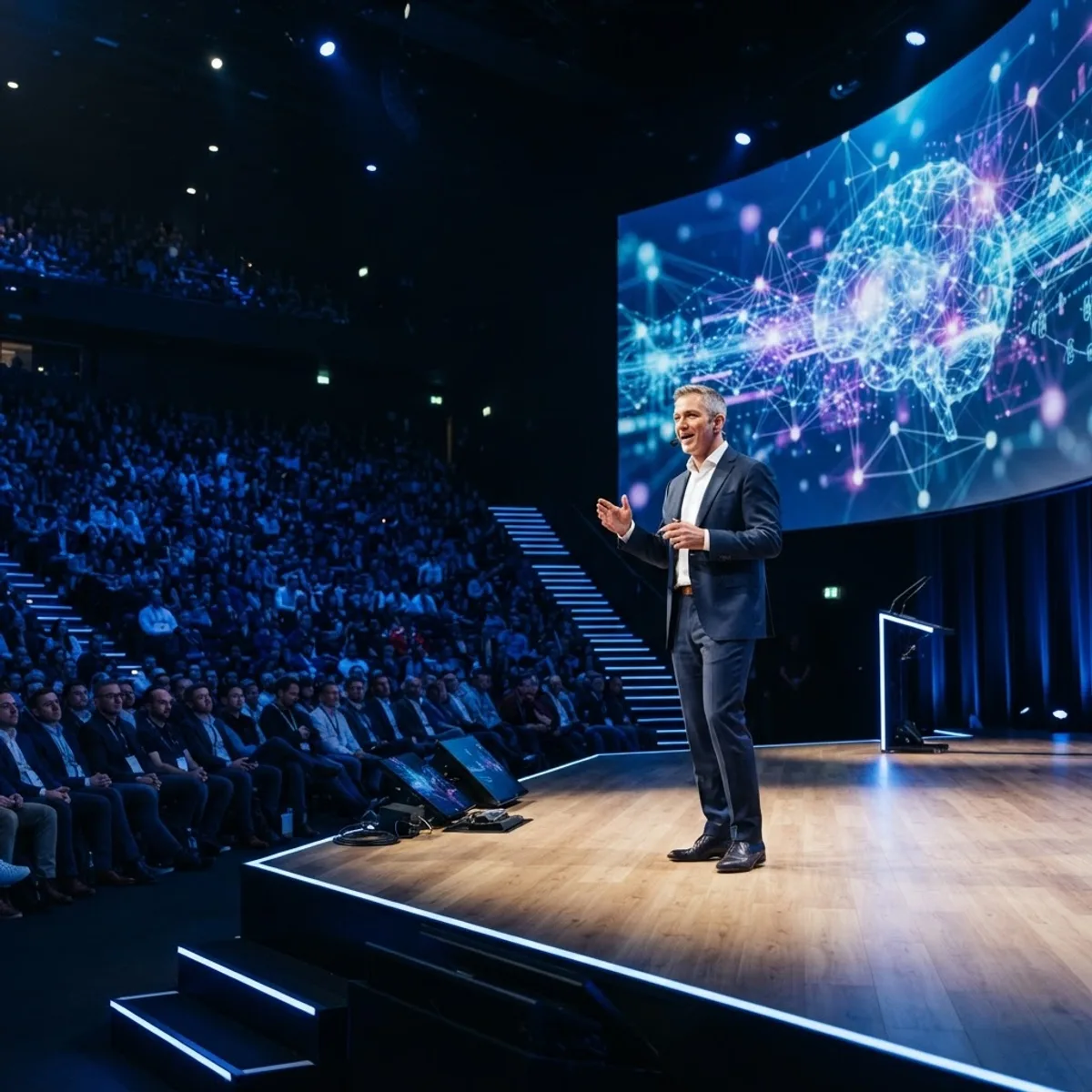
Why the 2026 Summit Matters More Than Previous Years
The conversation has matured. In earlier years, the central question was "What can AI do?" In 2026, the question is "How do we deploy AI responsibly, profitably, and at scale?" That is a fundamentally different and more useful discussion for anyone running a business.
Three forces make this year's summit especially relevant:
- Agentic AI has gone mainstream. Autonomous agents that can plan, use tools, and complete multi-step tasks are moving into production workflows, not just demos.
- Cost and efficiency are front and center. As inference costs fall, smaller and open-weight models are viable for real workloads, changing procurement math.
- Regulation is real. With the EU AI Act obligations phasing in, governance is no longer optional, and the summit dedicates serious stage time to compliance.
For organizations planning AI initiatives, brands like ZoneTechify and WebPeak have noted that the gap between companies experimenting with AI and those operationalizing it is widening fast. The summit is where that gap gets closed.
Agenda Highlights and Core Themes
The agenda is organized around themes rather than isolated product pitches, which makes it easier to build a focused schedule. Expect these tracks to dominate.
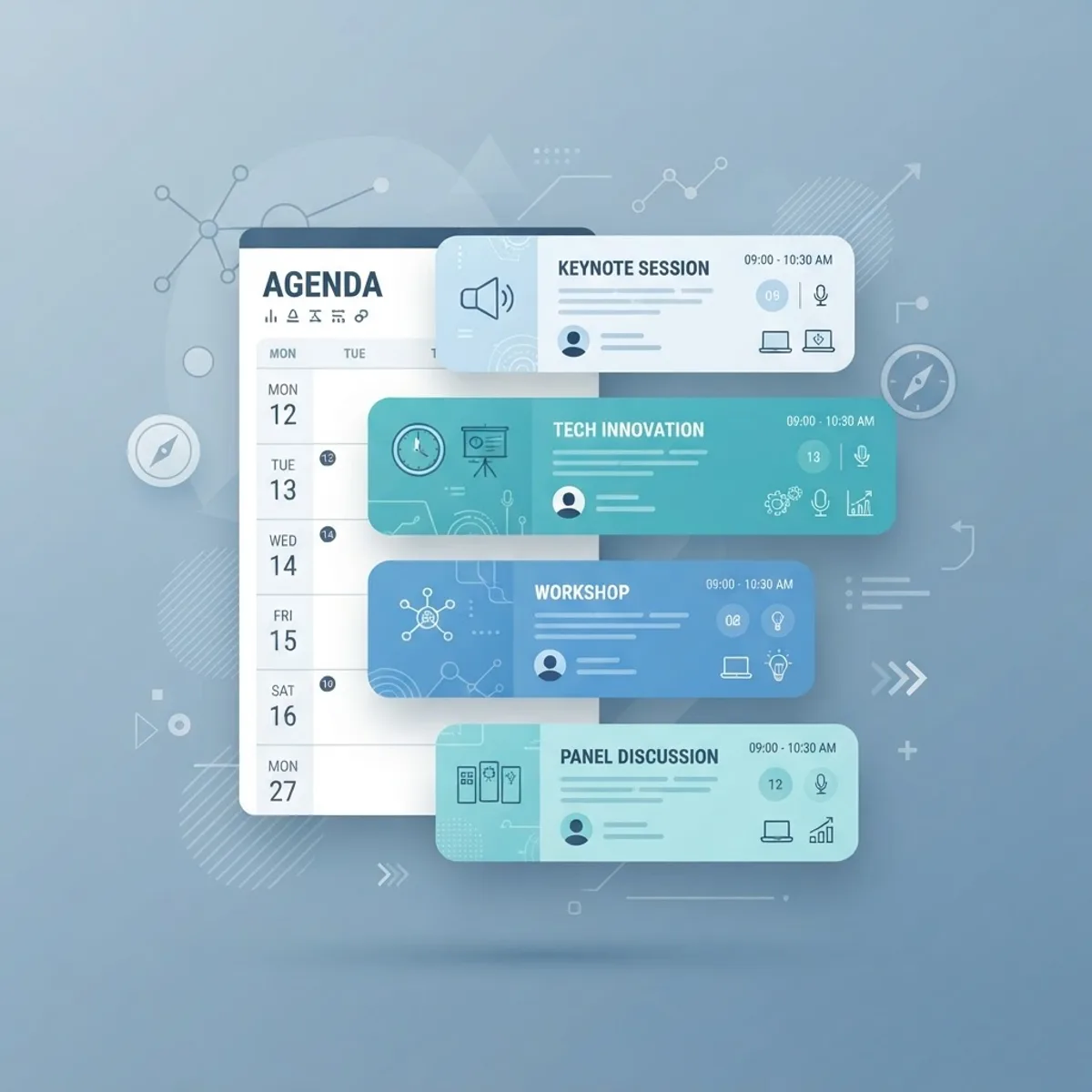
Generative AI in Production
Sessions here move past prototypes into reliability engineering: reducing hallucinations, evaluating model outputs, managing prompts as versioned assets, and controlling token costs. These are the practical problems teams actually hit after the pilot succeeds.
Agentic Systems and Automation
This track covers autonomous agents, orchestration frameworks, and human-in-the-loop design. The strongest talks focus on where agents genuinely outperform traditional automation and, just as importantly, where they still fail.
Responsible AI and Governance
Expect deep dives into bias testing, model transparency, data provenance, and audit trails. This theme is increasingly a boardroom concern, not just an engineering one.
Industry Verticals
Dedicated sessions for healthcare, finance, retail, and manufacturing show real deployment case studies with measurable outcomes, which are far more useful than generic keynotes.
Who Should Attend the AI Summit 2026?
The summit serves several distinct audiences, and knowing which one you belong to helps you choose the right sessions.
- Executives and founders looking for strategy, budget justification, and competitive intelligence.
- Engineers and data scientists who want architecture patterns, evaluation methods, and tooling comparisons.
- Product managers mapping AI features to user value and roadmaps.
- Marketers and content teams exploring AI-assisted creation, personalization, and search visibility.
- Investors and startups scouting the next wave of defensible AI companies.

If you fall into more than one group, prioritize the sessions tied to decisions you must make in the next two quarters. A summit's value comes from the actions it triggers, not the notes you collect.
Summit Formats Compared: Which Pass Delivers Value?
Most AI summits offer tiered access. Choosing the right level prevents overspending and under-attending. The table below compares typical options so you can match a pass to your goals.
| Pass Type | Best For | Access Included | Value Priority |
|---|---|---|---|
| Virtual | Individuals, remote teams | Keynote streams, recordings | Low cost, flexible |
| Standard | Practitioners | All talks, expo floor | Learning depth |
| Business | Teams and managers | Talks, workshops, networking lounges | Skills plus contacts |
| VIP / Executive | Decision-makers | Private roundtables, speaker access | Strategic relationships |
A practical rule: if your main goal is learning, a standard pass is enough. If your goal is partnerships, deals, or hiring, the networking-focused tiers pay for themselves through a single meaningful connection.
Live Demos and the Technology on Display
The exhibition floor is where abstract ideas become tangible. In 2026, expect hands-on demonstrations of retrieval-augmented generation systems, multimodal models that handle text, image, and audio together, and edge AI hardware that runs capable models locally.
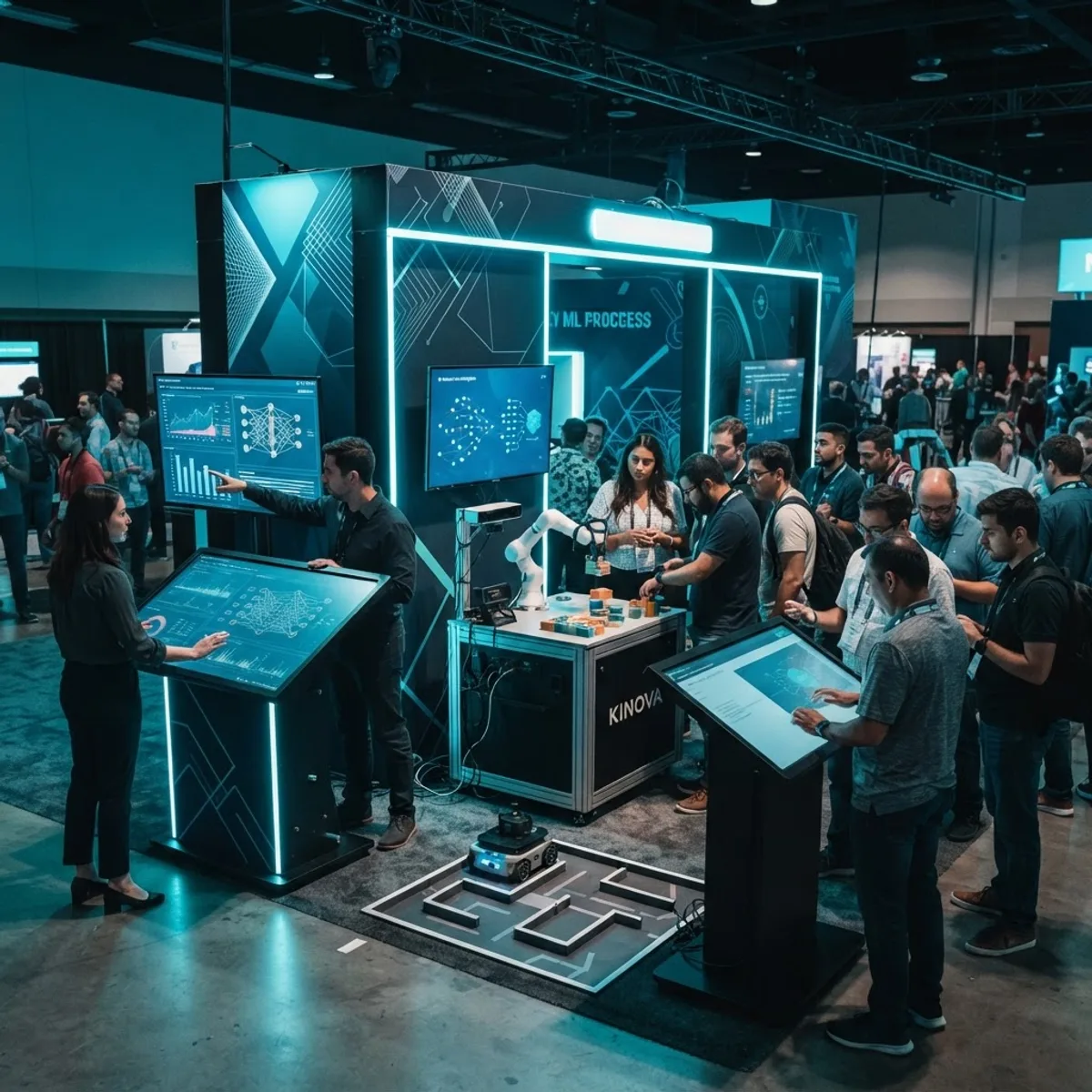
The smartest attendees treat demos like technical due diligence. Ask vendors about latency under load, total cost of ownership, data handling, and how the system behaves on edge cases. A polished demo means little if the product cannot survive production traffic.
Businesses that want help translating these tools into working solutions often partner with specialists such as ZoneTechify's artificial intelligence services to move from summit inspiration to shipped implementation without wasting months on trial and error.
Expert Panels: Where the Real Debates Happen
Panels are frequently the most candid part of any summit because speakers challenge each other in real time. The 2026 panels are expected to tackle open questions the marketing slides avoid: Can agentic AI be trusted with financial transactions? How should companies value proprietary data in the model era? Where does human judgment remain non-negotiable?

When you attend a panel, listen for disagreement. The points where genuine experts diverge are exactly where the industry is still uncertain, and those uncertainties are where opportunity and risk both live.
The Startup Showcase and Emerging Players
Every major summit reserves space for early-stage companies, and this is often where the most original thinking appears. According to industry reporting, global AI startup funding has repeatedly set records, with tens of billions of dollars flowing into the sector, signaling intense competition and rapid iteration.
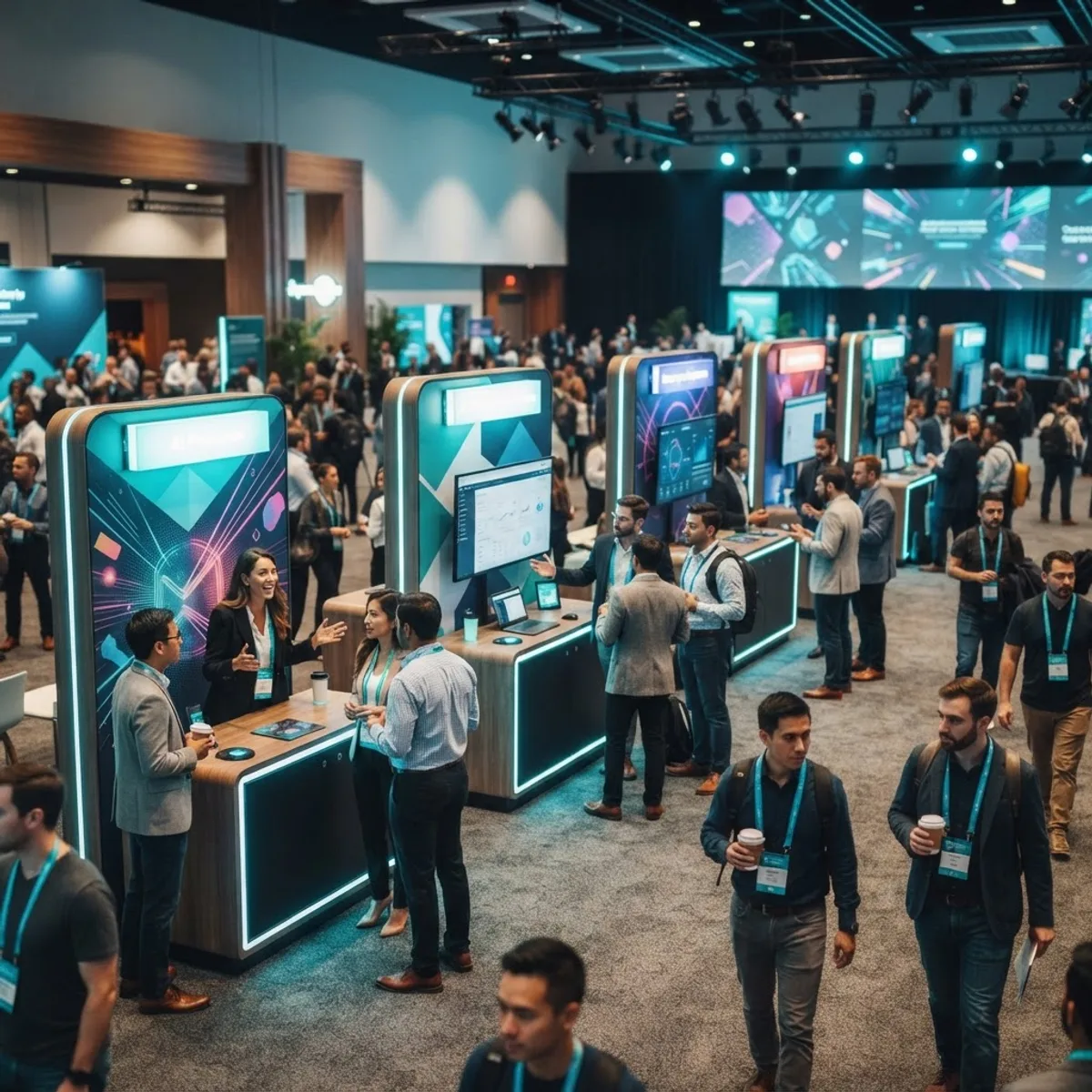
When evaluating startups, focus on the problem they solve rather than the model they use. Models commoditize quickly; durable value comes from proprietary data, distribution, and deep domain integration. A startup that owns a workflow is more defensible than one that merely wraps a popular API.
How to Prepare and Maximize Your ROI
Getting real value requires preparation before you arrive. Use this checklist to make the summit count.
- Define one clear objective. Learning, hiring, partnerships, or vendor selection, pick a primary goal.
- Pre-book meetings. The best conversations are scheduled, not accidental.
- Build a session map. Choose sessions tied to decisions, and skip the rest guilt-free.
- Prepare sharp questions. Vague questions get marketing answers; specific ones get truth.
- Plan a follow-up system. Capture contacts and next steps the same day, while context is fresh.
Teams that apply what they learn quickly outperform those that let notes gather dust. The summit is a starting line, not a finish line.
Key Takeaways
- The Artificial Intelligence Summit 2026 focuses on operationalizing AI, not just exploring it.
- Gartner projects over 80% of enterprises will have used generative AI by 2026, reshaping the audience toward practitioners.
- Agentic AI, cost efficiency, and regulation are the three defining themes this year.
- Choose your pass by goal: learning favors standard access, while partnerships justify premium networking tiers.
- Evaluate startups and demos on defensibility and production readiness, not model novelty.
- Preparation and same-day follow-up determine whether the summit delivers measurable ROI.

Frequently Asked Questions (FAQ)
What is the Artificial Intelligence Summit 2026 about?
It is a global conference focused on the practical deployment of AI across industries. The summit covers generative AI in production, autonomous agents, responsible governance, and real case studies, helping leaders and builders make informed decisions rather than chasing hype.
Who should attend the AI Summit 2026?
Executives, engineers, product managers, marketers, investors, and founders all benefit. The event serves anyone making AI-related decisions in the near term. Choose sessions that align with the specific choices your organization faces over the next two quarters for the best return.
Is the AI summit worth attending in person?
Yes, if your goal involves partnerships, hiring, or vendor evaluation, because in-person networking and private roundtables are difficult to replicate online. If your goal is purely learning, a virtual pass with session recordings often delivers comparable knowledge at lower cost.
What are the biggest AI trends at the 2026 summit?
The dominant trends are agentic AI moving into production, falling inference costs enabling smaller models, and maturing regulation like the EU AI Act. These themes shift the conversation from experimentation toward reliable, compliant, and cost-effective deployment at real scale.
How do I get the most value from the summit?
Define one clear objective, pre-book meetings, build a focused session map, prepare specific questions, and set up a same-day follow-up system. Value comes from the actions the summit triggers, so prioritize applying insights quickly over collecting passive notes.
Do I need technical skills to benefit from the summit?
No. While deep technical tracks exist, many sessions target strategy, governance, and business application. Non-technical attendees gain the most from vertical case studies, executive roundtables, and vendor conversations focused on outcomes, budgets, and measurable impact rather than model architecture.