Discover how artificial intelligence transforms source-to-pay technology, automating procurement, supplier management, invoicing, and payments to cut costs and reduce risk.
Artificial Intelligence Smart Source to Pay Technology
Procurement teams have spent decades wrestling with fragmented spreadsheets, slow approvals, and invoices that vanish into email threads. Artificial intelligence changes that reality. Smart source-to-pay (S2P) technology now connects every stage of buying, from finding a supplier to releasing payment, into one intelligent, self-learning workflow. In this guide, drawn from hands-on experience implementing procurement automation for mid-market and enterprise teams, you will learn exactly how AI reshapes source-to-pay, what results to expect, and how to adopt it without disrupting your finance operations.
Quick Answer: AI smart source-to-pay technology uses machine learning, natural language processing, and automation to manage the full procurement cycle, from sourcing suppliers to paying invoices. It reduces manual work, flags risk, predicts spend, and accelerates approvals, cutting costs while improving accuracy and compliance.
What Is AI Source-to-Pay Technology?
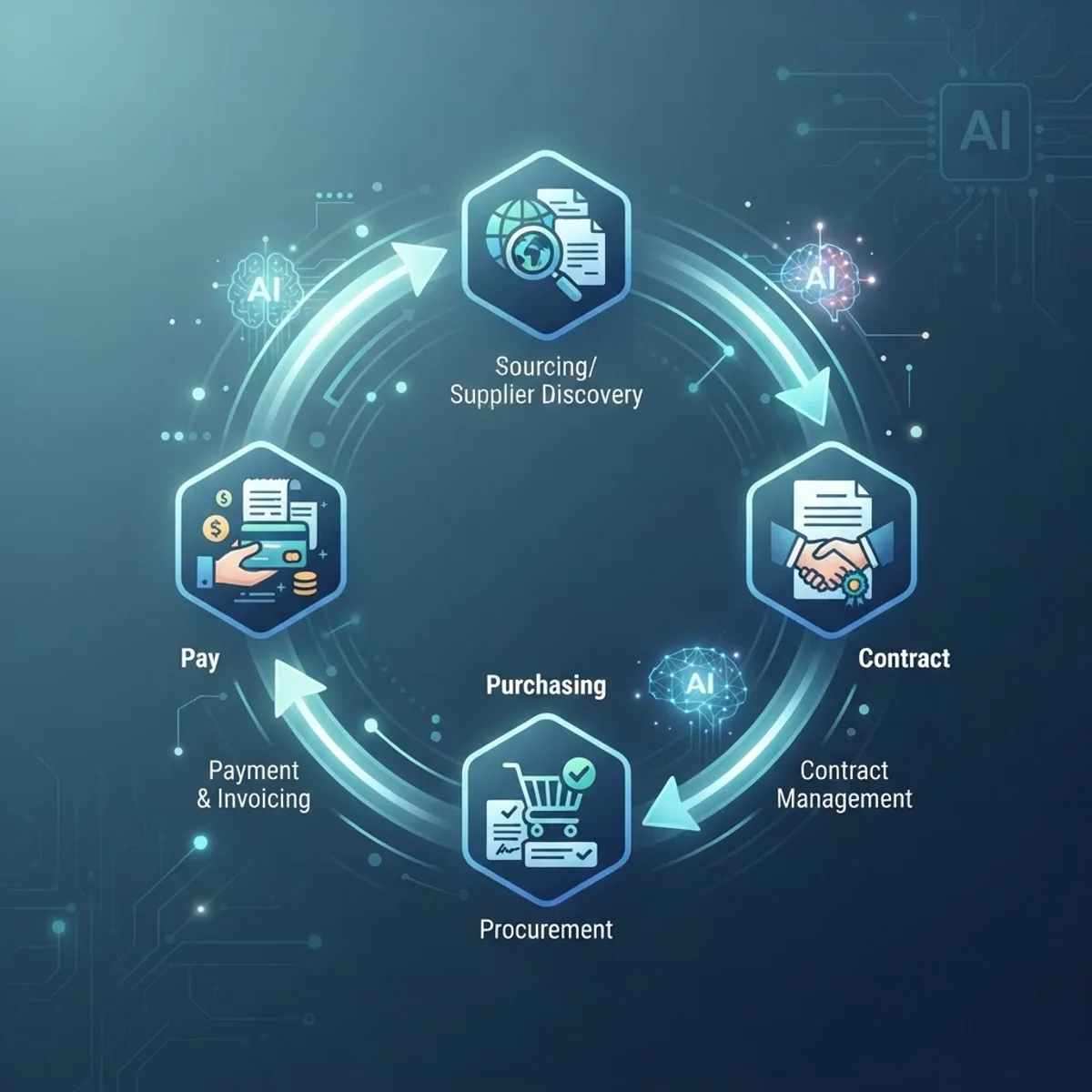
Source-to-pay is the end-to-end process that covers everything from identifying and sourcing suppliers through to settling their invoices. It includes sourcing, contract management, supplier onboarding, purchasing, invoice processing, and payment. AI source-to-pay technology layers machine learning and automation on top of this cycle so the system can read documents, predict outcomes, and make or recommend decisions with minimal human input.
The difference is meaningful. Traditional procurement software stores data and routes tasks. An AI-driven platform interprets that data, learns from patterns, and acts. For example, instead of a buyer manually matching an invoice to a purchase order, the system reads both documents, verifies the line items, and approves the match automatically when everything reconciles. Teams at ZoneTechify increasingly treat this shift as the core of digital procurement, not an optional add-on.
Why Smart Source-to-Pay Matters Now
Cost pressure and supply chain volatility have made efficient procurement a boardroom priority. According to Deloitte's Global Chief Procurement Officer research, the majority of procurement leaders cite cost reduction and operational efficiency as top objectives, yet many still rely on manual processes for core tasks. AI closes that gap directly.
The financial case is strong. According to McKinsey, organizations that apply AI and automation to sourcing and procurement can reduce operational costs in the function by roughly 30% to 40% while accelerating cycle times. When purchase requisitions that once took days are approved in minutes, working capital improves and teams spend time on strategy rather than data entry.
The Core Stages AI Transforms
AI does not replace source-to-pay, it upgrades each stage. Here is where it delivers the most value.
1. Intelligent Sourcing
AI analyzes historical spend, market pricing, and supplier performance to recommend the best vendors for a category. Natural language processing can scan thousands of supplier responses in an RFP and rank them by price, risk, and delivery reliability. This removes bias and shortens sourcing events that previously stretched for weeks.
2. Contract Management
Machine learning reads contracts to extract key clauses, renewal dates, and obligations. It flags non-standard terms and missing indemnities before signing. This protects your organization from silent auto-renewals and unfavorable pricing that often slip through manual review.
3. Supplier Management and Risk
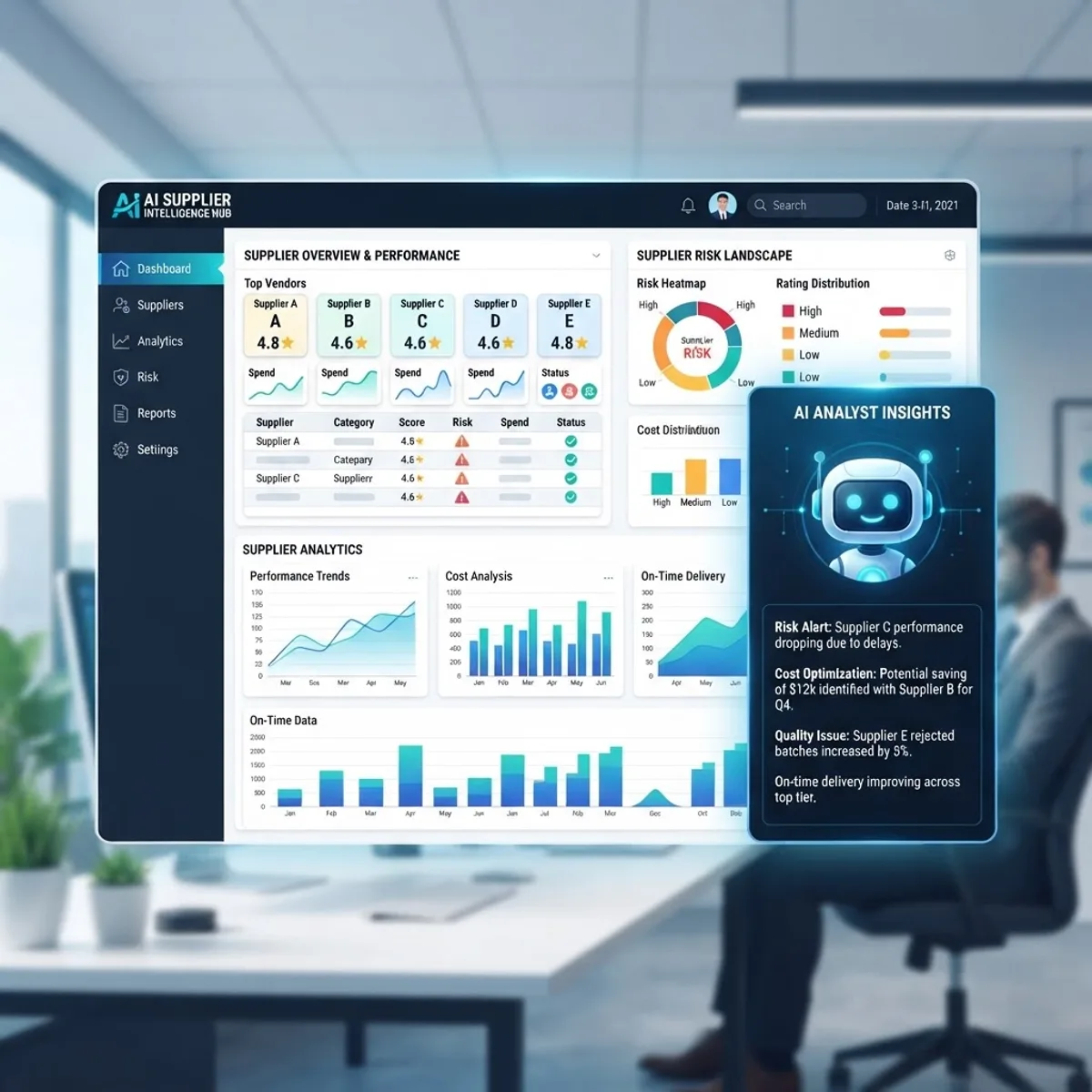
AI continuously monitors suppliers using financial data, news signals, and delivery history to produce live risk scores. If a key vendor shows signs of financial distress or a delivery bottleneck emerges, the system alerts you early enough to find alternatives.
4. Smart Purchasing and Approvals
Guided buying uses AI to steer employees toward preferred, contracted suppliers, improving compliance and capturing negotiated discounts. Approval routing adapts based on amount, category, and policy, so low-risk purchases move fast while exceptions get proper scrutiny.
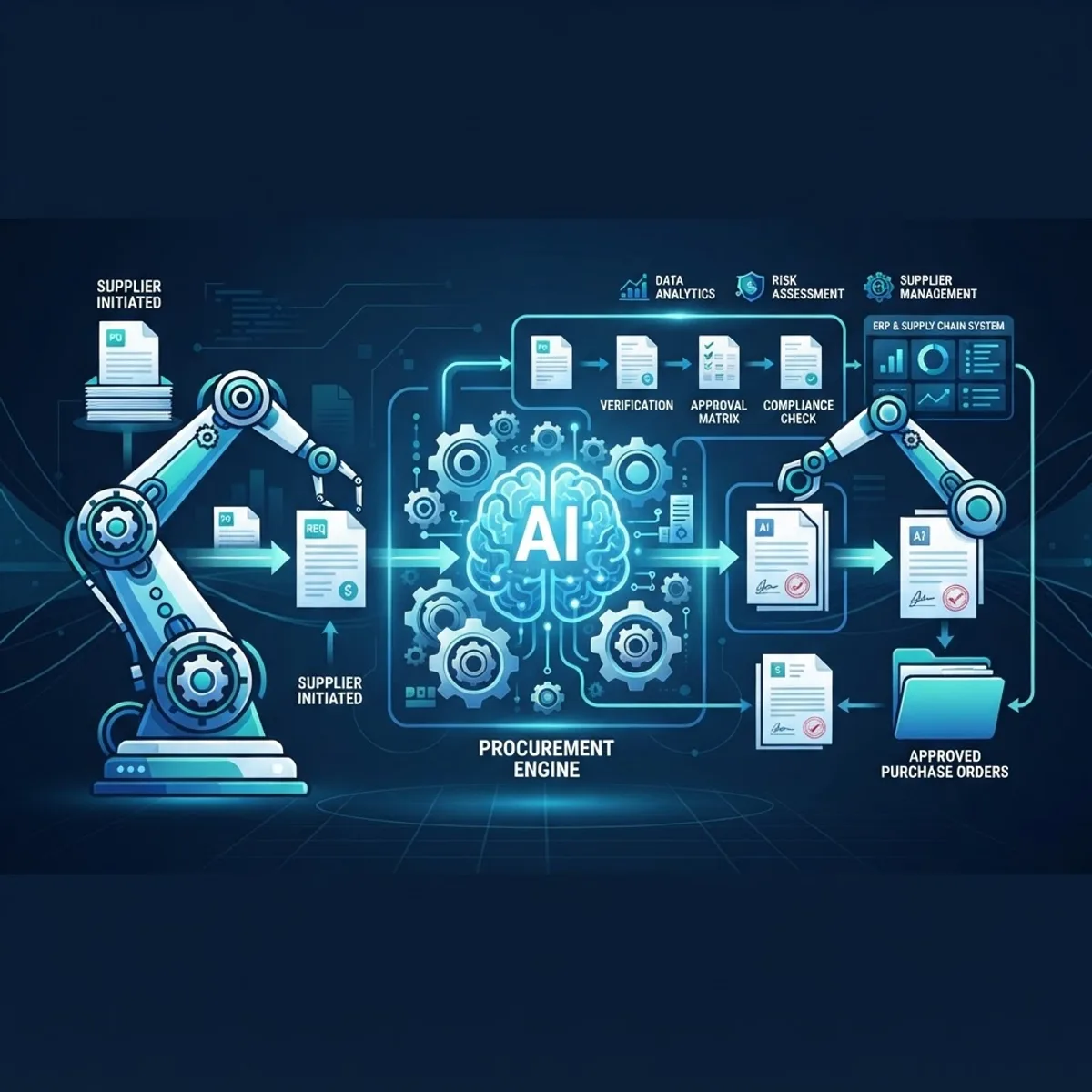
5. Automated Invoice Processing
This is where AI shines brightest. Optical character recognition and machine learning read invoices in any format, extract the data, and perform two-way or three-way matching against purchase orders and receipts. Touchless processing handles clean invoices automatically and escalates only genuine exceptions.
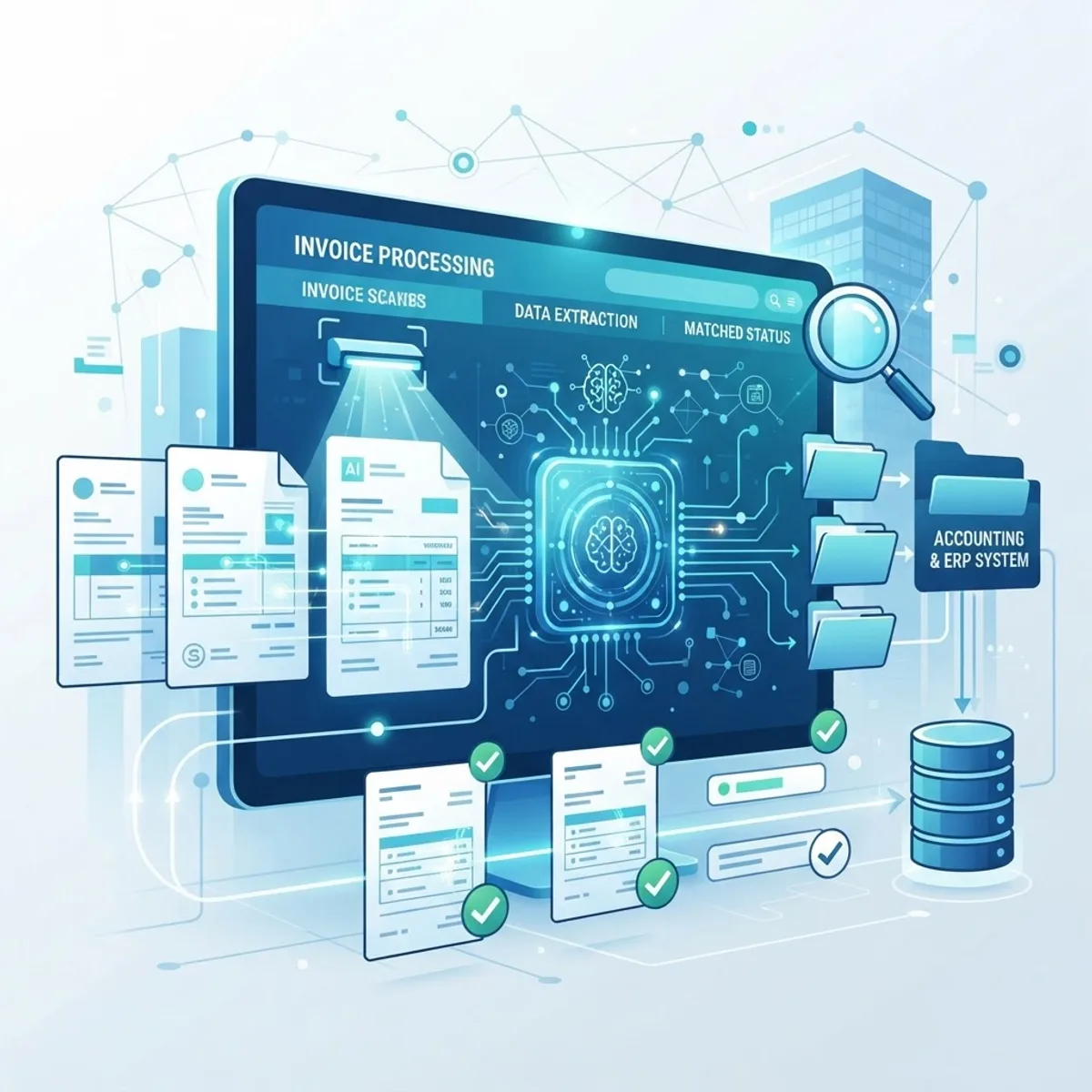
6. Predictive Payments and Analytics
AI forecasts cash flow, recommends optimal payment timing to capture early-payment discounts, and surfaces duplicate or fraudulent invoices. Spend analytics dashboards reveal savings opportunities that would be invisible in raw data.
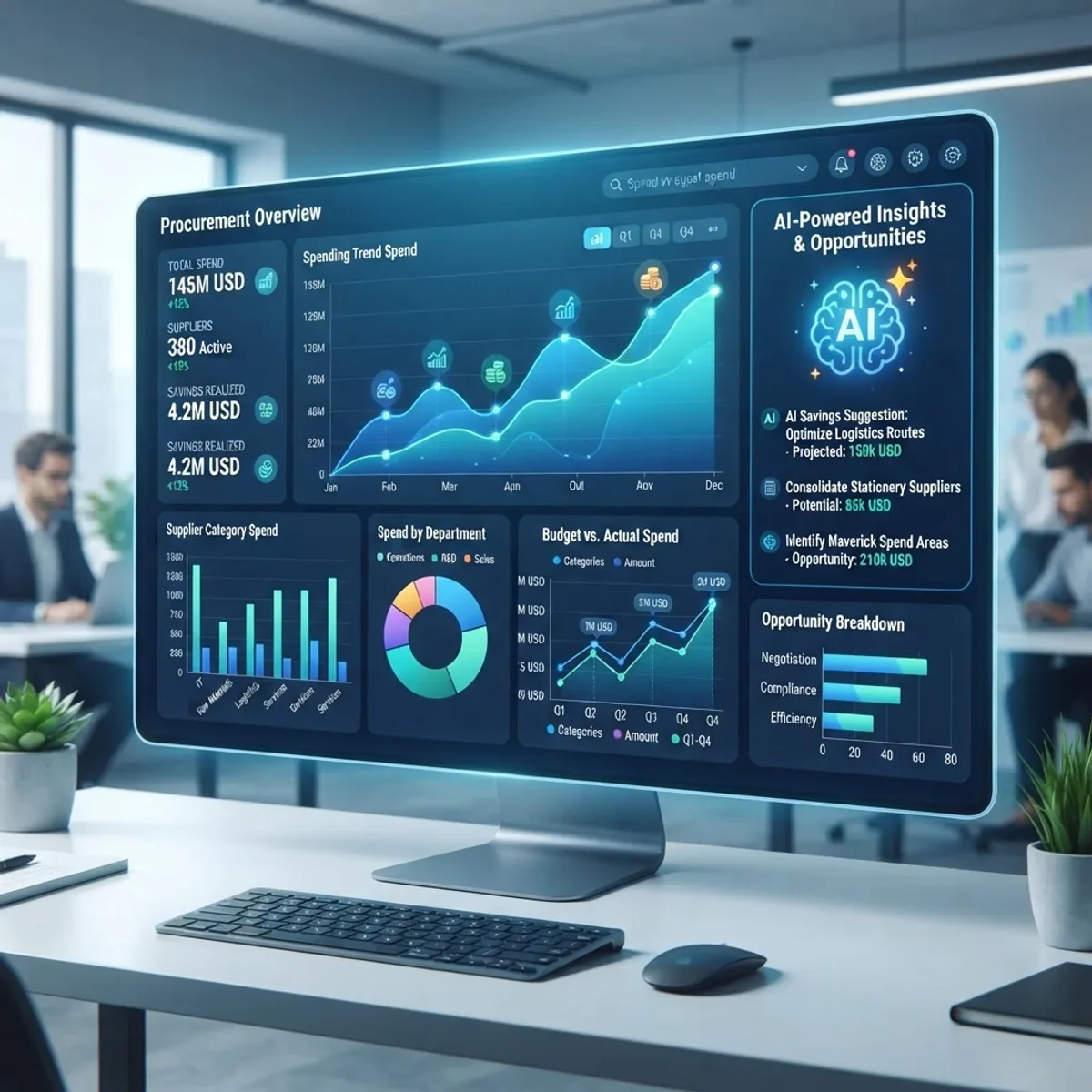
Traditional vs. AI Source-to-Pay: A Clear Comparison
The table below summarizes the practical differences we observe when teams move from legacy tools to AI-driven platforms.
| Capability | Traditional S2P | AI Smart S2P |
|---|---|---|
| Invoice matching | Manual, error-prone | Touchless, auto-matched |
| Supplier risk | Periodic reviews | Continuous live scoring |
| Sourcing analysis | Days of spreadsheet work | Minutes with ranked results |
| Approval speed | Days | Minutes |
| Fraud detection | Reactive | Predictive and proactive |
| Spend visibility | Delayed reports | Real-time insights |
How to Implement AI Source-to-Pay Successfully
Adopting AI procurement technology works best as a phased journey rather than a rip-and-replace project. Based on real implementations, follow these steps.
- Audit your current process. Map every step from requisition to payment and identify the biggest bottlenecks and error rates.
- Clean your data. AI models are only as good as the supplier, contract, and spend data they learn from. Standardize records first.
- Start with invoice automation. It delivers fast, measurable ROI and builds internal trust in the technology.
- Expand to sourcing and supplier risk. Once finance sees results, extend AI upstream into strategic activities.
- Measure and refine. Track cycle time, touchless rates, and savings, then tune the models and rules continuously.
Organizations that want expert help designing this roadmap often partner with specialists in artificial intelligence services to align the technology with their finance systems and compliance requirements. For teams focused on the model development and integration layer, WebPeak's AI services offer implementation depth that reduces time to value.
Real Benefits You Can Expect
When implemented well, AI source-to-pay produces measurable outcomes rather than vague promises:
- Faster cycles: Approval and invoice processing times drop from days to minutes.
- Lower costs: Reduced manual labor and captured discounts improve margins.
- Fewer errors: Automated matching removes duplicate payments and data-entry mistakes.
- Stronger compliance: Guided buying and audit trails keep spend within policy.
- Better decisions: Real-time analytics reveal savings and consolidation opportunities.
These benefits compound. A team that eliminates duplicate payments in month one often uncovers maverick spend patterns by month three, unlocking a second wave of savings.
Common Challenges and How to Avoid Them
Honesty matters here. AI source-to-pay is powerful but not magic. The most common pitfalls include poor data quality, resistance from staff who fear automation, and over-customization that makes the system brittle. Avoid these by investing in data cleanup early, involving procurement staff as partners rather than bystanders, and keeping workflows standardized wherever possible. Change management, not technology, is usually the deciding factor between success and stalled adoption.
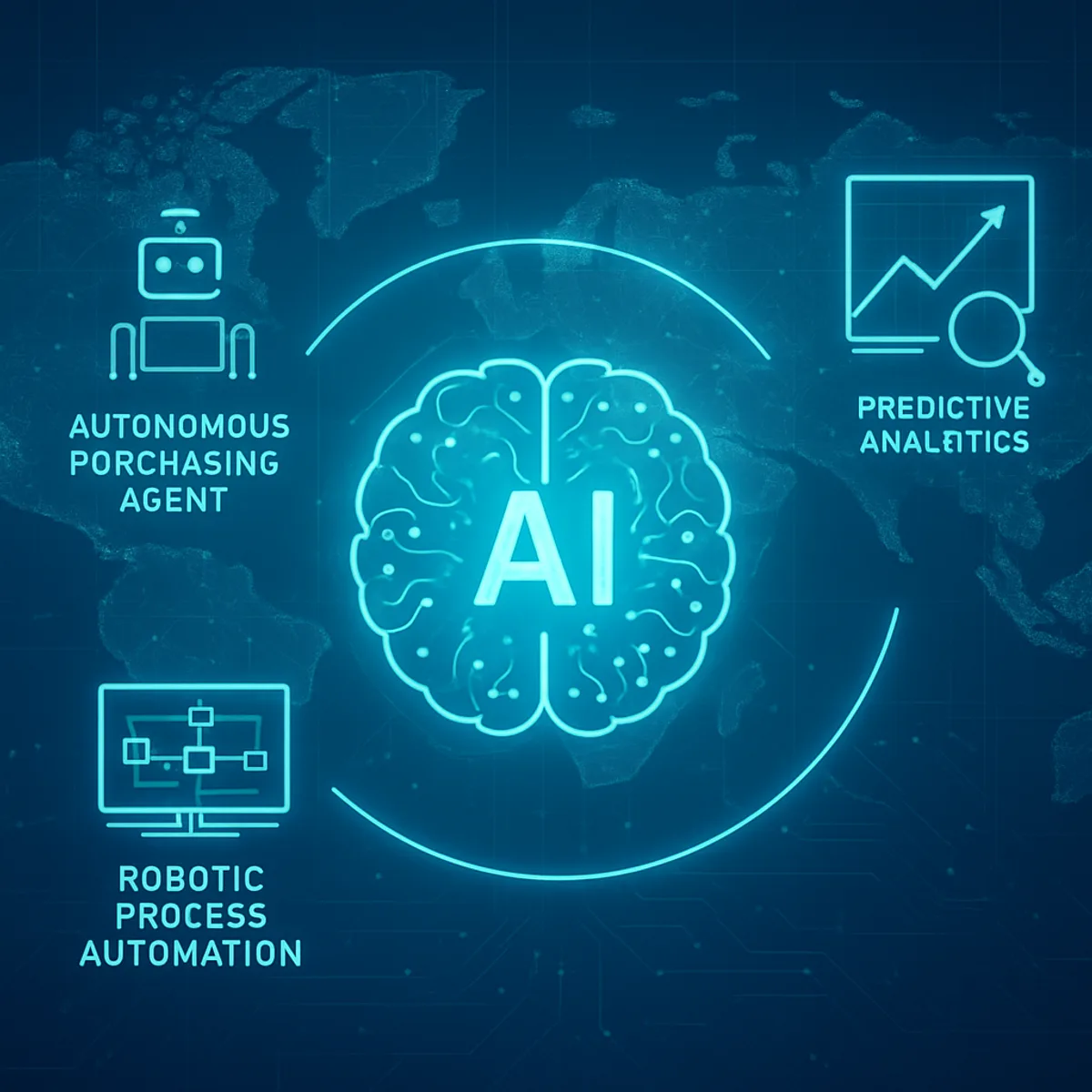
The Future of AI in Procurement
The next wave is agentic AI, where autonomous agents negotiate routine renewals, place replenishment orders, and resolve invoice discrepancies with limited human oversight. Generative AI already drafts RFP documents, summarizes contracts, and answers supplier questions in natural language. As these capabilities mature, procurement shifts from a transactional function to a strategic advisor that shapes supplier relationships and resilience. Teams that build strong data foundations now will be positioned to adopt these advances quickly and safely.
Key Takeaways
- AI source-to-pay technology automates the full procurement cycle, from sourcing to payment, using machine learning and natural language processing.
- According to McKinsey, AI and automation can cut procurement operational costs by roughly 30% to 40% while speeding cycle times.
- Touchless invoice processing delivers the fastest ROI and is the recommended starting point for adoption.
- Continuous supplier risk scoring replaces slow periodic reviews with real-time alerts.
- Success depends on clean data and strong change management, not just the technology itself.
- Agentic and generative AI are the next frontier, moving procurement from transactions to strategy.
Frequently Asked Questions (FAQ)
What does source-to-pay mean in procurement?
Source-to-pay is the complete process of buying goods and services, covering supplier sourcing, contract management, purchasing, invoice processing, and payment. It connects strategic sourcing with operational procure-to-pay activities, giving organizations end-to-end visibility and control over how money is spent with suppliers.
How does artificial intelligence improve source-to-pay?
AI improves source-to-pay by automating repetitive tasks, reading documents, predicting risk, and recommending decisions. It matches invoices without manual effort, scores supplier risk in real time, and surfaces savings in spend data. The result is faster cycles, fewer errors, lower costs, and stronger compliance across the procurement function.
Is AI source-to-pay technology secure for financial data?
Yes, reputable AI source-to-pay platforms use encryption, role-based access, audit trails, and compliance controls to protect financial data. In fact, AI often improves security by detecting duplicate invoices, unusual payments, and potential fraud faster than manual review. Always verify vendor certifications and data handling policies before adoption.
How long does it take to implement AI procurement automation?
Implementation timelines vary by scope, but a focused rollout starting with invoice automation often shows results within a few months. Full source-to-pay transformation takes longer as you expand into sourcing and supplier management. Clean data and phased adoption are the biggest factors in reaching value quickly.
Will AI replace procurement teams?
No, AI augments procurement teams rather than replacing them. It removes manual, repetitive work so professionals can focus on strategy, negotiation, and supplier relationships. The most successful organizations treat AI as a partner that handles data-heavy tasks while people make judgment-based decisions that require context and expertise.
What is the best first step to adopt AI source-to-pay?
The best first step is auditing your current process and cleaning your supplier, contract, and spend data. Then start with automated invoice processing, since it delivers fast, measurable ROI and builds internal confidence. From there, expand into sourcing, supplier risk, and predictive analytics in phases. Learn more at WebPeak.