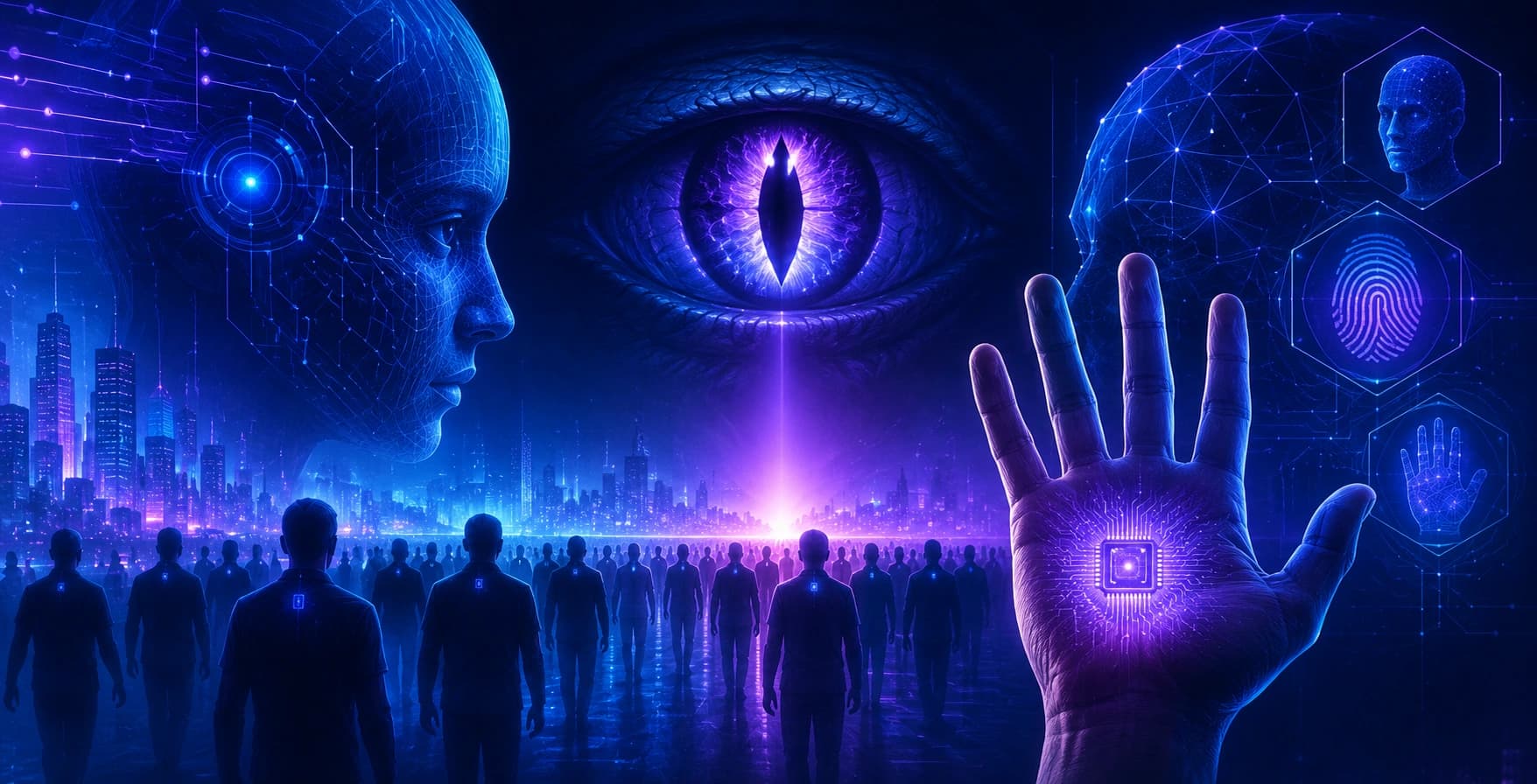
An expert, balanced look at why people link artificial intelligence to the mark of the beast, what scripture says, and how to think clearly about AI, faith, and technology.
Artificial Intelligence Mark of the Beast
Few phrases stir as much curiosity and anxiety as "artificial intelligence mark of the beast." As AI now writes, predicts, identifies faces, and processes payments, many people of faith wonder whether modern technology is quietly fulfilling an ancient prophecy. This article separates scripture from speculation, examines the real technologies behind the fear, and gives you an honest, expert framework for thinking about it.
Quick Answer: No credible theologian or technologist claims artificial intelligence is literally the mark of the beast. AI is a tool, not a prophetic fulfillment. The concern reflects real anxieties about surveillance, cashless control, and biometric tracking, but scripture describes a deliberate spiritual choice, not software itself.
What Does "Artificial Intelligence Mark of the Beast" Actually Mean?
The phrase combines two ideas: a modern technology (AI) and a biblical symbol (the mark of the beast). The mark of the beast originates in the Book of Revelation, chapter 13, where a coming power forces people to receive a mark on their right hand or forehead, without which "no one could buy or sell." The mark is associated with the number 666.
When people search "artificial intelligence mark of the beast," they are usually asking one real question: Is the technology being built today the system the Bible warned about? It is a sincere question deserving a thoughtful, non-sensational answer rather than fear-driven clickbait.
The Biblical Origin of the Mark
In its original context, the mark in Revelation symbolizes allegiance, specifically, worship and loyalty given to a corrupt earthly power instead of God. Most mainstream biblical scholars read it as a symbol of economic and spiritual coercion, not a literal barcode or chip. The key element is willing allegiance, a conscious decision to pledge loyalty, which is very different from owning a smartphone or using a search engine.

Why People Connect AI to the Mark of the Beast
The association is not random. Three modern trends make the comparison feel plausible to many believers:
- Universal connectivity — AI systems increasingly link identity, money, and movement into one digital profile.
- Centralized control — A handful of corporations and governments can influence what billions of people see, buy, and believe.
- The phrase "buy or sell" — Revelation's economic warning maps neatly onto cashless payments and digital IDs.
This is where genuine discernment matters. The emotional resonance of the comparison does not make it doctrinally accurate, but it does point to legitimate ethical concerns worth examining.
The Technologies Fueling the Debate
Three categories of technology drive most of the conversation. Understanding what they actually do removes a lot of unnecessary fear.
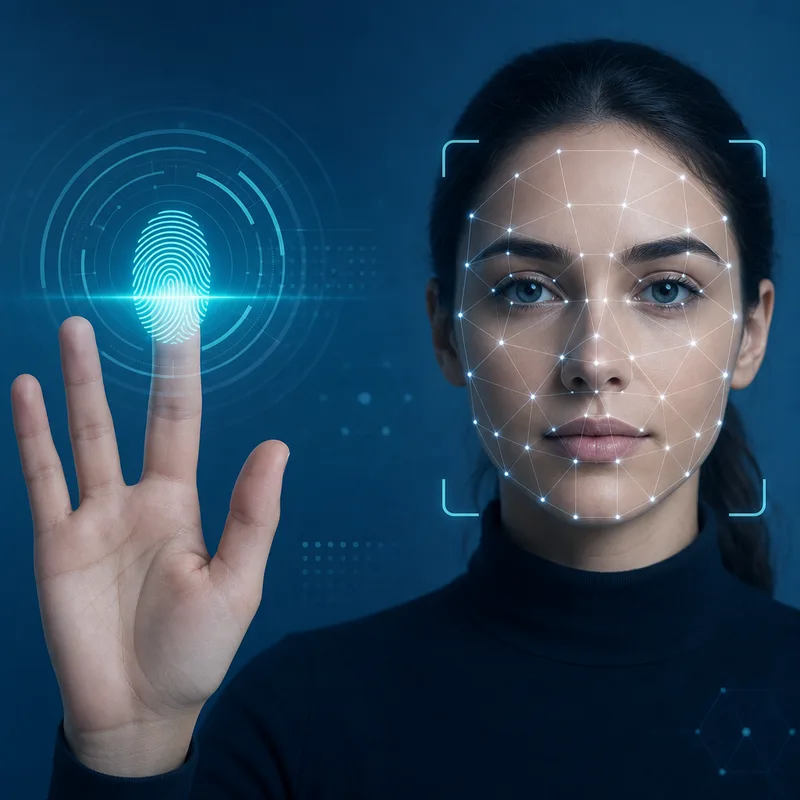
Biometric Identification
Biometrics use unique body traits, fingerprints, faces, irises, to verify identity. According to Statista, the global biometrics market is projected to surpass 82 billion dollars by 2027, driven by banking, border control, and smartphones. Because biometrics tie identity to the body, they evoke the "hand or forehead" imagery. Yet a fingerprint unlocking your phone is a convenience feature, not a pledge of worship.
Cashless and Digital Payments
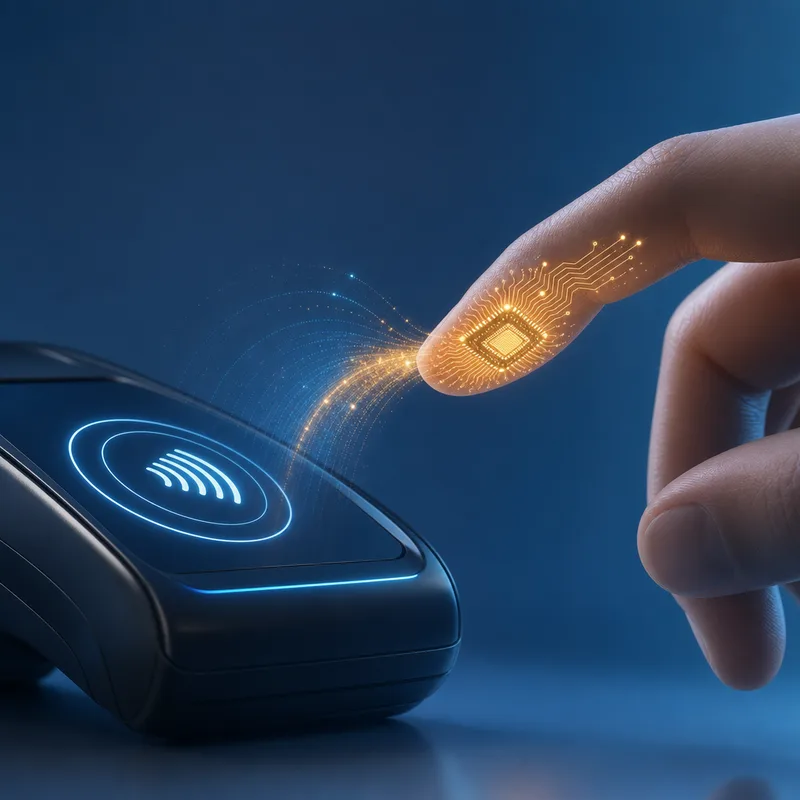
The shift away from cash is the single biggest reason people link AI to Revelation's "buy or sell" warning. Central bank digital currencies (CBDCs), instant payment apps, and AI fraud detection mean transactions can be approved, denied, or traced in real time. The theological concern is real: a fully cashless system could be misused to exclude people. But possibility is not prophecy. A payment rail is morally neutral; how authorities choose to wield it is the real issue.
AI Surveillance and Social Control
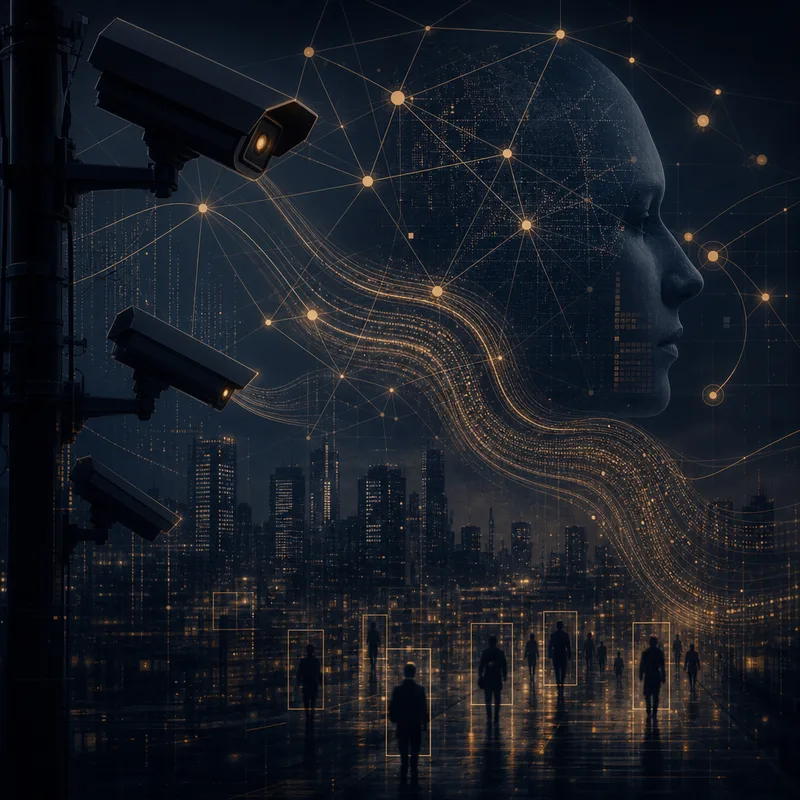
AI-powered surveillance, facial recognition cameras, predictive policing, and social scoring, is the most ethically serious item on this list. When identity, finances, and behavior are merged into one AI-managed profile, the potential for coercion grows. According to a 2023 Pew Research Center survey, 52 percent of Americans said they felt more concerned than excited about the growing use of AI, a sentiment rooted in exactly these control fears.
What Theologians and Experts Actually Say
Across Catholic, Protestant, and Orthodox traditions, the dominant view is consistent: technology itself cannot be the mark of the beast. The mark requires a deliberate, knowing rejection of God in favor of a counterfeit authority. A microchip implanted for medical reasons, a face scan at an airport, or an AI assistant drafting your emails carries no such spiritual intent.
Many faith leaders instead frame AI as a test of stewardship. The moral weight rests on how humans build and govern these tools, whether they protect dignity and freedom or enable exploitation. This mirrors how earlier generations debated the printing press, electricity, and the internet, each once feared, each ultimately judged by its use. As a technology partner, ZoneTechify frequently helps organizations adopt AI in ways that prioritize transparency and human oversight, which is precisely the ethical posture these traditions encourage.
A Balanced Comparison: Prophecy Symbol vs. Modern Technology
The table below contrasts the biblical description with how today's technology actually works.
| Element | Mark of the Beast (Revelation) | Modern AI Technology |
|---|---|---|
| Core nature | Spiritual allegiance and worship | Functional tool for tasks |
| Requires consent of belief | Yes, a willing pledge | No, used without any worship |
| Purpose | Force loyalty to a false power | Automate, predict, identify |
| Reversibility | Permanent spiritual mark | Software can be changed or removed |
| Moral status | Inherently evil in context | Neutral, depends on use |
The distinction is clear. Scripture describes a chosen act of worship; AI is an instrument that reflects the intentions of the people who deploy it.
How to Think Clearly About AI and Faith
Discernment beats both blind fear and blind adoption. Here is a practical, faith-compatible framework:
- Separate the tool from the use. Ask whether a technology forces a moral compromise or simply enables a task.
- Watch power, not gadgets. The danger lies in concentrated control over money, identity, and speech, not in any single device.
- Verify before sharing. Sensational "AI is the mark" videos often spread misinformation; check claims against the actual biblical text.
- Stay engaged, not fearful. Withdrawing from technology entirely surrenders influence to those with fewer ethical scruples.

The Real Ethical Risks Worth Watching
Dismissing the prophecy connection does not mean ignoring genuine dangers. The concerns beneath the "mark of the beast" fear are valid, just misdirected. The risks worth your attention include:
- Loss of privacy through always-on biometric and location tracking.
- Financial exclusion if cashless systems can deny access without due process.
- Algorithmic bias that quietly discriminates in lending, hiring, and policing.
- Erosion of consent when data is collected without clear understanding.
These are policy and design problems we can actually solve, through regulation, transparency, encryption, and human accountability. Channeling prophecy anxiety into constructive advocacy is far more productive than fearing AI itself.
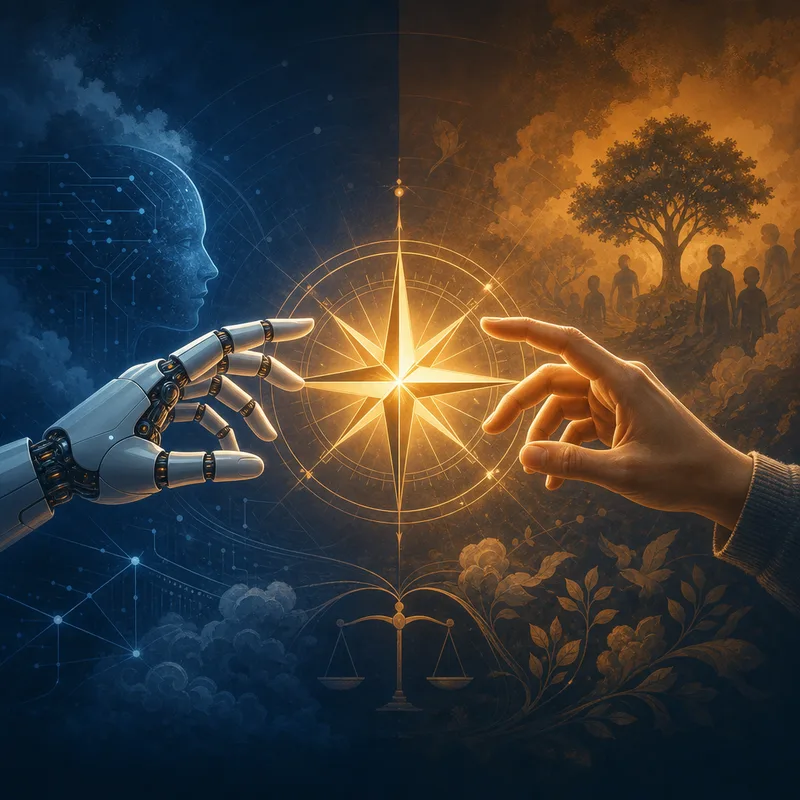
Navigating an AI Future Responsibly
The healthiest response is neither panic nor passivity. Individuals and organizations can shape AI to serve human dignity. Support strong data-protection laws, favor companies that publish transparent AI practices, and insist that critical systems keep a human in the loop. Faith communities, in particular, can be powerful voices for ethical guardrails.
If your business is exploring AI adoption, working with experienced teams matters. Providers like WebPeak and ZoneTechify's artificial intelligence services emphasize responsible deployment, clear data handling, and human oversight, the kind of approach that turns AI into a servant of people rather than a master over them.

Key Takeaways
- The "artificial intelligence mark of the beast" idea is a modern interpretation, not an established biblical or scholarly conclusion.
- Revelation 13 describes the mark as a symbol of willing spiritual allegiance, fundamentally different from using a tool.
- Statista projects the biometrics market will exceed 82 billion dollars by 2027, fueling "hand and forehead" comparisons.
- A 2023 Pew Research Center survey found 52 percent of Americans feel more concerned than excited about AI.
- The genuine risks, surveillance, financial exclusion, and bias, are solvable governance issues, not prophetic inevitabilities.
Frequently Asked Questions (FAQ)
Is artificial intelligence the mark of the beast?
No. Mainstream theologians and technologists agree AI is a tool, not a prophetic fulfillment. The mark of the beast in Revelation symbolizes a deliberate pledge of worship to a false power. Using AI software, biometrics, or digital payments does not constitute that spiritual choice.
Does the Bible mention computers or AI?
The Bible does not mention computers or artificial intelligence directly, since it was written long before modern technology. Some readers interpret symbolic passages, like Revelation's "buy or sell" warning, as relevant to today's digital economy, but these are interpretations, not explicit references to AI.
Why do people think microchips are the mark of the beast?
People connect microchips to the mark because Revelation describes a mark on the hand or forehead needed to buy or sell. Implantable chips and biometric payments echo that imagery. However, scripture emphasizes willing worship, so a payment chip alone does not match the prophecy's spiritual meaning.
Should Christians avoid using AI tools?
Most faith leaders do not advise avoiding AI. Instead, they encourage responsible, discerning use. AI can support education, medicine, and ministry. The guidance is to evaluate how each tool affects human dignity, privacy, and freedom, rather than rejecting technology outright based on fear.
What are the real dangers of AI we should focus on?
The real dangers are practical, not prophetic: mass surveillance, algorithmic bias, financial exclusion through cashless systems, and erosion of privacy and consent. These are governance and design problems that strong regulation, transparency, and human oversight can address far more effectively than fear can.