A clear, expert overview of artificial intelligence in knowledge management, including how it works, real benefits, key 2026 trends, and a practical implementation roadmap.
Artificial Intelligence in Knowledge Management Overview and Trends
Knowledge is the most valuable asset most organizations own, yet it is also the most poorly managed. Employees spend hours every week hunting for documents, re-creating work that already exists, or asking colleagues questions that were answered months ago. Artificial intelligence in knowledge management solves this by turning scattered, static information into a living, searchable, and self-improving system. This guide explains what AI-driven knowledge management is, how it works, the measurable benefits, and the trends shaping it through 2026.
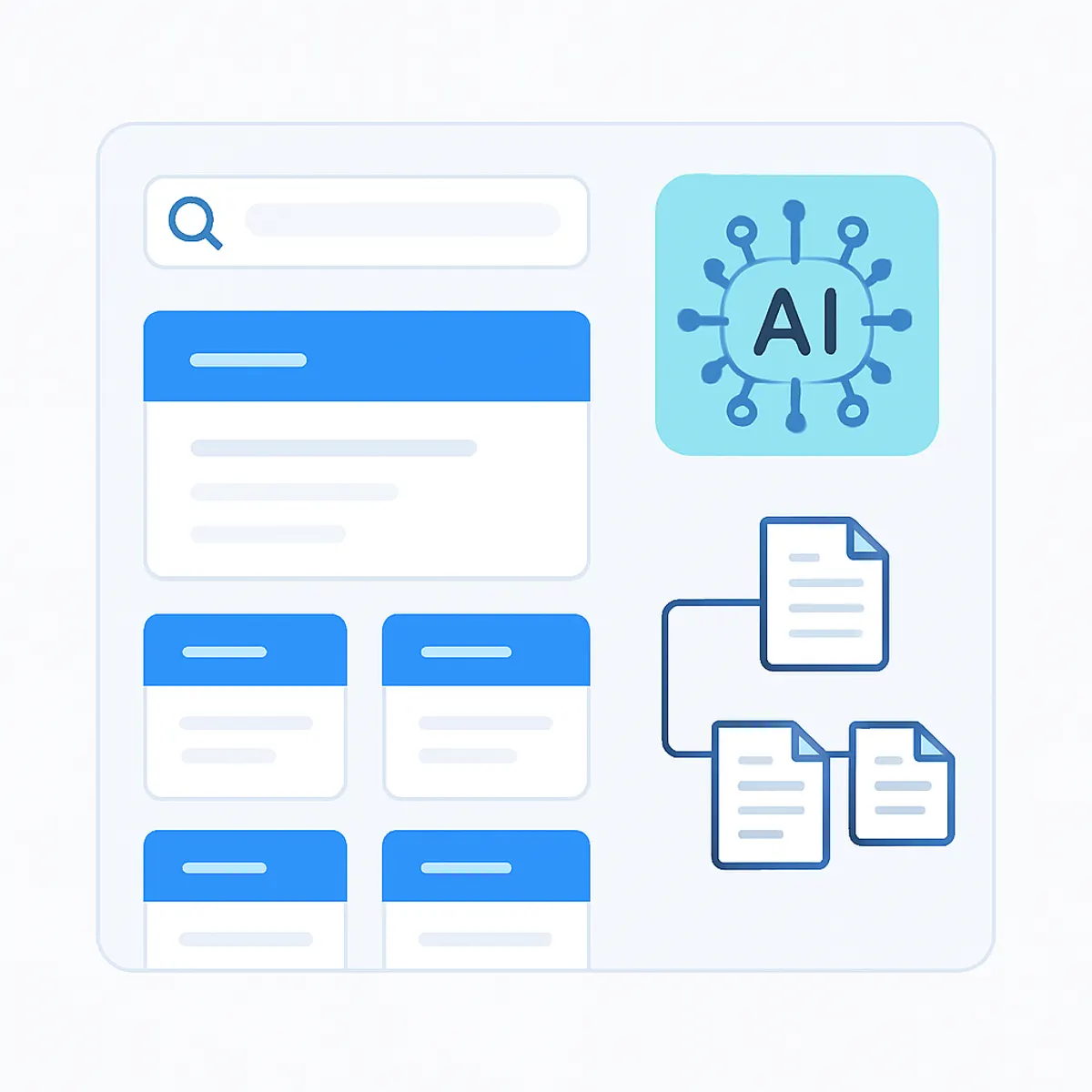
Quick Answer: Artificial intelligence in knowledge management uses machine learning, natural language processing, and generative AI to capture, organize, and surface organizational knowledge automatically. It helps employees find accurate answers instantly, reduces duplicated work, and keeps documentation current, turning static files into an intelligent, self-updating knowledge system.
At ZoneTechify and WebPeak, we have helped teams replace clunky document folders with AI systems that answer questions in seconds. The shift is not theoretical, it is already changing how knowledge work gets done.
What Is Artificial Intelligence in Knowledge Management?
Knowledge management (KM) is the structured process of capturing, organizing, sharing, and reusing an organization's collective knowledge. AI knowledge management adds a layer of intelligence on top of that process, using algorithms to understand content, predict needs, and deliver answers without manual searching.
Traditional KM relies on people to tag files, write documentation, and keep wikis updated. The problem is obvious: humans forget, get busy, and leave the company. AI removes that bottleneck by automatically reading content, extracting meaning, and connecting related information across every system you use.
Three core technologies power this shift:
- Natural Language Processing (NLP): Lets systems understand questions and documents written in plain human language.
- Machine Learning (ML): Improves search relevance and recommendations by learning from user behavior.
- Generative AI: Produces direct, conversational answers and summaries instead of just returning a list of links.
How AI Knowledge Management Actually Works
AI knowledge management works by ingesting your content, converting it into a machine-readable format, and then retrieving and generating answers on demand. The most common modern approach is Retrieval-Augmented Generation (RAG), which combines a search engine with a large language model.
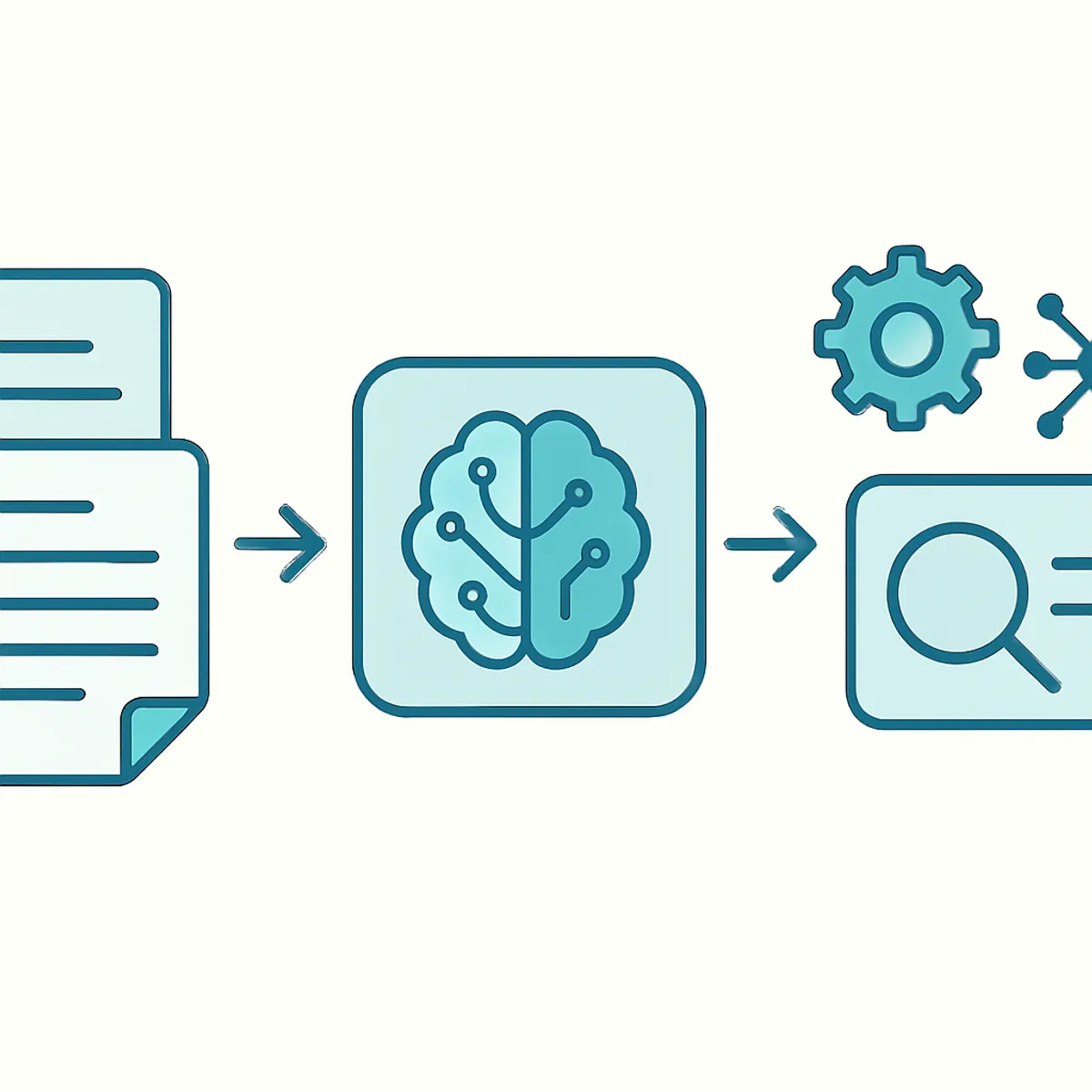
Here is the typical workflow in five steps:
- Ingestion: The system connects to your documents, wikis, tickets, chat logs, and emails.
- Processing: Content is split into chunks and converted into numerical vectors called embeddings that capture meaning.
- Storage: These embeddings are saved in a vector database for fast semantic search.
- Retrieval: When a user asks a question, the system finds the most relevant chunks based on meaning, not just keywords.
- Generation: A language model writes a clear answer grounded in those retrieved sources, often with citations.
This grounding step is critical. By forcing the AI to base answers on your actual documents, RAG dramatically reduces hallucinations and keeps responses trustworthy and verifiable.
Why Organizations Are Adopting AI for Knowledge Management
The business case is built on time savings, accuracy, and scale. According to McKinsey, employees spend roughly 1.8 hours every day, nearly 20 percent of the workweek, searching for and gathering information. AI knowledge management reclaims much of that lost time.

Key benefits include:
- Instant answers: Employees ask a question and receive a direct response with sources, instead of digging through folders.
- Reduced duplicated work: Teams stop re-creating documents that already exist somewhere in the system.
- Faster onboarding: New hires get answers from a single trusted source instead of interrupting senior staff.
- Preserved institutional knowledge: When an expert leaves, their documented knowledge stays usable and discoverable.
- Consistent, scalable support: Customer service and internal help desks deliver the same accurate answer every time.
Gartner has predicted that by 2026, organizations applying AI to internal knowledge processes will see meaningful gains in employee productivity and decision speed. The teams capturing this advantage now are building a durable operational edge.
Traditional vs AI-Powered Knowledge Management
The difference between legacy systems and AI-driven ones is stark. The table below compares them across the factors that matter most to teams evaluating a switch.
| Factor | Traditional KM | AI-Powered KM |
|---|---|---|
| Search method | Keyword matching | Semantic, meaning-based |
| Answer format | List of documents | Direct answer with citations |
| Content tagging | Manual | Automatic |
| Staying up to date | Requires human effort | Self-updating and flagged |
| Onboarding speed | Slow | Fast |
| Scales with content | Poorly | Efficiently |
| Multilingual support | Limited | Built-in |
The practical takeaway is that AI-powered KM shifts the burden from humans maintaining the system to the system maintaining itself, which is exactly what makes it sustainable at scale.
Key Trends in AI Knowledge Management for 2026
The field is moving quickly, and several trends are defining where it goes next. Understanding them helps you invest in capabilities that will still matter in two years.
1. Agentic Knowledge Workflows
AI is moving beyond answering questions to taking action. Agentic systems can draft a report, update a wiki page, or route a ticket based on the knowledge they retrieve, completing multi-step tasks with minimal supervision.
2. Multimodal Knowledge
Knowledge is no longer just text. Modern systems index images, diagrams, video transcripts, and audio, so a support agent can ask about a product photo or a recorded training session and get a useful answer.
3. Real-Time, Self-Healing Documentation
AI now detects when documentation is outdated by comparing it against newer sources or code changes, then flags or rewrites it. This tackles the single biggest weakness of traditional KM: stale content.
4. Personalized Knowledge Delivery
Systems tailor answers to a user's role, seniority, and past activity. An engineer and a salesperson asking the same question receive responses framed for their specific context.
5. Stronger Governance and Permissions
As AI touches sensitive data, permission-aware retrieval ensures users only see knowledge they are authorized to access. This trust-and-security focus is now a buying requirement, not a nice-to-have.
How to Implement AI Knowledge Management
A successful rollout is methodical, not rushed. Based on real deployments, the following roadmap reduces risk and delivers value quickly.
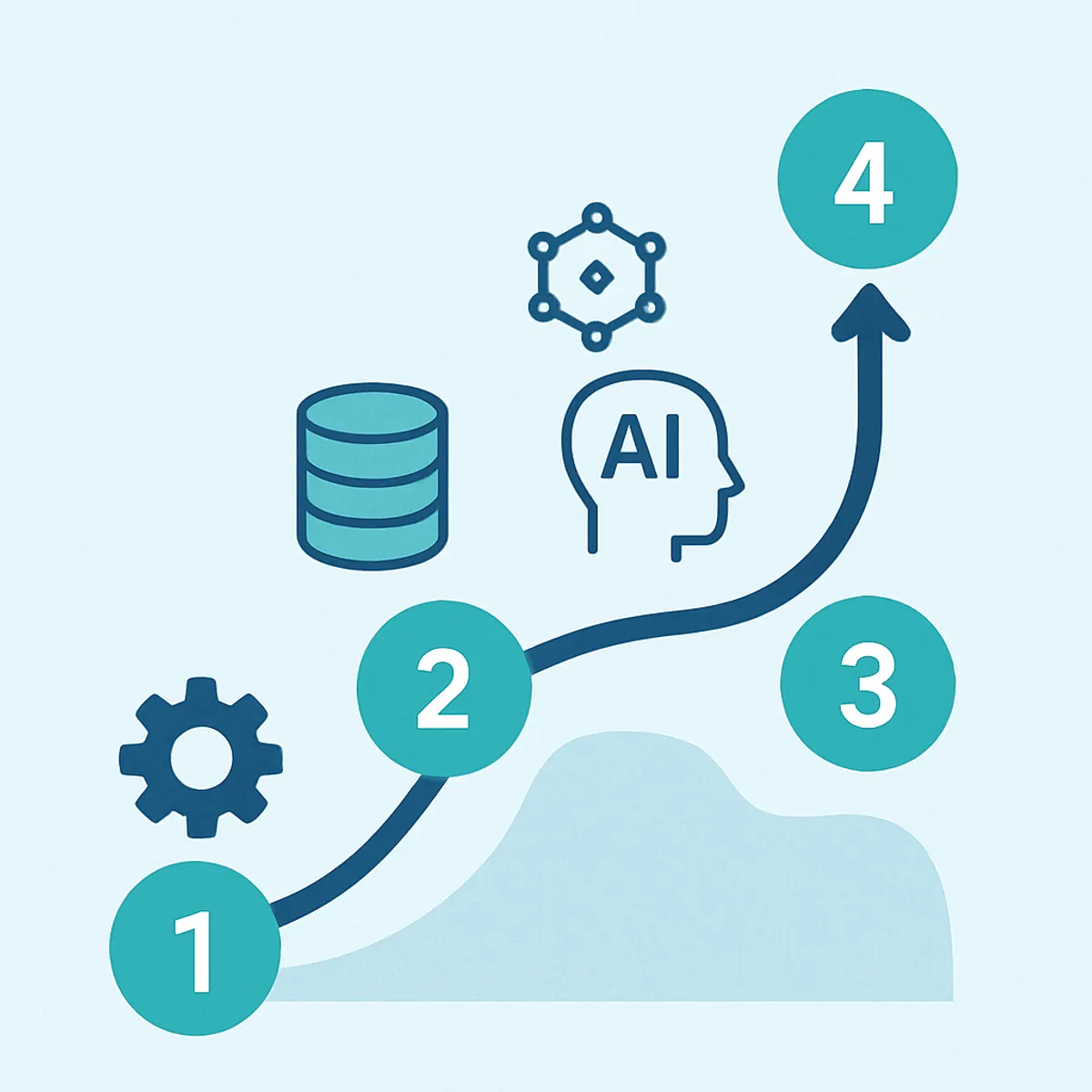
- Audit your knowledge sources. Identify where information lives: wikis, drives, ticketing tools, and chat.
- Clean and consolidate. Remove duplicates and outdated files so the AI learns from quality content.
- Choose your approach. Decide between an off-the-shelf platform or a custom RAG build for full control.
- Start with one high-value use case. Internal help desk or customer support are ideal first projects.
- Set permissions and governance. Define who can access what before going live.
- Measure and iterate. Track search success rates, time saved, and user satisfaction, then expand.
For teams that want a tailored build rather than a generic tool, our artificial intelligence services cover everything from data preparation to deploying a secure, citation-backed knowledge assistant.
Common Challenges and How to Avoid Them
The biggest risks are poor data quality, weak governance, and unrealistic expectations. AI cannot fix knowledge that does not exist or contradicts itself, so clean inputs are non-negotiable.
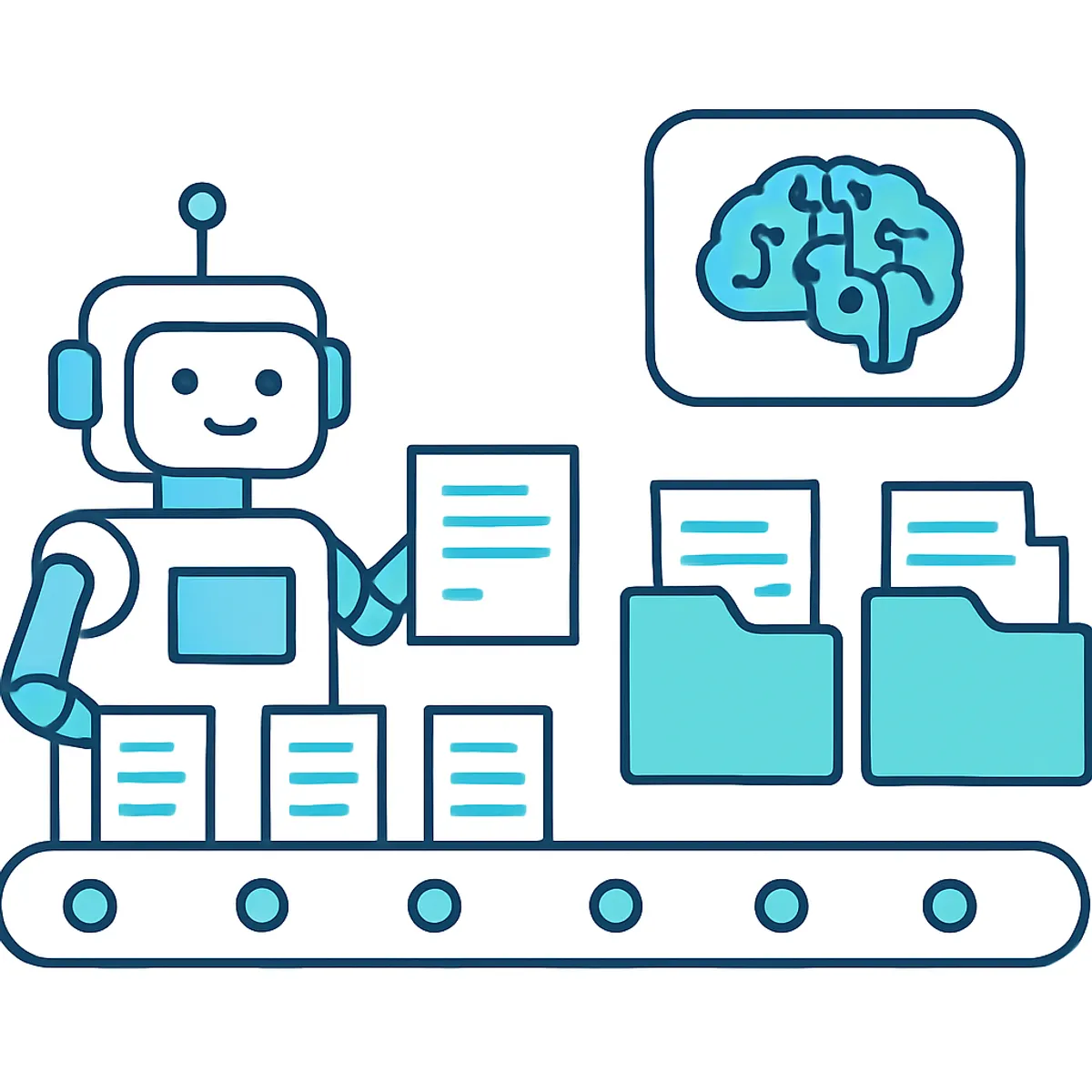
Avoid these pitfalls:
- Garbage in, garbage out: Invest in cleaning content before deployment.
- Ignoring permissions: Always use permission-aware retrieval to prevent data leaks.
- No human oversight: Keep experts reviewing high-stakes answers, especially early on.
- Treating it as one-and-done: Knowledge systems need ongoing tuning to stay accurate.
The Future of AI in Knowledge Management
The long-term direction is a single intelligent layer that understands everything your organization knows and acts on it proactively. Instead of searching, employees will be served the right knowledge at the right moment, inside the tools they already use.
We expect knowledge management to become invisible, embedded directly into workflows, chat, and decision-making. The organizations that treat knowledge as a strategic, AI-managed asset rather than a pile of files will move faster and make better decisions than competitors who do not.
Key Takeaways
- Artificial intelligence in knowledge management uses NLP, machine learning, and generative AI to capture, organize, and surface knowledge automatically.
- Retrieval-Augmented Generation (RAG) grounds AI answers in your real documents, reducing hallucinations and adding citations.
- Employees spend nearly 1.8 hours daily searching for information, a cost AI directly reduces.
- AI-powered KM is self-updating, semantic, and scalable, unlike manual traditional systems.
- Top 2026 trends include agentic workflows, multimodal knowledge, self-healing documentation, personalization, and stronger governance.
- Success depends on clean data, clear permissions, and starting with one high-value use case.
Frequently Asked Questions (FAQ)
What is artificial intelligence in knowledge management?
It is the use of AI technologies like natural language processing and generative AI to automatically capture, organize, and deliver organizational knowledge. Instead of manually searching folders, employees ask questions and receive accurate, sourced answers instantly, while the system keeps content organized and up to date on its own.
How is AI knowledge management different from a normal wiki?
A normal wiki relies on people to write, tag, and update pages, and you still search by keywords. AI knowledge management understands meaning, pulls from all your sources at once, and generates direct answers with citations. It also flags outdated content automatically, removing most of the manual maintenance burden.
Is AI knowledge management safe for sensitive company data?
Yes, when implemented correctly. Modern systems use permission-aware retrieval, meaning the AI only surfaces knowledge a specific user is authorized to access. Combined with private deployments, encryption, and governance policies, sensitive data stays protected while still benefiting from intelligent search and answers.
What is RAG in AI knowledge management?
RAG stands for Retrieval-Augmented Generation. It combines a search step that finds relevant content from your documents with a language model that writes an answer based on that content. This grounding keeps responses accurate, verifiable, and tied to your real sources rather than invented information.
How do I start using AI for knowledge management?
Start by auditing where your knowledge lives, then clean and consolidate it to remove duplicates. Choose a focused first use case like internal support, set clear permissions, and measure results such as time saved. Expand gradually once the system proves accurate and trusted by your team.
Will AI replace knowledge managers?
No. AI handles repetitive tasks like tagging, searching, and flagging stale content, but humans remain essential for setting strategy, reviewing high-stakes answers, and curating quality sources. The role shifts from manual maintenance toward governance, oversight, and continuous improvement of the knowledge system.