A practical, expert guide to how artificial intelligence is reshaping clinical and genomic diagnostics, including real applications, accuracy gains, risks, and responsible adoption.
Artificial Intelligence in Clinical and Genomic Diagnostics
Artificial intelligence is no longer a futuristic add-on in medicine; it is becoming the engine behind faster, more accurate, and more personalized diagnoses. From reading chest X-rays to interpreting an entire human genome, AI systems now assist clinicians in spotting patterns that are invisible to the human eye and impossible to compute by hand. This shift matters because diagnosis is where most medical decisions begin, and small improvements in accuracy translate into lives saved and costs reduced.
In this guide, drawn from hands-on experience building healthcare and data platforms, we explain exactly how AI works across both clinical and genomic diagnostics, what it does well, where it still struggles, and how organizations can adopt it responsibly. You will leave with a clear, decision-ready understanding rather than hype.
Quick Answer: Artificial intelligence in clinical and genomic diagnostics uses machine learning to analyze medical images, lab results, and DNA data, helping clinicians detect disease earlier and interpret genetic variants faster. It improves accuracy and speed but requires human oversight, quality data, and strict privacy safeguards.
What Is AI in Clinical and Genomic Diagnostics?
AI in diagnostics refers to software that learns from large volumes of medical data to predict, classify, or flag health conditions. Instead of following fixed rules, these systems detect statistical patterns across millions of examples and apply them to new patients. In clinical settings this means analyzing scans, pathology slides, vital signs, and electronic health records. In genomics it means interpreting DNA sequences to identify mutations linked to disease.
Defining the Key Terms
- Clinical diagnostics: The process of identifying disease using imaging, lab tests, symptoms, and patient history.
- Genomic diagnostics: The analysis of a person's DNA to detect inherited disorders, cancer-driving mutations, or drug-response markers.
- Machine learning (ML): A branch of AI where models improve their predictions by training on labeled data.
- Deep learning: A type of ML using layered neural networks, especially powerful for images and genomic sequences.
Understanding these distinctions matters because the same AI principles are applied very differently depending on whether the input is a pixel grid or a string of three billion DNA base pairs.
How AI Is Transforming Clinical Diagnostics
AI excels at clinical tasks that involve recognizing visual or numerical patterns at scale. In radiology, deep learning models trained on hundreds of thousands of images can highlight suspicious nodules, fractures, or bleeds in seconds, giving radiologists a prioritized worklist.
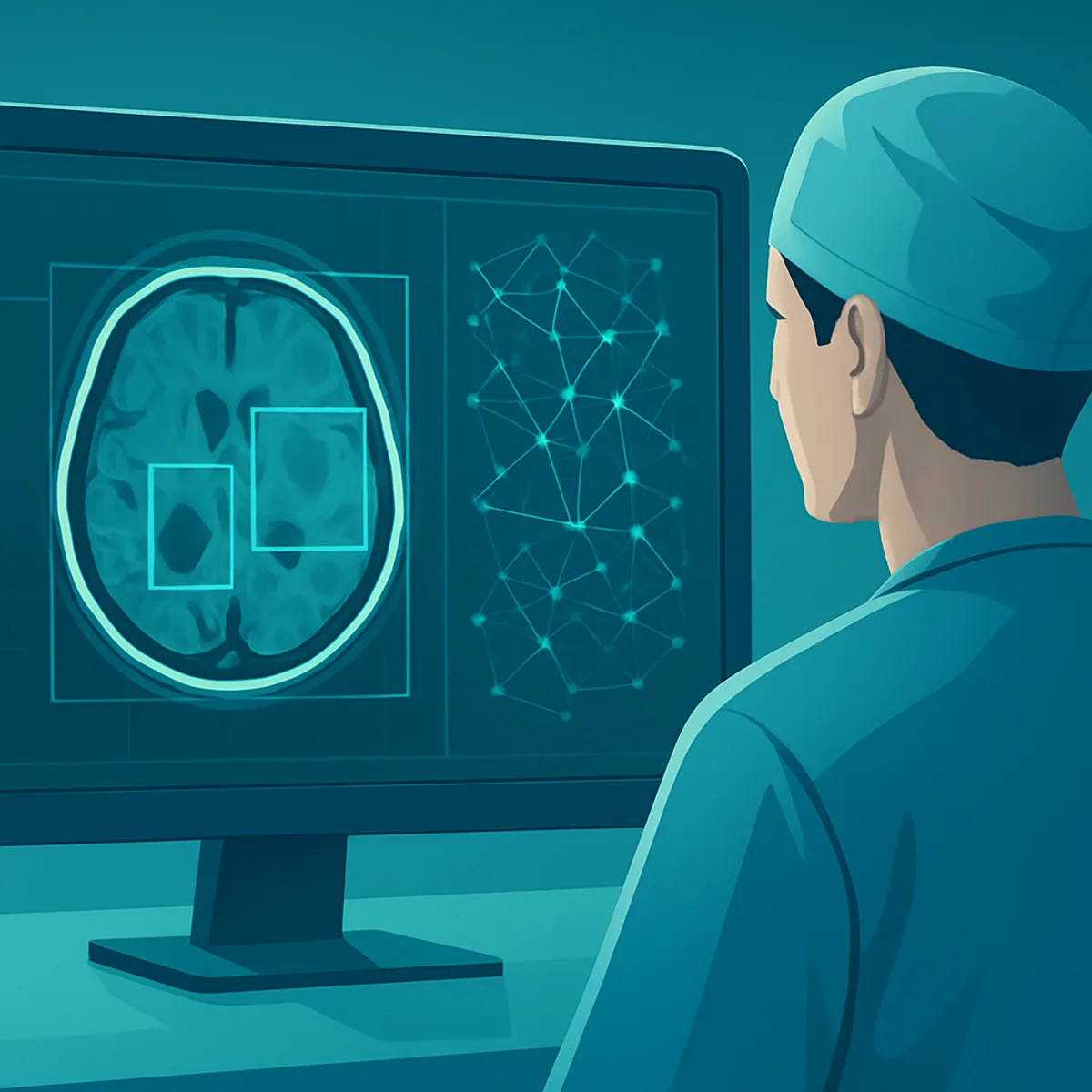
The impact is measurable. According to the World Health Organization, roughly two-thirds of the global population lacks access to basic radiology services, and AI triage tools are being deployed to close that gap by flagging urgent cases first. In a frequently cited study published in Nature, an AI model for breast cancer screening reduced false positives by 5.7% and false negatives by 9.4% compared with radiologists working alone.
Key clinical applications include:
- Medical imaging: Detecting tumors, strokes, and lung disease in CT, MRI, and X-ray scans.
- Pathology: Grading biopsy slides and counting cells with consistent precision.
- Early warning systems: Predicting sepsis or cardiac deterioration from real-time vital signs.
- Clinical decision support: Surfacing relevant guidelines and risk scores inside the electronic health record.
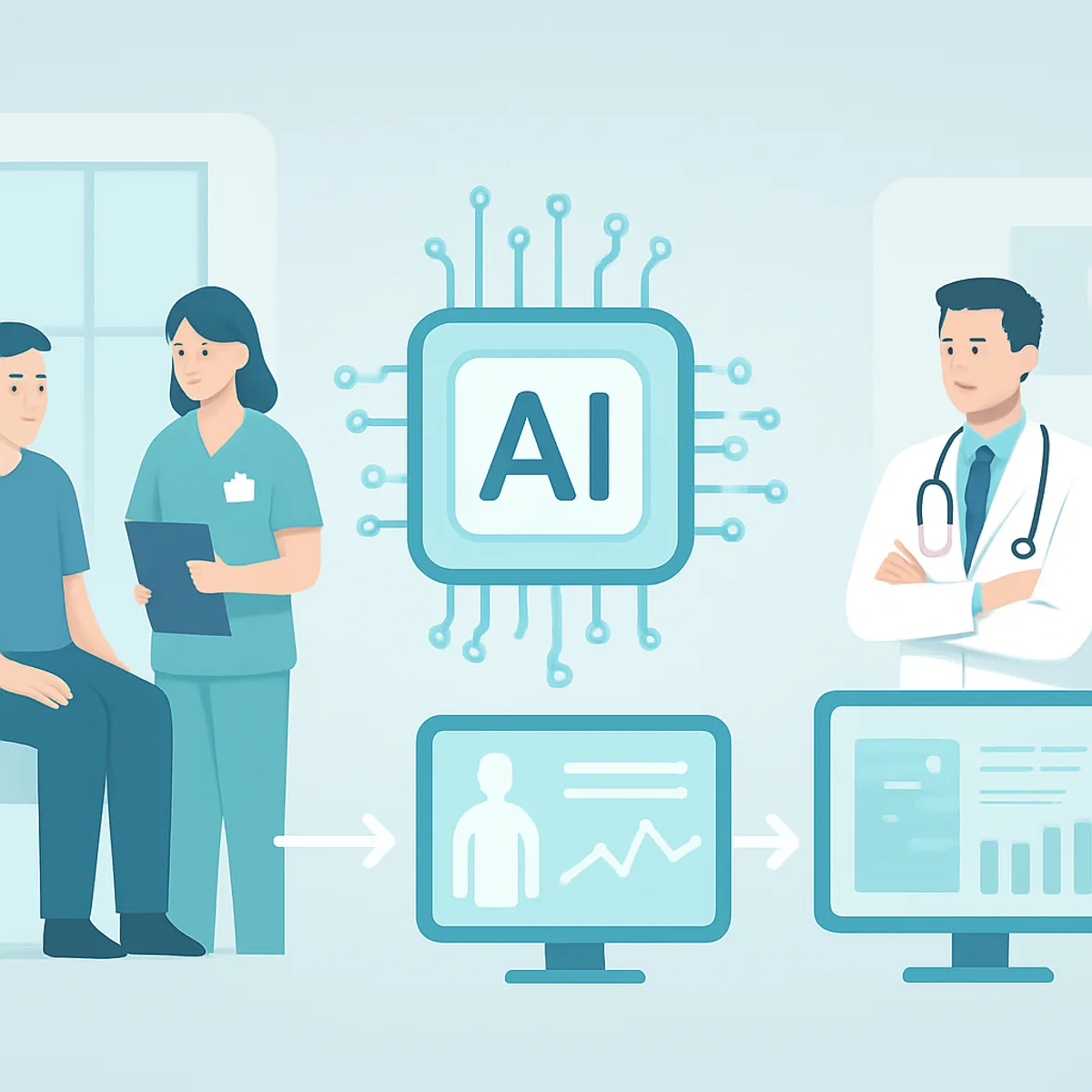
The goal is not to replace clinicians but to give them a tireless second reader that never gets fatigued during a long shift.
AI in Genomic Diagnostics: Reading the Code of Life
Genomic diagnostics is arguably where AI delivers its most dramatic gains, because the data volume is enormous and the patterns are deeply complex. A single whole-genome sequence contains about three billion base pairs, and finding the one variant responsible for a rare disease is a needle-in-a-haystack problem perfectly suited to machine learning.
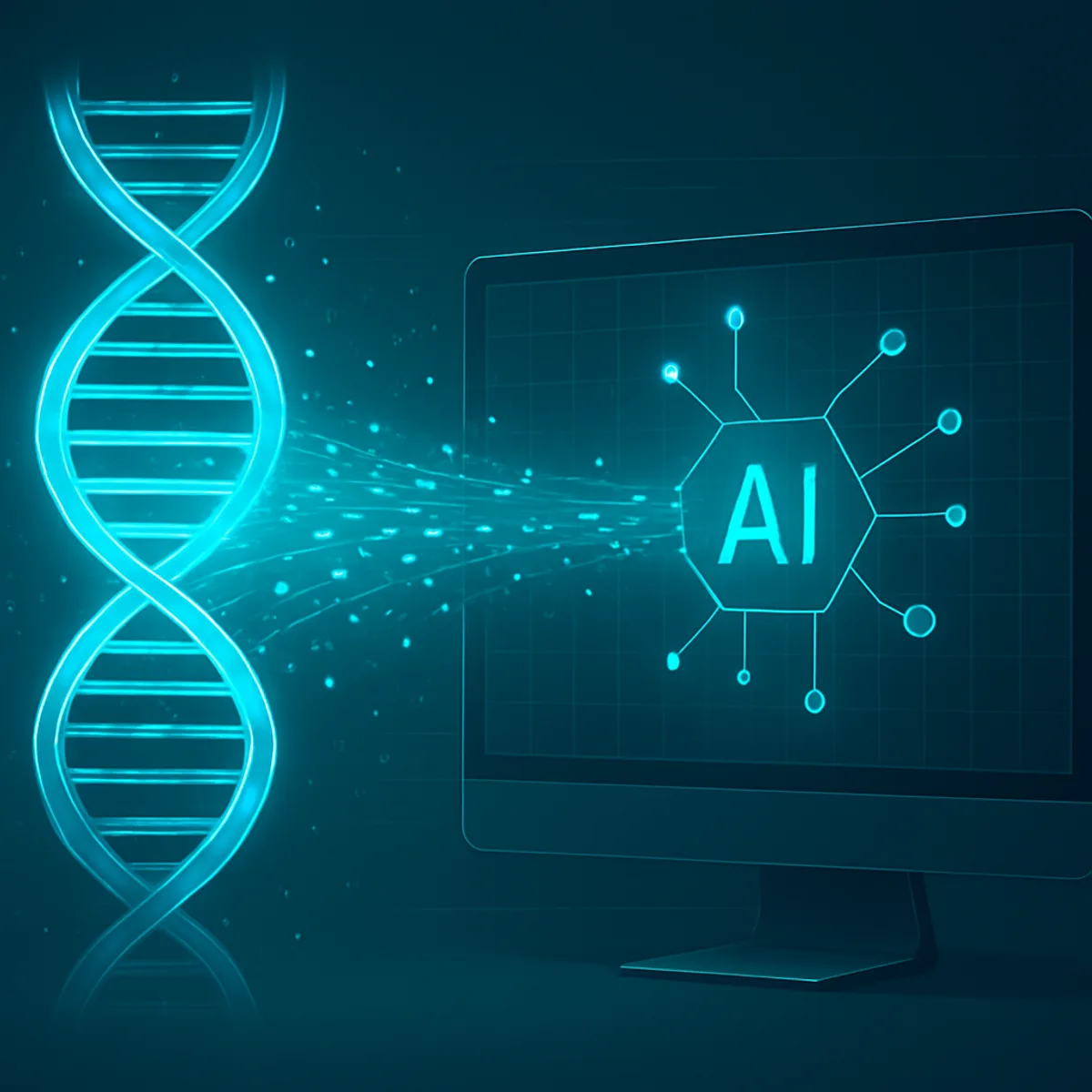
AI accelerates three stages of the genomic pipeline:
- Variant calling: Tools like deep-learning-based callers distinguish true genetic variants from sequencing errors with higher accuracy than older statistical methods.
- Variant interpretation: Models predict whether a mutation is harmless or pathogenic, dramatically shortening the manual review that once took specialists days.
- Phenotype matching: AI links genetic findings to a patient's symptoms, helping diagnose rare diseases that affect an estimated 300 million people worldwide.
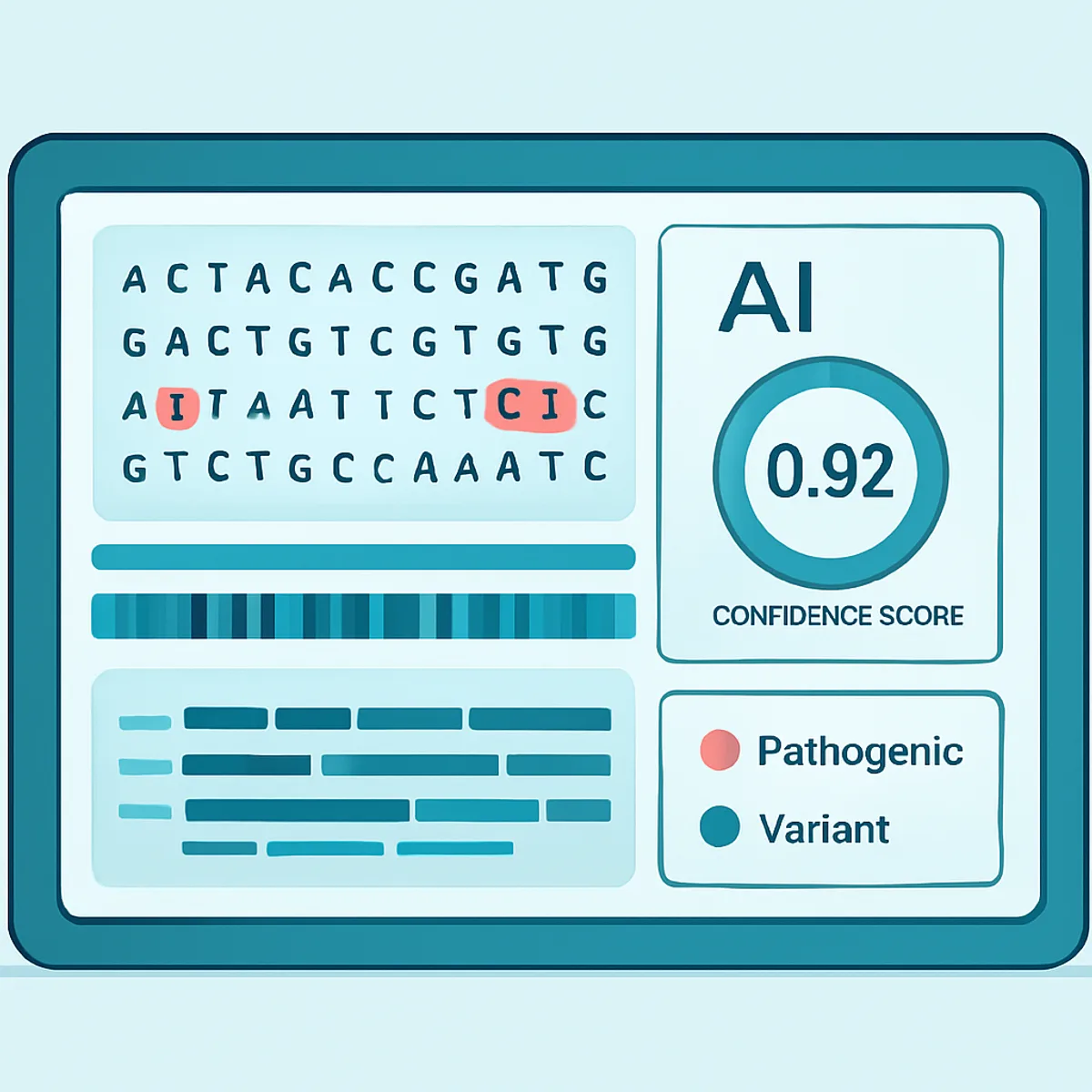
In oncology, AI compares a tumor's genome against reference databases to recommend targeted therapies, a cornerstone of precision medicine. For inherited conditions, it can flag carriers before symptoms appear, enabling preventive care. Organizations building these platforms often partner with specialists in artificial intelligence services to handle the heavy data engineering and model validation that genomic-scale analysis demands.
Real-World Applications Already in Use
This technology is not theoretical. Hospitals and labs use AI today to diagnose diabetic retinopathy from retinal photos, detect atrial fibrillation from wearable ECGs, and identify pathogens from genomic sequences during outbreaks. During the COVID-19 pandemic, genomic AI tools helped track variants in near real time, demonstrating how diagnostics and public health now intersect.
The common thread is augmentation. AI handles the repetitive, high-volume screening, freeing clinicians and geneticists to focus on judgment, communication, and complex cases that require human context.
AI vs Traditional Diagnostics
The table below summarizes the practical differences between AI-assisted and conventional diagnostic workflows.
| Factor | AI-Assisted Diagnostics | Traditional Diagnostics |
|---|---|---|
| Speed | Seconds to minutes | Hours to days |
| Scale | Millions of data points | Limited by human time |
| Consistency | High, no fatigue | Varies by expert |
| Rare-disease detection | Strong with enough data | Often slow or missed |
| Upfront cost | Higher setup, lower per-test | Lower setup, higher per-test |
| Human oversight needed | Yes | Yes |
The takeaway is that AI wins on speed, scale, and consistency, while human experts remain essential for accountability and nuanced interpretation.
Benefits That Actually Move the Needle
The most valuable benefits of AI diagnostics are concrete and measurable:
- Earlier detection of cancers and genetic disorders, when treatment is most effective.
- Reduced diagnostic errors, which studies estimate affect millions of patients annually.
- Faster turnaround for genomic reports, shrinking weeks into days.
- Wider access to expert-level screening in underserved regions through cloud-based tools.
These gains compound: faster, more accurate diagnoses reduce unnecessary procedures and downstream costs across the entire health system.
Challenges, Limitations, and Data Privacy
Despite the promise, AI diagnostics carry real risks that responsible teams must address head-on. Models can inherit bias from unrepresentative training data, performing worse on underrepresented populations. They can also be confidently wrong, producing plausible but incorrect outputs that demand human verification.
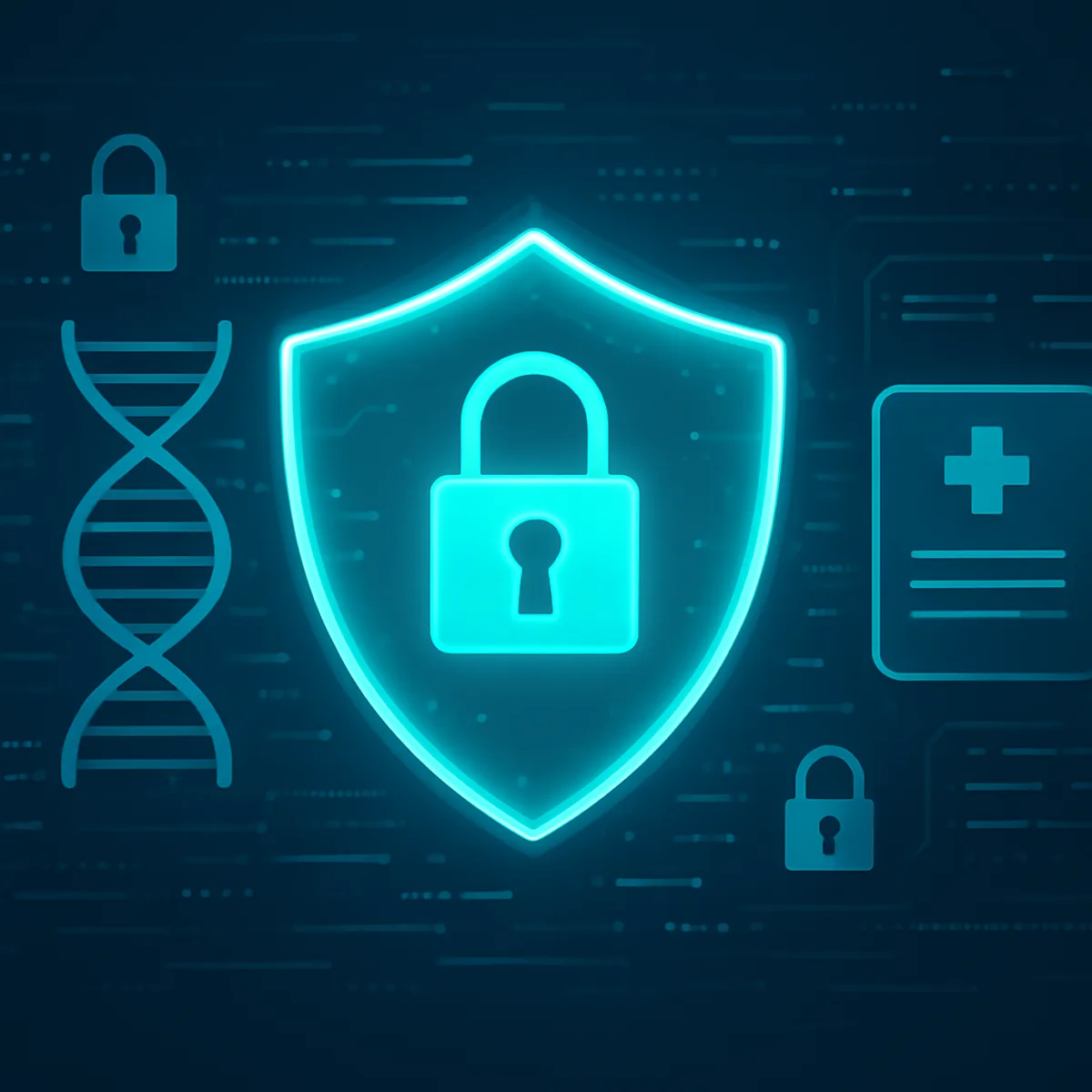
Genomic data raises unique privacy concerns because DNA is permanently identifying and reveals information about relatives, not just the individual. Key safeguards include:
- Regulatory compliance with frameworks like HIPAA and GDPR.
- Data encryption and strict access controls for genomic databases.
- Transparent consent so patients understand how their data is used.
- Continuous validation to confirm models stay accurate after deployment.
Trust is the currency of medical AI. A single privacy breach or unexplained error can erase years of clinical goodwill.
How to Implement AI Diagnostics Responsibly
From our experience deploying data-intensive systems, successful adoption follows a clear path:
- Start with a narrow, high-value use case such as imaging triage rather than a sweeping rollout.
- Validate on local patient data to confirm the model performs in your real population.
- Keep a human in the loop for every consequential decision.
- Monitor continuously for drift, bias, and performance decay.
- Document everything to satisfy regulators and build clinical trust.
Teams that lack in-house machine learning expertise often accelerate this process by working with experienced partners. You can explore strategy and implementation support at ZoneTechify or specialized AI engineering through WebPeak.
Key Takeaways
- AI in diagnostics analyzes images, lab data, and DNA to detect disease faster and more consistently than manual methods alone.
- A Nature study showed an AI breast-cancer model cut false positives by 5.7% and false negatives by 9.4% versus radiologists working solo.
- Genomic AI tackles the three-billion-base-pair challenge through variant calling, interpretation, and phenotype matching.
- Rare diseases affect an estimated 300 million people worldwide, and AI shortens the diagnostic journey for many of them.
- Privacy, bias, and human oversight are non-negotiable requirements for safe deployment.
Frequently Asked Questions (FAQ)
What is artificial intelligence in clinical and genomic diagnostics?
It is the use of machine learning to analyze medical data such as scans, lab tests, and DNA sequences. These systems detect disease patterns, flag abnormalities, and interpret genetic variants, helping clinicians diagnose conditions faster and more accurately while keeping final decisions in human hands.
Can AI replace doctors in diagnosis?
No, AI does not replace doctors. It acts as a powerful assistant that screens data, prioritizes urgent cases, and surfaces insights. Final diagnoses, patient communication, and treatment decisions still require a qualified clinician who provides accountability, context, and ethical judgment that machines cannot deliver.
How accurate is AI in genomic diagnostics?
AI can match or exceed traditional methods for many genomic tasks, especially variant calling and rare-disease detection. Accuracy depends heavily on training data quality and validation. Reputable systems report high sensitivity, but results must always be confirmed by genetic specialists before clinical use.
Is patient genomic data safe with AI systems?
Genomic data is safe only when strong safeguards exist, including encryption, strict access controls, and compliance with HIPAA or GDPR. Because DNA is permanently identifying and reveals information about relatives, responsible providers require transparent consent and continuous security monitoring to protect privacy.
What diseases can AI help diagnose today?
AI already assists in diagnosing cancers, strokes, diabetic retinopathy, heart rhythm disorders, lung disease, and many inherited genetic conditions. In genomics, it identifies pathogenic mutations and helps match patients to targeted therapies, supporting the growing field of precision and personalized medicine.
Final Thoughts
Artificial intelligence in clinical and genomic diagnostics is shifting medicine from reactive to predictive, from generalized to personalized. The technology is mature enough to deliver real value today, yet young enough that responsible implementation, strong data governance, and human oversight remain essential. Organizations that adopt it thoughtfully will diagnose earlier, treat smarter, and ultimately help more patients.