
Discover how an artificial intelligence cost analytics platform helps businesses forecast spend, detect anomalies, and cut cloud and operational costs with measurable ROI.
Artificial Intelligence Cost Analytics Platform

Every finance and engineering leader shares the same frustration: costs grow faster than visibility. Spreadsheets lag behind reality, cloud bills arrive as a surprise, and nobody can confidently say why spend jumped 20% last month. An artificial intelligence cost analytics platform solves this by turning raw billing and usage data into clear, predictive, and actionable financial intelligence. After helping companies untangle six-figure cloud bills, we have seen firsthand how the right platform pays for itself within a single quarter.
This guide explains what these platforms are, how they work, what to look for, and how to measure their return — written for the people who actually own the budget.
Quick Answer: An artificial intelligence cost analytics platform is software that uses machine learning to collect, analyze, forecast, and optimize an organization's spending. It automatically detects cost anomalies, predicts future budgets, attributes costs to teams, and recommends savings, replacing manual spreadsheet tracking with real-time, accurate financial insight.
What Is an Artificial Intelligence Cost Analytics Platform?
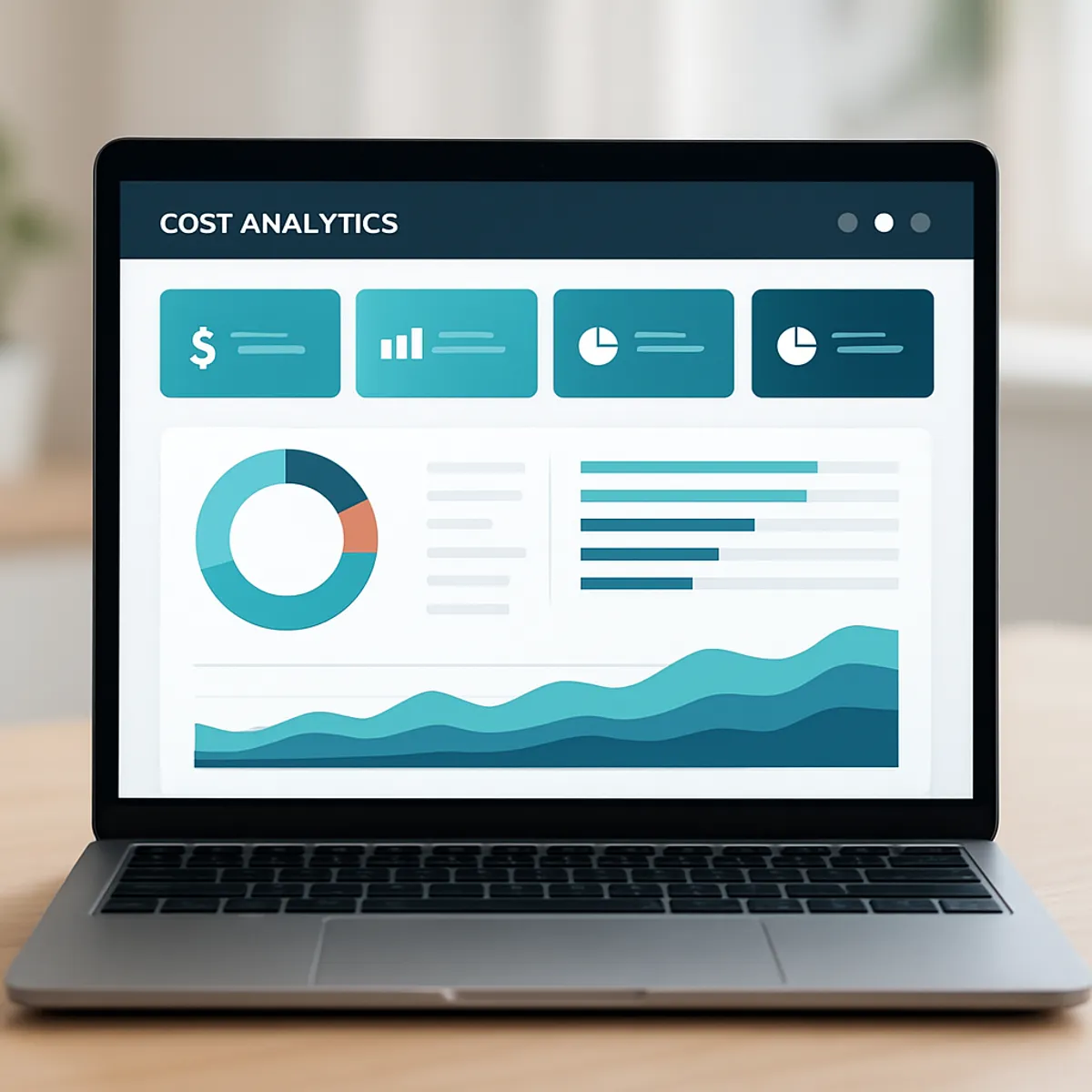
An artificial intelligence cost analytics platform is a system that ingests financial, cloud, and operational data, then applies machine learning to surface patterns humans would miss. Unlike a static dashboard, it learns from historical spend, adapts to seasonality, and produces forward-looking recommendations.
Key definition: Cost analytics is the discipline of measuring, attributing, and optimizing expenses; adding AI means the analysis is automated, continuous, and predictive rather than retrospective and manual.
The difference matters. A traditional report tells you what you spent last month. An AI-driven platform tells you what you will spend next month, which workloads are wasteful, and what to do about it before the invoice lands.
Why Businesses Are Adopting AI for Cost Analytics
Cost pressure is the clearest driver. According to Flexera's State of the Cloud Report, organizations waste an estimated 28–32% of their cloud spend on idle, oversized, or forgotten resources. That waste is invisible to monthly spreadsheets but obvious to a model watching usage every hour.
There are three practical reasons adoption is accelerating:
- Scale outpaces humans. A mid-size company can run thousands of cloud resources across multiple accounts. No analyst can manually audit them all.
- Decisions need speed. Catching a runaway process on day one instead of day thirty is the difference between a $200 mistake and a $20,000 one.
- Accountability is expected. Finance teams now demand per-team, per-project, and per-feature cost attribution — something AI excels at by tagging and clustering automatically.
For teams building these capabilities into their own products, partnering with experienced engineers at ZoneTechify or specialists at WebPeak shortens the path from raw data to working insight.
How an AI Cost Analytics Platform Actually Works
The value comes from a pipeline of connected steps, each powered by automation.
1. Data Ingestion and Normalization
The platform connects to billing APIs, cloud providers, SaaS subscriptions, and internal databases. It normalizes different formats — AWS line items, Azure meters, vendor invoices — into one consistent model so comparisons are valid.
2. Cost Attribution and Tagging
Using clustering and rule-based logic, the platform assigns every dollar to a team, environment, or product feature. This answers the question executives ask most: who is spending this, and why?
3. Forecasting
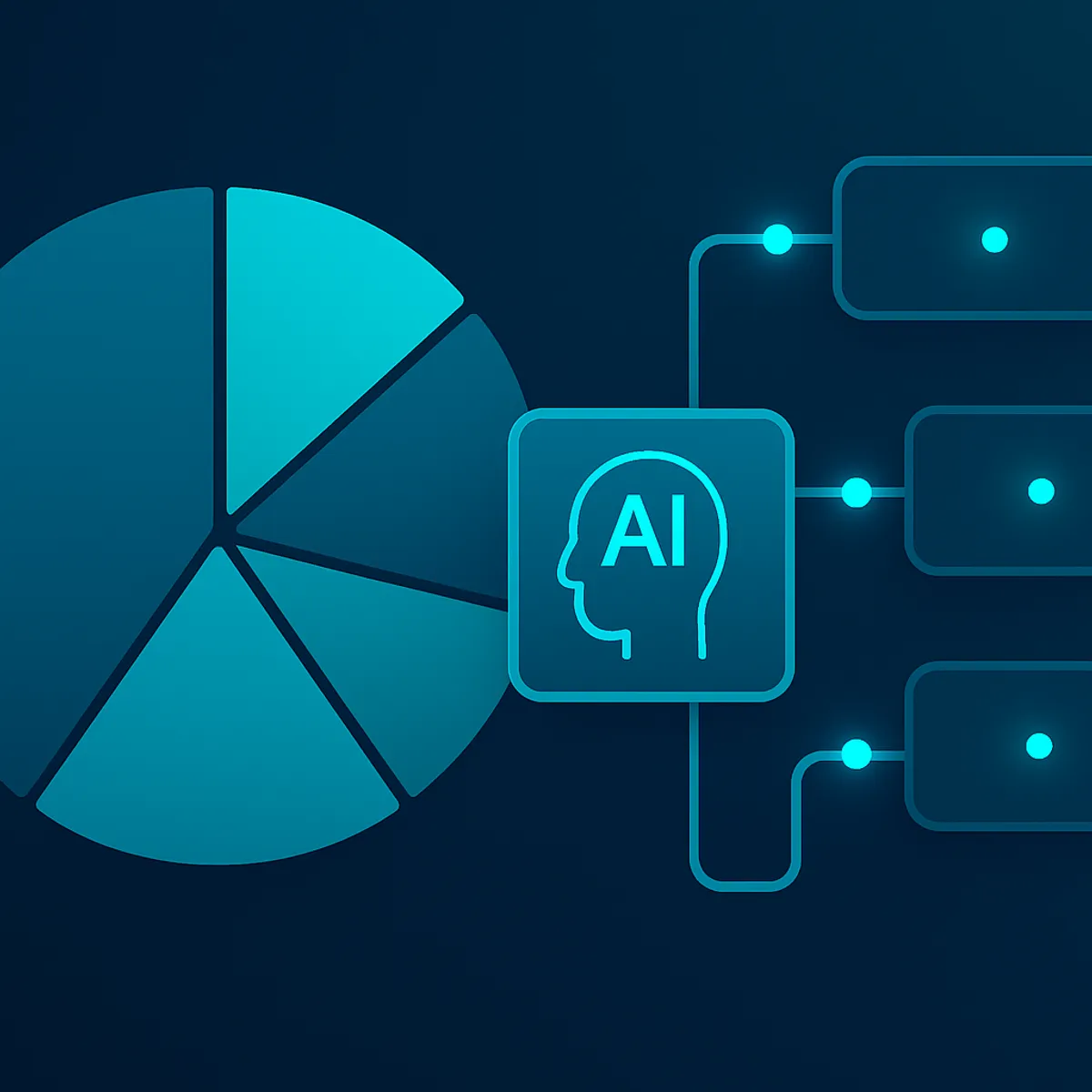
Machine learning models — often time-series methods like Prophet, ARIMA, or gradient-boosted regressors — project future spend with confidence intervals. Instead of a flat guess, you get a realistic range that accounts for growth and seasonality.

4. Anomaly Detection
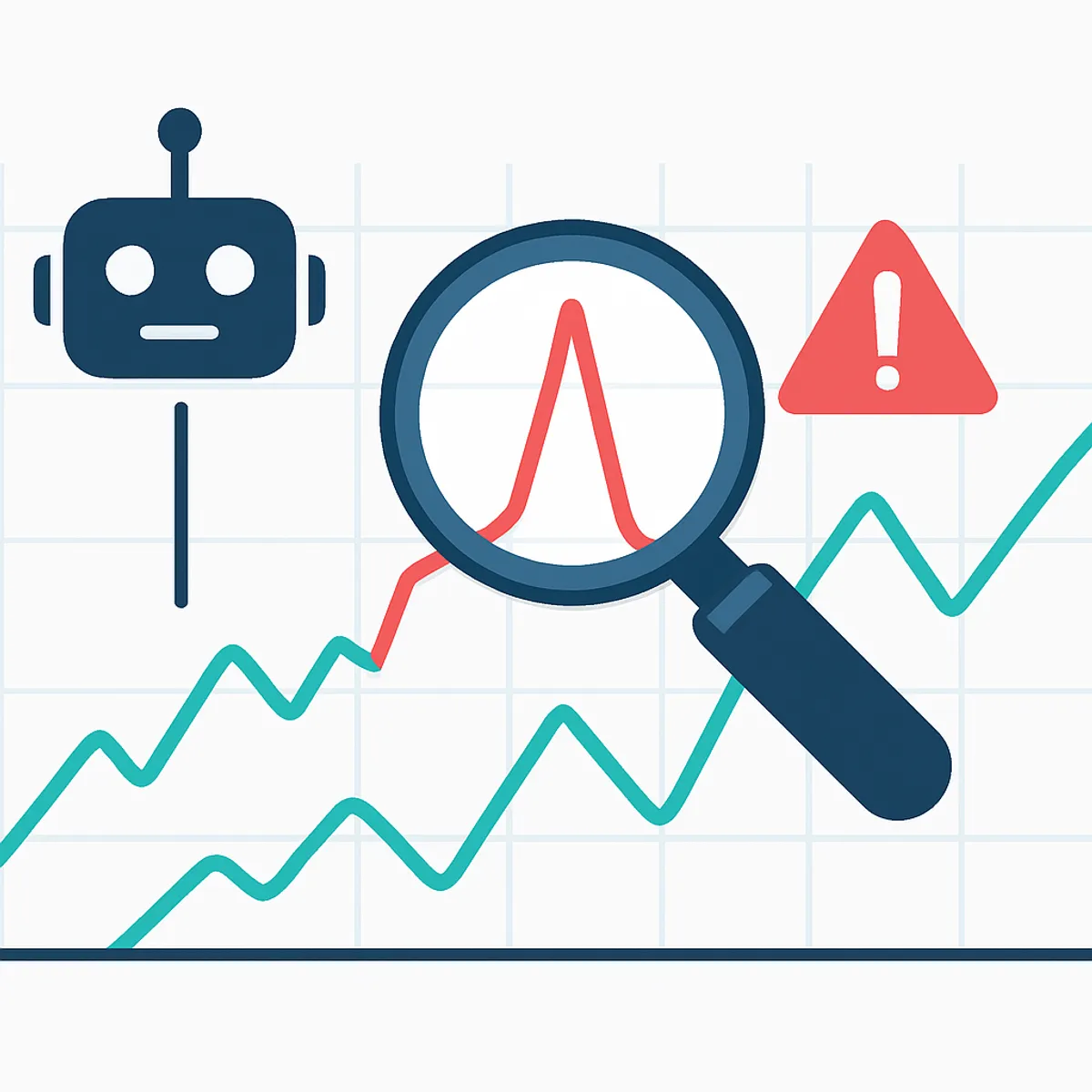
This is where AI shines. The platform learns each resource's normal behavior and flags deviations in real time — a database that suddenly costs triple, or a test environment left running over a weekend.
5. Optimization Recommendations
Finally, it suggests concrete actions: rightsize an instance, buy a reserved capacity plan, delete orphaned storage, or consolidate underused licenses. Good platforms quantify the savings of each action so you can prioritize.
Core Features to Look For
Not all platforms deliver equally. When evaluating tools, prioritize these capabilities:
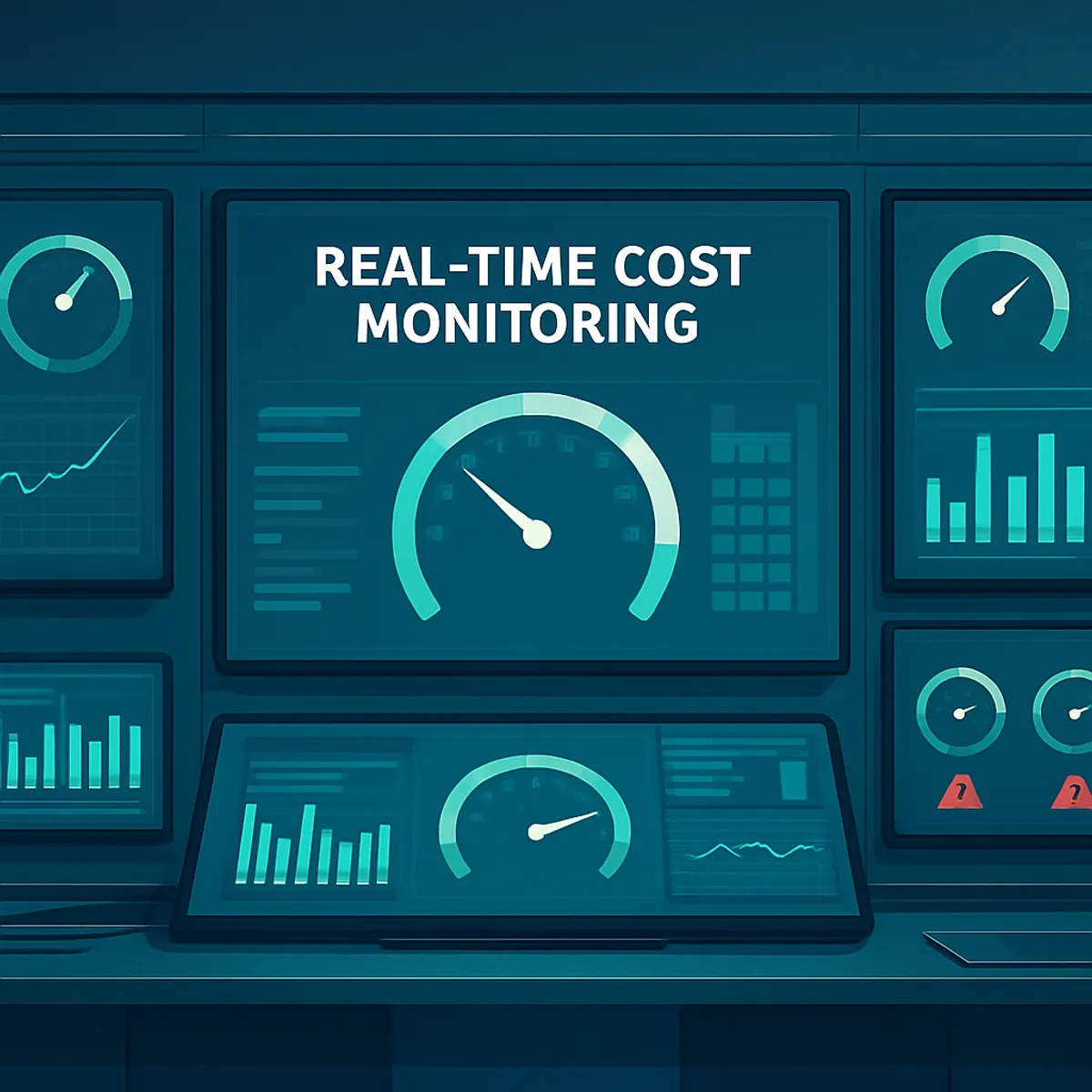
- Real-time monitoring rather than daily batch updates.
- Multi-cloud and SaaS support so nothing escapes tracking.
- Granular cost attribution down to team, tag, and feature.
- Predictive forecasting with confidence ranges, not single numbers.
- Automated anomaly alerts routed to Slack, email, or ticketing tools.
- Actionable recommendations with quantified savings.
- Role-based access so finance, engineering, and leadership see relevant views.
Traditional Cost Tracking vs. AI Cost Analytics
The contrast becomes clear when you compare approaches side by side.
| Capability | Traditional Spreadsheets | AI Cost Analytics Platform |
|---|---|---|
| Update frequency | Monthly or manual | Real-time, continuous |
| Anomaly detection | Reactive, after invoice | Proactive, within hours |
| Forecasting | Rough estimates | ML-based with confidence ranges |
| Cost attribution | Manual, error-prone | Automated and granular |
| Optimization advice | None | Quantified recommendations |
| Scales with growth | No | Yes |
The takeaway: spreadsheets describe the past, while AI platforms shape the future.
Measuring ROI: Does It Actually Pay Off?
The honest answer from real deployments is yes, when adoption is genuine. Gartner has noted that organizations applying disciplined cloud cost management (FinOps) practices commonly reduce cloud spend by 20–30% in the first year. An AI platform accelerates those savings because it removes the manual bottleneck.
To calculate ROI, track three numbers:
- Direct savings — dollars cut from idle and oversized resources.
- Avoided cost — runaway spend caught early by anomaly alerts.
- Time reclaimed — analyst hours no longer spent building reports.
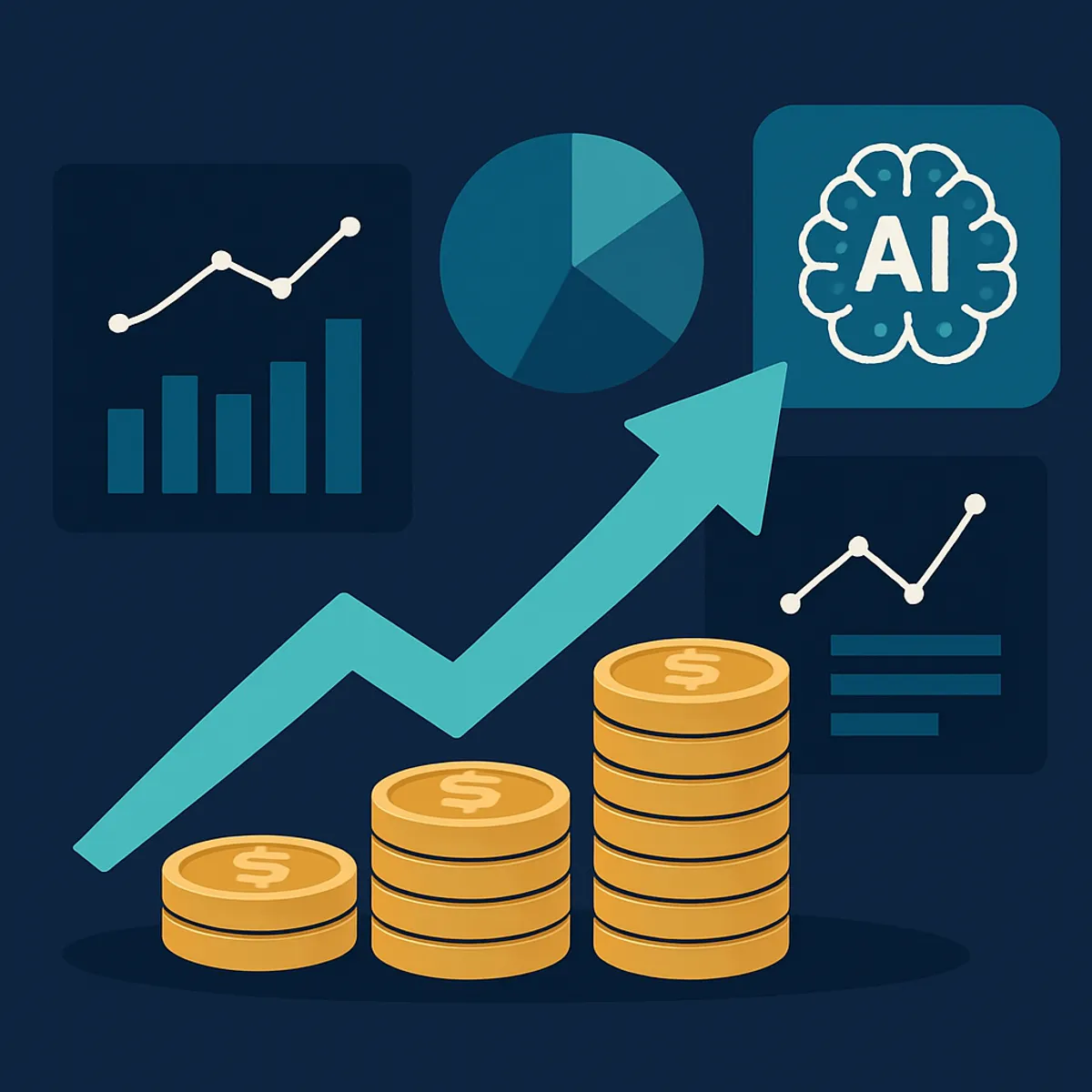
If a platform costs $2,000 a month but eliminates $12,000 in waste and saves 40 analyst hours, the math is decisive. For teams that want a custom-built solution tailored to their data, ZoneTechify's artificial intelligence services can design and deploy a platform around your exact stack.
Common Pitfalls and How to Avoid Them
Even powerful platforms fail when implemented poorly. The most frequent mistakes:
- Poor data hygiene. Untagged resources produce blind spots. Enforce a tagging policy before onboarding.
- Ignoring recommendations. Insight without action saves nothing — assign owners to act on alerts.
- Over-trusting forecasts. Treat predictions as ranges, not promises, and revisit assumptions quarterly.
- Tool sprawl. Consolidate into one platform rather than juggling several partial views.
In our experience, the organizations that win treat the platform as a workflow, not a dashboard. The alert is only valuable if it triggers a decision.
How to Choose the Right Platform for Your Business
Match the tool to your reality. A startup running on a single cloud needs simplicity and quick setup. An enterprise across AWS, Azure, and dozens of SaaS tools needs deep integrations and governance.
Use this short checklist:
- List your data sources and confirm the platform supports all of them.
- Test forecasting accuracy against a known historical month.
- Verify how anomaly alerts are delivered and how fast.
- Confirm the recommendations are specific and quantified.
- Check security, access controls, and compliance certifications.
If no off-the-shelf product fits, a custom build is often the smarter long-term investment.
Key Takeaways
- An artificial intelligence cost analytics platform replaces manual spreadsheets with real-time, predictive financial intelligence.
- Organizations waste an estimated 28–32% of cloud spend, much of it invisible to monthly reports.
- Disciplined cost management with AI commonly cuts cloud spend 20–30% in the first year (Gartner).
- Core features include real-time monitoring, granular attribution, ML forecasting, anomaly detection, and quantified recommendations.
- ROI is measured through direct savings, avoided runaway cost, and reclaimed analyst time.
- Success depends on acting on insights, not just collecting them.
Frequently Asked Questions (FAQ)
What does an AI cost analytics platform do?
It automatically collects spending and usage data, analyzes it with machine learning, forecasts future costs, detects anomalies in real time, and recommends specific savings. In short, it gives finance and engineering teams continuous, predictive visibility into where money goes and how to spend less.
How much money can an AI cost analytics platform save?
Savings vary by organization, but disciplined cost management with AI commonly reduces cloud spend by 20–30% in the first year, according to Gartner. Most of that comes from eliminating idle resources, rightsizing workloads, and catching runaway spend early before it appears on the monthly invoice.
Is an AI cost analytics platform only for large enterprises?
No. Startups and mid-size companies benefit just as much, often more, because every wasted dollar matters at smaller scale. Many platforms offer tiered pricing and quick setup, so even a team running a single cloud account can gain real-time visibility without a large finance department.
How accurate are AI cost forecasts?
Modern platforms use time-series machine learning to produce forecasts with confidence ranges rather than single guesses. Accuracy improves as the model sees more historical data and stable patterns. Treat forecasts as informed ranges, revisit assumptions quarterly, and accuracy typically stays well within a usable margin for budgeting.
What data does an AI cost analytics platform need?
It connects to cloud billing APIs, SaaS subscription records, and internal usage data. Clean, consistent resource tagging dramatically improves accuracy. The more complete and well-labeled your data, the better the platform attributes costs to teams and projects and the more reliable its forecasts and recommendations become.
Can I build a custom AI cost analytics platform?
Yes. When off-the-shelf tools do not fit your stack or compliance needs, a custom platform tailored to your data and workflows is often the better long-term investment. Experienced teams can integrate your exact sources, design relevant dashboards, and tune models around your specific spending behavior.