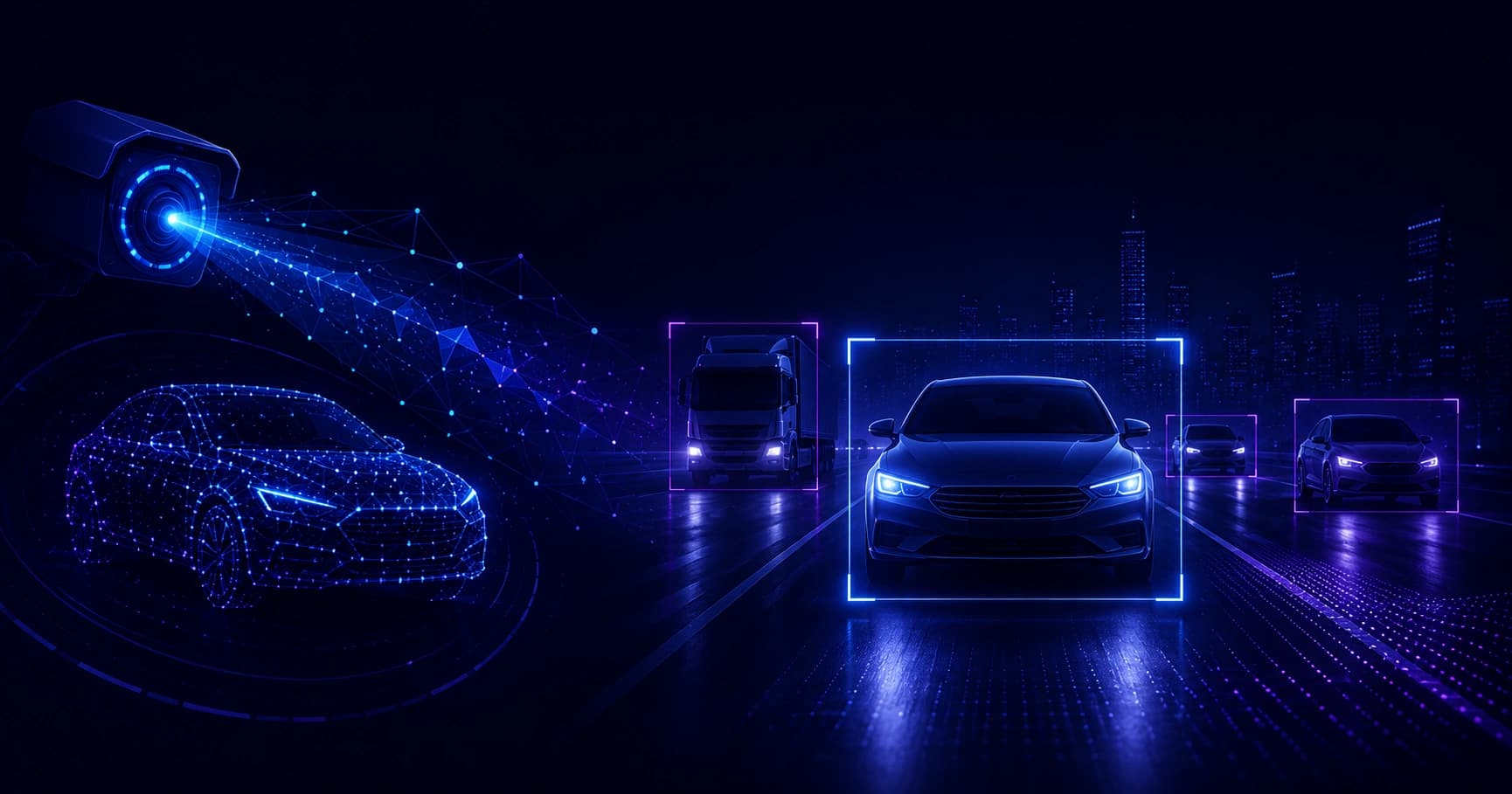
A complete expert guide to vehicle recognition artificial intelligence, covering how it works, real-world use cases, benefits, challenges, and what the future holds.
Vehicle Recognition Artificial Intelligence
Vehicle recognition artificial intelligence has quietly become one of the most deployed computer vision technologies on the planet. Every time you drive through an automated toll, enter a smart parking garage, or pass a traffic-enforcement camera, an AI model is likely identifying your vehicle in milliseconds. What was once expensive, error-prone hardware has evolved into accurate, software-driven systems that run on ordinary cameras.
In this guide, I draw on hands-on experience deploying computer vision pipelines to explain exactly how vehicle recognition AI works, where it delivers real value, and where it still struggles. You will leave knowing how to evaluate, plan, and responsibly implement this technology.
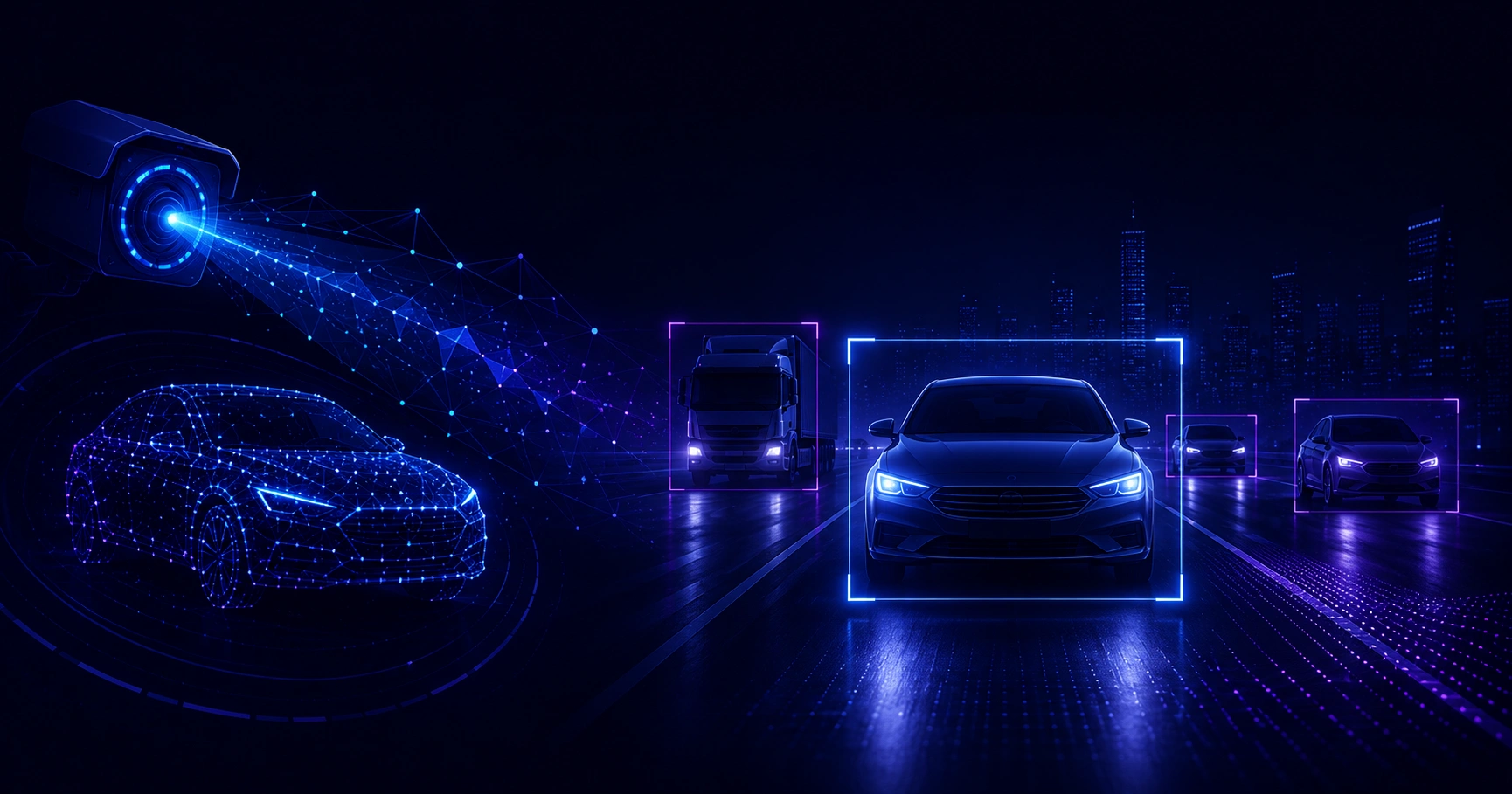
Quick Answer: Vehicle recognition artificial intelligence uses computer vision and deep learning to automatically detect, classify, and identify vehicles from images or video. It reads license plates, make, model, color, and type in real time, powering traffic management, security, tolling, parking, and law enforcement applications with high speed and accuracy.
What Is Vehicle Recognition Artificial Intelligence?
Vehicle recognition artificial intelligence is a branch of computer vision that trains machine learning models to detect and interpret vehicles from visual data. Instead of relying on manual review, the system processes camera feeds and outputs structured information: a bounding box around each vehicle, its type (car, truck, motorcycle, bus), its color, and often its license plate text.
The term covers several related capabilities. Automatic License Plate Recognition (ALPR) reads plate characters. Make and Model Recognition (MMR) identifies the manufacturer and model. Vehicle classification sorts vehicles by category for tolling or traffic studies. Together, these form a complete recognition stack that turns raw video into actionable data.
If you are exploring how AI like this can be built into your own products, ZoneTechify's artificial intelligence services help teams design and ship production-ready computer vision systems.
How Does Vehicle Recognition AI Work?
Vehicle recognition AI works through a multi-stage pipeline that converts pixels into structured information. Each stage is handled by a specialized model, and modern systems run the entire sequence in well under a second per frame.
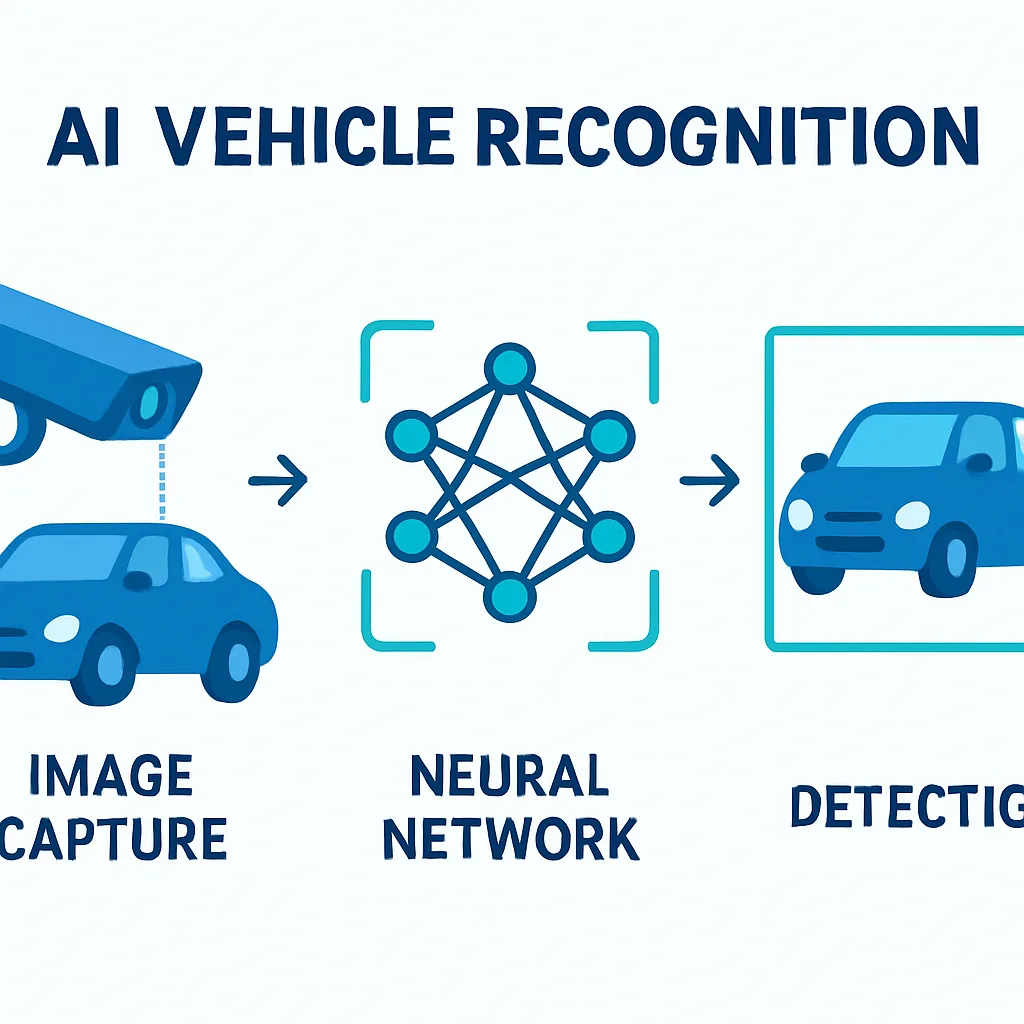
The core workflow follows five steps:
- Image capture — A fixed or mobile camera records video frames of passing traffic.
- Detection — An object-detection model (often YOLO or a similar architecture) locates each vehicle and draws a bounding box around it.
- Classification — A second model labels the vehicle type, color, and sometimes make and model.
- Plate localization and OCR — The system finds the license plate region, then optical character recognition converts the plate into readable text.
- Output and matching — Results are timestamped, logged, and optionally matched against a database for alerts, billing, or analytics.
The Core Technologies Behind It
Three technologies make this possible. Convolutional Neural Networks (CNNs) extract visual features such as edges, shapes, and textures. Object detection frameworks locate multiple vehicles in a single frame simultaneously. Optical Character Recognition (OCR) trained on plate fonts decodes the characters, even at sharp angles or in low light. The combination is what gives modern systems their reliability.
License Plate Recognition: The Most Common Application
License plate recognition is the most widely deployed form of vehicle recognition AI because plates are standardized, unique, and legally tied to a registered owner. This makes them ideal anchors for billing, enforcement, and access control.
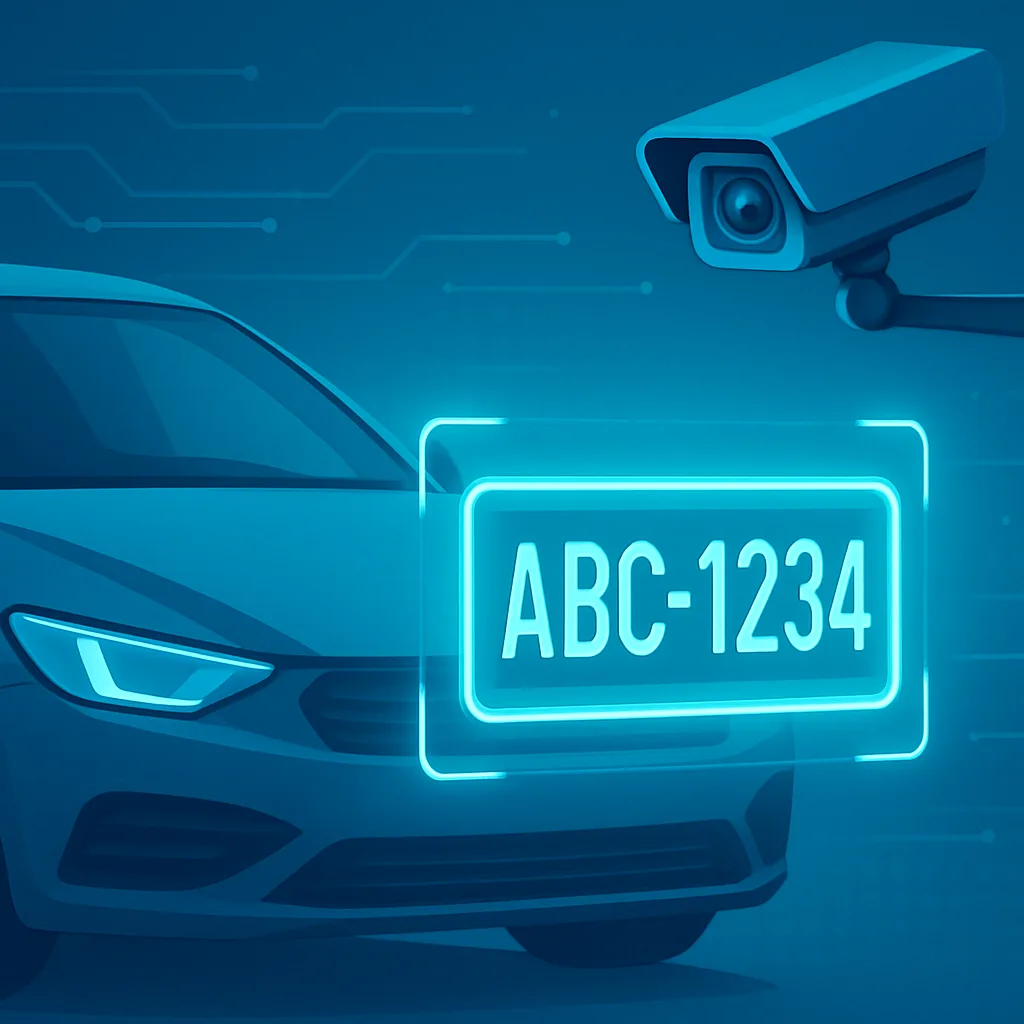
Modern ALPR systems can read plates from vehicles traveling at highway speeds and across multiple lanes at once. Accuracy has improved dramatically: leading commercial engines now report plate-read accuracy above 95% under good conditions, compared to the 60–70% common with older template-matching systems a decade ago. The leap came from replacing rigid rules with deep learning models that generalize across plate designs, fonts, and lighting.
Definition: Automatic License Plate Recognition (ALPR) is the use of cameras and AI software to automatically capture and convert vehicle license plate characters into machine-readable text without human input.
Real-World Use Cases of Vehicle Recognition AI
Vehicle recognition AI is no longer experimental — it underpins systems millions of people use daily. Its value comes from removing manual checks and creating searchable, real-time records.
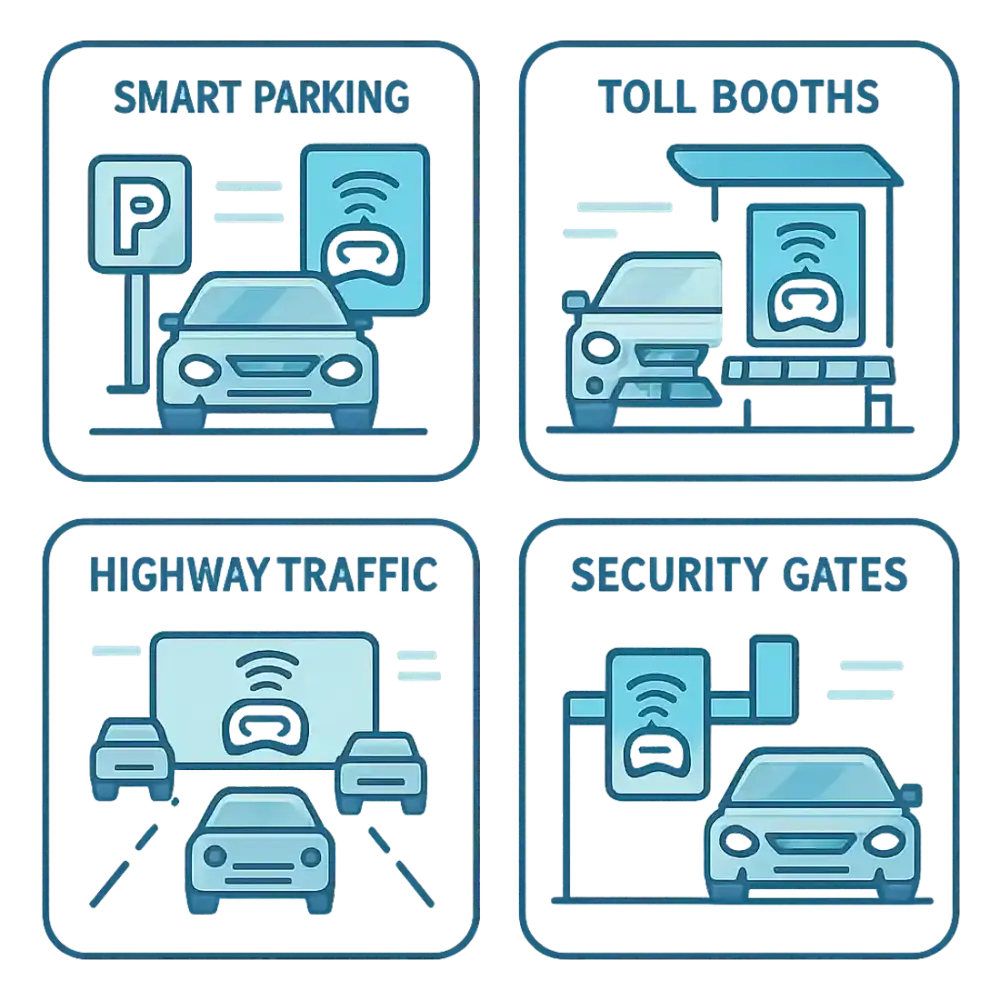
The most impactful applications include:
- Smart parking — Gates open automatically for recognized plates, and drivers are billed without tickets.
- Electronic tolling — Highways charge accounts based on plate and vehicle class, eliminating toll booths.
- Traffic management — Cities measure flow, detect congestion, and time signals using live vehicle counts.
- Law enforcement — Police flag stolen vehicles, expired registrations, or watchlist matches instantly.
- Access control — Gated communities, ports, and corporate campuses grant entry only to approved vehicles.
- Retail and logistics — Drive-thrus recognize returning customers, and warehouses track fleet movement.
According to industry research, the global ALPR market is projected to surpass several billion dollars by the end of this decade, driven largely by smart city investment and contactless tolling adoption.
AI-Powered Traffic Monitoring at Scale
Traffic monitoring is where vehicle recognition AI shows its scale advantage. A single intersection camera can track hundreds of vehicles per minute, classifying each one and feeding the data into traffic optimization systems.
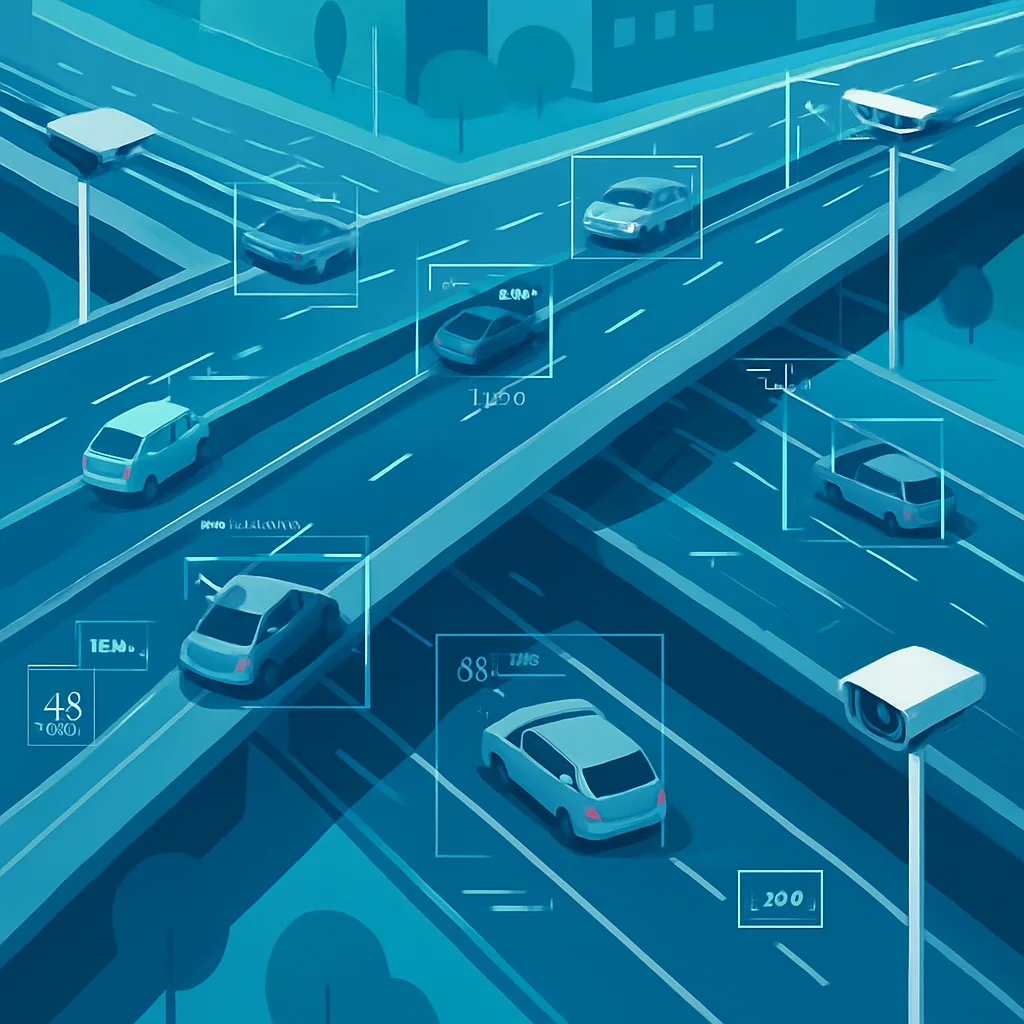
This data does more than count cars. It reveals peak-hour patterns, average speeds, lane usage, and incident detection. According to the U.S. Department of Transportation, traffic congestion costs American drivers billions in lost time and fuel every year — and AI-driven adaptive signals have shown the ability to cut intersection delays by roughly 20–40% in pilot deployments. That is a measurable return that justifies the infrastructure.
Vehicle Recognition AI vs Traditional Systems
Understanding how AI compares to older methods clarifies why adoption is accelerating. The table below summarizes the key differences.
| Feature | Traditional Systems | Vehicle Recognition AI |
|---|---|---|
| Accuracy | 60–70% | 95%+ in good conditions |
| Adaptability | Fixed rules per region | Learns new plate styles |
| Speed | Slower, single lane | Real-time, multi-lane |
| Low-light performance | Poor | Strong with trained models |
| Maintenance cost | High hardware reliance | Mostly software updates |
| Scalability | Limited | Cloud and edge scalable |
The pattern is clear: AI systems improve over time through retraining, while traditional systems require costly hardware replacement to handle new conditions.
Key Benefits of Vehicle Recognition AI
The benefits of vehicle recognition AI extend well beyond automation. They reshape how organizations handle speed, accuracy, and cost.
The strongest advantages are:
- Speed — Recognition happens in milliseconds, enabling truly contactless operations.
- Accuracy — Deep learning reduces human error and false reads dramatically.
- Cost efficiency — Software upgrades replace expensive hardware overhauls.
- Searchability — Every detection becomes a queryable record for audits and analytics.
- Scalability — One trained model can be deployed across thousands of cameras.
These benefits compound. A parking operator, for example, gains faster throughput, fewer disputes, and rich occupancy data from a single system.
Challenges and Limitations to Plan For
Vehicle recognition AI is powerful, but honest implementation means acknowledging its limits. Ignoring them leads to failed deployments and eroded trust.

The main challenges are:
- Environmental conditions — Rain, snow, glare, and darkness reduce accuracy if cameras and models are not optimized.
- Obstructed or damaged plates — Dirt, frames, or bent plates cause misreads.
- Privacy and compliance — Storing vehicle and location data raises legal obligations under regulations like GDPR.
- Bias and data quality — Models trained on narrow datasets fail in new regions.
- Edge cases — Unusual plate formats, temporary tags, or non-standard fonts require ongoing retraining.
Responsible deployment means clear data-retention policies, transparent usage, and continuous model evaluation. Trust is earned by treating recognition data as sensitive from day one.
How to Implement Vehicle Recognition AI Successfully
A successful rollout follows a disciplined process rather than buying cameras and hoping for results. Based on real deployments, these steps matter most:
- Define the goal — Tolling, security, and analytics each demand different accuracy and latency targets.
- Choose camera placement carefully — Angle, height, and lighting affect accuracy more than the model itself.
- Select edge or cloud processing — Edge reduces latency and bandwidth; cloud simplifies scaling.
- Validate on local data — Test with plates and vehicles from your actual environment.
- Plan for governance — Set retention limits and access controls before going live.
For teams that want expert help integrating these models, WebPeak's artificial intelligence services specialize in turning computer vision concepts into deployable, compliant systems.
The Future of Vehicle Recognition AI
The future of vehicle recognition AI points toward deeper integration with connected and autonomous infrastructure. As edge computing matures, recognition will shift from centralized servers to the cameras themselves, cutting latency and protecting privacy by processing data locally.

Expect three trends to accelerate. First, multimodal recognition combining vehicle identity with behavior analysis for safety. Second, privacy-preserving AI that anonymizes data while keeping analytics useful. Third, vehicle-to-infrastructure integration, where recognition systems communicate directly with smart traffic networks. These shifts will make recognition faster, fairer, and far more embedded in everyday mobility. Explore more practical AI insights at ZoneTechify and WebPeak.
Key Takeaways
- Vehicle recognition AI uses computer vision and deep learning to detect, classify, and identify vehicles in real time.
- Modern ALPR engines achieve over 95% plate-read accuracy in good conditions, up from 60–70% a decade ago.
- The pipeline involves capture, detection, classification, plate OCR, and database matching.
- Top use cases include smart parking, tolling, traffic management, law enforcement, and access control.
- AI-driven adaptive signals have reduced intersection delays by roughly 20–40% in pilots.
- Success depends on camera placement, local validation, and strong data governance.
Frequently Asked Questions (FAQ)
What is vehicle recognition artificial intelligence?
It is a computer vision technology that uses deep learning to automatically detect and identify vehicles from images or video. It can read license plates, recognize make, model, color, and type, and is used in tolling, parking, traffic management, and security systems with high speed and accuracy.
How accurate is AI license plate recognition?
Leading commercial ALPR systems achieve over 95% plate-read accuracy under good lighting and clear plate conditions. Accuracy drops with poor weather, glare, obstructed plates, or extreme angles. Continuous model retraining and proper camera placement are the most reliable ways to maintain high accuracy in real deployments.
Is vehicle recognition AI legal to use?
It is legal in most regions when used responsibly and in compliance with privacy laws like GDPR. Organizations must define data-retention limits, restrict access, and be transparent about usage. Law enforcement and commercial use often have specific local regulations, so legal review before deployment is strongly recommended.
What technologies power vehicle recognition AI?
Vehicle recognition AI relies on convolutional neural networks for feature extraction, object-detection frameworks like YOLO for locating vehicles, and optical character recognition for reading plates. These models often run on edge devices or cloud servers, processing each video frame in well under one second for real-time results.
Can vehicle recognition AI work at night or in bad weather?
Yes, but performance depends on hardware and model training. Infrared and high-dynamic-range cameras improve low-light capture, while models trained on diverse weather data handle rain, snow, and glare better. Without these optimizations, accuracy can fall significantly, so testing in real local conditions is essential.
How long does it take to deploy a vehicle recognition system?
Deployment time varies with scale and complexity. A single-camera parking setup can go live quickly, while multi-lane tolling or citywide traffic systems require careful camera placement, local data validation, and governance planning. Most professional implementations focus on accuracy testing before scaling to additional locations.
Final Thoughts
Vehicle recognition artificial intelligence has moved from a niche security tool to core infrastructure for modern mobility. Its strength lies in turning ordinary camera feeds into accurate, searchable, real-time data that powers smarter cities, safer roads, and frictionless transactions. The organizations that succeed treat it as both a technical and an ethical project — investing in proper deployment, local validation, and responsible data governance. Get those fundamentals right, and vehicle recognition AI becomes one of the highest-return computer vision investments available today.