
A practical guide to what an artificial intelligence club is, why it matters, how to start one, and the activities, tools, and careers it can unlock.
Artificial Intelligence Club
An artificial intelligence club is one of the fastest ways for students, professionals, and hobbyists to turn curiosity about AI into real, demonstrable skills. Instead of learning machine learning alone from scattered tutorials, members build projects together, share resources, host workshops, and create a support system that keeps everyone accountable. In a field changing this quickly, community is not a luxury, it is a learning accelerator.
This guide explains exactly what an AI club is, what it does, how to start one from scratch, and how to grow it into a thriving community. Whether you are a high school student, a university society lead, or a workplace organizer, you will leave with a concrete action plan you can use this week.
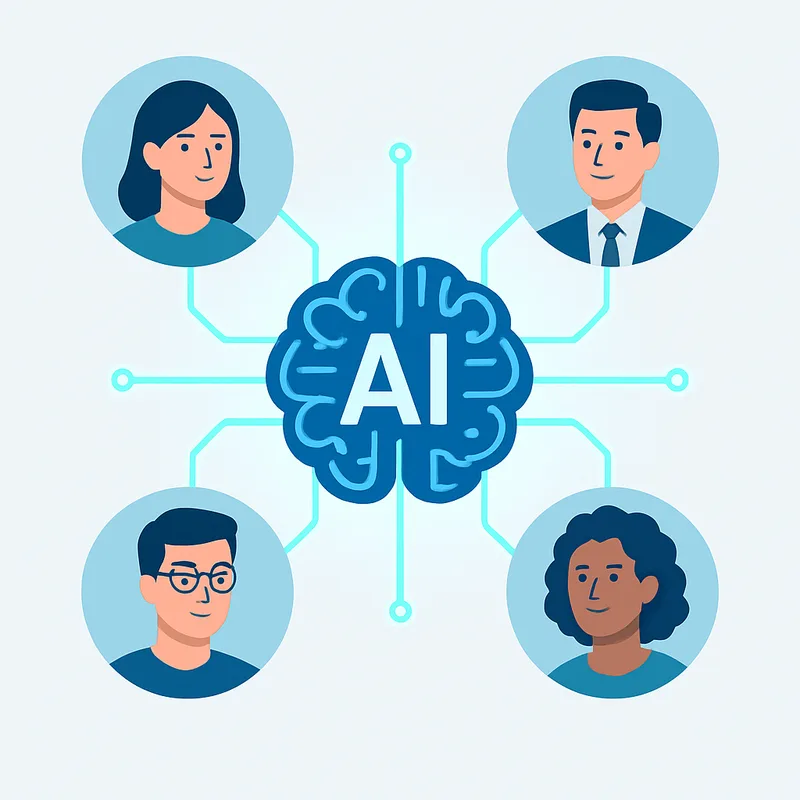
Quick Answer: An artificial intelligence club is a community where members learn, build, and discuss AI together through workshops, projects, and competitions. It accelerates skill-building, provides mentorship and resources, and helps members create portfolios and networks that lead to real AI careers.
What Is an Artificial Intelligence Club?
An artificial intelligence club is an organized group, often at a school, university, or company, that meets regularly to study and apply artificial intelligence. AI, in plain terms, is the field of building software that performs tasks normally requiring human intelligence, such as recognizing images, understanding language, or making predictions.
Unlike a passive lecture series, a club is participatory. Members run hands-on sessions, pair up on coding challenges, invite guest speakers, and enter hackathons. The goal is applied learning, not just theory. The best clubs treat every meeting as a chance to ship something small and learn from it.
Clubs typically cover a mix of topics: Python programming, data analysis, machine learning, deep learning, natural language processing, computer vision, and the ethics of responsible AI. Some focus on research, others on building products. Both are valid, and the strongest communities blend the two.
Why Join an AI Club? The Real Benefits
The biggest reason to join is speed. You learn faster surrounded by people solving the same problems, because you can ask questions, copy good habits, and avoid common dead ends. According to Stanford's AI Index, demand for AI skills continues to rise across nearly every industry, which means practical experience now compounds in value over time.
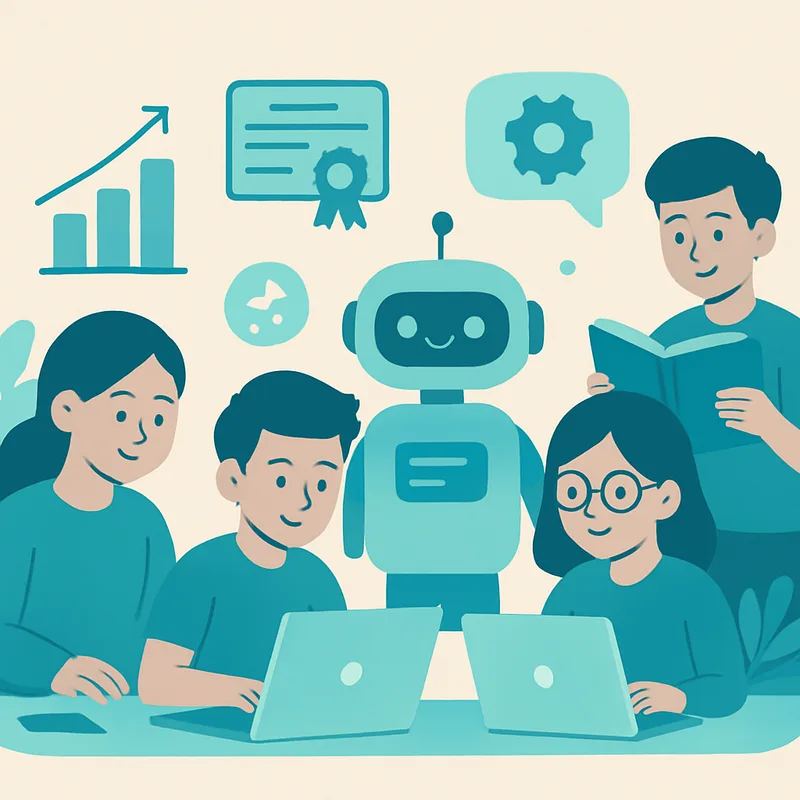
Here are the concrete benefits members gain:
- Practical skills: You write real code and train real models instead of only reading about them.
- Portfolio projects: Group projects become portfolio pieces that prove ability to employers and universities.
- Mentorship: Senior members and guest experts shorten your learning curve dramatically.
- Networking: You meet peers, recruiters, and founders who can open doors later.
- Accountability: Regular meetings keep you consistent, which is the single biggest predictor of progress.
There is also a confidence benefit that is easy to overlook. Presenting a project to your club, even an imperfect one, builds the communication skills that separate good engineers from great ones. Explaining how a model works is a skill in itself.
What Does an AI Club Actually Do?
A healthy AI club runs a rotating mix of activities so members stay engaged and keep building. Variety prevents burnout and exposes everyone to different parts of the field.
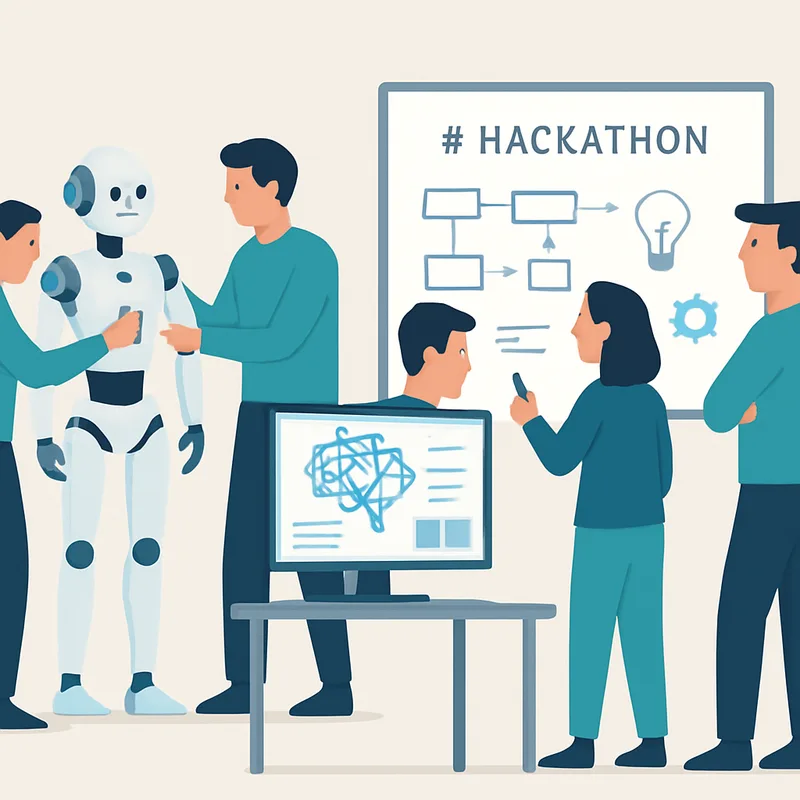
Common activities include:
- Workshops: Step-by-step sessions on tools like Python, pandas, scikit-learn, PyTorch, or TensorFlow.
- Build nights: Members work on projects such as chatbots, recommendation systems, or image classifiers.
- Paper reading groups: The club discusses one research paper and breaks down its key ideas.
- Hackathons and competitions: Teams compete in events or on platforms like Kaggle.
- Guest talks: Industry practitioners share real-world experience and answer questions.
- Ethics discussions: Members debate bias, privacy, and responsible deployment of AI.
Projects are the heart of it all. A beginner-friendly project might be a sentiment analyzer for product reviews. A more advanced team might fine-tune a language model or build a computer vision app that detects objects in real time. The point is to ship, reflect, and iterate.
How to Start an Artificial Intelligence Club
Starting a club is simpler than most people expect. You do not need to be an expert, you need to be organized and consistent. The founders who succeed focus on momentum, not perfection.

Follow these steps:
- Define a clear mission. Decide whether your club is for beginners, researchers, builders, or a blend. Clarity attracts the right members.
- Recruit a small founding team. Three to five committed people is enough to start. Assign roles like lead, workshop coordinator, and outreach.
- Find a space and schedule. Pick a consistent time, weekly or biweekly, and a physical or virtual venue.
- Plan the first three meetings. Have content ready so early members see immediate value and return.
- Set up communication. Use a Discord server, Slack, or group chat for resources, announcements, and questions.
- Promote it. Share on campus boards, social media, and class groups. A strong launch event builds early momentum.
Document everything in a shared folder from day one: meeting notes, project repos, and learning resources. This becomes an asset that outlives any single member and makes onboarding new people effortless. If you also want a polished online presence for your club, professional web development can give you a simple site to showcase projects and attract members.
Growing and Sustaining Your AI Club
Getting members is easier than keeping them. Retention comes from consistent value and a welcoming culture where beginners feel safe asking questions. Clubs collapse when meetings become irregular or when only advanced members feel included.
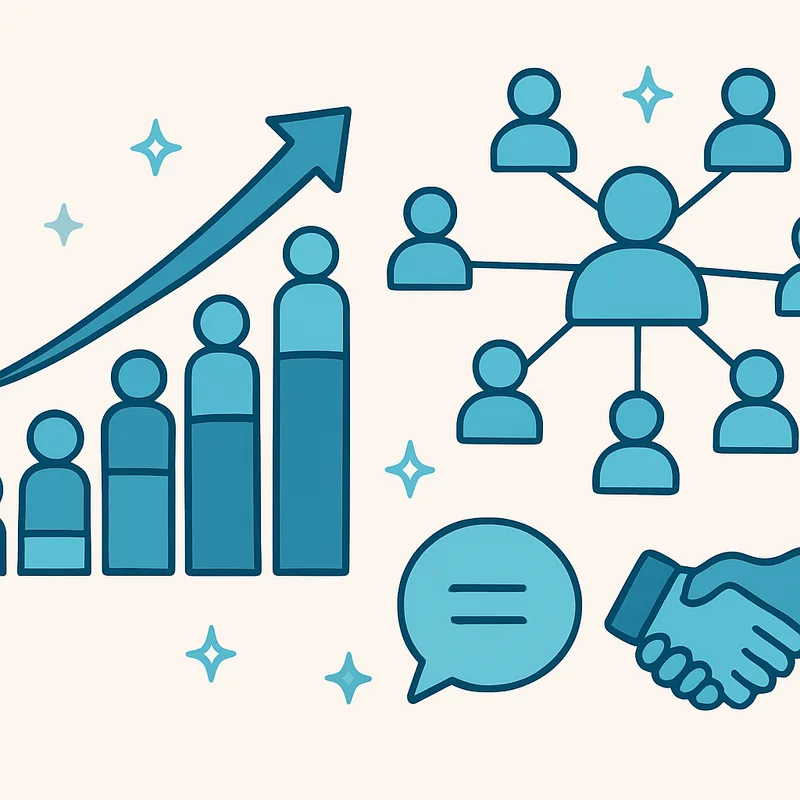
Use these tactics to grow sustainably:
- Run beginner tracks. Separate intro sessions stop newcomers from feeling lost.
- Celebrate progress. Demo days and shout-outs keep motivation high.
- Rotate leadership. Giving members ownership prevents burnout and builds future leaders.
- Partner with others. Collaborate with companies, departments, or other clubs for speakers and events.
- Track outcomes. Record projects shipped and members hired to prove impact and attract sponsors.
A practical benchmark: if at least half of your members return month over month, your club is healthy. If retention drops, survey members and adjust the format quickly. Listening beats guessing every time.
Essential Tools and Resources for an AI Club
The right tools lower the barrier to entry so members can start building immediately. Most of the essentials are free, which keeps clubs accessible to everyone.

| Tool or Resource | Purpose | Cost |
|---|---|---|
| Python | Core programming language for AI | Free |
| Google Colab | Cloud notebooks with free GPU access | Free tier |
| Kaggle | Datasets and competitions | Free |
| PyTorch / TensorFlow | Deep learning frameworks | Free |
| Hugging Face | Pretrained models and datasets | Free tier |
| GitHub | Version control and project sharing | Free |
Beyond tools, curate a shared learning path. Point beginners to free courses, official documentation, and beginner Kaggle competitions. For clubs that want to explore advanced automation and machine learning further, specialized artificial intelligence services can offer guidance, mentorship, and project ideas that mirror real industry work.
AI Club Careers and the Future
An AI club is a launchpad for careers, not just a hobby group. The projects, network, and reputation you build inside one translate directly into opportunities. According to the U.S. Bureau of Labor Statistics, roles in data science and related computing fields are projected to grow much faster than the average occupation through the coming decade.
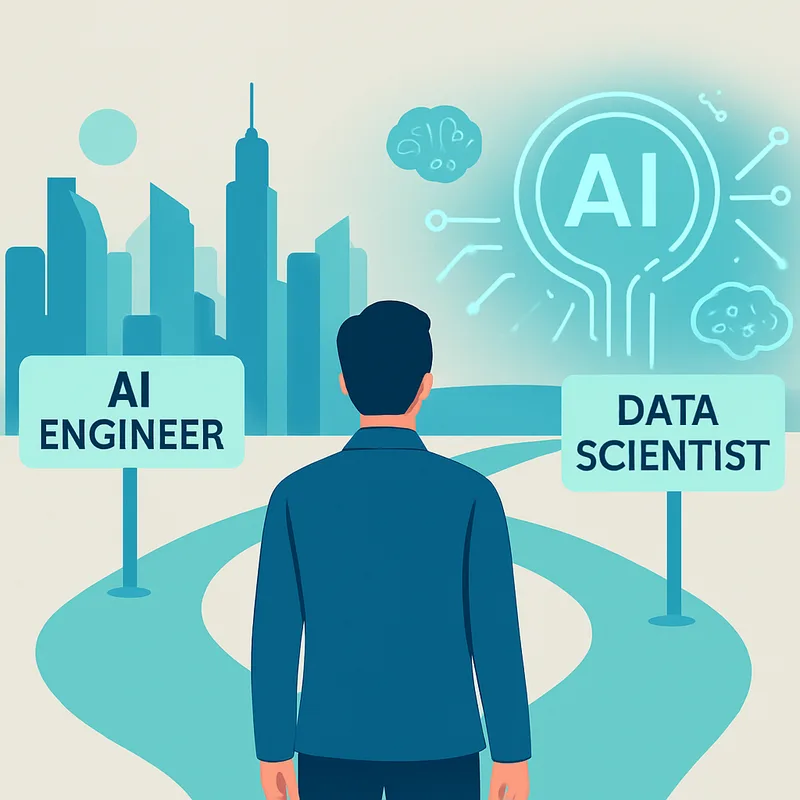
Members commonly move into roles such as:
- Data Scientist
- Machine Learning Engineer
- AI Research Assistant
- Data Analyst
- Prompt Engineer or AI Product Specialist
The future of AI clubs is bright because the field rewards continuous learning, and clubs are built for exactly that. As generative AI tools become standard in workplaces, the people who understand how to build and evaluate them will lead. A club gives you a head start that is hard to replicate alone.
To keep learning beyond your club, follow trusted resources and stay connected to a community of builders. Platforms like ZoneTechify and WebPeak regularly share practical guidance on AI, development, and digital skills that complement what your club teaches.
Key Takeaways
- An artificial intelligence club is a community for learning and building AI through workshops, projects, and competitions.
- Members gain practical skills, portfolio projects, mentorship, and a professional network.
- Starting a club requires a clear mission, a small founding team, a consistent schedule, and ready-made content for the first few meetings.
- Retention comes from beginner tracks, celebrating progress, and rotating leadership.
- Most essential tools, including Python, Google Colab, and Kaggle, are free.
- Club experience leads directly to in-demand careers like data scientist and machine learning engineer.
Frequently Asked Questions (FAQ)
What is an artificial intelligence club?
An artificial intelligence club is an organized group that meets regularly to learn and apply AI. Members attend workshops, build projects like chatbots and image classifiers, discuss research, and enter competitions. It turns scattered self-study into structured, hands-on learning supported by a community of peers and mentors.
Do I need coding experience to join an AI club?
No, most AI clubs welcome complete beginners. Good clubs run dedicated beginner tracks that teach Python and core concepts from scratch. You learn faster surrounded by peers and mentors than studying alone, so joining early, even without experience, is one of the smartest ways to start.
How do I start an AI club at my school or workplace?
Start by defining a clear mission, recruiting three to five committed people, and setting a consistent meeting schedule. Plan your first three sessions in advance, set up a Discord or Slack for communication, and promote your launch event widely. Document everything in a shared folder from day one.
What activities do AI clubs do?
AI clubs run workshops, build nights, research paper discussions, hackathons, guest talks, and ethics debates. The core focus is building real projects, from sentiment analyzers to computer vision apps. The mix keeps members engaged while exposing them to different parts of artificial intelligence and machine learning.
Can an AI club help me get a job?
Yes, AI clubs significantly boost employability. You build portfolio projects, gain mentorship, and grow a professional network that opens doors. Members commonly move into roles like data scientist, machine learning engineer, and AI research assistant, fields projected to grow far faster than average over the coming decade.