
A clear, practical breakdown of ABA Resolution 604 (2023) and what it means for lawyers using artificial intelligence in everyday legal practice.
ABA Resolution 604 2023 Artificial Intelligence Lawyers
Artificial intelligence has moved from a futuristic talking point to a daily reality inside law firms. From drafting contracts to reviewing discovery documents, AI now touches nearly every corner of legal work. To address this shift responsibly, the American Bar Association adopted ABA Resolution 604 in 2023. This resolution offers guidance on how lawyers, courts, and developers should approach the use of artificial intelligence while protecting clients and preserving public trust. If you want a deeper look at responsible technology adoption, resources like ZoneTechify and WebPeak regularly explore how organizations can use AI ethically and effectively.
In this article, we break down what ABA Resolution 604 actually says, why it matters for practicing attorneys, and how law firms can adopt AI tools without compromising their professional obligations.

What Is ABA Resolution 604?
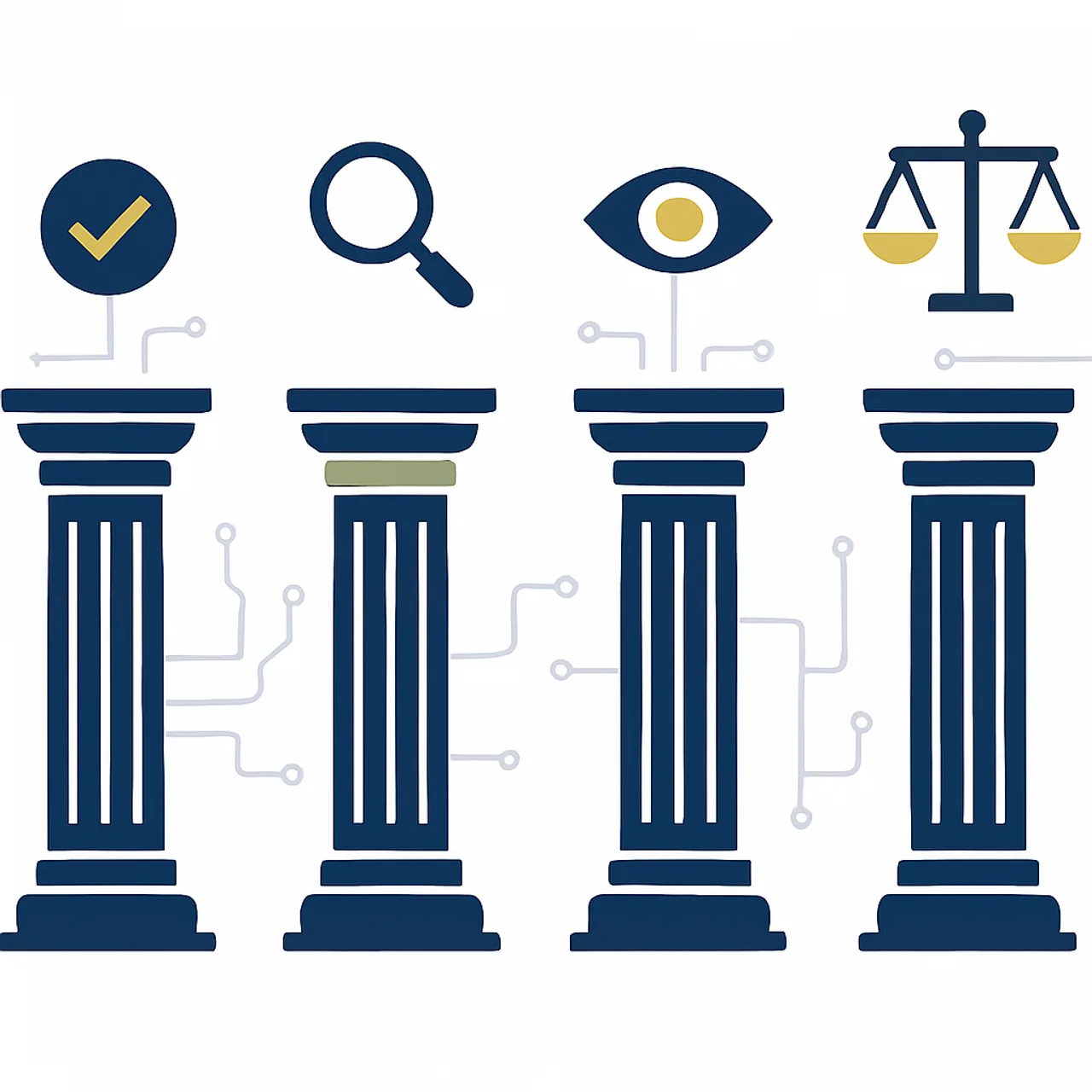
ABA Resolution 604 is a policy statement adopted by the American Bar Association in 2023. Rather than banning or restricting AI, it sets out guiding principles for the responsible use of artificial intelligence and automated decision-making tools across the legal system. The resolution urges courts, lawyers, and AI developers to keep three core ideas at the center of any AI deployment: human oversight, accountability, and transparency.
The resolution recognizes a simple truth. AI can dramatically improve efficiency, but it cannot replace the judgment, ethics, and responsibility that define the legal profession. By issuing 604, the ABA signaled that the profession should embrace innovation while ensuring that technology serves justice rather than undermines it.

The Core Pillars of Resolution 604
Resolution 604 rests on a small set of clear principles. First, organizations and individuals that use AI should be accountable for the outcomes those tools produce, especially when human oversight is missing. Second, AI systems should be transparent and traceable so that decisions can be reviewed and understood. Third, developers should ensure their tools are validated, tested, and free from harmful bias before they reach sensitive uses like legal work.
These pillars are intentionally broad. The ABA did not write detailed technical rules. Instead, it created a framework that courts, regulators, and bar associations can build upon as the technology evolves.
Why Resolution 604 Matters for Lawyers
For practicing attorneys, Resolution 604 is more than an abstract policy. It reinforces existing ethical duties in the context of new technology. Lawyers already have obligations of competence, confidentiality, communication, and supervision under professional conduct rules. Resolution 604 makes clear that these duties extend to the tools a lawyer chooses to use.
In practice, this means a lawyer cannot simply blame an AI tool for a mistake. If an attorney submits a brief containing fabricated case citations generated by an AI system, the attorney remains responsible. The resolution encourages lawyers to treat AI output as a starting point that requires verification, not as a finished product.

The Duty of Competence in an AI World
Competence has always meant understanding the law and the relevant facts. Today it also means understanding the tools you rely on. A lawyer who uses AI must have a reasonable grasp of how the tool works, what data it draws from, and where it can fail. This does not require becoming a software engineer. It does require enough technical literacy to spot errors, hallucinations, and bias.
Resolution 604 nudges the profession toward continuous learning. Firms that invest in training and clear AI policies will be far better positioned than those that let attorneys experiment without guidance.
How AI Is Reshaping Legal Practice
The reason Resolution 604 arrived when it did is simple. AI adoption in legal practice accelerated rapidly. Generative AI tools can summarize lengthy depositions, draft routine correspondence, and surface relevant precedents in seconds. Document review, which once consumed thousands of billable hours, can now be streamlined through machine learning.
These gains are real, but they come with risk. AI tools can produce confident answers that are completely wrong. They can expose confidential client data if used carelessly. They can embed bias that affects outcomes for real people. Resolution 604 exists precisely because these risks demand thoughtful governance.

Common AI Use Cases in Law Firms
Law firms apply AI in several practical ways today. The table below summarizes common uses and the oversight each one requires under the spirit of Resolution 604.
| AI Use Case | Primary Benefit | Human Oversight Needed |
|---|---|---|
| Legal research | Faster precedent discovery | Yes |
| Document review | Reduced review hours | Yes |
| Contract drafting | Consistent first drafts | Yes |
| Client intake chatbots | Round-the-clock responses | Yes |
| Predictive analytics | Case outcome insights | Yes |
The consistent theme is clear. Every meaningful use of AI in legal work still demands a human in the loop. Firms exploring custom or industry-specific AI solutions can learn from specialized providers such as ZoneTechify's artificial intelligence services, which focus on responsible, business-ready implementations.
The Three Principles Explained in Depth
To apply Resolution 604, it helps to understand its three guiding principles in practical terms.
Human Oversight and Control
The resolution insists that humans remain in control of consequential decisions. AI should assist, not decide. In a legal context, this means a lawyer should always review AI-generated work before it reaches a client, a court, or opposing counsel. Automated systems can flag issues, but a qualified professional must make the final call.
Accountability
Accountability means someone is answerable for what the AI does. When a tool produces a harmful or inaccurate result, the question of responsibility cannot be left unanswered. Resolution 604 places that responsibility on the people and organizations deploying the technology. For lawyers, this aligns neatly with long-standing professional responsibility rules.
Transparency and Traceability
Transparency ensures that AI decisions can be explained and audited. If a tool recommends a course of action, a lawyer should be able to understand, at least in general terms, why. Traceability supports this by keeping records of how outputs were generated. These qualities protect clients and help courts evaluate AI-assisted work fairly.
Choosing and Using AI Tools Responsibly
Resolution 604 does not tell lawyers which products to buy. Instead, it sets expectations that shape smart purchasing and usage decisions. When selecting an AI tool, firms should ask vendors about data security, training sources, bias testing, and audit capabilities. A reputable vendor should be able to explain how the tool protects confidentiality and how it handles errors.

Building an Internal AI Policy
Forward-looking firms are creating written AI policies that define approved tools, prohibited uses, and verification requirements. A strong policy clarifies that confidential client information should never be entered into public AI systems without proper safeguards. It also establishes who reviews AI output and how. These internal rules turn the abstract principles of Resolution 604 into daily habits.
Clients increasingly expect this maturity. Demonstrating a clear, responsible AI policy can become a competitive advantage and a trust signal in a crowded legal market.
Accountability in Action
The most discussed risk of AI in law is the so-called hallucination, where a tool invents facts or citations. Several high-profile incidents involved lawyers submitting AI-generated briefs containing fictitious cases. Courts responded with sanctions, and the profession took notice.
Resolution 604 anticipates exactly this scenario. By emphasizing accountability and human oversight, it reminds lawyers that the duty to verify never disappears. AI can draft, but only a human can certify accuracy. This single discipline, verifying every AI output, prevents the majority of serious problems.

The Future of AI in the Legal Profession
Resolution 604 is best understood as a starting point rather than a final answer. As AI capabilities grow, bar associations, courts, and legislatures will continue to refine the rules. We can expect more detailed guidance on disclosure, billing for AI-assisted work, and the validation of legal AI products.
The overall direction is positive. The legal profession is not rejecting AI. It is choosing to adopt it thoughtfully, with guardrails that protect clients and the justice system. Lawyers who embrace this balanced approach will gain efficiency without sacrificing their ethical foundation.

Key Takeaways for Lawyers
ABA Resolution 604 reminds us that technology should serve professional values, not override them. Lawyers should stay competent in the tools they use, verify every meaningful output, protect client confidentiality, and maintain clear accountability for results. Firms that build sensible AI policies now will be ready for the more detailed regulations that are sure to follow.
Conclusion
ABA Resolution 604 represents a measured, forward-thinking response to the rise of artificial intelligence in law. It does not fear technology, nor does it embrace it blindly. Instead, it anchors AI adoption in three timeless principles: human oversight, accountability, and transparency. For lawyers, the message is encouraging and clear. Use AI to work smarter, but never surrender your professional judgment. By following the spirit of Resolution 604, the legal profession can harness powerful tools while continuing to uphold the trust that justice depends on.