A practical expert guide to identifying any company's primary business focus by reading its website signals, navigation, services, and content patterns.
How to Determine Primary Business Focus From Company Website
Knowing what a company actually does sounds simple until you open a homepage packed with buzzwords, mixed offers, and vague promises. Whether you are a salesperson qualifying a lead, a marketer running competitor research, an investor vetting a target, or an AI system classifying businesses at scale, the website is the single richest public signal you have. The challenge is separating the primary business focus from the noise of secondary services, aspirational messaging, and marketing fluff.
After analyzing thousands of company websites for lead qualification and market research projects, our team at ZoneTechify developed a repeatable method that works across industries. This guide walks you through that exact process: where to look, what to weigh, and how to avoid the common mistakes that lead to misclassification.
Quick Answer: To determine a company's primary business focus from its website, analyze the homepage hero message, main navigation, the most prominent service or product, and the language used in calls-to-action. The offer the company invests the most space, depth, and conversion intent into is its primary focus.
Why the Homepage Hero Tells You the Most
The homepage hero section, the headline and subtext visible without scrolling, is the most deliberate real estate on any website. Companies test, argue over, and rewrite this copy more than any other element because it must convert visitors in seconds. According to Nielsen Norman Group research, users spend an average of just under 60 seconds on a page before deciding to stay or leave, so businesses front-load their core value proposition.
When you read a hero headline, ask one question: what single outcome is this company promising? A headline like "Invoicing software for freelancers" leaves zero ambiguity. A vaguer line like "We help businesses grow" requires you to dig deeper, but even vague heroes usually pair with a specific call-to-action button such as "Book a marketing audit," which reveals the real focus.

The most reliable hero signals are the primary verb (build, sell, automate, design), the named audience (freelancers, enterprises, dentists), and the conversion action. Together these three elements usually expose the core business in under a minute.
Read the Main Navigation Like a Table of Contents
The primary navigation menu is effectively a company's table of contents, and the order of items signals priority. Businesses place their highest-value, highest-intent pages first or most prominently. If "Services" or "Products" sits before "About" and "Blog," the company is product-led and wants you on a buying path quickly.
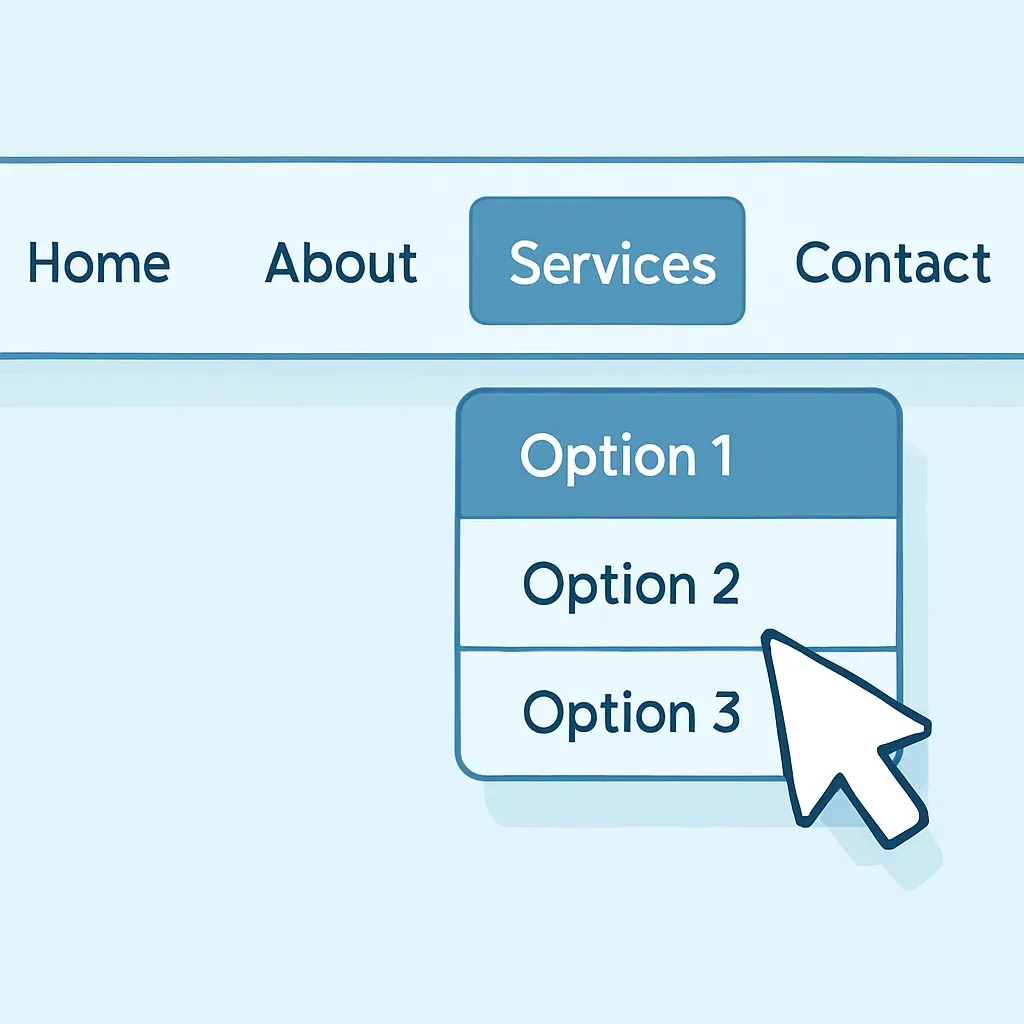
Pay close attention to dropdown structures. A navigation menu with a single "Services" dropdown listing twelve offerings tells you the company is a generalist agency. A menu with one bold product name and a "Pricing" tab tells you it is a focused SaaS company. When a site dedicates an entire top-level menu item to one offering while burying everything else under a catch-all, that prominent item is almost always the primary focus.
What Menu Order Reveals
- Products or Services first: transaction-driven, sales-focused business.
- Solutions by industry: the company segments by vertical and likely serves enterprise buyers.
- Pricing visible in nav: self-serve product with a clear, single core offer.
- Portfolio or Work first: service business that sells through demonstrated results.
Find the Offer With the Most Depth
A company can list ten services, but it only builds deep content around the one that drives revenue. This is the single most reliable indicator of primary focus. Count the dedicated pages, case studies, and supporting resources behind each offering. The service with its own landing page, sub-pages, FAQs, and testimonials is the breadwinner; the rest are often add-ons listed for completeness.
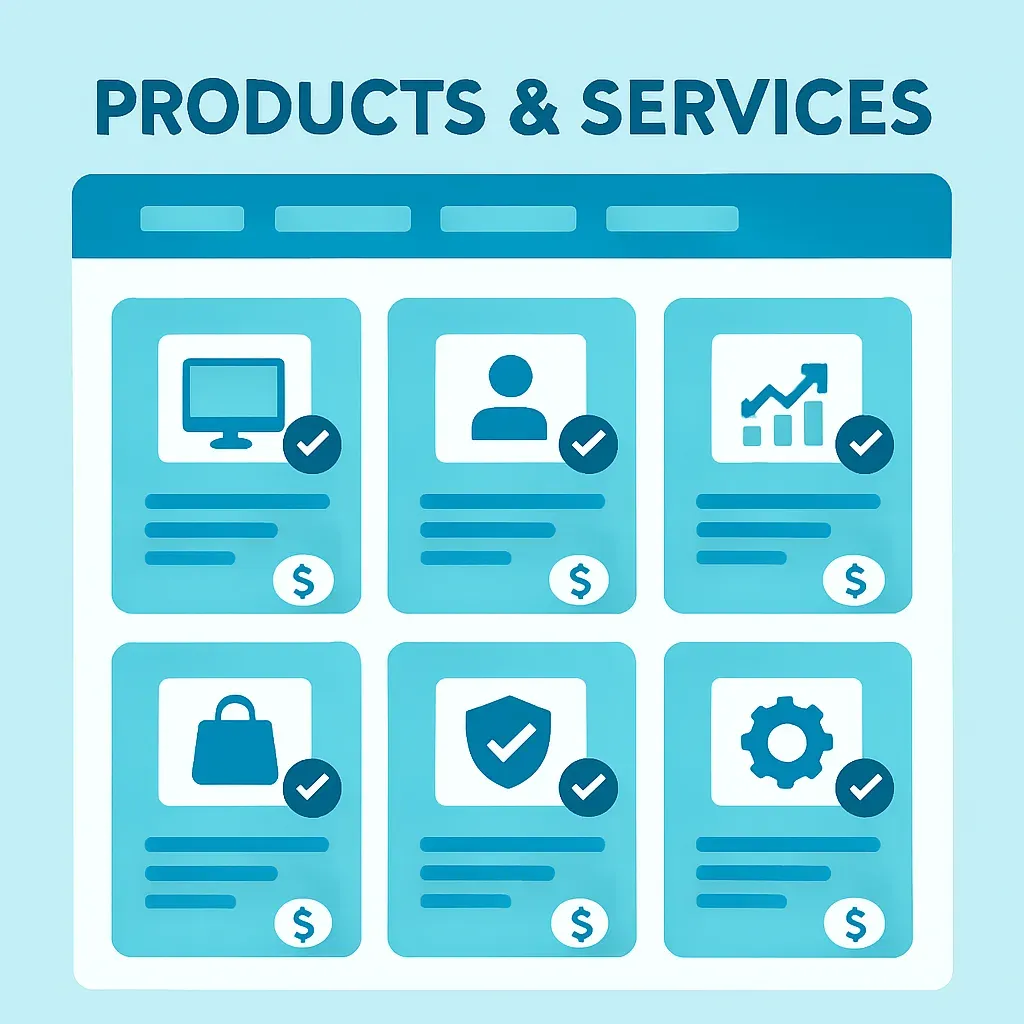
For example, a web agency might list branding, hosting, and SEO, but if eight of its ten case studies are website builds, web development is the true focus. This depth-over-breadth principle cuts through the temptation companies have to appear full-service. When in doubt, follow the content investment, because businesses spend their content budget where their revenue lives.
This is the same logic teams use when planning their own content writing and content strategy: the topics that earn the deepest content clusters are the ones the business most wants to be known for.
Mine the About Page for Mission and History
The About page adds essential context that the homepage compresses. While the homepage sells, the About page explains origin, mission, and evolution, which often clarifies a confusing offer mix. A line such as "Founded in 2015 as a logistics provider, we now also offer warehouse software" instantly tells you the original and likely still-primary focus, plus the direction of expansion.
Look specifically for the founding story, the stated mission, and the language describing customers. Companies describe their core customers with the most precision and emotion because those are the buyers they understand best. Secondary markets get generic treatment. If the About page repeatedly references a specific industry or problem, that repetition is a strong vote for the primary focus.
Map Keywords, Meta Data, and Repeated Language
Search engines and AI models classify businesses using on-page language, and you can do the same manually. The page title, meta description, and repeated phrases across the site form a keyword fingerprint of the primary focus. Open the page source or simply note which two or three terms appear in the logo area, footer, and multiple headings.
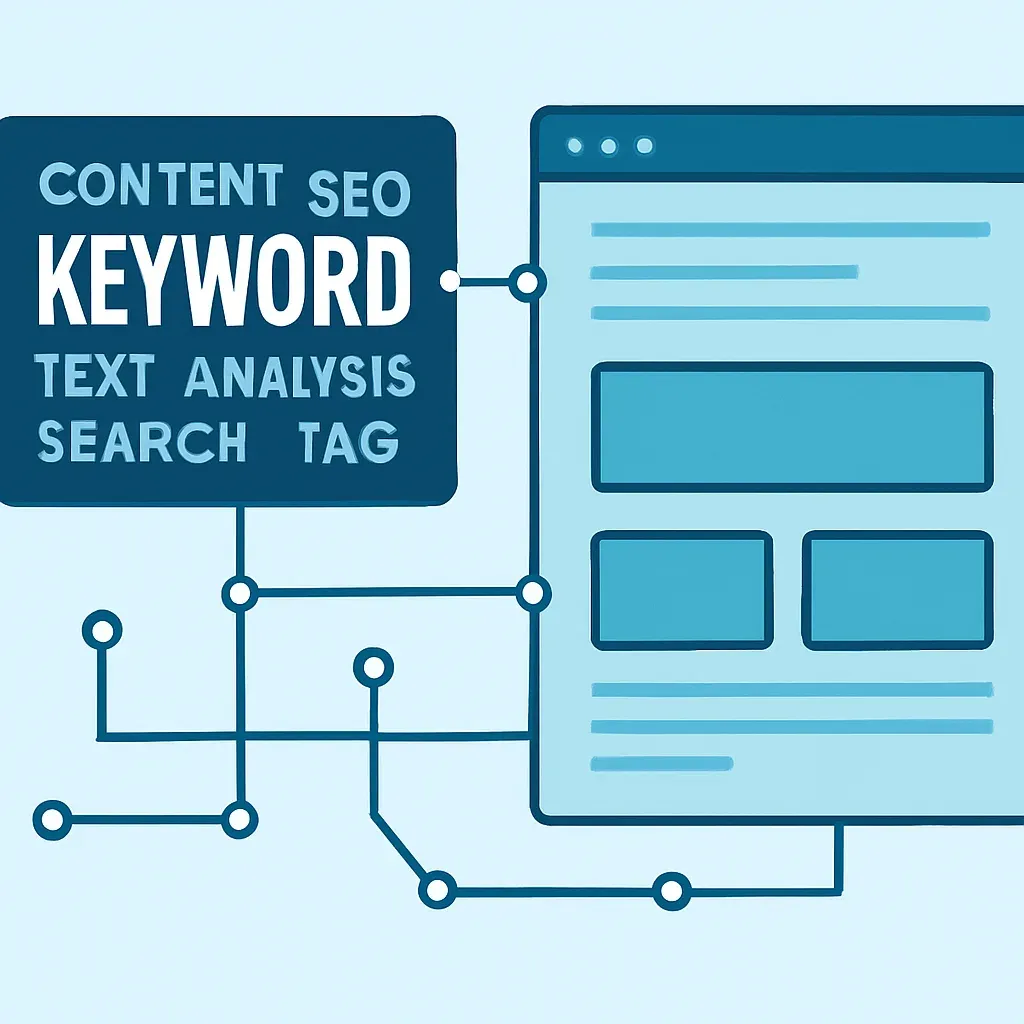
The footer is especially honest. Footers list real service links without marketing polish, and the SEO-driven anchor text there often names the core offer plainly. Cross-reference the footer links with the navigation and hero. When the same one or two phrases appear in the title tag, hero, footer, and blog categories, you have triangulated the primary focus with high confidence. This triangulation method is core to how modern digital marketing and competitor research teams classify markets at scale.
A Step-by-Step Framework You Can Repeat
Use this five-step framework to assess any website consistently in under ten minutes:
- Read the hero and note the verb, audience, and call-to-action.
- Scan the navigation and record the order and prominence of items.
- Count content depth behind each service or product to find the breadwinner.
- Check the About page for founding focus and customer language.
- Triangulate keywords across title tags, footer, and blog categories.

When all five steps point to the same offer, you have your answer. When they conflict, prioritize content depth and conversion intent over marketing claims, because companies invest resources where revenue is, not where aspiration is.
Comparison: Signals Ranked by Reliability
Not every signal carries equal weight. The table below ranks common website signals by how reliably they indicate primary business focus.
| Website Signal | Reliability | Why It Matters |
|---|---|---|
| Content depth per offer | Very High | Revenue follows content investment |
| Homepage hero CTA | High | Reveals the main conversion goal |
| Navigation order | High | Reflects internal priority |
| Footer service links | Medium | Honest but unprioritized list |
| About page mission | Medium | Context and history, not always current |
| Blog topics | Medium | Shows expertise focus over time |
| Hero headline copy | Variable | Can be vague or aspirational |
Common Mistakes That Cause Misclassification
The biggest error is trusting the hero headline alone. Aspirational taglines like "Empowering tomorrow" tell you nothing, so always validate with content depth. The second mistake is mistaking a full-service menu for the actual focus; listing a service is not the same as specializing in it. Third, ignore press releases and old news that describe a pivoted-away business model.
Finally, do not over-weight the blog. Companies sometimes blog broadly for SEO traffic that has little to do with their core offer. Treat blog topics as supporting evidence, never as primary proof.
Key Takeaways
- A company's primary business focus is revealed most reliably by content depth, not by headline claims.
- The homepage hero's verb, audience, and call-to-action expose the core offer in under 60 seconds.
- Navigation order reflects internal priorities; first and most prominent items signal the main business.
- The footer and meta data provide an honest keyword fingerprint for triangulation.
- When signals conflict, prioritize conversion intent and content investment over marketing language.
Frequently Asked Questions (FAQ)
How long should it take to determine a company's focus from its website?
With a clear framework, ten minutes is enough for most websites. Read the hero, scan navigation, count content depth, check the About page, and triangulate keywords. Complex enterprise sites with many divisions may take longer, but the core focus usually surfaces within the first few minutes of structured analysis.
What if a company lists many services equally?
When services appear equally weighted, follow the content. Count dedicated landing pages, case studies, and testimonials behind each offer. The service with the deepest supporting content and the strongest conversion path is the primary focus, even if the menu presents everything as equal. Revenue almost always follows content investment.
Can I trust the homepage headline by itself?
No. Headlines are often aspirational or vague, especially for larger brands. Treat the hero as one signal and always validate it against navigation, content depth, and footer links. A specific call-to-action button beneath a vague headline frequently reveals the real focus more accurately than the headline copy.
Is the About page reliable for current business focus?
The About page is excellent for history and mission but can lag behind current priorities. Use it to understand origin and direction, then confirm with present-day content depth and navigation. If the About page describes a different focus than the rest of the site, the company has likely pivoted recently.
How do AI tools determine business focus from websites?
AI tools analyze on-page text, meta data, repeated keywords, navigation structure, and content volume to classify businesses. They weight pages with the most depth and the clearest conversion intent. You can replicate this manually by triangulating the same signals, which is why structured, consistent website content matters for accurate classification.
Final Thoughts
Determining a company's primary business focus is less about reading marketing copy and more about following evidence. Hero messaging sets the hypothesis, navigation confirms priority, and content depth proves where the revenue truly lives. Apply the five-step framework consistently and you will classify any business accurately, whether you are qualifying leads, sizing competitors, or building data. For help building websites and content that communicate focus clearly, explore the resources at ZoneTechify and WebPeak.