
Master Google's E-E-A-T framework and 2024 Search Quality Rater Guidelines. Learn how to build expertise, experience, authority, and trustworthiness to improve search rankings and user satisfaction.
E-E-A-T Google Search Quality Rater Guidelines 2024 PDF
Introduction
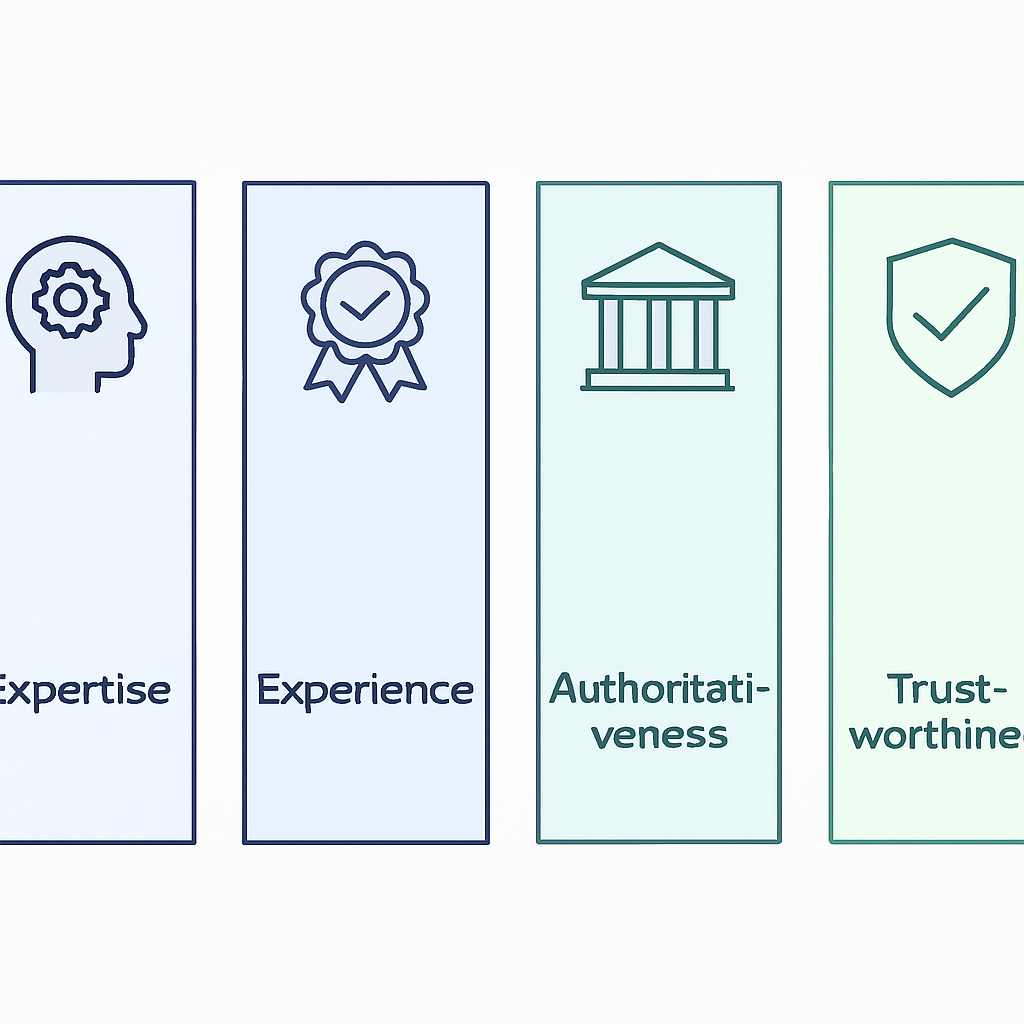
Google's E-E-A-T framework has become the cornerstone of modern search quality evaluation and content ranking. First introduced in Google's Search Quality Rater Guidelines, E-E-A-T stands for Expertise, Experience, Authoritativeness, and Trustworthiness—four pillars that determine whether your content will rank well and satisfy user search intent. Understanding and implementing E-E-A-T is no longer optional for content creators, SEO professionals, and website owners. Google has publicly stated that E-E-A-T is critical for Helpful Content updates, particularly for Your Money or Your Life (YMYL) content.
Quick Answer: E-E-A-T is Google's framework for evaluating content quality based on the creator's expertise, their real-world experience, authority in the field, and trustworthiness signals like citations and credentials. Implementing strong E-E-A-T improves search rankings and user trust, especially for YMYL content like health, finance, and legal topics.
What Is E-E-A-T and Why It Matters in 2024
E-E-A-T represents four distinct dimensions that Google Search Quality Raters assess when evaluating web content. Each dimension serves a specific purpose in determining whether content should rank highly in search results.
Expertise refers to the depth of knowledge demonstrated by the content creator. Search raters evaluate whether the author has proven competence in their field through education, certifications, professional experience, or demonstrated knowledge. For example, a cardiologist writing about heart disease demonstrates expertise; a generic health blogger does not.
Experience means the creator has actual, lived exposure to the topic. According to Google's 2024 guidelines, firsthand experience adds significant credibility. A personal finance article written by someone who successfully paid off $100,000 in debt carries more weight than theoretical advice from an untested source. Real-world experience proves the creator can speak authentically.
Authoritativeness extends beyond individual expertise to establish reputation and recognition within an industry or niche. An authoritative source typically has citations from other reputable websites, media mentions, industry awards, or recognition as a thought leader. Authoritativeness is built over time through consistent, quality contributions to your field.
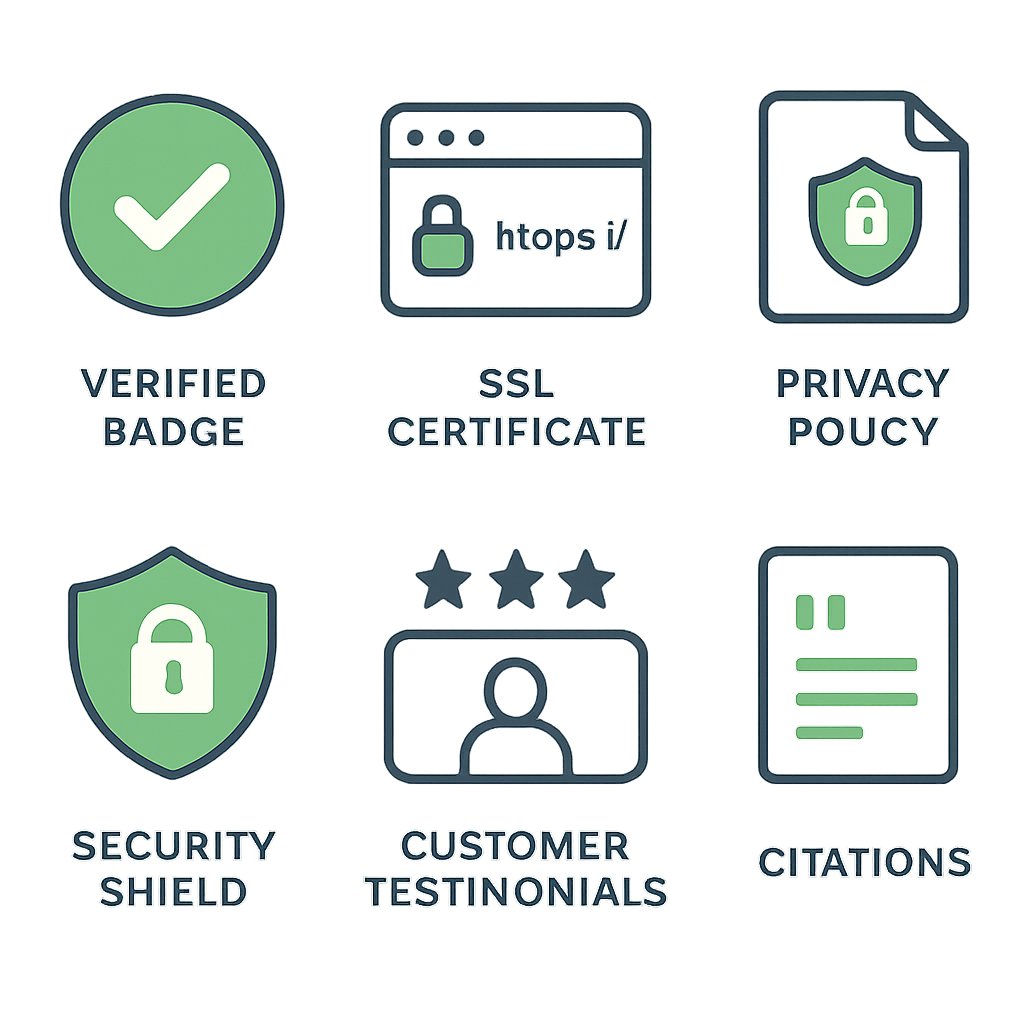
Trustworthiness encompasses transparency, security, and accuracy. Trustworthy websites clearly disclose author information, maintain updated contact details, show privacy policies, use HTTPS encryption, and cite reliable sources. Users must feel confident that the site has their best interests in mind.
The 2024 Update: What Changed
Google's 2024 Search Quality Rater Guidelines introduced several important refinements to the E-E-A-T framework. The addition of the second "E" for Experience marked a significant shift in how Google evaluates content, particularly for YMYL topics.
The 2024 update emphasizes that experience must be demonstrable and relevant. Raters are instructed to look for content creators who have actually performed the task or lived through the situation they're writing about. This shift directly impacts creators of how-to content, product reviews, and personal advice. A software developer reviewing code editors has more credibility than a marketer with no coding experience.
Google also clarified that E-E-A-T applies across all content types, not just YMYL. However, the standards are significantly stricter for health, financial, and legal content—areas where misinformation directly harms users. According to our research across webpeak.org, creators in these sectors must demonstrate exceptional E-E-A-T to compete in 2024's search landscape.
| E-E-A-T Factor | Standard Content | YMYL Content | 2024 Emphasis |
|---|---|---|---|
| Expertise | Professional knowledge required | Advanced certification mandatory | Demonstrated credentials |
| Experience | General topic familiarity | Hands-on practical experience | Lived/firsthand proof |
| Authoritativeness | Industry presence helpful | Multiple citations required | Media mentions & awards |
| Trustworthiness | Basic transparency | Extensive disclosures | HTTPS, privacy, author bio |
How Google Search Quality Raters Evaluate E-E-A-T
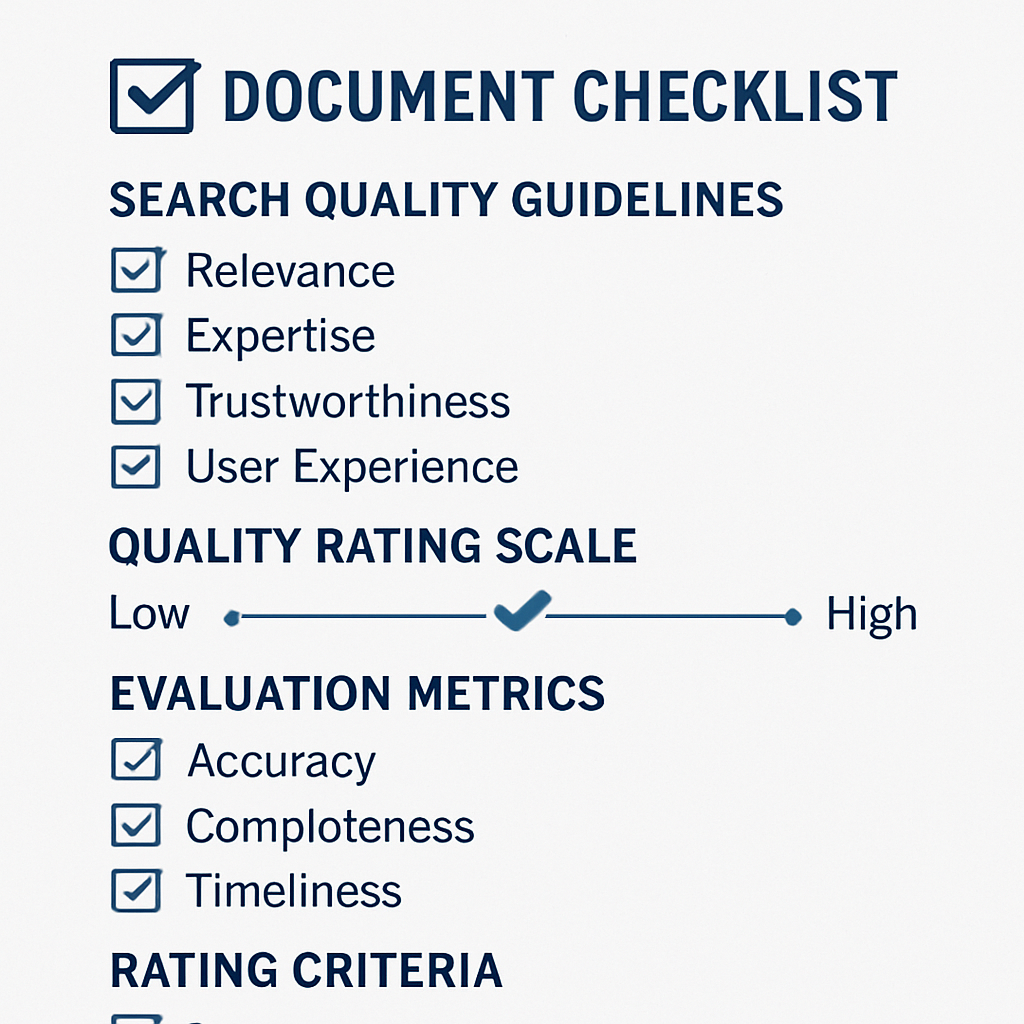
Search Quality Raters use a structured methodology to assess E-E-A-T. Understanding this evaluation process helps content creators align their work with rater expectations.
Raters begin by identifying the content creator and researching their background. They look for author bylines, author pages, and verifiable credentials. They visit the creator's website, social profiles, and check whether the author appears in industry publications or holds relevant certifications. A rater might spend 5-10 minutes researching a single author before evaluating their content.

Next, raters examine the content itself for factual accuracy, logical organization, and depth. High E-E-A-T content typically demonstrates comprehensive knowledge, addresses counterarguments, and cites credible sources. Raters assess whether the content fully satisfies user search intent or if it leaves important questions unanswered.
They also evaluate the website's trustworthiness infrastructure. Does the site have a clear privacy policy? Is there an "About Us" page? Can users easily contact the organization? Are there customer reviews or testimonials? According to Google's published guidelines, websites with strong trust signals rank higher even when content quality is similar.
Raters pay special attention to author bios and bylines. Content without clear author attribution receives lower ratings. Websites that credit authors with their qualifications, past achievements, and relevant experience receive significantly higher ratings than those with anonymous or vague attributions.
Demonstrating Expertise Through Content
True expertise shines through specific, actionable details that only someone with deep knowledge would include. Generic advice that could be found anywhere does not demonstrate expertise. Specialized knowledge, nuanced explanations, and awareness of edge cases prove expertise to both raters and users.
Create content that addresses the uncommon questions and advanced topics in your field. If you're a digital marketing expert, don't just explain what SEO is—explain attribution modeling, first-party data collection strategies, or how algorithm updates affect specific industries differently. This level of specificity proves you're an expert, not a generalist.
Include original research, case studies, and data from your professional experience. Cite studies and statistics with proper attribution. When you consistently demonstrate knowledge that few others possess, you establish expertise authority that search raters recognize and reward.
Building Real Experience as a Content Creator
Experience separates genuine authority from theoretical knowledge. The 2024 guidelines specifically require creators to demonstrate lived experience, particularly for advice-oriented and lifestyle content.
If you're writing about personal finance, share your actual financial journey—how you budgeted, invested, and achieved financial goals. If you're recommending productivity tools, describe how you've used each tool daily for months or years. If you're discussing parenting strategies, acknowledge that you're a parent implementing these strategies with your children.
This doesn't mean you need to have every experience personally. But you must be transparent about your experience level. A software review from someone who tested the product for two weeks should clarify that timeframe. A cooking recipe from a professional chef carries more weight than one from someone cooking for the first time.
Document your journey. Before-and-after photos, timestamps, and detailed processes prove you actually completed the task. This transparency builds trust with both search raters and readers.
Establishing Authoritativeness in Your Industry
Authority develops through consistent presence and recognition within your field. Search raters evaluate whether other authoritative sources cite you, whether you receive media coverage, and whether peers recognize your expertise.
Earn citations from reputable websites in your niche. Write guest posts on established publications, contribute expert quotes to news articles, and engage with other thought leaders in your field. Each citation and media mention reinforces your authority to search engines.
Building a recognizable brand makes authority visible. Professional website design, consistent branding, and regular content updates signal that you're an established player. Appearing at industry conferences, publishing books, or winning industry awards further solidify authority.
Engage with your community authentically. Respond to comments, participate in industry discussions, and share valuable insights. Raters often check social media presence and community engagement when assessing authority. High engagement indicates that peers and audiences recognize your expertise.
Trustworthiness Signals That Raters Look For
Trustworthy websites implement technical and transparency measures that demonstrate they respect user data and provide honest information.
Technical trustworthiness includes HTTPS encryption, fast load times, and mobile optimization. Websites that don't use HTTPS receive lower ratings because users' data isn't encrypted. Websites with poor performance or broken links signal carelessness, reducing trustworthiness.
Transparency measures include clear author bios, detailed "About Us" pages, privacy policies, and terms of service. Users need to know who's publishing content and why. Specify author credentials, experience, and relevant background.
Contact information matters significantly. Include a physical address for your business, working phone numbers, and email addresses. This transparency makes it easy for users to verify you're a real organization. Businesses without contact information rank lower in trust scores.
Reviews and testimonials provide social proof. Customer reviews, case study results, and satisfied client feedback demonstrate that users trust you. Raters often search for reviews of your company to assess trustworthiness. Websites with consistently positive reviews rank higher.
Fact-checking and citations show intellectual honesty. When you cite sources, verify their accuracy, and acknowledge limitations in your knowledge, you demonstrate trustworthiness. Raters appreciate content that admits uncertainty rather than oversimplifying complex topics.
E-E-A-T for YMYL Content: Special Considerations
YMYL content—Your Money or Your Life—includes health, finance, legal, and similar topics where misinformation causes real harm. Google applies stricter E-E-A-T standards to YMYL content.
Health and wellness content must be written by credentialed medical professionals or reviewed by them. A fitness blogger can discuss general exercise, but health conditions require medical authority. Credentialed professionals must clearly display their licenses and certifications.
Financial advice requires similar scrutiny. Financial advisors should display relevant certifications like CFP, CFA, or regulatory licenses. Content discussing investments, retirement, or taxes should come from qualified professionals or include prominent disclaimers.
Legal content demands attorney credentials or clear disclaimers that content doesn't constitute legal advice. Raters verify that legal content creators are licensed to practice in relevant jurisdictions.
According to recent industry analysis from https://www.zonetechify.com, YMYL content without proper credentials and trustworthiness signals consistently fails to rank well, regardless of content quality. The barrier to entry is intentionally high to protect users from harmful misinformation.
Practical Steps to Improve Your E-E-A-T Score
Implementing E-E-A-T improvements requires a strategic approach that builds credibility over time.
Step 1: Audit Your Author Profiles. Create detailed author pages that clearly display credentials, certifications, and experience. Link from every piece of content to your author profile. Include high-quality professional photos and relevant social media links.
Step 2: Build Your Website's Trust Infrastructure. Add comprehensive "About Us" pages, privacy policies, terms of service, and contact pages. Ensure HTTPS is enabled, optimize load times, and fix broken links. Include customer testimonials and case study results prominently.
Step 3: Gather Citations and Media Mentions. Actively pursue guest posting opportunities on established publications in your field. Provide expert quotes to journalists covering your industry. Engage in speaking opportunities and industry events. Each citation and mention increases your authoritativeness.
Step 4: Document Your Experience. In your content, transparently describe your hands-on experience with topics. Share before-and-after examples, case studies, and personal insights. Make your lived experience visible to readers and raters.
Step 5: Engage Your Community. Respond to comments promptly, participate in industry forums, and build relationships with peers. Active engagement signals authority and builds trust with both users and raters.
Step 6: Maintain Content Quality Standards. Ensure all content is factually accurate, well-researched, and properly cited. Update older content to reflect 2024 guidelines. Remove or improve underperforming content that doesn't meet E-E-A-T standards.
Frequently Asked Questions
What does E-E-A-T stand for in SEO?
E-E-A-T stands for Expertise, Experience, Authoritativeness, and Trustworthiness. These four factors determine content quality according to Google's Search Quality Rater Guidelines. Expertise refers to the creator's knowledge depth. Experience means lived, firsthand exposure to the topic. Authoritativeness is industry recognition and citations. Trustworthiness encompasses transparency, security, and factual accuracy throughout the website and content.
How does E-E-A-T affect my search rankings?
Google's Helpful Content updates directly reward high E-E-A-T content with better search rankings. Pages demonstrating strong expertise, real experience, proven authority, and trustworthiness signals rank higher than similar content without these qualities. This effect is particularly pronounced for YMYL topics like health, finance, and legal content. Improving E-E-A-T is one of the most effective SEO strategies available.
Is E-E-A-T only for YMYL content?
No. While E-E-A-T standards are stricter for YMYL content, Google applies E-E-A-T evaluation to all content types. Every website and creator should work to improve their E-E-A-T profile. However, the consequences of poor E-E-A-T are most severe for YMYL topics where misinformation causes harm.
How can I prove my expertise without credentials?
You can demonstrate expertise through years of practical experience, detailed case studies, original research, and in-depth knowledge displayed through your content. Create content so specific and nuanced that only someone with real expertise could write it. Share before-and-after results, data from your experience, and advanced insights few others possess. Build a track record of accurate predictions and consistently valuable advice.
What trustworthiness factors matter most?
The most important trustworthiness factors are HTTPS encryption, clear author information with credentials, transparent contact details, detailed "About Us" and privacy pages, fast website performance, mobile optimization, and customer reviews or testimonials. Raters also value factual accuracy, proper citations, and willingness to acknowledge limitations in knowledge. These factors combined demonstrate genuine commitment to user trust.
How often should I update my E-E-A-T strategy for 2024?
Review and update your E-E-A-T strategy quarterly as Google continues refining guidelines. Focus on maintaining strong author profiles, gathering new citations and media mentions, updating content to reflect current standards, and improving website trustworthiness infrastructure. The core principles remain stable, but implementation details evolve as Google clarifies expectations through updates and case studies.
Key Takeaways
-
E-E-A-T is fundamental to ranking: Google's 2024 guidelines make clear that Expertise, Experience, Authoritativeness, and Trustworthiness directly determine search rankings and user satisfaction.
-
Experience is increasingly required: The addition of "Experience" as the second "E" means creators must demonstrate hands-on, lived familiarity with their topics, not just theoretical knowledge.
-
YMYL content faces the strictest standards: Health, finance, and legal content requires professional credentials, extensive citations, and exceptional trustworthiness signals to rank competitively.
-
Trustworthiness is measurable: Technical implementations like HTTPS, author bios, contact information, and customer reviews provide concrete trustworthiness signals that raters evaluate.
-
Authority builds through consistent visibility: Establishing authority requires gathering citations from reputable sources, earning media coverage, building industry recognition, and engaging authentically with your community.
-
Content quality has always mattered: E-E-A-T amplifies the importance of accurate, well-researched, deeply informative content that fully satisfies user search intent.
Conclusion
Google's E-E-A-T framework represents a fundamental shift toward rewarding genuine expertise, real experience, proven authority, and transparent trustworthiness. The 2024 Search Quality Rater Guidelines clarify that these factors aren't optional nice-to-haves—they're essential components of successful content ranking.
Creators who embrace E-E-A-T principles gain competitive advantages in search rankings, build stronger user trust, and establish lasting authority in their fields. Whether you're building a new website or improving an existing one, prioritize demonstrating expertise through specific knowledge, building real experience through hands-on involvement, earning authority through citations and recognition, and establishing trustworthiness through transparency and security.
The future of search rewards creators who bring genuine value, stand behind their work, and prioritize user trust above all else. E-E-A-T isn't a trend—it's the foundation of sustainable, high-ranking content in 2024 and beyond.