A clear, expert guide to how BrainPOP uses artificial intelligence to power personalized learning, smarter tools, and better classroom outcomes for students and teachers.
BrainPOP Artificial Intelligence
BrainPOP has been a classroom staple for over two decades, teaching millions of students through animated videos, quizzes, and interactive activities. Now, artificial intelligence is reshaping how that content is delivered, personalized, and assessed. If you are a teacher, parent, or administrator wondering what BrainPOP artificial intelligence actually means in practice, this guide breaks it down with real, actionable detail rather than marketing hype.
As an edtech content team that has worked closely with adaptive learning platforms, we have seen firsthand how AI moves a tool from a passive video library to an active learning partner. Below, we explain exactly what is happening under the hood, what it means for outcomes, and how to use it responsibly.
Quick Answer: BrainPOP artificial intelligence refers to AI-driven features that personalize lessons, generate practice questions, adapt difficulty, and give teachers real-time insight. It uses machine learning to tailor content to each student, making learning faster, more engaging, and more measurable inside a trusted classroom platform.
What Is BrainPOP and How Does AI Fit In?
BrainPOP is a digital learning platform that teaches core subjects through short animated movies, quizzes, games, and creative tools. Founded in 1999, it covers science, math, English, social studies, health, and more, serving elementary and middle school learners in tens of thousands of schools.
Artificial intelligence, in this context, is software that learns from data to make predictions or decisions without being explicitly programmed for every scenario. When applied to BrainPOP, AI observes how a student answers questions, watches videos, and completes activities, then uses those signals to adjust what comes next. This turns a fixed curriculum into a responsive experience.
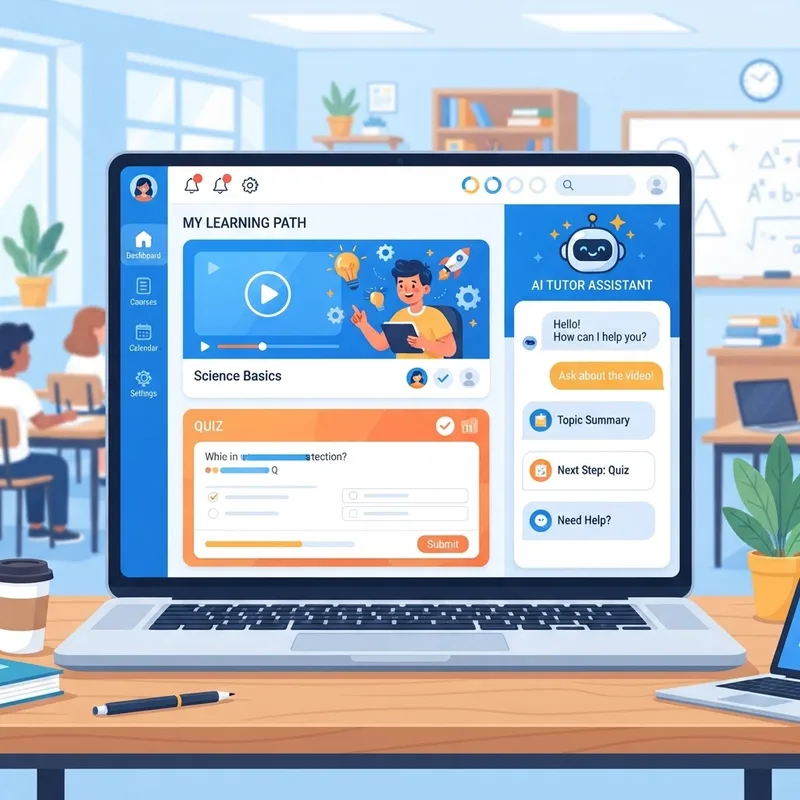
The pairing matters because static content treats every learner the same. AI lets the same trusted BrainPOP library flex to a struggling reader, an advanced math student, or an English language learner, all within one platform. If you build or manage learning products, our team at ZoneTechify has explored how these adaptive layers dramatically improve retention.
How BrainPOP Uses Artificial Intelligence
BrainPOP applies AI primarily to personalization, content generation, and assessment. These three functions form the backbone of most modern adaptive learning systems.
Adaptive Personalization
AI models track performance signals such as quiz accuracy, time on task, and repeated attempts. Based on these patterns, the system recommends the next movie, reteaches a concept, or advances a confident learner. This mirrors what a skilled tutor does instinctively, but at scale for an entire class.
AI-Assisted Content and Practice
Generative AI can produce fresh practice questions, summaries, and explanations aligned to a topic. Instead of a fixed set of ten quiz items, the platform can offer varied questions that target a student's specific gaps, reducing memorization of answers and encouraging real understanding.
Automated Assessment and Feedback
AI grades responses instantly and, in some tools, evaluates short written answers. Immediate feedback is powerful: research from educational psychology consistently shows that fast, specific feedback accelerates learning far more than delayed grades returned days later.
AI Learning Tools Inside BrainPOP
The most visible AI features live in interactive tutoring, quiz customization, and creative assignment tools. These are the parts students and teachers touch every day.
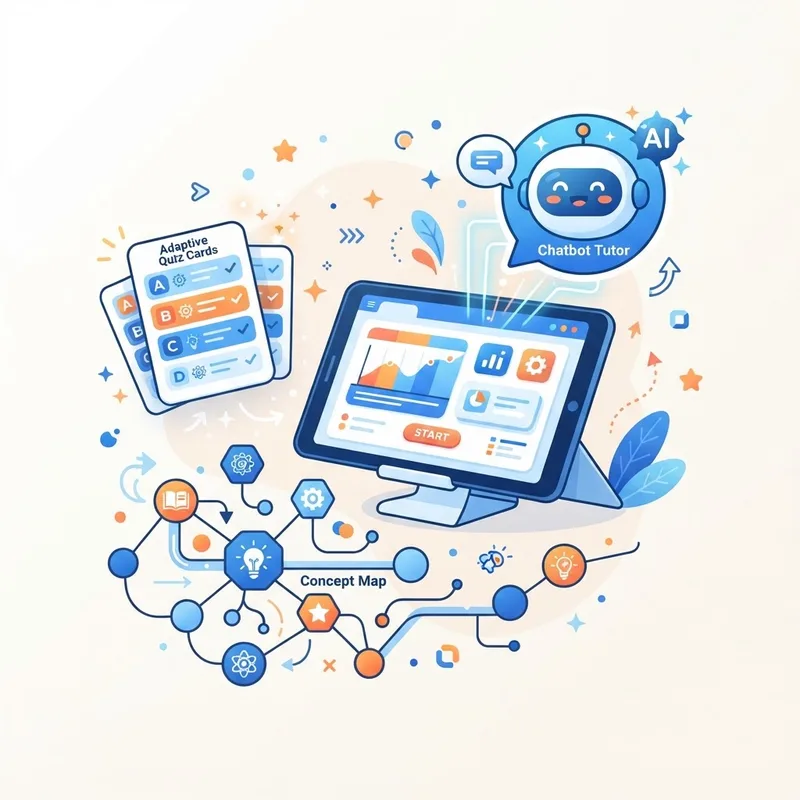
Key AI-driven tools include:
- Conversational tutors: Chat-style helpers that answer student questions in plain language and guide them toward concepts rather than simply handing over answers.
- Adaptive quizzes: Assessments that change difficulty based on responses, keeping students in a productive challenge zone.
- Concept explainers: On-demand summaries that rephrase a topic when a student is stuck.
- Creative builders: Tools where students make presentations, maps, or projects, with AI offering structure and prompts.
Each tool is designed to keep the student thinking. Well-implemented educational AI acts as a scaffold, not a shortcut, and BrainPOP's classroom heritage shapes that guardrail-first approach.
BrainPOP AI in the Classroom
In real classrooms, AI turns BrainPOP into a differentiation engine that helps one teacher support many learning levels at once. Differentiation, meeting each student where they are, is one of the hardest tasks in teaching, and AI directly addresses it.
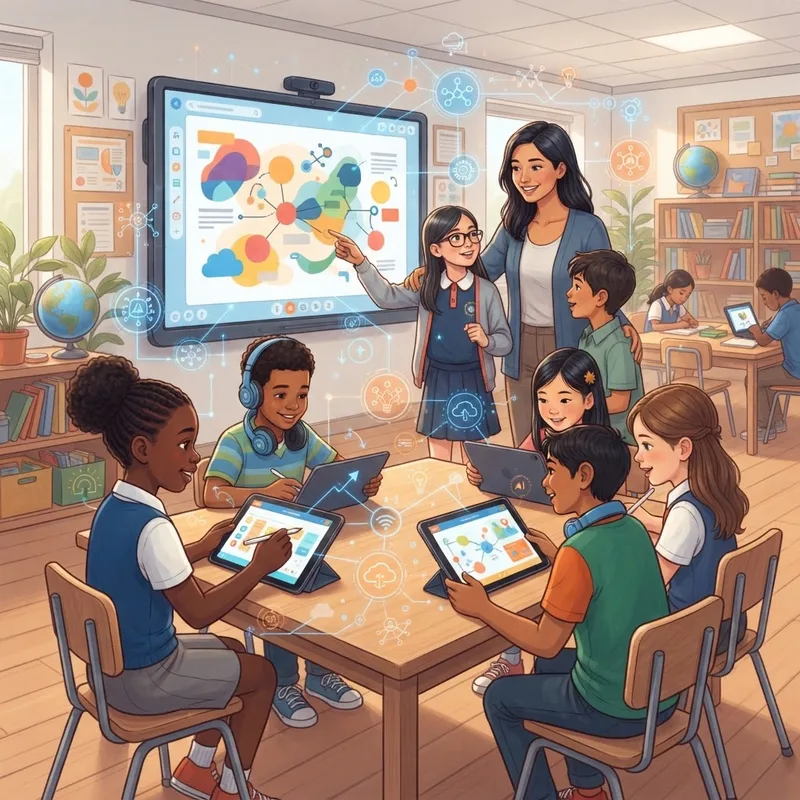
A practical classroom workflow looks like this:
- The teacher assigns a topic movie and baseline quiz.
- AI analyzes results and flags students who need reteaching versus those ready to extend.
- Students receive personalized follow-up activities automatically.
- The teacher reviews a dashboard and pulls a small group for targeted support.
This frees teachers from manual sorting and grading, giving back time for the human work that matters most: mentorship, encouragement, and hands-on instruction. According to a 2023 EdWeek Research Center survey, roughly 6 in 10 educators said saving time on routine tasks was their top motivation for using AI tools.
Personalized Learning Powered by AI
Personalized learning means adjusting pace, content, and support to fit each individual student rather than the class average. AI makes this scalable for the first time in education history.
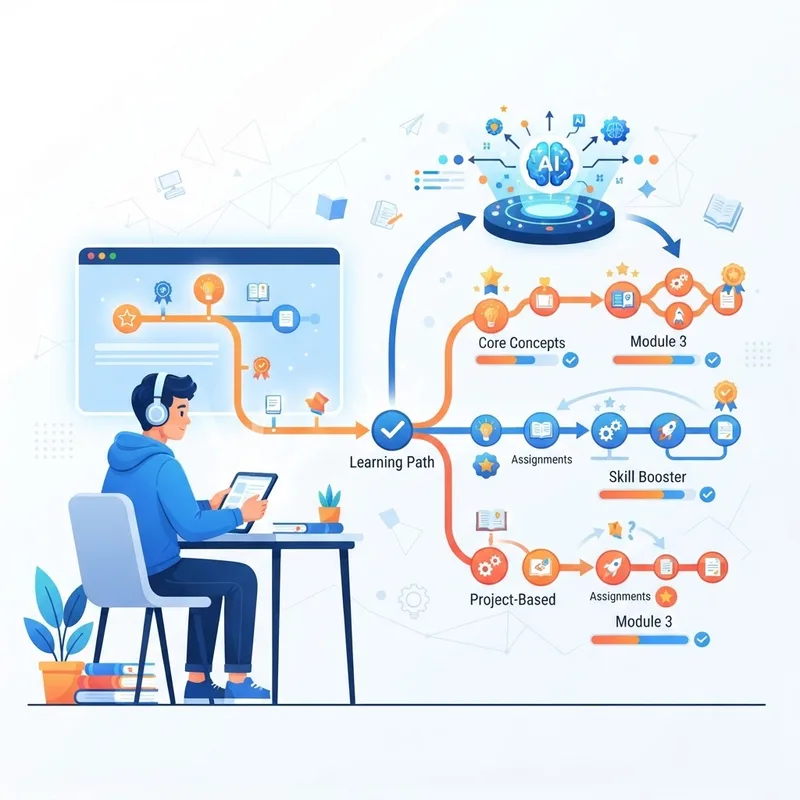
Before AI, personalization required either a private tutor or enormous teacher effort. Now, the same platform can guide a fifth grader who reads at a third-grade level and a peer working two years ahead, without either feeling singled out. The system quietly adjusts difficulty, hints, and repetition behind the scenes.
The measurable payoff is engagement and mastery. When content matches a learner's level, frustration and boredom, the two biggest drivers of disengagement, both drop. Teams building this kind of intelligent personalization can learn from the work our specialists document at WebPeak, where adaptive systems are a core focus. For organizations wanting to build custom AI learning features, ZoneTechify's artificial intelligence services map out how to design them responsibly.
Benefits for Teachers
For teachers, BrainPOP artificial intelligence delivers time savings, clearer data, and easier differentiation. These practical gains are why adoption is accelerating.

Here is how AI-enhanced learning compares to a traditional non-adaptive approach:
| Feature | Traditional Content | AI-Enhanced BrainPOP |
|---|---|---|
| Personalization | One-size-fits-all | Adapts to each student |
| Grading | Manual, delayed | Instant, automated |
| Practice questions | Fixed set | Dynamic and varied |
| Teacher insight | Basic scores | Detailed skill analytics |
| Reteaching | Whole-class only | Targeted per student |
| Prep time | High | Significantly reduced |
The table makes the shift clear: AI does not replace the teacher, it removes friction so the teacher can focus on instruction. Trust remains essential, and reputable platforms keep educators firmly in control of assignments and pacing.
Boosting Student Engagement
AI raises engagement by keeping tasks appropriately challenging and giving instant, encouraging feedback. Motivation thrives when students feel capable but not bored.

Gamified elements like badges, streaks, and progress bars work best when paired with adaptive difficulty. If a game is too easy, students disengage; too hard, they quit. AI keeps the balance, sustaining what psychologists call flow, the state of focused, enjoyable challenge.
Engagement also rises because students get answers immediately instead of waiting. According to Google, 53% of mobile users abandon experiences that respond too slowly, and the same impatience applies to learning feedback loops. Instant AI responses keep curiosity alive in the moment it matters.
The Future of AI in Education
The future points toward deeper personalization, stronger safeguards, and AI that supports rather than replaces human teaching. BrainPOP's trajectory reflects the wider edtech industry.
Expect three developments. First, richer multimodal tutoring that understands voice, drawings, and text together. Second, tighter privacy and safety controls, since student data protection is non-negotiable and increasingly regulated. Third, transparency features that show teachers exactly why the AI made a recommendation, building trust through explainability.
The global AI in education market was valued in the billions and is projected to grow at a strong double-digit annual rate through the decade, according to multiple market research firms. That momentum means tools like BrainPOP will keep evolving, but the guiding principle should stay constant: AI serves learning, not the other way around.
Key Takeaways
- BrainPOP artificial intelligence personalizes content, generates practice, and automates assessment inside a trusted K-12 platform.
- AI adapts difficulty in real time, helping teachers differentiate instruction for many levels at once.
- Instant feedback and gamification driven by AI meaningfully increase student engagement and mastery.
- Around 6 in 10 educators cite time savings as their top reason for adopting AI tools.
- The best implementations keep teachers in control and treat AI as a scaffold, not a replacement.
Frequently Asked Questions (FAQ)
What does BrainPOP artificial intelligence actually do?
BrainPOP artificial intelligence personalizes lessons, generates varied practice questions, adapts quiz difficulty, and gives teachers instant analytics. It studies how each student performs and adjusts the content and support they receive, turning a fixed video library into a responsive, individualized learning experience for every classroom.
Is AI in BrainPOP safe for kids?
Reputable educational platforms design AI with strong safety and privacy guardrails, keeping teachers in control of assignments and limiting data collection. AI features focus on guiding learning rather than open-ended chat. Always review a platform's privacy policy and district approvals before rolling any AI tool out to students.
Does BrainPOP AI replace teachers?
No. BrainPOP AI is built to support teachers, not replace them. It handles repetitive tasks like grading, sorting, and generating practice, freeing educators to spend more time on mentorship, small-group instruction, and encouragement. The teacher still sets goals, chooses content, and makes the important instructional decisions.
How does AI personalize learning in BrainPOP?
AI tracks signals such as quiz accuracy, time spent, and repeated attempts, then recommends the next best activity. Struggling students get reteaching and hints, while advanced learners receive tougher challenges. This adaptive approach keeps every student in a productive zone without the teacher manually adjusting for each one.
Can AI in BrainPOP improve student test scores?
AI can improve outcomes by delivering fast feedback, targeted practice, and content matched to each learner's level, all proven drivers of mastery. Results depend on consistent use and good teaching. When paired with a skilled educator, adaptive AI tools help students close gaps faster than one-size-fits-all instruction typically allows.
BrainPOP artificial intelligence represents a practical, classroom-tested example of AI doing what it does best: personalizing at scale while keeping humans in charge. Used thoughtfully, it saves teachers time, meets students where they are, and makes learning genuinely more engaging.