A practical, expert guide to Artificial Intelligence VFX: how AI rotoscoping, compositing, and generative tools are reshaping film and video production today.
Artificial Intelligence VFX
Artificial Intelligence VFX is no longer a futuristic experiment confined to research labs. It is a working part of modern post-production pipelines at studios of every size. From automatically masking actors to generating entire digital environments, AI now handles tasks that once consumed weeks of skilled labor. This guide explains what AI VFX actually is, where it delivers measurable value, and how creative teams can adopt it without losing control of quality.
We have spent years working alongside motion designers, compositors, and editors, and the shift we are seeing is structural rather than cosmetic. Tools that used to assist are now beginning to create. Below, we break down the techniques, the trade-offs, and the practical workflow so you can make informed decisions instead of chasing hype.
Quick Answer: Artificial Intelligence VFX uses machine learning to automate and enhance visual effects tasks such as rotoscoping, compositing, motion tracking, and asset generation. It speeds up post-production, lowers costs, and lets smaller teams produce high-quality cinematic effects that once required large studios.
What Is Artificial Intelligence VFX?
Artificial Intelligence VFX is the use of machine learning models to perform, accelerate, or augment visual effects work in film, television, advertising, and digital content. Instead of an artist manually adjusting every frame, trained algorithms recognize objects, predict motion, fill in missing detail, and generate new imagery based on learned patterns.
The technology sits on top of decades of traditional VFX craft. It does not replace the fundamentals of lighting, composition, or storytelling. It removes the repetitive, frame-by-frame grind so artists can focus on creative decisions. In short, AI handles the labor; humans keep the judgment.
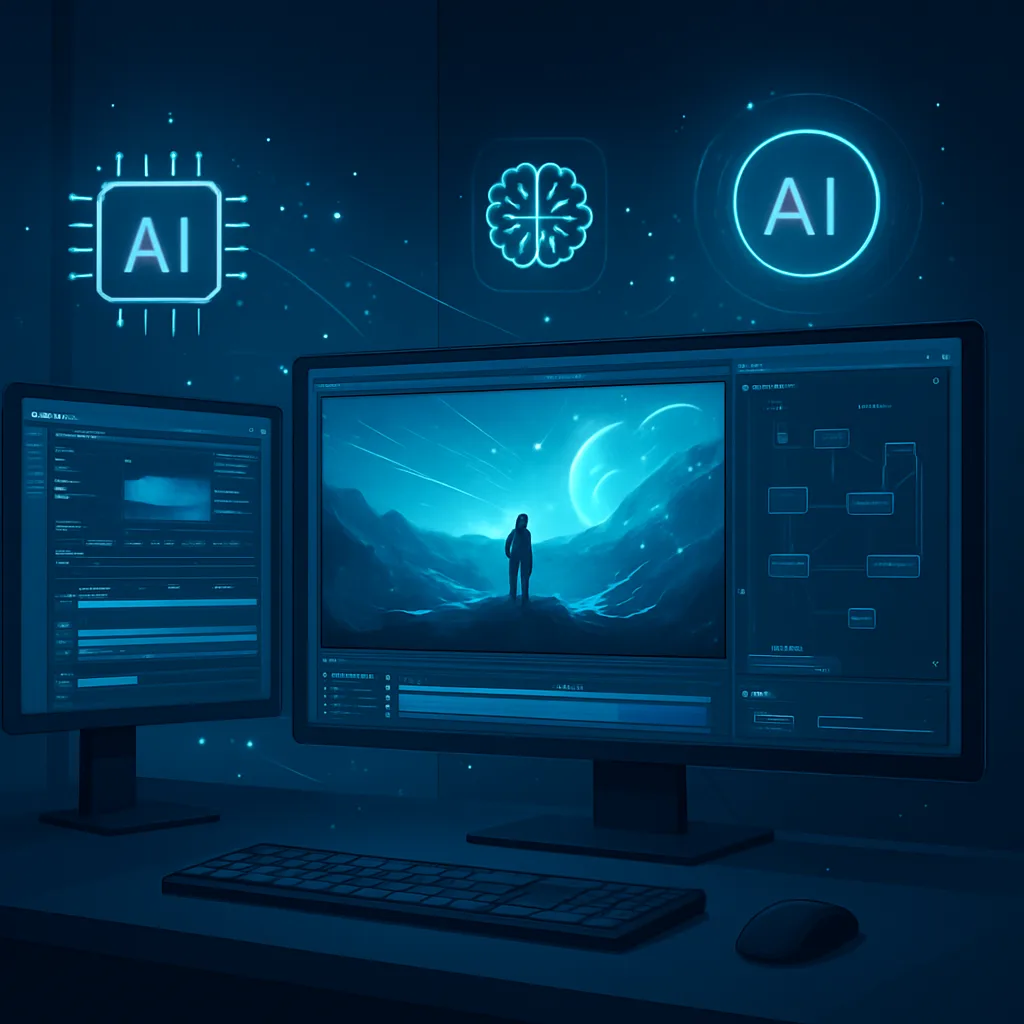
Why It Matters Right Now
The demand for visual content has exploded while production budgets have not. According to industry research, video accounts for over 80% of all internet traffic, and streaming platforms commission more original content than ever. AI VFX answers that pressure directly by compressing timelines and reducing the headcount needed for routine tasks. For independent studios and agencies, this is the difference between bidding on a project and turning it down.
Core AI VFX Techniques You Should Know
Understanding the building blocks helps you evaluate tools honestly. These are the techniques delivering real results in production today.
1. AI Rotoscoping
Rotoscoping is the process of isolating a subject from its background, frame by frame. It is famously tedious. AI rotoscoping uses image segmentation models to detect a subject's edges automatically and track them across a shot.
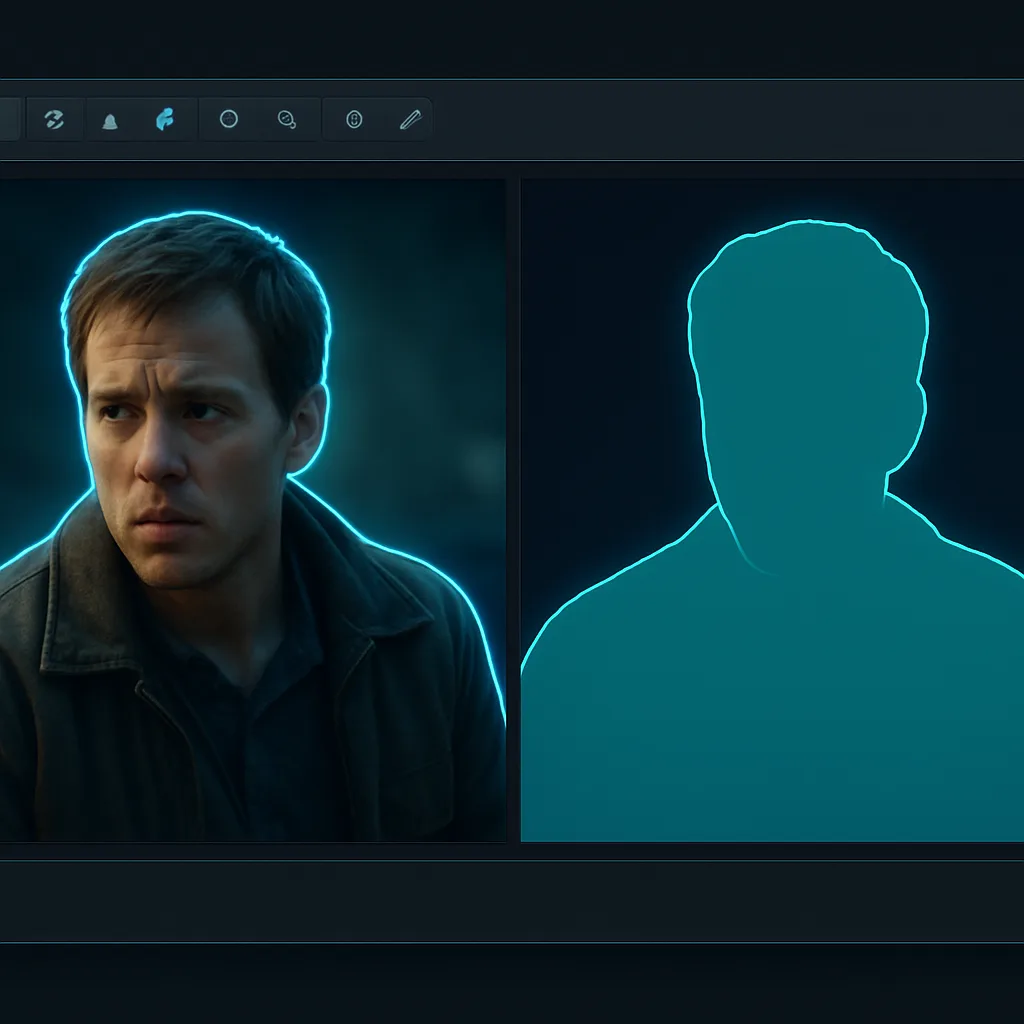
What once took an artist several hours per second of footage can now be roughed out in minutes. The artist then refines edges around hair, motion blur, and transparency rather than tracing every contour from scratch. This single capability has reclaimed enormous amounts of studio time.
2. Machine Learning Compositing
Compositing blends multiple visual layers, such as live footage, CGI, and matte paintings, into one believable image. Machine learning compositing uses trained models to match lighting, color, grain, and depth automatically so composited elements feel native to the scene.
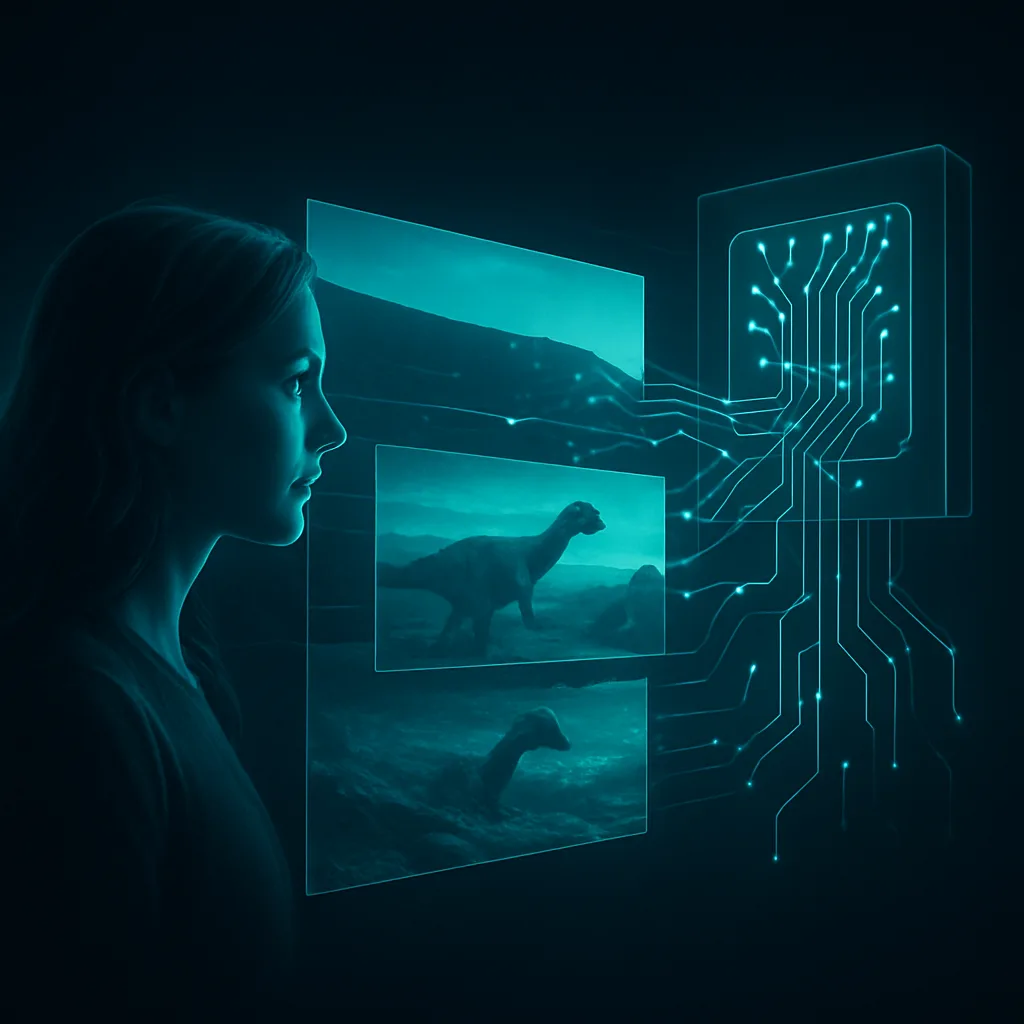
AI can analyze a plate and suggest realistic shadow placement, edge blending, and color grading. It also powers depth estimation, allowing compositors to insert objects at the correct distance without a manual depth pass. The result is faster integration with fewer obvious seams.
3. AI Motion Tracking and Cleanup
Motion tracking maps the movement of a camera or object so effects stick correctly. AI-driven trackers handle complex, organic motion far better than older point-based systems. Paired with AI cleanup, they remove wires, rigs, markers, and unwanted objects by intelligently reconstructing what should sit behind them.
4. Generative AI for Asset Creation
Generative models create textures, environments, crowds, and even short effect sequences from prompts or reference images. This is the frontier where AI VFX moves from assisting to authoring.
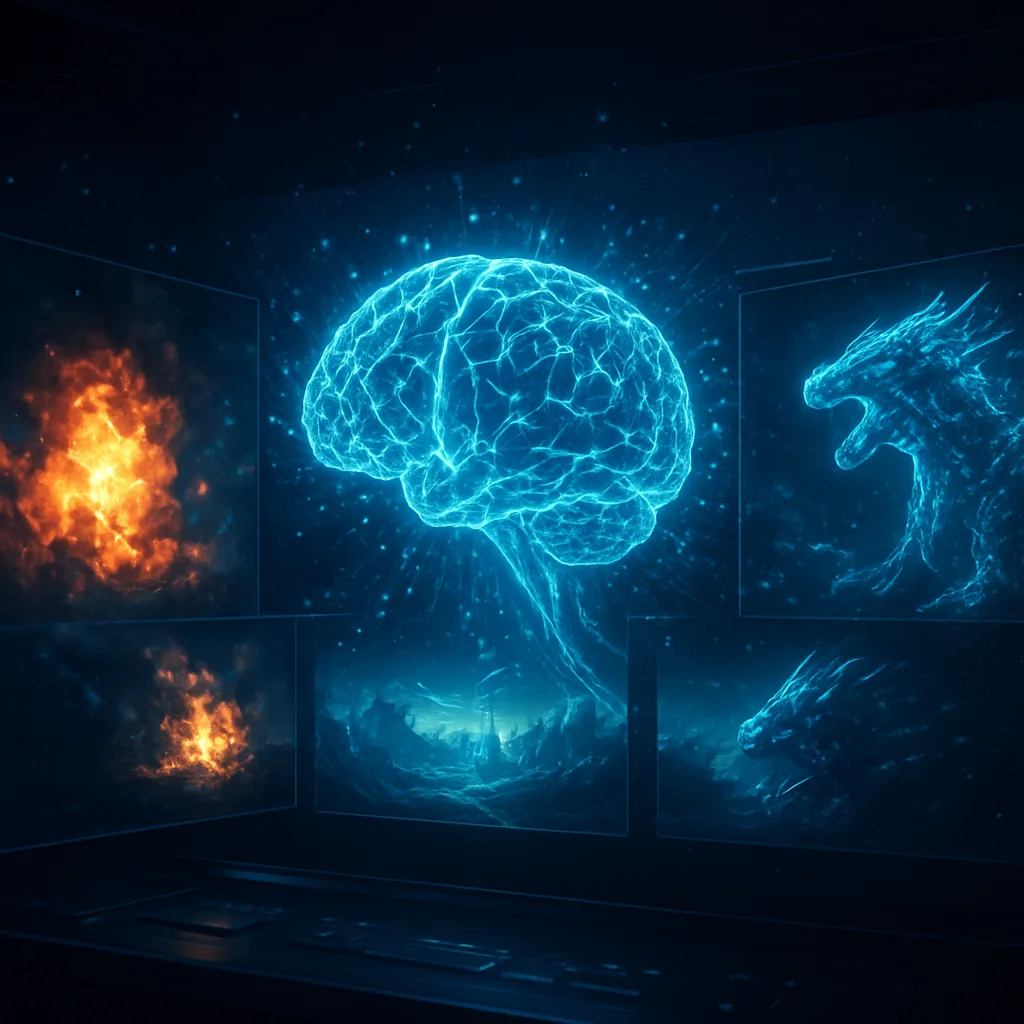
A team can generate dozens of concept environments in an afternoon, choose the strongest, and build on it. Generative texture synthesis also fills large surfaces with realistic, non-repeating detail, solving a problem that has frustrated environment artists for years.
AI VFX vs Traditional VFX
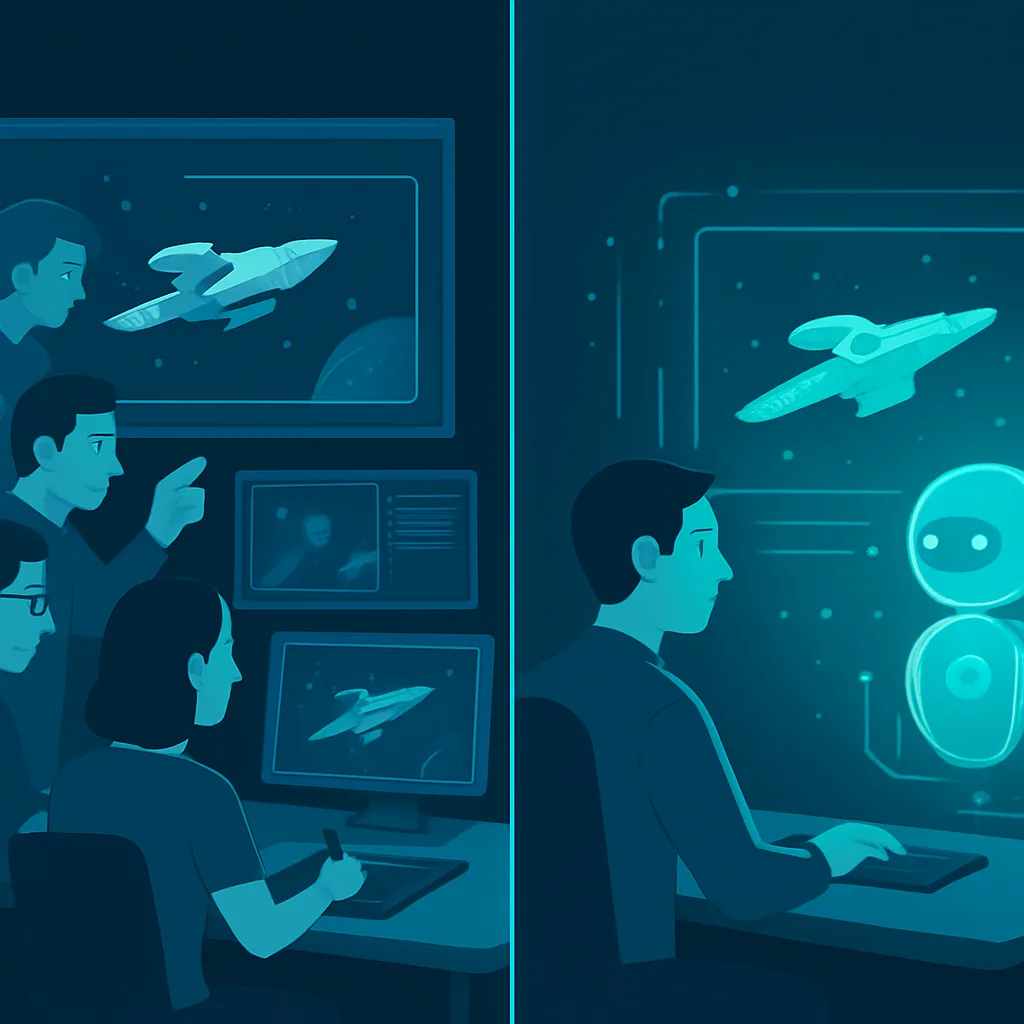
The honest comparison is not about replacement. It is about where each approach wins. Traditional VFX offers total control and predictability. AI VFX offers speed, scale, and accessibility. The best pipelines blend both.
| Factor | Traditional VFX | AI VFX |
|---|---|---|
| Speed | Slow, frame-by-frame | Fast, batch-processed |
| Cost | High labor cost | Lower per-shot cost |
| Control | Maximum precision | High, with human refinement |
| Skill barrier | Steep | More accessible |
| Consistency | Manual, variable | Automated, repeatable |
| Creative authorship | Fully human | Human-guided, AI-assisted |
The key insight from working on real projects: AI gets you to 80% quality quickly, and skilled artists deliver the final 20% that separates professional work from generic output. Teams that skip the human refinement step produce results that look almost right, which audiences notice instantly.
How an AI VFX Workflow Actually Works
A modern AI-assisted pipeline follows a clear sequence. Here is the practical flow we recommend for most production teams.
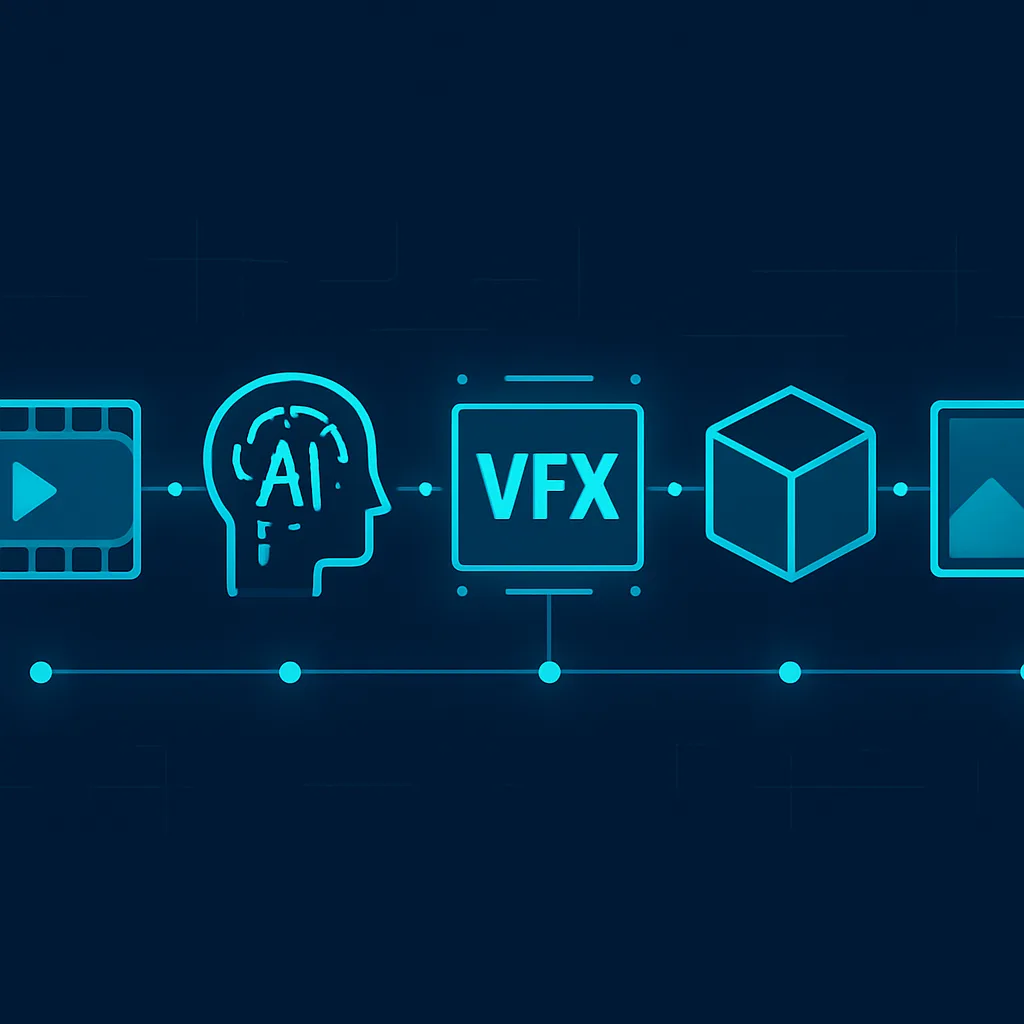
- Ingest and analysis. Footage is imported and AI tools scan shots to flag rotoscoping, tracking, and cleanup needs.
- Automated rough passes. AI generates first-pass masks, tracks, and depth maps across the sequence.
- Artist refinement. Compositors correct edges, fix tracking drift, and approve or reject AI suggestions.
- Element generation. Generative tools produce textures, set extensions, or effect elements as needed.
- Compositing and grading. Layers are blended, with AI assisting color and lighting matching.
- Final review and render. Humans sign off on quality before the shot is rendered and delivered.
This structure keeps a person accountable at every creative checkpoint, which protects quality and client trust. If you are building this capability into your business, our team at ZoneTechify helps studios integrate artificial intelligence services into existing post-production workflows.
Real Benefits and Honest Limitations
The Benefits
- Faster turnaround. Routine tasks shrink from days to hours, freeing artists for creative work.
- Lower production costs. Smaller teams handle larger workloads, improving margins on every project.
- Greater accessibility. Independent creators can now achieve effects once reserved for major studios.
- Consistency at scale. AI applies the same logic across thousands of frames without fatigue.
The Limitations
AI VFX is powerful, not magical. Models struggle with fine detail like flyaway hair, reflective surfaces, and heavy motion blur. Generative output can hallucinate inconsistent details across frames, causing flicker that requires manual correction. There are also genuine concerns around training data rights and creative ownership that responsible teams must address openly with clients.
The trustworthy position is transparency: tell clients what AI handled, what humans crafted, and where the limits sit. That honesty builds long-term credibility.
Getting Started With AI VFX
You do not need a research budget to begin. Start by identifying your most repetitive task, usually rotoscoping or cleanup, and pilot an AI tool on a single project. Measure the time saved and the quality gap, then expand from evidence rather than enthusiasm. Train your artists to treat AI output as a starting point that always needs review.
For businesses building AI-driven creative pipelines from the ground up, WebPeak and its artificial intelligence services provide a structured path to adoption that prioritizes quality control alongside efficiency.
The Future of AI VFX
The trajectory points toward real-time and on-set AI VFX, where directors preview composited shots live during filming. Text-to-video models are improving rapidly, and within a few years, generating short, controllable effect sequences from descriptions will be routine. The studios that win will be the ones that pair these tools with strong human craft, because audiences will always reward work that feels intentional over work that feels automated.
Key Takeaways
- Artificial Intelligence VFX automates visual effects tasks like rotoscoping, compositing, tracking, and asset generation using machine learning.
- AI gets shots to roughly 80% quality quickly, while skilled artists deliver the critical final refinement.
- Video makes up over 80% of internet traffic, driving demand that AI VFX helps studios meet affordably.
- The strongest pipelines blend AI speed with human creative judgment at every checkpoint.
- Key limitations include fine-detail accuracy, frame-to-frame flicker, and data-rights concerns that require transparency.
Frequently Asked Questions (FAQ)
What is artificial intelligence VFX?
Artificial intelligence VFX is the use of machine learning to automate and enhance visual effects tasks such as rotoscoping, compositing, motion tracking, and digital asset creation. It speeds up post-production and lets smaller teams produce cinematic-quality effects that previously required large studios and long timelines.
Will AI replace VFX artists?
No, AI will not replace skilled VFX artists. It removes repetitive, time-consuming tasks so artists can focus on creative decisions and final quality. AI typically gets a shot most of the way, but human judgment is still essential for the detailed refinement that makes effects look believable and professional.
Is AI VFX cheaper than traditional VFX?
In most cases, yes. AI VFX reduces the labor hours needed for routine work like rotoscoping and cleanup, which lowers the cost per shot. Smaller teams can handle larger workloads, improving project margins, though complex hero shots still benefit from significant human craftsmanship and oversight.
What AI VFX tasks work best today?
Rotoscoping, object and wire removal, motion tracking, depth estimation, and texture generation deliver the most reliable results today. These tasks are repetitive and pattern-based, which suits machine learning well. Fully generative effect sequences are improving fast but still require careful human correction to avoid flicker and inconsistency.
How do I start using AI in my VFX workflow?
Start small by picking your most repetitive task, usually rotoscoping or cleanup, and test an AI tool on one project. Measure the time saved and the quality gap honestly, train your team to treat AI output as a first pass, then scale your adoption based on real results.