
Discover how artificial intelligence transforms tail spend management by cleaning data, consolidating suppliers, automating purchases, and cutting procurement costs by 5 to 20 percent.
Artificial Intelligence Tail Spend Management
Tail spend is the silent budget leak inside almost every procurement function. It is the long list of low-value, high-frequency purchases that rarely get negotiated, tracked, or optimized, and it quietly drains millions from organizations every year. Artificial intelligence is changing that. By analyzing fragmented purchasing data at scale, AI turns chaotic tail spend into a structured, controllable, and savings-rich category. This guide explains exactly how AI-driven tail spend management works, why it matters, and how to implement it without guesswork.
Quick Answer: Artificial intelligence tail spend management uses machine learning to automatically classify, analyze, and optimize low-value, high-volume purchases. It cleans messy procurement data, spots savings, consolidates suppliers, and automates buying, typically cutting tail spend costs by 5 to 20 percent.
What Is Tail Spend in Procurement?
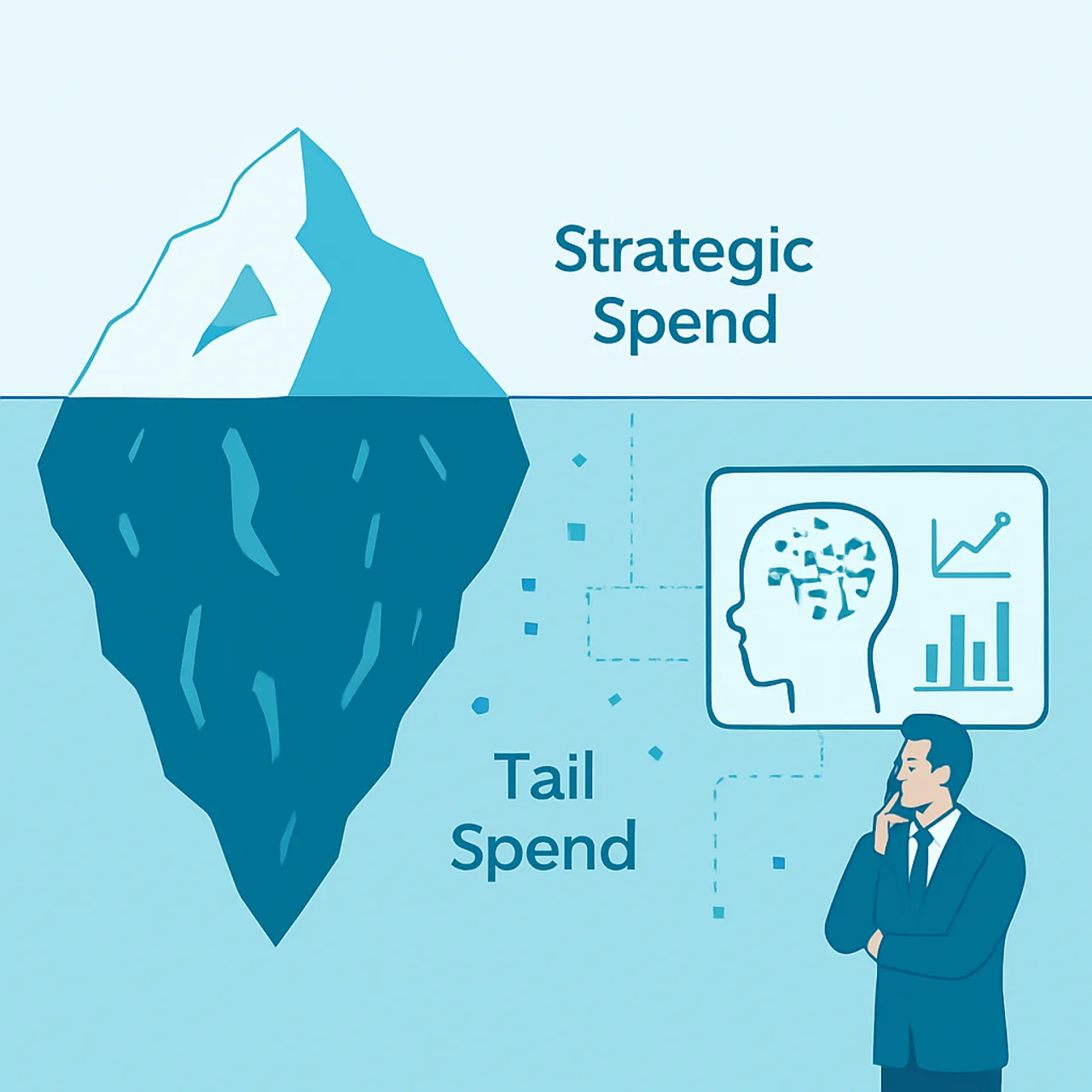
Tail spend refers to the portion of company spending that falls outside managed, strategically sourced categories. It usually involves many small transactions spread across hundreds or thousands of suppliers, such as one-off software subscriptions, office supplies, maintenance services, and emergency purchases made without formal contracts.
While each transaction looks insignificant, the cumulative impact is huge. According to The Hackett Group, tail spend can represent as much as 80 percent of a company's total supplier transactions while accounting for only around 20 percent of total spend value. That imbalance, many suppliers but low individual value, is precisely why it resists traditional management.
Why Tail Spend Goes Unmanaged
Procurement teams prioritize big, strategic contracts because that is where obvious savings live. Tail spend, by contrast, is fragmented, inconsistent, and time-consuming to analyze manually. The data is often messy: misspelled supplier names, vague descriptions, and inconsistent categories. Without automation, the cost of analyzing tail spend often exceeds the savings it could deliver. AI removes that barrier entirely.
How Artificial Intelligence Transforms Tail Spend Management
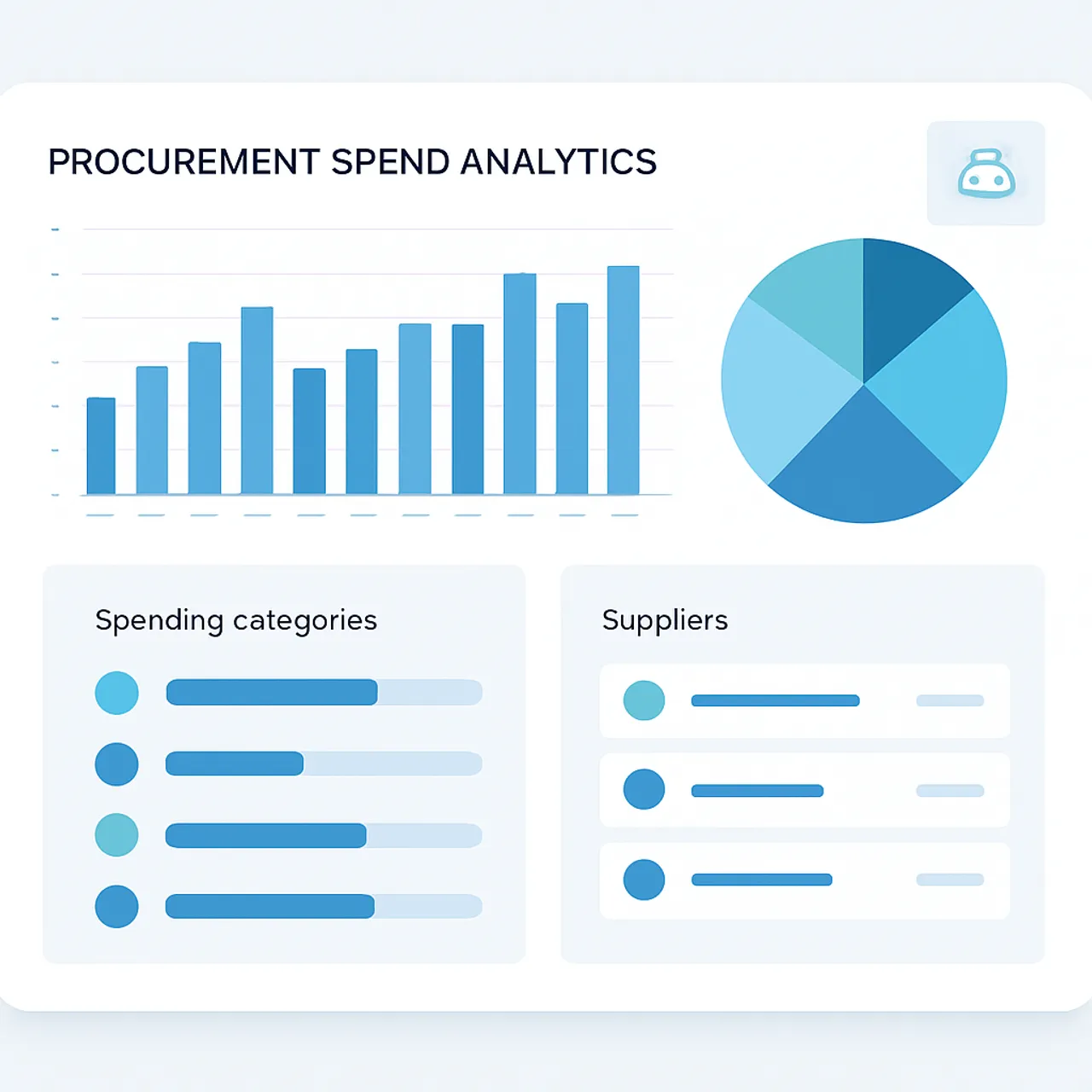
Artificial intelligence excels exactly where humans struggle: processing enormous volumes of inconsistent data quickly and accurately. Modern procurement platforms use machine learning, natural language processing, and predictive analytics to make sense of tail spend that would take analysts months to untangle.
The result is visibility. Once spend is clean and categorized, organizations can finally see who they buy from, what they pay, and where overlap and overspending occur. Companies investing in intelligent automation, including those building custom solutions through WebPeak and partners like ZoneTechify, are turning tail spend from a blind spot into a measurable savings opportunity.
Core AI Capabilities for Tail Spend Management
AI delivers tail spend value through several connected capabilities. Each tackles a specific weakness of manual procurement.
Automated Spend Classification
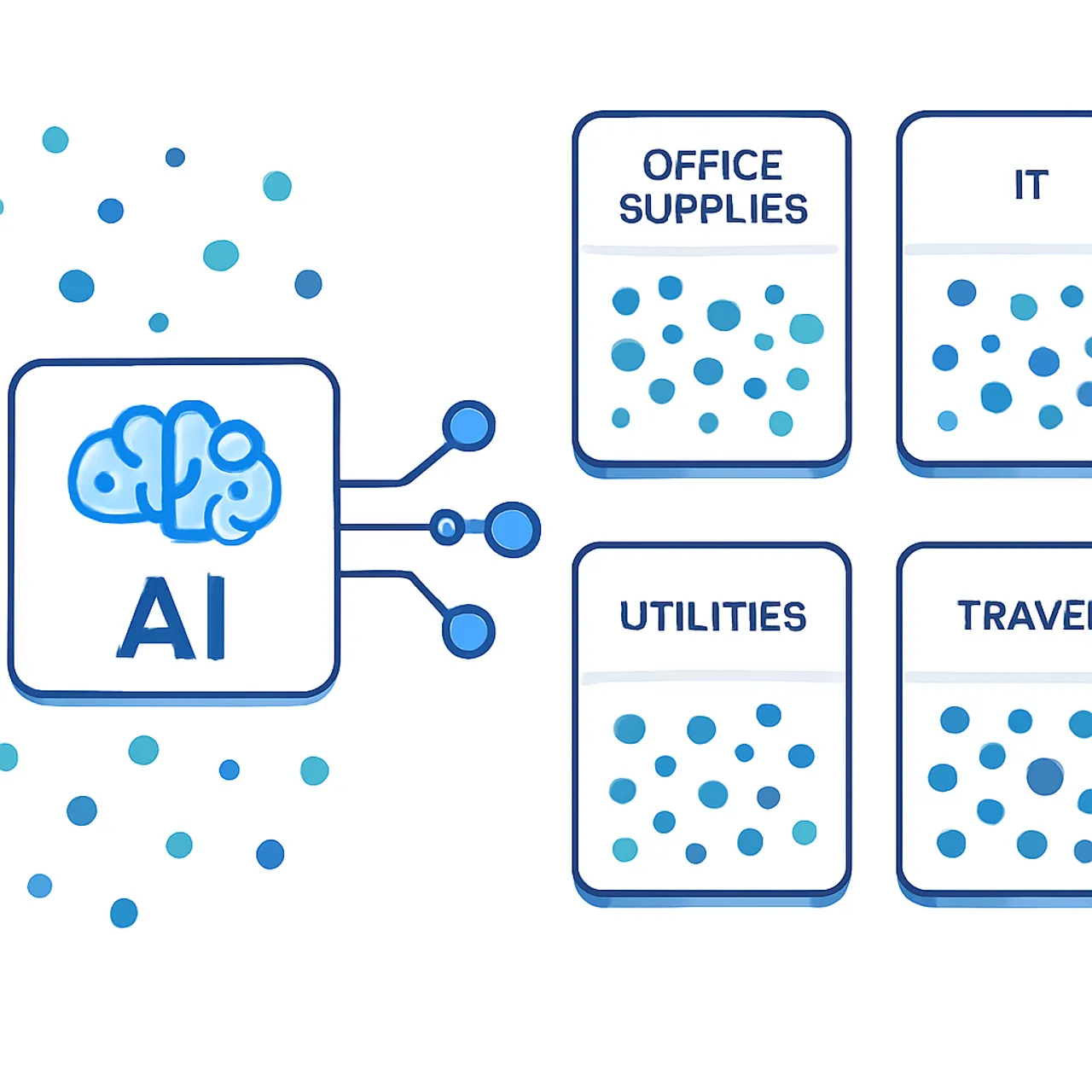
The foundation of any tail spend program is clean, categorized data. AI uses natural language processing to read transaction descriptions, supplier names, and invoice line items, then assigns each to the correct category, even when records are messy or incomplete. What once required armies of analysts now happens in minutes, with accuracy improving as the model learns from corrections.
Predictive Analytics and Supplier Insights
Beyond cleaning data, AI predicts. It identifies duplicate suppliers, flags maverick (off-contract) buying, and recommends which fragmented purchases can be consolidated with preferred vendors. Predictive models also forecast demand for recurring purchases, helping teams negotiate volume discounts they previously could not justify with scattered, invisible spend.

Intelligent Process Automation
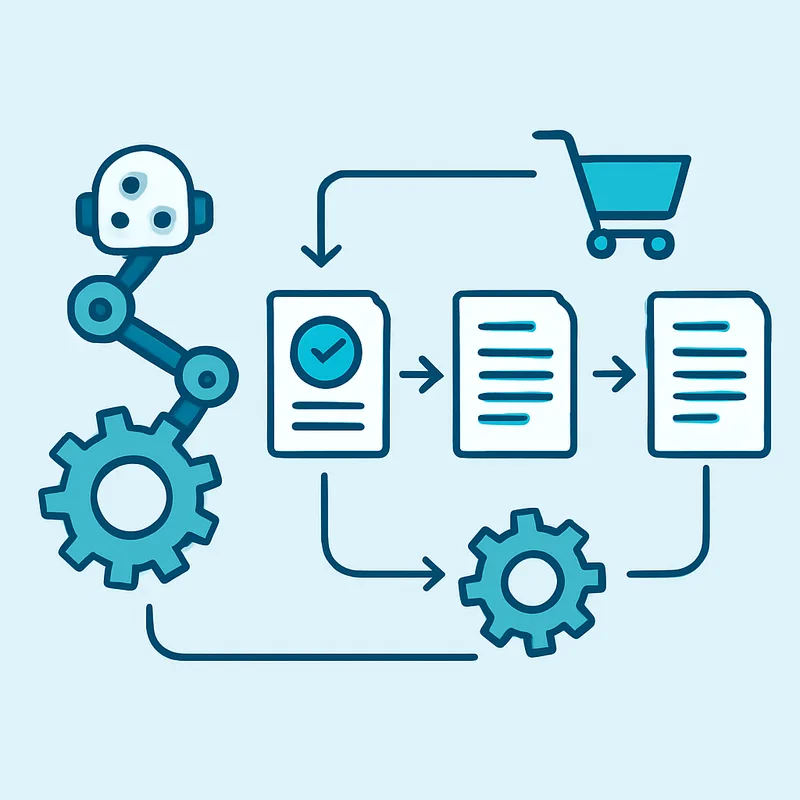
AI does not just analyze, it acts. Automated workflows can route low-value purchases through guided buying channels, auto-approve compliant orders, and redirect off-contract spend to negotiated suppliers. This reduces manual processing costs and enforces policy without slowing employees down. Organizations exploring this often turn to dedicated artificial intelligence services to build automation tailored to their procurement stack.
Traditional vs AI-Driven Tail Spend Management
The difference between manual and AI-led approaches is stark. The table below compares both methods across the factors that matter most to procurement leaders.
| Factor | Traditional Approach | AI-Driven Approach |
|---|---|---|
| Data classification | Manual, slow, error-prone | Automated, fast, self-improving |
| Spend visibility | Limited and outdated | Real-time and complete |
| Supplier consolidation | Rarely attempted | Continuously recommended |
| Maverick spend control | Reactive | Proactive and automated |
| Time to insight | Weeks or months | Hours or days |
| Typical savings | 0 to 5 percent | 5 to 20 percent |
Step-by-Step: Implementing AI Tail Spend Management
Rolling out AI for tail spend works best as a structured program rather than a one-time project. Follow these steps:
- Consolidate your data. Gather purchase orders, invoices, and ERP records into a single source so the AI has complete information to analyze.
- Clean and classify. Apply AI-powered classification to standardize supplier names and assign every transaction to a clear category.
- Analyze for opportunities. Use analytics to identify duplicate suppliers, off-contract spend, and consolidation candidates.
- Act on recommendations. Negotiate with consolidated vendors, set up guided buying, and remove redundant suppliers.
- Automate and monitor. Deploy workflows that enforce policy automatically, and track savings continuously to prove ROI.
The key is treating tail spend as an ongoing, automated discipline, not a quarterly cleanup that fades after a few weeks.
Measurable Savings and ROI
The financial case for AI tail spend management is compelling. Industry analyses consistently show that structured tail spend programs deliver savings of 5 to 20 percent on the addressed spend, with the highest returns coming from supplier consolidation and reduced maverick buying.

There are also indirect gains. Automating low-value purchases frees procurement professionals to focus on strategic sourcing, reduces invoice processing costs, and improves compliance. According to Gartner, organizations adopting AI-enabled procurement tools report not only cost reduction but faster cycle times and better risk visibility, benefits that compound year over year.
Common Challenges and How to Avoid Them
AI tail spend initiatives can stall without the right foundation. The most common pitfalls include:
- Poor data quality. AI is only as good as its inputs. Invest early in connecting data sources and validating records.
- Unrealistic expectations. AI augments procurement teams; it does not replace strategy. Set clear, measurable savings targets.
- Lack of adoption. If guided buying is clunky, employees revert to maverick spend. Prioritize a smooth user experience.
- Set-and-forget mentality. Models need monitoring and retraining. Treat the system as a living capability, not a finished tool.
Avoiding these mistakes ensures the technology delivers sustained value rather than a short-lived spike that quietly erodes.
The Future of AI in Procurement
Tail spend management is just the entry point for AI in procurement. The next wave includes autonomous purchasing agents that negotiate and buy within set guardrails, generative AI assistants that answer sourcing questions instantly, and predictive risk models that warn of supplier disruptions before they happen.

As these capabilities mature, the line between managed and tail spend will blur, because AI makes it economical to manage everything. Procurement leaders who build the data and automation foundation now will be best positioned to capture that advantage as the technology accelerates.
Key Takeaways
- Tail spend is large and hidden: it can represent up to 80 percent of supplier transactions but only about 20 percent of spend value.
- AI makes it manageable: machine learning and NLP automate classification, analysis, and buying that were previously too costly to handle manually.
- Savings are real: structured AI tail spend programs typically cut addressed costs by 5 to 20 percent.
- Automation enforces compliance: guided buying and auto-approvals reduce maverick spend without slowing employees down.
- Foundation matters most: clean data, realistic goals, strong adoption, and ongoing model monitoring determine long-term success.
Frequently Asked Questions (FAQ)
What exactly is tail spend management?
Tail spend management is the practice of controlling and optimizing the many small, low-value purchases that fall outside strategically sourced categories. It focuses on cleaning fragmented data, consolidating suppliers, and reducing off-contract buying to capture savings that traditional procurement processes usually overlook or ignore.
How does AI reduce tail spend costs?
AI reduces tail spend costs by automatically classifying messy purchasing data, identifying duplicate suppliers, and flagging off-contract spend. It then recommends consolidation, automates compliant purchases, and forecasts demand, enabling volume discounts and eliminating redundant vendors that quietly inflate overall procurement costs across the business.
How much can companies save with AI tail spend management?
Most organizations save between 5 and 20 percent on their addressed tail spend after implementing AI-driven programs. Savings come mainly from supplier consolidation, reduced maverick buying, and lower processing costs. The exact figure depends on data quality, spend volume, and how consistently teams act on recommendations.
Is AI tail spend management only for large enterprises?
No. While large enterprises have the most fragmented spend, mid-sized companies benefit too. Cloud-based AI procurement tools are increasingly affordable and scalable, letting smaller organizations gain visibility and savings without large analyst teams. The key requirement is accessible, reasonably complete purchasing data to analyze.
What data does AI need to manage tail spend?
AI needs historical purchasing data such as purchase orders, invoices, supplier records, and ERP transactions. The more complete and connected this data is, the more accurate the classification and recommendations become. Cleaning and consolidating these sources into one place is typically the most important first step.
How do I start an AI tail spend project?
Start by consolidating your purchasing data into a single source, then apply AI classification to clean and categorize it. Next, analyze the results for consolidation and savings opportunities, act on the top recommendations, and finally automate workflows. Partnering with an experienced AI provider accelerates each stage significantly.