
A practical, expert guide to how artificial intelligence transforms the source-to-pay process, cutting costs, reducing risk, and automating procurement workflows.
Artificial Intelligence Source to Pay

Procurement teams spend a staggering amount of time on manual, repetitive work: chasing approvals, matching invoices, vetting suppliers, and reconciling payments. Artificial intelligence source to pay (S2P) changes that equation. By embedding machine learning, natural language processing, and intelligent automation across the entire procurement lifecycle, organizations are turning a slow, error-prone back-office function into a strategic engine for savings and resilience.
This guide explains exactly how AI works across the source-to-pay journey, where it delivers measurable returns, and how to adopt it without disrupting your existing systems. It is written for procurement leaders, finance teams, and operations managers who want clear answers, not hype.
Quick Answer: Artificial intelligence source to pay uses machine learning, NLP, and automation to streamline the full procurement cycle, from sourcing and contracting to invoicing and payment. It cuts costs, reduces manual errors, flags supplier risk, and speeds approvals, helping teams make faster, smarter, data-driven purchasing decisions.
What Is Source to Pay?
Source to pay is the end-to-end business process that covers everything from identifying a need and finding suppliers, through negotiating contracts, ordering goods, and finally paying invoices. It is broader than procure-to-pay because it includes the upstream sourcing activities, supplier discovery, RFx events, and contract negotiation, not just the transactional purchasing steps.
The full cycle typically includes these stages:
- Sourcing: identifying and evaluating potential suppliers.
- Contracting: negotiating and managing agreements.
- Procurement: raising purchase orders and approvals.
- Receiving: confirming goods or services were delivered.
- Invoicing and payment: matching invoices and settling balances.
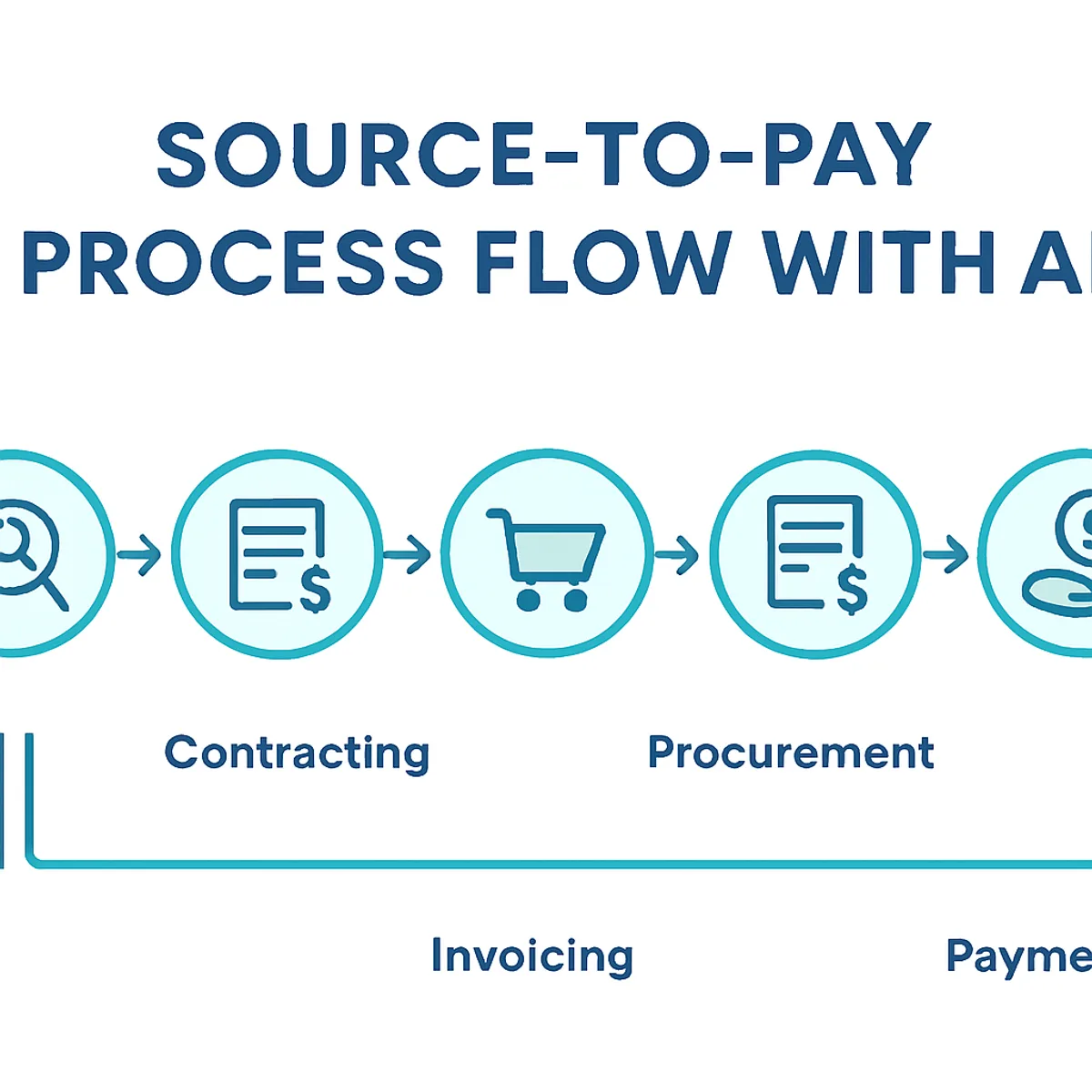
When artificial intelligence is layered across these stages, each handoff becomes faster and more accurate. Instead of staff manually moving data between systems, AI reads documents, predicts outcomes, and recommends the next best action.
How Artificial Intelligence Transforms Source to Pay
AI does not replace procurement professionals, it removes the low-value tasks that consume their day. The result is a function that spends more time on strategy and supplier relationships and less on data entry.
Smarter Sourcing and Supplier Discovery
Machine learning models analyze historical spend, market pricing, and supplier performance to recommend the best vendors for a given category. Natural language processing scans supplier databases, news feeds, and financial filings to surface qualified candidates a buyer might never find manually. This shortens sourcing cycles from weeks to days and widens the competitive pool.
Automated Contract Analysis
Contract review is a classic bottleneck. AI-powered contract intelligence reads agreements, extracts key clauses (renewal dates, liability caps, payment terms), and flags non-standard or risky language. Teams gain a searchable, structured view of every obligation, reducing the chance of missed renewals or unfavorable terms slipping through.
Intelligent Procurement and Approvals
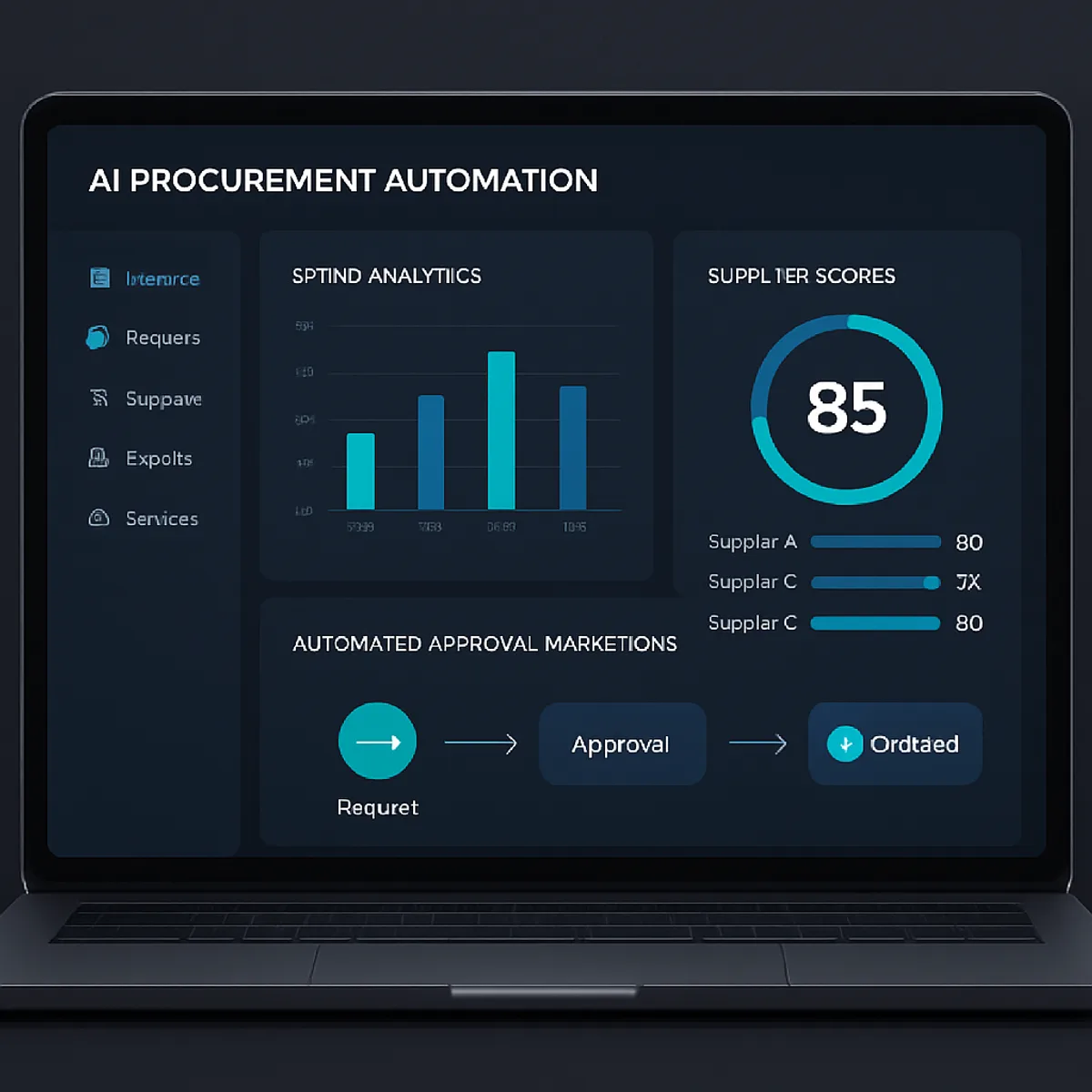
AI routes purchase requests to the right approver, predicts approval likelihood, and auto-approves low-risk, low-value orders within policy. Guided buying experiences steer employees toward preferred catalogs and compliant suppliers, cutting maverick spend, the unmanaged purchasing that often inflates costs by double digits.
Touchless Invoice Processing
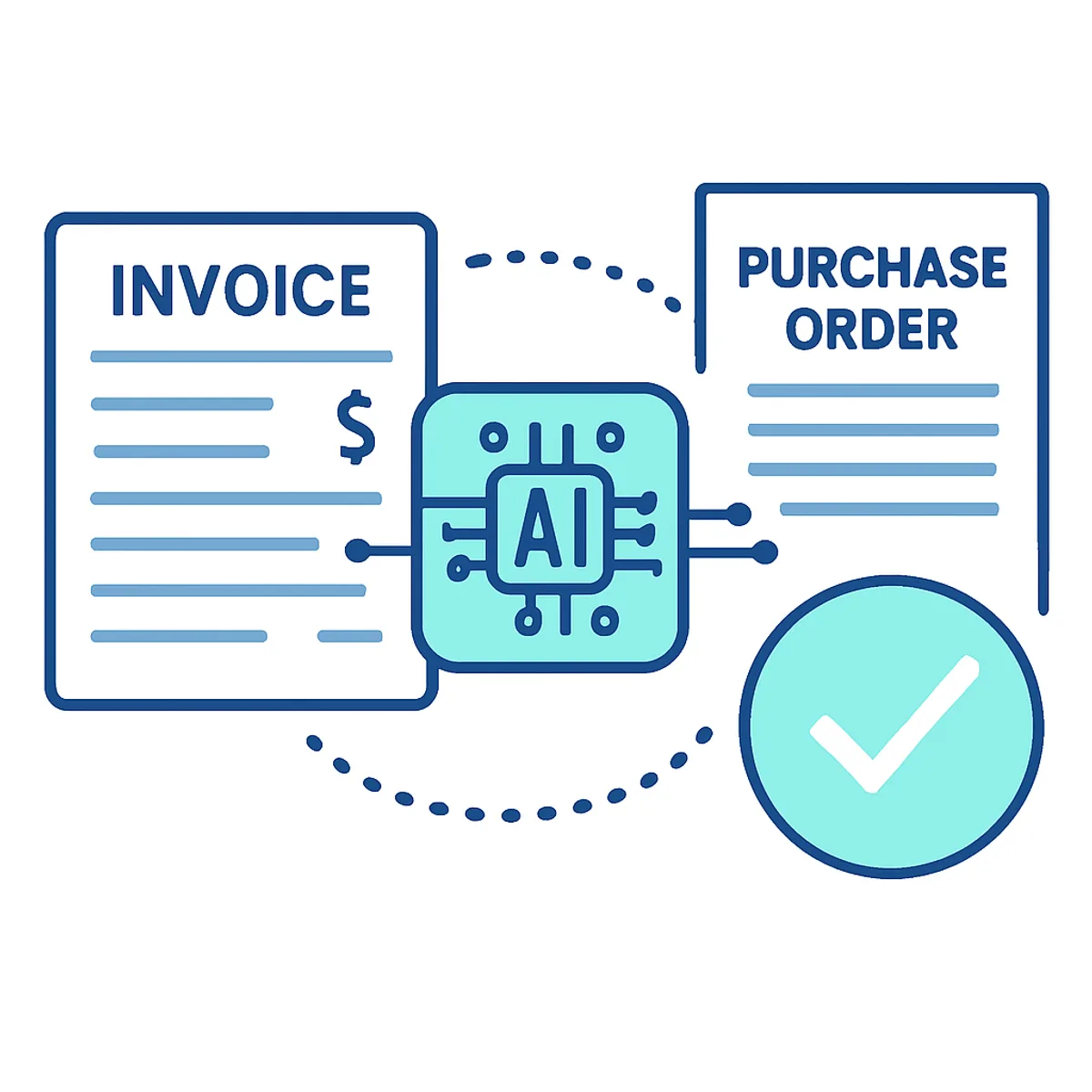
Invoice handling is where AI delivers some of its most visible wins. Optical character recognition and machine learning extract line-item data from PDFs, emails, and scanned documents, then perform automatic three-way matching against the purchase order and goods receipt. Clean invoices flow straight to payment without human touch, while exceptions are routed to a specialist with the discrepancy already highlighted.
The Business Case: Why It Matters
The financial argument for AI in source to pay is strong and well documented. According to Gartner, organizations that apply automation and analytics to procurement can reduce processing costs by up to 30 percent while improving compliance. Separately, research from McKinsey has found that AI-driven spend analytics frequently uncovers savings of 3 to 8 percent of addressable spend that traditional methods miss.
For a company spending $100 million annually with suppliers, even a conservative 3 percent improvement represents $3 million in recoverable value, money that flows straight to the bottom line.
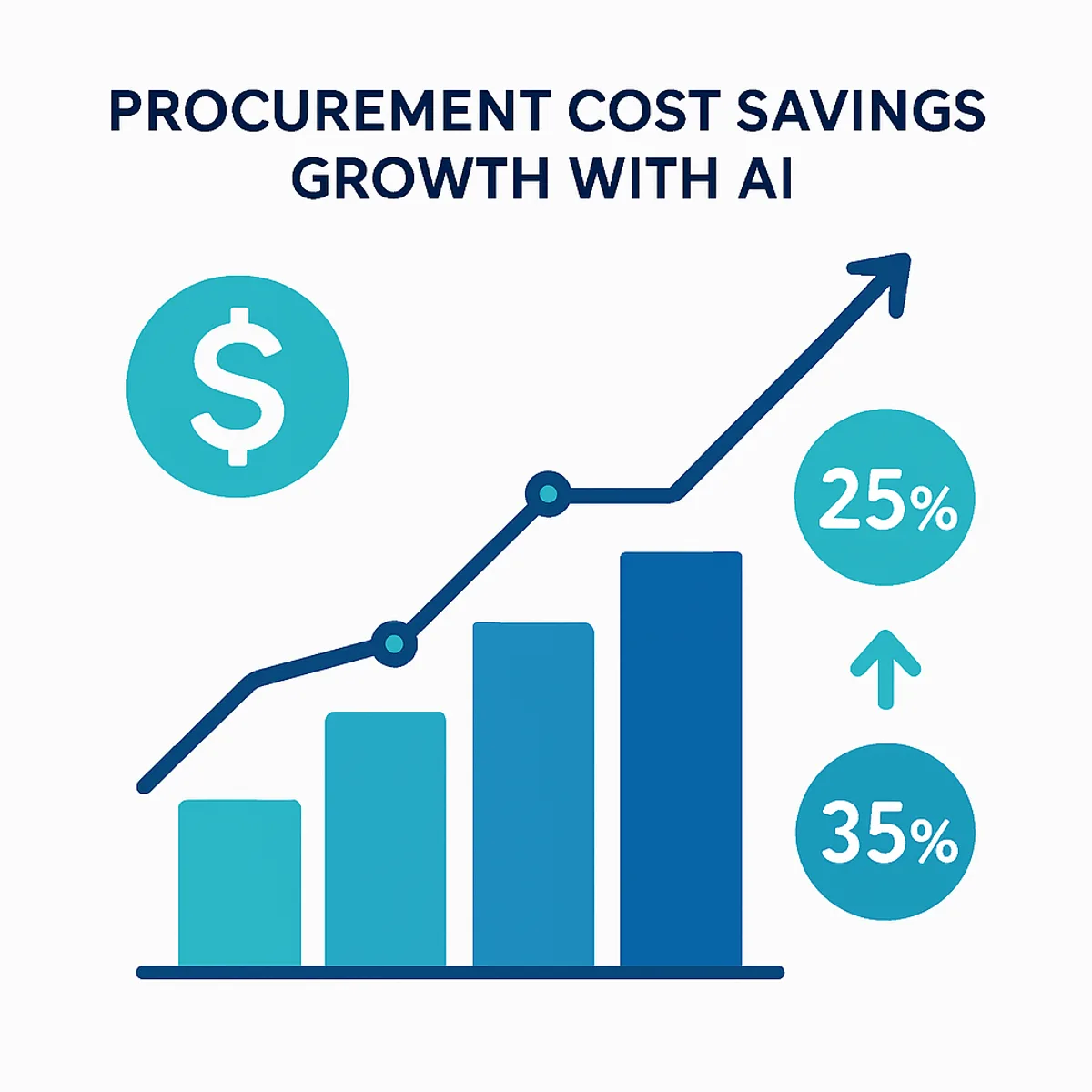
Beyond hard savings, AI improves three areas that are harder to quantify but equally important:
- Speed: approval and invoice cycle times drop dramatically.
- Accuracy: automated matching reduces costly duplicate and fraudulent payments.
- Resilience: predictive risk scoring warns of supplier failure before it disrupts operations.
If you are evaluating how to bring these capabilities into your own stack, ZoneTechify's artificial intelligence services help teams design and deploy AI workflows tailored to their procurement environment.
Traditional Source to Pay vs. AI-Powered Source to Pay
The contrast between manual and AI-driven procurement becomes clear when you compare them side by side.
| Capability | Traditional S2P | AI-Powered S2P |
|---|---|---|
| Invoice matching | Manual, line by line | Automated three-way matching |
| Supplier discovery | Limited, relationship-based | Data-driven across global pool |
| Contract review | Slow legal bottleneck | Instant clause extraction |
| Spend visibility | Quarterly reports | Real-time dashboards |
| Risk detection | Reactive | Predictive and proactive |
| Approval cycle time | Days to weeks | Minutes to hours |
| Error rate | High | Significantly reduced |
The table makes the value obvious: AI compresses time, expands visibility, and shifts the function from reactive firefighting to proactive control.
AI-Driven Supplier and Spend Intelligence
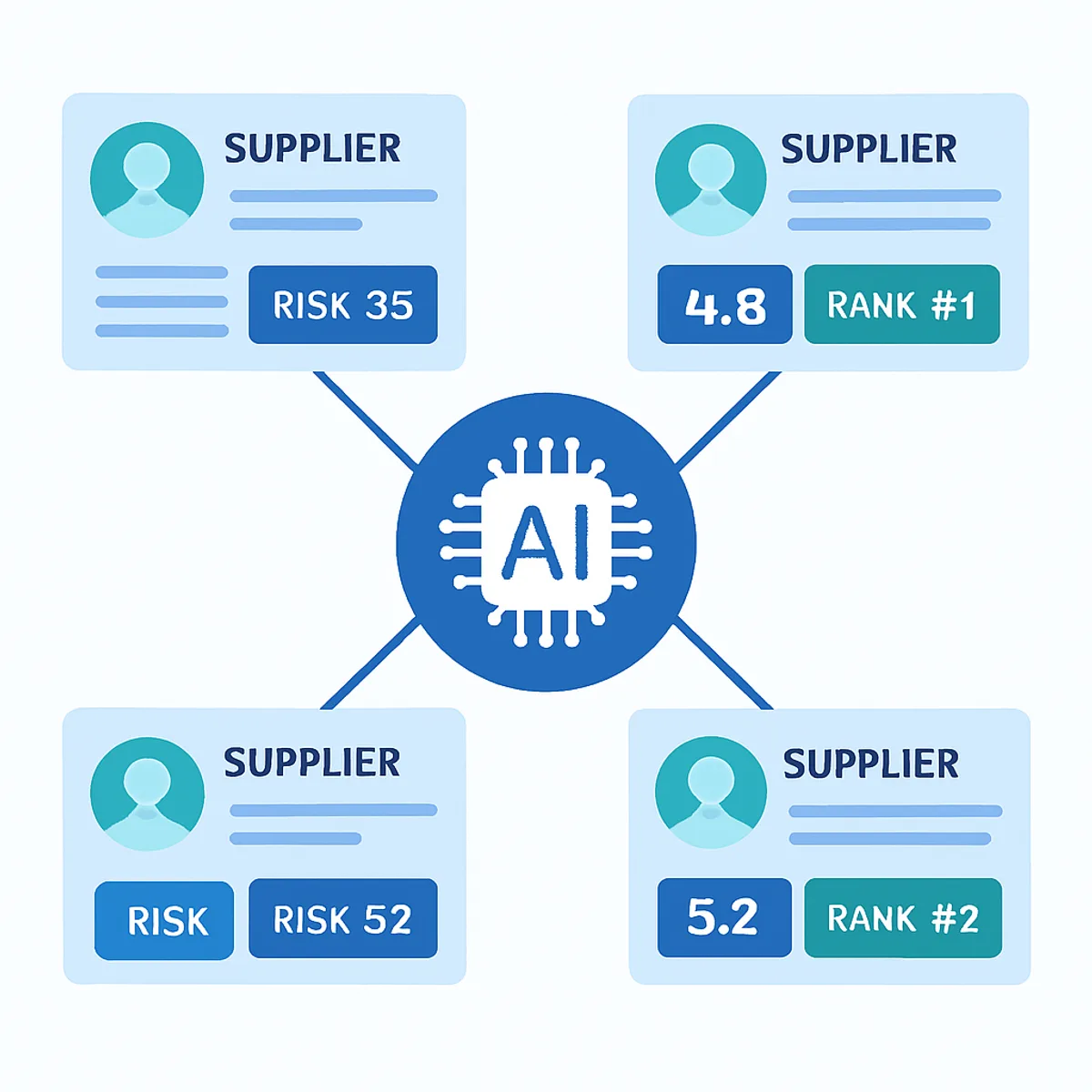
One of the most powerful applications of AI in source to pay is continuous supplier intelligence. Instead of reviewing vendors once a year, machine learning models monitor delivery performance, quality scores, financial health signals, and external risk indicators in real time. When a key supplier shows signs of distress, late shipments, deteriorating credit, negative news, the system alerts the buyer early enough to act.
Spend Analysis That Finds Hidden Savings
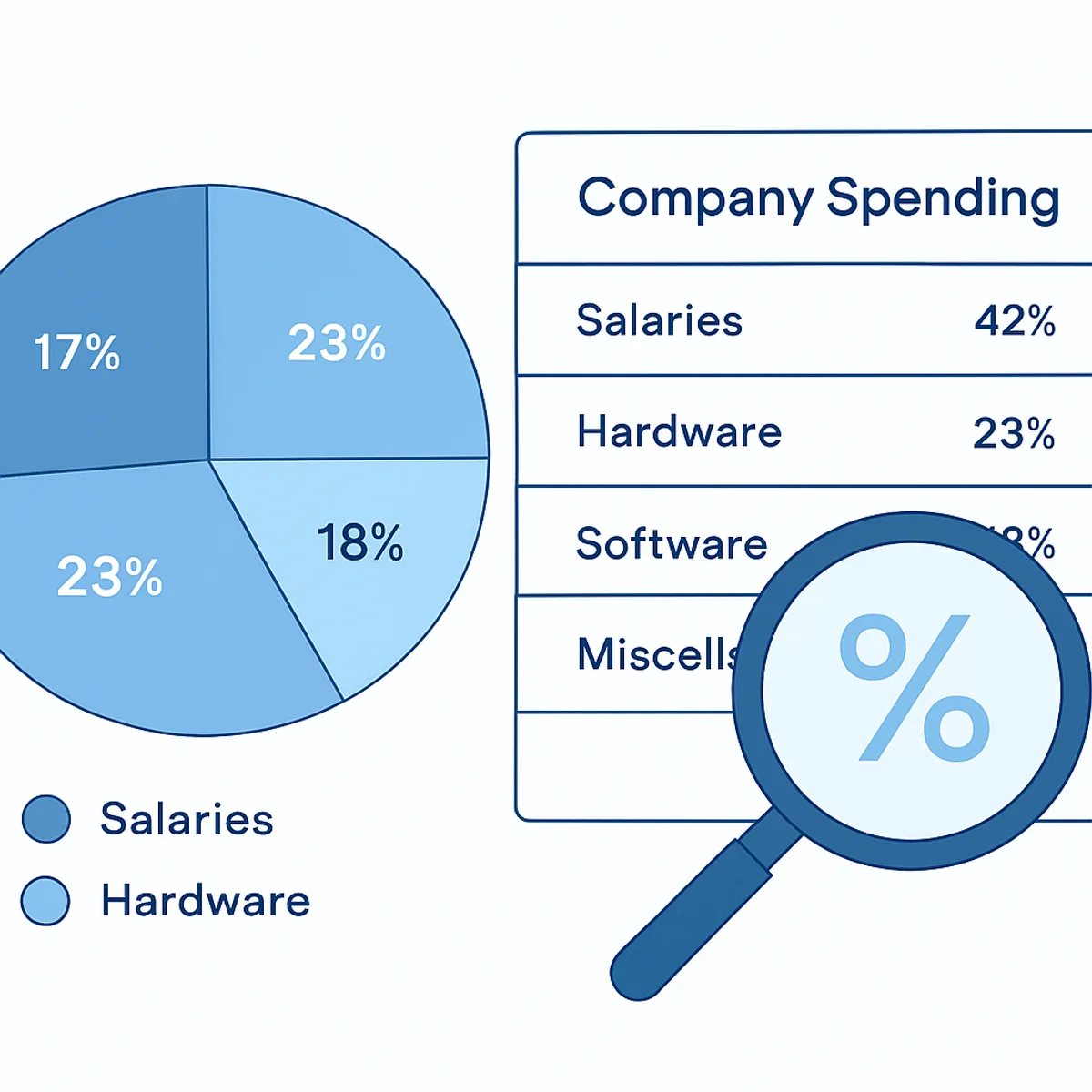
Spend analysis is the practice of categorizing and examining all company purchasing to find savings opportunities. AI automates the classification of millions of transactions, mapping them to the right categories with far greater accuracy than rule-based tools. It then surfaces patterns a human would miss: duplicate suppliers offering the same goods at different prices, contracts not being leveraged, or tail spend that could be consolidated.
This is where data quality becomes critical. AI is only as good as the information feeding it, so clean master data and well-structured catalogs dramatically improve results.
How to Implement AI in Your Source to Pay Process
Adopting AI does not require ripping out your existing ERP or procurement suite. The most successful rollouts follow a phased approach.
- Audit your current process. Map where time and money leak, manual matching, slow approvals, maverick spend.
- Clean your data. Standardize supplier records and spend categories so AI models have reliable inputs.
- Start with one high-volume use case. Touchless invoice processing usually offers the fastest, most visible return.
- Integrate, don't replace. Layer AI on top of existing systems through APIs to avoid disruption.
- Measure and expand. Track cycle time, cost per invoice, and savings, then extend AI to sourcing and contracts.
A partner experienced in custom integrations can shorten this journey considerably. Teams at WebPeak regularly help organizations connect intelligent automation to legacy systems, while ZoneTechify supports the broader digital transformation that surrounds it.
Common Challenges and How to Avoid Them
AI source to pay is powerful, but adoption stumbles when teams overlook the fundamentals.
- Poor data quality: garbage in, garbage out. Invest in data cleansing first.
- Over-automation too fast: automate low-risk tasks before complex decisions.
- Ignoring change management: train staff and explain how AI augments their roles.
- Weak governance: define clear rules for what AI can auto-approve and what needs human sign-off.
Addressing these proactively keeps trust high and prevents the kind of errors that erode confidence in automation.
The Future of AI in Procurement
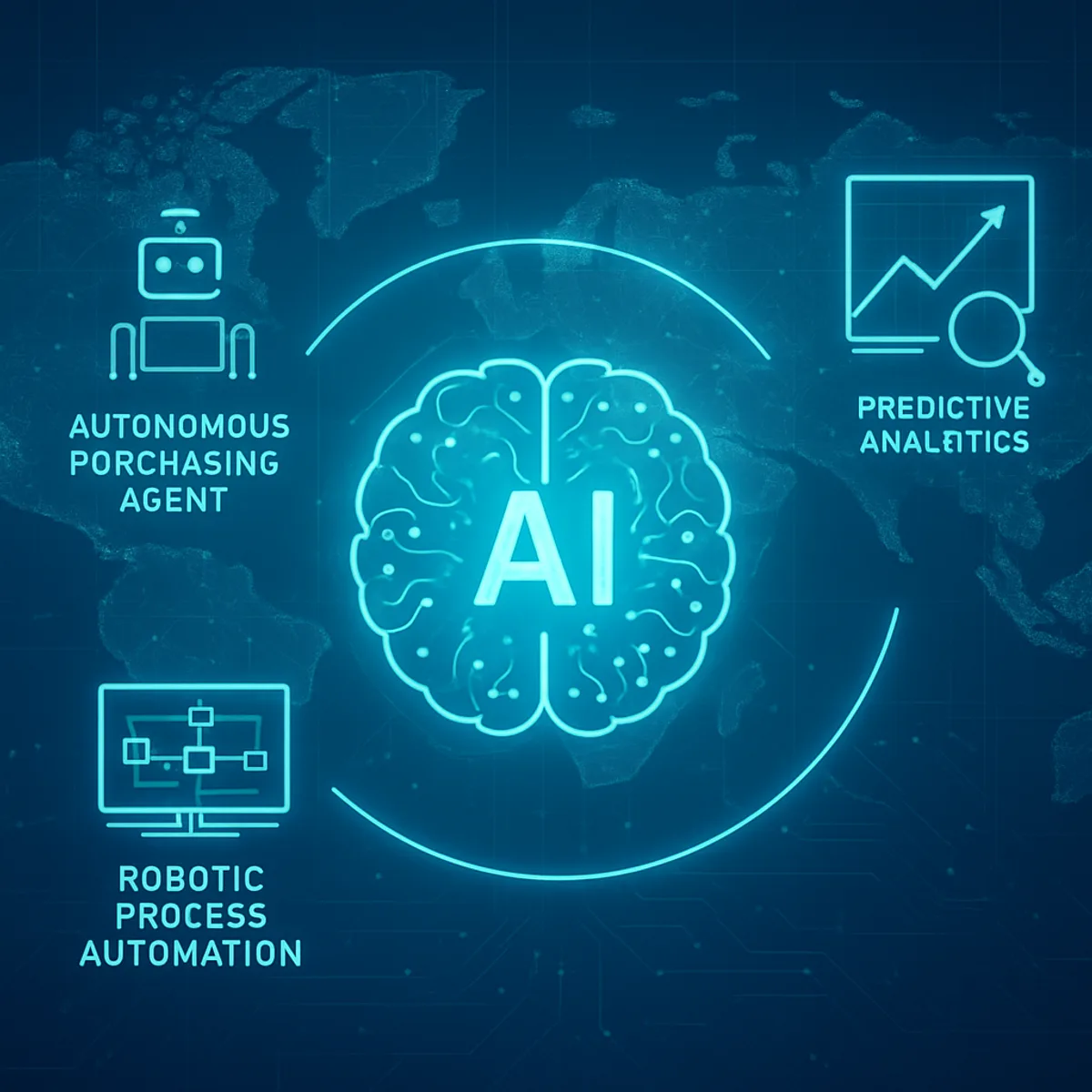
The next wave is autonomous procurement, AI agents that can run sourcing events, negotiate routine contracts, and place orders within defined guardrails. Generative AI is already drafting RFPs, summarizing supplier proposals, and answering buyer questions in natural language. As these capabilities mature, the procurement professional's role shifts decisively toward strategy, supplier partnership, and exception management.
Organizations that build clean data foundations and AI fluency now will be the ones best positioned to capitalize on this shift.
Key Takeaways
- Artificial intelligence source to pay automates the full procurement cycle, from sourcing to payment.
- Gartner reports automation can cut procurement processing costs by up to 30 percent.
- McKinsey research shows AI spend analytics often uncovers 3 to 8 percent in addressable savings.
- Touchless invoice processing is the fastest, highest-impact starting point.
- Clean, structured data is the single biggest factor in AI success.
- The future points toward autonomous, agent-driven procurement.
Frequently Asked Questions (FAQ)
What is artificial intelligence source to pay?
It is the use of AI technologies, machine learning, NLP, and automation, across the entire procurement process. AI handles sourcing, contracts, purchasing, and payments, reducing manual work, cutting costs, flagging supplier risk, and giving teams real-time visibility into spend and decisions.
How does AI reduce procurement costs?
AI reduces costs by automating invoice matching, eliminating duplicate and fraudulent payments, identifying better-priced suppliers, and consolidating fragmented spend. It also reveals contract leakage and maverick buying. Combined, these capabilities typically recover several percentage points of total addressable spend for most organizations.
Is AI source to pay only for large enterprises?
No. While large enterprises see big absolute savings, mid-sized companies benefit just as much proportionally. Cloud-based AI procurement tools and modular integrations make adoption affordable and scalable, so smaller teams can automate invoices and spend analysis without major upfront infrastructure investment.
Will AI replace procurement jobs?
AI augments rather than replaces procurement professionals. It removes repetitive tasks like data entry and invoice matching, freeing people to focus on negotiation, supplier strategy, and managing exceptions. The role evolves toward higher-value, judgment-based work that machines cannot fully perform on their own.
Where should I start with AI in procurement?
Start by cleaning your supplier and spend data, then automate one high-volume task, usually invoice processing. Measure cycle time and cost savings, build internal confidence, and gradually expand AI into sourcing, contracts, and risk monitoring as your data and processes mature.