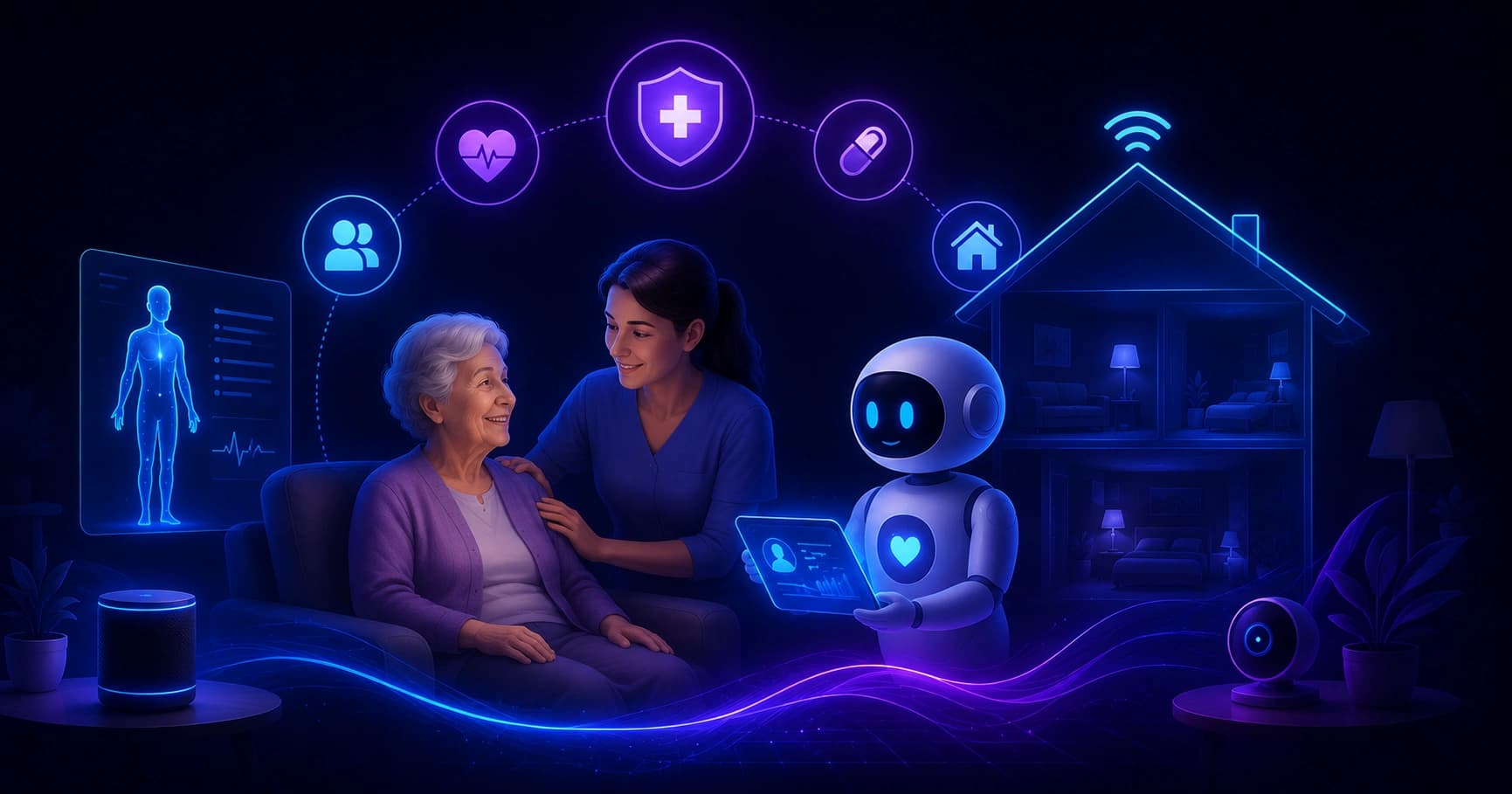
Discover how artificial intelligence in home care is transforming elderly and patient support with smarter monitoring, medication management, and personalized caregiving solutions.
Artificial Intelligence in Home Care
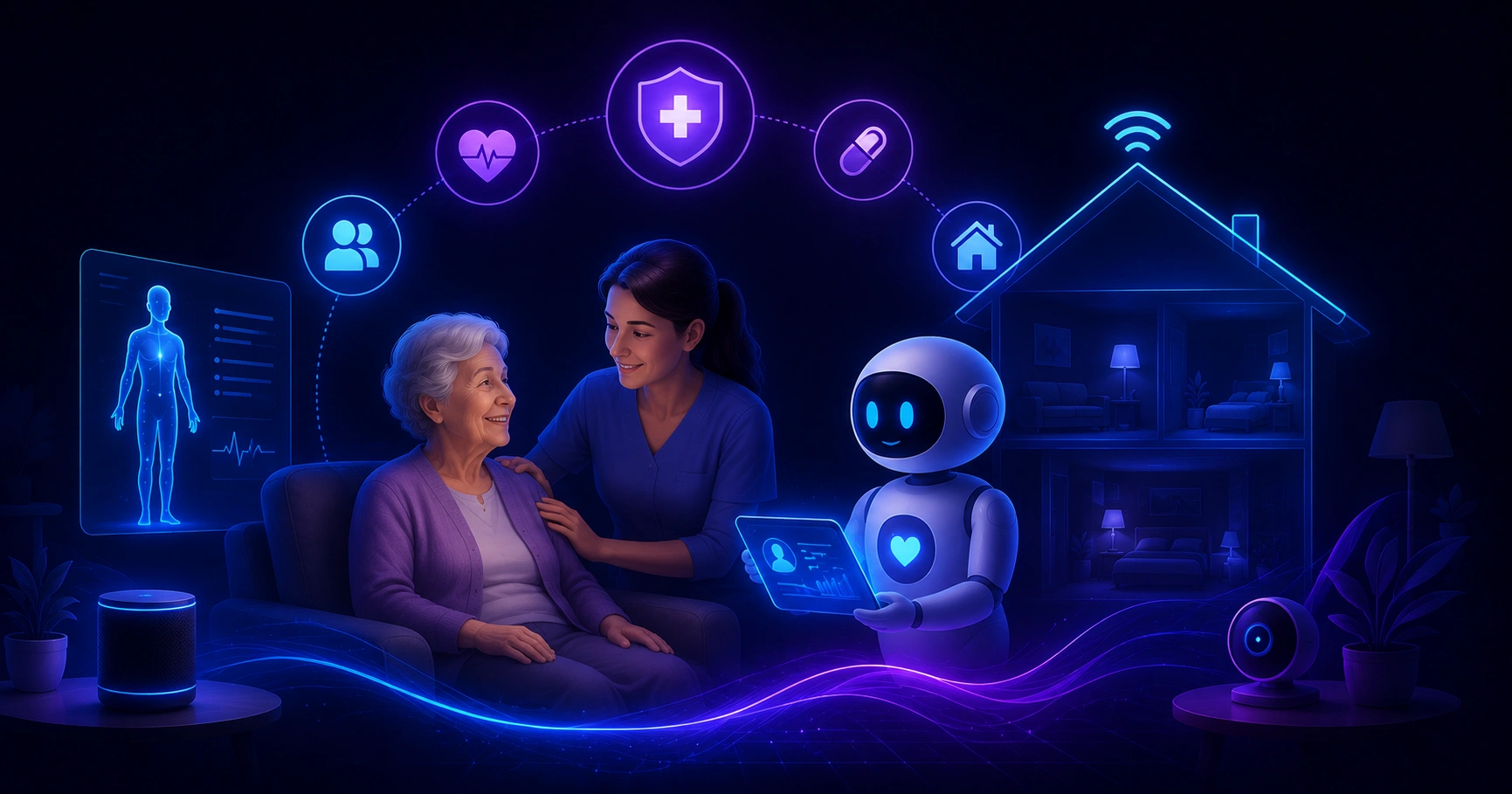
Home care is undergoing its most significant transformation in decades — not because of new government policies or hospital expansions, but because artificial intelligence is quietly moving into living rooms, bedrooms, and kitchens across the world. For families managing the care of elderly parents, post-surgical patients, or individuals with chronic conditions, AI is shifting caregiving from reactive to proactive. Instead of waiting for a fall to happen or a medication dose to be missed, intelligent systems now detect, alert, and respond in real time.
This guide explains what AI in home care actually means, which technologies are making the biggest difference today, and how families and healthcare providers can evaluate and adopt these tools responsibly.
Quick Answer: Artificial intelligence in home care refers to AI-powered tools — including remote monitoring sensors, smart medication dispensers, fall detection systems, and virtual health assistants — that help patients live safely and independently at home while keeping caregivers and clinicians informed in real time. These technologies reduce hospitalizations, improve medication adherence, and extend quality of life for elderly and chronically ill individuals.
What Is Artificial Intelligence in Home Care?
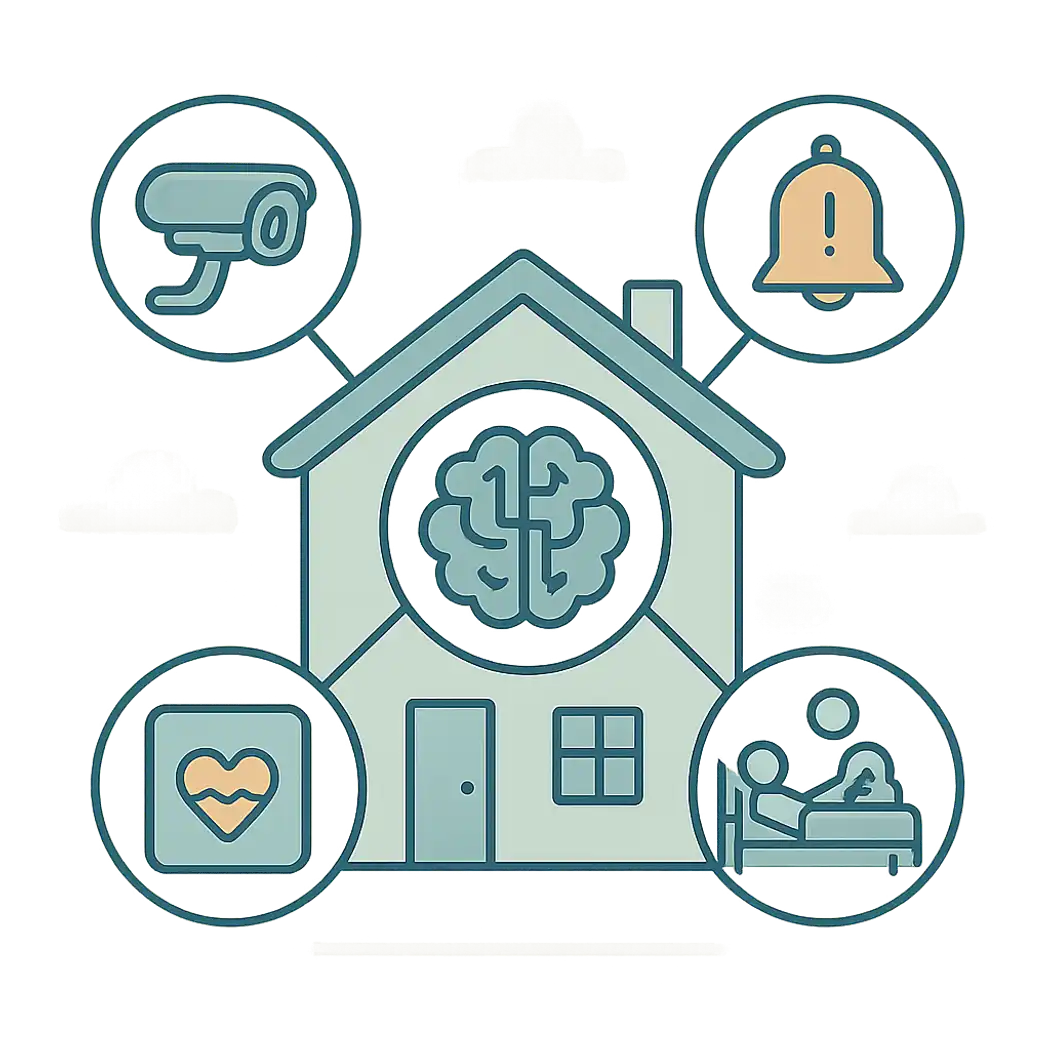
Artificial intelligence in home care is the application of machine learning algorithms, computer vision, natural language processing, and sensor data analysis to support patients and elderly individuals in their own homes. Rather than replacing human caregivers, these systems augment care by handling continuous monitoring tasks that no human can sustain around the clock.
The technology operates across three core functions: monitoring (tracking health vitals and behavior patterns), alerting (notifying caregivers or emergency services when something changes), and assisting (helping patients complete daily tasks independently). Each function reduces the physical and emotional burden on family caregivers while giving clinical teams richer data for decision-making.
According to the American Association of Retired Persons (AARP), approximately 77% of adults over 50 want to remain in their own homes as they age. AI home care technology is making that preference medically viable for a much larger population than was previously possible.
Remote Patient Monitoring: The Foundation of AI Home Care
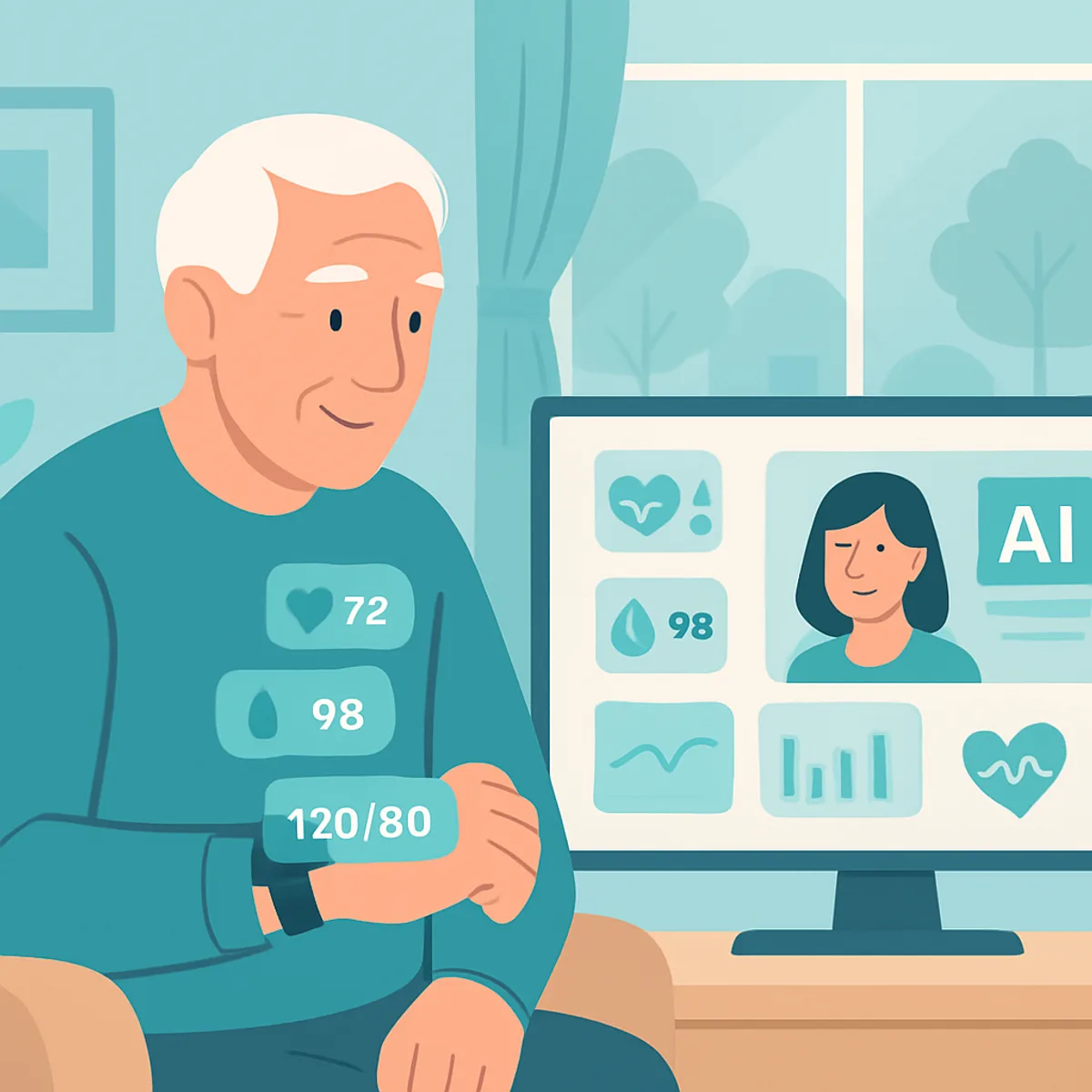
Remote patient monitoring (RPM) is the most widely adopted AI application in home care today. Wearable devices, environmental sensors, and connected medical equipment collect continuous data — heart rate, blood oxygen, blood pressure, glucose levels, sleep patterns, and activity levels — and transmit it to cloud platforms where AI models analyze trends and flag anomalies.
What makes AI-driven RPM different from a basic fitness tracker is pattern recognition at clinical depth. A standard wearable records that a patient's heart rate spiked at 2 a.m. An AI system correlates that spike with reduced sleep movement, lower oxygen saturation, and an elevated respiratory rate over the previous 48 hours — and flags it as a potential early sign of cardiac decompensation before any visible symptom appears.
A 2023 study published in the Journal of Medical Internet Research found that AI-powered RPM reduced preventable hospital readmissions among heart failure patients by 38% compared to standard post-discharge follow-up. This single metric illustrates why health systems are actively funding home monitoring infrastructure.
Key RPM Technologies in Use Today
- Continuous glucose monitors with AI trend prediction for diabetic patients
- Pulse oximeters paired with respiratory rate algorithms for COPD management
- Smart mattress sensors that detect restlessness, breathing irregularities, and bed-exit events
- Environmental sensors that track room temperature, humidity, and movement to infer daily activity patterns
- AI-enabled ECG patches that detect atrial fibrillation with clinical-grade accuracy
Teams at ZoneTechify and WebPeak work with healthcare technology providers to integrate these monitoring systems into cohesive platforms that families and clinicians can actually use without technical expertise.
AI Medication Management: Solving the Adherence Crisis
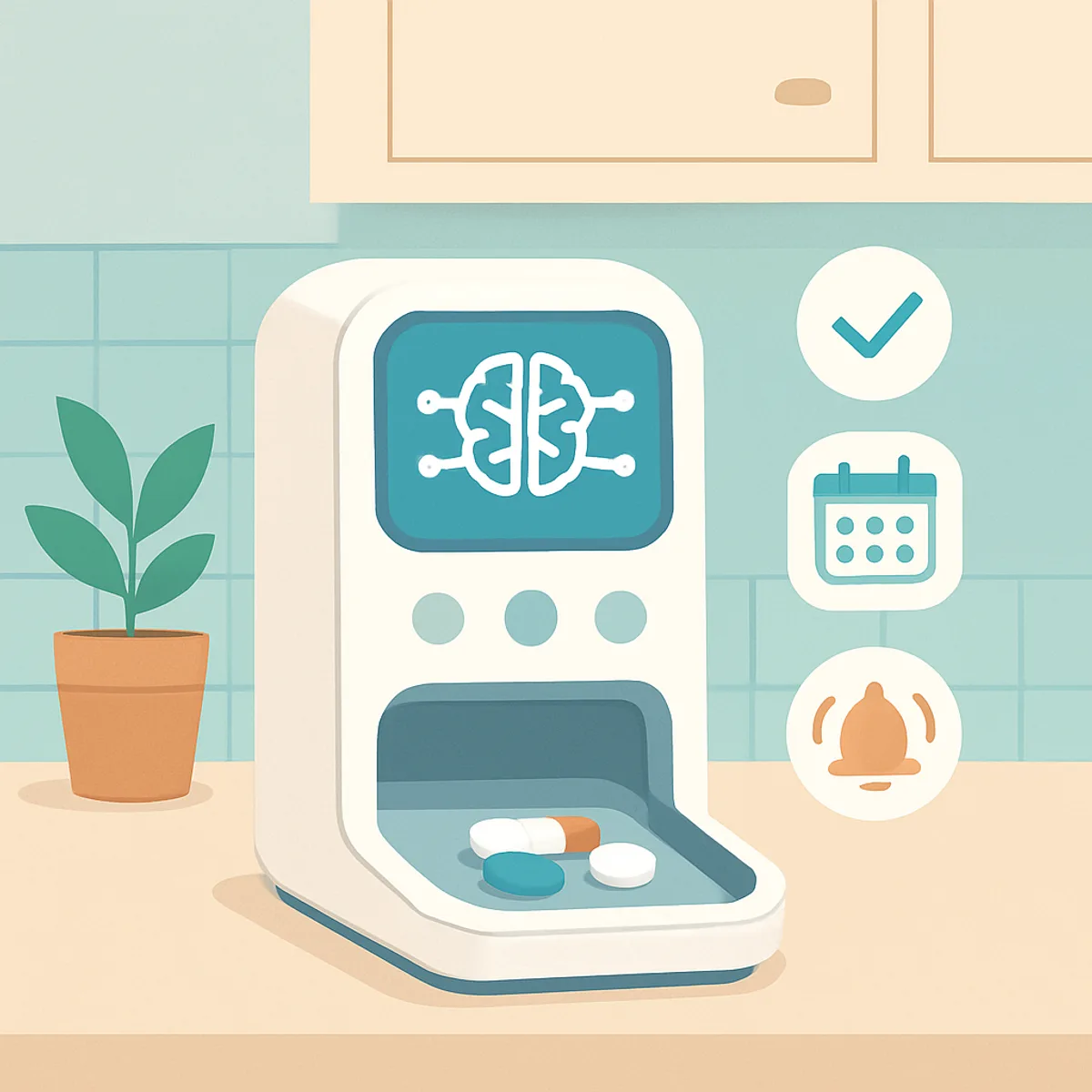
Medication non-adherence costs the United States healthcare system an estimated $300 billion annually, according to the New England Healthcare Institute. For home care patients managing multiple chronic conditions, remembering the right drug, the right dose, and the right time — often across 8 to 12 daily medications — is genuinely difficult.
AI-powered medication management systems address this with three layers of intelligence:
- Smart dispensers that release only the correct pills at the scheduled time and lock access to prevent accidental double-dosing
- Adherence tracking that logs every dose and sends alerts to caregivers when a dose is missed or taken late
- Drug interaction screening that uses AI models to flag potential interactions when a new medication is added to a patient's regimen
These systems have moved well beyond reminder apps. Modern platforms integrate with pharmacy management software, electronic health records, and telehealth portals so a physician can see a patient's actual adherence data — not self-reported data — before a virtual appointment.
Fall Detection and Emergency Response
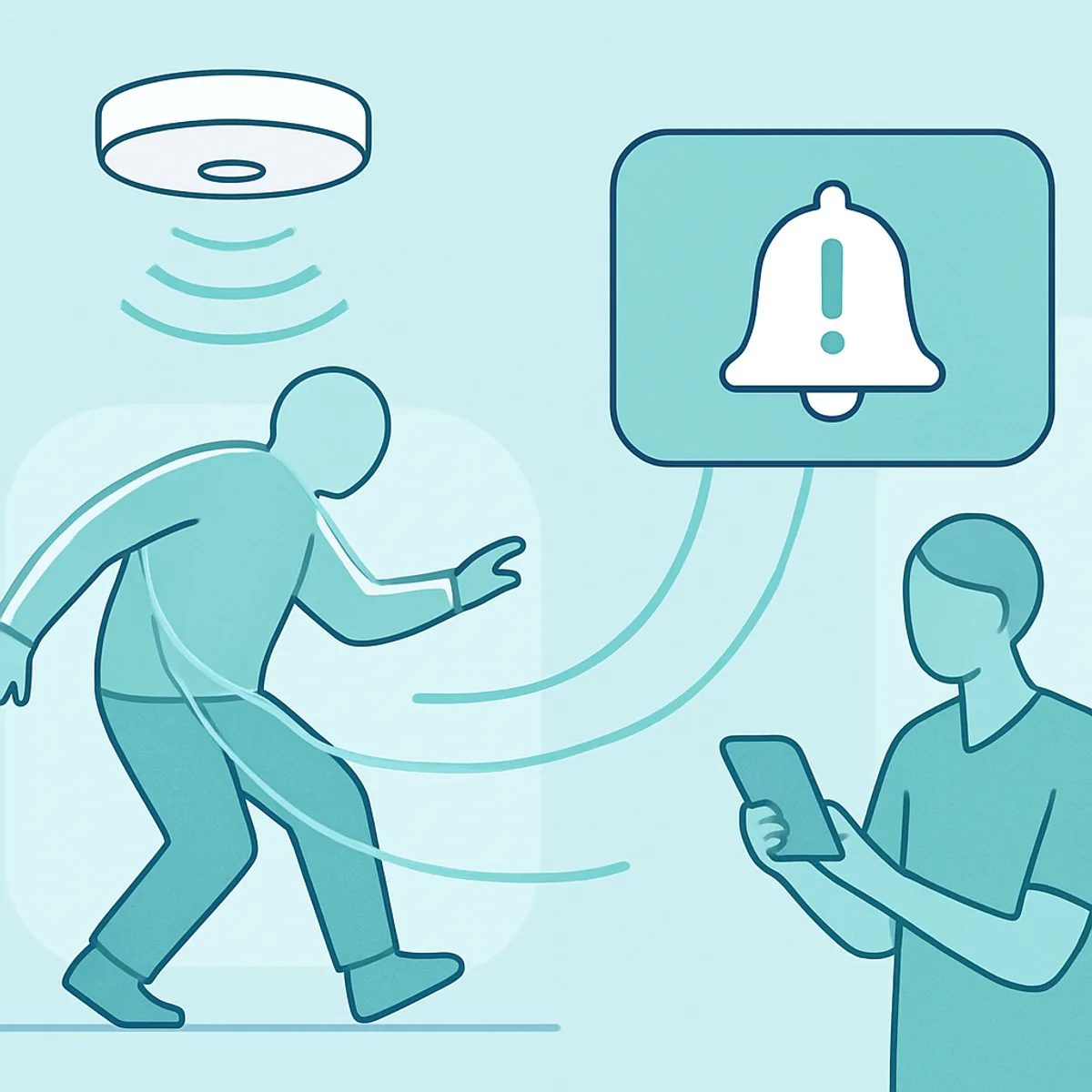
Falls are the leading cause of injury-related death among adults over 65, according to the Centers for Disease Control and Prevention (CDC). Traditional personal emergency response systems required the patient to press a button — something that is impossible if the person is unconscious or disoriented after a fall.
AI-powered fall detection eliminates that dependency. Computer vision systems mounted discreetly in living spaces (with privacy protections that blur or anonymize visual data) analyze human movement in real time. When gait patterns suggest instability or a rapid descent to the floor is detected, the system triggers an alert automatically — even if the person never calls for help.
Beyond reactive detection, AI gait analysis can now predict fall risk before an incident occurs. By analyzing walking speed, stride length, and balance data collected over days and weeks, algorithms identify patients whose movement patterns suggest increasing fall risk. Caregivers and physical therapists can then intervene with targeted exercises or home modifications before a fall happens.
AI Virtual Assistants and Cognitive Support
For patients with early-stage dementia, Alzheimer's disease, or cognitive decline, AI-powered voice assistants offer a meaningful layer of daily support. These systems go beyond general-purpose smart speakers by integrating with care plans, medication schedules, and family communications.
A purpose-built care assistant can remind a patient to drink water, prompt them through a morning routine, initiate a video call with a family member when confusion is detected, and read appointment details aloud on request. More sophisticated systems maintain conversational context across interactions, allowing them to notice when a patient's speech patterns shift — a potential early indicator of cognitive change.
This technology also directly addresses caregiver burnout. Family members who previously felt they needed to call or visit multiple times daily can trust that an AI system is maintaining consistent check-ins and will escalate only when something genuinely warrants attention.
AI vs. Traditional Home Care: A Direct Comparison
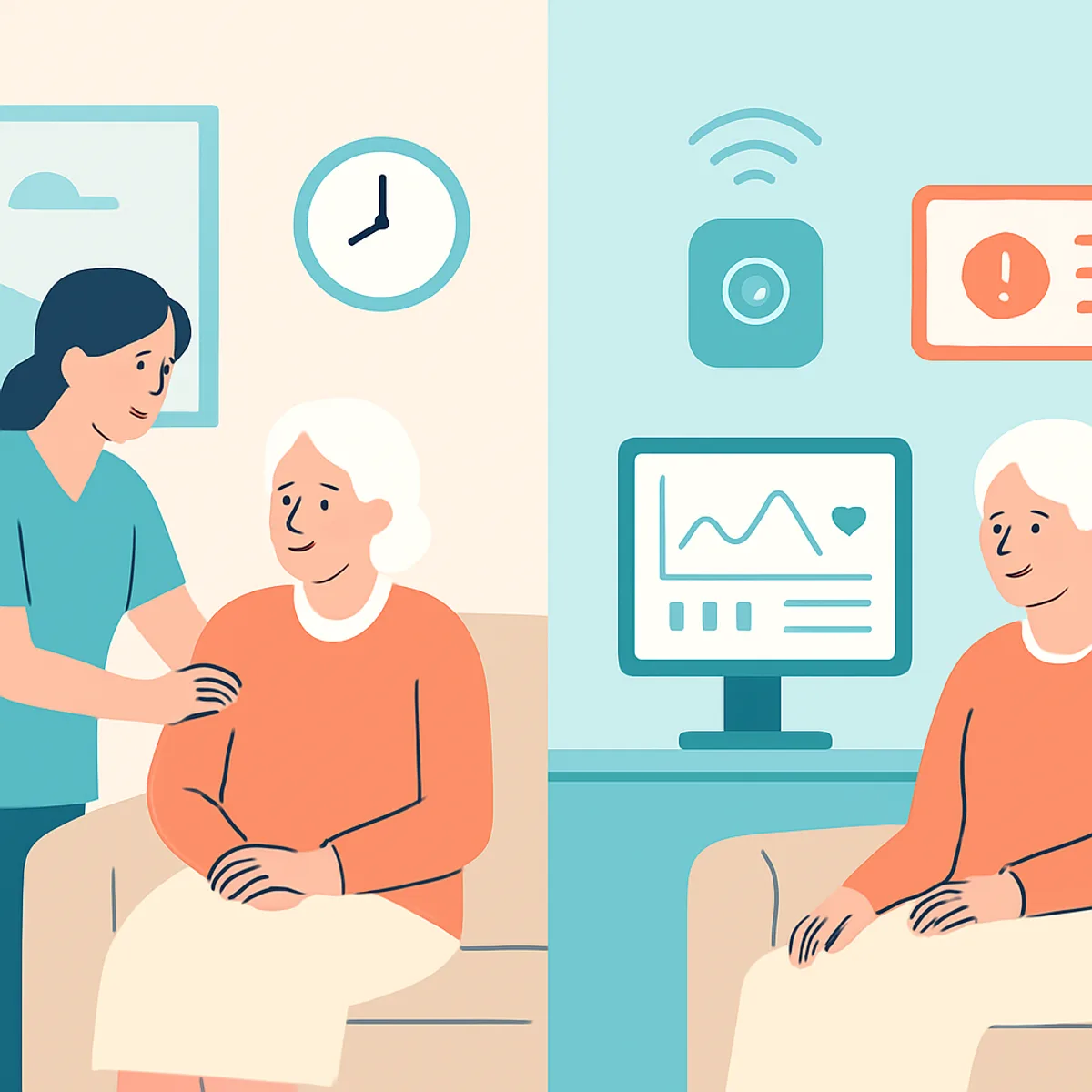
| Feature | Traditional Home Care | AI-Augmented Home Care |
|---|---|---|
| Monitoring continuity | During caregiver visits only | 24 hours a day, 7 days a week |
| Fall detection | Manual observation | Automatic, real-time |
| Medication adherence | Reminder calls or manual dispensing | Smart dispensers with adherence logging |
| Health trend analysis | Periodic clinical review | Continuous AI analysis with early alerts |
| Emergency response | Patient must call for help | Automatic detection and notification |
| Cost over time | Increases with care hours needed | Scales more efficiently with technology |
| Family peace of mind | Limited to visit windows | Continuous remote visibility |
| Data for physicians | Self-reported or visit-based | Objective, longitudinal health data |
The table above does not suggest AI replaces human caregivers — skilled nursing, personal care, and emotional support remain irreplaceable human contributions. AI handles the continuous, data-intensive tasks that allow human caregivers to focus their time where it matters most.
Choosing the Right AI Home Care Solution
Not every AI home care product is equal in reliability, privacy protection, or clinical validation. Before adopting any system, families and care coordinators should evaluate five criteria:
- Clinical validation — Has the technology been tested in peer-reviewed studies or cleared by relevant health regulators?
- Data privacy — How is health data stored, who can access it, and is it compliant with HIPAA or equivalent regulations?
- Integration capability — Does it connect with existing EHR systems, telehealth platforms, and pharmacy networks?
- Ease of use — Can the patient and family members navigate the system without technical training?
- Escalation clarity — Are alert thresholds clearly defined, and is it obvious who receives alerts and through which channels?
For healthcare organizations and home care agencies building or procuring these systems, ZoneTechify's AI services provide structured implementation support that addresses all five criteria from the ground up.
Key Takeaways
- AI in home care is defined as the use of machine learning, computer vision, and sensor analytics to monitor, alert, and assist patients living independently at home.
- Remote patient monitoring powered by AI reduced hospital readmissions for heart failure patients by 38% in a 2023 clinical study.
- Medication non-adherence costs the US healthcare system approximately $300 billion per year — AI-powered dispensers and adherence tracking directly address this cost.
- Fall detection AI removes the requirement for a patient to call for help, enabling automatic emergency response even when the patient is incapacitated.
- Gait analysis algorithms can identify increasing fall risk days or weeks before an incident occurs, enabling preventive intervention.
- AI virtual assistants reduce caregiver burnout by maintaining consistent daily check-ins and escalating only when clinically significant changes are detected.
- The right AI home care solution must be clinically validated, HIPAA-compliant, and genuinely easy for elderly patients to use without technical assistance.
Frequently Asked Questions
What does AI in home care actually do?
AI in home care monitors a patient's health and safety continuously using sensors, wearables, and computer vision. It analyzes data for patterns that signal risk — like early signs of cardiac stress or increasing fall risk — and alerts caregivers or emergency services automatically. It also assists with medication management, daily routines, and communication with family members.
Is AI home care safe for elderly patients with no tech experience?
Yes, when designed correctly. The best AI home care systems require no active input from the patient — sensors and wearables collect data passively. Voice assistants are designed for natural conversation, not technical commands. The key is choosing platforms built specifically for elderly users rather than adapting general consumer technology.
How much does AI home care technology cost?
Costs vary widely by system complexity. Basic remote monitoring wearables start at approximately $30 to $100 per month including service fees. Comprehensive fall detection and medication management platforms typically range from $150 to $400 per month. Many insurance plans and Medicare Advantage programs now cover qualifying remote patient monitoring services, which can significantly offset cost.
Can AI replace a human home care nurse or caregiver?
No. AI handles continuous monitoring, data analysis, medication dispensing, and automated alerts — tasks that require consistency and speed. Human caregivers provide skilled nursing assessment, personal care, emotional connection, and clinical judgment in complex situations. The most effective home care models use AI to extend and enhance what human caregivers can do, not replace them.
How does AI protect patient privacy in the home?
Reputable AI home care systems address privacy through several methods: computer vision systems that anonymize or blur video rather than storing identifiable footage, end-to-end encryption for all transmitted health data, strict role-based access controls that limit who can view patient information, and compliance with HIPAA in the United States and equivalent frameworks in other regions. Always request a detailed data privacy disclosure before deploying any system.
What conditions benefit most from AI home care?
AI home care delivers the clearest clinical benefit for heart failure, COPD, diabetes, post-surgical recovery, Parkinson's disease, early-stage dementia, and any condition requiring medication adherence monitoring. These are all conditions where continuous data collection and early anomaly detection translate directly into fewer hospitalizations and better quality of life.
Artificial intelligence is not replacing the warmth of human caregiving — it is removing the limitations that have always constrained it. A family member cannot watch a parent 24 hours a day. A nurse cannot be present in every moment between scheduled visits. AI can. By handling continuous monitoring, early warning, and routine assistance, these systems give patients more independence and give caregivers the information they need to act before problems become emergencies. For families navigating the complexity of home-based care, understanding and adopting these technologies is no longer optional — it is becoming the standard of responsible care.