Application development consulting explained: what consultants deliver, real costs, due diligence, and how to choose the right partner for your software build.
Application Development Consulting
Most failed software projects do not fail because the code was bad. They fail because the wrong thing was built, in the wrong order, on the wrong foundation. Application development consulting exists to prevent exactly that outcome, and after a decade of running discovery sessions, architecture reviews, and rescue projects for startups and enterprise teams alike, we can say the pattern repeats almost every time.
This guide explains what application development consulting delivers, what it costs, how it differs from hiring developers, and how to evaluate a partner before you sign anything.
Quick Answer: Application development consulting is expert advisory work that defines what software to build, how to architect it, and how to deliver it. Consultants validate requirements, choose the technology stack, design the delivery plan, and audit existing systems, reducing wasted spend and technical risk before development begins.
What Is Application Development Consulting?
Application development consulting is a structured advisory service in which experienced software architects and product strategists help an organization decide what to build, how to build it, and how to sequence delivery. The deliverable is not code. It is clarity: a validated scope, a technical architecture, a realistic budget, a staffing model, and a risk register.
That distinction matters. An agency answers "can you build this?" A consultant answers the harder question: "should this be built at all, and in what form?" Key terms worth defining up front:
- Discovery: A time-boxed phase, usually two to six weeks, in which the consultant validates the business problem, users, constraints, and success metrics.
- Technical due diligence: An audit of an existing codebase, infrastructure, and team practices, typically before an acquisition, funding round, or major rebuild.
- Architecture decision record (ADR): A short written document that captures a technical decision, the alternatives considered, and why one was chosen. Good consultants leave a trail of these.
Why Companies Hire Application Development Consultants
The honest answer is risk reduction, and the numbers support it. According to research by McKinsey and the University of Oxford, large software projects run on average 66 percent over budget and 33 percent over schedule, while delivering 17 percent less value than forecast. The Standish Group's CHAOS research has consistently found that only about 31 percent of software projects are delivered fully successfully, with unclear requirements and shifting scope among the leading causes.
Consulting attacks those root causes directly. In our own engagements, the four most common triggers for hiring a consultant are:
- A stalled or over-budget build. The team is shipping, but the release date keeps moving and nobody can explain why.
- A high-stakes technology decision. Monolith or services, native or cross-platform, build or buy, one cloud or two.
- No internal senior technical voice. A founder or business unit leader is being asked to approve a six-figure plan they cannot evaluate.
- Pre-investment scrutiny. An investor or board wants an independent read on the platform before committing capital.

What a Consulting Engagement Actually Covers
A credible engagement breaks into three phases. If a proposal skips any of them, ask why.
1. Discovery and Requirements Validation
Discovery is where the money is saved. The consultant interviews stakeholders and real users, maps current workflows, and separates the features that are genuinely load-bearing from the ones that were requested out of habit. The output should be a prioritized scope with each item tied to a measurable business outcome, plus an explicit list of what is deliberately excluded from version one.
A practical test: after discovery you should be able to explain in two sentences what the application does and who suffers if it does not exist.
2. Architecture and Technology Selection
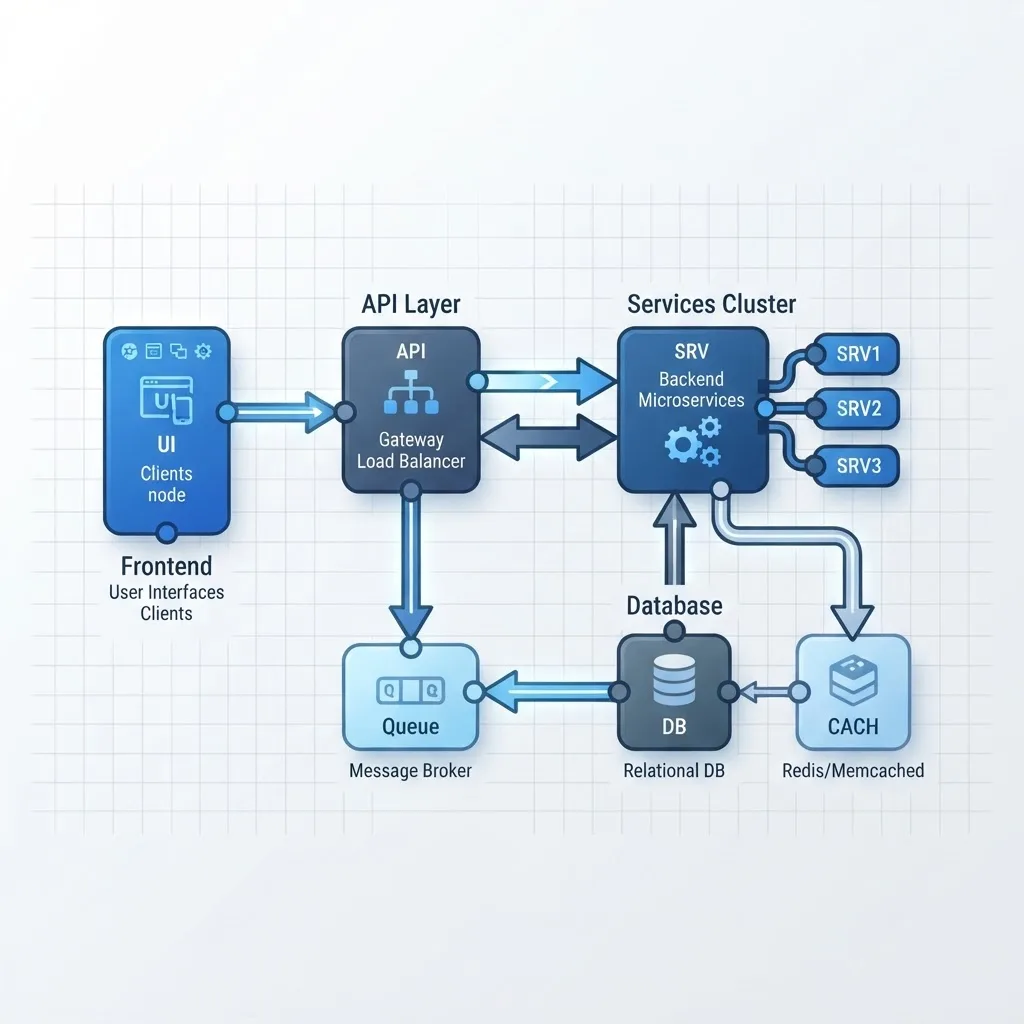
Here the consultant translates the validated scope into a technical shape: data model, service boundaries, authentication approach, integration points, hosting model, and non-functional requirements such as expected concurrency, latency budgets, compliance obligations, and data residency.
Good architecture work is deliberately conservative. Choose boring, well-supported technology for the parts that must simply work, and reserve novelty for the one or two areas where it creates real advantage. Every unusual choice adds hiring difficulty and maintenance cost for years.
3. Delivery Planning and Team Design
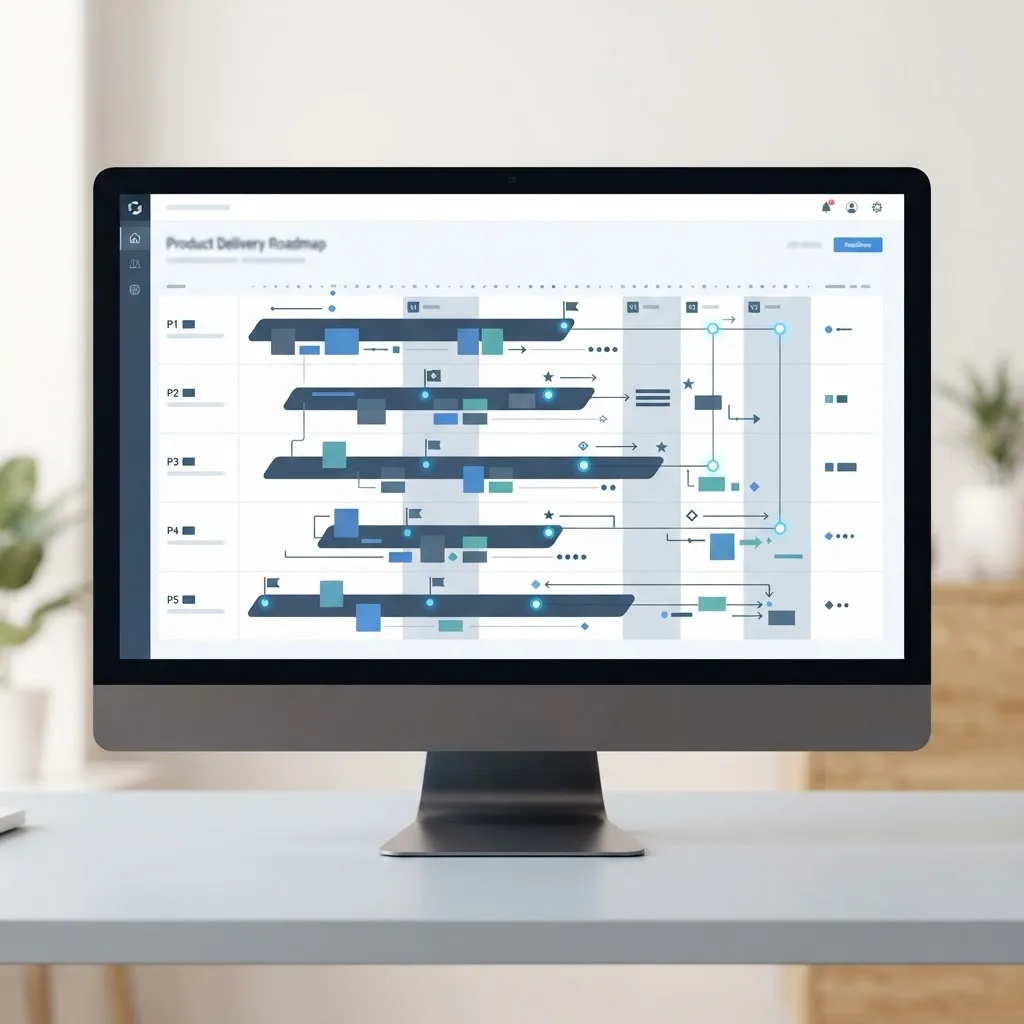
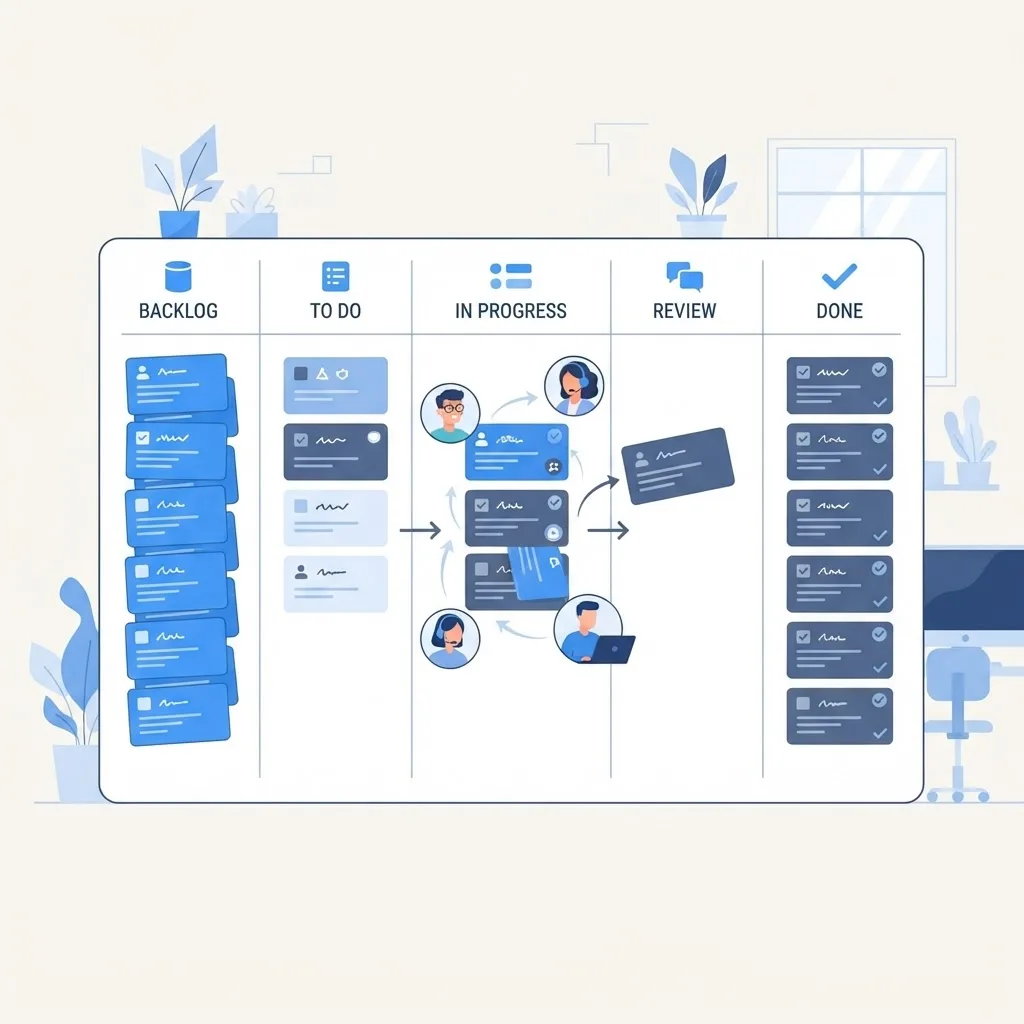
The last phase answers the operational questions: how many engineers, in which roles, working in what cadence, hitting which milestones, with what definition of done. It should include a QA strategy, a deployment and rollback plan, an observability plan, and a post-launch ownership model.
This is also where honest consultants tell you your twelve-month plan is a twenty-month plan, or that your first release should be one third of what you imagined. Teams needing execution help often move into a build engagement with a partner such as ZoneTechify's web application development team; others hand the plan to internal engineers.
Consulting vs Outsourced Development vs In-House Hiring
| Factor | Application Development Consulting | Outsourced Development Agency | In-House Hiring |
|---|---|---|---|
| Primary output | Strategy, architecture, delivery plan | Working software to spec | Long-term product ownership |
| Time to start | Days to two weeks | Two to six weeks | Two to five months |
| Best for | Unclear scope, risky decisions, audits | Defined scope, capacity gaps | Ongoing core product work |
| Cost model | Fixed-fee phase or day rate | Fixed bid or monthly retainer | Salary plus overhead |
| Knowledge retention | High if documented deliverables | Medium, depends on handover | Highest |
| Main risk | Advice without execution | Building the wrong thing well | Slow start, hiring mistakes |
The strongest pattern we see is sequencing rather than choosing: a short consulting phase to define the work, then an agency or internal team to execute it against that definition.
How Much Does Application Development Consulting Cost?
Pricing varies by market and seniority, but the structures are consistent:
- Discovery or assessment package: a fixed fee for a defined scope and deliverable set, usually spanning two to six weeks.
- Day or hourly rate: senior independent consultants and boutique firms commonly bill between 100 and 300 US dollars per hour, with large firms billing considerably more.
- Fractional CTO retainer: a recurring monthly fee for a set number of advisory days, useful for companies that need ongoing technical judgment without a full-time executive.
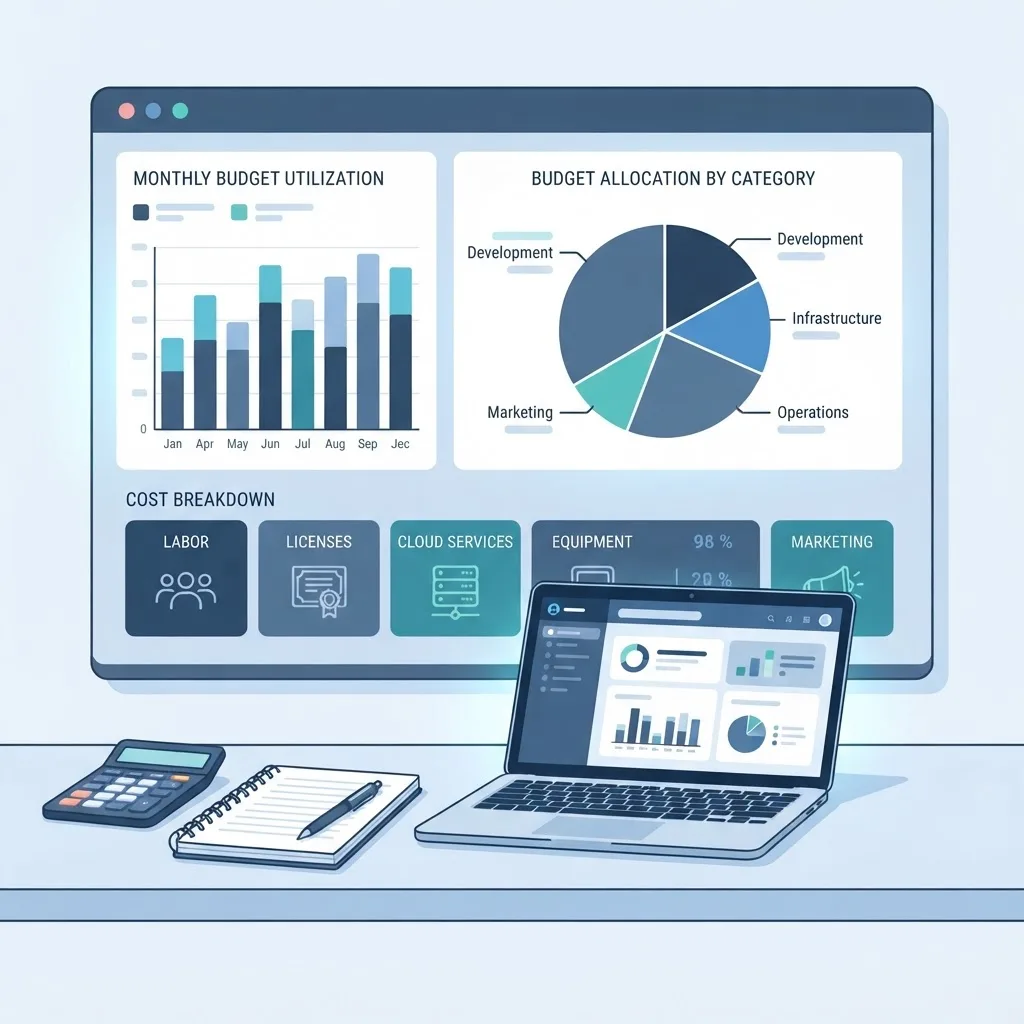
The relevant comparison is not consulting fees against zero, but against the cost of a wrong decision. Rebuilding a mis-architected application typically costs several times the original build, and a two-month delay on a revenue product often exceeds the entire consulting fee.
Technical Due Diligence: The Most Undervalued Service
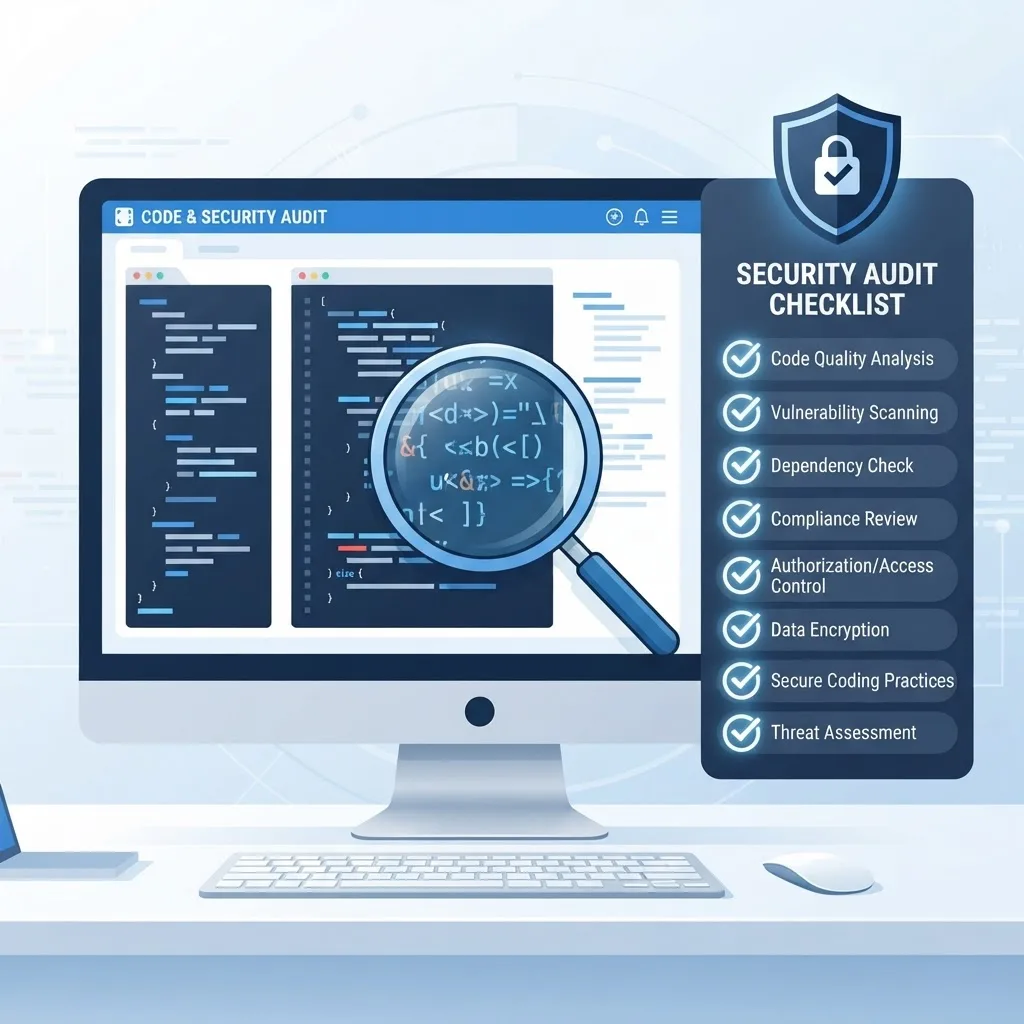
Technical due diligence is a time-boxed audit that answers one question: can this system support the next stage of the business? A thorough audit examines code quality and test coverage, dependency and license risk, infrastructure cost and scalability, security posture, data handling and privacy compliance, deployment maturity, and the concentration of critical knowledge in individual people.
The last item is the one buyers most often miss. When a single engineer is the only person who understands deployment, that is a business risk, not a technical detail. Findings should be ranked by severity with realistic remediation estimates, so leadership can decide what to fix now, what to fix later, and what to accept.
How to Choose the Right Consulting Partner
Evaluate consultants the way you would evaluate a senior hire.
- Ask for a comparable engagement in detail. Not a logo wall, a story with constraints, trade-offs, and a measurable outcome.
- Request a sample deliverable. A redacted architecture document or audit report tells you more than any pitch deck.
- Confirm who does the work. The senior name in the meeting should be the person on the engagement.
- Check for opinions. A consultant with no strong technical opinions has no expertise to sell.
- Insist on knowledge transfer. Written decisions, recorded sessions, and documented rationale should be contractual, not optional.
Teams comparing shortlists often review published methodology and case detail from firms like ZoneTechify and WebPeak before booking introductory calls, which is a cheap way to filter for depth.

Red Flags to Walk Away From
- A proposal that recommends a technology stack before any discovery has happened.
- Estimates presented as single numbers with no ranges, assumptions, or risk notes.
- No named engineers, no references, no writing samples.
- Refusal to document decisions, which creates dependency rather than capability.
- Deliverables described only as slide counts rather than decisions made.
Key Takeaways
- Application development consulting delivers validated scope, architecture, and a delivery plan, not code.
- McKinsey and Oxford research found large software projects average 66 percent over budget and deliver 17 percent less value than forecast.
- Standish Group CHAOS research puts full software project success at roughly 31 percent, with unclear requirements a leading cause of failure.
- Discovery phases typically run two to six weeks; senior consulting rates commonly range from 100 to 300 US dollars per hour.
- Technical due diligence should rank findings by severity with remediation estimates, including knowledge-concentration risk.
- The best pattern is sequencing: consult to define the work, then build with an internal team or agency.
Frequently Asked Questions (FAQ)
What does an application development consultant do?
An application development consultant validates what software your business needs, designs the technical architecture, selects the technology stack, and builds a realistic delivery plan and budget. They also audit existing systems, identify risks, and advise on team structure so your engineers build the right product the first time.
Is application development consulting worth the cost?
Usually yes, when the decision at stake is large. A short consulting phase costing a fraction of a build budget can prevent a mis-architected platform, a scope that doubles mid-project, or a rebuild later. If your scope and architecture are already validated, skip consulting and hire builders.
How long does an application consulting engagement take?
Most discovery and assessment engagements run two to six weeks, depending on system complexity and stakeholder count. Focused technical due diligence audits often finish in one to three weeks. Ongoing fractional CTO or advisory retainers continue monthly for as long as senior technical judgment is needed.
What is the difference between a consultant and a development agency?
A consultant decides what should be built and how, producing strategy, architecture, and plans. An agency executes a defined scope and produces working software. Many firms offer both, but you should know which service you are buying, because the deliverables and success measures differ completely.
What should I prepare before hiring a consultant?
Bring your business goals and success metrics, known constraints such as budget, deadlines, and compliance rules, access to existing systems and documentation, a list of stakeholders, and any prior estimates. The clearer your inputs, the faster discovery moves and the less you pay for basic information gathering.
Can consultants help fix a failing software project?
Yes. Rescue engagements start with a rapid assessment of scope, architecture, and team process to find the actual bottleneck, which is frequently unclear requirements or missing ownership rather than developer skill. The consultant then proposes a reduced, deliverable scope and a realistic path to a working release.
Final Thoughts
The value of application development consulting is measured in the projects you never have to rescue. Buy judgment before you buy capacity, insist that every recommendation is written down with its reasoning, and treat any consultant who will not commit their advice to paper as a risk rather than a resource.